Research Funding

Research Funding

A physicist works to zoom in on a microscope

New grants to support breakthrough discoveries

By Hannah Ashton

Four-dimensional tissue self-assembly, integrated river health and ultra-tiny spectrometers: The 2022 College of Science Research and Innovation Seed (SciRIS) award recipients will use collaboration to fill critical knowledge gaps across numerous scientific disciplines to drive real-world impact.

The SciRIS program funds projects based on collaborative research within the College of Science community and beyond. There are two tracks through the program: SciRIS (Stages 1-3) and the SciRIS individual investigator award (SciRIS-ii).

SciRIS Stages 1-3 funds teams in three stages of increasing funding to support training, research and capacity-building, accelerating work toward external funding opportunities. SciRIS-ii funds individual faculty to establish research relationships with external partners, enabling them to demonstrate the feasibility of their ideas and quickening the pace of scientific discovery.

SciRIS-ii Awardees

The following three scientists received SciRIS-ii awards: Bo Sun, Clayton Petsche and Ethan Minot.

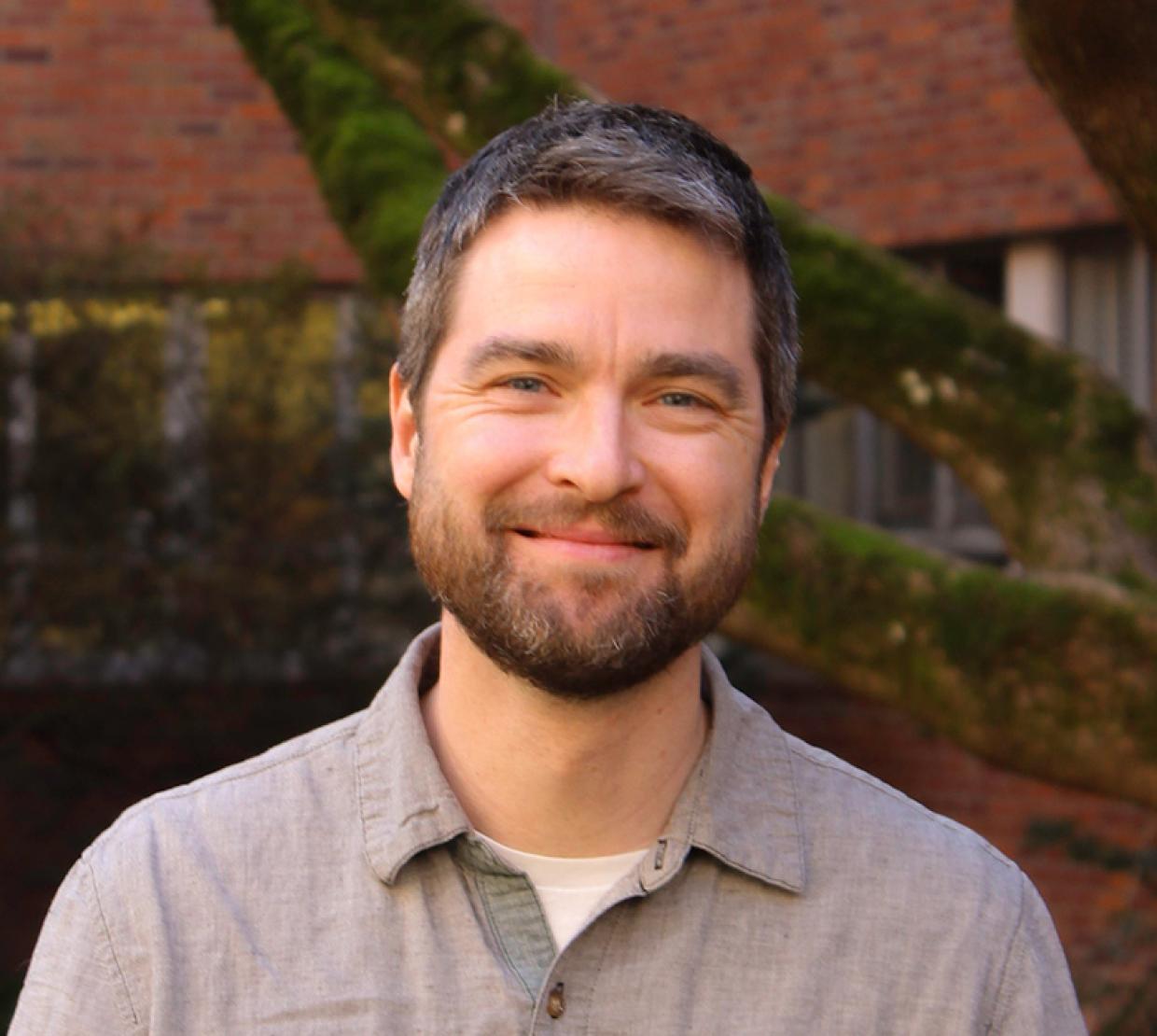
Associate Professor of Physics Bo Sun’s research aims to lay the foundation for programmable four-dimensional tissue self-assembly. Current technologies have been unable to harness these naturally occurring processes to assemble dynamic tissue structures for biomedical and therapeutic applications. Four-dimensional tissue self-assembly is critical for many physiological processes including acute wound healing and in lethal tumor metastasis.

Sun and his collaborator, Yang Jiao from Arizona State University, will be building on eight years of collaborative research in the field of cell mechanics and cell migration that has resulted in eight publications.

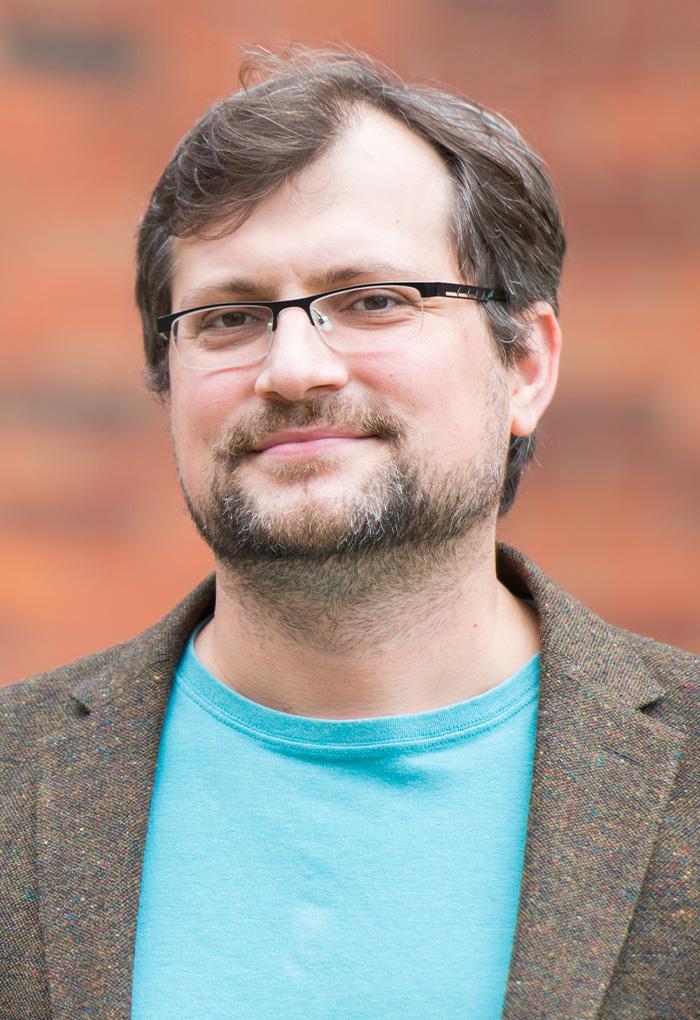
Associate Professor of Mathematics Clayton Petsche will use his SciRIS grant to help three graduate students complete sub projects within the realm of arithmetic dynamical systems. The research will be entirely student-focused and will help establish their research credentials before entering the postdoctoral job market.

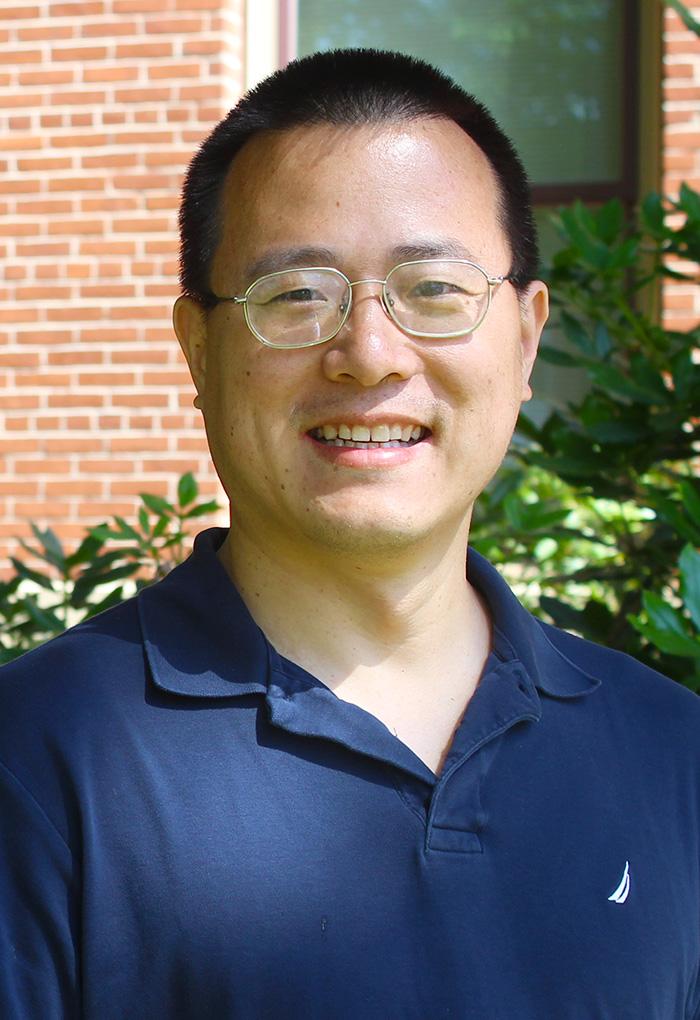
Professor of Physics Ethan Minot will use his award to bring ultra-miniaturized spectrometer technology to Oregon State and pursue follow-up opportunities.

In 2022, with co-authors from Finland, Minot was part of a study published in Science that resulted in a powerful, ultra-tiny spectrometer. Contributing to a field known as optical spectrometry, their discovery could improve everything from smartphone cameras to environmental monitoring.

Minot plans to bring the technology to Oregon to grow the new field of research.

SciRIS Stage 1 Awardees

Four groups of scientists received SciRIS Stage 1 awards up to $10K.

Associate Professor of Statistics Yuan Jiang, along with Anna Jolles, professor in the Department of Integrative Biology, received a SciRIS Stage 1 grant for a project which will help fill a knowledge gap and provide crucial tools to understand microbial community dynamics.

The team will develop a novel analytical pipeline that harnesses longitudinal microbiome data to define the ecological roles of host-associate microbes. Although the accumulation of microbial communities is essential to animal health, there are few statistical routes adequate for characterizing microbial community dynamics through time.

Integrative Biology Professor Anna Jolles and Carson College of Veterinary Medicine Professor Claudia Häse will use their SciRIS Stage 1 award to study eco-evolutionary host-bacterial-phage dynamics. Collaborating with a researcher from the University of Louisiana, the group will be using the Pacific oyster and shellfish pathogen Vibrio coralliilyticus as a model system.

In a project entitled “Bioinformatics for integrated river health,” Integrative Biology Professors David Lytle and Anna Jolles, along with Justin Sanders from the Carson College of Veterinary Medicine, will bring together expertise across disciplines to provide an integrated approach to understanding river health. The group will combine expertise in bioinformatic and genetic methods for characterizing aquatic invertebrate communities, aquatic parasite and pathogen communities, and fish microbiomes. Samples will come from the lower Colorado River, an ecologically and culturally significant ecosystem.

Biochemistry and Biophysics Associate Professors David Hendrix and Colin Johnson, along with Professor of Chemistry Claudia Maier and Patrick Reardon, director of the Nuclear Magnetic Resonance Facility at Oregon State, received a SciRIS Stage 1 award to create a pipeline of computational and experimental methods for the prediction, identification and functional characterization of microproteins. Previously dismissed due to their small size, microproteins are now thought to play significant physiological roles including pathological roles in cancer progression.

Disease Mechanism and Prevention Fund

Researching Parkinson’s disease, Associate Professor of Biochemistry and Biophysics Alysia Vrailas-Mortimer received a grant from the College of Science Disease Mechanism and Prevention Fund for a project entitled “Why is a fly a good model to study my grandmother’s tremors?”

Similar to the SciRIS-ii, the fund is focused on assisting individual faculty efforts to establish research relationships with external partners for projects specifically related to health science.

Using fruit flies, Vrailas-Mortimer’s goal is to determine how a stress response protein protects against Parkinson’s-associated iron-induced oxidative damage. Parkinson’s affects over one million people in the U.S. and her research could provide the basis for future therapeutic strategies.

Ben Dalziel

Preparing for the next pandemic: $1M grant to create interdisciplinary research center

By Hannah Ashton

A team of Oregon State University researchers, including population biologist Ben Dalziel and statistician Katherine McLaughlin, have received a $1 million grant from the National Science Foundation to identify, model, predict, track and mitigate the effects of future pandemics.

This grant is part of a new $26M NSF program called Predictive Intelligence for Pandemic Prevention, or PIPP, which aims to support high-risk, high-payoff convergent research to help the world be better prepared for the next pandemic. Phase one PIPP grants are 18-month awards aimed at defining research priorities, developing interdisciplinary teams and pursuing initial research.

“The evidence is overwhelmingly clear that the next pandemic is going to happen in our lifetimes and I think everyone would agree that we would like the next one to go differently, in fact, we would like it to go really differently,” said Benjamin Dalziel, associate professor in the Departments of Integrative Biology and Mathematics and primary investigator. “It’s important to right now, start working as fast as we can on what ‘really differently’ means so that we don’t end up in a Groundhog Day scenario. To avoid that, we need projects like this.”

The goal of the project, entitled “Coupling Predictive Intelligence with Adaptive Response to Create Pandemic-Resilient Cities,” is to establish a multidisciplinary center, combining mathematical and computation modeling with engineering, public health and public engagement. The center will explore the design and prototyping of city-scale feedback loops that could proactively reduce the rates of transmission of pathogens with pandemic potential.

“I see a real opportunity for OSU to lead in this space because of our track record during the pandemic and because of the extraordinary capacities this university has in its community, mission and strengths."

Feedback loops allow emergent, adaptive and rapid responses to changing conditions. Dalziel said the goal is to use the unique characteristics of cities to create something similar to an “immune system.” This would allow for sensing pathogen transmission in real-time and allow the population to collectively respond, both by reducing transmission and increasing the tempo and resolution of monitoring.

“That last part about the speed and equity is critical – existing public health systems are too slow and too biased to stop the spread of pandemic threats,” he said. “During pandemics, many people who are infectious do not have quick enough access to testing and care, particularly people who belong to marginalized populations.”

During the COVID-19 pandemic Dalziel led TRACE, a public health project that gathered timely information about the presence of the novel coronavirus in communities around Oregon and at Oregon State. The TRACE team won the 2020 Beaver Champion Award for their outstanding effort and performance of the highest quality. McLaughlin was appointed TRACE co-principal investigator and is a co-pi on the Pandemic Prevention grant.

“I see a real opportunity for OSU to lead in this space because of our track record during the pandemic and because of the extraordinary capacities this university has in its community, mission and strengths,” Dalziel said.

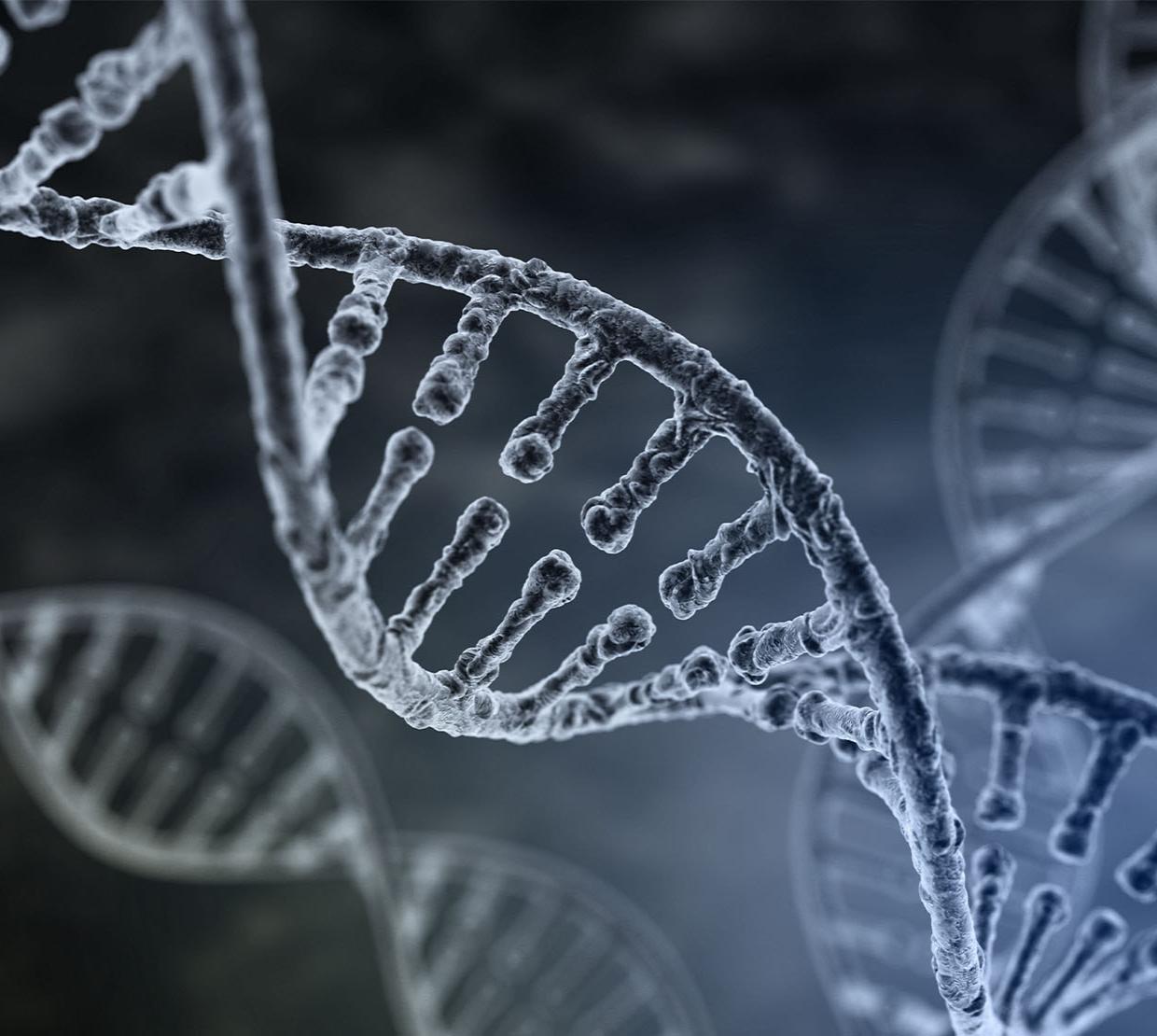
DNA strands.

Research grants to seed the next great idea

By Grace Peterman

College seed funding supports diverse projects with the power to directly impact human quality of life.

Seed funding from the College of Science Research and Innovation Seed (SciRIS) program continues to bolster ambitious and expansive projects, empowering our scientists to delve into fundamental research discoveries and translate them into revolutionary applications. Founded in 2018, the SciRIS program provides funding for collaborative projects that pursue fundamental discoveries and create societal impact, accelerating the pace of research, discovery and innovation in the College of Science.

Between 2019 and 2021, the SciRIS program provided $763K in seed funding to scientists leading research projects in both basic and applied science and mathematics, with the potential to produce practical solutions for industry, people and the planet.

There are two pathways through this program, the SciRIS Stages 1-3 awards and the SciRIS individual investigator award (SciRIS-ii). The SciRIS Stages 1-3 program funds teams in three stages, ranging from $10K to $125K, to foster team development, build capacity and accelerate project development for procuring larger external grants, while the SciRIS-ii program provides funds ranging from $10K to $20K to individual investigators to establish partnerships, accelerate project development, generate data and manuscripts and foster proposal submissions.

The 2022 Science Research and Innovation Seed Individual Investigator awards (SciRIS-ii) are catalyzing initiatives that will open fresh pathways in science.

Supporting pure and applied mathematics, agriculture, gene therapy, molecular movie technology and quantum mechanics

Radu Dascaliuc, a man with glasses and a beard.

Radu Dascaliuc, associate professor of mathematics

Dascaliuc researches stochastic cascades and energy transfer in equations of fluid dynamics. The mathematics of fluid flows allow us to understand and predict the complexity of behaviors exhibited in fluids. Deeply rooted in questions of applied science and engineering, the proposed research is a part of a larger program aimed at exploring connections between the mathematics of equations of fluid motions and physics of fluids.

Part of the proposal is to organize a two-week summer collaborative research program for graduate and undergraduate students. This program will be devoted to attracting students from backgrounds traditionally underrepresented in STEM and especially in the field of fluid dynamics. The project will be structu­­red so that students without advanced knowledge in differential equations, mathematical analysis and probability can contribute and hopefully become interested and motivated to learn more about the mathematics involved. Funds for Dascaliuc’s SciRIS-ii project titled, “Stochastic Cascades and Energy Transfer in Equations of Fluid Dynamics” are provided by a generous gift made to the Robert W. Lundeen Science Faculty Development Award Fund.

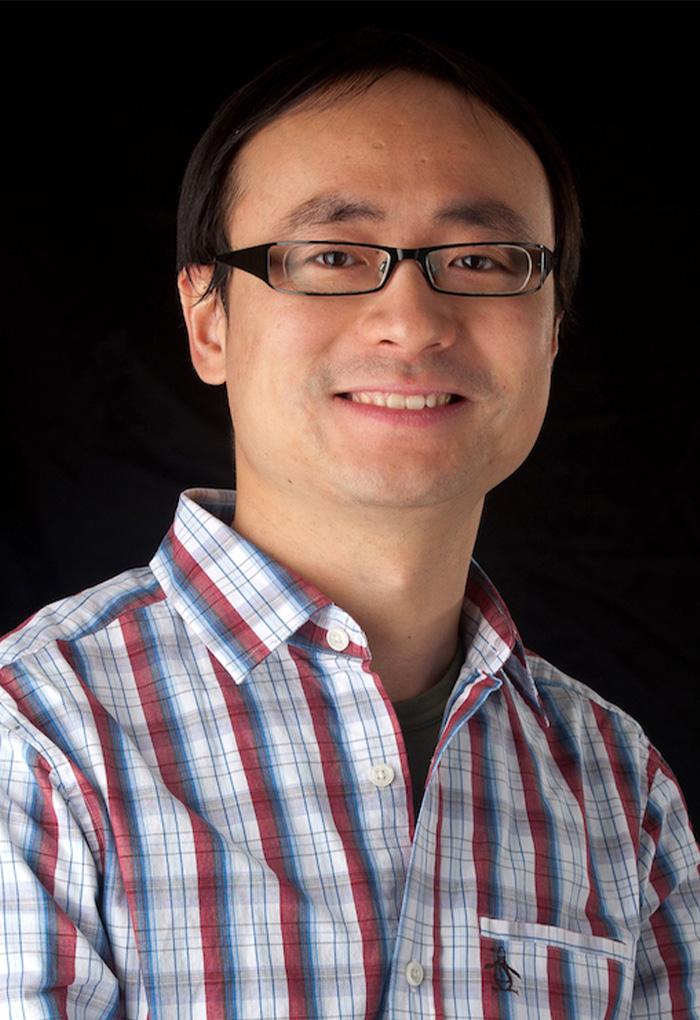
Yanming Di, a man with glasses standing outside.

Yanming Di, associate professor of statistics

In partnership with the Oregon State Seed Lab, Yanming Di innovates seed sampling devices and protocols. Seeding testing — used for determining seed lot quality and establishing seed value — is a fundamental phase of the agricultural marketing system. Getting an accurate subsample of seed depends on the accuracy and precision of the device used.

Devices and protocols developed by the OSU Seed Lab and the USDA in the 1970s are still considered state of art today, leaving ample room for further improvements. With SciRIS funding, Di and collaborators aim to start a new wave of groundbreaking innovations by incorporating recent advances in robotics, computer vision, machine learning and stochastic modeling into seed testing. Funds for Di’s SciRIS-ii project entitled “Innovating Seed Sampling Devices and Protocols” come from the College of Science’s Education & General Funds.

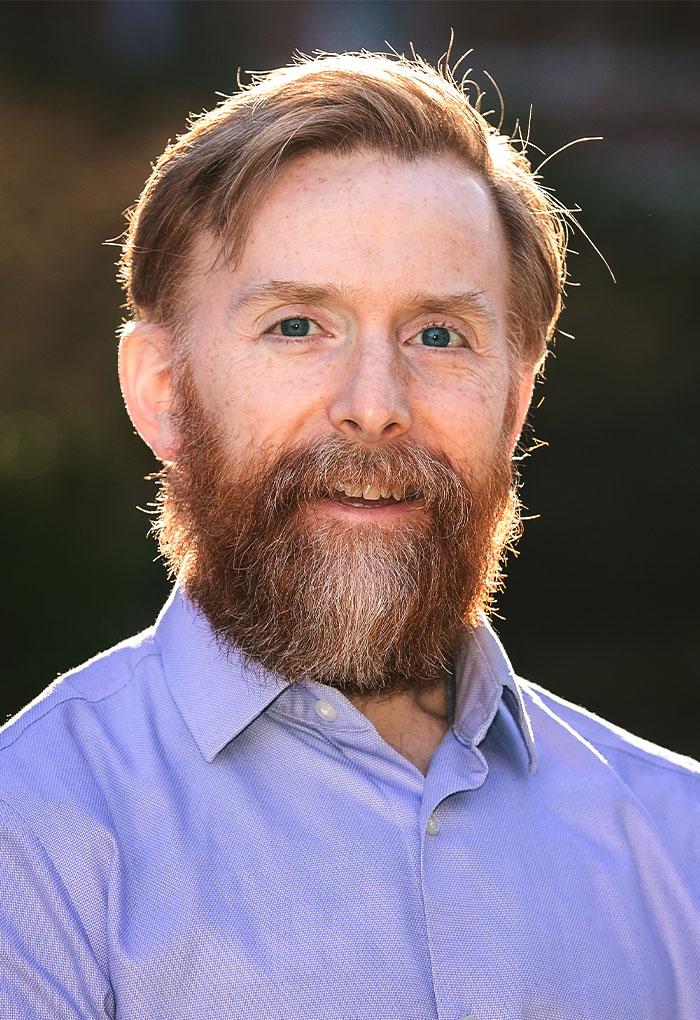
Colin Johnson, a man with a red beard.

Colin Johnson, associate professor of biochemistry and biophysics

Colin Johnson’s research uncovers new connections between the ferlin family of genes and disease. Mutations in dysferlin are linked to muscular dystrophy, while mutations in otoferlin and myoferlin have been linked to deafness and breast cancer, respectively. Previous research led by Johnson uncovered key components of otoferlin gene therapy, moving one step closer to restoring hearing for the congenitally deaf.

In partnership with collaborators from the College of Engineering and College of Agricultural Sciences, Johnson’s new project will focus on ferlin gene Fer1L6, which has been linked to ovarian failure and neural tube development deficiencies. It will be the first study to unpack the effects of Fer1L6 on organismal development and neural tube defects. Funds for Johnson’s SciRIS-ii project, entitled “Establishing a Zebrafish model for the study of the Ferlin gene Fer1L6,” come from the College’s Education & General Funds.

Chong Fang, a man in glasses.

Chong Fang, associate professor of chemistry

SciRIS-ii funding will support a research collaboration between OSU and Stanford University led by Chong Fang. The project will implement state-of-the-art femtosecond laser spectroscopy at the Linus Pauling Science Center. By advancing the mechanistic knowledge and rational design of reversibly photoswitchable fluorescent proteins, this emergent tool for super-resolution microscopy and bioimaging will elevate both labs’ research to new heights while further enhancing the visibility and impact of “molecular movie” technology at OSU.

Funds for Fang’s SciRIS-ii project, entitled “Elucidating primary events of engineered photoswitchable fluorescent proteins with a powerful ultrafast spectroscopy toolset,” are provided by a generous gift made to the Ben and Elaine Whiteley Materials Research Fund.

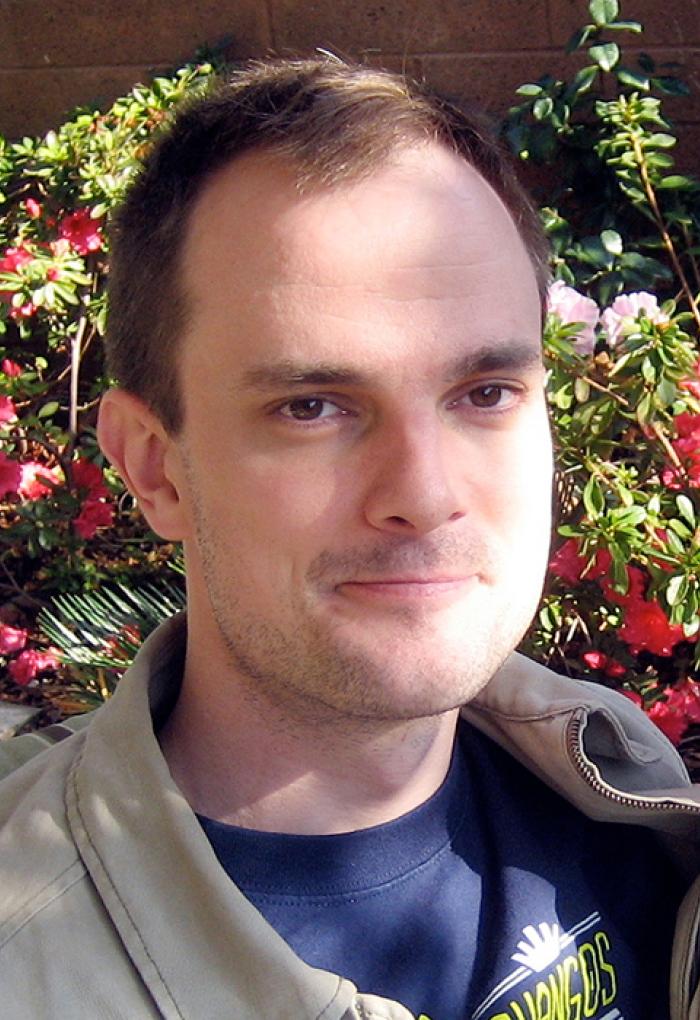
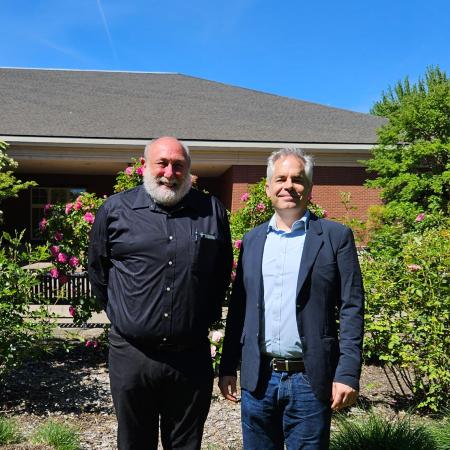
Man smiling in front of a bush of flowering azaleas

Clay Petsche, associate professor of mathematics

Petsche is working with graduate students Chifan Leung, Chatchai Noytaptim and Peter Oberly to develop new ways to measure the arithmetic complexity of dynamical systems – a mathematical construction which takes input data and feeds it through a repetitive process – and to show that certain families of arithmetic dynamical systems can be divided into the simple and the complex. Using mathematical techniques including Galois theory, which is the study of symmetry in the solutions to polynomial equations; potential theory; and the analytic theory of Berkovich spaces, a fully modern construction that has recently given mathematicians the ability to apply classical analytic techniques toward modern number theory applications.

Funds for Petsche’s SciRIS-ii project, entitled “Exceptional maps in arithmetic dynamical systems,” are provided by a generous gift made to the Robert W. Lundeen Science Faculty Development Award Fund.

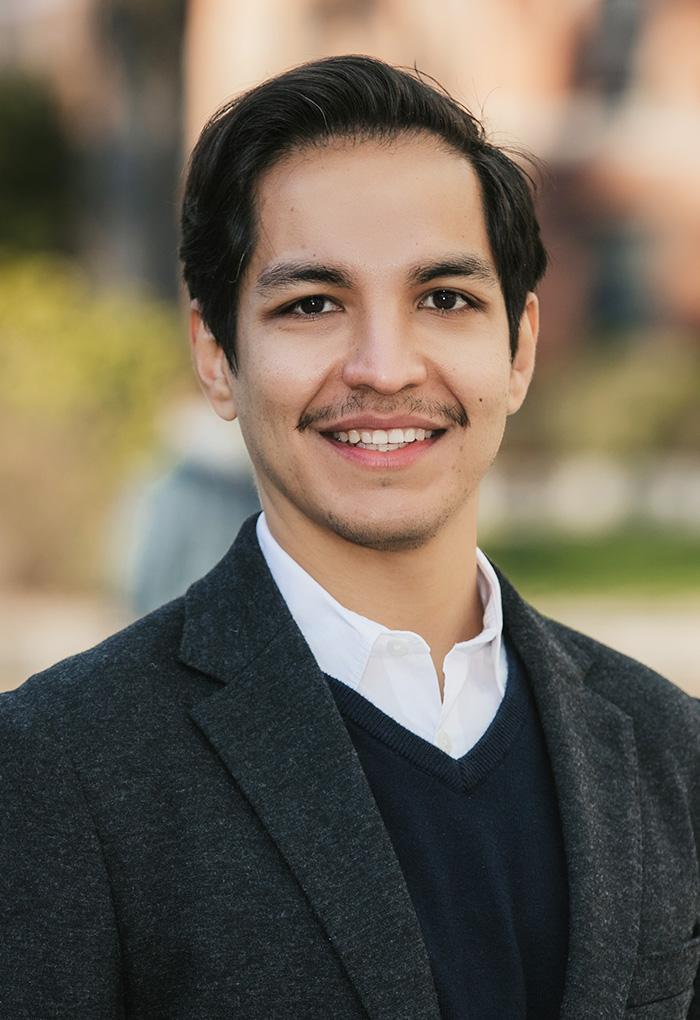
 Axel Saenz Rodriguez, a man with dark hair.

Axel Saenz Rodriguez, assistant professor of mathematics

According to quantum mechanics, we can only know the probability for the location of an electron at any given moment. Yet, if the electrons are confined to a one-dimensional space, the system exhibits certain symmetries that may allow one to obtain exact formulas for the statistics of the electrons. Axel Saenz Rodriguez aims to develop the mathematical theory to determine these statistics and to host a conference focused on this research topic. The two-day conference at OSU in Fall 2022 will build a regional network of collaborations; develop research projects suitable for grant proposals; and build research activity and a community on campus for graduate students and faculty. Funds for Saenz Rodriguez’s SciRIS-ii project, entitled “Probability law for 1D quantum electrons,” are provided by a generous gift made to the Robert W. Lundeen Science Faculty Development Award Fund.

Bolstering medicine through interdisciplinary research

As part of the SciRIS program, the College of Science offers other donor-funded awards to bolster research and innovation. The Disease Mechanism and Prevention Fund (DMPF) supports research into the mechanism, diagnosis, treatment and prevention of human disease by the College of Science faculty. These funds are provided by a generous gift from David and Donna Gould. The awardees are Swati Patel, assistant professor of mathematics and Adrian Gombart, professor of biochemistry and biophysics.

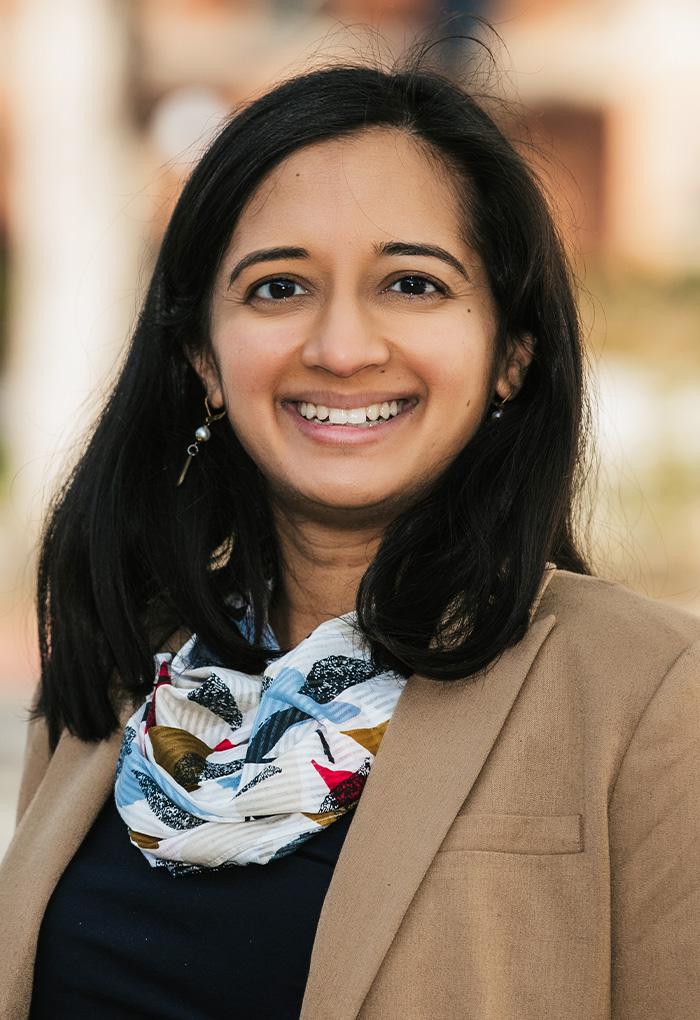
Swati Patel, a woman with dark hair.

Swati Patel, assistant professor of mathematics

Swati Patel’s DMPF proposal is titled “Mathematical modeling of Anthelmintic resistance in soil-transmitted Helminths.” Patel’s research addresses soil-transmitted helminths (STH), parasitic worms that infect an estimated 1.5 billion people worldwide, particularly in developing tropical countries that lack adequate sanitation systems. Periodic de-worming is necessary to treat and prevent infection, but STH are developing resistance against the drugs used. Patel develops projects to investigate the mechanisms that lead to resistance and strategies to prevent it through systematic mathematical modeling.

Adrian Gombart, professor of biochemistry and biophysics.

Adrian Gombart, professor of biochemistry and biophysics

Gombart’s DMPF project, “The role of the cathelicidin antimicrobial peptide in the development of Alzheimer’s disease,” continues work from a previous DMPF award, studying the potential use of an antimicrobial peptide called cathelicidin to curtail the development of Alzheimer’s. Vitamin D and other nutrients regulate expression of the peptide. Gombart’s project could lead to further development of effective preventative therapies or treatments of Alzheimer’s disease. Gombart is a principal investigator at the Linus Pauling Institute and is known for his extensive research on the uses and functions of vitamin D, including using it to combat infection via wound dressings and sutures.

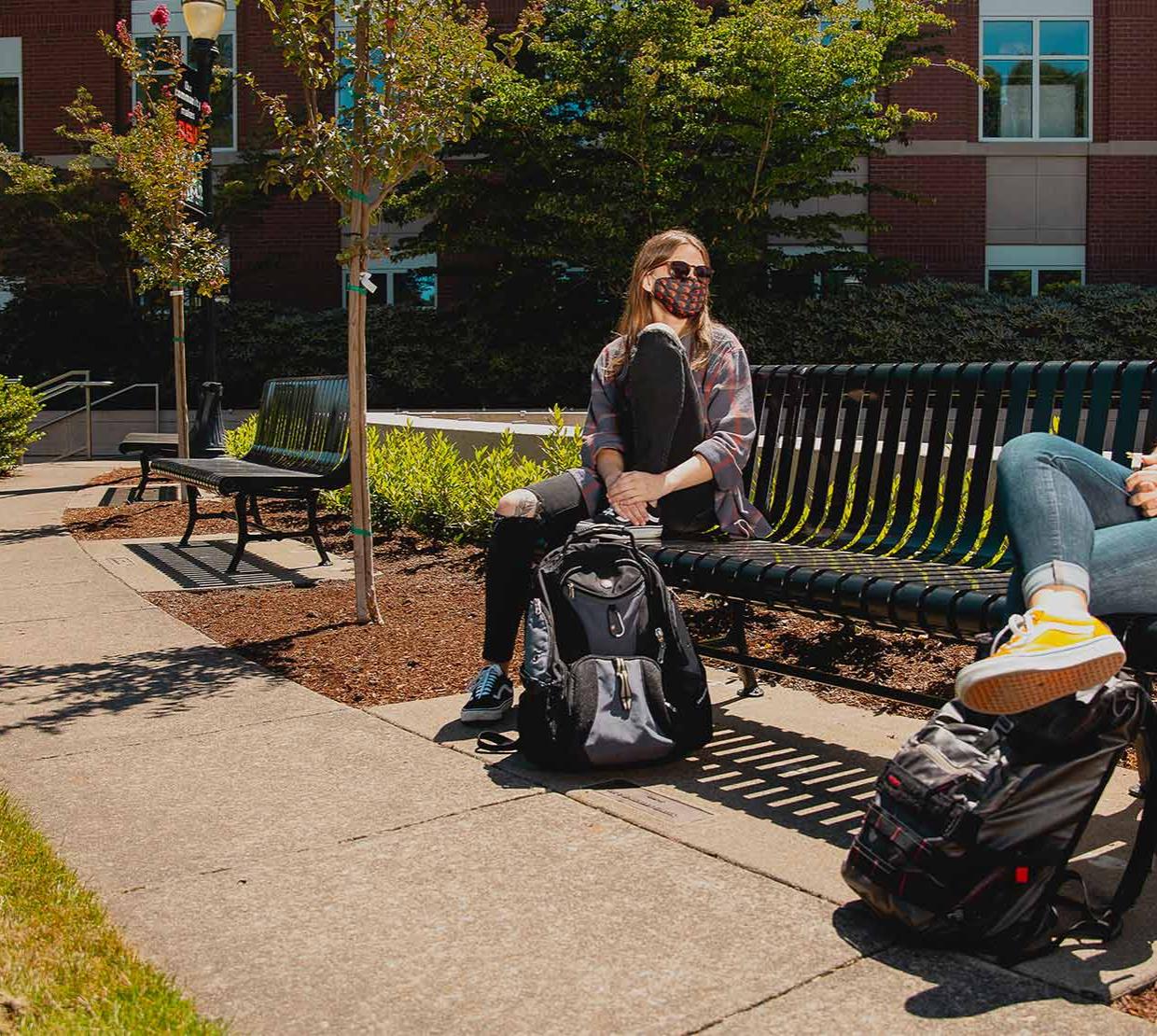
students in masks sit on a bench on OSU's campus

Oregon State University receives $2 million Packard Foundation grant to expand TRACE-COVID-19 nationally

By Steve Lundeberg, OSU News

Oregon State University researchers have received a $2 million grant from the David and Lucile Packard Foundation to create a national TRACE Center that will expand the OSU’s COVID-19 public health project to other states.

The center will harness the power of public health departments, universities and other institutions around the country to help measure the prevalence of the virus that causes COVID-19 by combining community surveillance sampling, wastewater analysis, viral sequence data and mathematical models of SARS-CoV-2 prevalence that OSU TRACE researchers have developed.

“In most communities across the country, it is still very hard to get reliable estimates of how many people are actually infected,” said TRACE leader Ben Dalziel, a population biologist in the OSU College of Science. “The TRACE Center will support a network of university-community partnerships that monitor local prevalence and develop new approaches for community-based COVID monitoring. We are extremely grateful to the Packard Foundation for helping us expand this work to other institutions and communities.”

Chad English, Science program officer for the Packard Foundation, said OSU’s TRACE work is different than most coronavirus testing strategies that rely on “trailing indicators” and provide more information about past infections than who is currently infected.

“The TRACE study and its approach to tracking the prevalence and spread of the coronavirus have proven invaluable to communities in Oregon," said English. “With the data and other insights that TRACE provides, public health leaders now have a powerful tool in their hands to better assess the threat of the virus and make decisions in the best interest of their community.

“We at the Packard Foundation are thrilled to support the expansion of this effort to other states and universities around the country.”

Dalziel said more than 100 research universities across the nation have the capacity to help scale up the TRACE project.

“Many universities have untapped capacity to help their states tackle the coronavirus,” he said. “The TRACE team at Oregon State University is looking for universities and public health departments interested in adapting the TRACE model to their states and their communities.”

Anyone interested in partnering on the TRACE project is encouraged to reach out to the TRACE Coordinating Center at [email protected].

Team-based Rapid Assessment of Community-Level Coronavirus Epidemics, or TRACE-COVID-19, was launched by OSU in April with door-to-door sampling in Corvallis, home to Oregon State’s main campus, and expanded to other cities around the state while also adding a wastewater testing component.

In late September, at the start of the academic year, TRACE also started conducting prevalence testing among OSU students, faculty and staff in Corvallis, at OSU-Cascades in Bend and at the Hatfield Marine Science Center in Newport, along with wastewater analysis of effluent from university buildings for COVID-19 viral markers.

“It’s been fantastic to merge sewer surveillance of the virus with the sampling and modeling going on in TRACE,” said project co-leader Tyler Radniecki of the College of Engineering. “Now we have the ability to extend our impact well beyond Oregon’s borders, and that’s a huge opportunity and honor.”

The TRACE project began as a collaboration of five OSU colleges – Science, Agricultural Sciences, the Carlson College of Veterinary Medicine, Engineering, and Public Health and Human Sciences – plus the OSU Center for Genome Research and Biocomputing. The project has functioned in partnership with county health departments around Oregon.

“Oregon State faculty, staff and students have really come together and mobilized to take on the hard work necessary to understand and combat this pandemic,” said OSU epidemiologist Jeff Bethel, also a project co-leader. “And of course we can’t take on this kind of challenge without the kind of support we’re receiving from the Packard Foundation and our other funders.”

PacificSource Health Plans and the Oregon Health Authority have also supported the TRACE project, whose diagnostic testing component operates through a partnership between the Oregon Veterinary Diagnostic Laboratory, which is located at OSU, and Willamette Valley Toxicology.

“One of the most exciting things about this project is that it shows how a land grant university can fulfill its potential to serve communities statewide – and nationally,” said Justin Sanders, a molecular pathologist at the Carlson College of Veterinary Medicine who is overseeing testing operations at the OVDL and is a member of the TRACE leadership team. “This project brings together experts from a broad range of fields motivated to quickly fill a critical public health need, and now we get the chance to take that to the national level.”

The national partnerships and collaborations afforded by the grant from the Packard Foundation, which comes on top of the $1.15 million it contributed to help launch the project, are critical in responding to a disease as widespread and deadly as COVID-19, said Javier Nieto, dean of OSU’s College of Public Health and Human Sciences.

“This pandemic requires all of us to do everything we can to mitigate the spread and damage of COVID-19,” said Nieto, a TRACE co-leader as well as a physician and epidemiologist. “If ever a situation demanded that we pool our resources, both at OSU and around the globe, this is it.”

The data gathered and analyzed by TRACE researchers provide important guidance for local and state officials deciding which public health actions make the most sense in protecting their communities, said Katie McLaughlin, an applied statistician in OSU’s colleges of Science and Agricultural Sciences and another TRACE co-leader.

“Among its other effects, COVID-19 is generating volumes of data that need statistical interpretation so our leaders can use the information for maximum benefit,” McLaughlin said. “Thanks to all of the support we continue to receive, and thanks to Oregon State’s overarching spirit of collaboration and service, we’re able to play a key role in helping communities stay safe.”

TRACE has tested traditionally underserved and racially diverse populations, Dalziel noted, adding that outreach materials and messaging have been made available in a variety of languages.

“We want to engage communities to get folks tested who might not otherwise be getting tested and as rapidly as possible,” Dalziel said. “We seek to have our samples be truly representative of the whole community, not just a portion of the community. In partnering with communities to monitor prevalence rapidly, we are achieving something that hasn’t been done very many other places during this pandemic. We hope the value of this approach appeals to others as well.”

Kim Halsey with graduate student taking samples from a river

New grants to advance science that benefits humankind

By Cari Longman

Photo by Hannah O'Leary

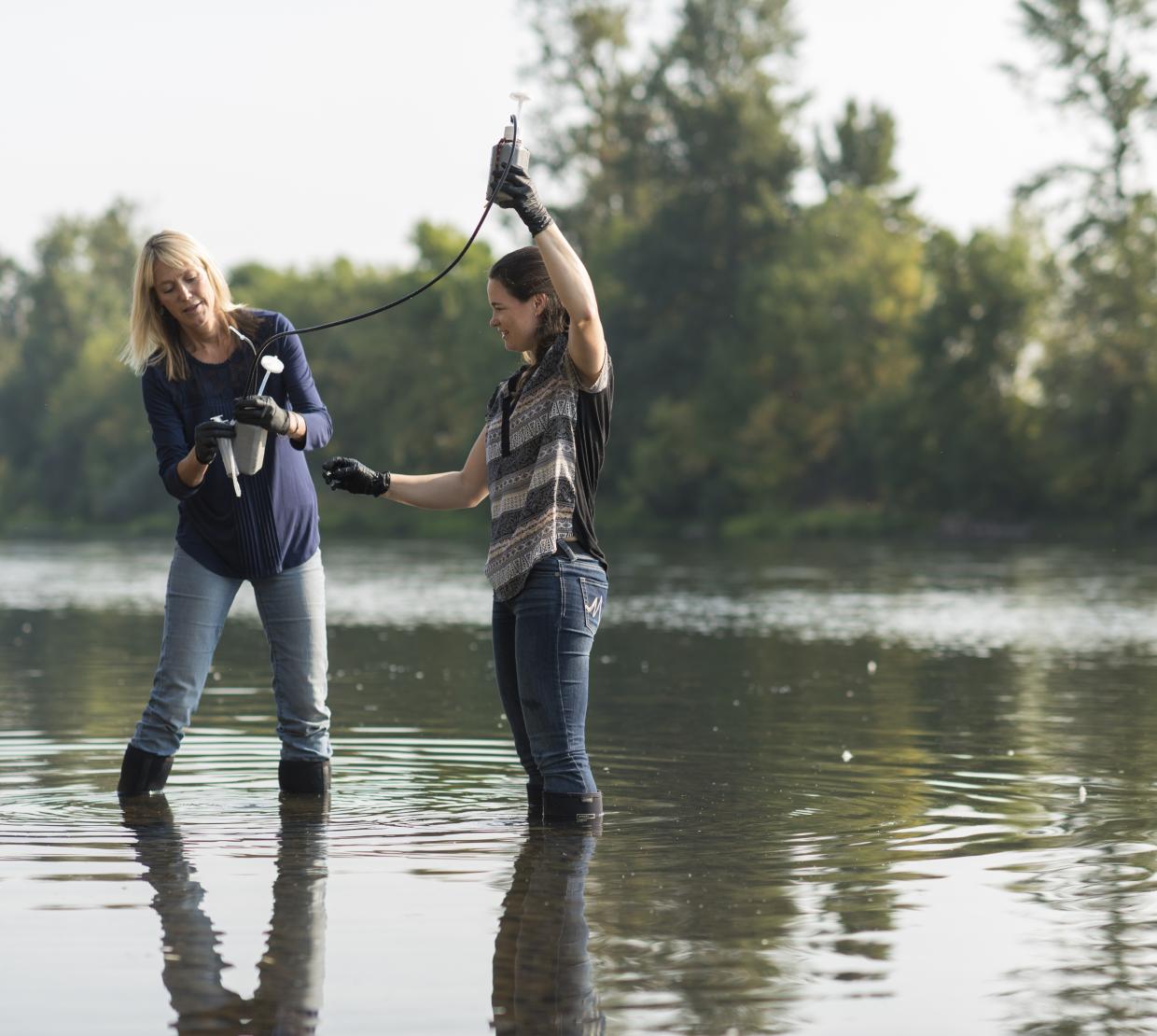
Microbiologist Kim Halsey (left) and postdoc Cleo Davie-Martin collect samples from a river. Halsey is one of four faculty members who received College of Science Research and Innovation Seed (SciRIS-ii) awards. She will study the potential to detect toxic algae blooms in freshwater and marine ecosystems.

How can we better understand how devastating plant diseases are spread? Is there a better statistical model to predict HIV prevalence in a city? Is there a way we can detect toxic algae blooms in freshwater and marine ecosystems before they occur? And of the hundreds of thousands of different metal-organic frameworks (MOFs) in the world, how can we can better find the ones that are most useful for storing and separating gases, like CO2 from industrial plants?

Curiosity is critical for discovery. Asking the questions above led five faculty members to receive College of Science Research and Innovation Seed (SciRIS-ii) and Betty Wang Discovery Fund awards this February to pursue answers over the course of the next year. Their proposals all showed transformative potential and progress toward new frontiers of science and aimed to strengthen collaboration with external research partners. Below is more detail about each of their proposals.

Mathematics Professor Vrushali Bokil was awarded $8,000 to use modeling techniques to understand the spread and control of plant diseases caused by coinfecting viruses. She will focus on Maize Lethal Necrosis (MLN), an emerging disease in Kenya and other parts of Africa that is caused by coinfecting viruses and spread by insects called Thrips, as a test case. Her team’s goals are to use stochastic models and optimal control theory to understand the mechanisms that drive patterns of coinfection in plant populations and effective techniques for controlling the spread of disease in crops and natural grasslands.

In collaboration with the Centers for Disease Control and Prevention (CDC), Statistics Assistant Professor Katherine McLaughlin received $10,000 to explore the use of new statistical methodologies to estimate the number of people who inject drugs in metropolitan areas. The research project, supported by the privately-funded Disease Mechanism & Prevention Fund at the OSU Foundation, has a goal of refining current methods to produce improved population-level demographic, behavioral, disease prevalence and population size estimations. This will aid the CDC in their efforts to contain or slow the rate of HIV in metropolitan areas across the U.S.

Microbiologist Kimberly Halsey was awarded $10,000 to examine the potential for real-time, automated volatile organic compound (VOC) detection as early-warning signals of toxic harmful algal blooms (HABs) in freshwater and marine ecosystems. HABs are increasing in intensity and severity due to climate change and nutrient loading from agriculture and other human-related activities. Some HABs can become toxic to humans and animals. Halsey will use data integration to merge aquatic microbiome data with environmental properties and VOC signatures to identify determinants and trajectory of the annual toxic HAB at Upper Klamath Lake, Oregon.

Physicist David Roundy was also awarded $10,000 to develop new flat histogram Monte Carlo molecular simulation methods to accelerate the discovery of metal-organic frameworks (MOFs) for applications in storing and separating gases. MOFs are crystalline materials that harbor nano-sized pores that have the potential to be used in a variety of clean energy applications, from hydrogen and natural gas storage to capturing carbon dioxide from coal-fired power plant flues. His study aims to enable scientists to accurately predict the absorption properties of hundreds of thousands of MOFs and accelerate the rate of MOF discovery for clean energy applications.

In addition, chemistry professors Kyriakos Stylianou and May Nyman, along with Todd Miller from the Advanced Technology and Manufacturing Institute (ATAMI), received $30,000 from the Betty Wang Discovery Fund to purchase a microwave reactor to integrate on the continuous flow reactor to accelerate the discovery and production of inorganic materials like MOFs. The Betty Wang Discovery Fund supports equipment acquisitions and laboratory infrastructure improvements to advance fundamental discoveries in science. Microwave heating has recently emerged as a powerful method for the preparation of inorganic materials at the laboratory scale, reducing synthesis time down to a few minutes without affecting the product quality or reaction yield. The new machinery will allow the team to investigate the potential of new MOFs to capture carbon in laboratory and industrial applications.

The projects will run for one year, ending next February 2021.The SciRIS program provides funding in three stages for high impact collaborative proposals that build teams, pursue fundamental discoveries and create societal impact. The awards range from $10,000 to $125,000 for various stages of the program and are supported in part by generous alumni and friends, and grants from the U.S. Department of Defense and National Institutes of Health.

Subscribe to Research Funding