Statistics

Statistics

Two lemurs sit closely together on a tree branch, surveying their environment

Science Faculty Secures $18.5M in FY 2024, extending the reach and impact of science

By Hannah Ashton

The Everson lab studies Madagascan lemurs to explore how hybridization shapes genomes, species limits and the evolutionary trajectory of radiations (rapid increases in diversity).

The College of Science has a diverse portfolio of signature research, scholarship and innovation activities that enable our College to make fundamental and applied discoveries. To support society’s scientific challenges, we are invested in discovery-driven science and applied and transdisciplinary research. Our research intersects with all four research areas of priority outlined in OSU’s strategic plan, Prosperity Widely Shared.

Over the 2024 fiscal year (FY24: July 1, 2023 - June 30, 2024), the College of Science researchers received $18.5 million in research grants to support groundbreaking science. Most of that funding came from federal agencies and foundations in recognition of proposals with broad societal impacts, like increased human health, sustainable and clean energy and climate change mitigation. Our faculty pursue foundational and basic research projects and science education projects. Data science and Artificial Intelligence (AI) tools are increasingly becoming part of the fabric of much of our research. College of Science research expenditures in FY24 totaled $20.7 million.

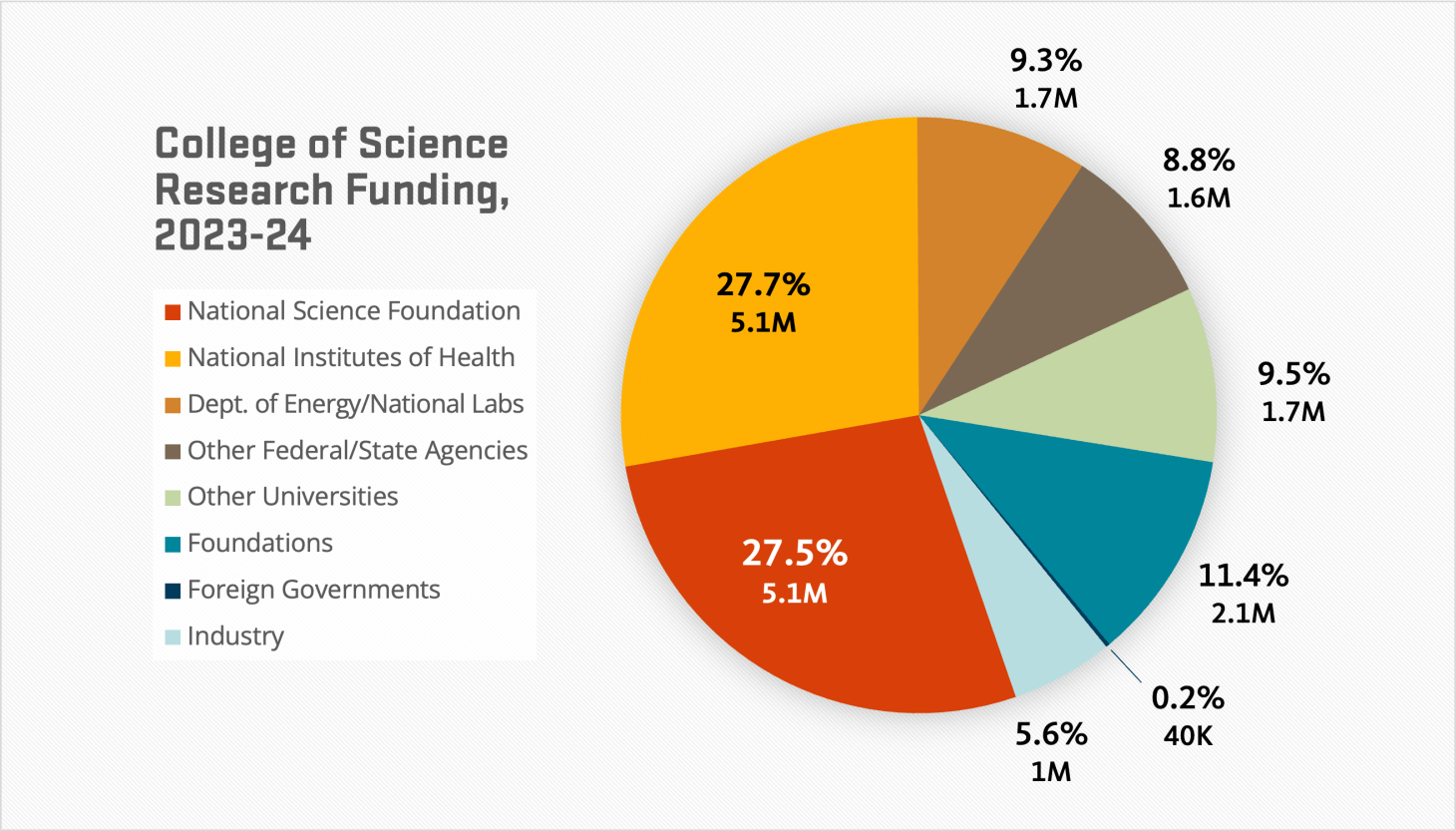
The figure below illustrates the breakdown of funding sources for the College, with the National Science Foundation (NSF) and National Institutes of Health (NIH) each awarding about $5.1M.

Pie chart showing Science Research Funding, with details in the following caption

Research funding in 2023-24 ($18.5M total) comprised investments mostly from federal and state agencies, including the National Science Foundation (25.7%–$5.1M), National Institutes of Health (27.7%–$5.1M), Department of Energy and National Labs (9.3%–$1.5M), and others (8.8%—$1.6M). Additional funds were provided by other universities (9.5%—$1.7M), foundations (11.4%–$2.1M), foreign governments (0.2%–$40K) and industry (5.6%–$1M).

Research funding propels Team Science forward

Oregon State University is focused on big discoveries that drive big solutions. Many science faculty received grants last year in support of discovery-driven science, applied and transdisciplinary research science education and innovation in OSU’s priority research areas of integrated health and biotechnology, climate science and solutions, robotics, data science and AI, and clean energy and solutions. Below are some of the highlights—not including multi-year projects started before 2023.

Faculty honors

Astrophysicist Jeff Hazboun received a $73K Faculty Early Career Development award from the National Science Foundation. This prestigious NSF early career award is highly coveted by faculty! Hazboun’s project includes curriculum development and the implementation of a summer workshop in astrophysics-themed data analysis designed to foster inspired teaching, stimulate excitement in pulsar timing array research, facilitate the learning goals of undergraduate and graduate students, and support the community college students’ transition into four-year schools.

Mathematician Christine Escher received a $50,397 award from the NSF to host the Pacific Northwest Geometry Seminar series over three years at various Pacific Northwest universities. Escher is the principal organizer of the conference. This award supports meetings of the Pacific Northwest Geometry Seminar (PNGS), a regional meeting for researchers and educators of geometry, to be held at the University of British Columbia (2025), Seattle University (2026) and Lewis & Clark College (2027).

Integrated health & biotechnology

Materials scientist Kyriakos Stylianou, along with members of the College of Pharmacy and the College of Agricultural Science, received $2 million from the U.S. Department of Agriculture to develop improved ways of preventing stored potatoes from sprouting, particularly in the organic sector. Stylianou’s team studied nearly 200 different plant essential oils for their anti-sprouting effects. Oregon, Washington and Idaho produce more than 60% of the potatoes grown in the United States, and Pacific Northwest potato cultivation is a $2.2 billion industry.

Microbiologist Maude David is part of a multi-institution research team to receive a $4.3 million grant from the U.S. Department of Agriculture to study European foulbrood disease (EFD) in honey bees. The group is investigating the factors contributing to the high incidence of infection, and will then share their findings with local beekeepers and growers to improve mitigation efforts. Beekeepers in Oregon typically pollinate about five different crops annually. If the colonies are weakened by EFD, this results in less pollination, which is a concern for blueberry and almond growers.

A scientist in a beekeeping outfit stands next to a honeycomb

Carolyn Breece from the OSU Honey Bee Lab shows Maude David a bee colony during a field trip.

Evolutionary biologist Michael Blouin was awarded $1.86M over five years ($371K per year) from the National Institutes of Health for his project entitled, “Genetic mechanisms of snail/schistosome compatibility.” Schistosomes are water-borne blood-flukes transmitted by snails, which infect over 250 million people in more than 70 countries and cause severe and chronic disability. A debilitating helminth parasitic disease of humans, vaccines are available for schistosomiasis. This project will identify new genes that make some snails naturally resistant to infection by schistosomes, revealing potential new ways to reduce parasite transmission at the snail stage.

Statistician Robert Trangucci received $164K from the University of Michigan for his project entitled, “Data driven transmission models to optimize influenza vaccination and pandemic mitigation strategies.” Selection bias is common in infectious disease datasets due to complex observational and biological processes, and bias can arise from covariate data which is missing due to analytical limitations. The research team is addressing the concern by extending existing models to accommodate risk and data gaps over time for application in vaccination and other novel datasets.

Chemist Dipankar Koley received $542K from the National Institutes of Health for his project entitled, “Microenvironmental characterization and manipulation to prevent secondary caries.” A common reason for dental replacement is a recurrence of caries around existing restorations caused by microbial activity. The project seeks development of new and innovative materials to bias this microbial environment toward improved dental health, and the researchers are investigating the use of cations of magnesium and zinc applied with specialized release platforms.

Collaborative research at the interface of robotics, computer vision and AI

Statistician Yanming Di received $249K from the U.S. Department of Agriculture for a project entitled, “DeepSeed: A computer-vision network for onsite, real-time seed analysis.” The Willamette Valley is considered the “grass seed capital of the world.” Seed testing, used for determining seed lot quality and establishing seed value, is a fundamental phase of the agricultural marketing system. With recent advances in robotics, computer vision, and AI, an opportunity presents itself for a new wave of innovations. This project utilizes AI and robotics to innovate devices and protocols for sampling grass seeds and a computer vision system for automated seed analysis. The investigators consist of experts in seed services, computer vision, statistics, and mechanical engineering.

California mussels at low tide, covered in barnacles

Mytilus californianus (the California mussel) is prey for many predator species, serves as a filter for ocean particulate, and harbors hundreds of other species. Threats to this normally resilient foundation species represent risks to the entire local marine ecology.

Climate science and related solutions

Materials scientist Kyriakos Stylianou received $689K from Saudi Aramco for a project entitled “New Generation of CO2 Capture Adsorbents: Synthesis, Performance under Humid Conditions, and Scaleup.” In this project, the Stylianou group aims to discover novel adsorbents for the selective capture of CO2 from diluted sources. Successful materials will undergo scaling up and evaluation for their efficacy in removing CO2 from air.

Marine ecologist Bruce Menge received $200K from the National Science Foundation for his project entitled, “RAPID: A subtle epidemic: unique mortality of Mytilus californianus on the Oregon coast.”

The research team is investigating the major changes occurring in the Pacific Northwest marine ecosystems, with evidence these communities exhibit low resilience to climate change. For example, sessile invertebrates (mussels, barnacles, etc) become more abundant while seaweed species (kelp, etc) decline.

Evolutionary biologist Kathryn Everson received two awards for $276K from the University of Kentucky Research Foundation for a project entitled, “The role of hybridization in generating biodiversity: Insights from genomics of Madagascar’s true lemurs (Eulemur).” This project is funded by the NSF to understand how new species form in the context of complex gene flow and to expose the genomic signatures of evolutionary processes. The researchers will characterize patterns of gene flow, selection, and genome architecture for a species of lemur to gain a genomic perspective on the evolution of species boundaries. In addition, the team will construct a hybridization model using data on geographic range, diet, and social behavior for this lemur.

Clean energy and related solutions

Aerosol chemist Alison Bain received $284K from McGill University for her project entitled, “Single particle measurements.” This research aims to understand the optical properties of stratospheric aerosols. Using single particle experiments under environmentally relevant temperatures and humidities, the team will extend a wavelength-dependent refractive index model to include these conditions. They are also looking at how atmospheric aging impacts the optical properties of these materials.

Chemist Wei Kong received $110K from the American Chemical Society for her project entitled, “Superfluid helium droplets as microreactors for studies of photochemistry of fossil fuel hydrocarbons: polycyclic aromatic hydrocarbons and the corresponding endoperoxides.” The project will use superfluid helium droplets as microreactors to investigate the kinetics of the photooxidation process of a major component of petroleum (polycyclic aromatic hydrocarbons, PAH). Using several analytical techniques, the team will test the hypothesis that supercooling the helium droplets will stabilize an excited state of the oxygen molecule and prevent further reactions.

Collaborative partnerships to fuel a thriving world

Biochemist Ryan Mehl received $234K from the NobleReach Foundation in partnership with the National Science Foundation. The project “Ideal eukaryotic tetrazine ligations for imaging protein dynamics in live cells” was selected as one of the first set of 11 national pilot projects to receive $234K from the NobleReach Foundation.The partnership seeks to identify and accelerate the translation of NSF-funded research into biotechnologies and bio-inspired designs with commercial and societal impacts. This pilot will help inform future translational funding opportunities along with enabling Professor Mehl and the other selected principal investigators to accelerate bringing their research to the market and society.

Biochemist Patrick Reardon received $500K from the National Science Foundation (NSF) Research Instrumentation Program for his project entitled, “MRI: Acquisition of Helium Recovery Equipment: An integrated system for helium capture and recovery for the OSU NMR facility.” This award supports the acquisition and installation of an integrated system for helium capture and recovery for the nuclear magnetic resonance (NMR) facility. Helium is in high demand and is used for a wide variety of industrial and research applications, and it is a non-renewable resource which highlights the need for laboratories to capture and recycle this important gas. The NMR lab is supported by funding from the National Institutes of Health, NSF, M.J. Murdock Charitable Trust, and OSU, and it is a core facility and cornerstone for groundbreaking research in interdisciplinary science and engineering, chemistry, biochemistry, and biophysics at OSU, throughout the Pacific Northwest, and beyond. The facility continually strives to enhance its state-of-the-art instrumentation for the highest levels of analytical performance.

An abstract illustration of data, AI and information forming waves

College of Science hosts Inaugural Research Showcase

By Hannah Ashton

Extending the Reach and Impact of Science

RSVP Today

Tuesday, May 21, 2024
11 a.m. – 2 p.m.
Memorial Union Multipurpose Room 13

This event will feature SciRIS awardee presentations, panel discussion on artificial intelligence in the College of Science, and posters and science education demonstrations by Oregon Museum of Science and Industry (OMSI) Fellows.

Schedule of Events

11 – 11:10 a.m.

Welcome and introduction from Vrushali Bokil, Associate Dean of Research and Graduate Studies


11:10 – noon

SciRIS Awards Showcase

The College of Science Research and Innovation Seed (SciRIS) program funds projects based on collaborative research within our community and beyond. The program awards seed funding for high-impact collaborative proposals that build teams, pursue fundamental discoveries and create societal impact. Founded in 2018, SciRIS accelerates the pace of research, discovery and innovation in the College of Science by enabling scientists to work across an array of disciplines in a mentored environment. We showcase some of the recent awards made under this program.

Francis Chan: “The Hypoxic Barrier Hypothesis: have we missed a fundamental dynamic of oxygen use in microbes and ecosystems?”

Kim Halsey: “Leveraging volatile organic compounds to detect cyanotoxin contamination in Oregon lakes”

Maude David: “Leveraging organ-on-a-chip systems to mimic the gut sensory system: toward screening microbiota-vagal interactions”

Yuan Jiang: “Harnesses longitudinal microbiome data to define the ecological roles of host-associated microbes”

Alysia Vrailas-Mortimer: “A New Model to Study the role of Iron in Parkinson’s Disease”


Noon – 1 p.m.

Lunch & Networking: OMSI Communication Fellows demonstration and poster session

Oregon State University and the Oregon Museum of Science and Industry (OMSI), one of the nation's leading science centers, have enjoyed a close partnership since 2016. OMSI hosts its popular Science Communication Fellowship cohort program on OSU’s Corvallis campus every spring. More than 70 students, faculty and staff from across science at OSU have completed the training program, including the Colleges of Science; Engineering; Earth, Ocean, and Atmospheric Science; Agricultural Sciences; Forestry; and Public Health and Human Sciences. The COS partners with OMSI in offering this fellowship to our students. Here we showcase some of our COS OMSI Science Communication Fellows.

Akasit Visootsat & Yuan Gao (Physics): “What & How to see motor proteins?”

Sunni Patton (Microbiology): “Exploring the Coral Microbiome”

Austin Vick (Integrative Biology): “What can the common fruit fly tell us about our health”


1 – 2 p.m.

Panel Session: AI in Research
Moderators: Vrushali Bokil, Bettye Maddux and Jeff Hare

The panel will discuss ideas for incorporating AI and data science across four priority research areas: clean energy, integrated health and biotechnology, climate solutions and robotics.

Panelists

Tim Zuehlsdorff, Assistant Professor, Department of Chemistry

Jeff Hazboun, Assistant Professor, Department of Physics

Ryan Mehl, Professor, Director of GCE4All Research Center, Department of Biochemistry & Biophysics

Marilyn Rampersad Mackiewicz, Associate Professor, Department of Chemistry

Francis Chan, Associate Professor, Director, Cooperative Institute for Marine Ecosystem and Resources Studies, Department of Integrative Biology

Cancer cells

Innovation in cancer treatment and mathematics: SciRIS awardees lead the way

By Hannah Ashton

SciRIS awards bolster essential research endeavors, such as the investigation of human cancer cells (pictured above).

Collaborative science has the power to change the world. The 2024 College of Science Research and Innovation Seed (SciRIS) award recipients aim to use that power to develop better treatments for cancer and unlock the mysteries of complex mathematical equations.

The SciRIS program funds projects based on collaborative research within the College of Science community and beyond. There are two tracks through the program: SciRIS (Stages 1-3) and the SciRIS individual investigator award (SciRIS-ii).

SciRIS Stages 1-3 funds teams in three stages of increasing funding to support training, research and capacity-building, accelerating work toward external funding opportunities. SciRIS-ii funds individual faculty to establish research relationships with external partners, enabling them to demonstrate the feasibility of their ideas and quickening the pace of scientific discovery.

SciRIS Stage 1

Professor Claudia Maier, alongside a multidisciplinary team including researchers from the Colleges of Engineering and Agricultural Science, received a SciRIS Stage 1 award to study on triple-negative breast cancer.

Maier’s team includes two other College of Science researchers, Yanming Di from the Department of Statistics and Chad Giusti from the Department of Mathematics.

In biology, cells exhibit a range of diverse characteristics known as cellular heterogeneity, regardless if the overall biology appears uniform. This diversity influences disease progression, treatment outcomes and the likelihood of disease recurrence. Single-cell proteomics is an emerging technique that allows researchers to study these differences at the individual cell level.

Collaborating with faculty from the College of Engineering and the College of Agricultural Science, the team aims to refine a single-cell mass spectrometry workflow focusing on triple-negative breast cancer and specifically targeting therapy-induced senescent cells. Senescent cells eventually stop multiplying but don’t die off, leading to the continued release of chemicals that can trigger inflammation and damage healthy cells. This research builds upon previous work and collaboration, moving from technology development to practical application in biomedicine.

By understanding the heterogeneity within breast cancer and the role of senescent cells in treatment resistance, the researchers aim to develop methods for detecting and characterizing TIS cells from tissue samples. This information will be crucial for developing treatments that target these cells, potentially improving outcomes for TNBC patients.

Kyriakos Stylianou smiles for a photo.

Kyriakos Stylianou

SciRIS-ii (Individual Investigator)

The following three scientists received SciRIS-ii awards: Kyriakos Stylianou, Christine Escher and Xueying Yu.

Materials scientist Kyriakos Stylianou will use his SciRISii award to study a new, more efficient way to diagnose and treat cancer using advanced technology that combines imaging and therapy in one tiny package.

Theranostics is a novel cancer approach that uses radiotracers, compounds made of radiation and chemicals that selectively bind to a specific target in the body. The tracers identify and then deliver radioactive drug therapy to the tumor, resulting in better outcomes and personalized treatments.

Stylianou will explore using metal-organic frameworks to build the nanoparticles. His research will also look at utilizing boron neutron capture therapy, a promising approach to cancer treatment that results in minimal consequences to normal cells.

By combining gadolinium for imagining and carborane-based ligands—which include boron—for therapy, the MOF would be able to diagnose and treat cancer after being activated specifically in tumor microenvironments.

The successful demonstration of the theranostic capabilities of the MOFs in lab settings will mark the initial phase towards more complex studies conducted in living organisms.

Christine Escher in front of shrubbery

Christine Escher

Mathematics Professor Christine Escher will use her SciRISii award to delve into Global Riemannian geometry, a field studying the relationship between local and global geometric properties of space. Specifically, the focus is on understanding manifolds with lower curvature bounds by exploring symmetries.

Escher will be continuing to collaborate with Catherine Searle from Wichita State University, to achieve a comprehensive classification of such manifolds, contributing to a deeper understanding of Riemannian geometry.

Escher will be attending a semester-long program at the Mathematical Sciences Research Institute in Berkeley entitled, “New Frontiers in Curvature: Flows, General Relativity, Minimal Submanifolds and Symmetry.” This opportunity facilitates collaboration and provides access to specialized resources. One of Escher’s Ph.D. students, Augustin Bosgraaf, will also participate in the program, further enhancing the mentorship and educational aspects of this research endeavor.

Xueying Yu

Xueying Yu

Assistant Professor of Mathematics Xueying Yu received a SciRISii grant to understand the behavior of dispersive equations, which are fundamental in describing various natural phenomena such as light transmission, charge transport in DNA and particle interaction in atoms. While these equations are widely used across physics and biology, their long-term behavior remains largely unexplored.

Collaborating with researchers at the University of Bologna in Italy, the University of New York at Binghamton and Massachusetts Institute of Technology, Yu will focus on equations with variable coefficients which are more complex to analyze. The project aims to develop theories and tools to understand the long-term behavior of these variable coefficient dispersive equations, focusing on aspects like global well-posedness, scattering effects and unique continuation of solutions.

This project will not only contribute to advancing mathematical understanding but also have practical implications in various fields such as numerical simulations, optics, condensed matter, fluid mechanics and biology.

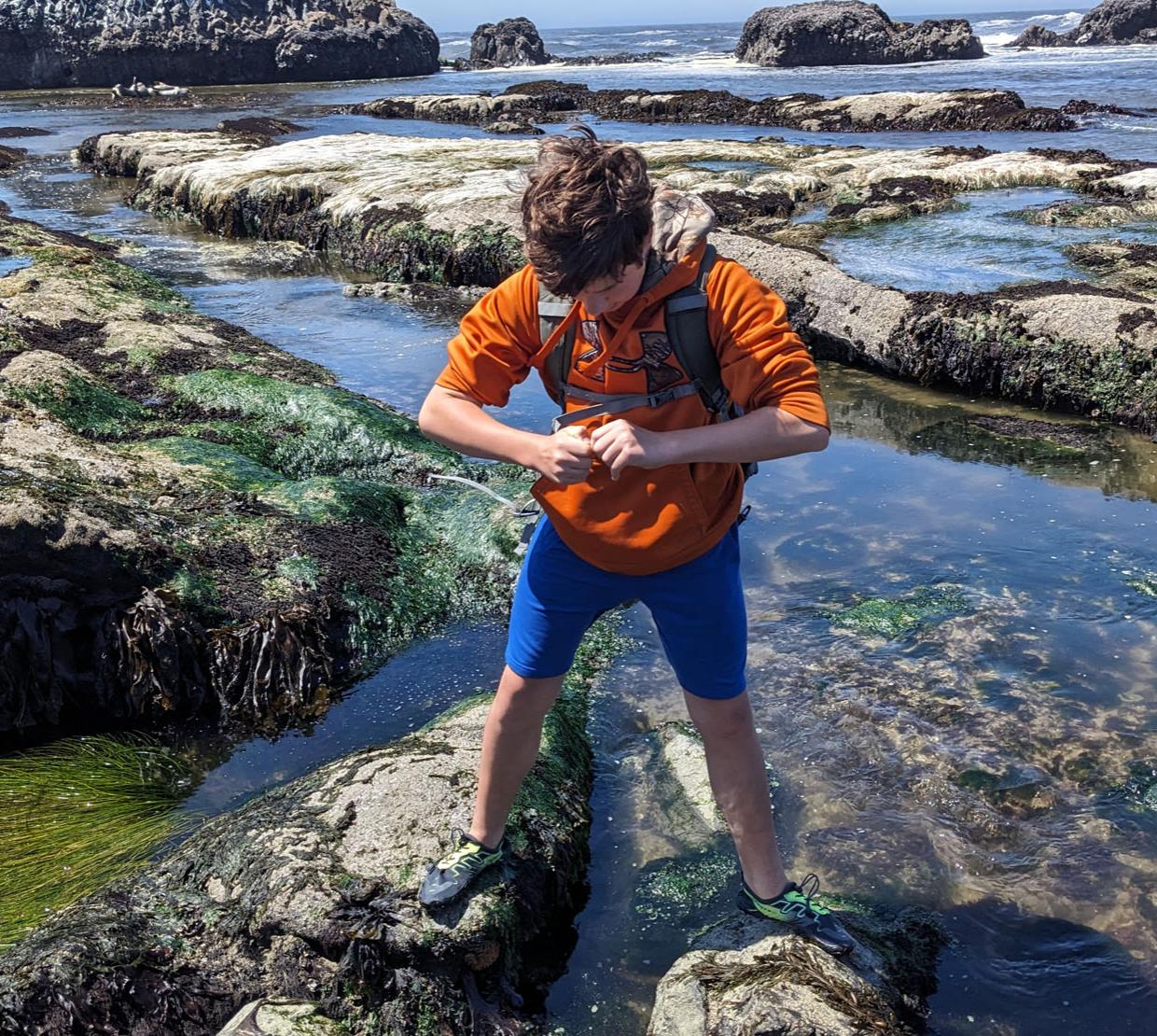
A kid stands in the water holding wildlife on the Oregon coast

Building bridges: College of Science outreach fosters science literacy and inclusion

By Hannah Ashton

Students from the Jamie Cornelius Lab helped plan Wild about Wildlife, a three-day summer camp for middle school students where they learned about biological science through experiences and field excursions to Hatfield Marine Science Center and the Chintimini Wildlife Center. Photo by Victoria Quennessen.

The College of Science is dedicated to enriching our community and promoting science literacy. Our recently launched Strategic Plan emphasizes making meaningful contributions on local, national, and global scales. Across our seven departments, we are actively implementing outreach initiatives that align with our mission to engage and create a positive societal impact. Last year, we supported events such as Discovery Days, Juntos Family Day, and others, all aimed at fostering a deeper understanding and appreciation of science..

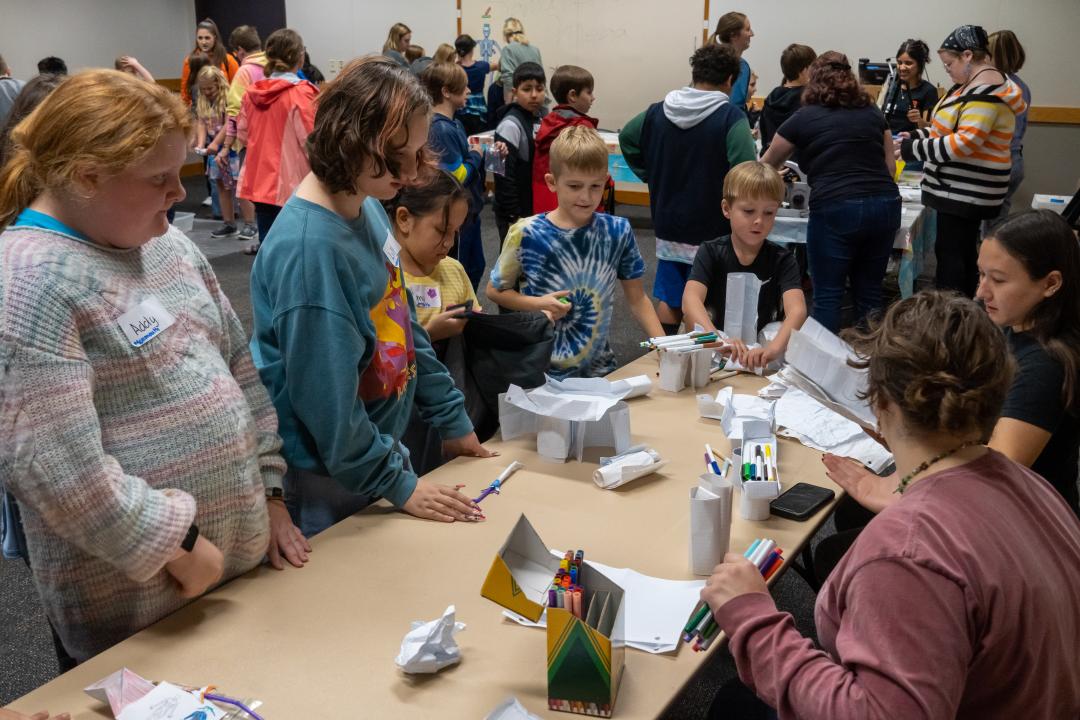
Discovery Days is held twice a year as an opportunity to engage with local elementary school kids for a hands-on STEM fair experience. This event gathered more than 1,500 students and 300 OSU students, faculty and staff volunteers. In collaboration with Open Campus, Juntos Family Day provided Latinx students and their families with a dynamic college exploration experience in spring 2023.

Students gather around a table.

Students participating in Discovery Days gather around a table for a fun hands-on STEM activity.

Our departments also prioritize creating access to science education and research, fostering community relationships and developing needed services.

Microbiology outreach makes science more colorful

The College of Science’s microbiology department created the Pernot Microbiology Camp to draw more local students from BIPOC, LGBTQ+, low-income and other diverse backgrounds to the study of microbiology. Faculty in the department also offered a session on Microbiology for the Advocates for Women in Science, Engineering and Math Club for both 5th grade and high school students. Microbiologist Jerri Bartholomew created the Art-Sci collaborative to build a bridge between art and science. This involves public galleries showcasing student work and local artists. The department also hosted internationally acclaimed microbiologist Jo Handelsman for the inaugural Berg Lecture. Open to the public, this lecture drew community members, students and faculty.

High school students work on fish rubs.

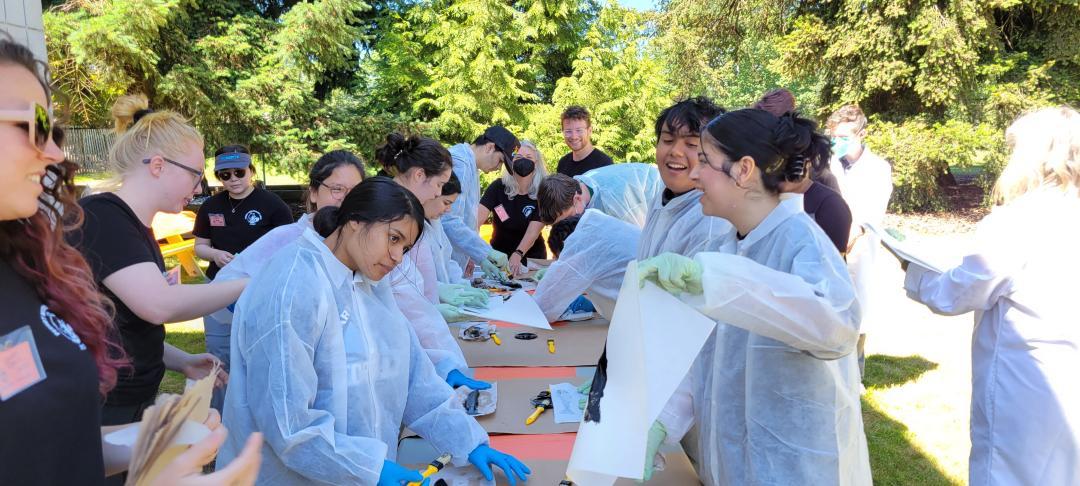
High school students work on fish rubs during the Pernot Microbiology Camp.

Statistics collaborates with Oregonians

The statistics department participated in the Statewide Crop Load Project annual meeting to discuss results with vineyard managers and wine producers in Oregon. Faculty also co-led a workshop in Lincoln County for the Pandemic Resilient Cities project to engage local public health, city officials, school representatives and more to begin a co-creation process for a National Science Foundation proposal. They discussed the needs of the county and priorities concerning future pandemic preparedness.

Physics brings science to high-school students

The physics department held lab tours for Corvallis High School students and created a Zoom version for Madras High School. Several faculty members also did presentations for the Corvallis High School Science Club. The department has a new outreach coordinator that will formally start in fall 2023.

Mathematics outreach seeks to break down common stereotypes

Members from the mathematics department organized the 2023 Math For All satellite conference. This event is an open and friendly space for people to gather and talk about mathematics, math education and how it relates to diversity, justice and equity. Professor Nathan Gibson organized a series of weekly Math Circle meetings for Franklin Elementary students. These circles aim to make mathematics fun, interesting, accessible and inclusive. The Association of Women in Mathematics OSU chapter also participated in many outreach events, including Discovering the Scientist Within, which aims to spark interest in science in young girls. The department also held its 38th annual Lonseth Lecture and invited alumna Corina Constantinescu (Ph.D. ’06) to talk about the “Mathematics of Inclusive Insurance.”

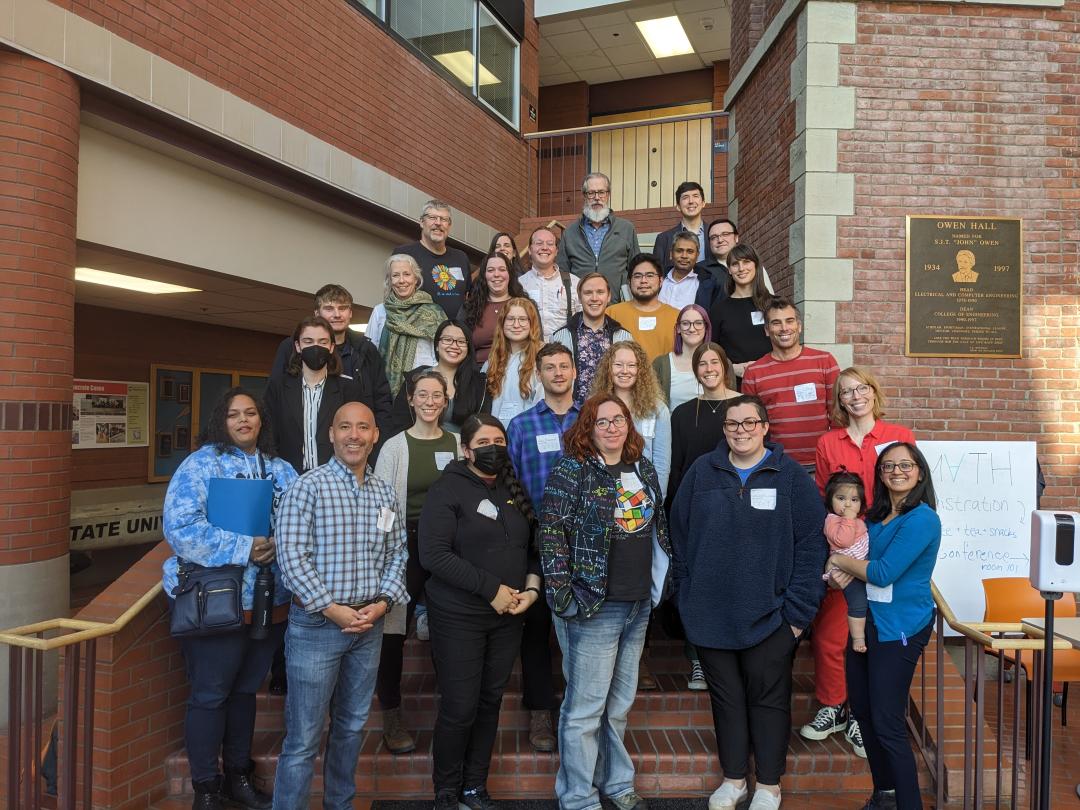
A group of individuals stand on a staircase for a photo during a mathematics conference.

Math for All participants pose for a group shot.

Integrative Biology shares research far and wide

The integrative biology department held its annual Doc Storm Lecture that drew more than 100 people to the LaSells Stewart Center. The Weis Lab participated in Meet a Scientist at the Oregon Museum of Science and Industry to educate visitors of all ages about the study of cnidarian-algal symbiosis and the threat of climate change on coral reefs. The lab also participated in OMSI After Dark. Students from the Cornelius Lab partnered with students from the College of Agricultural Sciences to plan Wild about Wildlife, a three-day summer camp for middle school students where they learned about biological science through experiences and field excursions to Hatfield Marine Science Center and the Chintimini Wildlife Center. In June, the department held its annual Robert M. Storm Distinguished Lecture. This year speaker George James Kenagy, Professor of Biology and Curator of Mammals, Emeritus with the University of Washington, spoke about "Survival in the Desert: Coping with Heat, Aridity, and Scarce Resources."

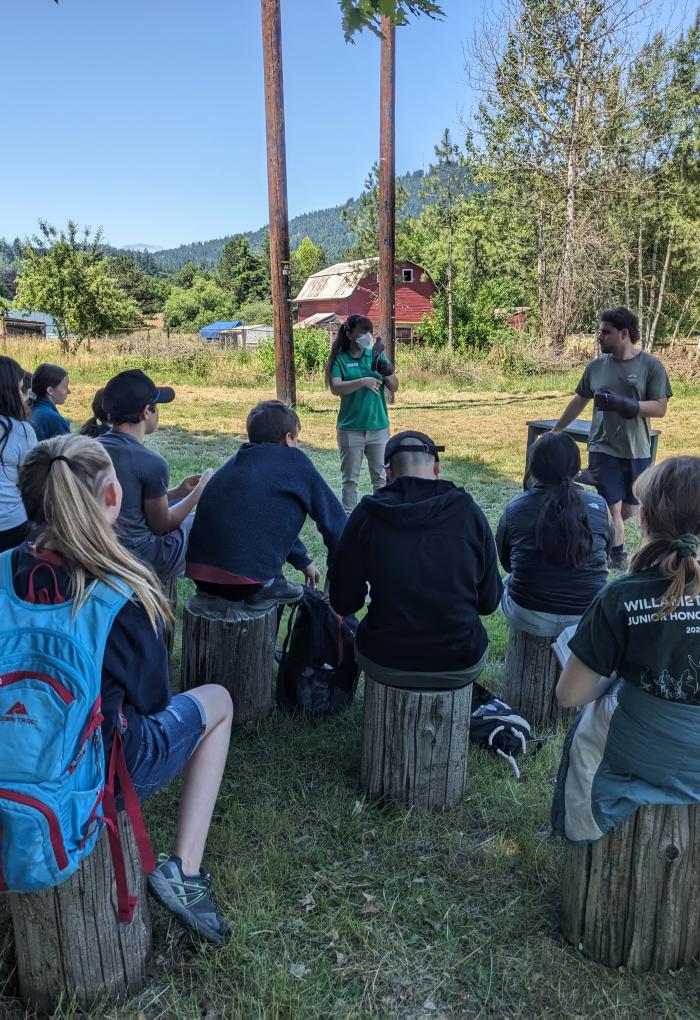
Students listen to a talk about birds.

Students in the Wild about Wildlife camp visit the Chintimini Wildlife Center.

Chemistry outreach helps high-school students find their passion

The chemistry department held the fifth annual Juntos Chemistry Overnight Camp in June. Twenty Latino high school students attended the camp from all over Oregon. The students participated in workshops and got an authentic taste of the OSU college experience. The department also held four lab tours for high school AP science students. Chemistry professor Marilyn Mackiewicz created a new week-long workshop called Ignite inSTEM designed to help students discover the wonders of designing nanomaterials.

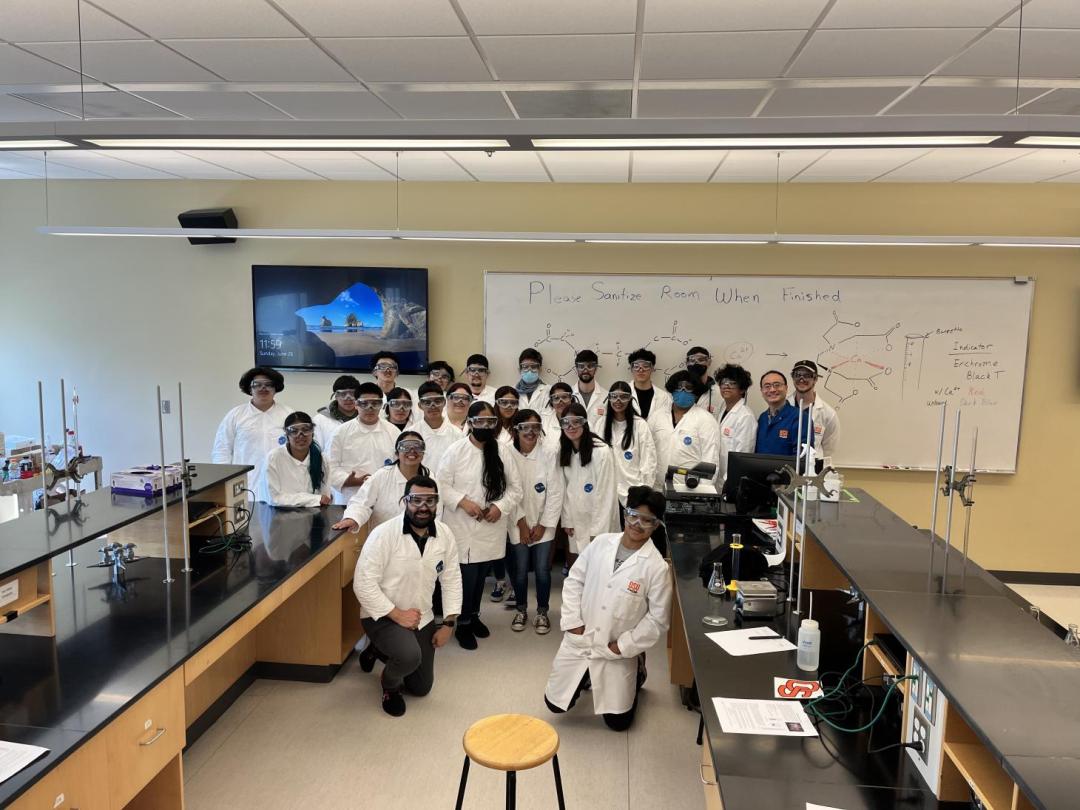
A group of students in white lab coats pose for a picture.

High-school students in the Juntos Chemistry Overnight Camp pose for a photo.

Biochemistry and Biophysics outreach has a national impact

The biochemistry and biophysics department was involved in middle school, high school and college outreach events. Faculty were involved in “How To Be A Scientist” and “Career Day'' at local middle schools. At the college level, faculty gave a science career talk at Idaho State University. Associate Professor Alysia Vrailas-Mortimer, just received funding to expand Fly-CURE RCN, a research coordination network that brings together faculty across the U.S. to create course-based undergraduate research experiences.

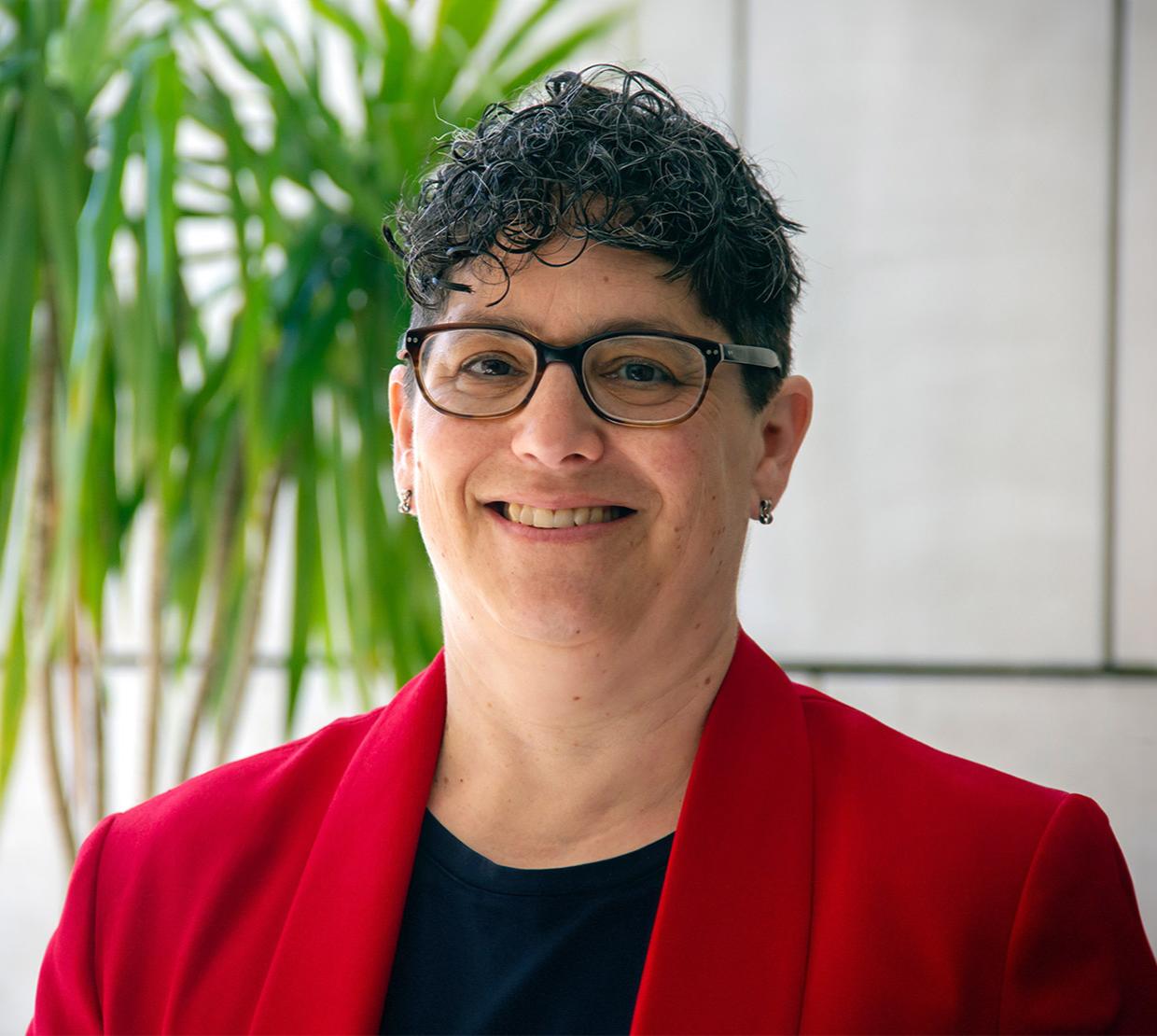
A woman with short dark hair poses for a headshot wearing a black shirt and red suit jacket.

Oregon State names new College of Science dean

By Sean Nealon

Eleanor Feingold, a statistical geneticist and associate dean with nearly 20 years of leadership experience at the University of Pittsburgh, has been named dean of Oregon State University’s College of Science. She will start Oct. 31.

“I am passionate about creative approaches to STEM education, diversity, equity and inclusion and research that has an impact on the state, nation and world,” Feingold said. “The College of Science and Oregon State University have tremendous strengths in these areas, and I am excited to further advance these endeavors.”

Oregon State’s College of Science is home to the life, statistical, physical and mathematical sciences. The college supports more than 4,000 students and brought in more than $18 million in research funding during the 2022 fiscal year.

“Dr. Feingold brings deep experience as a senior administrator in one of the nation’s leading research universities, and she has amassed an impressive portfolio of scholarship and teaching over the course of her career,” said Edward Feser, OSU provost and executive vice president. “As dean, she will be prioritizing further strengthening the College of Science’s research enterprise and advancing OSU’s goals in student success at both the undergraduate and graduate levels.”

Feingold has worked at the University of Pittsburgh since 1997. She has served at the university’s School of Public Health as associate dean for education, vice dean, chair of the Department of Human Genetics, and most recently associate dean for data analytics and special projects.

Read more here.

Valley Library and OSU clock tower in the background with sunshine.

Faculty excellence: Promotions and tenure 2023

By Vrushali Bokil

The College of Science congratulates 17 faculty on receiving promotions and/or tenure this year.

Countless hours of consideration and analysis goes into every promotion decision. The College relies heavily on the expertise and perspectives of departmental staff, department heads, department committees, peer teaching committees, College of Science Promotion and Tenure Committee, external reviewers and students to get our deserving faculty through this process.

Thank you to everyone that helped to make this possible for our well-deserving faculty.

Congratulations to the science faculty in the college who have just completed this process with success!

Chemistry Department

Marilyn Mackiewicz will be promoted to Associate Professor of Chemistry and granted indefinite tenure, effective September 16, 2023.

Integrative Biology Department

Carmen Harjoe will be promoted to Senior Instructor I of Integrative Biology, effective July 1, 2023.

Lindsay Biga will be promoted to Senior Instructor II of Integrative Biology, effective July 1, 2023.

Mathematics Department

Amanda Blaisdell will be promoted to Senior Instructor I of Mathematics, effective September 16, 2023.

Clayton Petsche will be promoted to Professor of Mathematics, effective September 16, 2023.

Chris Orum will be promoted to Senior Instructor I of Mathematics, effective September 16, 2023.

David Wing will be promoted to Senior Instructor II of Mathematics, effective September 16, 2023.

Elise Lockwood will be promoted to Professor of Mathematics, effective September 16, 2023.

Johnner Barrett will be promoted to Senior Instructor I of Mathematics, effective September 16, 2023.

Liz Jones will be promoted to Senior Instructor II of Educational Opportunities Program and Mathematics, effective September 16, 2023.

Mary Beisiegel will be promoted to Professor of Mathematics, effective September 16, 2023.

Michael Gilliam will be promoted to Senior Instructor I of Mathematics, effective September 16, 2023.

Sara Clark will be promoted to Senior Instructor II of Mathematics, effective September 16, 2023.

Microbiology Department

Shawn Massoni will be promoted to Senior Instructor I of Microbiology, effective July 1, 2023.

Physics Department

Evan Thatcher will be promoted to Senior Instructor I of Physics, effective September 16, 2023.

Paul Emigh will be promoted to Senior Instructor I of Physics, effective September 16, 2023.

Statistics Department

Katherine McLaughlin will be promoted to Associate Professor of Statistics and granted indefinite tenure, effective September 16, 2023.

Thank you!

Thanks to all of the committee members who served on the College of Science Promotions and Tenure Committee this year.

  • Andy Karplus, Chair and Professor of Biochemistry & Biophysics
  • Chong Fang, Professor of Chemistry
  • Ethan Minot, Professor of Physics
  • Holly Swisher, Professor of Mathematics
  • Kate Field, Professor of Microbiology
  • KC Walsh, Senior Instructor II, Physics
  • Lesley Blair, Senior Instructor II, Integrative Biology
  • Lisa Madsen, Professor of Statistics
  • Michael Freitag, Professor of Biochemistry & Biophysics
  • Oksana Ostroverkhova, Professor of Physics
  • Sally Hacker, Professor of Integrative Biology
A physicist works to zoom in on a microscope

New grants to support breakthrough discoveries

By Hannah Ashton

Four-dimensional tissue self-assembly, integrated river health and ultra-tiny spectrometers: The 2022 College of Science Research and Innovation Seed (SciRIS) award recipients will use collaboration to fill critical knowledge gaps across numerous scientific disciplines to drive real-world impact.

The SciRIS program funds projects based on collaborative research within the College of Science community and beyond. There are two tracks through the program: SciRIS (Stages 1-3) and the SciRIS individual investigator award (SciRIS-ii).

SciRIS Stages 1-3 funds teams in three stages of increasing funding to support training, research and capacity-building, accelerating work toward external funding opportunities. SciRIS-ii funds individual faculty to establish research relationships with external partners, enabling them to demonstrate the feasibility of their ideas and quickening the pace of scientific discovery.

SciRIS-ii Awardees

The following three scientists received SciRIS-ii awards: Bo Sun, Clayton Petsche and Ethan Minot.

Associate Professor of Physics Bo Sun’s research aims to lay the foundation for programmable four-dimensional tissue self-assembly. Current technologies have been unable to harness these naturally occurring processes to assemble dynamic tissue structures for biomedical and therapeutic applications. Four-dimensional tissue self-assembly is critical for many physiological processes including acute wound healing and in lethal tumor metastasis.

Sun and his collaborator, Yang Jiao from Arizona State University, will be building on eight years of collaborative research in the field of cell mechanics and cell migration that has resulted in eight publications.

Associate Professor of Mathematics Clayton Petsche will use his SciRIS grant to help three graduate students complete sub projects within the realm of arithmetic dynamical systems. The research will be entirely student-focused and will help establish their research credentials before entering the postdoctoral job market.

Professor of Physics Ethan Minot will use his award to bring ultra-miniaturized spectrometer technology to Oregon State and pursue follow-up opportunities.

In 2022, with co-authors from Finland, Minot was part of a study published in Science that resulted in a powerful, ultra-tiny spectrometer. Contributing to a field known as optical spectrometry, their discovery could improve everything from smartphone cameras to environmental monitoring.

Minot plans to bring the technology to Oregon to grow the new field of research.

SciRIS Stage 1 Awardees

Four groups of scientists received SciRIS Stage 1 awards up to $10K.

Associate Professor of Statistics Yuan Jiang, along with Anna Jolles, professor in the Department of Integrative Biology, received a SciRIS Stage 1 grant for a project which will help fill a knowledge gap and provide crucial tools to understand microbial community dynamics.

The team will develop a novel analytical pipeline that harnesses longitudinal microbiome data to define the ecological roles of host-associate microbes. Although the accumulation of microbial communities is essential to animal health, there are few statistical routes adequate for characterizing microbial community dynamics through time.

Integrative Biology Professor Anna Jolles and Carson College of Veterinary Medicine Professor Claudia Häse will use their SciRIS Stage 1 award to study eco-evolutionary host-bacterial-phage dynamics. Collaborating with a researcher from the University of Louisiana, the group will be using the Pacific oyster and shellfish pathogen Vibrio coralliilyticus as a model system.

In a project entitled “Bioinformatics for integrated river health,” Integrative Biology Professors David Lytle and Anna Jolles, along with Justin Sanders from the Carson College of Veterinary Medicine, will bring together expertise across disciplines to provide an integrated approach to understanding river health. The group will combine expertise in bioinformatic and genetic methods for characterizing aquatic invertebrate communities, aquatic parasite and pathogen communities, and fish microbiomes. Samples will come from the lower Colorado River, an ecologically and culturally significant ecosystem.

Biochemistry and Biophysics Associate Professors David Hendrix and Colin Johnson, along with Professor of Chemistry Claudia Maier and Patrick Reardon, director of the Nuclear Magnetic Resonance Facility at Oregon State, received a SciRIS Stage 1 award to create a pipeline of computational and experimental methods for the prediction, identification and functional characterization of microproteins. Previously dismissed due to their small size, microproteins are now thought to play significant physiological roles including pathological roles in cancer progression.

Disease Mechanism and Prevention Fund

Researching Parkinson’s disease, Associate Professor of Biochemistry and Biophysics Alysia Vrailas-Mortimer received a grant from the College of Science Disease Mechanism and Prevention Fund for a project entitled “Why is a fly a good model to study my grandmother’s tremors?”

Similar to the SciRIS-ii, the fund is focused on assisting individual faculty efforts to establish research relationships with external partners for projects specifically related to health science.

Using fruit flies, Vrailas-Mortimer’s goal is to determine how a stress response protein protects against Parkinson’s-associated iron-induced oxidative damage. Parkinson’s affects over one million people in the U.S. and her research could provide the basis for future therapeutic strategies.

Ben Dalziel

Preparing for the next pandemic: $1M grant to create interdisciplinary research center

By Hannah Ashton

A team of Oregon State University researchers, including population biologist Ben Dalziel and statistician Katherine McLaughlin, have received a $1 million grant from the National Science Foundation to identify, model, predict, track and mitigate the effects of future pandemics.

This grant is part of a new $26M NSF program called Predictive Intelligence for Pandemic Prevention, or PIPP, which aims to support high-risk, high-payoff convergent research to help the world be better prepared for the next pandemic. Phase one PIPP grants are 18-month awards aimed at defining research priorities, developing interdisciplinary teams and pursuing initial research.

“The evidence is overwhelmingly clear that the next pandemic is going to happen in our lifetimes and I think everyone would agree that we would like the next one to go differently, in fact, we would like it to go really differently,” said Benjamin Dalziel, associate professor in the Departments of Integrative Biology and Mathematics and primary investigator. “It’s important to right now, start working as fast as we can on what ‘really differently’ means so that we don’t end up in a Groundhog Day scenario. To avoid that, we need projects like this.”

The goal of the project, entitled “Coupling Predictive Intelligence with Adaptive Response to Create Pandemic-Resilient Cities,” is to establish a multidisciplinary center, combining mathematical and computation modeling with engineering, public health and public engagement. The center will explore the design and prototyping of city-scale feedback loops that could proactively reduce the rates of transmission of pathogens with pandemic potential.

“I see a real opportunity for OSU to lead in this space because of our track record during the pandemic and because of the extraordinary capacities this university has in its community, mission and strengths."

Feedback loops allow emergent, adaptive and rapid responses to changing conditions. Dalziel said the goal is to use the unique characteristics of cities to create something similar to an “immune system.” This would allow for sensing pathogen transmission in real-time and allow the population to collectively respond, both by reducing transmission and increasing the tempo and resolution of monitoring.

“That last part about the speed and equity is critical – existing public health systems are too slow and too biased to stop the spread of pandemic threats,” he said. “During pandemics, many people who are infectious do not have quick enough access to testing and care, particularly people who belong to marginalized populations.”

During the COVID-19 pandemic Dalziel led TRACE, a public health project that gathered timely information about the presence of the novel coronavirus in communities around Oregon and at Oregon State. The TRACE team won the 2020 Beaver Champion Award for their outstanding effort and performance of the highest quality. McLaughlin was appointed TRACE co-principal investigator and is a co-pi on the Pandemic Prevention grant.

“I see a real opportunity for OSU to lead in this space because of our track record during the pandemic and because of the extraordinary capacities this university has in its community, mission and strengths,” Dalziel said.

Oregon waterfall cascading down a cliffside surrounded by lush green trees.

A sustainable future: Unravelling the data

By Mary Hare

With areas of distinction in marine science, materials science, data science, biomedical science – and other research areas, OSU faculty and students are fighting climate change and moving the world forward to a greener future – whether that is through harnessing new materials, interpreting complex data or reimagining how organisms can adapt to changes. We share just a few examples in this three-part series.

Oregon State University scientists are rapidly rising to the challenge of our changing climate, supported by hundreds of graduate and undergraduate researchers who are committed to leaving a better world than the one they inherited. In part three of this series, we examine some of the data-driven research that is helping usher in a new era of climate policy and action.

Mathematics and statistics are two of the quickest-growing fields in the country, and it's not hard to guess why. As technology advances, mathematical modeling or statistical analysis can provide a faster, more reliable way to examine lots of data. In practice, these skills can provide critical insight to collaborative projects or inform policymakers on the most environmentally sound decisions.

Wildlife behavior

Making green energy safer for wildlife

Professor of statistics Lisa Madsen and statisticians from the United States Geological Survey (USGS) have come together to develop methodology to estimate the total mortality of bats, birds and other small creatures on wind farms and solar facilities. The Endangered Species Act requires that wind farms pay particular attention to endangered or threatened species such as golden eagles, brown pelicans, whooping cranes, condors and Indiana bats, which are killed when they accidentally collide with turbine blades.

Madsen and her colleagues have developed complex statistical tools that estimate the actual number of carcasses when they are undetectable for any reason by taking into account a host of predictor variables such as searcher efficiency, variations in plot sizes and location of inaccessible areas.

The software package, created by the team, will be utilized by government agencies as well as Western EcoSystems Technology, Inc., which has already begun to implement the software to assist their clients. The project has also attracted attention from environmental and government agencies in Canada, South Africa, Portugal and Scotland among others. In addition, the USGS statisticians have conducted workshops demonstrating how to use the software to estimate animal mortality at wind and solar energy facilities.

Wildebeast heard crosses the Mara River in Kenya

A recent study shows that groups of organisms that act together, like this wildebeest herd crossing the Mara River in Kenya, have complex relationships with their ecosystems. Not only are these mass movements affected by the external forces of their environments – they also shape the processes around them. These relationships have a powerful role in the behavior of the group, as well as in the health of the ecosystem.

Collective movement to stabilize ecosystems

In addition to being visually stunning, schools of herring, herds of wildebeest and countless other groups of organisms that act in concert can help complex ecosystems maintain their diversity and stability. Published in Nature Ecology and Evolution, a study led by mathematical biologist Benjamin Dalziel demonstrates that when individuals band together to consume resources as a collective group, the surrounding ecosystem is prone to be more resilient and able to support a wider range of species.

Their findings could be an important step toward understanding how cooperation and biodiversity help living systems stay on an even keel. “We constructed simulations in such a way that we could turn collective behavior on and off without changing anything else in the system,” Dalziel said. “What we found was that adding collective behavior was a game changer in the simulations – it stabilized ecosystems.” Since collective behavior is ubiquitous across the planet, playing a prominent role in everything from bacterial biofilms to human cities, the study’s findings have wide significance.

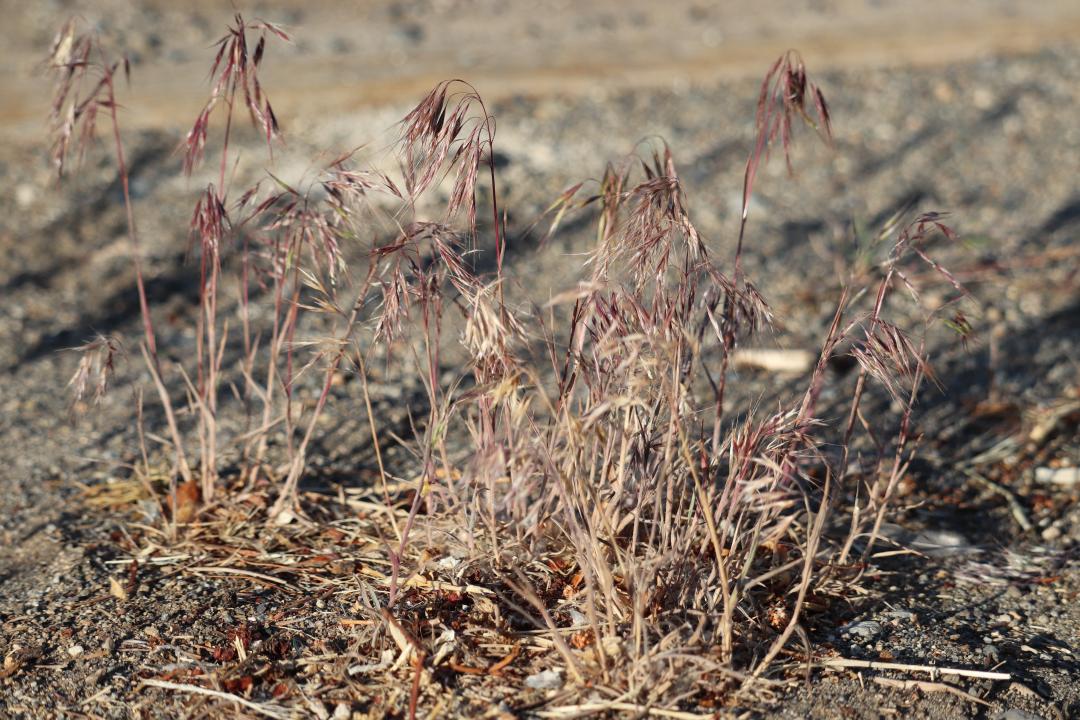
Bromus tectorum (cheatgrass)

In the sagebrush steppe of the intermountain West, invasive species like cheatgrass (Bromus tectorum) change soil composition and increase fire intensity and frequency, effectively squeezing out integral vegetation like sagebrush. Post-fire seeding efforts give sagebrush a fighting chance to recover from the impact of this interloper.

Data-driven resource management

The need for native seeds

Climate change and irresponsible land use have resulted in the degradation of millions of acres of land around the country. These disturbances are detrimental to native plant health and often creates opportunities for invasive species to thrive.

Statistician Virginia Lesser served as a panel member for a committee to assess the Need for Native Seeds and the Capacity for Their Supply, sponsored by the National Academies of Sciences, Engineering and Medicine. Native seeds play an essential role in maintaining and restoring natural areas. The committee explored the complex systems of native seed production and use in the United States, and examined their viability for future projects. Their committee was formed in 2019 and developed an interim report in 2020, with a final report expected in 2022.

Smarter forestry practices for a drier climate

As the earth warms, scientists in the Pacific Northwest can be sure of two things: rising temperatures and drier summers. In a state that relies heavily on Douglas fir trees - as a habitat for wildlife as well as economically - understanding how changing temperatures affect forest growth patterns will be critical for forest management. In a collaboration with the College of Forestry, statistics professor Lisa Ganio published a study that found that minor differences in temperature, soil depth or moisture did not significantly influence tree growth patterns. However, growth patterns were significantly impacted by competition, with higher growth in less competitive areas. The results of this study suggest that foresters will be able to focus more attention on other areas, such as habitat preservation.

Changing flood regimes, new projections

The potential for changes in flood regimes due to climate change, in combination with the deep limitations of climate projections, necessitates rethinking how we make flood risk management decisions.

Statistics professor Alix Gitelman participated in a study to develop a new approach for dealing with hydrologic uncertainty and flood management. The developed bottom-up approach was applied to the American River, CA, USA flood management system by first identifying the sensitivity and vulnerability of the system to different climates. To do this, they developed a climate response surface by calculating and plotting Expected Annual Damages (EAD, $/year) under different flood regimes.

Siuslaw National Forest of Oregon

The time it takes a forest to recover after high-severity fires has important implications for how the landscape will respond in the future to changing fire regimes. A warming planet could delay forest recovery by either hindering tree seedling establishment and growth, or through the loss of seed sources if patches of high-severity fire become larger.

Bolstering fire resistance in a changing climate

As fires become more prevalent throughout the west, landscapes are altered in ways that may make them more or less resilient to fire in the future. Enrique Thomann, a mathematics professor, participated in a study published in the Journal of Ecology to examine how changing ecological composition impacts the landscape's ability to resist fire damage in the future - an area that continues to be under-researched.

As the climate warms, there is a growing concern that forest landscapes risk transformation to non- forest systems through alteration of their fire regimes. Fire modifies vegetation composition and structure, including effects on fuel amount and type, fuel connectivity, and canopy- mediated influences on microclimate and fuel moisture. These effects may then shape the spread and severity of subsequent fires.

The strength of fire–vegetation feedbacks (i.e., the degree to which fire- driven changes to vegetation, fuels and microclimate affect the spread and behavior of subsequent fires) is influenced by numerous global change pressures. Given the many interacting variables that influence how ecosystems respond to disturbance, models calibrated to a specific study area are highly valuable in evaluating how that ecosystem responds to alterations of its disturbance regime.

Helping mitigate energy disasters in the Arctic

With expertise that spans disciplines, mathematics professor Malgo Peszynska primarily works on problems related to energy engineering and climate change. Her modeling of transport includes porous media phenomena in aquifers, oil and gas reserves, carbon sequestration, solar cells and the effect of permafrost warming. Perhaps most notable is her use of computational mathematics to model methane hydrate transfer and evolution.

Methane hydrate is an “ice” found primarily in the Arctic permafrost as well as in sub-ocean sediments. Known as one of the largest potential sources of fossil fuel, it is also one of the most risky. Existing in a delicate pressure-temperature equilibrium, exposure to heat could lead to melting that could cause explosions, or the escape of huge quantities of methane gas into the atmosphere.

The specific conditions at which it exists have also meant that it has been exceedingly difficult to study using traditional research tools. This is where using mathematics can be so useful. “As an applied mathematician in this area, the objective is to provide reliable and accurate modeling tools for simulation of various scenarios to help mitigate and contain the possible disasters,” Peszynska said.

Leaving a better world

As one of only three Land-, Sea-, Space- and Sun-Grant institutions in the country, Oregon State University has a commitment of service that extends beyond our campus, state or country borders. Students not only have the opportunity to receive a world-class education, but the opportunity to perform high-level research with faculty who genuinely care about the future of the planet - whether they are biologists, physicists or statisticians.

DNA strands.

Research grants to seed the next great idea

By Grace Peterman

College seed funding supports diverse projects with the power to directly impact human quality of life.

Seed funding from the College of Science Research and Innovation Seed (SciRIS) program continues to bolster ambitious and expansive projects, empowering our scientists to delve into fundamental research discoveries and translate them into revolutionary applications. Founded in 2018, the SciRIS program provides funding for collaborative projects that pursue fundamental discoveries and create societal impact, accelerating the pace of research, discovery and innovation in the College of Science.

Between 2019 and 2021, the SciRIS program provided $763K in seed funding to scientists leading research projects in both basic and applied science and mathematics, with the potential to produce practical solutions for industry, people and the planet.

There are two pathways through this program, the SciRIS Stages 1-3 awards and the SciRIS individual investigator award (SciRIS-ii). The SciRIS Stages 1-3 program funds teams in three stages, ranging from $10K to $125K, to foster team development, build capacity and accelerate project development for procuring larger external grants, while the SciRIS-ii program provides funds ranging from $10K to $20K to individual investigators to establish partnerships, accelerate project development, generate data and manuscripts and foster proposal submissions.

The 2022 Science Research and Innovation Seed Individual Investigator awards (SciRIS-ii) are catalyzing initiatives that will open fresh pathways in science.

Supporting pure and applied mathematics, agriculture, gene therapy, molecular movie technology and quantum mechanics

Radu Dascaliuc, a man with glasses and a beard.

Radu Dascaliuc, associate professor of mathematics

Dascaliuc researches stochastic cascades and energy transfer in equations of fluid dynamics. The mathematics of fluid flows allow us to understand and predict the complexity of behaviors exhibited in fluids. Deeply rooted in questions of applied science and engineering, the proposed research is a part of a larger program aimed at exploring connections between the mathematics of equations of fluid motions and physics of fluids.

Part of the proposal is to organize a two-week summer collaborative research program for graduate and undergraduate students. This program will be devoted to attracting students from backgrounds traditionally underrepresented in STEM and especially in the field of fluid dynamics. The project will be structu­­red so that students without advanced knowledge in differential equations, mathematical analysis and probability can contribute and hopefully become interested and motivated to learn more about the mathematics involved. Funds for Dascaliuc’s SciRIS-ii project titled, “Stochastic Cascades and Energy Transfer in Equations of Fluid Dynamics” are provided by a generous gift made to the Robert W. Lundeen Science Faculty Development Award Fund.

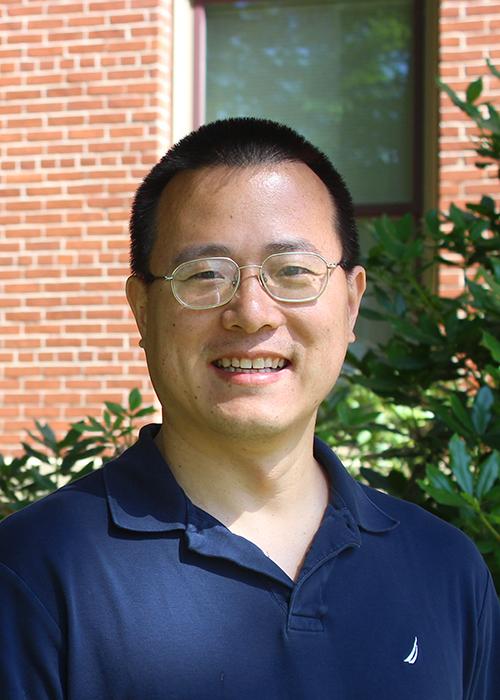
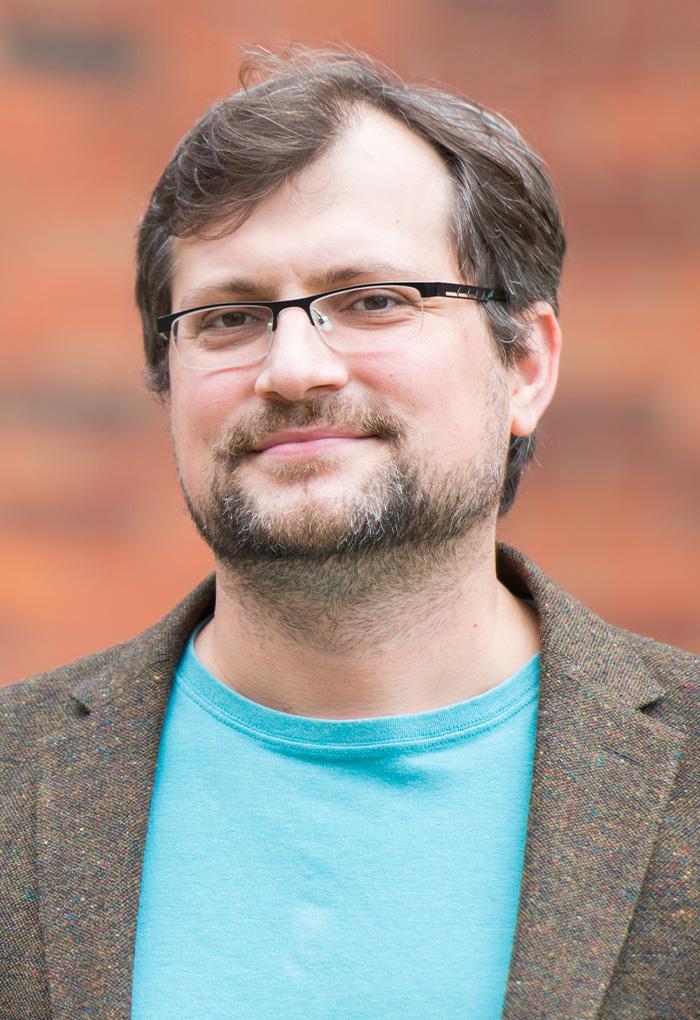
Yanming Di, a man with glasses standing outside.

Yanming Di, associate professor of statistics

In partnership with the Oregon State Seed Lab, Yanming Di innovates seed sampling devices and protocols. Seeding testing — used for determining seed lot quality and establishing seed value — is a fundamental phase of the agricultural marketing system. Getting an accurate subsample of seed depends on the accuracy and precision of the device used.

Devices and protocols developed by the OSU Seed Lab and the USDA in the 1970s are still considered state of art today, leaving ample room for further improvements. With SciRIS funding, Di and collaborators aim to start a new wave of groundbreaking innovations by incorporating recent advances in robotics, computer vision, machine learning and stochastic modeling into seed testing. Funds for Di’s SciRIS-ii project entitled “Innovating Seed Sampling Devices and Protocols” come from the College of Science’s Education & General Funds.

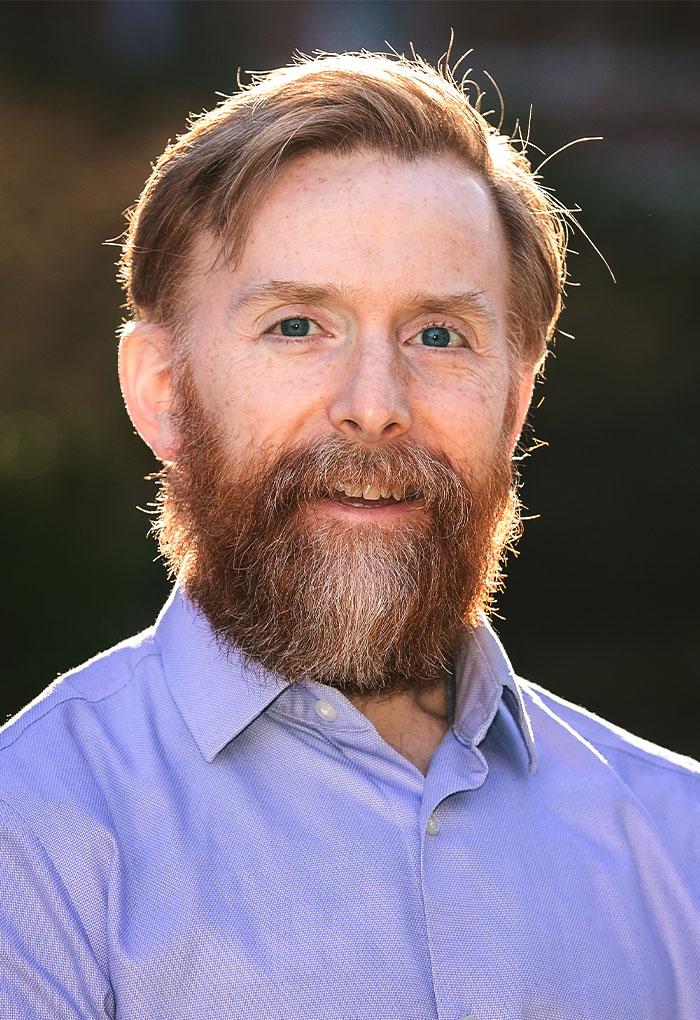
Colin Johnson, a man with a red beard.

Colin Johnson, associate professor of biochemistry and biophysics

Colin Johnson’s research uncovers new connections between the ferlin family of genes and disease. Mutations in dysferlin are linked to muscular dystrophy, while mutations in otoferlin and myoferlin have been linked to deafness and breast cancer, respectively. Previous research led by Johnson uncovered key components of otoferlin gene therapy, moving one step closer to restoring hearing for the congenitally deaf.

In partnership with collaborators from the College of Engineering and College of Agricultural Sciences, Johnson’s new project will focus on ferlin gene Fer1L6, which has been linked to ovarian failure and neural tube development deficiencies. It will be the first study to unpack the effects of Fer1L6 on organismal development and neural tube defects. Funds for Johnson’s SciRIS-ii project, entitled “Establishing a Zebrafish model for the study of the Ferlin gene Fer1L6,” come from the College’s Education & General Funds.

Chong Fang, a man in glasses.

Chong Fang, associate professor of chemistry

SciRIS-ii funding will support a research collaboration between OSU and Stanford University led by Chong Fang. The project will implement state-of-the-art femtosecond laser spectroscopy at the Linus Pauling Science Center. By advancing the mechanistic knowledge and rational design of reversibly photoswitchable fluorescent proteins, this emergent tool for super-resolution microscopy and bioimaging will elevate both labs’ research to new heights while further enhancing the visibility and impact of “molecular movie” technology at OSU.

Funds for Fang’s SciRIS-ii project, entitled “Elucidating primary events of engineered photoswitchable fluorescent proteins with a powerful ultrafast spectroscopy toolset,” are provided by a generous gift made to the Ben and Elaine Whiteley Materials Research Fund.

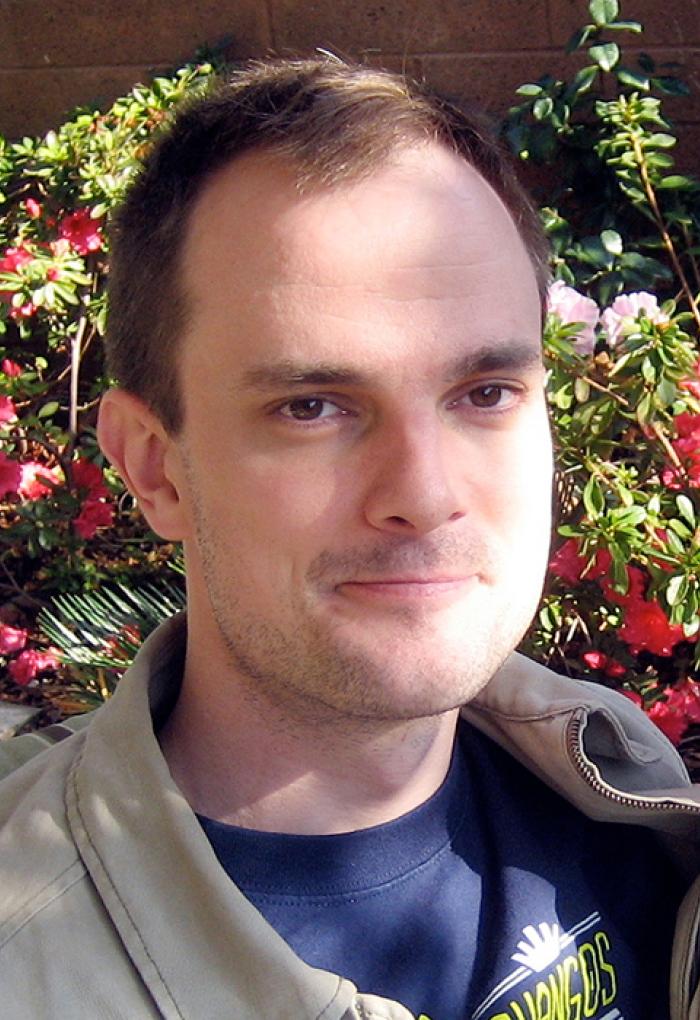
Man smiling in front of a bush of flowering azaleas

Clay Petsche, associate professor of mathematics

Petsche is working with graduate students Chifan Leung, Chatchai Noytaptim and Peter Oberly to develop new ways to measure the arithmetic complexity of dynamical systems – a mathematical construction which takes input data and feeds it through a repetitive process – and to show that certain families of arithmetic dynamical systems can be divided into the simple and the complex. Using mathematical techniques including Galois theory, which is the study of symmetry in the solutions to polynomial equations; potential theory; and the analytic theory of Berkovich spaces, a fully modern construction that has recently given mathematicians the ability to apply classical analytic techniques toward modern number theory applications.

Funds for Petsche’s SciRIS-ii project, entitled “Exceptional maps in arithmetic dynamical systems,” are provided by a generous gift made to the Robert W. Lundeen Science Faculty Development Award Fund.

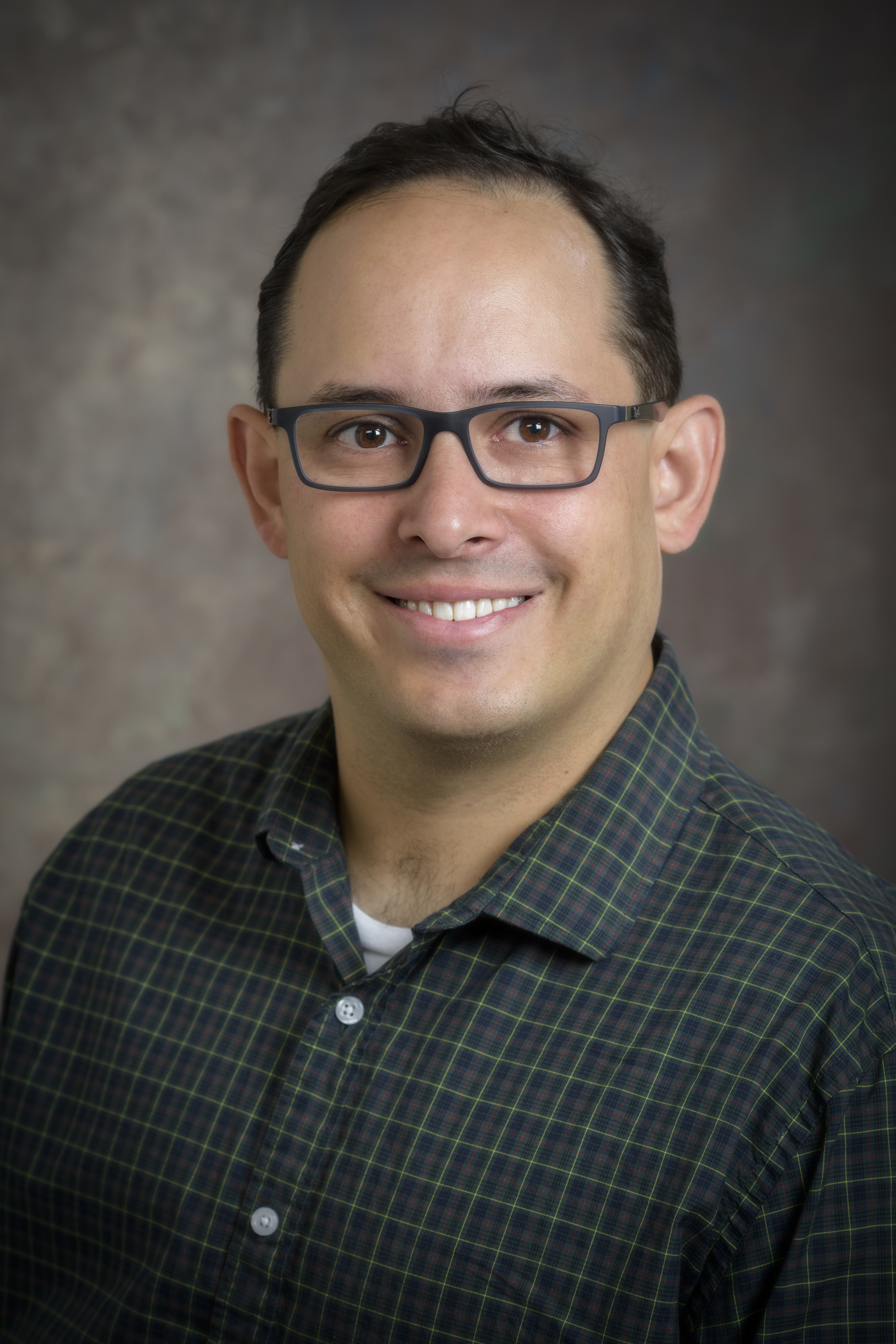
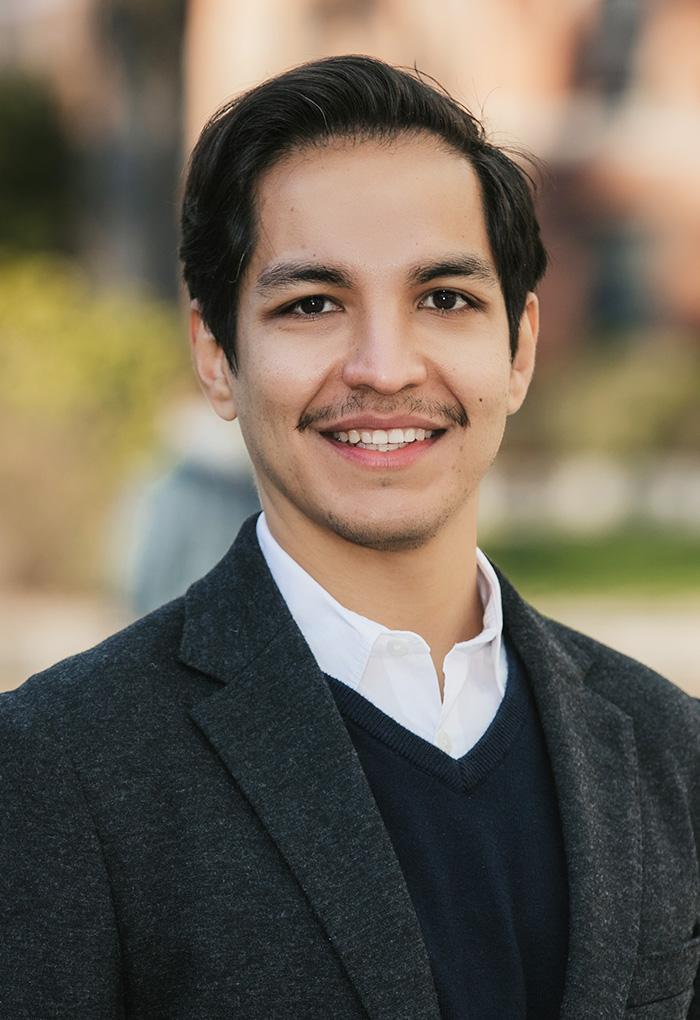
 Axel Saenz Rodriguez, a man with dark hair.

Axel Saenz Rodriguez, assistant professor of mathematics

According to quantum mechanics, we can only know the probability for the location of an electron at any given moment. Yet, if the electrons are confined to a one-dimensional space, the system exhibits certain symmetries that may allow one to obtain exact formulas for the statistics of the electrons. Axel Saenz Rodriguez aims to develop the mathematical theory to determine these statistics and to host a conference focused on this research topic. The two-day conference at OSU in Fall 2022 will build a regional network of collaborations; develop research projects suitable for grant proposals; and build research activity and a community on campus for graduate students and faculty. Funds for Saenz Rodriguez’s SciRIS-ii project, entitled “Probability law for 1D quantum electrons,” are provided by a generous gift made to the Robert W. Lundeen Science Faculty Development Award Fund.

Bolstering medicine through interdisciplinary research

As part of the SciRIS program, the College of Science offers other donor-funded awards to bolster research and innovation. The Disease Mechanism and Prevention Fund (DMPF) supports research into the mechanism, diagnosis, treatment and prevention of human disease by the College of Science faculty. These funds are provided by a generous gift from David and Donna Gould. The awardees are Swati Patel, assistant professor of mathematics and Adrian Gombart, professor of biochemistry and biophysics.

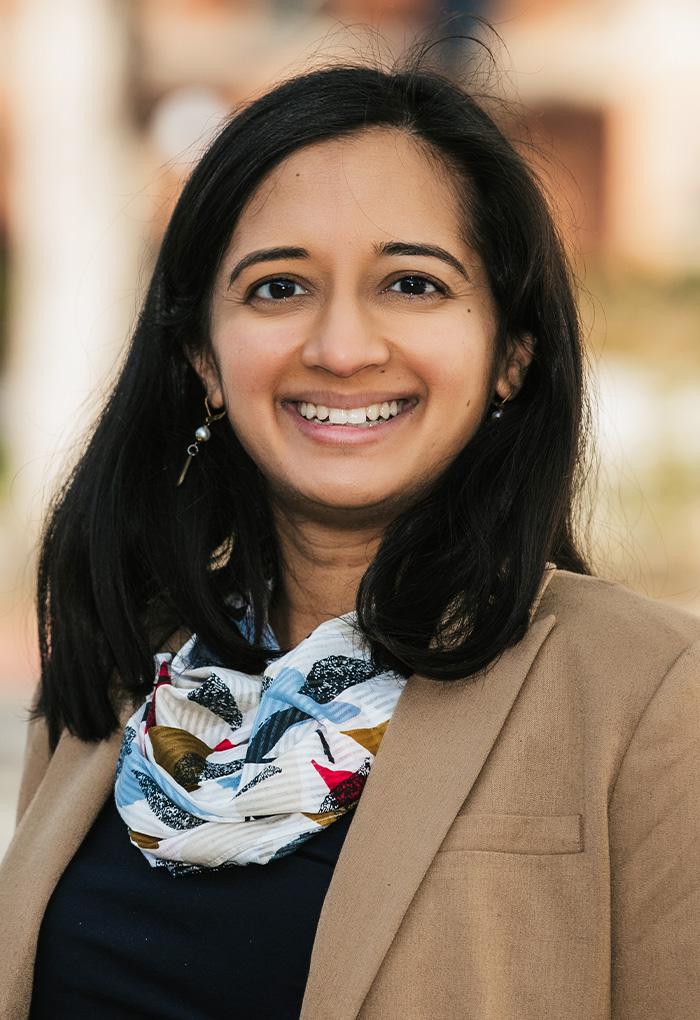
Swati Patel, a woman with dark hair.

Swati Patel, assistant professor of mathematics

Swati Patel’s DMPF proposal is titled “Mathematical modeling of Anthelmintic resistance in soil-transmitted Helminths.” Patel’s research addresses soil-transmitted helminths (STH), parasitic worms that infect an estimated 1.5 billion people worldwide, particularly in developing tropical countries that lack adequate sanitation systems. Periodic de-worming is necessary to treat and prevent infection, but STH are developing resistance against the drugs used. Patel develops projects to investigate the mechanisms that lead to resistance and strategies to prevent it through systematic mathematical modeling.

Adrian Gombart, professor of biochemistry and biophysics.

Adrian Gombart, professor of biochemistry and biophysics

Gombart’s DMPF project, “The role of the cathelicidin antimicrobial peptide in the development of Alzheimer’s disease,” continues work from a previous DMPF award, studying the potential use of an antimicrobial peptide called cathelicidin to curtail the development of Alzheimer’s. Vitamin D and other nutrients regulate expression of the peptide. Gombart’s project could lead to further development of effective preventative therapies or treatments of Alzheimer’s disease. Gombart is a principal investigator at the Linus Pauling Institute and is known for his extensive research on the uses and functions of vitamin D, including using it to combat infection via wound dressings and sutures.

Subscribe to Statistics