The College of Science awarded more than $700,000 in scholarships and awards to 275 current science students for merit, need and undergraduate research experiences for the 2015-16 academic year. The university awarded $1.43 million to 403 incoming freshmen in the College of Science. In aggregate, 678 science students received more than $2.16 million in scholarship awards.
Scholarships
Scholarships
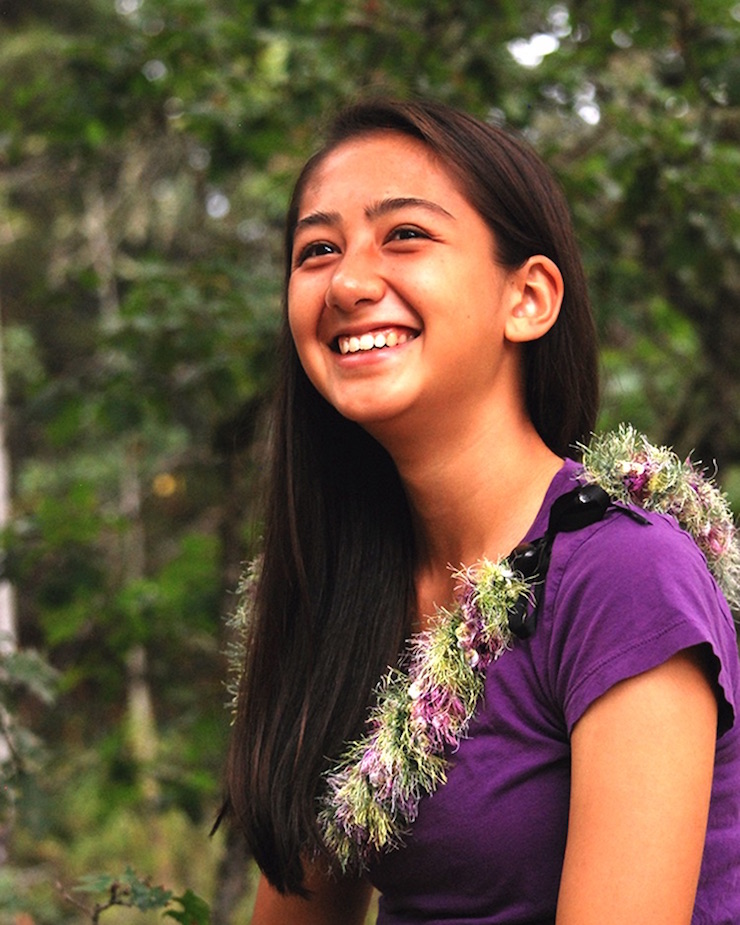
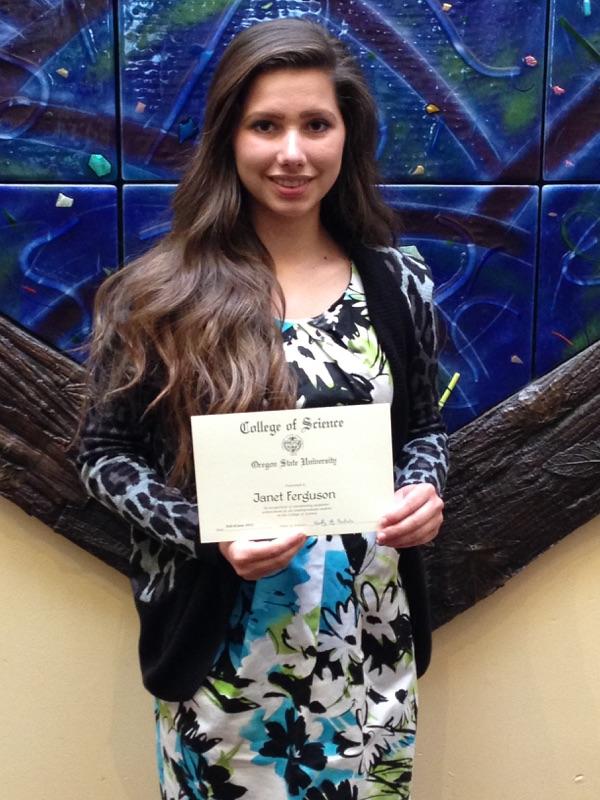
The distinguished and highly competitive Oregon State University Presidential Scholarships were awarded to outstanding Oregon high school seniors who will join OSU as freshmen in the College of Science in 2015-2016. Each of the 10 science students received an award amount of $10,000 per year (up to four years). The scholarships are made possible by the generous philanthropic support of alumni and friends.
Scholarships enable the College to attract, retain and inspire top students, most of whom go on to high achieving careers in industry, graduate school, medical school and other professional programs after graduation. Oregon State’s financial need-based scholarships also help academically talented low-income and first-generation students from Oregon and elsewhere stay and excel in college.
According to an article in the Chronicle of Higher Education last month, money is a constant worry for low-income students, whose parents can’t cover most college expenses. According to University of Michigan sociology professor Dwight Lang, loans and significant debt are inevitable but reduced with scholarship support. Summer vacations, he worries, are often spent working for wages instead of in unpaid internships that would significantly enhance a student’s "cultural capital."
First-generation college students typically have more financial need so scholarships play an ever-important part of their education equation. In the College of Science, the number of first-generation college students has risen from 20% to 29% in the last three years. Many of these science students are high achieving.
Many scholarship students in the College attest to the value of scholarships in easing the financial burden on their families and enabling them to focus on academics, research, enriching volunteer activities and post-college career goals. Scholarships help offset in-state tuition for three terms of $10,000 and the additional $16,300 for room and board as well as fees and books.
Junior Collin Nicholas Muniz from Portland, Oregon, has a voracious appetite for science. A double major in chemistry and physics with a minor in mathematics, Muniz’s conversation is a polyvalent encyclopedia of references to earth metals, isostructures, the De Broglie wavelength and multivariate equations.
However, after his NASA space grant scholarship ended, Muniz worried about how he would finance his education at Oregon State until he learned he had been awarded multiple scholarships by the College of Science for the following academic year, totaling $11,500. In addition, he has also won a $3,500 university-level diversity scholarship.
“If I hadn’t gotten the scholarships, I would have struggled tremendously academically. I have a position on campus for $10 an hour and I was planning to increase my work hours and that would have taken me away from my studies,” said Muniz.
Muniz received the Merrill Family Foundation, the Sally Runes-Hicks and Jerry Raymond Alexander scholarships. The Merrill scholarships are awarded annually to promising junior and senior science students who demonstrate high scholarship, community services and leadership. The Sally Runes-Hicks and Jerry Raymond Alexander scholarships support exceptional science students who also demonstrate financial need.
“I am extremely proud of our exceptional science students who will use the scholarships to shape their scientific careers at OSU and beyond.” said College of Science Dean Sastry G. Pantula. “Scholarships matter. The support not only makes a science education possible, it also can spare students from excessive debt. Scholarships allow our students to pursue graduate and professional schools, engage in public service, gain beneficial research experience, and follow their professional passions, all of which enable them to contribute significantly to our communities and the world.”
Biology sophomore Lorraine “Mamo” Waianuhea was ready for more research after she was introduced to it last year thanks to the university’s STEM Leaders Program. This summer Waianuhea, who is part-Hawaiian and a straight-A student, has dived into full-time research in a biology lab after winning a SURE Science scholarship.
Twenty-four students were awarded SURE Science scholarships for a maximum amount of $5,000 for 11 weeks to focus full time on contributing to impactful and socially beneficial research in the natural and physical sciences. With strong philanthropic support, the program is able to fund students so they can participate in summer research opportunities that can foster meaningful, scholarly connections with faculty mentors early in their academic careers and define their professional career path.
With the guidance of her faculty advisor, Waianuhea designed a proposal to investigate how nutrient availability affects the growth of host cells in sea-anemones and the efficiency of algal populations of host cells. She hopes to work in the area of conservation biology after she graduates.
“I am really grateful for the opportunity to continue research. It is a great opportunity to see how working in the lab full time would be like. I already feel like I have learned a lot and it has only been two weeks,” said Waianuhea.
Another student, Janet “Lena” Ferguson, who is the daughter of a disabled Vietnam War veteran from Dallas, Oregon, is a junior chemistry major who had set her sights on Oregon State since she was in middle school. This year she won the $7,000 Fred and Mary Brauti Pre-Medical Scholarship as well as a $2,400 Merrill Scholarship.
Although she hasn’t yet traveled outside Oregon, Ferguson dreams of becoming a doctor for the navy or a dive doctor and wants to work in Guam or Puerto Rico. This summer she is traveling to Nicaragua with Global Medical Brigades to assist with dental and public health rotations and get her first taste of medicine.
“Because my dad is a veteran, I get benefits through the GI bill. But I didn’t realize how expensive universities are. These scholarships are amazing. I am so thankful to the donors. The scholarships are going to help me pay for pretty much everything—housing, food, fees and books."
“I can focus on school now,” said Ferguson, who had a job in Safeway’s floral department. By focusing on her studies, she can stay on track for graduation
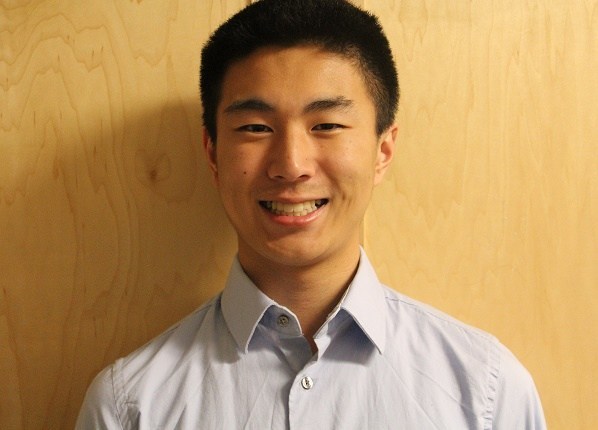
BioHealth Sciences sophomore and San Francisco native, Joe Kenneth Li was awarded the prestigious $6,000 Wei Family Private Foundation Scholarship by the College of Science as well as a Provost’s Scholarship for 2015-2016.
The Wei scholarship honors the memory of Dr. Chung Kwai Lui Wei who arrived in the United States as an exchange student from China in 1936. Dr. Wei, a renowned physicist who worked on the Manhattan Project, was the first woman to receive a Ph.D. from Oregon State.
Li was drawn to the OSU by the reputation of its pre-pharmacy program and points out that OSU is one of the few reputed universities on the West coast that offers a major in pharmacy.
“I am really thankful for the scholarship because it does impact my tuition and helps my family since I pay higher out-of-state tuition. It feels great knowing the scholarship committee recognized my application out of so many applicants. I feel very honored to be one of the recipients,” said Li.
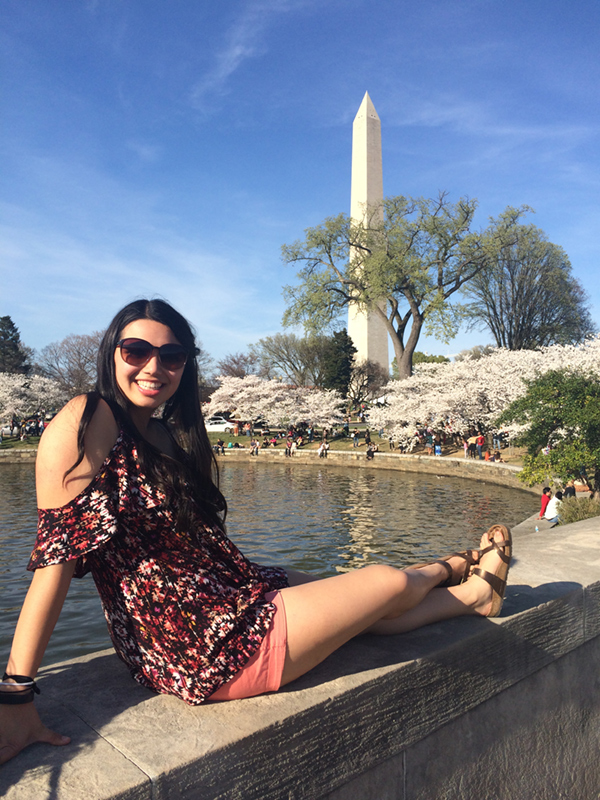
A $5,000 Anne Runes-Wilson Scholarship and a $1,000 mathematics scholarship have further strengthened senior Josey Atsuko Sechrist’s belief that she made the right choice in switching her major to mathematics at OSU.
The daughter of an American father and a Japanese mother, the multi-faceted Sechrist has also won the US Department of State’s Benjamin A. Gilman Scholarship to pursue Spanish language classes at the University of Grenada and the University of Oviedo. Upon her return, Sechrist, who is pursuing a minor in Spanish, will share her experiences about music and culture in Spain on KBVR, OSU’s radio station, where she hosts a show every week.
“If I hadn’t come to OSU, I would have gone to a small school that didn’t have a very good math department. Getting scholarships has helped me stay in the great mathematics department at OSU,” said Sechrist, who is a native of Vancouver, Washington.
Sechrist is passionate about improving the current standards of mathematics education in the United States. She wants to work on mathematics curriculum innovation and teach the subject to middle and high school students. Sechrist’s undergraduate thesis is on the experience of teaching mathematics to English language learners.
“Our scholarships empower exceptional students like Josey and many others to make powerful and positive changes in our society, both locally and globally." The scholarships also enhance the diversity of the Oregon State science community and help our students pursue impactful research and educational opportunities,” said Dean Pantula.
The payoff is tremendous for a science degree. According to a recent salary report by Georgetown University's Center on Education and the Workforce, all but two of the 25 highest-paying majors are in science, technology, engineering or mathematics fields.
Related Stories
Across the Department


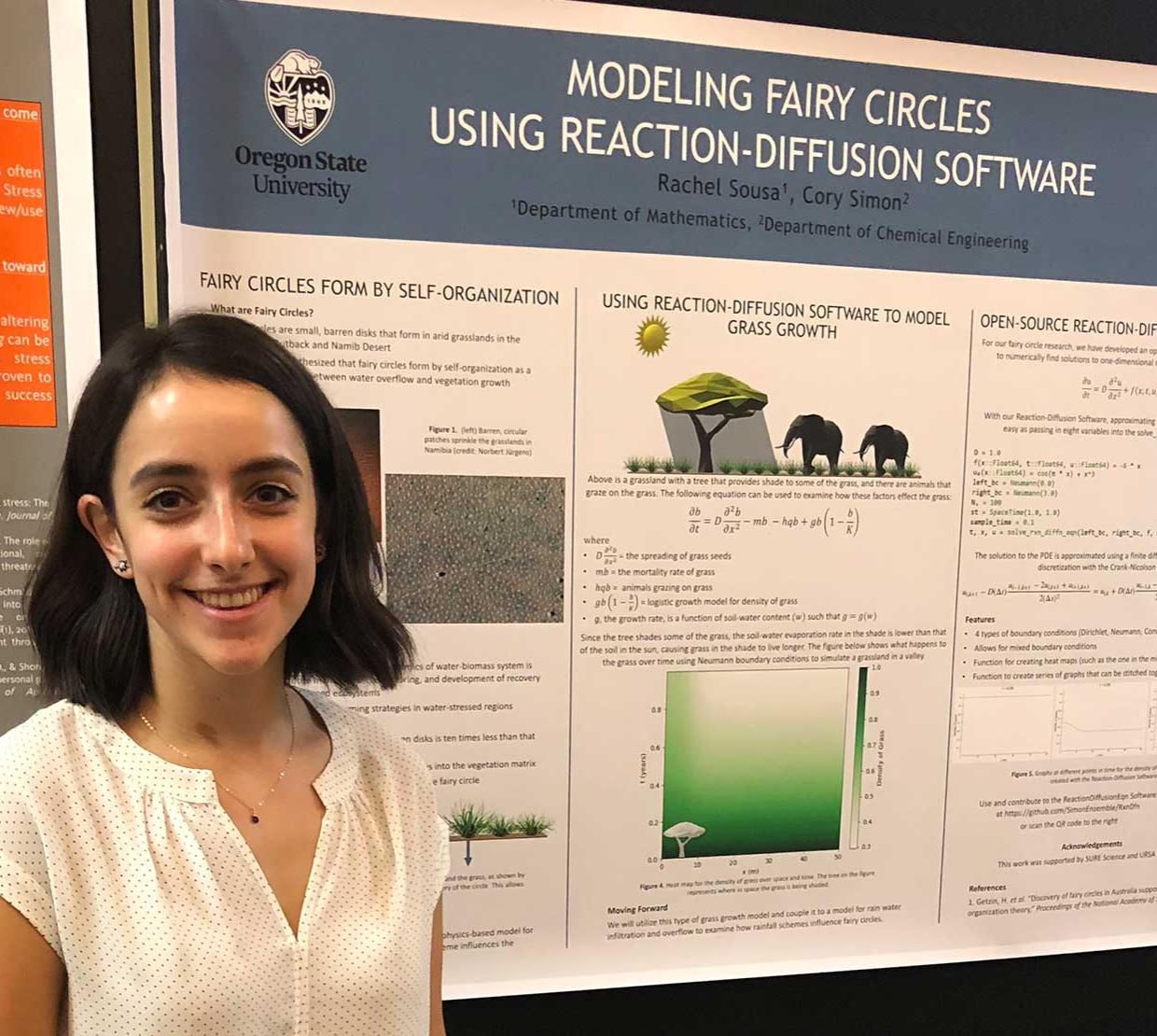
Rachel Sousa, a mathematics senior
For Rachel Sousa, being a woman in a notoriously male-dominated field is no obstacle – it just motivates her to work harder. Sousa is a senior mathematics major with a focus on mathematical biology and a minor in computer science at OSU. She also works as an undergraduate research assistant in Assistant Professor of Chemical Engineer Cory Simon’s Lab and interned this summer at the National Cancer Institute at the University of Utah.
But the aspiring mathematician hasn’t always been interested in this career path or even believed it was possible. As a first-generation college student, she didn’t have access to many of the support and resources that her peers did.
“My parents were always very supportive. They just didn’t know what to tell me to do,” explains Sousa. Although their own lack of college experience did not stop Sousa’s parents from trying their best to ensure their children could have the best education possible.
“I have an older brother who’s two years older than me, and whenever we were on car rides, my dad would always quiz us on math,” Sousa said. “My dad said I used to be deterred from answering, because [my brother] was older and would always get things right before me.”
Of course, this all changed when she started second grade and began practicing math with peers her own age. “I remember maybe in second grade we had the timed multiplication tables, and I used to love racing through them. It really piqued my interest,” she explains.
After that, Sousa was hooked. She made the decision to become a math teacher, dual majoring in mathematics and education so that she could help other children overcome their fear of math as well.
“I think having a bad math teacher really deters you from liking math. I had a really good high school math teacher and a really bad one, so I wanted to become one of the good ones. I think math is super nice and beautiful, and I wish everybody could appreciate it,” Sousa said.
Then everything changed when Sousa got to OSU.
Talking with senior mathematics students and faculty in a prerequisite course for math majors, she learned that teaching math was only one of many possibilities that the major could offer.
“There was one student who was working with the baseball team on campus and doing stats on them, and another student who had been doing research over the summer on river water bed systems. I just had never thought about using math for all these other opportunities,” said Sousa.
Soon after, she dropped the education major to focus more deeply on math and added an emphasis in mathematical biology. Mathematical biology uses mathematical principals to model biological phenomena, such as using growth models to describe growth patterns of bacteria in a petri dish or infectious disease models to describe how a disease could spread throughout a community.
“I figured if after I graduate I still want to teach I can still do that. Whereas if I had stayed on the teaching track, I only had one path I could go down,” Sousa explained.
It was at a faculty mixer hosted by the College of Science during Sousa’s freshman year that she first was introduced to Dr. Simon, a chemical engineering faculty researcher in the College of Engineering who had a background in math.
In the Simon Lab, Sousa is working on an individual project using mathematical biology to study an ecological phenomenon known as ‘fairy circles;’ mysterious circular patches of barren land that occur in arid grasslands along the Namib Desert and in parts of Australia. Fairy circles have been a mystery to scientists since the 1970s and continue to fascinate scientists to this day.
“I’m not afraid to put myself out there anymore… I never thought I would get the National Cancer Institute’s summer research internship program, but I did.”
Sousa was awarded an URSA Engage scholarship and a SURE Science Award in 2018, allowing her to spend many hours in the Simon Lab throughout her years at OSU.
Recently Sousa contributed to a group project in the Simon Lab studying metal-organic frameworks, porous molecules that are able to store gasses that have a wide variety of functions. For her part of the project, Sousa used mathematical techniques such as Singular Value Decomposition to break down three-dimensional formulas into two dimensions to analyze the different components. She was also responsible for writing part of a research paper that was published in an academic journal in May 2019, and which earned her a listing as a coauthor, quite a feat for an undergraduate.
In the summer of 2019, Sousa’s research took her all the way to the National Cancer Institute at the University of Utah, where she used mathematical modeling of cancer cell plasticity to understand induced drug resistance and cancer immune cell therapies.
Sousa is grateful for her time at OSU for helping her grow her confidence and expand her horizons.
“I think the biggest thing to overcome was forcing myself out of my comfort zone and really learning about all the opportunities they offer here. I’ve definitely become more open, and I like saying “yes” to whatever opportunities are available,” reflects Sousa.
“I’m not afraid to put myself out there anymore… I never thought I would get the National Cancer Institute’s summer research internship program, but I did.”
Sousa has also participated in OSU’s Faculty-Student Mentoring Program, led by Science Dean Roy Haggerty, which aims to provide upperclassmen and faculty mentors to new and transfer students from underrepresented communities.
She also serves as Vice President of OSU’s Math Club and volunteers in Discovery Days, an annual event where elementary school children come to OSU’s campus to learn about science, engineering, technology and mathematics.
“I really enjoy being able to share my love of math with the kids and see their faces light up when they discover something they hadn’t known before.”
Related Stories
Across the Department
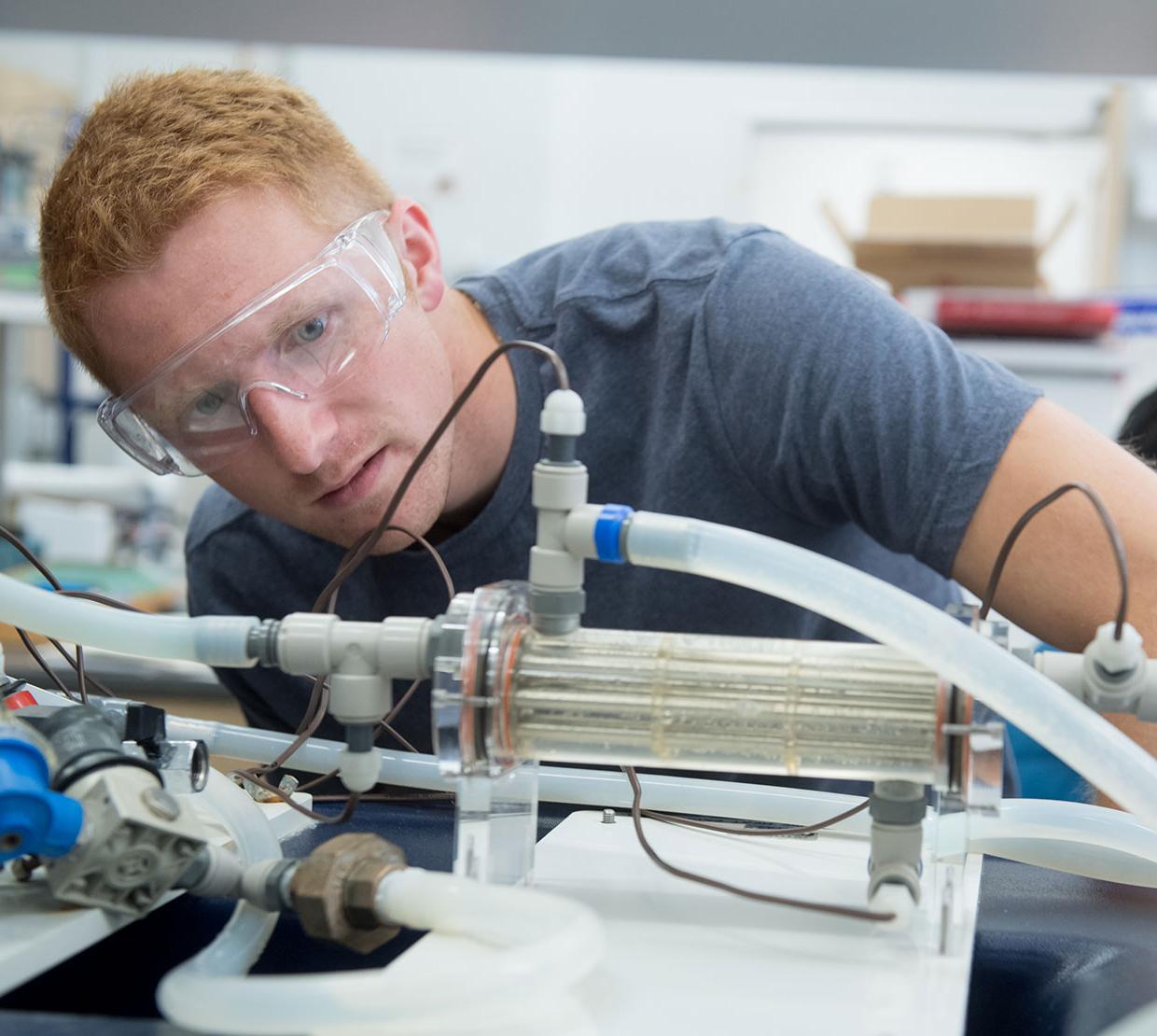
The College of Science warmly congratulates our 2019 SURE Science scholars!
Oregon State University and the College of Science have made it their mission to help students prepare for a bright future by providing potentially life-changing summer research opportunities.
This year, contributions from generous donors have helped more than 50 science students win competitive summer research awards, including the college-wide SURE Science Award (Summer Undergraduate Research Experience) as well as several department-specific awards.
Undergraduate research often plays a key role in developing student-faculty relationships, and gives students hands-on learning experiences that help them grasp the practical applications of science beyond the scope of the classroom.
“For me, a lot of it is about the students who wouldn’t be able to do research if they weren’t getting paid,” program coordinator Gabs James explains.
By providing fellowships to the greatest possible number of students, these awards give many undergraduate students the financial leverage to pursue career goals that would otherwise be unattainable.
The SURE Science Program is available to all full-time science students who meet the academic requirements. The scholarship provides the opportunity to conduct paid research for up to 440 hours over the summer. The scholarship includes a stipend of $5060 and an additional amount of $500 stipend that can be used as funding for activities that support their research. This year, greater donor support has made it possible for 40 students to receive the award — an unprecedented number with the award money totaling more than $220,000!
In addition to SURE Science, there are also several awards which may be received by high achieving students within a department.
New this year in Integrative Biology is the Alexei Lubchenco Menge Fellowship, which was awarded to Kris Bauer to support his research under the guidance of Postdoctoral Scholar Sarah Gravem and Professor Bruce Menge. The fellowship was established in memory of Alexei Lubchenco Menge, who died at age 27 in 2005. Like his biologist parents, Lubchenco Menge was deeply passionate about the ocean and the life it contains. The award seeks to help a student within the department who exemplifies these values.
Also receiving awards this summer are Ryley Tishendorf, who received a Special Integrative Biology Award, and Jiadi He, who received a Special Physics Award. Tishendorf will perform research in biologist Rebecca Terry’s lab, and He will be mentored by biophysicist Weihong Qiu.
In the biochemistry and biophysics department, students applying for the SURE Award are also eligible to apply for the CURE Fellowship. CURE is sponsored by the Ray and Frances Cripps Education Endowment, as well as by faculty mentors who match the awarded funds. This year, eleven biochemistry students received the award, in addition to eight other students from the department who received the SURE Award.
Congratulations to the inspiring next generation of scholars!
SURE Science awardees:
| Student | Major | Faculty | |
| 1 | McKenzie Barker | Biology | Sally Hacker |
| 2 | Kelley Bastin | Microbiology | Susan Tilton |
| 3 | Dreagn Bennett | Biology | Sarah Gravem |
| 4 | Nathanael Bowles | Mathematics | Malgorzata Peszynska |
| 5 | Elizabeth Carroll | Biology | Claudia Hase |
| 6 | Cynthia Cedeno | Chemistry | Paul Blakemore |
| 7 | Addison DeBoer | Biochemistry & Molecular Biology | Daniel Rockey |
| 8 | Luz Dimas-Munoz | Biochemistry & Molecular Biology | Daniel Rockey |
| 9 | Haelyn Epp | BioHealth Sciences | Weihong Qiu |
| 10 | Rebecca France | Biochemistry & Molecular Biology | Colin Johnson |
| 11 | Kailie Franco | Biochemistry and Biophysics | Bo Sun |
| 12 | Ilana Gottfried-Lee | Biochemistry & Molecular Biology | Richard Cooley |
| 13 | Cat Hoang | Microbiology | Elisar Barbar |
| 14 | Kendra Jackson | Biochemistry & Molecular Biology | Michael Freitag |
| 15 | Jin Kiatvongcharoen | Mathematics | David Roundy |
| 16 | Taylor Kuntz | Biochemistry & Molecular Biology | Matt Andrews/Adam Higgins |
| 17 | David Lehrburger | Biology | Stephen Atkinson |
| 18 | Lauren Lewis | Chemistry | Staci Simonich |
| 19 | Kitty Liu | Biochemistry & Molecular Biology | Adrian Gombart |
| 20 | Chantelle MacAdams | Biology & Zoology | Bruce Menge/Sarah Gravem |
| 21 | Anabel Mendoza | BioHealth Sciences | Carla Schubiger |
| 22 | Alanis Morales | BioHealth Sciences | Virginia Weis |
| 23 | Rina Mullendore | Biochemistry & Molecular Biology | Maria Franco |
| 24 | Duy Nguyen | Physics | Ethan Minot |
| 25 | Makenzie Nord | Chemistry | Julie Pett-Ridge |
| 26 | Acacia Patterson | Physics | Janet Tate |
| 27 | Taylor Prichard | Biology | Katja Duesterdieck-Zellmer |
| 28 | Victor Puoci | Biochemistry & Molecular Biology | Ehren Pflugfelder |
| 29 | David Rockow | Biology | Mark Novak |
| 30 | Kelsey Shimoda | Biochemistry & Molecular Biology | Jaga Giebultowicz |
| 31 | Leigh Skala | Chemistry | Taifo Mahmud |
| 32 | Ulises Solis Ocana | BioHealth Sciences | David Dallas |
| 33 | Jason Srey | Chemistry | Sandra Loesgen |
| 34 | Yi Peng Teo | Physics | Matt W Graham |
| 35 | Dustin Treece | Physics | Elizabeth Gire |
| 36 | Sophia Vahsholtz | Biology | Dee Denver |
| 37 | Andrew Williams | Biology | Susanne Brander |
| 38 | Elizabeth Wirsching | Biology | Virginia Weis |
| 39 | Tara Wirsching | Biology | Dr. Felipe Barreto |
| 40 | Wanling Xie | Mathematics | Yuan Jiang |
CURE Foundation Awardees:
| Student | Faculty | |
| 1 | Dorice Goune Goufack | Maria Franco |
| 2 | Mahir Palan | Maria Franco |
| 3 | Juno Valerio | Viviana Perez |
| 4 | Brooke Galyon | Michael Freitag |
| 5 | Carolyn Lazaroff | Michael Freitag |
| 6 | Maja Engler | Matt Andrews |
| 7 | Audrey Korte | Weihong Qiu |
| 8 | Seth Pinckney | Elisar Barbar |
| 9 | Jacob North | Ryan Mehl |
| 10 | Isabella Karabinas | Alvaro Estevez |
| 11 | Asra Noor | Alvaro Estevez |
Related Stories
Across the Department
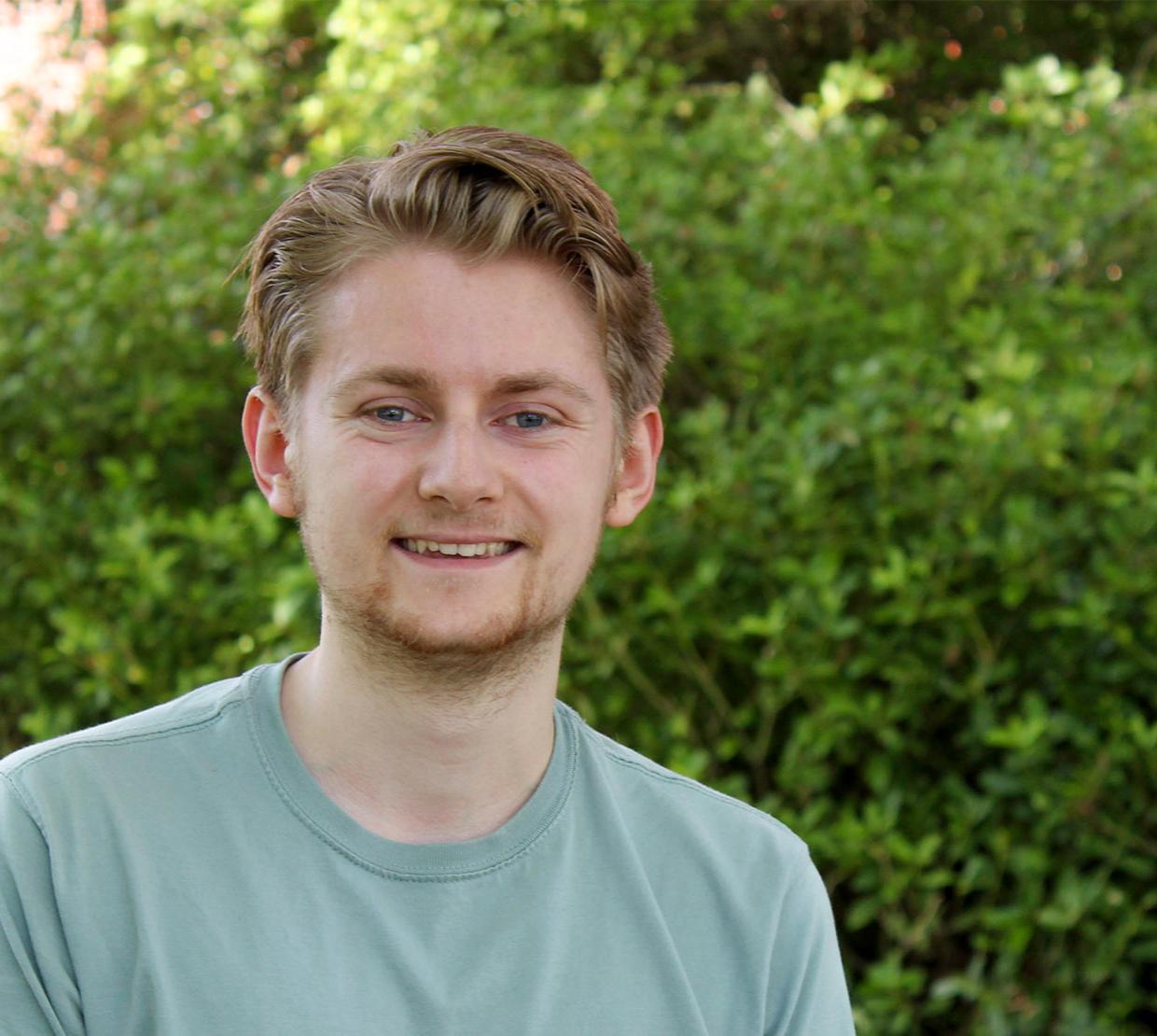
Ryan Tollefsen, honors physics and mathematics student
Ryan Tollefsen is one of four Oregon State University students awarded the 2019 Goldwater Scholarship. Tollefsen, an Honors College double major in physics and mathematics, has an outsized talent for knotty research projects pertaining to thin-film semiconductors and spinning colloidal matter. Calling himself a “physicist to his fingertips,” Tollefsen aspires to be a professor of physics one day, specializing in quantum cosmology and applications of nuclear fusion.
In addition to Tollefsen, Biochemistry and molecular biology students Isabella Karabinas and Kendra Jackson and engineering major Kyzer Gerez also received the prestigious 2019 Goldwater Scholarship, the nation’s top undergraduate award for sophomores and juniors in the fields of science, technology, engineering and mathematics.
Tollefsen, who will be a senior next fall, felt inspired to apply for the Goldwater Scholarship after fellow physics major Mirek Brandt won the Goldwater award in 2017. His extensive preparation certainly helped. Tollefsen started taking graduate-level physics as a sophomore and he is on track to complete the entire graduate-level quantum mechanics and electromagnetic theory sequences by the end of his senior year.
“I find great satisfaction in learning about the universe, and theoretical physics will remain as one my core scientific interests. By the time I reach graduate school, I will be uniquely prepared for high-level field theory,” said Tollefsen.
In the lab of physics professor Oksana Ostroverkhova, he pursues research on developing stable and durable thin-film semiconductors. A skilled programmer, Tollefsen has created a code in Python and Labview to help automate and control complex experiments on semiconductors for his laboratory.
A Research Experiences for Undergraduates (REU) fellowship, awarded to top-performing undergraduates from across the U.S. and Puerto Rico, took Tollefsen to the Massachusetts Institute of Technology (MIT) in summer 2018. He further strengthened his computational skills by working on a project related to spinning magnetic particles in the Physics of Living Systems lab at MIT— a specialized center which studies biophysics, ecological dynamics and other topics in nonequilibrium systems. The MIT Summer Scholars program, begun in 1983, has a hallowed reputation for bringing the best science and engineering undergraduates in the country to the university for graduate-level materials research.
Tollefsen explains that his goal was to create a molecular dynamics simulation engine in FORTRAN, which would allow his group to corroborate experimental results and model physical systems that are too complex to create in-lab. Currently, Tollefsen is writing a paper capturing the high-impact results he obtained on the project.
“I can now confidently state that there couldn’t have been a better undergraduate program for me than OSU physics."
Via independent study, Tollefsen learned three new coding languages to help him tackle his research project at MIT in a short span of eight weeks and taught himself how to remotely manage computing clusters. “I discovered that a scientist must be a proactive learner; he must be willing to develop new skills whenever the research warrants it,” Tollefsen observed.
Physics majors like Tollefsen enjoy rigorous and collaborative learning experiences in the OSU physics department, long recognized as one of the country’s most pioneering undergraduate physics programs. The department was one of three in the country to win the American Physical Society’s award for Improving Undergraduate Education in 2018.
“The Department of Physics at OSU does an excellent job at preparing its majors with coding, digital electronics and numerical simulations skills,” says Tollefsen.
He graduated from Lake Oswego High School in Oregon. By his own admission, Tollefsen was an indifferent student and didn’t regard himself as particularly gifted in mathematics and science during his earlier school years. He made a split-second decision to switch his major while standing in line for an orientation event at OSU. “I joined the line as an engineering major, and I exited having made up my mind to switch my major to physics.”
Tollefsen credits the highly supportive, nurturing and friendly atmosphere, not to mention the excellent teaching, in the physics department for helping him achieve his academic potential. In high school, he had been surrounded by highly gifted classmates who went on to gain admission at elite, selective universities across the country.
“I can now confidently state that there couldn’t have been a better undergraduate program for me than OSU physics. Interacting with physics professors, friends and doing research in Weniger Hall have been the happiest parts of my educational journey so far,” shared Tollefsen.
The budding physicist has encountered and overcome significant obstacles on his path to academic success. Diagnosed with dyslexia, Tollefsen has encountered lifelong difficulties with reading starting from elementary school. He was able to thrive gradually as he discovered that his strong visual and spatial reasoning skills helped him perform well in mathematics and physics.
Tollefsen’s journey to college was also beset by financial difficulties. Relying on scholarships to support his undergraduate studies, Tollefsen found himself falling short by $1,300 in tuition at the end of his first year. Strong support by physics faculty and the College of Science administration led to OSU covering his fees and allowing him to register for the following academic year.
Straight-A student, Tollefsen’s impressive academic achievements have garnered him a number of awards and scholarships. Other than the Goldwater Scholarship, he has received the David B. Nicodemus Memorial Scholarship in Physics and OSU’s Finley Academic Excellence Scholarship. He has also been awarded the Ruth A. Beyer Honors College Scholarship, the Wayne R. and Julie Claire Spesock Memorial Scholarship and the College of Science’s Harriet R. Anderson Scholarship.
Read more: Physics, mathematics and biochemistry students named Goldwater Scholars
Aspiring neuroscientist grounded in science and the arts wins Goldwater Scholarship
Related Stories
Across the Department
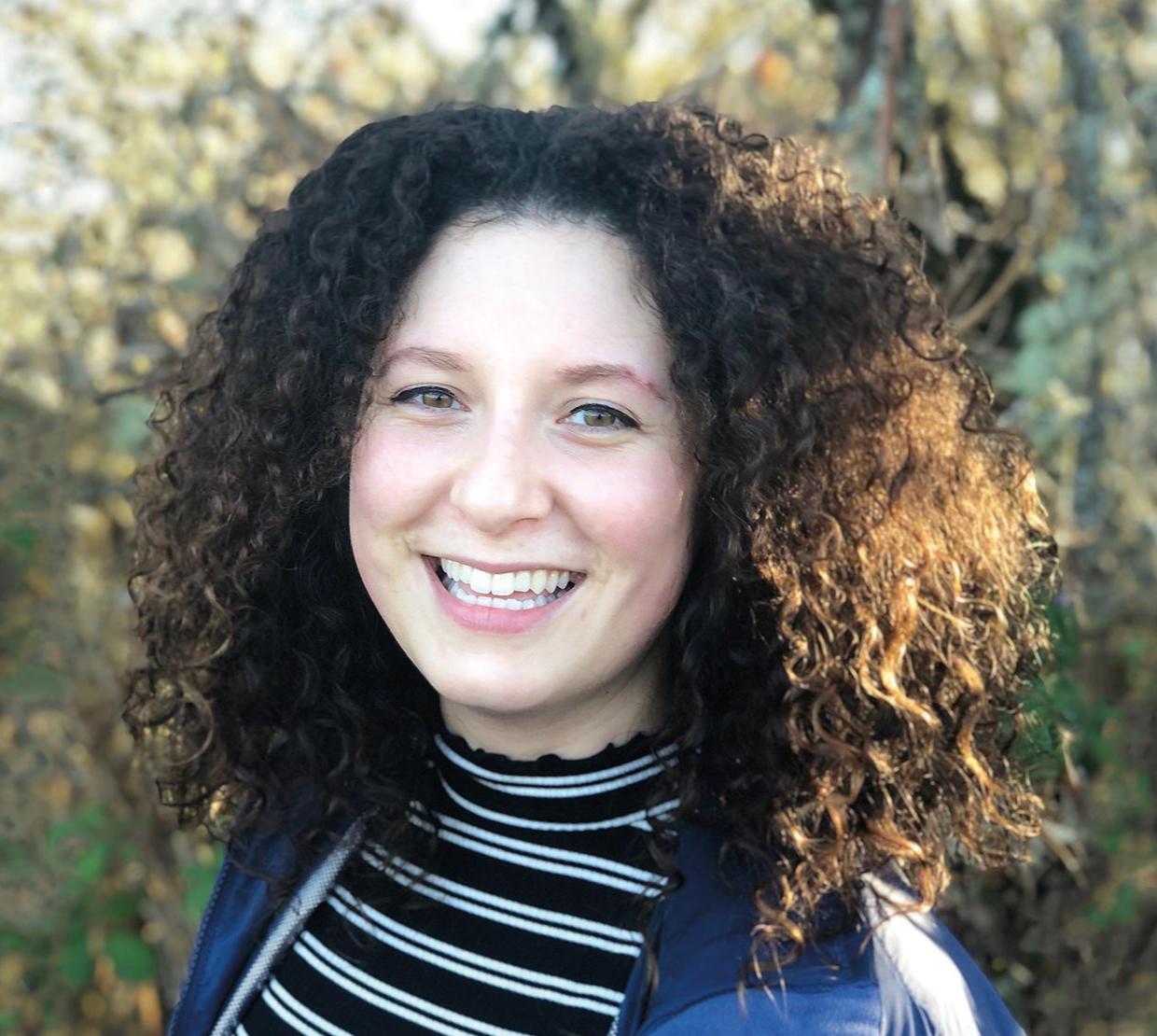
Isabella Karabinas, Biochemistry and molecular biology junior
Three science students have been awarded the prestigious Barry Goldwater Scholarship. Third-year students Ryan Tollefsen, Kendra Jackson and Isabella Karabinas received the honor, which is the top undergraduate award in the country for sophomores and juniors in the fields of science, technology, engineering and mathematics (STEM). Goldwater Scholars are selected on the basis of outstanding academic achievement and for demonstrating the potential to pursue research careers.
From an estimated pool of over 5,000 college sophomores and juniors, 1,223 STEM majors were nominated by 443 academic institutions to compete for the 2019 Goldwater scholarships. A total of 496 students from across the United States were awarded Goldwater scholarships for the 2019-20 academic year.
This year, Oregon State University had four Goldwater Scholarship nominees, and all four juniors were named 2019 Goldwater scholars. This is the first time in OSU history that all its four nominees have received this prestigious national recognition for undergraduate students in the natural sciences, mathematics and engineering. Engineering major Kyzer Gerez has also won the Goldwater scholarship this year.
The Goldwater Scholarship is administered at Oregon State University through LeAnn Adam, OSU Advisor for Prestigious Scholarships and a member of OSU Goldwater Scholarship Committee. The four Goldwater nominees were chosen from a highly competitive pool of 15 candidates, according to Adam. The OSU nomination committee includes faculty from the Colleges of Science and Engineering.
“Thanks to our students and their dedicated faculty mentors, OSU has received the maximum number of Goldwater Scholarships awarded to any single institution in Oregon as well as in the country.”
Jackson, an honors student majoring in biochemistry and molecular biology, is an undergraduate researcher in biochemist Michael Freitag’s lab. Karabinas, an honors double major in biochemistry and molecular biology and psychology, conducts research in biochemist Alvaro Estevez’s lab. Tollefsen, also an Honors double major in physics and mathematics, pursues research on the characterization of novel materials in physicist Oksana Ostroverkhova’s lab.
“I am pleased that three College of Science students have received the Goldwater scholarships this year, which makes our science programs the top producer of Goldwater Scholars. Thanks to our students and their dedicated faculty mentors, OSU has received the maximum number of Goldwater Scholarships awarded to any single institution in Oregon as well as in the country,” said Roy Haggerty, Dean of the College of Science.
“Our record number of Goldwater scholars testifies to the high-caliber of our science undergraduate students and the strength of our research and mentorship programs,” he added.
The College of Science has produced the largest number of Goldwater Scholars at OSU – 16 students have been awarded the Goldwater scholarships to date. Since 2005, 21 Oregon State undergraduates have been named Goldwater scholars, and 12 have received Honorable Mention.
The preeminent undergraduate award in the sciences, the Goldwater Scholarship Program was established in 1986 to honor former Arizona Senator Barry M. Goldwater, and is sponsored by the Barry Goldwater Scholarship and Excellence in Education Foundation. The award provides up to $7,500 per year for a maximum of two years covering undergraduate tuition, fees, books, and housing expenses.
Student researchers tackle big questions
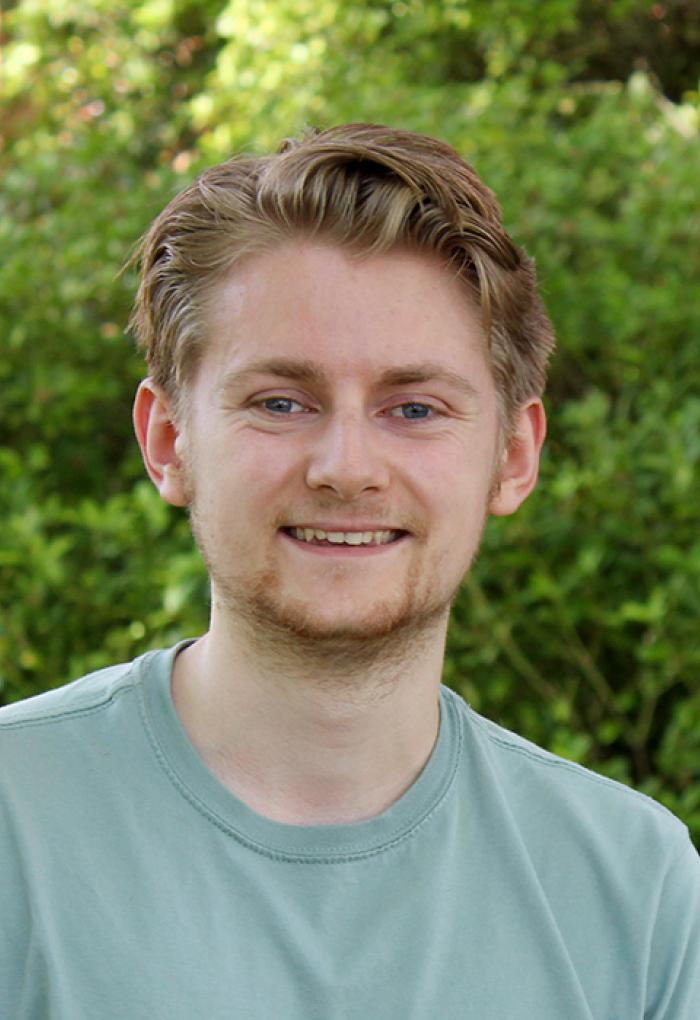
Ryan Tollefsen, honors physics and mathematics student
Tollefsen is currently pursuing research on photodegradation of organic semiconductors as part of his honors thesis in physics Professor Ostroverkhova’s lab. As part of a summer research experience for undergraduates (REU), Tollefsen worked in the Physics of Living Systems at MIT— a specialized center which studies biophysics, ecological dynamics and other topics in nonequilibrium systems. There Tollefsen conducted research and wrote a computer program to capture the complicated behavior of a new class of self-propelled particles called spinners in dense colloidal solutions, whose rotation gives rise to several interesting and programmable behaviors.
Tollefsen achieved significant breakthroughs in understanding the undocumented, little-known activity of spinners and is working toward a first-author journal publication of his results with his MIT mentors.
Tollefsen has received a number of awards for academic excellence and achievement. These include the Nicodemus Scholarship in Physics, the College of Science’s Harriet Anderson Scholarship, the Ruth A. Beyer Scholarship from the Honors College and OSU’s Finley Academic Excellence Scholarship. He plans to pursue doctoral studies in physics after graduating from OSU.
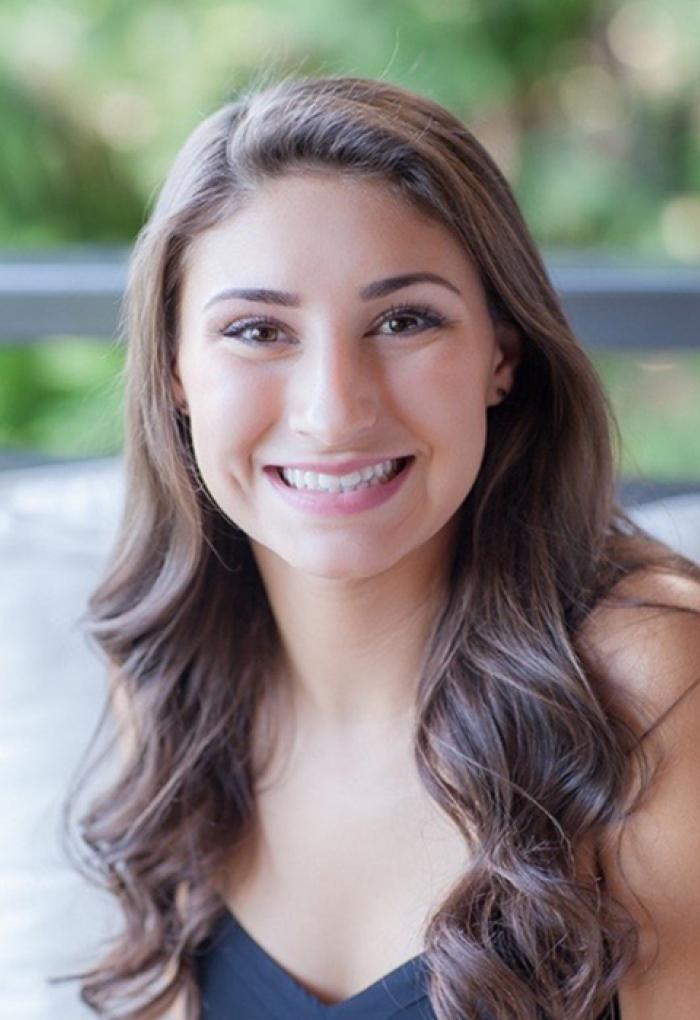
Biochemistry and molecular biology student Kendra Jackson
Jackson plans to pursue an M.D./Ph.D. in molecular biology or genetics. In Freitag’s lab, her research focuses on investigating the mechanism by which PRC2, a specific protein complex important to mammalian development, is recruited to genes for silencing gene expression.
Using fungi as a model, Jackson studies their molecular response to PRC2 mutations. Her goal is to create a new method to identify DNA sequences acting as signals for PRC2 recruitment and establish a database of such DNA signals.
Jackson was recognized with the Goldwater Honorable Mention in 2018. She has received the CRIPPS Undergraduate Research Experience award from the Department of Biochemistry and Biophysics to support her summer research and OSU’s Drucilla Shepard Smith Award for academic excellence. Jackson was a member of the College of Science Student Advisory Board and has served as an Honors College peer mentor.
Karabinas (pictured above) aspires to conduct laboratory and clinical research in neuroscience as a practicing physician and teach at the university level. A Gateways to the Laboratory internship last summer took Karabinas to a lab in Weill Cornell Medical College in New York City, where she worked on projects related to neurobiology and behavioral neuroscience in the areas of stress and depression. Karabinas used a mouse model of depressive behavior to measure stress-induced changes on certain behaviors and studied the effects of pharmacological modulation of a signaling pathway in the brain on reward behavior.
In Biochemistry Associate Professor Alvaro Estevez’s lab at OSU, Karabinas studies the role of a protein essential for cellular survival in the development of neurodegenerative diseases like Amyotropic Lateral Sclerosis.
Karabinas has won multiple awards, including the Zonta Club of Corvallis STEM Scholarship, Phi Beta Kappa Honor Society membership, the Southern Oregon Latino Scholarship and the national Hispanic Scholarship Fund award. Most notably, she received the Abby Rockefeller Mauzé Scholar award, which is awarded to interns for outstanding achievements in the Weill Cornell/Rockefeller/Sloan-Kettering Tri-Institutional M.D.-Ph.D. Gateways to the Laboratory Program.
Related Stories
Across the Department
Meet 2018 Presidential Scholars and science students
First-year science students Eli Nicholas and Jordyn Hamilton are 2018 Presidential Scholars who are finding numerous opportunities to achieve their academic goals and explore new interests at Oregon State University.
The university’s most competitive, merit-based scholarship for in-state undergraduates, the Presidential Scholarship is awarded to the highest-caliber high school seniors in Oregon with a record of academic excellence (3.85 GPA or above plus impressive SAT or ACT scores) among other accomplishments. The generous scholarship awards a total of $40,000 and covers the cost of four years of tuition. In 2018-19, 35 OSU students including seven College of Science students received a Presidential Scholarship. In total, 755 high school seniors were considered for the award.
In addition to Nicholas and Hamilton, zoology major Nathaniel Neal and biology majors Tory Schroeder, Gautam Singh, Elizabeth Reece and Savannah Taggard have also been awarded OSU 2018 Presidential Scholarships.
Seeing the mathematics in music
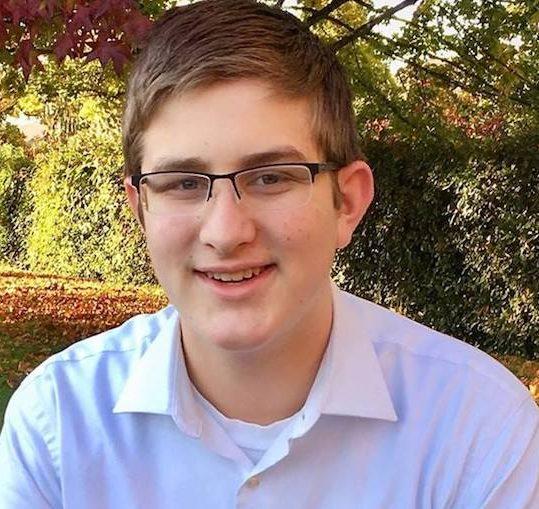
Mathematics major Eli Nicholas
A mathematics major, Eli is combining his love for numbers with his passion for music by pursuing a minor in music performance. In fact the talented freshman was taking part in a high school musical last year at West Albany High School when the news about his Presidential Scholarship broke. His choir and band teachers collaborated with OSU admissions officials to heighten the drama; Eli was presented with the Presidential Scholarship after curtain call in front of the entire audience.
The scholarship sealed the deal in favor of OSU for Eli. “Financial aid and stability were a huge plus for me. OSU is also a family school of sorts. My grandfather and parents went to OSU. My older brother is also at OSU.”
As it turns out, Presidential Scholarships also run in the family. Eli’s older brother, Jonah, a forestry senior, is a Presidential Scholar.
“The Presidential Scholarship requires me to take a full load of courses each quarter. Being done with the baccalaureate core courses, I have an opportunity for intellectual exploration and take the classes that interest me.”
At OSU, Eli is exploring diverse interests and finally indulging in a cherished childhood dream: vocal performance. “I played the trombone in high school. But vocal performance is definitely my number one passion.” Growing up, Eli couldn’t afford voice lessons. This year, he achieved a milestone by singing for the first time at an OSU opera, Puccini’s La Rondine.
Eli was urged to take vocal lessons when he auditioned for the OSU choir leading him towards a music minor, which is covered by his scholarship.
He enjoys the academic freedom and the numerous avenues for academic exploration that have opened up. In addition to core classes in mathematics, Eli is taking religious studies courses, a subject that interests him deeply. Having taken a number of AP credit courses in high school, Eli will soon be completing his core requirements, and is eagerly looking forward to expanding his intellectual horizons.
“I feel I have a really great opportunity here. The Presidential Scholarship requires me to take a full load of courses each quarter. Being done with the baccalaureate core courses, I have an opportunity for intellectual exploration and take the classes that interest me,” said Eli. “It is a different world from high school where I was taking a lot of AP credit classes. It is a great space where I can study whatever I want.”
The Albany native’s decision to study mathematics was spurred by a fantastic high school mathematics teacher, not to mention the fact that he has always enjoyed the subject and been good at it. Eli has some unbeatable wisdom for those who experience anxiety associated with mathematics.
“Math isn’t something to be scared of. It is so integral to every part of life. It should be appreciated and respected for what it is — the driving force behind sciences and so many technologies,” said Eli, who also shares that he relies on study plans to help him stay on track.
“I make a two-week plan whenever I fall behind.”
Technically this isn’t Eli’s first year on campus. He spent time at OSU as a child when his father was studying for a master’s degree in civil engineering. “I have very fond memories of being around OSU and mingling with the families of other graduate students at OSU. It was a very happy period in our lives and I am delighted to be back.”
Going from strength to strength
A graduate of Sheldon High School in Eugene, Jordyn Hamilton aspires to attend medical school and become a physician. She is an Honors BioHealth Sciences student with a focus on pre-medicine.
“I shared my personal story in my OSU admissions application, and I would like to believe that made a difference.”

BioHealth Sciences major Jordyn Hamilton
The oldest of five sisters, with the youngest born just this year, Jordyn is thrilled to be a Presidential Scholar at OSU. “My sisters need me. Staying close to home and family was important for me, and the Presidential Scholarship helped me achieve that goal.”
She was immediately drawn to the biohealth sciences major for its unique focus on life sciences and training for health careers. Jordyn has been passionate about being a physician since an early age. Her grandfather was an ER doctor and Jordyn grew up listening to his stories and visiting his clinic as a child.
“I love the campus and being a part of the Honors College. I have found friends with similar goals,” said Jordyn.
The medical school aspirant is off to a flying start. Jordyn is a member of the Wellness Agents team at OSU. Wellness agents drive campus-wide prevention and wellness efforts by organizing large events and educating students about college health issues.
The Presidential Scholarship was especially meaningful for Jordyn whose academic ambitions have withstood overwhelming odds. Largely raised by a single parent, Jordyn has struggled with immensely difficult personal and economic circumstances, which include incarceration, addiction and unemployment in her family. However, the determined young woman never lost sight of her grades and her desire for a better life.
“My life growing up has not been ideal, and my sisters and I have suffered because of that. But I was always very self-motivated to do well academically and my grades were a key focus,” said Jordyn. “I shared my personal story in my OSU admissions application, and I would like to believe that made a difference.”
Her achievements have been exceptional. Jordyn was recognized as one of 19 students who maintained a 4.0 GPA throughout high school. In addition to her voracious appetite for academic excellence, Jordyn has been a lifelong contemporary and jazz dancer, and continues her dance classes in a local studio.
Jordyn’s early struggles and experiences have given her a compassionate, responsible and mature outlook on life. She is currently helping care for her ailing grandfather, who has always been a big source of inspiration, strength and support in her life.
OSU’s academic flexibility has ensured that Jordyn can take several of her baccalaureate courses online through OSU’s outstanding and top-ranked Ecampus program as she tends to her grandparent in Eugene.
She is excited about resuming her on-campus life and classes soon, and is busy making plans for the future. Fluent in Spanish, Jordyn looks forward to participating in a study abroad program to a Spanish-speaking country and working in a clinical setting abroad during her undergraduate career.
Related Stories
Across the Department
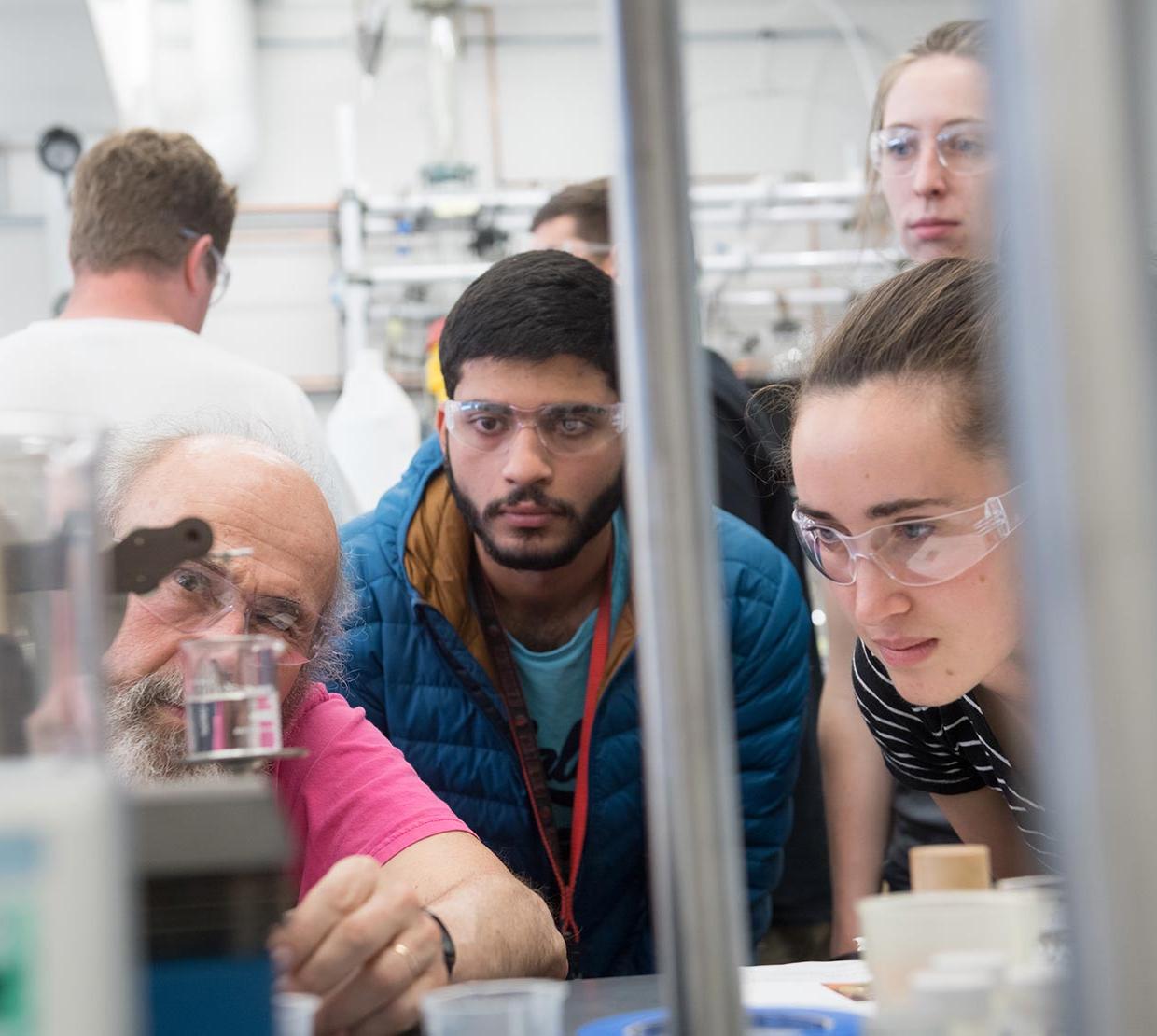
The university has awarded more than $39.5 million in scholarships to students for the 2017-18 academic year, a key component of OSU President Ed Ray’s Student Success Initiative.
Roughly $24.5 million of the total is spread among 7,271 scholarships to returning students. The rest is for awards to 2,532 new/incoming students, including 34 who received a $10,000-per-year Presidential Scholarship, OSU’s most prestigious undergraduate scholarship.
Approximately 35 percent of this year’s first-year students are receiving scholarship support.
Scholarships for science students at an all-time high
College of Science students received the second highest amount of scholarship funds in the university.
More than $7.5 million in scholarship money is going to College of Science students, the college’s highest total ever, said Roy Haggerty, dean of the college. That is triple the amount awarded two years ago. Reasons for the jump include increases in university scholarships and in the number of high-achieving students enrolling in the College.
Nearly $5 million is allocated to 1,344 scholarships for returning students. The rest is for awards to 570 incoming/new students, including nine who received a Presidential Scholarship.
This year more than half of the college’s first-year students received scholarship support.
“Scholarships enable the college to attract, retain and inspire top science students, most of whom go on to high-achieving careers in industry, graduate school, medical school and other professional programs after graduation,” Haggerty said.
“Oregon State’s financial-need-based scholarships also help academically talented low-income and first-generation students from Oregon and elsewhere stay and excel in college.”
First-generation students typically have a greater financial need so scholarships are a crucial part of their educational equation, said Haggerty, who was first in his family to attend college.
“In our College, the number of first-generation students has risen from 20 percent to 29 percent in the last five years,” he said. “Many scholarship students in the College of Science attest to the value of scholarships in easing the financial burden on their families and enabling them to focus on academics, research, volunteer activities and post-college career goals.”
College of Engineering netted the highest amount in scholarship support. Thirty-five percent of engineering students are receiving scholarship support. They are receiving $12.7 million, with $7.9 million divided among 1,948 scholarships to returning students. Nineteen of the 804 their incoming scholarship students are Presidential Scholars.
In third place is the College of Business. It was awarded more than $3.7 million in scholarships, including roughly $2.3 million spread among 761 scholarships to returning students. The remainder is awarded to 276 incoming students, including one Presidential Scholar. About 29 percent of this year’s first-year business students are receiving scholarship support.
Related Stories
Across the Department


College of Science
Celebrating College of Science award winners at University Day 2025

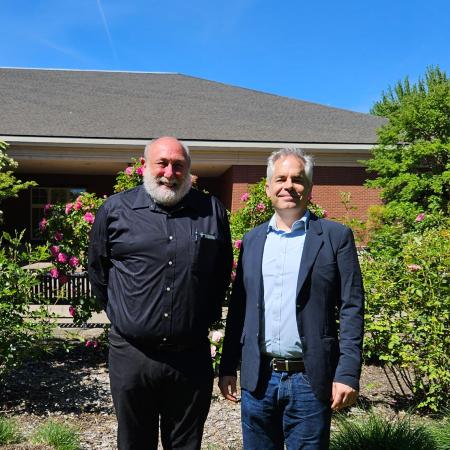
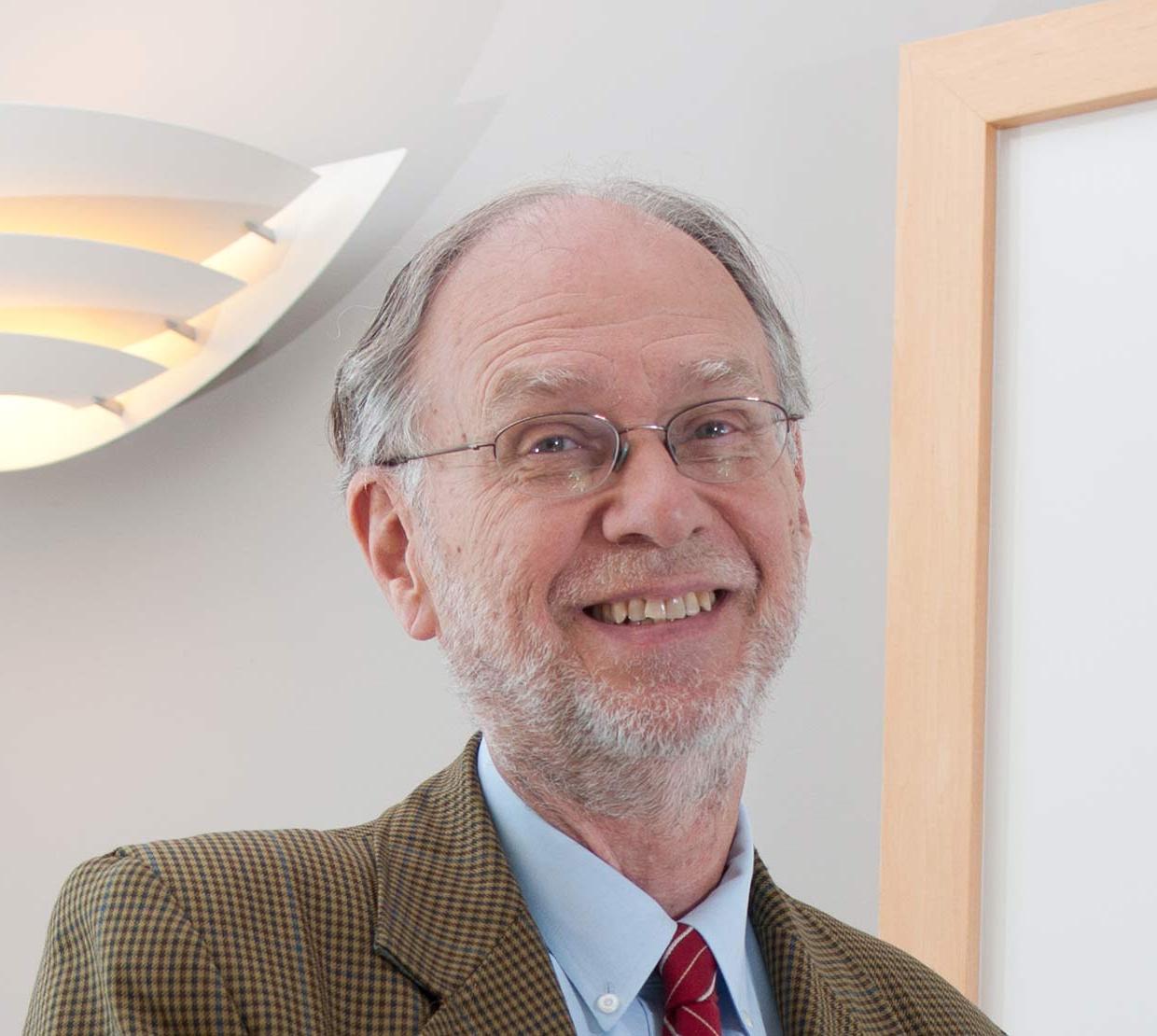
Alumnus Michael Waterman (’64, ’66)
Alumnus Michael Waterman (’64, ’66) has traveled quite a distance to get where he is. From humble beginnings on an isolated livestock ranch in southern Oregon in the 1950s to becoming an internationally celebrated mathematician and biologist at the University of Southern California (USC), Waterman has shattered all expectations.
“For me, OSU was the doorway to the rest of the world,” said Waterman, whose mother was committed to the idea of her children going to college.
Reflecting on his rural childhood, he recalls thinking, “You have no idea what’s out there. It’s very hard to imagine beyond what you see.”
Waterman struggled to see a clear career path forward, but pursued mathematics which proved to be a fortuitous jumping off point in his young life.
The values he acquired growing up in the Pacific Northwest—a respect for living off the land, freedom from outside authority, and a slight tendency to go against the grain and reach beyond the imagination—served him well.
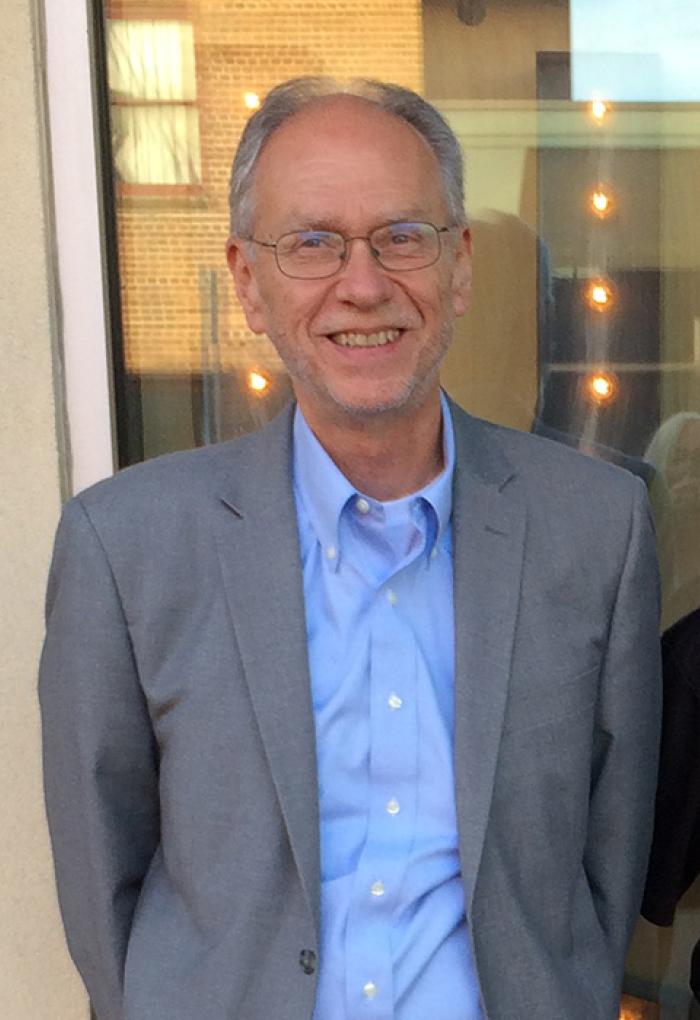
Alumnus Michael Waterman, Professor of Biological Sciences, Computer Science and Mathematics at University of Southern California
Waterman earned bachelor’s and master’s degrees in mathematics at Oregon State and a Ph.D. in statistics and probability at Michigan State University, which propelled him to become a founder and leader of computational biology and a renowned human genome theorist.
Waterman holds joint academic appointments in the Departments of Biological Sciences, Mathematics, and Computer Science at USC and an appointment at Fudan University in Shanghai. Previously, Waterman held positions at Los Alamos National Laboratory and Idaho State University.
Waterman’s work in the 1980s formed a cornerstone for many DNA mapping and sequencing projects, including the Human Genome Project. His work continues to play an important role in DNA sequencing. He is member of both the U.S. National Academy of Sciences and of Engineering, the American Academy of Arts and Sciences, and both the French and Chinese Academies of Sciences.
In recent years, Waterman reconnected with mathematicians at OSU and returned to present the Mathematics Department’s Milne Lectures in Mathematics, Statistics, and Computer Science. He presented a talk on the mathematical, statistical and computational challenges of sequencing DNA and the historical developments contributing to new methods that are accelerating the speed of DNA sequencing.
Waterman’s work is focused on applying mathematics, statistics, and computer science techniques to various problems in molecular biology. His work in the 1980s formed one of the theoretical cornerstones for many DNA mapping and sequencing projects, including the Human Genome Project. He also helped develop some of the most widely used tools in the field, including new technologies to solve basic problems. His work continues to play an important role in DNA sequencing.
Waterman has acquired an international reputation evident by his outstanding scientific achievements. He is member of the U.S. National Academy of Sciences, the U.S. National Academy of Engineering, the American Academy of Arts and Sciences, the French Academy of Sciences and the Chinese Academy of Sciences. He received a Gairdner Foundation International Award in Biomedical Sciences and the Dan David Future Prize in Bioinformatics. He is also founding editor of the Journal of Computational Biology.
Waterman has pondered the disparity between the two worlds he navigated between: his rural childhood in a ranching community that was relatively under-populated and undeveloped and the private university experience in the nation’s second-largest city as a globally renowned scientist at the convergence of math and biology.
Reflecting on his own journey, Waterman has considered ways he might make a difference and impact future generations of scientists, especially first generation students from rural, less privileged communities.
“I believe that those who didn’t grow up with privilege should have a chance too, said Waterman. “I am pleased to see OSU is still accepting kids from a variety of backgrounds. That is not very common to see these days.”
This notion inspired Waterman to establish an endowed scholarship for science students—the second largest in the College’s history. Waterman’s legacy gift, the Michael and Tracey Waterman Scholarship, has the ability to transform students’ lives in a deep, profound way. He is particularly interested in supporting first-generation students, a population often with low success rates as they struggle to transition academically and culturally while struggling with financial need.
Waterman’s legacy gift goes a long way to support science students, transforming their lives forever in a deep and profound way. Noting the tremendous difficulty public universities have contracting public support and funding today, Waterman heartily supports OSU’s mission, rooted in the land-grant tradition of accessible education, problem-solving research and outreach that serves communities statewide.
Philanthropic support at public institutions is growing more and more vital every year. This is especially true in Oregon, which cut per-student spending in higher education more than any other state in the country except one between 2000 and 2014, according to a 2015 study by the Urban Institute.
Related Stories
Across the Department


Alumni and Friends
Meet Scott Clark, an OSU science alum who built a $30M AI startup
Gisela Abigail Gonzalez-Montiel, graduate of the University of Portland
The College of Science is proud to have four doctoral students among the 27 young scientists and engineers selected as 2016 ARCS (Achievement Rewards for College Scientists) Foundation Scholars from the Portland chapter. Students are selected based on their outstanding academic achievement and potential.
Through its partnership with the ARCS Foundation, the College is able to recruit top Ph.D. students in biochemistry and biophysics, chemistry, mathematics, microbiology, statistics and integrative biology. The ARCS award provides doctoral students with $18,000, payable over three years at $6,000 per year.
Kudos to these first-year Ph.D. students, our 2016 ARCS Scholars!
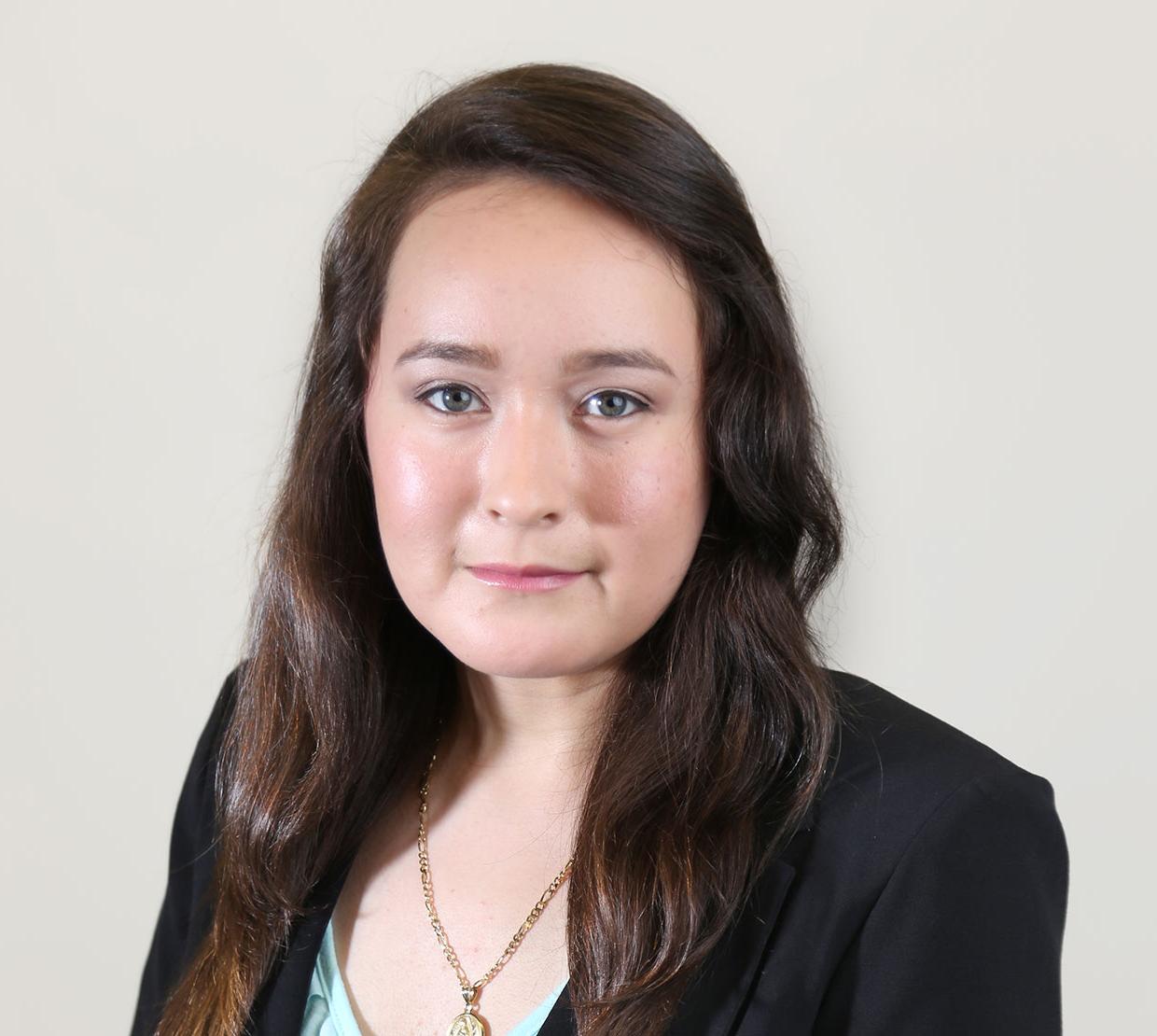
Gisela Abigail Gonzalez-Montiel, (pictured above) a graduate of the University of Portland, is pursuing research in organic chemistry. Gisela completed her undergraduate studies in chemistry and mathematics. She was a 2014 Equity Intern at Oregon Health and Science University, where she conducted research in a biochemistry and molecular biology lab to understand how mutations of the ATP-sensitive potassium ion channel lead to disease. She is currently exploring research interests in microbial natural products chemistry and stereochemistry.
She received the Goodwin/Rothschild Scholar Award from ARCS. The award is given by Sheila A. and J. Michael Goodwin and Sara and Robert Rothschild.
A doctoral student in mathematics, Dallas Foster, holds bachelor’s degrees in mathematics and political science from the University of Utah. His research interests encompass numerical analysis, multi-scale modeling, inverse problems, scientific computing, and their applications to economics, political science and geophysics. He has also received the Provost Distinguished Scholarship at Oregon State University.
Foster received the Emmerson Family Scholar Award from ARCS. The award is a gift from Ann and Ron Emmerson.
Shannon Hennessey is conducting research on predatory snails in intertidal systems and their environmental influences in the integrative biology doctoral program. She received the ARCS Foundation Oregon Scholar Award. She earned her bachelor’s degree in fishery science at the University of Washington. Shannon has also been awarded the prestigious National Science Foundation Graduate Research Fellowship (NSFGRF). Read more about Shannon.
William "Bryce" Penta is a Ph.D. student in microbiology and is studying the metabolic pathways of phytoplankton and environmental factors that limit or alter the functioning of these processes. He earned a bachelor’s degree from the University of Notre Dame. William worked on a NSF Research Experiences for Undergraduates (REU) project studying the effects of the varying availability of Vitamin B 12 and other nutrients on the photosynthetic efficiency and growth of phytoplankton.
William received the Silver Endowed Scholar Award from ARCS donors Barbara and Philip Silver.
This year the College raised $50K, to support ARCS Scholars, and is hoping to secure an additional $100K to create an endowment that will support several Ph.D. scholars annually with matching opportunities available for donors.
Related Stories
Across the Department
Graduate students
College of Science graduate students earn prestigious awards in 2025-26
Graduate students
New Graduate Students 2025-2026
Graduate students
College of Science graduate students earn prestigious awards in 2024-25
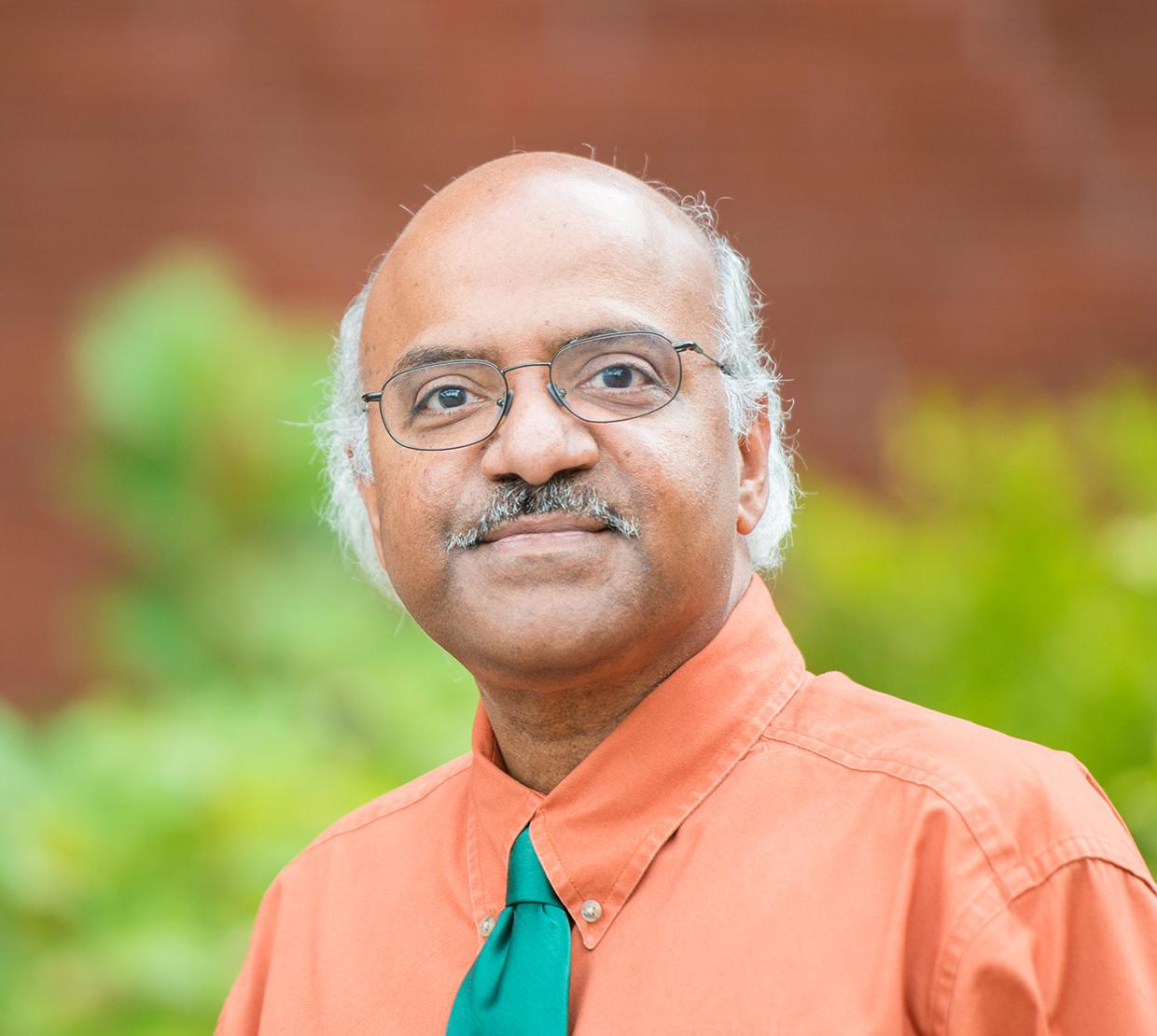
Sastry Pantula, College of Science Dean and member of OREGON STATE ADVANCE Working Group
It's been a busy summer so far for the OREGON STATE ADVANCE Working Group for Equity and Inclusion. For the past two weeks, the team has been participating in a summer seminar to identify initiatives that would educate OSU's campus community about how gender, race/ethnicity, social class, and other aspects of identity combine to disadvantage women in academic Science, Technology, Engineering, and Mathematics (STEM).
The summer program is the centerpiece of OREGON STATE ADVANCE. The goal is to educate faculty and administrators on how gender-based inequality in the workplace can be removed by changing behavior. The group engaged in activities to help them recognize and reduce discrimination of women and underrepresented groups in STEM.
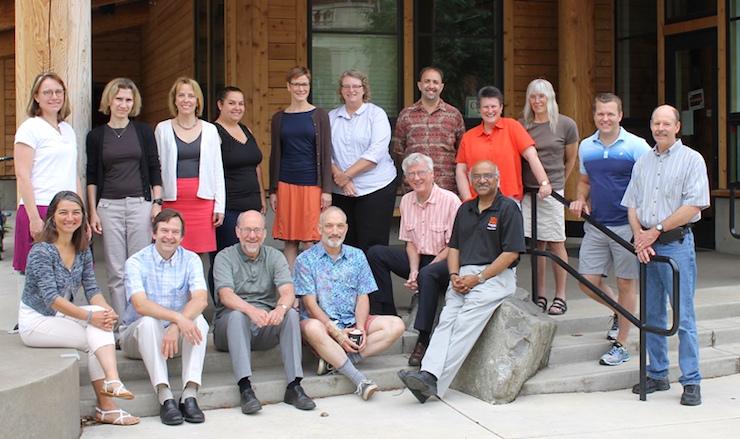
ADVANCE Working Group on Equity and Inclusion
A strong and tireless champion of diversity, equity and inclusion, College of Science Dean Sastry Pantula is part of the OREGON STATE ADVANCE Working Group. The College is deeply committed to creating a diverse and inclusive science community.
OREGON STATE ADVANCE is an Institutional Transformation (IT) grant that was funded in the fall of 2014 by the National Science Foundation. The IT award aims to transform an entire institutional setting to be a more equitable academic environment for women scientists. OSU is striving to create an equitable work environment for women and others from traditionally underrepresented groups through a series of new and unique programs.
OREGON STATE ADVANCE is a campus-wide entity, endorsed by senior-level administrators, that enhances and supports gender equity for women in STEM by devising solutions and methods to measure indicators of success.
Learn more about ADVANCE Initiatives & Programs.