Graduate students

Graduate students

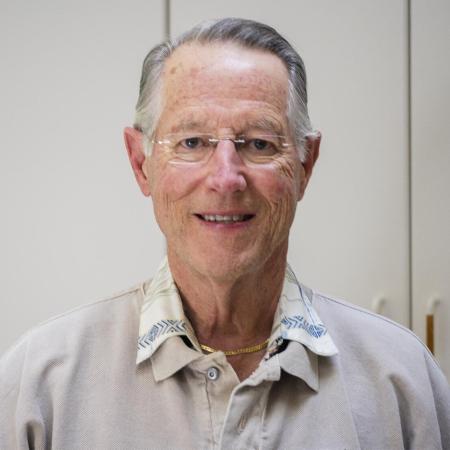
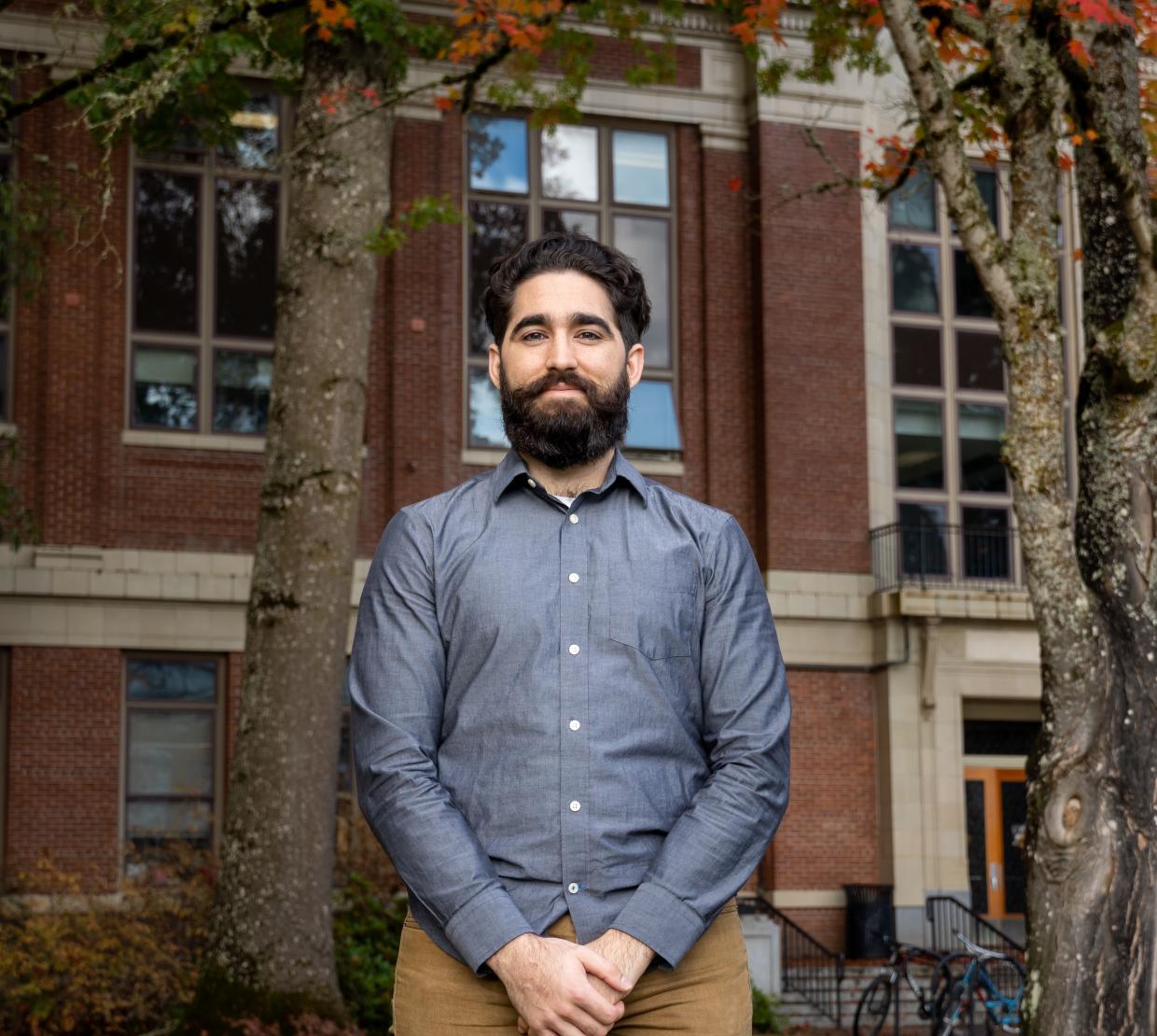
A man in grey shirt poses for photo.

From international mathematics work to student support, alumnus gives back to Oregon State

By Hannah Ashton

For Dale Comstock ( Ph.D. M.A. mathematics ’64) mathematics has been a passport — taking him from classrooms in Corvallis to night classes in postwar Europe, emerging universities in India and policy rooms in Washington, D.C.

Throughout a career that has spanned research and academic leadership, Comstock has traveled to more than 70 countries. Now, he is helping ensure Oregon State students have the support to build distinguished careers of their own.

Comstock recently established an endowed graduate dissertation award in the Department of Mathematics, designed to recognize and reward exceptional doctoral research.

“The idea is to encourage students to stick it out,” he said. “Sometimes it becomes a very hard path to go through. The demands at that level can be high. So I want to encourage them to hang in there.”

Comstock’s own path through mathematics was anything but linear. After earning his undergraduate degree at Central Washington University, he began his career teaching high school math and physics.

In 1957, a few months after marrying his wife, he was drafted by the Army to serve in West Germany. His role was a fire direction control officer for the atomic artillery unit he was in.

It just so happened there was an extension service there from the University of Maryland, allowing Comstock to continue teaching mathematics in the evenings.

When he returned to the U.S., he made a pivotal decision to pursue graduate study at Oregon State. That choice shaped the rest of his career.

Encouraged by OSU faculty members, Comstock continued on to complete both his master’s degree and Ph.D. in mathematics, turning down a job offer along the way to stay on track academically. His research ranged from Boolean matrices to Turing machines — theoretical models of computation that manipulate symbols on an infinite tape according to a set of rules to simulate any algorithm.

“It had a tremendous effect,” he said of his time at Oregon State. “That’s what started me on the route to higher mathematics.”

After briefly working in industry, Comstock returned to academia, joining the faculty at Central Washington University, where he would spend the bulk of his career. He later became dean of the graduate school and dean of research, roles that extended his impact beyond the classroom and into shaping academic programs and research initiatives.

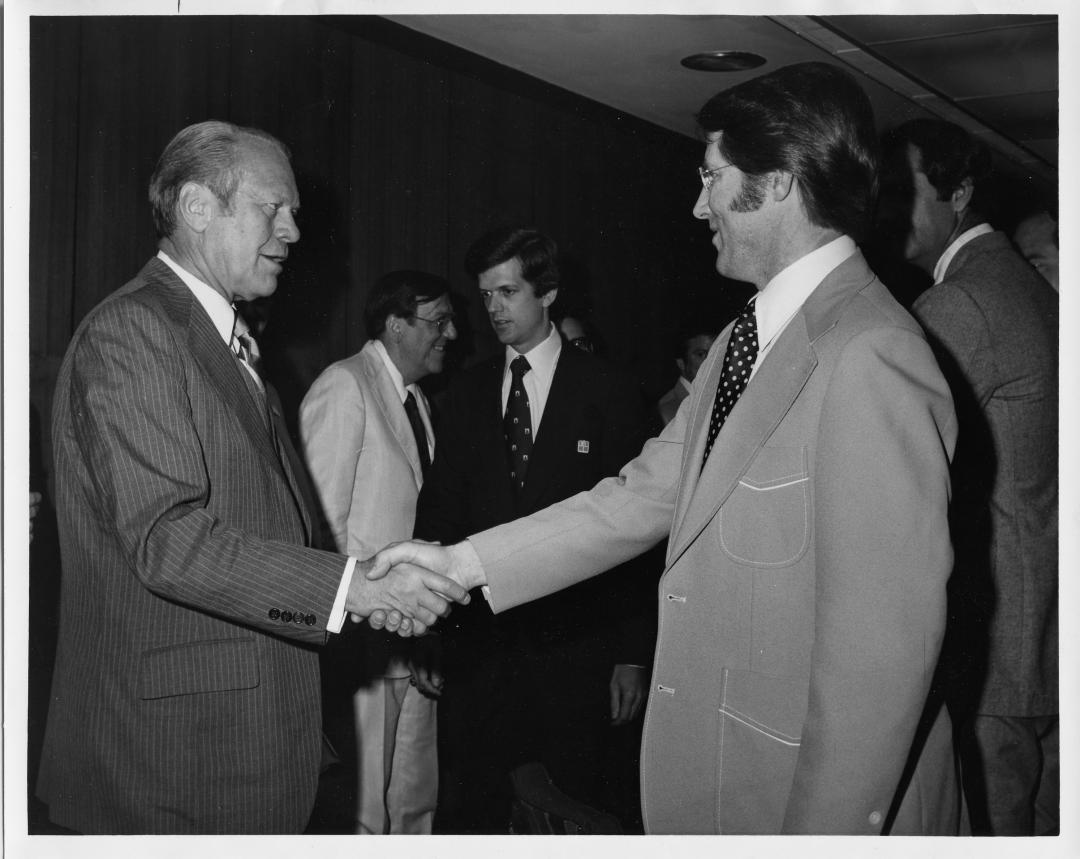
Two men shake hands.

Dale Comstock (right) shakes hands with President Gerald Ford (left) in 1976.

He was involved in a number of federal government initiatives that led his family to relocate temporarily to Washington, D.C. He held roles as the senior program manager for the assistant secretary for international affairs in the Department of Energy, and as the dean in residence for the Council of Graduate Schools in D.C.

His work also took him around the world, from helping mathematics education programs in India with the National Science Foundation to consulting internationally and serving as an exchange professor in Russia. Over the course of his career, he visited more than 70 countries and collaborated with institutions across multiple continents.

Despite those global experiences, Comstock’s connection to Oregon State has remained steadfast.

“I felt very good about the education I received there,” he said. “It provided the foundation for everything that came after.”

That sense of gratitude has motivated his giving. Comstock has supported Central Washington through multiple scholarships, an endowed professorship and a master’s thesis award. His new gift to Oregon State extends that legacy of support to graduate students pursuing advanced research in mathematics.

“I’ve had a very successful life,” he said. “And I want to pay back what those institutions did for me.”

Through his philanthropy, Comstock has already seen the impact of investing in students. Many recipients of his scholarships have gone on to earn Ph.D.s and build careers in academia, research and industry.

“That’s been very rewarding to see,” he said.

With the creation of the endowed dissertation award, he hopes to provide encouragement to future mathematicians, especially at a stage when the work is most challenging and the outcome can shape an entire career.

“Don’t get detoured,” he advises current graduate students. “A Ph.D. in mathematics is fairly rare and it opens up a whole new world.”

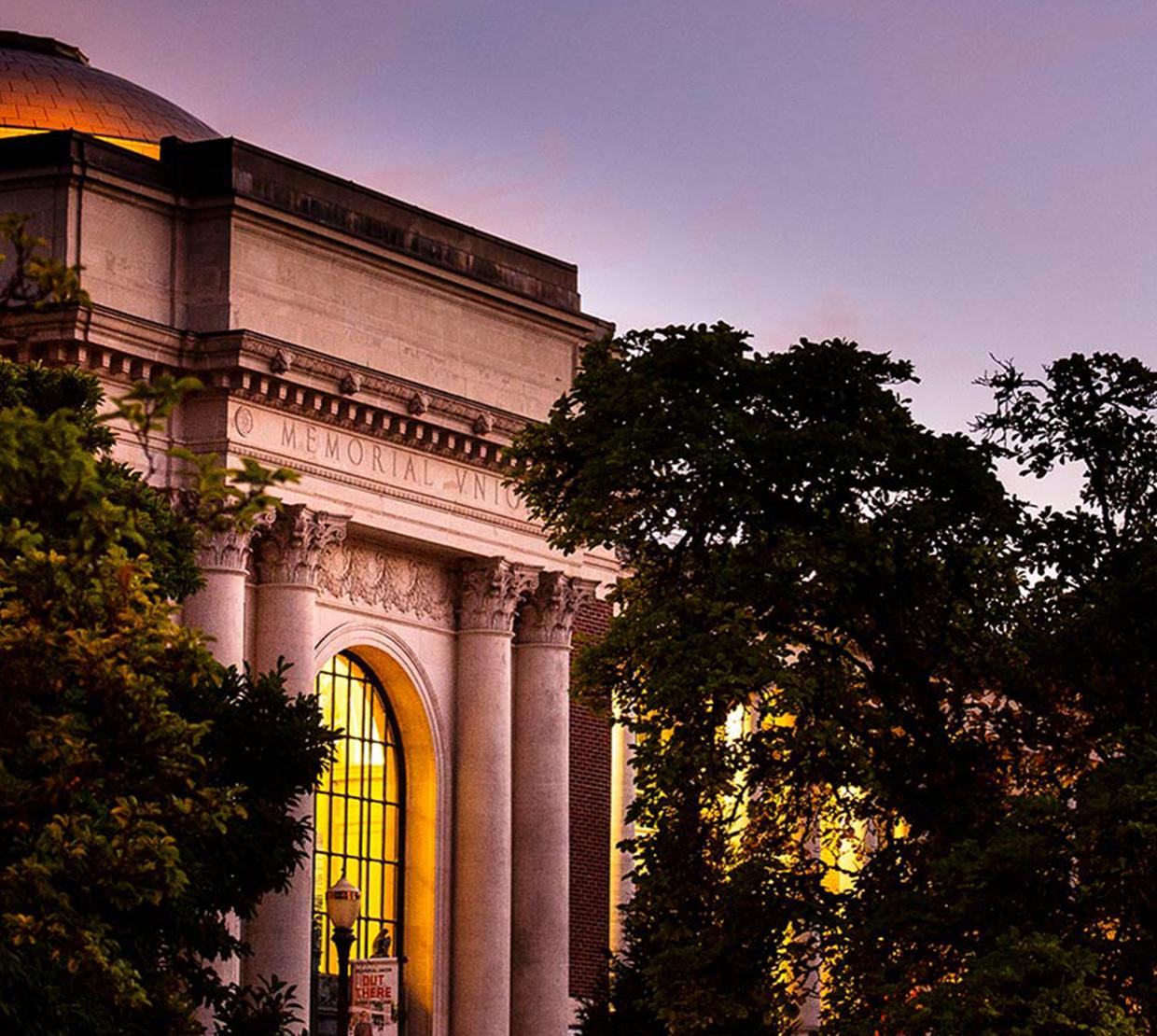
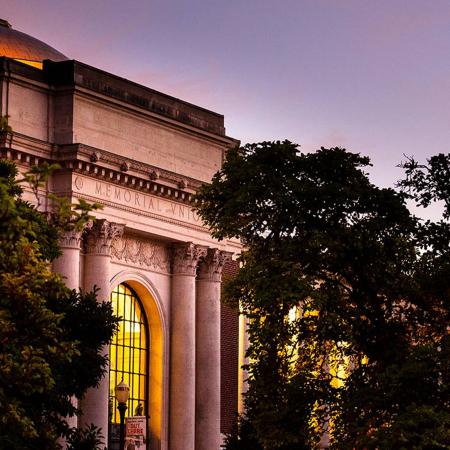
The Memorial Union building at night.

New Graduate Students 2025-2026

This Fall, the Mathematics Department welcomed 12 new graduate students. One of which entered with a Masters, and 11 with a Bachelors. Three were awarded scholarships and two were awarded a fellowship!

Lucas Allen - Bachelor’s from University of Wisconsin

Sage Bothwell - Bachelor’s from Oregon State University

Libbie Clevette - Bachelor’s from Doane College

Jackson Dube - Bachelor’s from Oregon State University

Marian Frick – Bachelor’s from University of Kansas

Quinn Keeler - Bachelor’s and Master’s from Queens University

Aidan Lincicum – Bachelor’s from Macalester College

Oscar Murillo-Espinoza - Bachelor’s from Cal State University Monterey Bay

Emily Payne – Bachelor’s from University of Texas Rio Grande Valley

Brendan Perez – Bachelor’s from Linfield University

Haidee Ruvalcaba – Bachelor’s from Cal State University Northridge

Sumi Vora – Bachelor’s from Pomona College

The Math department is pleased to announce graduate students who received awards for the 25/26 academic year.

Two of our returning students, Hsiang Thum and Zejing Wang, all had the Wei Scholarship renewed. These scholarships are from the Wei Family Private Foundation. This foundation is a non-profit organization, established to honor the memory of Dr. (Mrs.) Chung Kwai Lui Wei and Mr. Hsin Hsu Wei. The purpose of this foundation is to award scholarship grants to students of Chinese heritage with high academic credentials.

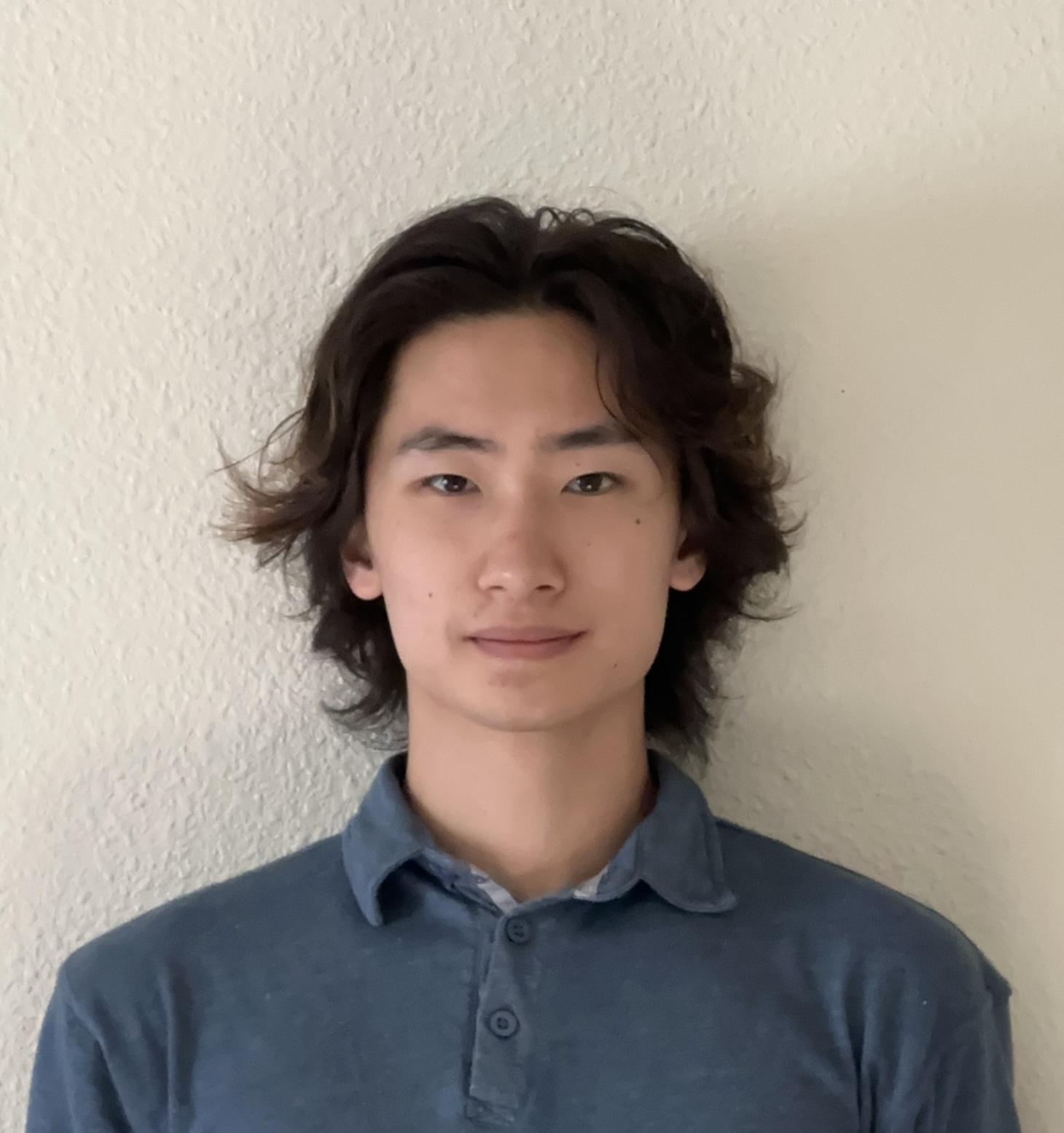
thumprofile.jpg

Hsiang Thum

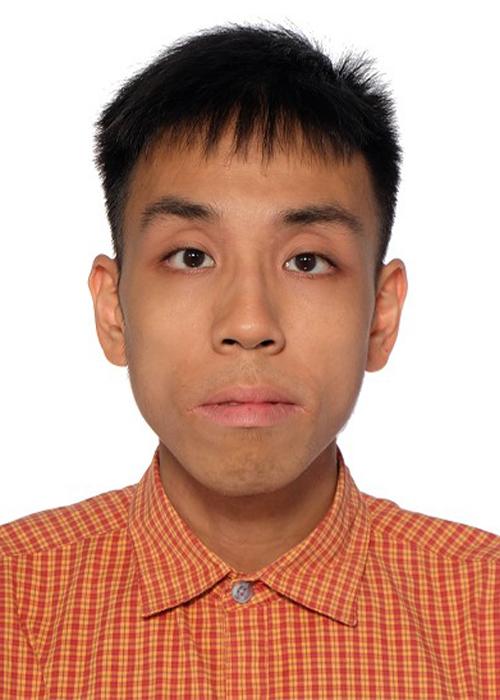
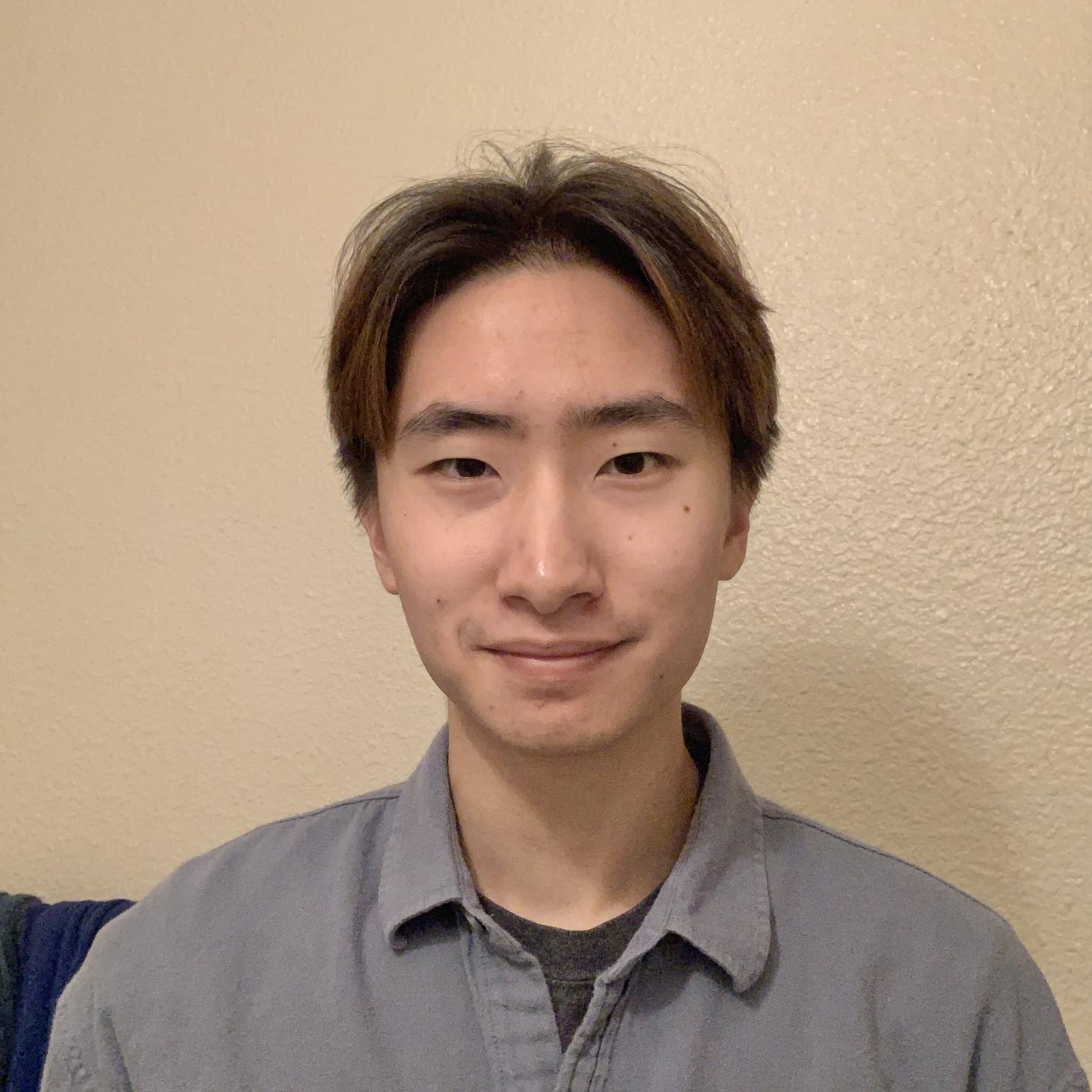
Headshot of Zejing Wang on campus

Zejing Wang

Aidan Lincicum and Emily Payne were awarded the Provost Scholarship. The purpose of the Provost’s Distinguished Fellowship and Scholarship program is to support programs in the recruitment of Oregon State’s most meritorious graduate students.

Aidan Lincicum

Aidan Lincicum

Emily Payne

Emily Payne

Lucas Allen was awarded the ARCS scholarship (Achievement Rewards for College Scientists). The ARCS Foundation Oregon Chapter advances science and technology in the United States by providing financial awards to academically outstanding students who are U.S. citizens studying to complete Ph.D. degrees in science, engineering, math, technology, and medical research at Oregon Health & Science University, Oregon State University and the University of Oregon.

Lucas Allen

Lucas Allen

Oscar Murillo-Espinoza and Haidee Ruvalcaba were awarded the Ramanujan-Hardy Fellowship. This fellowship was established to help recruit and retain post-baccalaureate and graduate students from communities that are historically underrepresented in higher education.

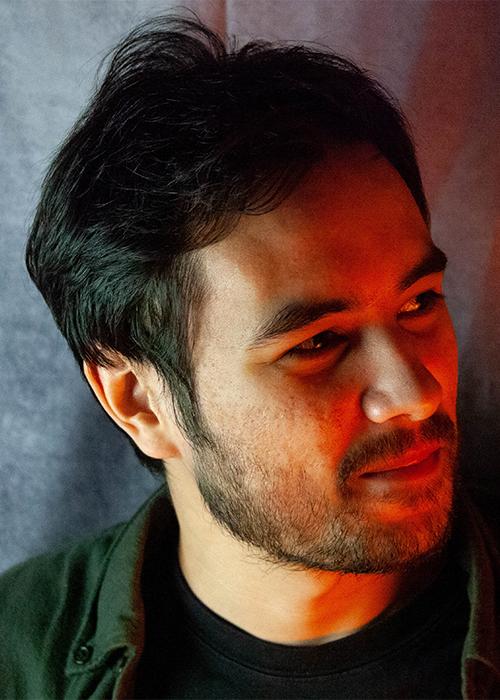
Oscar Murillo-Espinoza

Oscar Murillo-Espinoza

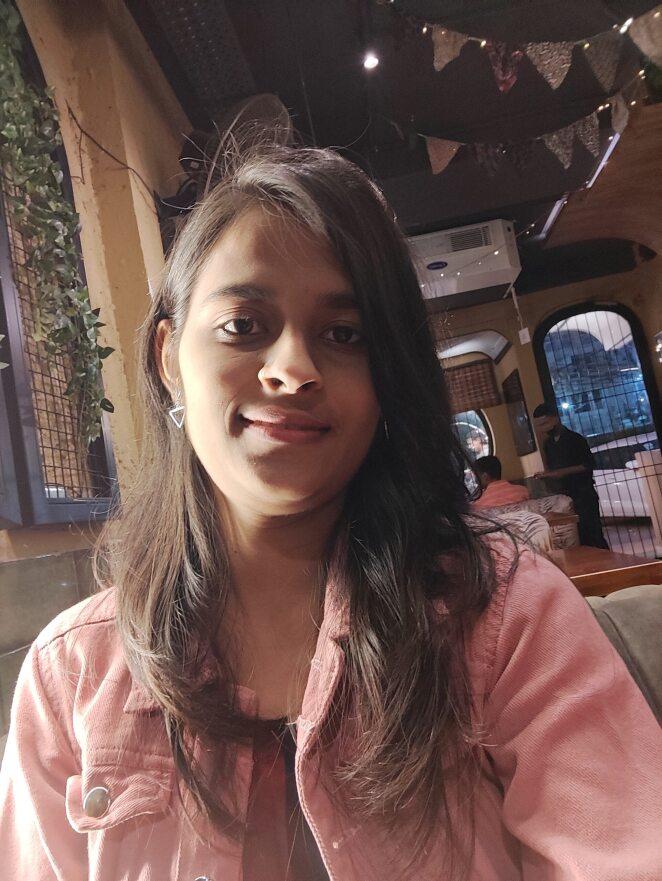
Haidee Ruvalcaba

Haidee Ruvalcaba


Logan Richard received funding from the Oregon Lottery Graduate Scholarship. Funds for this scholarship are provided through the Oregon State Lottery and are awarded on the basis of academic merit and financial need.

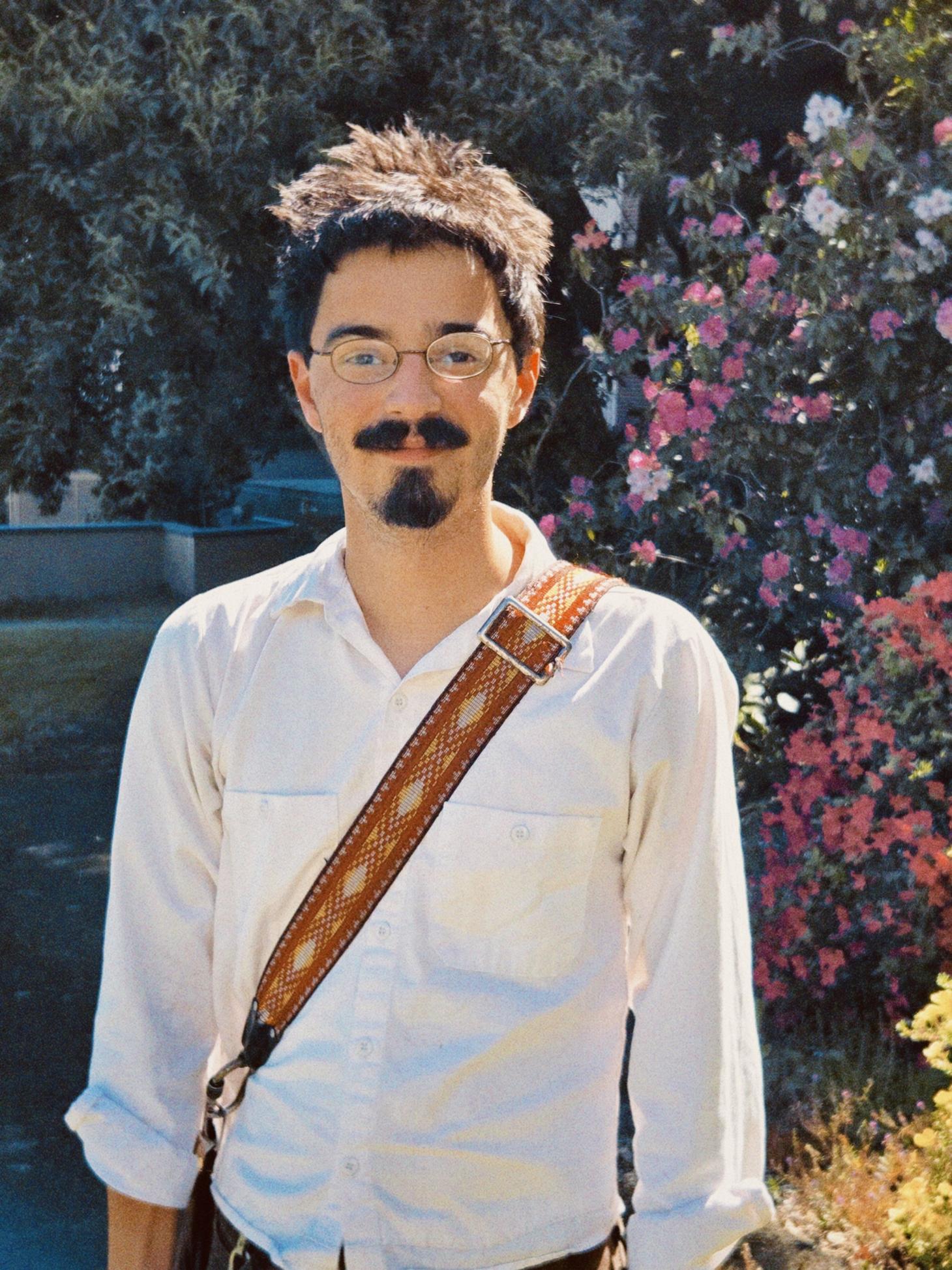
Logan Richard outside on campus with a messenger bag

Logan Richard

The Office of Graduate Education has selected Wei Xi Boo as an awardee of the Dissertation Completion Award for the summer 2025.

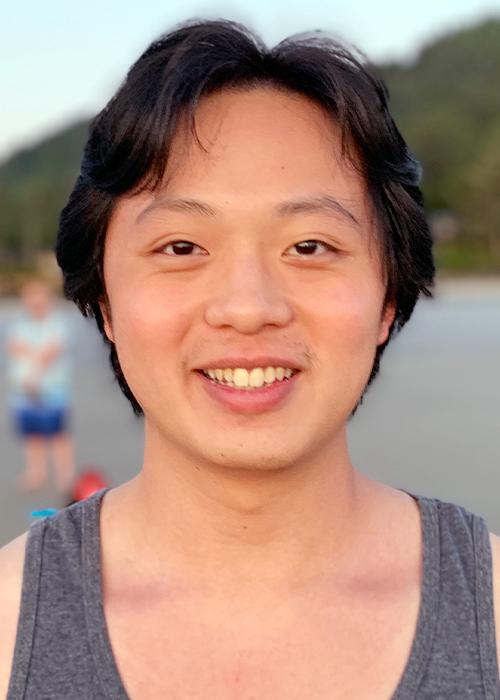
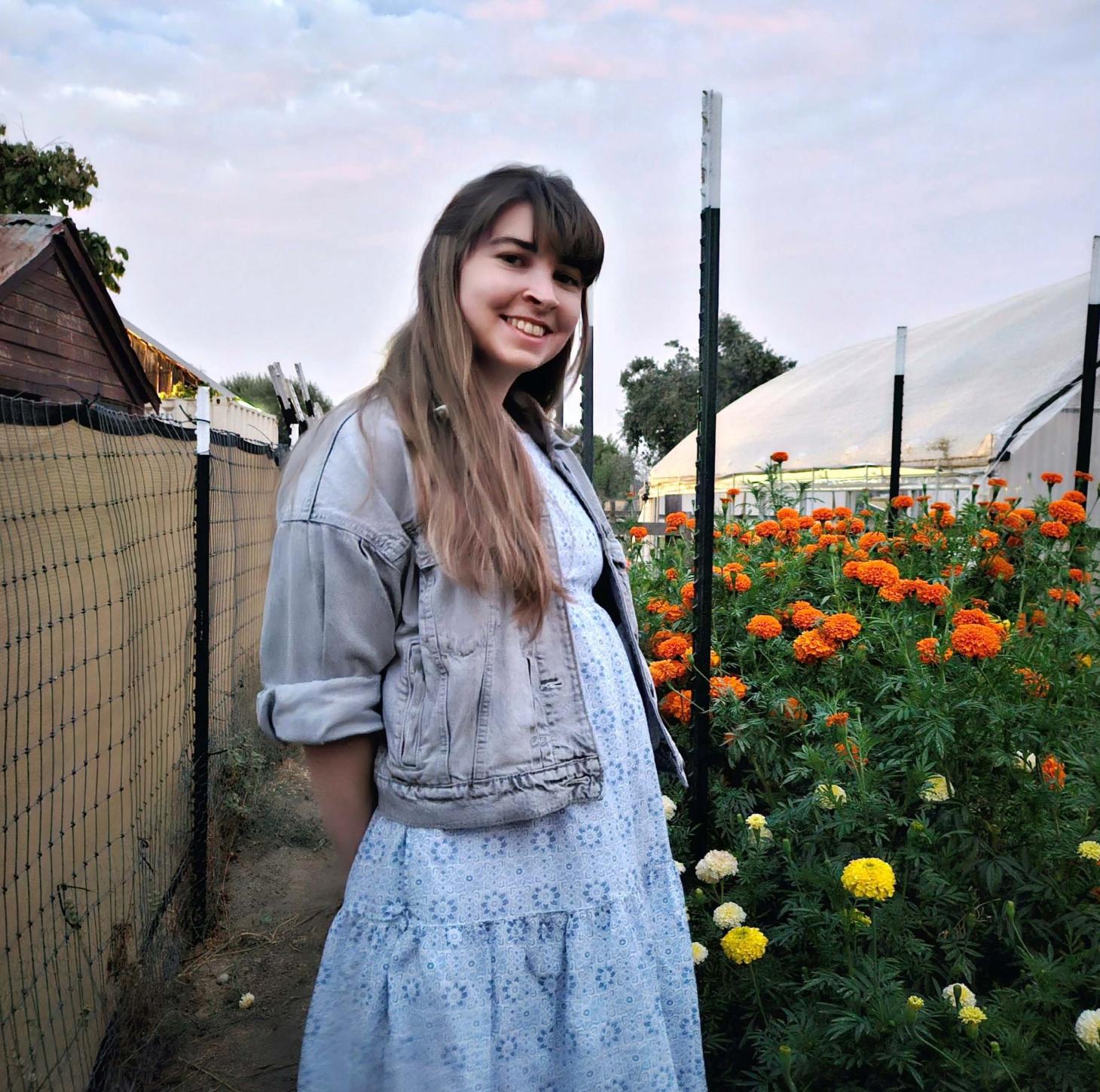
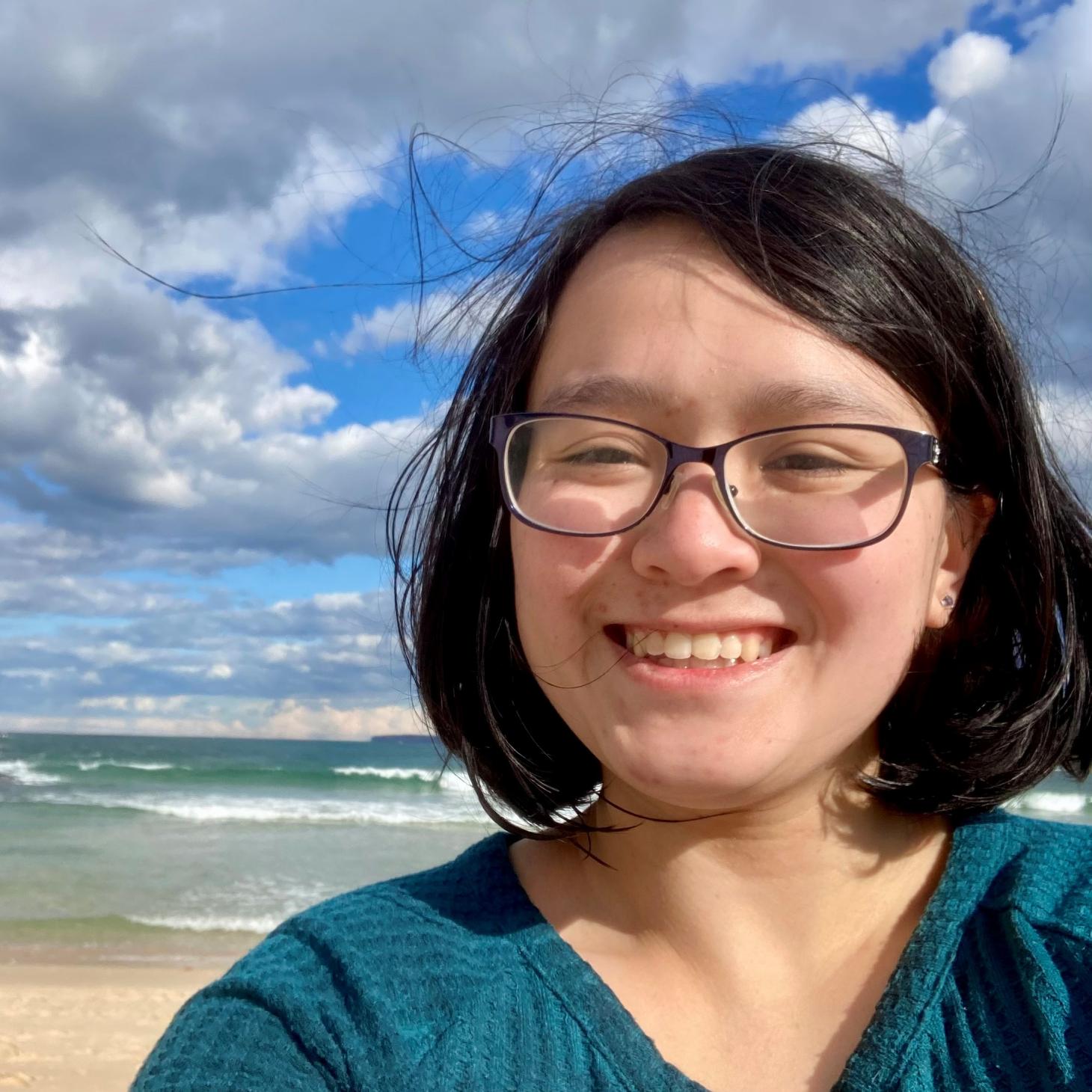
Wei Xi Boo on a beach

Wei Xi Boo


Read more stories about: graduate students, mathematics


Orange background with graphics of mini research posters.

Celebrating graduate research at the College of Science

By Hannah Ashton

Graduate Research Showcase

Graduate students at the College of Science are conducting crucial research that addresses critical challenges and benefits both local communities and the broader world.

To celebrate their accomplishments, the College will be hosting the inaugural Graduate Science Research Showcase from 11:30 a.m. to 2:30 p.m. on Friday, May 16, 2025 in the Memorial Union Horizon Room.

Click here to RSVP!


This event offers a glimpse into the future of science featuring graduate research presentations, a poster session and a keynote address from renowned alumnus Jonathan Gallion, vice president of Artificial Intelligence and Machine Learning for OmniScience.

Gallion, recipient of the College's 2024 Early Career Award, earned dual Honors bachelor's degrees in biochemistry and biophysics, and microbiology in 2012. His career began with an internship at SIGA Technologies, where he programmed robots to screen chemical compounds for antiviral medicines. At OmniScience, Gallion and his team utilize large language models to enhance clinical trial outcomes and improve human health. Their work accelerates decision-making and transforms data analysis in biotech, medtech, pharmaceutical and preclinical innovation. Rather than replace human expertise, their AI tools are designed to compliment it.

Schedule of Events

12 p.m.

Lunch

12:20 p.m.

Welcome from Executive Associate Dean Vrushali Bokil and Dean's Remarks from College of Science Dean Eleanor Feingold.


12:30 p.m.

Keynote speech from alumnus Jonathan Gallion, V.P. of Artificial Intelligence and Machine Learning for OmniScience.

Keynote Talk Title - Beyond Automation: Agentic AI and the New Frontier of Life Science Innovation

Abstract: Artificial intelligence in the life sciences is moving beyond automation into a new frontier defined by agentic systems—AI tools capable of reasoning, planning, and autonomous action. As these AI agents continue to evolve from tools to collaborators, life scientists will need to rethink how we generate hypotheses, design experiments, interpret data, and generate insights. This keynote will examine how agentic AI is already transforming decision-making and accelerating innovation within clinical trial development and offer a perspective on how domain experts can adapt and lead at the intersection of scientific expertise and intelligent automation through AI.


1 - 2:30 p.m.

Five minute research presentations and dessert, followed by a poster session, showcasing the diverse research conducted across the seven departments in the College of Science. The session will highlight how Science graduate students are participating and contributing to this valuable research.

Presenters include:

Oluwasen Adu (Integrative Biology)
Advisor: Michael Blouin
Talk title: Genome Wide Association Study of Biomphalaria glabrata snail and its Schistosome Parasite

Vera Alenicheva (Chemistry)
Advisor: Vincent Remcho
Talk title: A Microfluidic Paper-Based Assay for the Quantification of CBD and THC

Lucas Allan (Chemistry)
Advisor: Tim Zuehlsdorff
Talk title: FC2DES: Modeling 2D Electronic Spectroscopy for Harmonic Hamiltonians

Hallee Boyd (Chemistry)
Advisor: May Nyman
Talk title: Characterization of Trivalent Lanthanide Keggin Phosphomolybdate Sandwich Clusters

Daniel Malone Buoy (Statistics)
Advisor: Claudio Fuentes / Sarah Emerson
Talk title: Representative Sampling Methods for K-Fold Cross Validation

Olivia Burleigh (Integrative Biology)
Advisor: Virginia Weis
Talk title: Transcription Factor-targeted ChIP-Seq for Smad3-mediated TGF-β Signaling in Heat-stressed Aiptasia

Jun Cai (Integrative Biology)
Advisor: Virginia Weis
Talk title: Effect of Sphingolipid Metabolic Pathway Inhibition and Knockdown on Cnidarian-Algal Symbiosis

Giovanni Crestani (Integrative Biology, Ph.D.)
Advisor: Molly Burke
Talk title: Genomics of experimentally-evolved postponed reproduction in Drosophila melanogaster

Ushasi Datta (Chemistry)
Advisor: Marilyn Mackiewicz
Talk title: Unveiling the Hidden Properties: How Nanomaterial Surface Chemistry and Biomimetic Systems Shape Reflectance and Contrast

Konstantin Drallios (Chemistry)
Advisor: Thomas Osborn Popp
Talk title: 3D Printable Radiofrequency Coils

Rudranil Dutta (Chemistry)
Advisor: Claudia Maier
Talk title: Identification and Quantitation of Bioactive Alkaloids in Withania Somnifera

Arpa Ebrahimi (Chemistry)
Advisor: Claudia Maier
Talk title: Characterizing the Lipidomic and Proteomic Profile of the 5xFAD Alzheimer’s Disease Mouse Model: A Comparative Study Using MALDI Imaging Mass Spectrometry

Jessica Etter (Chemistry)
Advisor: Claudia Maier
Talk title: LC-QTOF and LC-TIMS-qQTOF MS Analysis of Fecal Inoculum Biotransformation Products and LC-MRM-MS Analysis of Human Withanolide Pharmacokinetics of an Ashwagandha Supplement

Caroline Hernandez (Microbiology)
Advisor: Maude David
Talk title: Whole-Cell Crosslinking Reveals Direct Lactobacillaceae and Rhizobiaceae Interactions with Host Duodenal Neuropods

Esteban Hernandez (Chemistry)
Advisor: Jennifer Field
Talk title: Experimental pKa Values of Substituted and Unsubstituted Perfluoroalkyl Sulfonamides via 19F NMR

Lucas Kolanz (Physics)
Advisor: Davide Lazzati
Talk title: Cosmic dust bunnies

Weiqi ‘Grace’ Li (Statistics)
Advisor: Yuan Jiang
Talk title: Reframing spatial transcriptomics prediction: From regression to classification

Sarah Louie (Biochemistry & Biophysics)
Advisor: Richard Cooley / Ryan Mehl
Talk title: Optimizing genetic code expansion technology to access post-translationally modified proteins

Praveeni Mathangadeera (Mathematics)
Advisor: Małgorzata Peszyńska
Talk title: Computational Modeling of the Nonlinear Heat Equation in Frozen Soil and Snow

Anshika Nagar (Chemistry)
Advisor: Marilyn Mackiewicz
Talk title: Shielded Nanoparticles: Advancing X-Ray Fluorescence Microscopy with Oxidant-Resistant Nickel and Cobalt

Luke Nearhood (Physics)
Advisor: Patti Hamerski
Talk title: Computing the Tension

Joline Nguyen (Biochemistry & Biophysics)
Advisor: Sarah Clark
Talk title: Isolation of Scarce Membrane Protein Complexes from C. elegans

Victory Chiamaka Obieke (Mathematics)
Advisor: Vrushali Bokil
Talk title: Compatible Energy Preserving Discretizations for Nonlinear Optical Wave Propagation: The Maxwell-Duffing Approach

Emily Palmer (Statistics)
Advisor: Yuan Jiang
Talk title: A Group Penalization Framework for Detecting Time-Lagged Microbiota-Host Associations

Madison Phelps (Mathematics)
Advisor: Małgorzata Peszyńska
Talk title: Nonlinear Solvers in Permafrost applications

Kevin Rice (Microbiology)
Advisor: Maude David / Kenton Hokanson
Talk title: Electrical Characterization of Primary Enteroendocrine Cells: Developing Tools to Screen Novel Microbial Neuroactive Compounds

Casey Rummelhart (Chemistry)
Advisor: Addison Desnoyer
Talk title: Frustrated Lewis Pairs Ligand for the Transformation of Carbon Dioxide to Chemical Feedstocks

Pavel Sengupta (Chemistry)
Advisor: Dipankar Koley
Talk title: Quantifying Dissolved Oxygen in Biofilms with Non-invasive Flexible Amperometric Oxygen Sensors

Michael Sieler (Microbiology)
Advisor: Thomas Sharpton
Talk title: Modeling the zebrafish gut microbiome’s resistance and sensitivity to climate change and parasite infection

Gavin Tovar (Statistics)
Advisor: Robert Trangucci / Sarah Emerson
Talk title: Sequential Approach to K-Fold Cross-validation---Computational Reduction Technique

Hao Yue (Chemistry)
Advisor: Marilyn Mackiewicz
Talk title: Targeted X-ray Imaging Agents for Visualizing Triple-Negative Breast Cancer

Sima Ziyaee (Chemistry)
Advisor: Claudia Maier
Talk title: Exploring Cellular Heterogeneity through Single-cell Proteomics


Join us to celebrate the future of science — and the graduate students who are making it happen.

A blue background with the year 2025

Celebrating inclusive excellence, administration, service and performance: 2025 College of Science Awards

By Hannah Ashton

The College of Science gathered on Feb. 26 to recognize and celebrate our high achieving faculty and staff at the 2025 Combined Awards Ceremony. The evening celebrated the very best in the College, from teaching, advising and research to inclusive excellence, administration and service.

The following faculty and staff received awards in Inclusive Excellence, Administration, Service and Performance.

Congratulations to all the awardees!

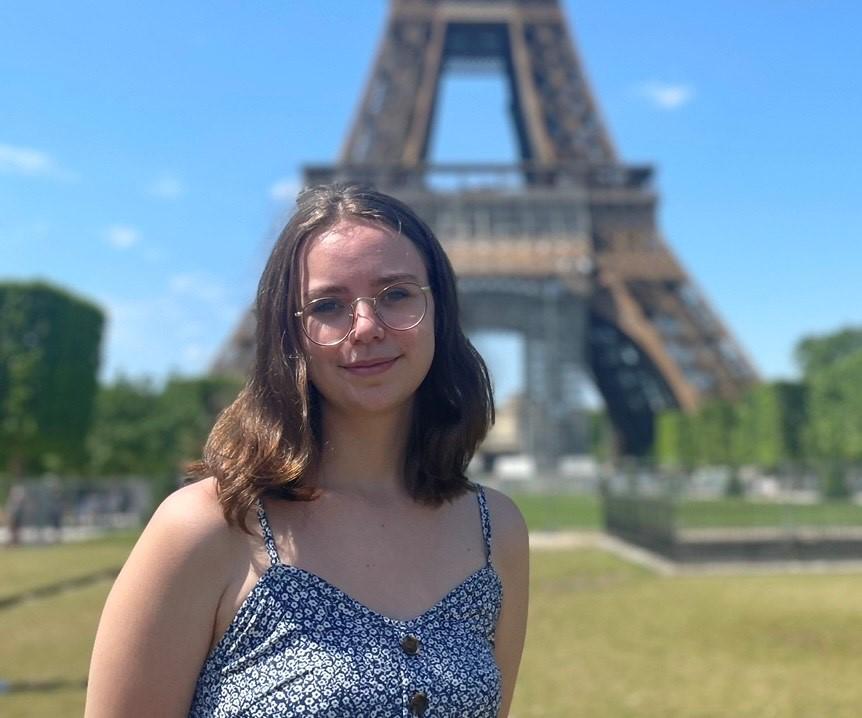
Headshot of Hannah Stuwe, a woman with short curly hair and black shirt.

Hannah Stuwe, graduate student in the Department of Biochemistry and Biophysics, received the Inclusive Excellence Award.

College of Science Inclusive Excellence Award

Hannah Stuwe, graduate student in the Department of Biochemistry and Biophysics, received the Inclusive Excellence Award.

Department Head Elisar Barbar, who nominated Stuwe, said she has engaged in a wide-ranging set of service, outreach and training that is truly impressive. First, Stuwe conducted a GFP protein purification activity for middle and high school students from the Chemawa Indian School, Jewell High School (Seaside), and visited groups of black and Latinx students from the Portland area.

She planned, wrote and edited a handbook of science experiments geared towards middle school aged students, their parents, and teachers to fill the void of not having a BB summer camp. This handbook now serves as a free and open access resource for community members.

Stuwe is the founder of the non-profit organization Corvallis Music Collective. They have engaged in community service and activism by providing live music for events and rallies. Recent events include the Basic Needs Center Fall Welcome Party, the Disabled Students Union Disability Justice Rally and Jackson Street Youth Services National Runaway Prevention Month “Skate Park After Dark” Show.

Amy Timshel

Amy Timshel, assistant head to the department head in the Department of Microbiology, received the Gladys Valley Award for Exemplary Administrative Support.

Gladys Valley Award for Exemplary Administrative Support

Amy Timshel, assistant head to the department head in the Department of Microbiology, received the Gladys Valley Award for Exemplary Administrative Support.

Her colleagues describe her as proactive, always seeking ways to improve processes and deeply committed to making the department a better place for everyone. She is highly regarded by students, faculty and staff for her professionalism, broad knowledge and ability to get things done. In fact, Department Head Anne Dunn noted that when she polled faculty on department strengths during strategic planning exercises, Timshel's critical role in the department was consistently highlighted.

She has a deep understanding of university policies and constantly looks for ways to improve them. She listens, advocates for students and colleagues, and takes initiative to make the department more inclusive and equitable. For example, her work on the Core Values Committee led to the addition of gender-neutral restrooms in Nash Hall and improvements to scholarship and travel fund policies.

Beyond her administrative role, Timshel actively fosters a sense of community within the department. She organizes fundraisers and charity events and regularly attends student events to show her support.

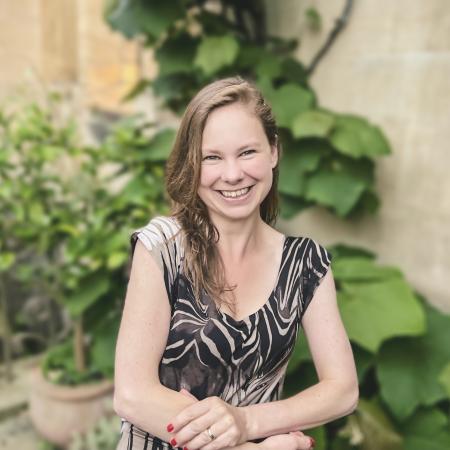
A woman in a red top poses in front of plants.

Elaine Cozzi, assistant head and associate professor in the Department of Mathematics, received the Distinguished Service Award for her impactful service to her department, the College and the broader mathematics community.

Distinguished Service Award

Elaine Cozzi, assistant head and associate professor in the Department of Mathematics, received the Distinguished Service Award for her impactful service to her department, the College and the broader mathematics community.

Cozzi served as interim associate dean of academic and student affairs for the College in Spring of 2024, managing various projects, including the university’s revision of its undergraduate advising system, assessing teaching resources and addressing countless student issues. She was overwhelmingly generous with her time in responding to the many challenges and the needs of her colleagues.

Before and after serving as associate dean, Cozzi served as assistant department head for mathematics, responsible for scheduling upper-level courses and ensuring adequate staffing for the Department’s teaching mission. This affects the hiring of instructors, graduate students, and undergraduate graders.

Jon Kujawa, Department of Mathematics head and Cozzi’s nominator, noted, “It is hard to overestimate the impact of Elaine’s planning on the smooth operation of the teaching side of the department. And she readily pivots when unexpected events disrupt the plans.” Additionally, Elaine led the assessment of the Mathematics undergraduate program for several years, playing a crucial role in student success, he shared.

Cozzi also contributes significantly to the mathematics profession as Associate Editor for the American Mathematical Monthly – the most widely read mathematics journal in the world. She is also an active member of SIAM, a professional society for applied mathematics, where she helps organize meetings and contributes to administrative efforts and regularly serves as a grant evaluator for the NSF and the Simons Foundation, helping to shape the future of mathematical research.

Virginia Lesser in front of shrubbery

Virginia Lesser, Department of Statistics Head, received the Champion of Science award.

Virginia Lesser, Department of Statistics Head, received the Champion of Science award for her significant contributions to the field of statistics and to Oregon State University throughout her distinguished career. After earning her PhD in Biostatistics from the University of North Carolina at Chapel Hill, she joined OSU’s Department of Statistics in 1992.

A year later, she became Director of the Survey Research Center, a role she held until her retirement in December 2024. Lesser's expertise in probability sampling, survey design, and data collection methods ensured that the center upheld the highest standards. Under her leadership, the center became a premier institution, offering expertise in survey methodology, sampling and data analysis – supporting projects that inform policy, environmental monitoring, economic studies and public opinion research. Its work has helped agencies such as the Oregon Department of Transportation, the Oregon State Marine Board, and the Oregon Department of Fish and Wildlife make data-driven decisions, not to mention numerous initiatives within the University.

Lesser's groundbreaking research in survey methodology, environmental statistics, applied statistics and ecological monitoring has advanced the field and influenced practice. She has authored over 55 journal articles and conference proceedings, earning national and international recognition – including being named a Fellow of the American Statistical Association and an elected member of the International Statistical Institute.

Lesser's leadership also transformed the statistics department and elevated Oregon State University’s role in the field as department head from 2011 to 2018.

Lesser has also been a dedicated mentor and advocate for students and colleagues. Over the course of her career, she guided more than 220 graduate students and fostered a welcoming, supportive community within the department. Her colleagues regard her as an exceptional mentor and an inspiring leader, someone who consistently goes above and beyond – whether leading major academic initiatives or simply making sure the department potluck had a home-cooked turkey.

A graphic of a star is in front of lab test tubes.

College of Science graduate students earn prestigious awards in 2023-24

By Hannah Ashton

As a land grant institution committed to teaching, research, and outreach and engagement, Oregon State University promotes economic, social, cultural, and environmental progress for the people of Oregon, the nation, and the world. Oregon State University is deeply committed to the principle that every student we admit — in person or online — should achieve their goal to graduate, and awards of Scholarships and Fellowships contribute to this goal in an impactful way. The College of Science invests in the success of our graduate scholars by providing financial support to students that we recruit and students that are currently enrolled among other ways of supporting their development, progress and growth.

Graduate students in the College of Science earned notable recognition during the 2023-24 academic year, receiving a range of awards which highlight their achievements and contributions to Oregon State. Below, we highlight some of these noteworthy Graduate School Awards. From state specific honors like the ARCS Foundation Scholarship to institutional support through the Provost’s Distinguished Fellowship, these awards recognize graduate students who embody the values of Team Science.

ARCS Foundation Awards

ARCS (Achievement Rewards for College Scientists) Foundation, Oregon Chapter seeks to advance science and technology in the United States by providing financial awards to academically outstanding students who are U.S. students studying to complete Ph.D. degrees in science, engineering, mathematics, technology and medical research at Oregon Health & Science University, Oregon State University and the University of Oregon.

In 2023-2024, two College of Science graduate students were awarded ARCS scholarships. Karlie Wiese, doctoral student in Chemistry, received the ARCS Oregon 10th Anniversary OSU Scholar Award. Lucas Kolanz, doctoral student in Physics, received the Beth Ray ARCS Foundation Scholar Award. This award is funded through ARCS, the OSU Graduate School and by contributions from past OSU President Ed Ray in memory of his wife Beth.

Delson Bridge to the Future Fund

Pritha Biswas, doctoral student in Physics, is the recipient of the Delson Bridge to the Future Fund, designed to assist graduate students who are facing critical financial emergencies that could impede degree completion.

Dissertation Completion Award

Two doctoral students were awarded the Dissertation Completion Award. This award supports outstanding doctoral students who are in their final stages of their dissertations by offering an award to cover the cost of three graduate credits of tuition and mandatory fees for one academic term. The recipients are Adaline De Chenne from Mathematics and Njesa Totty from Statistics.

Graduate Dean’s Catalyst Fellowship

Two doctoral students, Theodore Bambakidis (Microbiology) and Jesse Howe (Biochemistry and Biophysics) were awarded the Graduate Dean’s Catalyst Fellowship. This award is a pilot program launched for the 2023-24 academic year to support graduate students nearing completion of their doctoral degrees.

Herbert F. Frolander Graduate Teaching Assistant Award

Steven Tran (Chemistry) received the Herbert F. Frolander Graduate Teaching Assistant Award, which recognizes outstanding and professional involvement with both faculty and students by a graduate teaching assistant at Oregon State University. This award is presented to one graduate student from across the entire university during University Day in the fall. Hear from faculty and staff who nominated Tran here.

Laurels Block Grant Program

The purpose of Laurels funding is to provide financial support to academic units so they may diversify and strengthen their graduate programs. This is achieved by providing tuition support to assist with the recruitment of new graduate students to OSU. Two College of Science students received funding in 2023-24, masters student Bailey Sharon (Mathematics) and doctoral student Courtney Clement (Microbiology).

Oregon Lottery Graduate Scholarship

Three doctoral students received funding from the Oregon Lottery Graduate Scholarship. Funds for this scholarship are provided through the Oregon State Lottery and are awarded on the basis of academic merit and financial need. The 2023-24 recipients are Matthew Nguyen (Chemistry), Steven Tran (Chemistry) and Kaitlin McHugh (Integrative Biology).

P.F. and Nellie Buck Yerex Graduate Scholarship

Nilanjana Das, masters student in Microbiology, is the recipient of the P.F. and Nellie Buck Yerex Graduate Scholarship. This scholarship is awarded to graduate students who are pursuing study in a scientific or technological field. It is awarded on the basis of academic achievement and promise for the future.

Prestigious Diversity Fellowship

Two doctoral students received the Prestigious Diversity Fellowship, intended to support the recruitment and retention of graduate students from historically underrepresented backgrounds who demonstrate scholarly promise at Oregon State. The recipients are Hallee Boyd (Chemistry) and Nyazia Sajdah-Bey (Integrative Biology).

Professional Development Award

The purpose of the Professional Development Award is to help cover costs for qualifying training, resources and activities that contribute to professional skills development. In 2023-24, the Graduate School funded the following students:

Alice Welch (Integrative Biology)

Olivia Burleigh (Integrative Biology)

Emily Taylor (Integrative Biology)

Pritha Biswas (Physics)

Kevin Dimmitt (Physics)

Provost’s Distinguished Graduate Fellowships and Scholarships

The purpose of the Provost’s Distinguished Fellowship and Scholarship program is to support programs in the recruitment of Oregon State’s most meritorious graduate students.Ian Clifford (Integrative biology) and Ben Daniels (Microbiology) received the distinguished Provost Fellowship award.

In 2023-24, the College of Science awarded Provost Scholarships to the following students:

Joline Nguyen (Biochemistry and Biophysics)

Emily Hiatt (Chemistry)

Sanpreet Hira (Chemistry)

Jack McLaughlin (Chemistry)

Gage Rios (Chemistry)

Rodrigo De Almeida Alves (Integrative Biology)

Brysyn Goodson (Integrative Biology)

Olivia Noonan (Integrative Biology)

Stefanie Fazekas (Mathematics)

Heather Fogarty (Mathematics)

Mansi Sanjay Mahajan (Mathematics)

Courtney Clement (Microbiology)

Lynn Kaneko (Microbiology)

Katelyn Spadavecchia (Physics)

Kalista Wayt (Physics)

Ian Moran (Statistics)

Scholarly Presentation Award

The Graduate School offers the Scholarly Presentation Award to provide graduate students with financial support to assist with certain costs associated with presenting their scholarly work at academic conferences and meetings. In 2023-24, the following College of Science students received this award:

Mona Khorani (Chemistry)

Nan-Chieh Chiu (Chemistry)

Anshika Nagar (Chemistry)

Ankit Yadav (Chemistry)

Jesse Laney (Integrative Biology)

Angelika Kurthen (Integrative Biology)

Jun Cai (Integrative Biology)

Erick White (Integrative Biology)

Jalyn Devereaux (Integrative Biology)

Jared Freedman (Integrative Biology)

Jesse Fritz (Integrative Biology)

Dorothy Zahor (Integrative Biology)

Jessica Karr (Integrative Biology)

Giovanni Crestani (Integrative Biology)

Kaitlin McHugh (Integrative Biology)

Kenneth Glynn (Integrative Biology)

Jazlee Joon Crowley (Integrative Biology)

Brenna Prevelige (Integrative Biology)

Jeremy Lilly (Mathematics)

Måns Mattsson (Physics)

Thurgood Marshall Graduate Fellowship

The Thurgood Marshall Graduate Fellowship is intended to support the retention of meritorious graduate students whose accomplishments and activities demonstrate leadership, service and commitment to fostering a just and equitable community. Val Sawiccy (Integrative Biology), currently an instructor at the University of Oregon, is this year’s recipient.

Wei Family Private Foundation Scholarship

The Wei Family Private Foundation, a non-profit organization, was established to honor the memory of Dr. (Mrs.) Chung Kwai Lui Wei and Mr. Hsin Hsu Wei. Its purpose is to award scholarship grants to graduate students with high academic credentials in science and math, with a preference for those who have lived in or are related to persons born in China. In 2023-2024, the College of Science awarded one Wei Family scholarships to Lemeng Li (Statistics).

Mark and Vicki Hehnen Veterans Science Scholarship

The Mark and Vicki Hehnen Veterans Science Scholarship supports science students who are veterans and provides financial support other than tuition. This award was established by Mark Hehnen (’78 Ph.D.). In 2023-2024, the College of Science awarded two scholarships to Ebony Stretch (Microbiology) and Angela Mellisa Thompson (Zoology).

Jesse A Hanson General Science Scholarship

The Jesse A Hanson General Science Scholarship is awarded to students who show high scholarship, potential for success, unimpeachable character and service to the university. Jesse Hanson was an OSU professor of poultry science from 1911-66. The following four students received this scholarship during the 2023-2024 academic year: Joshua Byrnes (Statistics), Jessica Etter (Chemistry), Elena Gasiorowski (Integrative Biology), and Mikaela Lee (Microbiology).

Fred W. Durbin and Helen E. Bette Pierce Durbin Endowment

Created by Fred and Helen “Bette” Durbin, this endowment supports graduate fellowships as determined by the Dean. Fred received a bachelor’s in general science from OSU and Bette graduated with a bachelor’s in home economics (now the College of Health). The College of Science awarded two Fred and Helen Durbin Scholarships to Ameh Benson Agi (Chemistry) and Jonathan Dutra (Biochemistry/Biophysics).

Science Graduate Fellowship

The Science Graduate Fellowship is to be used to support students enrolled in the College of Science with a preference for students in chemistry, biochemistry and the life sciences. The College of Science awarded one Science Graduate Fellowship during the 2023-2024 academic year to Emily Parker (Integrative Biology).

*When possible, links to students' directory profiles are included.
The Memorial Union building at night.

New Graduate Students 2023-2024

This Fall, the Mathematics Department welcomes 15 new graduate students. Five of which enter with a Masters, and ten with a Bachelors. Four were awarded scholarships.

Seth Alderman – Bachelors from Oregon State University

Christopher Cericola – Bachelors from Seattle University and Master’s from Louisiana State University A&M

Madison Collins – Bachelors from Oregon State University

Stefanie Fazekas – International student from Austria, Bachelors from National University Ireland Maynooth, and Masters from National University Ireland Maynooth

Heather Fogarty – Bachelors from UC Davis

Keith Gallegos – Bachelors from Olivet Nazarene University

Aren Lampman – Bachelors from University of Arizona

Mansi Sanjay Mahajan – International student from India, Bachelors from St. Xavier’s College and Masters from University of Delhi

Emmanuel Oguadimma – International student from Nigeria, Bachelors from Nnamdi Azikiwe University

Adefisayo Ojo – International student from Nigeria, Bachelors from University of Lagos, Masters from Washington State University

Oluwabusayo Oni – International student from Nigeria, Bachelors from Lagos State University, Masters from University of Lagos

Noah Prentice – Bachelors from Kalamazoo College

Logan Richard – Bachelors from University of Louisiana Lafayette

Bailey Sharon – Bachelors from Western Colorado University

Emerson Worrell – Bachelors from Colorado College

The Math department is pleased to announce graduate students who received awards for the 23/24 academic year.

Three of our returning students, Peter Cowal, Hsiang Thum and Chifan Leung, all had the Wei Scholarship renewed.
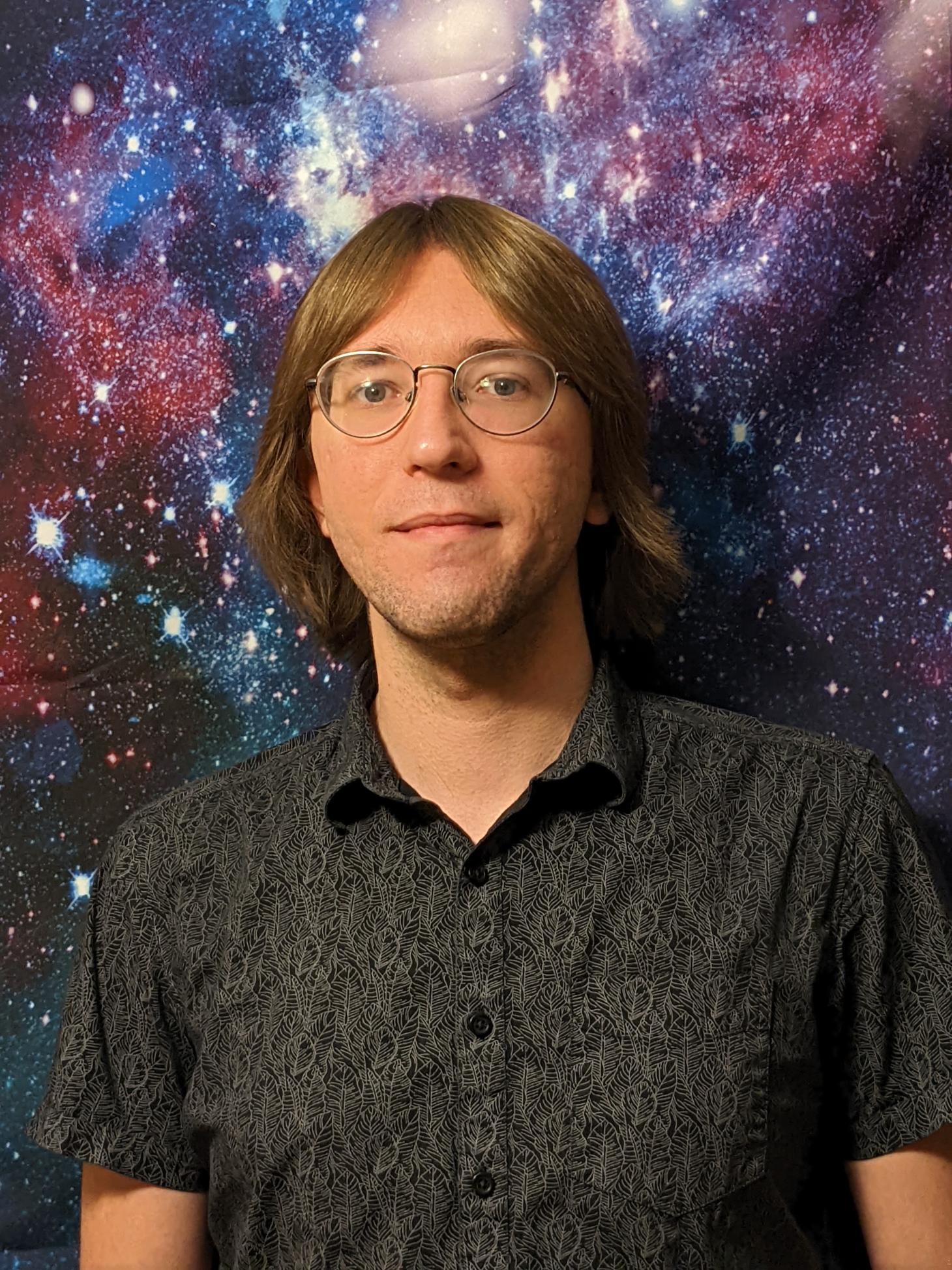
Peter Cowal

Peter Cowal

Hsiang_profile

Hsiang Thum

Chifan Leung

Chifan Leung

Stefanie Fazekas, Heather Fogarty, and Mansi Sanjay Mahajan were all awarded the Provost Scholarship. The purpose of the Provost’s Distinguished Fellowship and Scholarship program is to support programs in the recruitment of Oregon State’s most meritorious graduate students.

Stefanie Fazekas Profile

Stefanie Fazekas

Heather Fogarty

Heather Fogarty

Mansi Sanjay Mahajan Profile

Mansi Sanjay Mahajan

Aren Lampman was awarded the ARCS scholarship (Achievement Rewards for College Scientists). The ARCS Foundation Oregon Chapter advances science and technology in the United States by providing financial awards to academically outstanding students who are U.S. citizens studying to complete Ph.D. degrees in science, engineering, math, technology, and medical research at Oregon Health & Science University, Oregon State University and the University of Oregon.

Aren Lampman Picture

Aren Lampman

Oluwabusayo Oni was awarded the Ramanujan-Hardy Fellowship. This fellowship was established to help recruit and retain post-baccalaureate and graduate students from communities that are historically underrepresented in higher education.

Oluwabusayo Oni Profile

Oluwabusayo Oni


Read more stories about: graduate students, mathematics


Memorial Union

New Graduate Students 2022-2023

The Mathematics department welcomed 13 new graduate students this fall, two enter with a Masters, eleven with a Bachelors; four were awarded scholarships; one was awarded a fellowship!

  • Camden Collins – Bachelors from Humboldt State University
  • Addison Day – Masters from University of of California-Santa Cruz
  • Nikolaus Elsaesser – Bachelors from Santa Clara University
  • Cameron Fish – Masters from Portland State University
  • Rebekah Kuss – Bachelors from Saint Martin
  • Raven McCoy – Bachelors from Oklahoma State University
  • Victory Obieke – International Student from Nigeria - Bachelors from Nnamdi Azikiwe University
  • Connor Progin – Bachelors from University of Portland
  • Kaitlynn Spiker – Bachelors from West Virginia University
  • Hsiang Thum – Bachelors from University of Oregon
  • Wyatt Whiting – Bachelors from Oregon State University
  • Calvin Woods – Bachelors from Amherst College
  • Jacob Yadush – Bachelors from Penn State University

The Math department is pleased to announce graduate students who received awards for the 22/23 academic year.

The Math department had 3 students who had their Wei Scholarships renewed for the 22/23 year. These scholarships are from the Wei Family Private Foundation. This foundation is a non-profit organization, established to honor the memory of Dr. (Mrs.) Chung Kwai Lui Wei and Mr. Hsin Hsu Wei. The purpose of this foundation is to award scholarship grants to students of Chinese heritage with high academic credentials. Fifth year students Chifan Leung and Nachuan Zhang, along with third year student Peter Cowal received their renewals of this award.
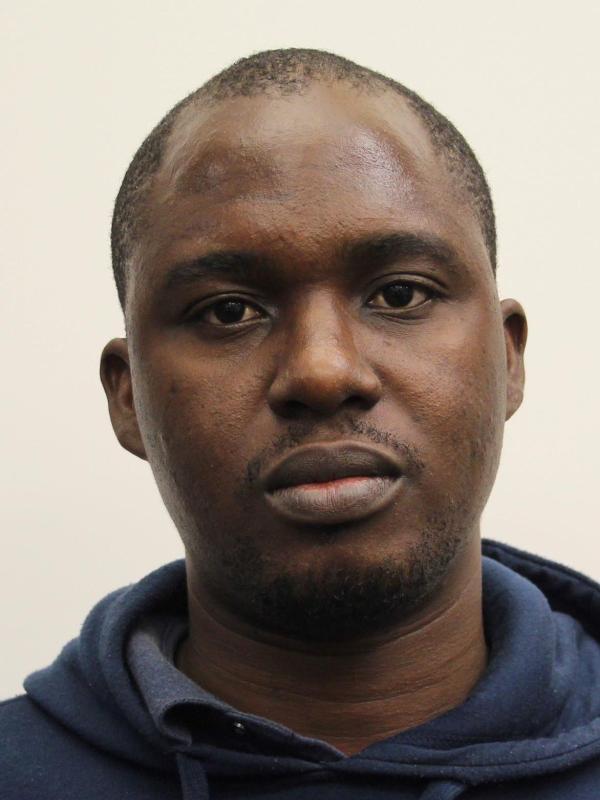
First year graduate student Hsiang Thum was also awarded the Wei Scholarship.
Hsiang_profile

Hsiang Thum

Provost Scholarships were awarded to first year students Cameron Fish, Rebekah Kuss, and Kaitlynn Spiker. The purpose of the Provost’s Distinguished Fellowship and Scholarship program is to support programs in the recruitment of Oregon State’s most meritorious graduate students.

Rebekah Kuss

Rebekah Kuss

Kaitlynn Spiker

Kaitlynn Spiker

First year graduate student Victory Obieke was awarded the Ramanujan-Hardy Fellowship. This fellowship was established to help recruit and retain post-baccalaureate and graduate students from communities that are historically underrepresented in higher education.

Victory Obieke

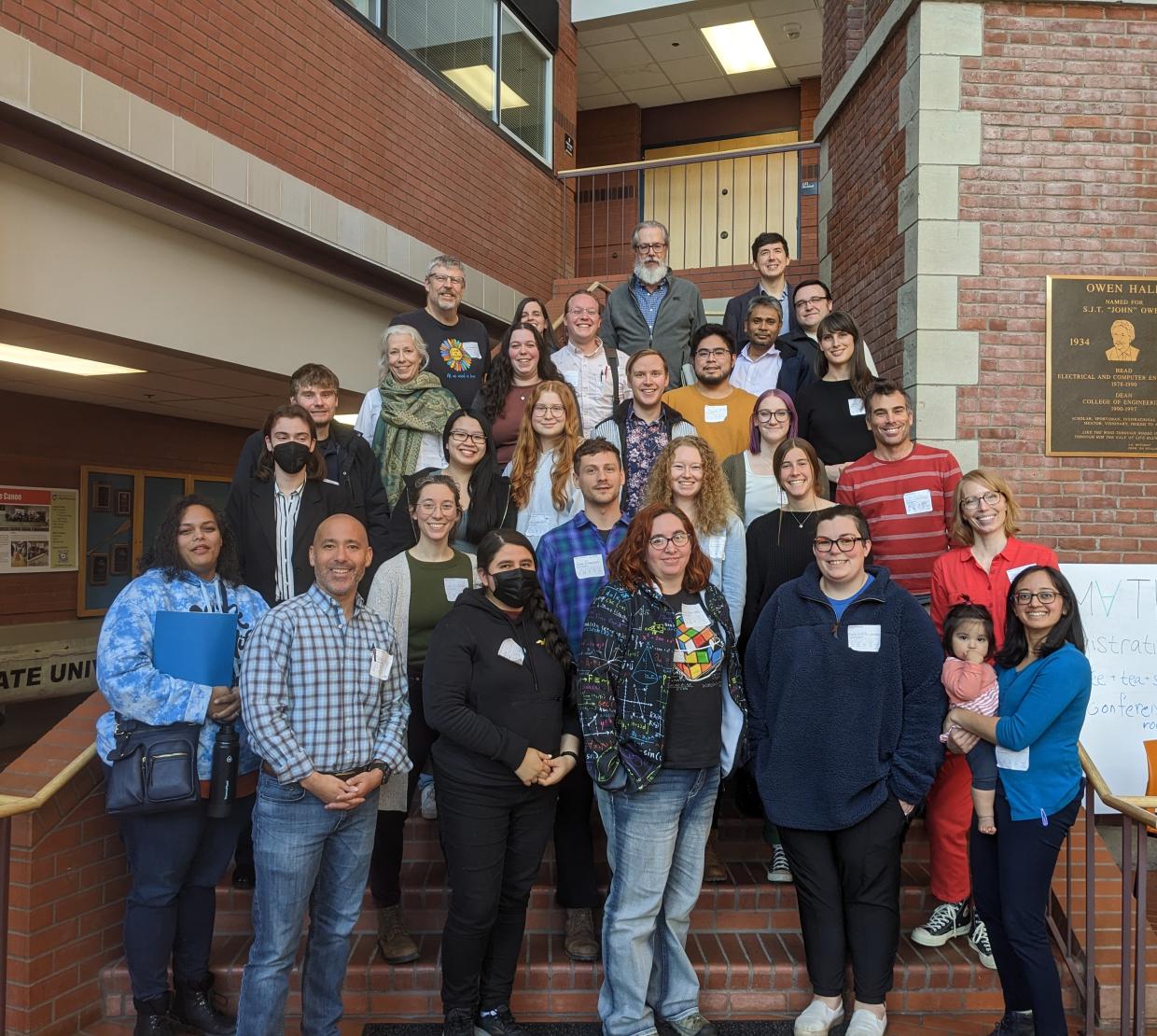
A group of individuals stand on a staircase for a photo during a mathematics conference.

Making math inclusive: Math For All satellite conference

By Kaitlyn Hornbuckle

Oregon State University Assistant Professor Swati Patel and two colleagues, Padi Fuster and Robyn Brooks, wanted to do something to counter systemic inequities in mathematics. In response, they founded the Math For All conference at Tulane University in New Orleans in 2020.

“We created this conference to try to build a more positive and welcoming culture in mathematics,” Patel said. “We thought of a conference that would be an open and friendly space for people to gather and talk about math, math education and how it relates to diversity, justice and inequity.”

Math For All is now a national conference that hosts regional programs annually throughout the country, including a satellite location at Oregon State where 40-60 people attend in Corvallis for free, thanks to generous donor support and scholarships. Attendees learn how mathematics applies to everyday life and experience a sense of belonging to a powerful scientific community. Talks and discussions tend to cover everything from human rights in data science to the mathematics of paper folding.

OSU's satellite conference often welcomes people from local community colleges and other universities, drawing mathematicians from undergraduates to instructors and faculty members.

Breaking down barriers in mathematics

Organizers ensure the conference is structured to promote dialogue between attendees, encouraging them to bridge the gap between their mathematical interests and other human interests that may spark commonality between them. One year, attendee nametags sported the person's unique interests like math as art, trivia or social justice.

“It makes me very happy when undergraduates feel comfortable in this space to ask questions. It takes courage to do that,” Patel said. “It’s not easy to raise your hand and ask a question to a speaker.”

Oregon State graduate student and co-organizer Leah Sturman said in 2023, the first guided discussion included an activity where participants matched important mathematical theorems to the actual societal impact.

Participants then split into groups and developed flowcharts that related those theorems to another branch of math they were familiar with. The activity asked the question, “What does my math mean for people around me?” Some groups decided to relate the theorem to a tool they use themselves, such as illustrating how the Pythagorean Theorem relates to GPS.

“Mathematics is far more doable than a lot of people think,” Sturman said. “It is not nearly as impenetrable or scary as people’s guts tell them. I’ve seen people who think they are bad at math actually be really good at it.”

After the activity, co-organizers posted these flowcharts on the wall for other people to see throughout the day.

“In the second session, we had a little bit more discussion around the thought behind the flowchart activity,” Sturman said. “You know, how can we be conscientious and choose to do mathematics that has a positive impact on society?”

The topics discussed are always varied, so attendees can see how mathematics impacts society as a whole, including the communities they are a part of. This enables everyone to bring their own experiences to the table, as the organizers intend.

"When I went to college, I don't ever remember having a space when I was an undergrad where the conversations like this were being facilitated and were encouraged."

An individual in a black suit stands at the front of the room during the mathematics conference.

Fennel Connelly gives a presentation entitled, "Math, Marine Energy and MECC: An undergraduate perspective on wave energy converter design."

The conversations throughout the conference are not strictly mathematical. Oregon State Mathematics Instructor and co-organizer Michael Gilliam watched students partake in conversations where they wrestled with implicit bias, racism and other issues impacting communities.

“When I went to college, I don't ever remember having a space when I was an undergrad where the conversations like this were being facilitated and were encouraged,” Gilliam said.

For him, these types of conversations are beautiful to witness because students are able to combine the societal impact of mathematics with general concepts they learn in the classroom.

“The purpose of the conference was to create a space where mathematicians can present their findings and feel inclusive,” said Adaline De Chenne, a graduate student and co-organizer at Oregon State. “The way we set our conference apart is there's more attention to inclusivity, there's attention to making the participants feel like they belong, and there are discussions around those topics in mathematics, specifically how we can make our community more inclusive and diverse.”

From meeting new professionals to learning how mathematics applies to everyday life, Math For All is a place for participants to learn in an inclusive environment powered by diversity.

Fernando Angulo Barba stands in a blue shirt and khaki pants in front of Kidder Hall.

GEM Fellowship allows parent Ph.D. student space to thrive

By Hannah Ashton

Fernando Angulo Barba’s love of mathematics involves grocery stores.

“When we went shopping when I was younger, my dad would always ask me what the change would be as he was handing it over, and I would try to race the cashier before they said it. I was pretty good at it,” he said.

Years later, Angulo Barba earned his master’s in applied and interdisciplinary mathematics from the University of Michigan and decided to continue his education with a Ph.D. at Oregon State University.

“My parents came from Mexico, they both moved in their twenties. Education is kind of the pipeline to have an easier life than they had. And I’ve really taken that to heart,” he said.

When he first started his Ph.D. program in 2021, he also worked as a graduate teaching assistant for three undergraduate mathematics classes. This allowed him to receive a salary and have his tuition fully paid for, but it also took up a lot of his time.

Wanting to spend more time with his partner and one-year-old son, Angulo Barba applied for the GEM Fellowship, a national program that promotes the participation of underrepresented groups in post-graduate science and engineering education and the technical workforce.

Founded in 1976 at the University of Notre Dame, the fellowship supports students pursuing doctoral degrees in the natural science disciplines — chemistry, physics, earth sciences, mathematics, biological sciences and computer science.

The program covers full tuition, fees and an annual stipend in collaboration with a sponsoring GEM university. Fellows also participate in a minimum of one paid summer internship.

Angulo Barba spent nearly three months in Idaho Falls, Idaho, working with Idaho National Laboratory computational mechanics and materials group.

The company developed MOOSE, an open-source finite element-based platform for solving multi-physics problems, and BISON, a program used to study nuclear fuels. His role was running sensitivity analyses to figure out which input parameters, such as temperature or fission rate based on different models, affect the output the most.

In addition to strengthening his programming skills, Angulo Barba was able to create connections.

“They encouraged asking questions, which made it easy to learn and network and find out what other people are doing, where they came from and their experiences,” he said.

The internship also cemented his desire to become a professor or work in a laboratory.

“I’ve been lucky and fortunate enough to get support while being a minority in STEM, so being a professor or someone who works in a lab would allow me to pay it forward,” he said.

On campus he will be working with Mathematician and Interim Dean Vrushali Bokil, studying computational mathematics and the virtual element method.

“Before I came here I met current students and they said it was a ‘family vibe’ where everyone looks out for each other, and I would definitely say that’s true.”

The College of Science and more specifically the Department of Mathematics have been behind him both inside and outside of the classroom.

Earlier this year Angulo Barba was struggling with a bad living situation. He ended up running into a professor from his first-year seminar course who took the time to connect him to a landlord and find better housing.

“It meant a lot to me,” he said. “Before I came here I met current students and they said it was a ‘family vibe’ where everyone looks out for each other, and I would definitely say that’s true.”

Subscribe to Graduate students