News

News

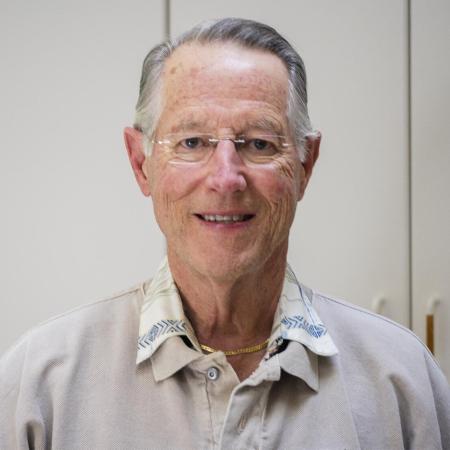
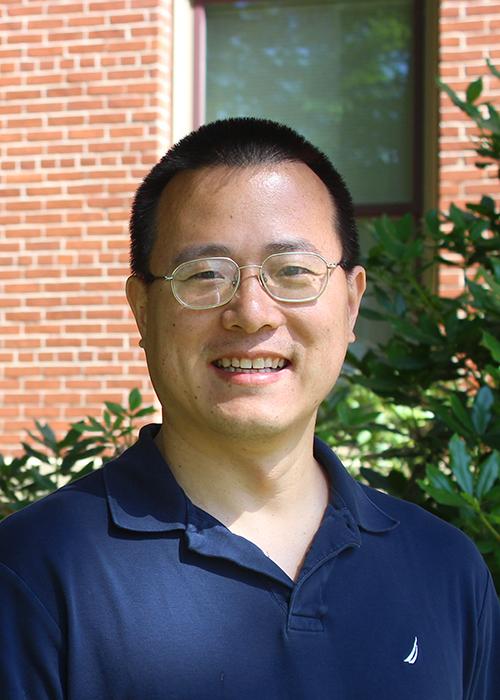
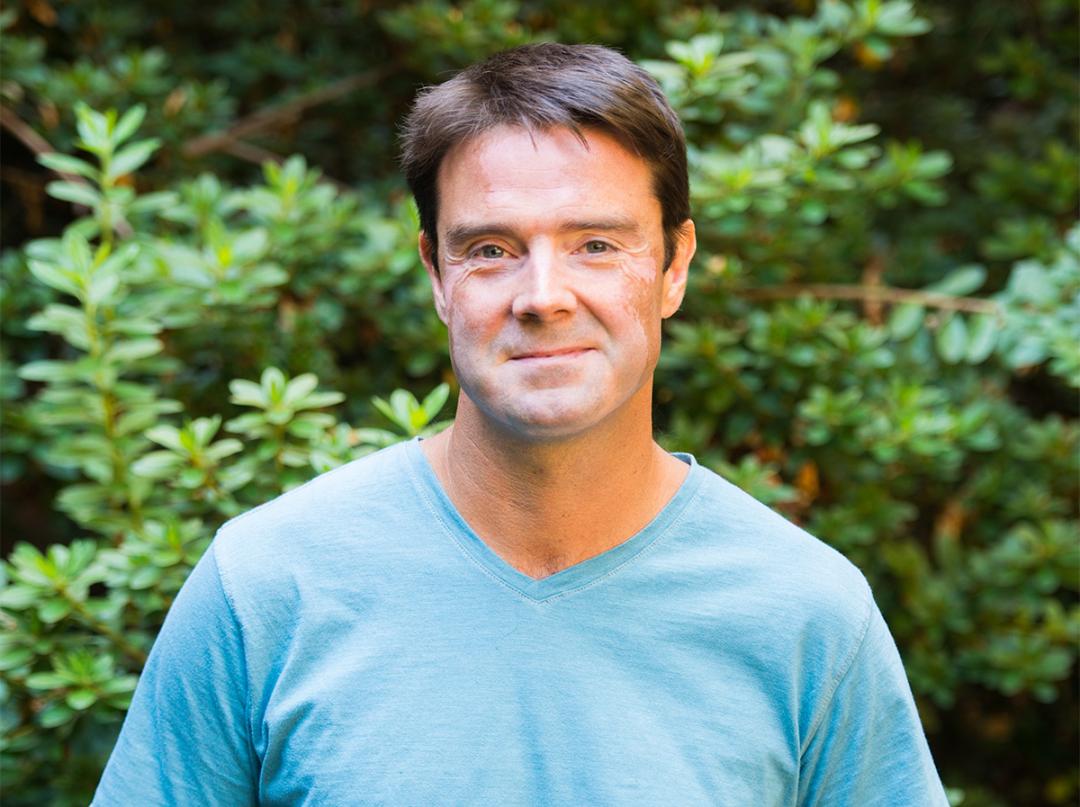
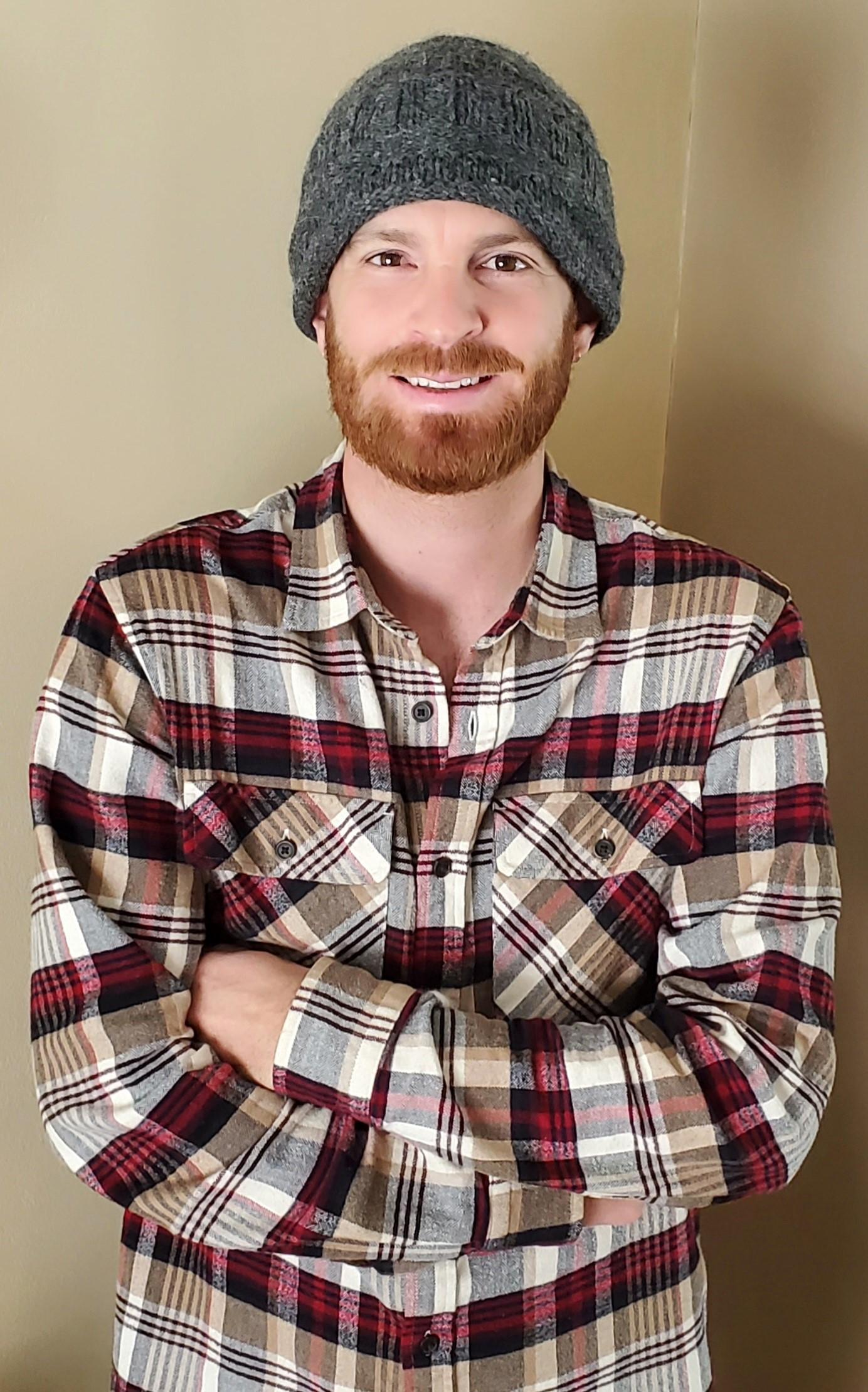
A man poses for a headshot

Mathematician Axel Saenz Rodriguez earns competitive Simons Foundation Pivot Fellowship

By Hannah Ashton

Axel Saenz Rodriguez, an assistant professor in the Department of Mathematics, has been awarded the prestigious Simons Foundation Pivot Fellowship for his groundbreaking work at the intersection of probability theory and mathematical physics.

The Simon Foundation Pivot Fellowship is a highly competitive award that supports early-career researchers seeking to pivot their research into new, impactful scientific areas. The fellowship provides recipients with resources and mentorship from leading experts to explore innovative directions in their research.

“Only eight Pivot Fellowships were given in all of science, math, and engineering this year. Axel’s achievement in securing this fellowship speaks volumes about his interdisciplinary approach to research and the impact of his work,” said Department of Mathematics Head Jon Kujawa.

Saenz Rodriguez will use the fellowship to bridge theoretical models in probability and mathematical physics with experimental work in two-dimensional quantum magnetic materials, a field with vast potential for next-generation technologies, such as clean energy and computational advancements.

As part of the fellowship, he will be mentored by Eric Corwin and Oksana Ostroverkhova, faculty members at the University of Oregon and Oregon State University, respectively. The pair will help Saenz Rodriguez in scientific practices for high-performing numerical computational and experimental physics.

Saenz Rodriguez joined the College of Science in 2021, along with his spouse Swati Patel. His work involves creating exact formulas to analyze various processes in space and time using different areas of mathematics, like algebra, geometry, and combinatorics. His research mainly looks at the Kardar-Parisi-Zhang (KPZ) universality class, which describes certain random behaviors in one-dimensional systems with complex interactions. Saenz Rodriguez aims to develop a clearer understanding and practical uses of the KPZ class.

In 2023, he helped co-organize the Math For All satellite conference, hosting about 40 people in Corvallis for free. The aim is to foster inclusivity in mathematics. The conference welcomed people from Linn-Benton Community College, Chemeketa Community College, Portland State University, University of Portland and Oregon State.

Prior to Oregon State, he was a postdoctoral researcher at the University of Warwick, Tulane University and the University of Virginia where he was the Mary Ann Pitts Postdoctoral Fellow in the Department of Mathematics. He earned his Ph.D. in mathematics from UC Davis and his bachelor’s in applied mathematics from Columbia University.
Two lemurs sit closely together on a tree branch, surveying their environment

Science Faculty Secures $18.5M in FY 2024, extending the reach and impact of science

By Hannah Ashton

The Everson lab studies Madagascan lemurs to explore how hybridization shapes genomes, species limits and the evolutionary trajectory of radiations (rapid increases in diversity).

The College of Science has a diverse portfolio of signature research, scholarship and innovation activities that enable our College to make fundamental and applied discoveries. To support society’s scientific challenges, we are invested in discovery-driven science and applied and transdisciplinary research. Our research intersects with all four research areas of priority outlined in OSU’s strategic plan, Prosperity Widely Shared.

Over the 2024 fiscal year (FY24: July 1, 2023 - June 30, 2024), the College of Science researchers received $18.5 million in research grants to support groundbreaking science. Most of that funding came from federal agencies and foundations in recognition of proposals with broad societal impacts, like increased human health, sustainable and clean energy and climate change mitigation. Our faculty pursue foundational and basic research projects and science education projects. Data science and Artificial Intelligence (AI) tools are increasingly becoming part of the fabric of much of our research. College of Science research expenditures in FY24 totaled $20.7 million.

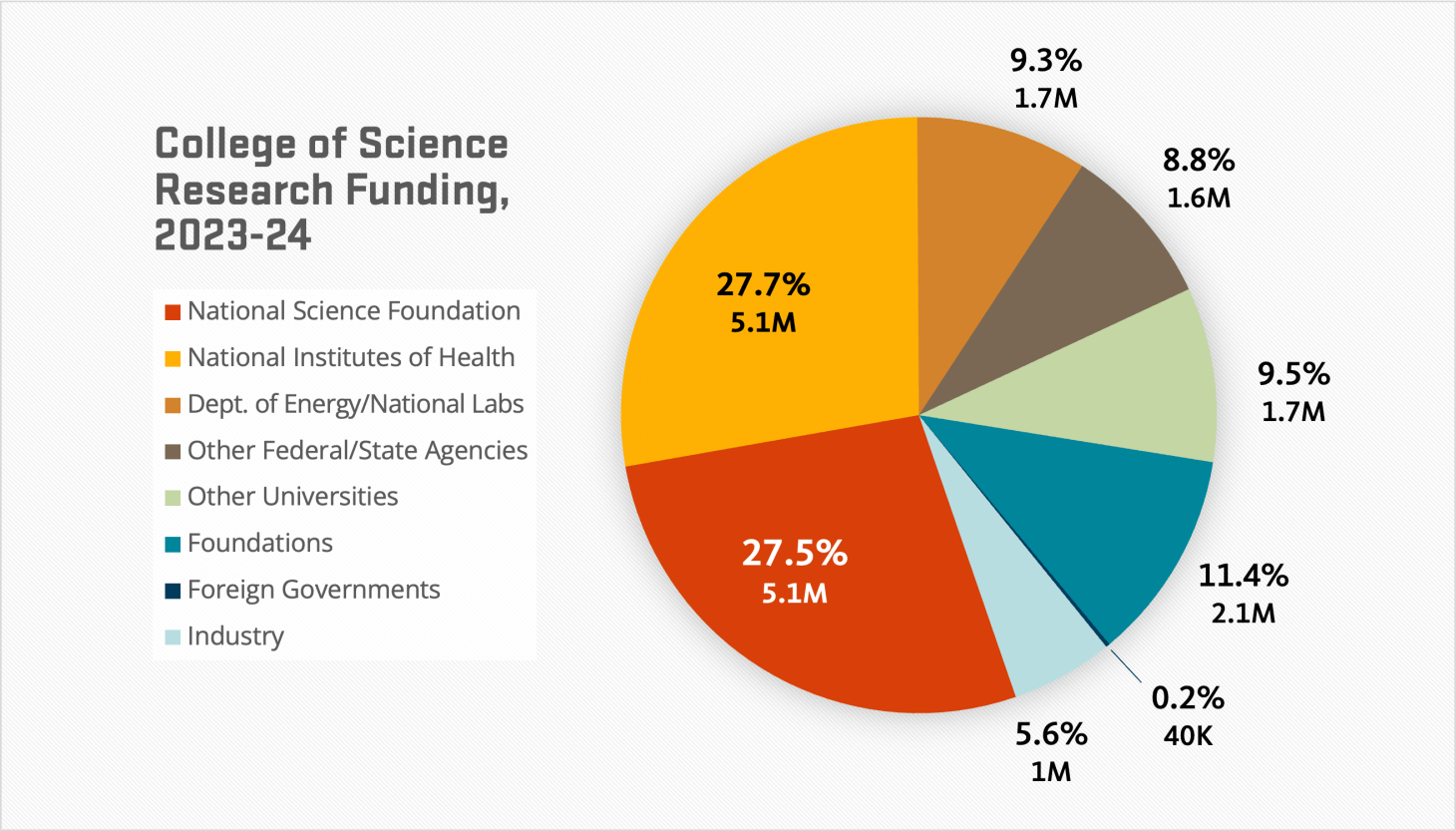
The figure below illustrates the breakdown of funding sources for the College, with the National Science Foundation (NSF) and National Institutes of Health (NIH) each awarding about $5.1M.

Pie chart showing Science Research Funding, with details in the following caption

Research funding in 2023-24 ($18.5M total) comprised investments mostly from federal and state agencies, including the National Science Foundation (25.7%–$5.1M), National Institutes of Health (27.7%–$5.1M), Department of Energy and National Labs (9.3%–$1.5M), and others (8.8%—$1.6M). Additional funds were provided by other universities (9.5%—$1.7M), foundations (11.4%–$2.1M), foreign governments (0.2%–$40K) and industry (5.6%–$1M).

Research funding propels Team Science forward

Oregon State University is focused on big discoveries that drive big solutions. Many science faculty received grants last year in support of discovery-driven science, applied and transdisciplinary research science education and innovation in OSU’s priority research areas of integrated health and biotechnology, climate science and solutions, robotics, data science and AI, and clean energy and solutions. Below are some of the highlights—not including multi-year projects started before 2023.

Faculty honors

Astrophysicist Jeff Hazboun received a $73K Faculty Early Career Development award from the National Science Foundation. This prestigious NSF early career award is highly coveted by faculty! Hazboun’s project includes curriculum development and the implementation of a summer workshop in astrophysics-themed data analysis designed to foster inspired teaching, stimulate excitement in pulsar timing array research, facilitate the learning goals of undergraduate and graduate students, and support the community college students’ transition into four-year schools.

Mathematician Christine Escher received a $50,397 award from the NSF to host the Pacific Northwest Geometry Seminar series over three years at various Pacific Northwest universities. Escher is the principal organizer of the conference. This award supports meetings of the Pacific Northwest Geometry Seminar (PNGS), a regional meeting for researchers and educators of geometry, to be held at the University of British Columbia (2025), Seattle University (2026) and Lewis & Clark College (2027).

Integrated health & biotechnology

Materials scientist Kyriakos Stylianou, along with members of the College of Pharmacy and the College of Agricultural Science, received $2 million from the U.S. Department of Agriculture to develop improved ways of preventing stored potatoes from sprouting, particularly in the organic sector. Stylianou’s team studied nearly 200 different plant essential oils for their anti-sprouting effects. Oregon, Washington and Idaho produce more than 60% of the potatoes grown in the United States, and Pacific Northwest potato cultivation is a $2.2 billion industry.

Microbiologist Maude David is part of a multi-institution research team to receive a $4.3 million grant from the U.S. Department of Agriculture to study European foulbrood disease (EFD) in honey bees. The group is investigating the factors contributing to the high incidence of infection, and will then share their findings with local beekeepers and growers to improve mitigation efforts. Beekeepers in Oregon typically pollinate about five different crops annually. If the colonies are weakened by EFD, this results in less pollination, which is a concern for blueberry and almond growers.

A scientist in a beekeeping outfit stands next to a honeycomb

Carolyn Breece from the OSU Honey Bee Lab shows Maude David a bee colony during a field trip.

Evolutionary biologist Michael Blouin was awarded $1.86M over five years ($371K per year) from the National Institutes of Health for his project entitled, “Genetic mechanisms of snail/schistosome compatibility.” Schistosomes are water-borne blood-flukes transmitted by snails, which infect over 250 million people in more than 70 countries and cause severe and chronic disability. A debilitating helminth parasitic disease of humans, vaccines are available for schistosomiasis. This project will identify new genes that make some snails naturally resistant to infection by schistosomes, revealing potential new ways to reduce parasite transmission at the snail stage.

Statistician Robert Trangucci received $164K from the University of Michigan for his project entitled, “Data driven transmission models to optimize influenza vaccination and pandemic mitigation strategies.” Selection bias is common in infectious disease datasets due to complex observational and biological processes, and bias can arise from covariate data which is missing due to analytical limitations. The research team is addressing the concern by extending existing models to accommodate risk and data gaps over time for application in vaccination and other novel datasets.

Chemist Dipankar Koley received $542K from the National Institutes of Health for his project entitled, “Microenvironmental characterization and manipulation to prevent secondary caries.” A common reason for dental replacement is a recurrence of caries around existing restorations caused by microbial activity. The project seeks development of new and innovative materials to bias this microbial environment toward improved dental health, and the researchers are investigating the use of cations of magnesium and zinc applied with specialized release platforms.

Collaborative research at the interface of robotics, computer vision and AI

Statistician Yanming Di received $249K from the U.S. Department of Agriculture for a project entitled, “DeepSeed: A computer-vision network for onsite, real-time seed analysis.” The Willamette Valley is considered the “grass seed capital of the world.” Seed testing, used for determining seed lot quality and establishing seed value, is a fundamental phase of the agricultural marketing system. With recent advances in robotics, computer vision, and AI, an opportunity presents itself for a new wave of innovations. This project utilizes AI and robotics to innovate devices and protocols for sampling grass seeds and a computer vision system for automated seed analysis. The investigators consist of experts in seed services, computer vision, statistics, and mechanical engineering.

California mussels at low tide, covered in barnacles

Mytilus californianus (the California mussel) is prey for many predator species, serves as a filter for ocean particulate, and harbors hundreds of other species. Threats to this normally resilient foundation species represent risks to the entire local marine ecology.

Climate science and related solutions

Materials scientist Kyriakos Stylianou received $689K from Saudi Aramco for a project entitled “New Generation of CO2 Capture Adsorbents: Synthesis, Performance under Humid Conditions, and Scaleup.” In this project, the Stylianou group aims to discover novel adsorbents for the selective capture of CO2 from diluted sources. Successful materials will undergo scaling up and evaluation for their efficacy in removing CO2 from air.

Marine ecologist Bruce Menge received $200K from the National Science Foundation for his project entitled, “RAPID: A subtle epidemic: unique mortality of Mytilus californianus on the Oregon coast.”

The research team is investigating the major changes occurring in the Pacific Northwest marine ecosystems, with evidence these communities exhibit low resilience to climate change. For example, sessile invertebrates (mussels, barnacles, etc) become more abundant while seaweed species (kelp, etc) decline.

Evolutionary biologist Kathryn Everson received two awards for $276K from the University of Kentucky Research Foundation for a project entitled, “The role of hybridization in generating biodiversity: Insights from genomics of Madagascar’s true lemurs (Eulemur).” This project is funded by the NSF to understand how new species form in the context of complex gene flow and to expose the genomic signatures of evolutionary processes. The researchers will characterize patterns of gene flow, selection, and genome architecture for a species of lemur to gain a genomic perspective on the evolution of species boundaries. In addition, the team will construct a hybridization model using data on geographic range, diet, and social behavior for this lemur.

Clean energy and related solutions

Aerosol chemist Alison Bain received $284K from McGill University for her project entitled, “Single particle measurements.” This research aims to understand the optical properties of stratospheric aerosols. Using single particle experiments under environmentally relevant temperatures and humidities, the team will extend a wavelength-dependent refractive index model to include these conditions. They are also looking at how atmospheric aging impacts the optical properties of these materials.

Chemist Wei Kong received $110K from the American Chemical Society for her project entitled, “Superfluid helium droplets as microreactors for studies of photochemistry of fossil fuel hydrocarbons: polycyclic aromatic hydrocarbons and the corresponding endoperoxides.” The project will use superfluid helium droplets as microreactors to investigate the kinetics of the photooxidation process of a major component of petroleum (polycyclic aromatic hydrocarbons, PAH). Using several analytical techniques, the team will test the hypothesis that supercooling the helium droplets will stabilize an excited state of the oxygen molecule and prevent further reactions.

Collaborative partnerships to fuel a thriving world

Biochemist Ryan Mehl received $234K from the NobleReach Foundation in partnership with the National Science Foundation. The project “Ideal eukaryotic tetrazine ligations for imaging protein dynamics in live cells” was selected as one of the first set of 11 national pilot projects to receive $234K from the NobleReach Foundation.The partnership seeks to identify and accelerate the translation of NSF-funded research into biotechnologies and bio-inspired designs with commercial and societal impacts. This pilot will help inform future translational funding opportunities along with enabling Professor Mehl and the other selected principal investigators to accelerate bringing their research to the market and society.

Biochemist Patrick Reardon received $500K from the National Science Foundation (NSF) Research Instrumentation Program for his project entitled, “MRI: Acquisition of Helium Recovery Equipment: An integrated system for helium capture and recovery for the OSU NMR facility.” This award supports the acquisition and installation of an integrated system for helium capture and recovery for the nuclear magnetic resonance (NMR) facility. Helium is in high demand and is used for a wide variety of industrial and research applications, and it is a non-renewable resource which highlights the need for laboratories to capture and recycle this important gas. The NMR lab is supported by funding from the National Institutes of Health, NSF, M.J. Murdock Charitable Trust, and OSU, and it is a core facility and cornerstone for groundbreaking research in interdisciplinary science and engineering, chemistry, biochemistry, and biophysics at OSU, throughout the Pacific Northwest, and beyond. The facility continually strives to enhance its state-of-the-art instrumentation for the highest levels of analytical performance.

Tom and Jon stand outside a home with beautiful bushes and flowers

Celebrating a legacy of excellence: An endowed scholarship for future mathematicians

Professor Emeritus​ Thomas Dick (left) and Mathematics Department Head Jon Kujawa. A recent endowed scholarship has been created by an anonymous donor to honor Professor Dick's dedication to mathematics education and student success.

Professor Emeritus​ Thomas Dick's journey in academia has left a lasting impact on mathematics education. During his tenure as a professor and former chair (1992-97) in the Department of Mathematics at Oregon State University, he built an amazing legacy through his leadership, dedication to teaching and innovative programs.

“The mathematics department is extremely pleased to create an endowed scholarship in honor of his dedication to the field of mathematics education, both locally in Oregon and at Oregon State University, and broadly across the international mathematics education community,” said Jon Kujawa, mathematics department head and Hartmann Faculty Scholar.

“Given his legacy, we are thrilled that, through this scholarship, mathematics education graduate students at Oregon State University will have the good fortune to learn about Tom Dick and his contributions to the field – thanks to an anonymous donor, grateful for his mentoring.”

Professor Dick significantly enhanced mathematics education through transformative initiatives. As the faculty director of the OSU Math Learning Center, he initiated the innovative Math Excel (Treisman Emerging Scholars) program. This program supports students in introductory mathematics courses by offering supplemental instruction. These sessions, led by trained facilitators, focus on collaborative problem-solving and active learning, helping students deepen their understanding of mathematics concepts.

Throughout his career, he has been dedicated to teaching mathematics and preparing future teachers of mathematics at all levels, from kindergarten to graduate school. This commitment to excellence has been recognized through numerous accolades, including the Mathematical Association of America’s Award for Distinguished College or University Teaching of Mathematics for the Pacific Northwest region, and his induction into the Oregon Mathematics Education Hall of Fame.

“So many people in the field of mathematics education know and love Tom."

At Oregon State, he was further honored with the Olaf Boedtker Award for Excellence in Undergraduate Advising, the Loyd F. Carter Award for Outstanding and Inspirational Teaching in Science, the Fred Horne Award for Sustained Excellence in Teaching Science, and the Elizabeth P. Ritchie Distinguished Professor Award – the university's highest teaching award.

His main interest in mathematics education research has been in the use of technology to enhance the teaching and learning of mathematics. He co-edited a volume on using technology to support reasoning and sense-making for the National Council of Teachers of Mathematics and co-authored the technology chapter in the second edition of the Handbook of Research on Mathematics Teaching and Learning. He also served on the technology committee for the Association of Mathematics Teacher Educators. Additionally, he has served as chair of the editorial panel for the Journal for Research in Mathematics Education and as chair of the Advanced Placement Calculus Test Development Committee.

He remains active as an examination leader for the grading of AP Calculus and as a senior mathematics advisor to Texas Instruments Educational Technology Division.

“So many people in the field of mathematics education know and love Tom,” the donor shared.

“In all the mathematics education circles of which Tom is a part, every person who knows him remarks on his mathematical expertise and creativity, his fun and collegial spirit, and his warm and welcoming nature. He always offers insightful ideas and suggestions for mathematics education research and teaching. Throughout his formal career and beyond, he has been an exceptional friend, colleague, and mentor. We are profoundly grateful for his decades-long support of mathematics education faculty, students, and research at OSU.”

If you would like to contribute to the fund honoring Professor Tom Dick, please visit https://give.fororegonstate.org/ and type “Professor Emeritus Thomas P. Dick Endowed Scholarship” into the “I want to give to” box. Gifts may also be made to the fund by mail to the OSU Foundation.

Michael Waterman teaching

College of Science alumnus to be presented with honorary doctorate

By Hannah Ashton

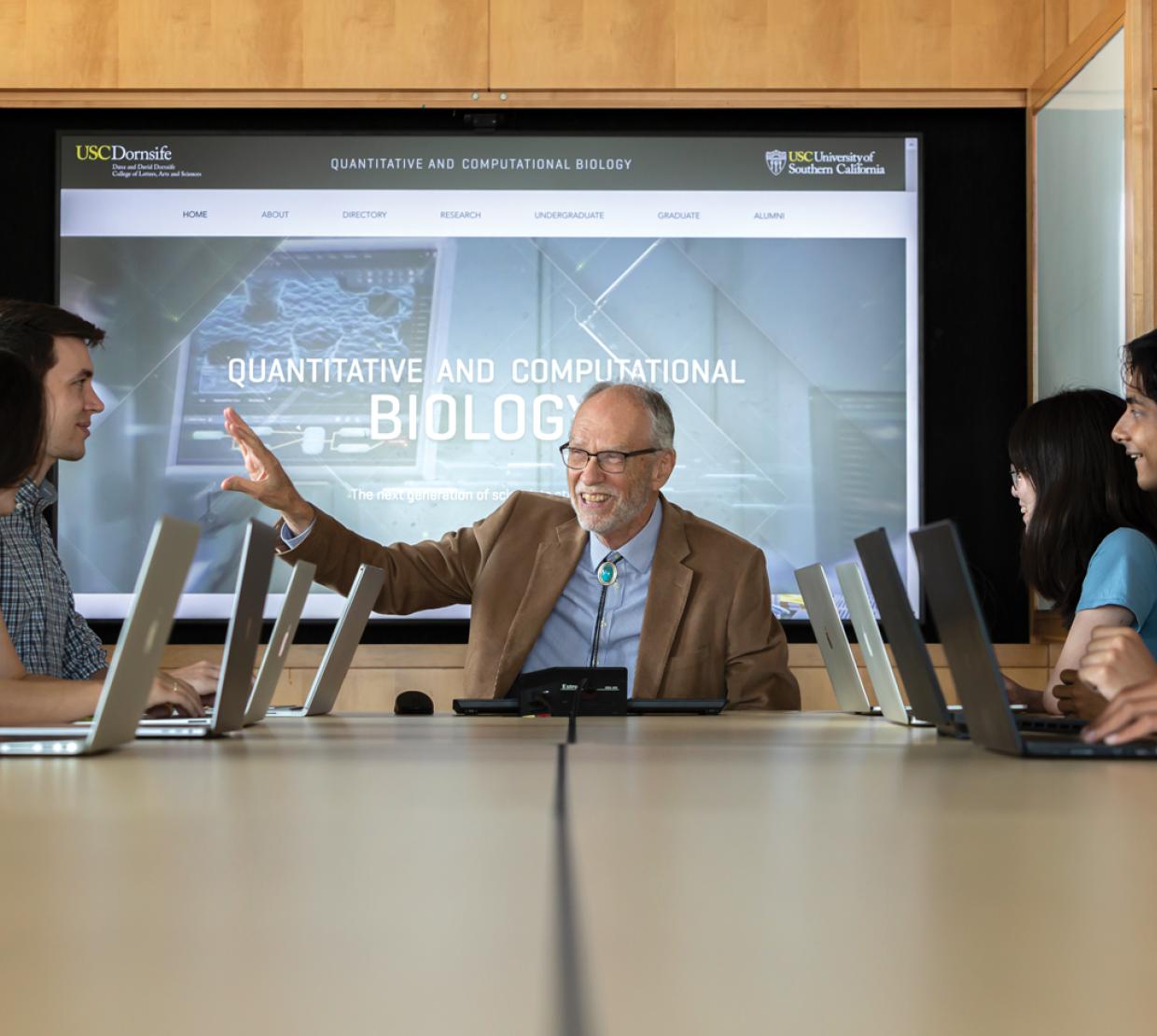
Courtesy of USC, by Leah Lee

College of Science alumnus Michael S. Waterman (Mathematics '64, '66) will be presented with an honorary doctorate at this year's university-wide commencement ceremony in Corvallis.

Waterman is an internationally celebrated mathematician and biologist known for his extraordinary contributions to science, dedication to education and impact on multiple disciplines. He is an eminent figure in bioinformatics and globally recognized as a trailblazer in computational biology.

He is considered the architect of the groundbreaking Human Genome Project which advanced genomics and deepened the world's understanding of life's genetic foundations. He is also known for his collaborative innovation in developing the Smith-Waterman algorithm, a monumental breakthrough. This algorithm revolutionized sequence alignment and is described as the "gold standard for gene and protein sequence analysis." It has become an indispensable tool in bioinformatics, molecular biology, and genetics, and has profoundly impacted molecular biology, medicine, cancer treatment and biofuel development.

"Dr. Waterman's dedication to pushing the frontier of knowledge and his commitment to education are extraordinary," wrote Oregon State University President Jayathi Murthy and Provost and Executive Vice President Edward Feser.

Waterman received the college's Lifetime Achievement in Science Award in 2021. Serving on the College of Science Board of Advisors, he also created a scholarship that supports College of Science students who are historically underserved, Oregon residents.

His list of awards and honors includes the Guggenheim Fellowship and professorships at the University of Southern California and the University of Virginia. He is an elected member of the American Academy of Arts and Sciences, the National Academy of Sciences, and the National Academy of Engineering, and a fellow of several scientific organizations including the American Association for the Advancement of Science and the Institute of Mathematical Statistics.

He has received the Gairdner Foundation International Award, the Dan David Prize, the Walter Benter Prize in Applied Mathematics, and the Friendship Award from the Chinese government. Additionally, he is a founding editor of the Journal of Computational Biology and serves on the editorial boards of various journals.

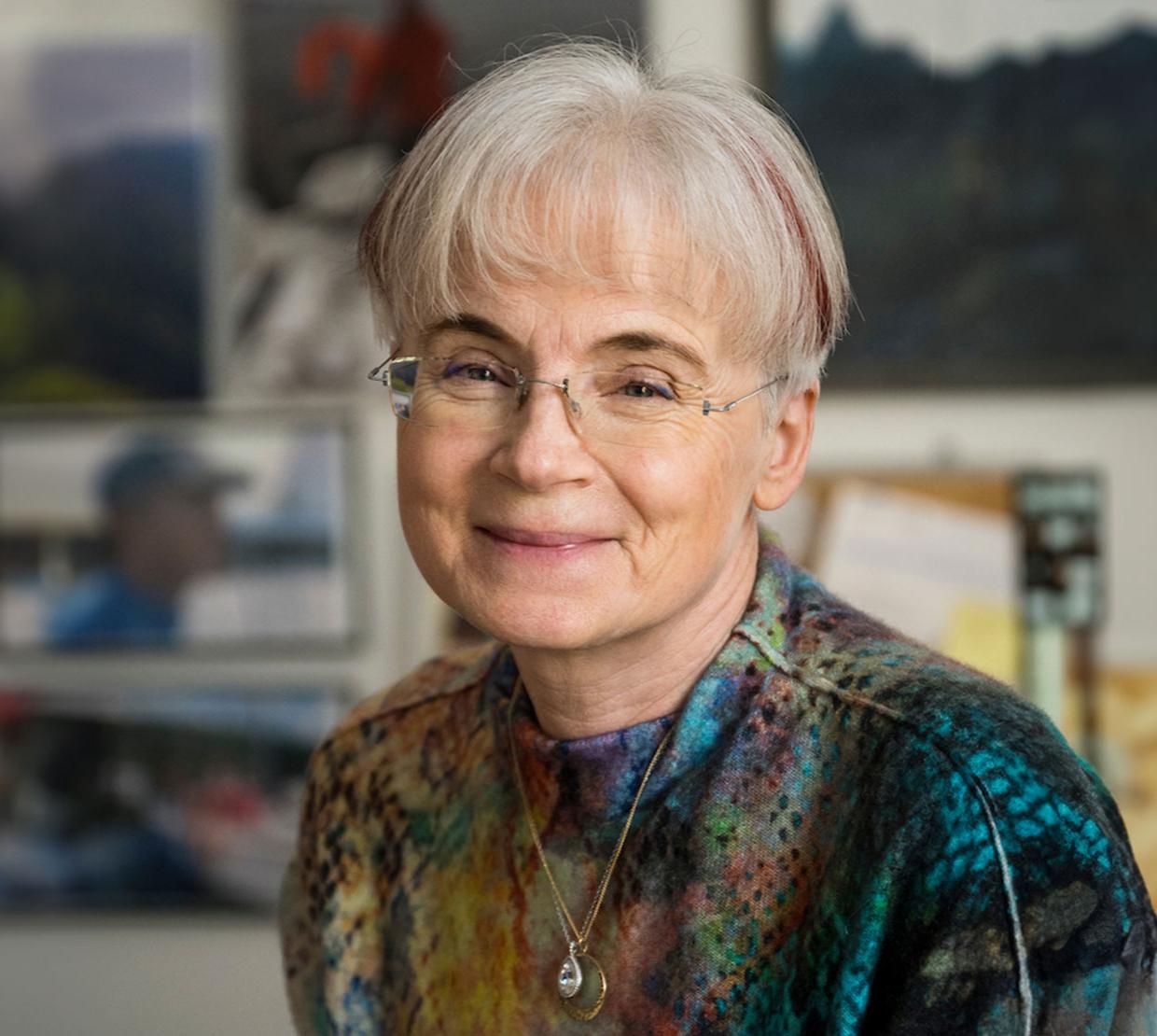
A woman in a multi-colored blouse poses for a headshot to celebrate being announced as a Distinguished Professor.

Malgorzata Peszynska named a University Distinguished Professor

By Tamara Cissna

Malgorzata Peszyńska, newly honored as a University Distinguished Professor at Oregon State University, has charted a remarkable path — shaped by uncommon talent, grit and a spirit of joyful independence.

Renowned for her exploration of the physical world through the prism of mathematics and computation, Peszyńska's work has yielded fascinating insights over her distinguished career. Her research has fostered innovation and enabled applications with global impact on pressing environmental concerns and natural resource management.

In recognition of her achievements, she has earned Oregon State's highest academic honor. The university awards this distinction to a select few faculty nominated by their peers, with the College of Science having the highest number at 19.

"Dr. Malgorzata Peszyńska is nationally and internationally recognized as a leader in mathematical and computational modeling of complex processes, and her work has been particularly significant in building bridges across disciplinary boundaries," Provost Ed Feser wrote in the university’s announcement of this honor.

Peszyńska will present a university distinguished lecture, along with one other 2024 distinguished professor: Todd S. Palmer in the College of Engineering. She will present her lecture on Wednesday, May 8, at 1:30 – 3 p.m. in the Memorial Union Horizon Room. Her lecture is titled, “Math Matters: Multi-* Modeling, Analysis and Simulation.”

“This is an honor and accomplishment, and evidence of appreciation coming from the many colleagues, students and collaborators,” Peszyńska said. “It is also a responsibility, and I am not the only one deserving, but now I can stand on the shoulders of giants and pay it forward.”

As the Joel Davis Faculty Scholar in Mathematics, Peszyńska is acclaimed for her pioneering work in numerical analysis and modeling. Her recognition as an AAAS Fellow in 2020 highlights her “exceptional contributions to multidisciplinary mathematical and computational modeling of flow and transport in porous media."

Peszyńska's work has been supported by more than $3M from the National Science Foundation (NSF) and other agencies and industries. She has authored more than 119 research publications in high impact computational mathematics journals including SIAM journals and in the interdisciplinary venues such as the Journal of Petroleum Science and Engineering, Advances in Water Resources, Geophysics, and other high-Impact journals, and her publications have received more than 2,000 citations.

Over the years, her achievements have garnered numerous awards: She received the Geosciences Career Prize from the Society for Industrial and Applied Mathematics (SIAM), and she's also been recognized as a Distinguished Fellow by the Kosciuszko Foundation and served as a 2009-2010 Fulbright Research Scholar at the University of Warsaw, 2006 Mortar Board Top Professor award, 2016 Graduate faculty award and more.

A mathematical odyssey in energy and climate

Peszyńska specializes in modeling, analysis, and numerical analysis of models, a discipline that seeks to describe real-world systems mathematically, so they can be simulated, analyzed predicted and — when there are problems — solved.

With expertise that spans disciplines, Peszynska primarily works to mathematically solve problems related to environment and, recently, climate change. Her modeling of mass and energy flow and transport includes porous media phenomena in aquifers, oil and gas reserves, carbon sequestration, solar cells and the effect of permafrost warming. Perhaps most notable is her work on phase transitions in methane hydrate transfer and evolution, as well as in using computational mathematics to study complex pore-scale environments. This work aims to understand and predict the presence and behavior of fluids in nature to mitigate potential disasters, like hazardous explosions or methane emissions contributing to global warming and addressing challenges in climate science and geophysics.

In her recent NSF-supported work on studying permafrost changes, Peszyńska seeks to predict and mitigate potential large-scale events such as building collapses and coastal erosion, highlighting the urgency for more modeling in this area.

Her research team employs computers to approximate solutions, striving for accuracy even when the true solution is unknown, she explained. Ultimately, they contemplate how computational algorithms can approximate truth without certainty, exploring the mysteries of mathematics.

"There's so much about the methods themselves that intrigue us in this mystery," she said. "How do you achieve that? How can you anticipate whether your computational algorithm will yield a prediction close enough to the true solution, regardless of what that true solution might be, without actually having knowledge of it?"

Peszyńska will explore this and other questions in her public lecture. She will also “delve into how her research team explores multi-scale multi-physics systems using complex computational mathematics, inspired by real-life applications. She will discuss their investigation of porous media at nano-, pore-, lab-, and field scales, predicting their responses to environmental changes. She will also emphasize the importance of fostering interdisciplinary collaborations within Oregon State University and with external partners to encourage students to embrace complexity over simplicity.”

A woman in a skiing outfit stands next to a sign read "East, West."

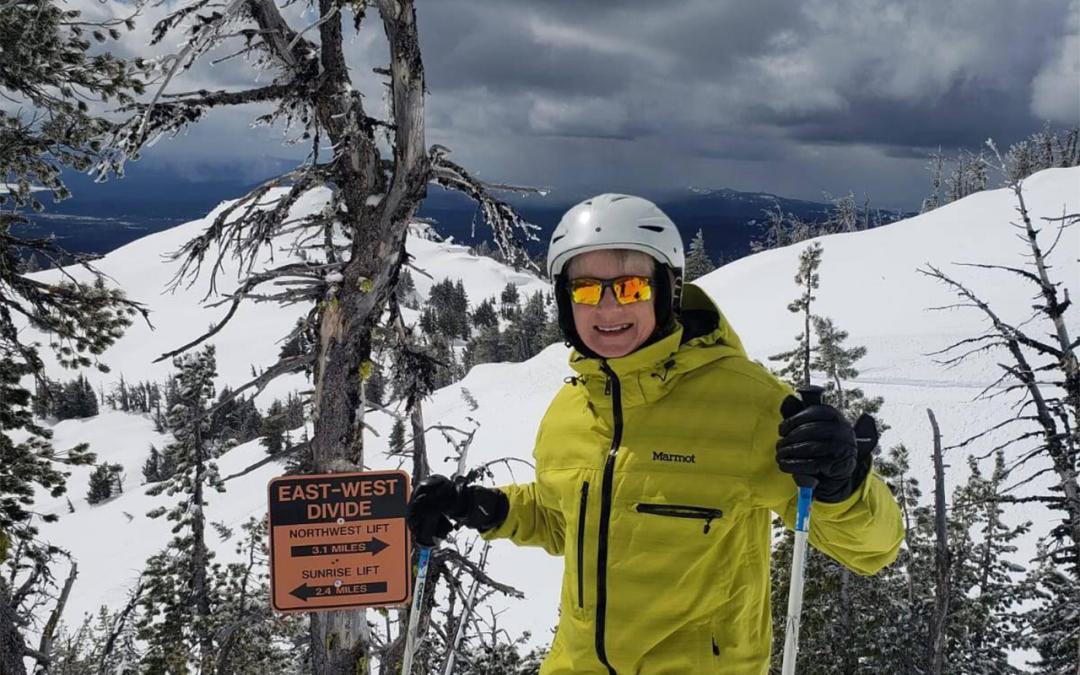
Malgorzata Peszynska on the southeast side of Mt. Bachelor, Oregon, where two trails meet at the East West Divide. Peszynska's journey has also taken her on trails from East to West, over 5,000 miles from Poland to Oregon.

From Warsaw to worldwide impact: A wholehearted journey

Born and raised in Warsaw, Poland, Peszynska discovered her passion for mathematics at a young age. Encouraged by her family, she cultivated that passion alongside her love for the natural world, leading her to study mathematics in the context of physical phenomena and ultimately specialize in mathematical modeling and computational solution of flows through porous media and their geological applications.

She earned a master’s degree in applied mathematics from the Warsaw University of Technology and a Ph.D. in mathematics from the University of Augsburg in Germany. She also holds a habilitation degree from the Warsaw University of Technology.

Her interest in real-life applications is driven, in part, by a personal passion for the natural environment and outdoor activities. And she commits fully to her pursuits, whether tackling complex equations, building interdisciplinary teams, or enjoying leisure activities like skiing and sailing. Embracing her mantra to "Make your own kind of music," she consistently tries to choose the complex and challenging path over the simple and easy.

Reflecting on the most meaningful milestones and accomplishments that led to this recognition, Peszynska shared that it's not about one single thing but rather a tapestry of efforts woven from countless interesting problems and diverse potential directions.

“At every fork in the road, we are choosing a path and sometimes we succeed in making progress,” she said. “At times, the most cited papers are the easiest for us, and sometimes those least noticed are the hardest but might make an impact much later. This may be scary when looking ahead, but it gets easier over time.”

She likens her role as a mathematician to that of a translator, bridging gaps between disciplines and applying mathematical rigor. Collaborating with colleagues from within mathematics and across other fields has empowered her to tackle real-world modeling projects with significant practical implications, even in the absence of a clear existing mathematical framework for analysis. From exploring multi-scale modeling techniques to navigating complex algorithms, these partnerships have broadened her perspective and fueled innovation.

As a mentor, she encourages students to discover their passions and gently nudges them to work diligently towards their goals, knowing they might change their minds along the way. But, she said, “There's no substitute for hard work. Sometimes, it's not just about assignments or tasks; it's about doing repetitive steps and finding the discipline to keep going. One of my past mentors said, ‘All you can do is work.’ And that's true. It means showing up every day, putting in your hours, and eventually, things will click. In turn, mentoring isn't easy. You offer advice, but ultimately, it's up to them to decide what works best for them. It's not unique—I don't have all the answers. Live and let live, I suppose—that's another principle I try to uphold.”

One of her former students, Scott Clark ('08), listed in Forbes Magazine’s 30 under 30, shared, “Dr. Peszyńska’s guidance led me down the interdisciplinary path that would become the foundation of my later graduate and professional work. ... She had a direct, positive impact on my career trajectory, and I would not be where I am today without her.”

At that, she humbly replied, “We have a lot of brilliant undergraduate students, and they just need an opportunity to fly. And so we should be accommodating them, I think. Yeah, let them fly."

She has also found leading the community in various professional circumstances gratifying—“building one connection at a time and not letting go.” Peszyńska has served as a program director for computational mathematics for the NSF and in multiple roles for the Society for Industrial and Applied Mathematics. Additionally, she organizes conferences, serves on editorial boards, and participates in review panels for prestigious institutions.

A group of people stand on a deck celebrating the graduation of a postdoc.

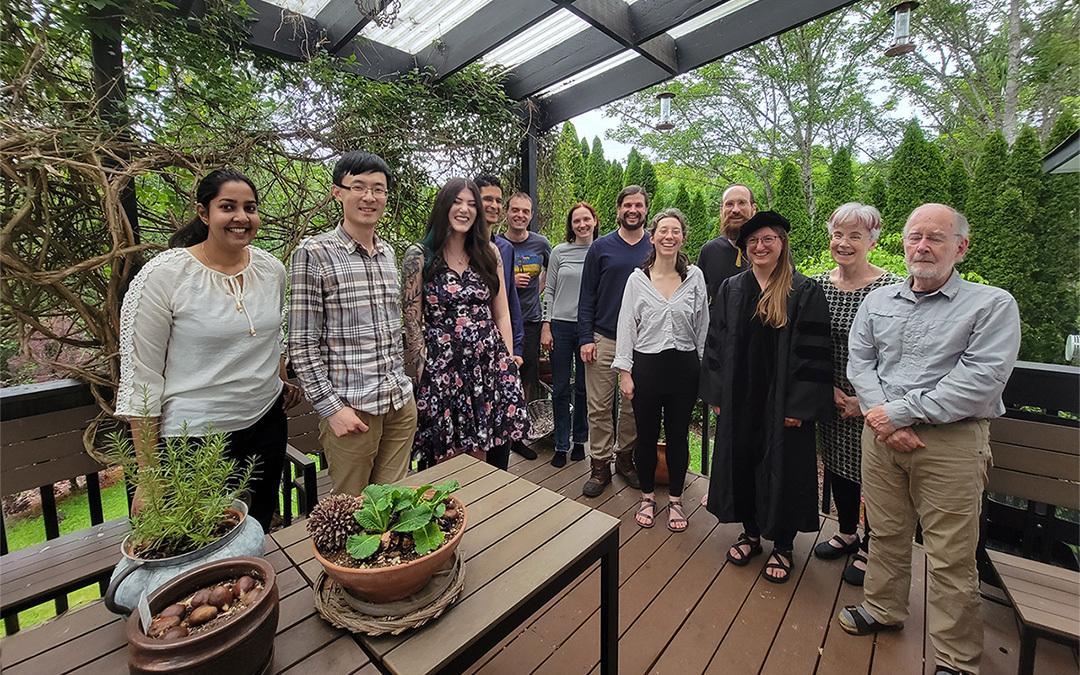
Malgorzata Peszyńska and her students and postdocs celebrating the graduation of Lisa Bigler (Ph.D. 2022).

Challenges and rewards: Bridging disciplinary divides

Peszynska’s success in bridging complex mathematics and diverse real world disciplines has much to do with her independent and joyful spirit.

She describes her atypical view of computational and applied math as an "attitude," rather than a discipline. “My work leans closer to art in its abstract form, or closer to science and engineering in its useful side. This dichotomy is not always understood or appreciated, and it feels funny and sometimes tedious that we may have to prove ourselves over and over. Doesn't everyone want to have clean air, enough food, exciting and intellectually stimulating complex work and stability of life? Live and let live!

“But my strategy is to not try to win anyone over to interdisciplinary work but rather to enjoy the intellectual and emotional joy of learning the new language while appreciating the cultural differences. The reward is that you build the bridges rather than straddle the fence.”

To apply her discipline and contribute wholly to critical concerns is very hard work, and she competes mostly with herself, harnessing discipline if ever enthusiasm wanes. Just as she advises her students: Do the work.

“On the lighter side, most days I wake up happy in the morning to continue doing this work,” she said. “It's fun, more fun than video games because I can make my own with the simulations. So that's exactly what I hope for others, especially students, that they will find fun in it—potentially even more, making a difference, one step closer to a better world.”

Curious minds may explore Peszyńska’s website for its challenges and interactive learning. Exploring innovative solutions can feel akin to solving puzzles, but even more rewarding.

The lasting impact of her work that she will hold most dear is the enduring value of lifelong learning and the significance of interdisciplinary collaboration—with its potential to shape the future. And she truly hopes that students will experience and appreciate the intrinsic joy and real-world impact that computational and applied mathematics have to offer.

“I am thrilled to see Malgo Peszyńska get this well-deserved recognition,” said Eleanor Feingold, dean of the College of Science. “Her world-class work in mathematical and computational modeling, coupled with her dedication to interdisciplinary collaboration, are instrumental in shaping the future of environmental science.”

Along her journey, Peszyńska has had to choose between many forks in the road. With too many options to follow in one lifetime, she acknowledges the opportunities left behind for future lives.

What might she pursue in her next life? Well, she might need two (or more). “Right now, my count goes into the upper teens.”

Cancer cells

Innovation in cancer treatment and mathematics: SciRIS awardees lead the way

By Hannah Ashton

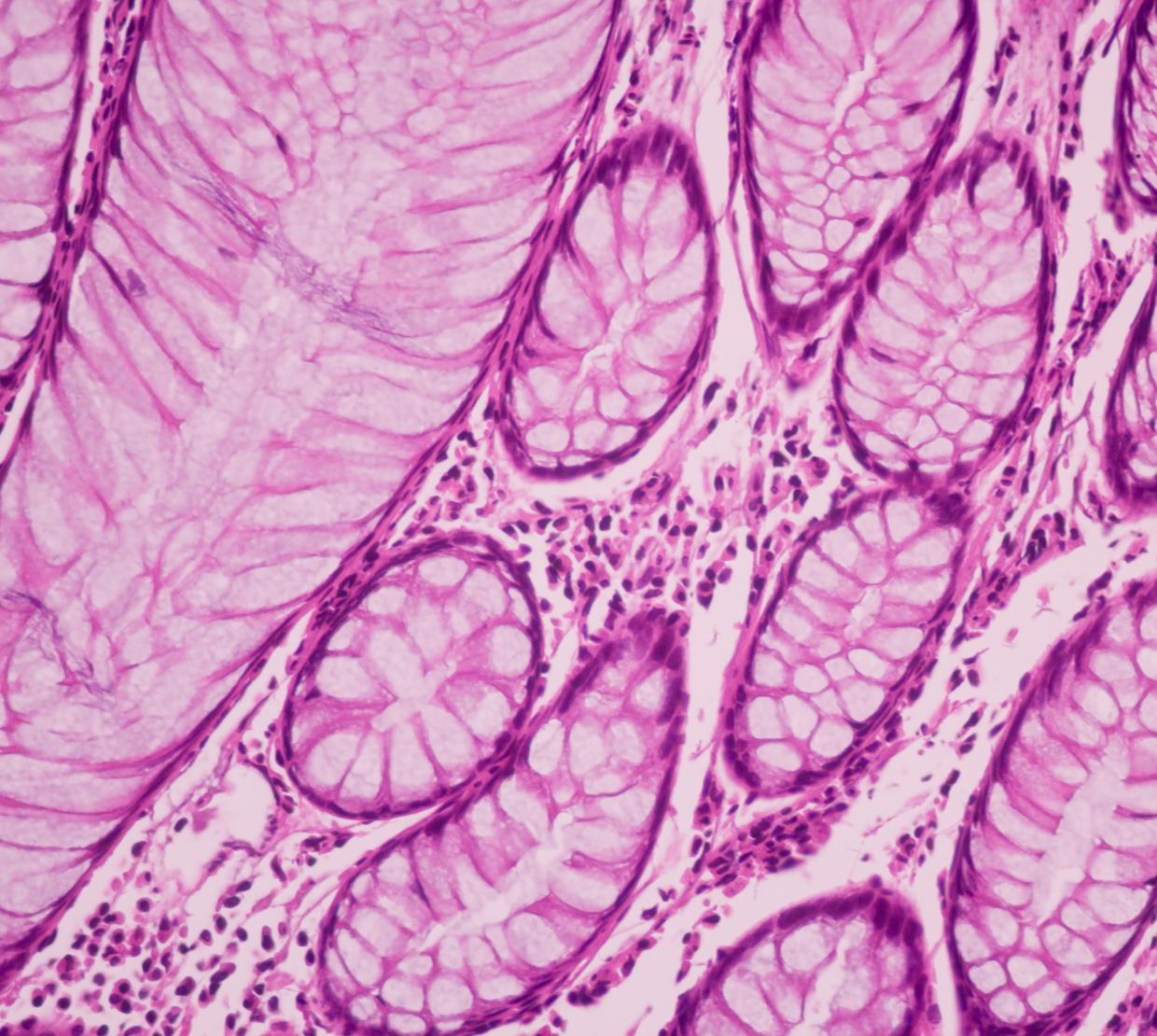
SciRIS awards bolster essential research endeavors, such as the investigation of human cancer cells (pictured above).

Collaborative science has the power to change the world. The 2024 College of Science Research and Innovation Seed (SciRIS) award recipients aim to use that power to develop better treatments for cancer and unlock the mysteries of complex mathematical equations.

The SciRIS program funds projects based on collaborative research within the College of Science community and beyond. There are two tracks through the program: SciRIS (Stages 1-3) and the SciRIS individual investigator award (SciRIS-ii).

SciRIS Stages 1-3 funds teams in three stages of increasing funding to support training, research and capacity-building, accelerating work toward external funding opportunities. SciRIS-ii funds individual faculty to establish research relationships with external partners, enabling them to demonstrate the feasibility of their ideas and quickening the pace of scientific discovery.

SciRIS Stage 1

Professor Claudia Maier, alongside a multidisciplinary team including researchers from the Colleges of Engineering and Agricultural Science, received a SciRIS Stage 1 award to study on triple-negative breast cancer.

Maier’s team includes two other College of Science researchers, Yanming Di from the Department of Statistics and Chad Giusti from the Department of Mathematics.

In biology, cells exhibit a range of diverse characteristics known as cellular heterogeneity, regardless if the overall biology appears uniform. This diversity influences disease progression, treatment outcomes and the likelihood of disease recurrence. Single-cell proteomics is an emerging technique that allows researchers to study these differences at the individual cell level.

Collaborating with faculty from the College of Engineering and the College of Agricultural Science, the team aims to refine a single-cell mass spectrometry workflow focusing on triple-negative breast cancer and specifically targeting therapy-induced senescent cells. Senescent cells eventually stop multiplying but don’t die off, leading to the continued release of chemicals that can trigger inflammation and damage healthy cells. This research builds upon previous work and collaboration, moving from technology development to practical application in biomedicine.

By understanding the heterogeneity within breast cancer and the role of senescent cells in treatment resistance, the researchers aim to develop methods for detecting and characterizing TIS cells from tissue samples. This information will be crucial for developing treatments that target these cells, potentially improving outcomes for TNBC patients.

Kyriakos Stylianou smiles for a photo.

Kyriakos Stylianou

SciRIS-ii (Individual Investigator)

The following three scientists received SciRIS-ii awards: Kyriakos Stylianou, Christine Escher and Xueying Yu.

Materials scientist Kyriakos Stylianou will use his SciRISii award to study a new, more efficient way to diagnose and treat cancer using advanced technology that combines imaging and therapy in one tiny package.

Theranostics is a novel cancer approach that uses radiotracers, compounds made of radiation and chemicals that selectively bind to a specific target in the body. The tracers identify and then deliver radioactive drug therapy to the tumor, resulting in better outcomes and personalized treatments.

Stylianou will explore using metal-organic frameworks to build the nanoparticles. His research will also look at utilizing boron neutron capture therapy, a promising approach to cancer treatment that results in minimal consequences to normal cells.

By combining gadolinium for imagining and carborane-based ligands—which include boron—for therapy, the MOF would be able to diagnose and treat cancer after being activated specifically in tumor microenvironments.

The successful demonstration of the theranostic capabilities of the MOFs in lab settings will mark the initial phase towards more complex studies conducted in living organisms.

Christine Escher in front of shrubbery

Christine Escher

Mathematics Professor Christine Escher will use her SciRISii award to delve into Global Riemannian geometry, a field studying the relationship between local and global geometric properties of space. Specifically, the focus is on understanding manifolds with lower curvature bounds by exploring symmetries.

Escher will be continuing to collaborate with Catherine Searle from Wichita State University, to achieve a comprehensive classification of such manifolds, contributing to a deeper understanding of Riemannian geometry.

Escher will be attending a semester-long program at the Mathematical Sciences Research Institute in Berkeley entitled, “New Frontiers in Curvature: Flows, General Relativity, Minimal Submanifolds and Symmetry.” This opportunity facilitates collaboration and provides access to specialized resources. One of Escher’s Ph.D. students, Augustin Bosgraaf, will also participate in the program, further enhancing the mentorship and educational aspects of this research endeavor.

Xueying Yu

Xueying Yu

Assistant Professor of Mathematics Xueying Yu received a SciRISii grant to understand the behavior of dispersive equations, which are fundamental in describing various natural phenomena such as light transmission, charge transport in DNA and particle interaction in atoms. While these equations are widely used across physics and biology, their long-term behavior remains largely unexplored.

Collaborating with researchers at the University of Bologna in Italy, the University of New York at Binghamton and Massachusetts Institute of Technology, Yu will focus on equations with variable coefficients which are more complex to analyze. The project aims to develop theories and tools to understand the long-term behavior of these variable coefficient dispersive equations, focusing on aspects like global well-posedness, scattering effects and unique continuation of solutions.

This project will not only contribute to advancing mathematical understanding but also have practical implications in various fields such as numerical simulations, optics, condensed matter, fluid mechanics and biology.

Chad Giusti headshot.

Precision Problem Solving: Topological Data Analysis Driving Advances in Medicine and Biology

By MAA FOCUS, news magazine

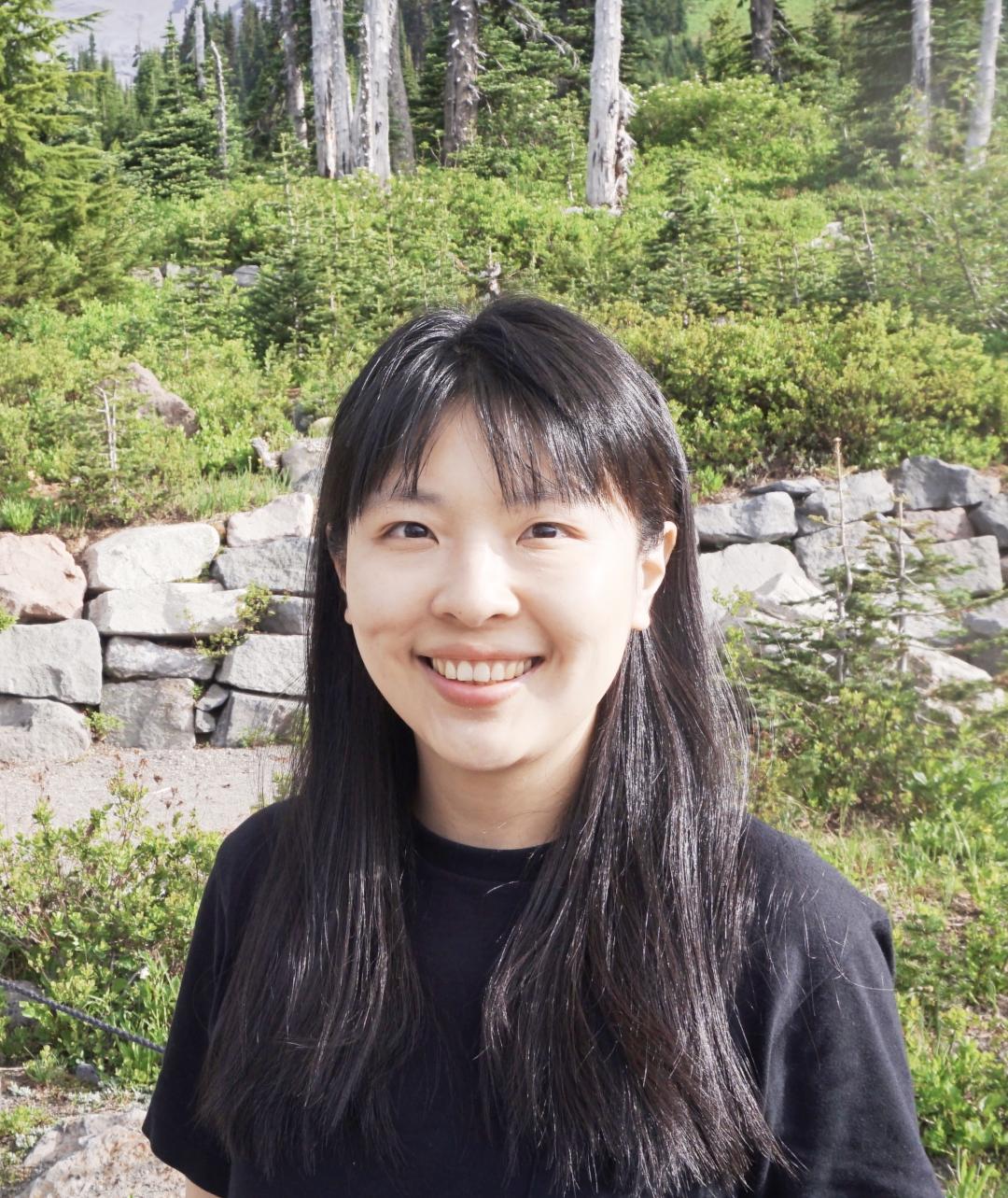
Mathematician Chad Giusti spoke with MAA FOCUS, the news magazine of the Mathematical Association of America.


Chad Giusti is an assistant professor of mathematics at Oregon State University. He works in pure and applied topology, with applications principally in neuroscience and complex systems. His work has appeared in journals such as PNAS and Crelle’s and has been supported by the NSF, AFOSR, and AFRL. Here, we learn about the fascinating work Chad has done in applying the tools of topological data analysis to problems in medicine and biology.
You are an expert in topological data analysis (TDA), a field that many people in our community are unfamiliar with. How would you describe TDA to someone who just finished the calculus sequence? How would you describe TDA to someone who has taken a standard introductory course in topology?

The usual quip is that topological data analysis characterizes complex systems or data in terms of qualitative notions of “shape.” I think this is at the same time too vague and too specific.

Calculus students are adept at describing shape in qualitative ways. A common exercise is to read off various information about a polynomial by looking at its graph or the graph of its derivative. By counting extrema and roots, examining behavior “at the ends,” and so on, we can determine things like the minimum possible degree, sign of the leading coefficient, and so on. While these are, in principle, numeric answers, they aren’t exact measurements — they’re bounds and ranges of possible values. Even if I only provide a scattering of points on the graph of the polynomial, it’s not much harder to provide the same data about the underlying polynomial.

For students, I would say that topology, particularly algebraic topology, provides a set of mathematical tools for a similarly qualitative characterization of more complex shapes: surfaces and higher dimensional analogues called manifolds, and more abstract structures like graphs. We most commonly formalize “qualitative” as meaning “up to continuous deformation” — stretching or compressing, without cutting or gluing. A circle remains a circle, topologically, even if we stretch it into a wiggly mess as we might do with a rope, so long as we don’t cut it open into a long strand or glue distant points together. This flexibility reduces the specificity of what we can say about systems, but it makes these descriptors more applicable in the presence of noise or incomplete data, both of which are particularly pernicious in biological and medical applications.

Students in an undergraduate topology course might not recognize much of what we do in TDA immediately. However, many will have seen the fundamental group of a topological space, or the topological classification of smooth surfaces, which are cousins of the kind of measurements and classifications we employ when studying “shape” in applications. However, data is rarely given to us in the form of a topological space—we must build approximations of our spaces from things like finite collections of points sampled on (or noisily near) a surface we want to study.

Currently, the most common tool used in TDA is called persistent homology, which characterizes how qualitative features of a shape evolve as some parameter changes. The parameter can be a measure of size (“how big are the features”), time (“when do the features appear”), or something more esoteric and domain dependent. Persistent homology gives us a collection of vector spaces associated to the space, much like the fundamental group gives us a group. By comparing these vector spaces across different data sets—results of some experiment under different conditions, for example—we can use the similarity or differences between the evolution of features to reason about how the underlying systems compare. Differences in shape can point to differences in organization in a complex system. For example, neural activity that encodes the head direction of a mouse is well-described by a circle, but that which describes the head direction of a bat generally requires a shape that can encode three dimensions of motion. (In fact, experimentally it appears to be a torus, not a sphere!)

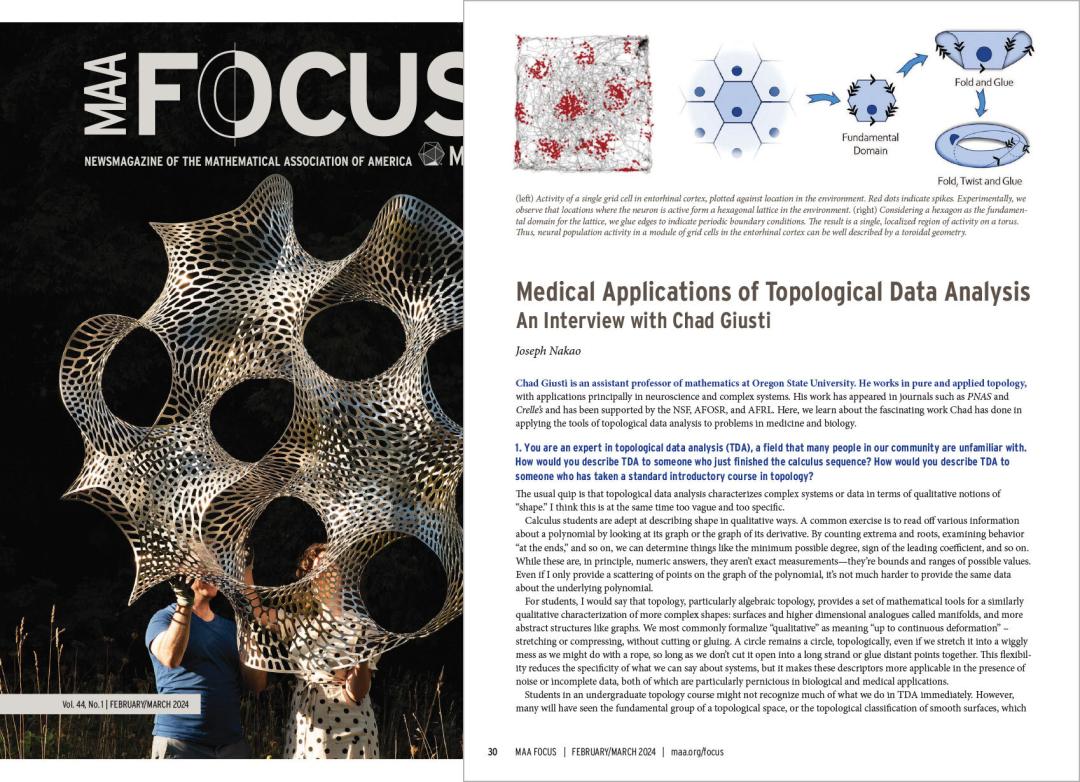
Image of a MAA FOCUS magazine article.

Image of Chad Giusti's MAA FOCUS magazine article.

You apply TDA to current problems and systems that arise in biology and medicine. Can you elaborate more on those applications and what got you interested in pursuing them?

When I think about my applied work, I usually place it in the field of theoretical neuroscience, in the context of developing a theory of how neural populations encode information and perform computations. It turns out that many of the models that neuroscientists have developed to describe these phenomena “look” topological in the sense that it’s easy (for an applied topologist like me) to imagine formalizing them using language from TDA.

In fact, this is how I first got started in the area. As a graduate student, I worked in pure algebraic and geometric topology studying spaces of knots, though my projects always had a computational bent. One year on the job market, I had two offers: one to go to Belgium and work on this very theoretical type of mathematics, and another to go to Lincoln, Nebraska and try to apply topology to the study of neural codes. The PIs on that project, Vladimir Itskov and Carina Curto, showed me some pictures of place fields, which diagram how individual neurons in the hippocampus respond to an animal’s location in its environment.

These look a great deal like the topological notion of a “cover” of a space, which is one of our fundamental tools for studying shape. Their notion, which turned out to be an excellent one, was that we should be able to use tools from TDA to study this structure in neural activity, providing a platform for mathematically formalizing some of these informal models. The idea of developing an entirely new way of studying how the brain works—and doing it using all of the abstract math I’d fallen in love with in graduate school—was a very compelling offer.

I think it’s important to note that, as compelling as the offer was, pursuing this route was a risky decision. Novel applications of mathematics, particularly areas of math that aren’t well established for applications, very often don’t gain traction or take many years to do so, and a postdoc project that doesn’t go anywhere usually doesn’t lead to further employment. I had the privilege to be able to take that risk in large part because I had a strong economic and personal support system, including skills that would allow me to seek alternative employment if the project didn’t work out. It would behoove us to provide more support to early career academics so it’s easier to take these big risks.

Lastly, I should note that my own narrow conception of my work is not exactly accurate: I’ve done or supervised projects in human neuroscience/neurology, physics of granular media, plant/pollinator networks, collective behavior of swarms, and elsewhere. I’m currently working with researchers on problems in climate science and cancer genetics. I suppose the point is that it doesn’t take a lot of persuasion to get me interested in a good problem.

Read the rest of the article

Read more stories about: news, faculty and staff, mathematics


A series of colored circles on a blue background.

Classroom puzzles to cosmic insights: Students and professor demystify mathematical theorem

By Hannah Ashton

Central forces that decay as 1/r² are special, as they guarantee that all bound orbits are going to be closed (Bertrand's theorem). Small changes in the power will lead to significantly different kinds of orbits.

More than 150 years ago, Joseph Bertrand stated a mathematical theorem. Proving why this theorem is true hasn’t been a simple endeavor.

Two College of Science alumni, along with professor Patrick De Leenheer, recently published a paper in the SIAM Review pulling back the curtain on Bertrand’s Theorem. Together, they wrote a proof that is accessible to undergraduate mathematics or physics students.

Bertrand’s Theorem states that among all possible gravitational laws, there are only two exhibiting the property that all bounded orbits are closed, Newtonian and Hookean gravitation.

“If we didn’t live in a gravitational field governed by Newtonian gravitation, the world would be very different and far more unpredictable. For example, we would probably not have seasons,” De Leenheer said. “It’s kind of remarkable that gravity operates in this way. Among all the possibilities, truly infinite, this is the one that we live in and that’s just astounding.”

In the simplest terms, the group started by using a process of elimination, by first showing that gravitation must follow a power law. Next, they narrowed down the power laws until only two of them remained. And finally, they checked that both of these had the property they were looking for.

De Leenheer remembers taking his first physics class in high school and questioning the formula, R: F = G(m1m2)/R2. De Leenheer wanted to know why it was R-squared. Why not R cubed or something different? This led him to Bertrand’s Theorem. He couldn’t find a proof of it, leaving him to wonder why it was true.

Headshot of Patrick De Leenheer on campus

Patrick De Leenheer

John Musgrove, ‘20, and Tyler Schimleck, ‘21, heard about the theorem in De Leenheer’s Vector Calculus 2 course and approached him after class. He enthusiastically brought them on board what turned into a five-year project.

“For me, it was my first time jumping into real mathematical literature. Reading papers by other mathematicians working on the same problem and diving into their research was super exciting for me,” Musgrove said.

Having access to undergraduate research helped both of them successfully pursue a postgraduate degree.

Musgrove graduated from Columbia University with his MS in Operations Research and Schimleck is currently a graduate student at UC Santa Barbara in the Department of Mathematics. Schimleck is interested in differential geometry and mathematical physics.

“It can be so scary at first if you try to read mathematical literature. There is a huge gap between a lot of high-level research and what you learn in undergrad,” Schimleck said. “Doing undergraduate research was a massive confidence boost that helps me say, ‘No, it’s okay, I can do this. I may not understand it at first but eventually, I’ll figure it out and it’ll be okay.’”

Working with a faculty member can be equally terrifying but Musgrove and Schimleck said De Lehneer helped every step of the way.

“One of my favorite things about working with Patrick, would be sitting there in the room and we’re staring at equations on the blackboard in silence for a few minutes and then we will have an “Aha” moment and Patrick will actually say “Aha” and go run to the blackboard with the solution,” Musgrove said. “It's labor. Math doesn’t look appetizing but once you are in it, the energy and emotions sustain the whole thing.”

He said that in a typical undergraduate classroom, students don’t get to experience facing a wall because everything is set up with an answer already.

“That’s the difference with doing research, there is nobody who will tell you the answer. You just have to keep looking at it and thinking about it. There are no shortcuts,” he said.

De Leenheer said it feels like serendipity that a question he had as a young adult, he was able to answer years later.

“I got to know two guys here in class and they showed excitement and they had the dedication, they never quit. Even today I am still thinking about it and it baffles me when I talk to people about this result. All together it was very rewarding,” he said.

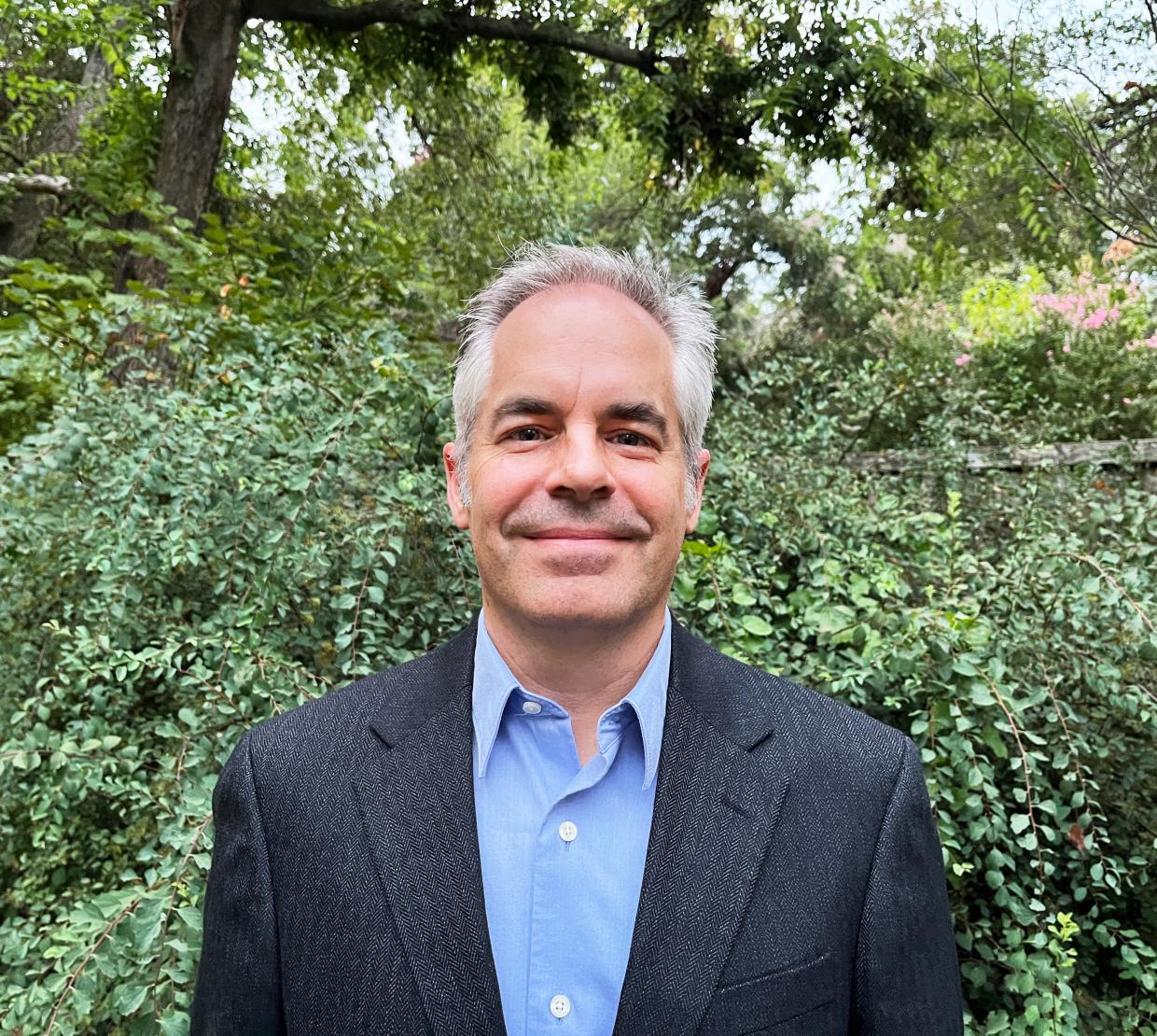
Professor Jon Kujawa stands in a suit coat and smiles in his headshot outdoors surrounded by greenery.

College of Science welcomes new Hartmann Faculty Scholar as incoming Department Head of Mathematics

By Erica Martin

The College of Science is excited to announce Professor Jonathan Kujawa as Department Head of Mathematics following a competitive national search, effective January 1, 2024. Kujawa brings expertise in departmental leadership as associate chair of the Department of Mathematics at the University of Oklahoma, as well as extensive research experience and undergraduate, graduate student and postdoctoral mentorship.

“I am thrilled to welcome Jonathan Kujawa as our new mathematics department head. An astute leader, he deeply understands the critical role a strong mathematics program plays in shaping the success of all STEM programs. His track record demonstrates a commitment to impactful research and communication, undergraduate mentorship, community outreach and inclusive mathematics education – aligning well with our department and College strategic goals,” said Vrushali Bokil, interim head of the College of Science.

“I am confident he will lead the department in casting a vision and creating an environment that nurtures and champions innovation, contributing to successes at Oregon State University and beyond.”

Honored last year with the University of Oklahoma’s Nancy Scofield Hester Presidential Professorship in recognition of professional excellence, including teaching and mentoring, Kujawa is passionate about making mathematics accessible to all. His work can be found in his regular column on mathematics in 3 Quarks Daily which targets the math curious as well as in well-regarded journals like Advances in Mathematics, Algebra and Number Theory, International Mathematics Research Notices, and Compositio Mathematica. He has helped organize the annual Math Day for high school students and previously served as the advisor to the undergraduate Math Club.

In addition to finishing a five-year term as the associate chair of the mathematics department at the University of Oklahoma, Kujawa has served on the math department’s executive committee twice. His role entailed determining departmental policies, supervising faculty and performing administrative tasks to ensure its smooth operation and academic excellence. His experiences have led him to believe that leadership in academia works best when it is based on communication, transparency and shared governance.

“Oregon State is well known in the mathematical community for its excellence in research as well as its commitment to teaching, mentoring, and community,” said Kujawa.

It is truly an honor to have the opportunity to lead the department as it builds on its current strengths, and as it tackles the opportunities and challenges that lie ahead.

Kujawa received a Ph.D. in mathematics from the University of Oregon and a B.A. in mathematics from Gustavus Adolphus College. His research interests center around representation theory and Lie theory – particularly their connections to algebraic geometry, low-dimensional topology, and algebraic combinatorics – to understand the mathematics of symmetry. This field involves many areas of mathematics and other disciplines including physics, biology and art. His research has been funded by the NSF, NSA and the Simons Foundation. He currently serves on the editorial board of the Journal of Algebra.

The senior member of a small research group funded by the American Institute of Mathematics, Kujawa is visible in the research community, regularly publishing in academic journals and making meaningful contributions to ongoing discussions and developments in the field of mathematics.

Kujawa is also the newly appointed Hartmann Faculty Scholar, starting January 1, for a period of five years with an expectation to provide outstanding scholarship and leadership, enriching and enhancing the reputation of the department, the College and the university.

Professor Bill Bogley stepped down as the department head of mathematics at the end of June. His leadership in mathematics over the last five years contributed greatly to the department’s continued success and the College of Science expressed sincere gratitude for his service. As head, Bogley sustained the mathematics department amid daunting challenges created by the COVID-19 pandemic. Under his stewardship, the mathematics department committed to improving opportunities for women and underrepresented minority faculty and students, convening a Diversity, Equity, Justice and Inclusion committee in the department that adopted a statement of core values in 2021.

As of July 1, Professor of Mathematics Enrique Thomann accepted the position of interim department head in Mathematics. The department will remain in his leadership until Kujawa’s arrival, January 1. Thomann has previously served as Head of Mathematics and is deeply dedicated to continuing to serve the mathematics community.

Interim Dean Bokil and the college leadership expressed sincere thanks to Professors Bill Bogley and Enrique Thomann for leading the Department of Mathematics and helping the department to smoothly transition to new leadership. They thanked the mathematics head search advisory committee for their tremendous service to the college and for their collaboration in completing a successful head search for the department.


Read more stories about: news, faculty and staff, mathematics


Tree-lined path in OSU commons

New Faculty Hires 2022-2023

The Mathematics Department is pleased to welcome into our community one visiting professor, Murat Kol, as well as several new instructors (in the past 12 months), Ali Ahammed Mozumder, Derek Eby, Lee Klingler, Gazi Mahmud Alam, Nina Gydé, and Christine Hoogendyk!


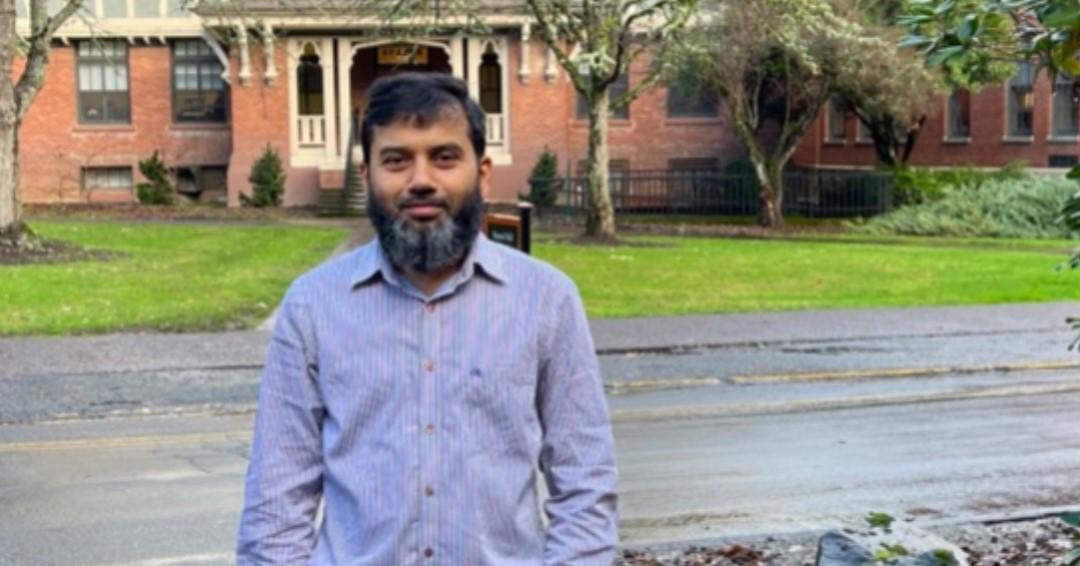
Ali Ahammad Mozumder

Ali Ahammad Mozumder

Ali Ahammed Mozumder received his M.S. and Ph.D. in Mathematics from the University of Texas at Dallas in 2021 and 2022, respectively, under the supervision of Prof. Susan Minkoff and John Zweck. Dr. Ali's research interests include mathematical modeling and numerical simulation of photoacoustic trace gas sensors, sensitivity analysis, and scientific computing. He spent 11 years teaching various levels of mathematics across multiple public and private colleges in Bangladesh after receiving his B.Sc. and M.S. in Mathematics from the University of Dhaka.

“To me, teaching mathematics entails establishing a friendly academic relationship with students so that they feel comfortable asking questions and motivated to put in the extra effort required to succeed in the course. I don't want my students to believe what I tell them without questioning what, how, when, and why. When I see my students' sparkling eyes, glowing faces, and priceless smiles as they learn from me, it gives me a heavenly feeling.” - Ali Ahammed Mozumder

In his spare time, he enjoys spending time with his family and watching television news.


Derek Eby

Derek Eby

Derek Eby earned a B.S. in Mathematics and a B.A. in Spanish from the University of Indianapolis in 2009, and an M.A. in Mathematics from the University of Colorado, Boulder in 2012. His research was in the probability and statistics field developing a method to fractionally difference autoregressive integrated moving average time series. He has spent 11 years teaching math, most of that full-time at as an assistant professor at the University of Alaska Southeast in Juneau and back at his alma-mater CU Boulder as a lecturer. In between those stints, he also ran a private consulting business for data analysis in the natural science and educational fields as well as translating projects for various universities.

"I believe teaching mathematics is my calling and there is no such thing as ‘not a math person’; it is merely a subject that is understood in widely different ways and at varying levels of mastery. My job and challenge is getting students to the appropriate level of math for use in their careers and teaching them in the way that they learn best." - Derek Eby

As an instructor at Oregon State University, he is excited to join wonderful teams of teachers as well as a large cohort of colleagues that is already impressive. He has now lived in at least six different states, has visited all 50, and enjoys traveling domestically and internationally. He likes music, sports, and outdoor activities wherever he is but especially loves the PNW, nature and disc golf, as well as having his cat and partner in his Corvallis home!


Lee Klingler

Lee Klingler

Lee Klingler earned a BA in mathematics and philosophy from Lebanon Valley College and an MS and PhD in mathematics from the University of Wisconsin-Madison, a long time ago. He spent his professional career at Florida Atlantic University, from which he retired last August. His mathematical research has centered around commutative ring theory and modules over Noetherian rings, but he also has a deep interest in the teaching and learning of mathematics, at all levels. Before his retirement, he helped design Learning Assistant materials for precalculus and calculus classes, and he looks forward to working with students at Oregon State University.
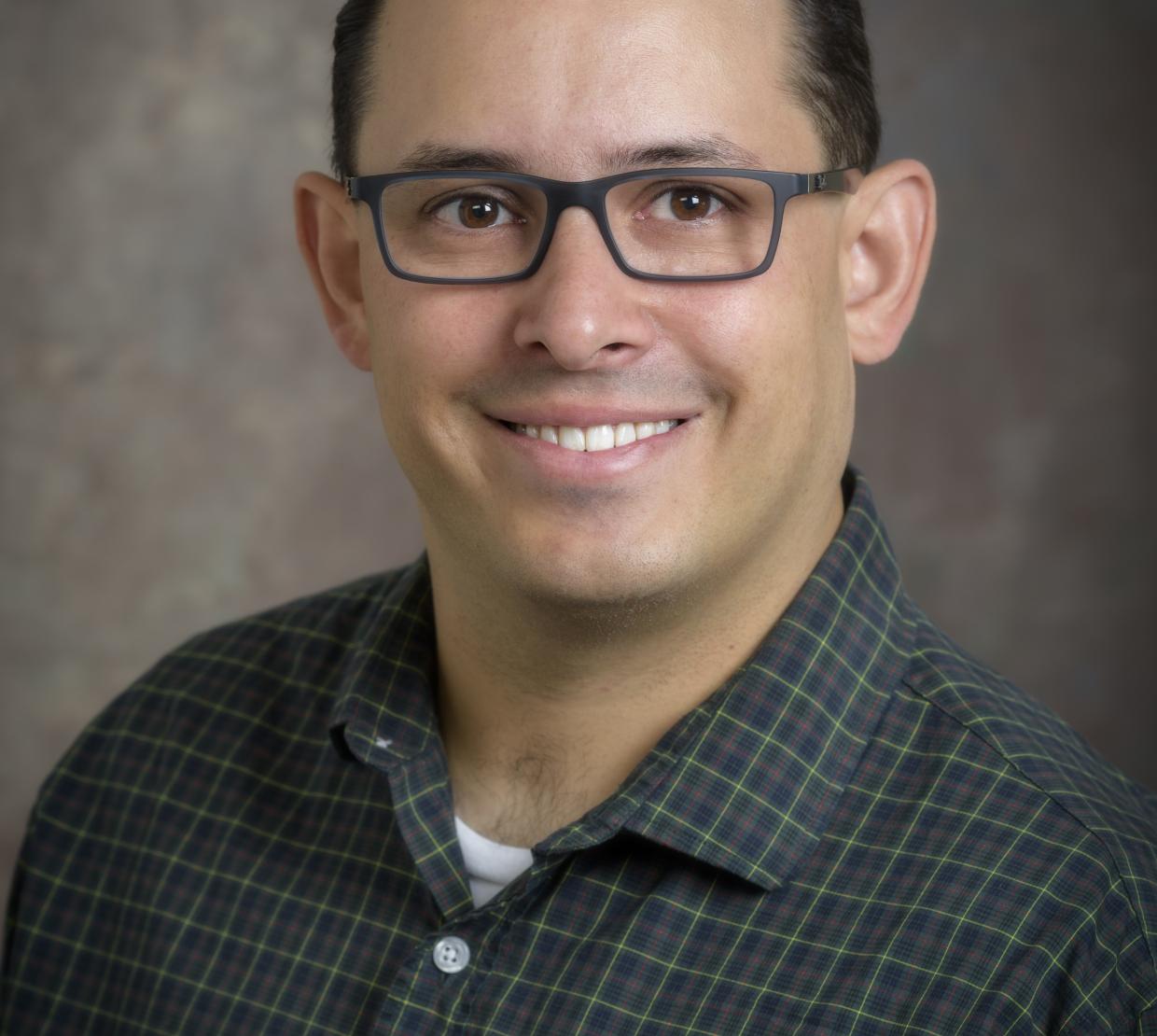

Murat Kol

Murat Kol

Murat Kol earned B.Sc. in Mathematics Education, M.Sc. in Secondary Science and Mathematics Education, and Ph.D. in Secondary Science and Mathematics Education in 1999, 2014, and 2022 respectively at Middle East Technical University (METU). After graduation, he worked as a mathematics teacher, textbook author, and administrator at various school levels for 12 years. During this teaching experience, he realized that if technology is used effectively, it can make a significant contribution to mathematics education. By carrying this awareness to the academic field, he decided to carry out his academic studies at the center of technology in mathematics education. In addition to technology, he continues his academic research on teacher education, mathematical modeling, mathematical reasoning, argumentation, and proof. Calculus and discrete mathematics are the subjects he enjoys teaching the most. In addition, mathematics education method lessons, in which he especially enjoys sharing his experiences about classroom dynamics with prospective teachers, are among his favorites.


Gazi Mahmud Alam

Gazi Mahmud Alam

Dr. Alam (he/him/his) received his Ph.D. in Mathematics from the University of Alaska Fairbanks in May 2022. His dissertation was related to solving control problems for partial differential equations on quantum graphs. Dr. Alam earned his MS in Applied Mathematics at Stockholm University, Sweden in April 2013. His MS thesis was on the Iterative Solution of Large Scale Statistical Inverse Problems at the Max Planck Institute for Dynamics of Complex Technical Systems, Germany. Before joining as a Ph.D. student at the University of Alaska Fairbanks he worked as an assistant professor at the Military Institute of Science and Technology (MIST), Bangladesh. Previously, he worked as a lecturer and assistant professor at the Bangladesh University of Business and Technology (BUBT), Bangladesh.
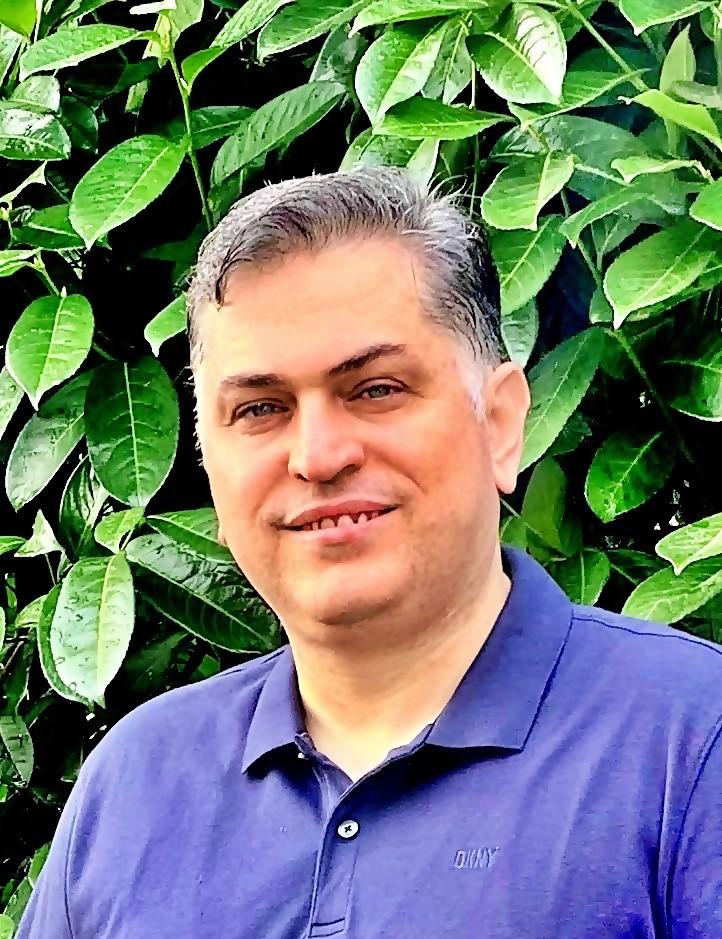
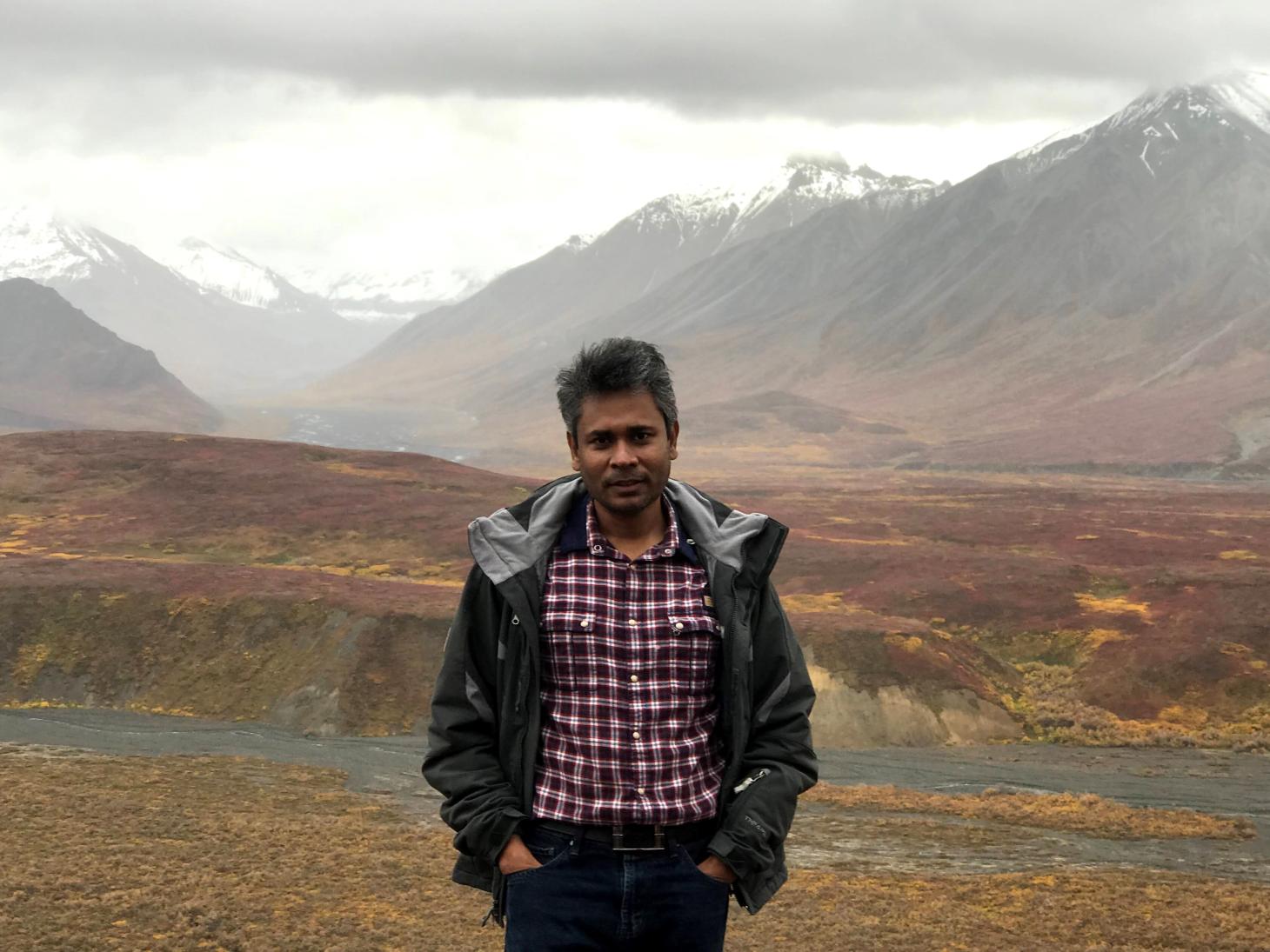
I believe that every student has a unique learning style and is well-equipped for learning mathematics. As a teacher, I strive to create an environment that fosters a student-centered learning approach inspired by the famous quote of Benjamin Franklin, "Tell me and I forget. Teach me and I remember. Involve me and I learn." - Gazi Mahmud Alam

A few of his favorite subjects include Ordinary Differential Equations, Partial Differential Equations, Operations Research, and Numerical Analysis. He enjoys traveling, running, playing badminton, and watching cricket in his free time.


Nina Gyde

Nina Gydé

Nina Gydé earned a BA in Mathematics at the University of Oregon, and also completed their Secondary Education program for Oregon teaching certification in Advanced Mathematics. She earned her MA in Mathematics at Oregon State University with an emphasis in Applied Mathematics. She has held teaching positions at colleges, community colleges, and K-12 public schools in Oregon and Washington, and is excited to return to Oregon State. In addition to her specialty of Applied Mathematics, Nina's academic interests include Music, Physics, Curriculum & Instruction, Biology, and Engineering.


Christine Hoogendyk

Christine Hoogendyk (she/her/hers) earned her B.S. in Mathematics from Cal Poly Pomona in 2019 and her M.S. in Mathematics from Oregon State University in 2022 under the guidance of Mary Beisiegel. She enjoys learning about mathematics education and enjoys looking for new ways to introduce the topics in the courses she teaches.

“Math classrooms can be a scary place for many students. Making mistakes are a big part of learning anything new, but especially mathematics. However, students often feel as though making mistakes is bad in math because there should be a correct answer. When I teach, I want my students to know that I’m there to help them grow their knowledge and not to judge them for where they started or where they are at.” - Christine Hoogendyk

In her free time, Christine is often swimming, doing ceramics, or playing some video games to wind down.


Read more stories about: news, faculty and staff, mathematics


Subscribe to News