Biochemistry & Biophysics

Biochemistry & Biophysics

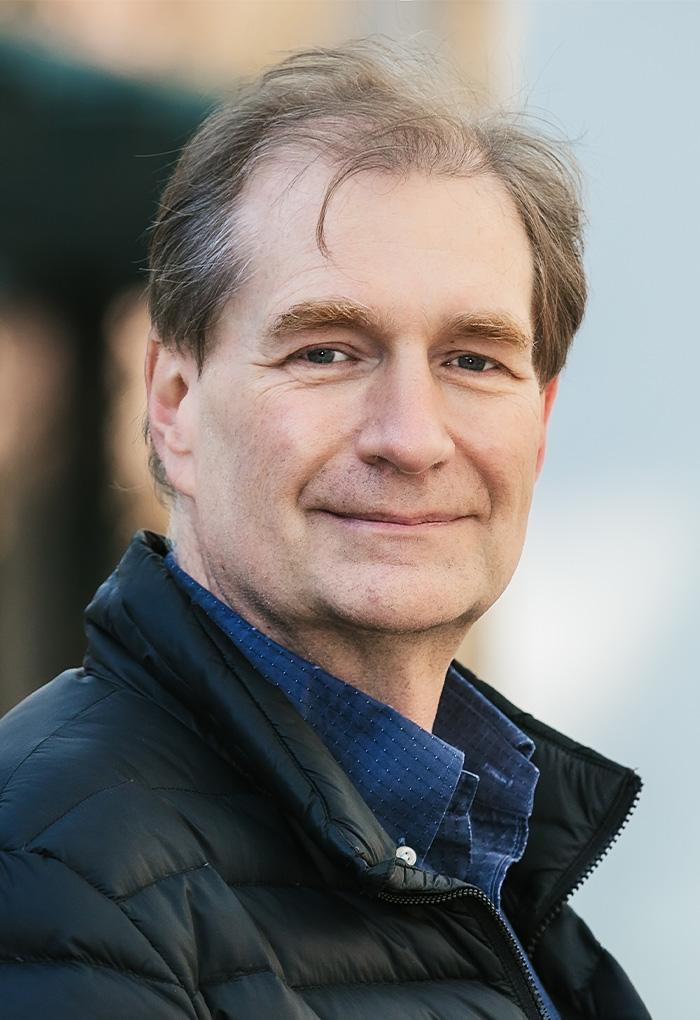
Myriam Cotten

Myriam Cotten

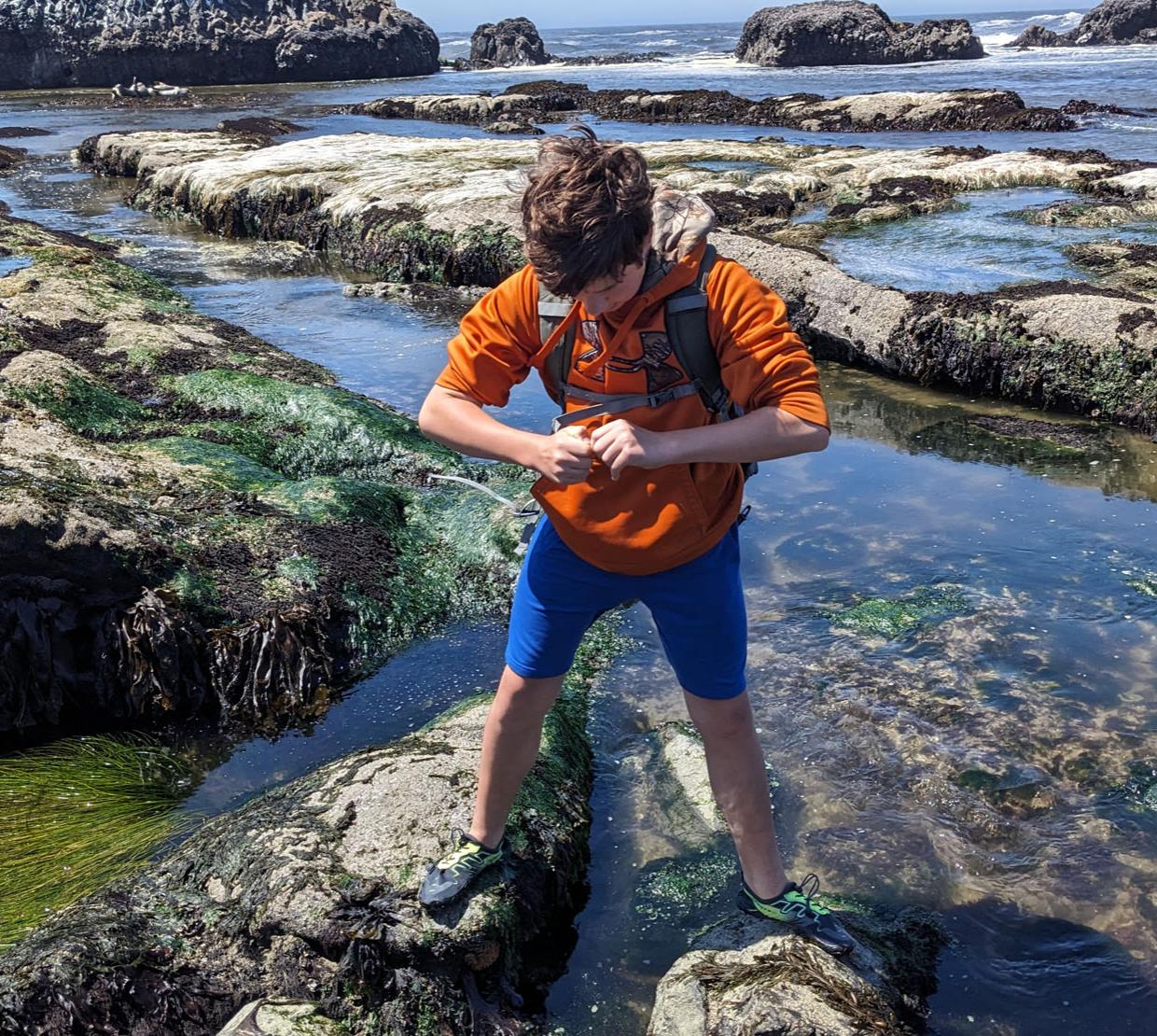
A kid stands in the water holding wildlife on the Oregon coast

Building bridges: College of Science outreach fosters science literacy and inclusion

By Hannah Ashton

Students from the Jamie Cornelius Lab helped plan Wild about Wildlife, a three-day summer camp for middle school students where they learned about biological science through experiences and field excursions to Hatfield Marine Science Center and the Chintimini Wildlife Center. Photo by Victoria Quennessen.

The College of Science is dedicated to enriching our community and promoting science literacy. Our recently launched Strategic Plan emphasizes making meaningful contributions on local, national, and global scales. Across our seven departments, we are actively implementing outreach initiatives that align with our mission to engage and create a positive societal impact. Last year, we supported events such as Discovery Days, Juntos Family Day, and others, all aimed at fostering a deeper understanding and appreciation of science..

Discovery Days is held twice a year as an opportunity to engage with local elementary school kids for a hands-on STEM fair experience. This event gathered more than 1,500 students and 300 OSU students, faculty and staff volunteers. In collaboration with Open Campus, Juntos Family Day provided Latinx students and their families with a dynamic college exploration experience in spring 2023.

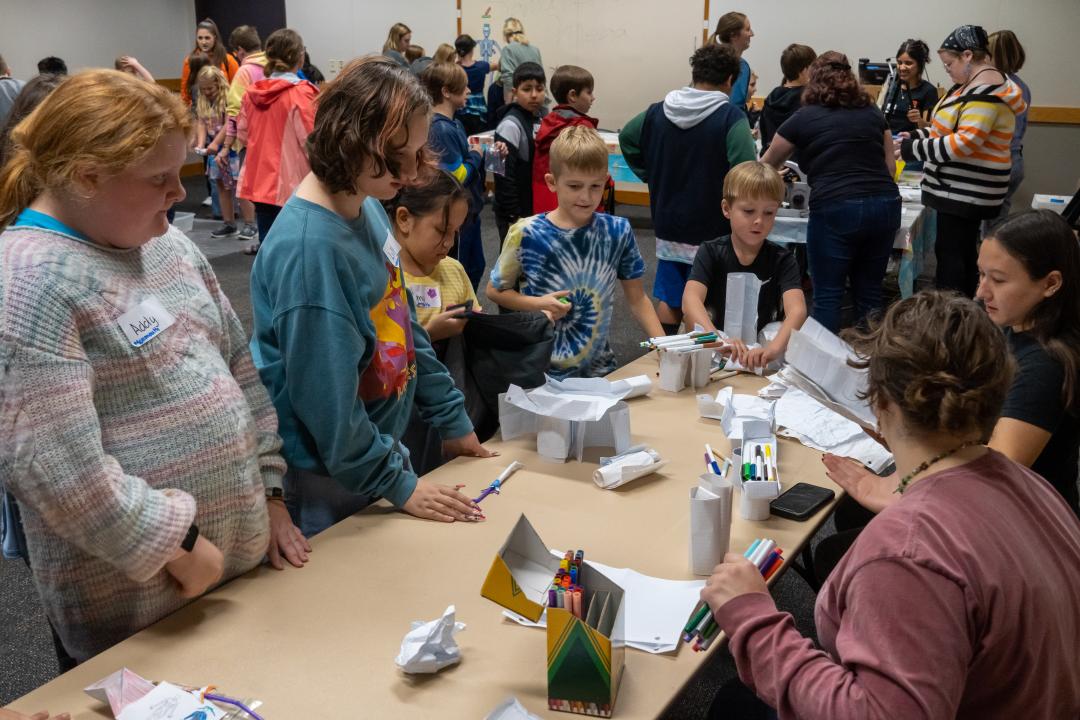
Students gather around a table.

Students participating in Discovery Days gather around a table for a fun hands-on STEM activity.

Our departments also prioritize creating access to science education and research, fostering community relationships and developing needed services.

Microbiology outreach makes science more colorful

The College of Science’s microbiology department created the Pernot Microbiology Camp to draw more local students from BIPOC, LGBTQ+, low-income and other diverse backgrounds to the study of microbiology. Faculty in the department also offered a session on Microbiology for the Advocates for Women in Science, Engineering and Math Club for both 5th grade and high school students. Microbiologist Jerri Bartholomew created the Art-Sci collaborative to build a bridge between art and science. This involves public galleries showcasing student work and local artists. The department also hosted internationally acclaimed microbiologist Jo Handelsman for the inaugural Berg Lecture. Open to the public, this lecture drew community members, students and faculty.

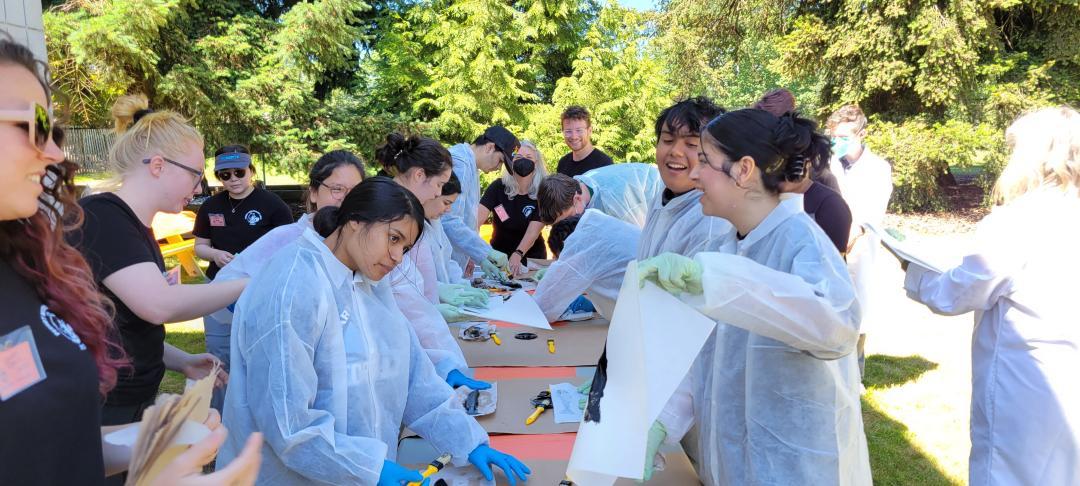
High school students work on fish rubs.

High school students work on fish rubs during the Pernot Microbiology Camp.

Statistics collaborates with Oregonians

The statistics department participated in the Statewide Crop Load Project annual meeting to discuss results with vineyard managers and wine producers in Oregon. Faculty also co-led a workshop in Lincoln County for the Pandemic Resilient Cities project to engage local public health, city officials, school representatives and more to begin a co-creation process for a National Science Foundation proposal. They discussed the needs of the county and priorities concerning future pandemic preparedness.

Physics brings science to high-school students

The physics department held lab tours for Corvallis High School students and created a Zoom version for Madras High School. Several faculty members also did presentations for the Corvallis High School Science Club. The department has a new outreach coordinator that will formally start in fall 2023.

Mathematics outreach seeks to break down common stereotypes

Members from the mathematics department organized the 2023 Math For All satellite conference. This event is an open and friendly space for people to gather and talk about mathematics, math education and how it relates to diversity, justice and equity. Professor Nathan Gibson organized a series of weekly Math Circle meetings for Franklin Elementary students. These circles aim to make mathematics fun, interesting, accessible and inclusive. The Association of Women in Mathematics OSU chapter also participated in many outreach events, including Discovering the Scientist Within, which aims to spark interest in science in young girls. The department also held its 38th annual Lonseth Lecture and invited alumna Corina Constantinescu (Ph.D. ’06) to talk about the “Mathematics of Inclusive Insurance.”

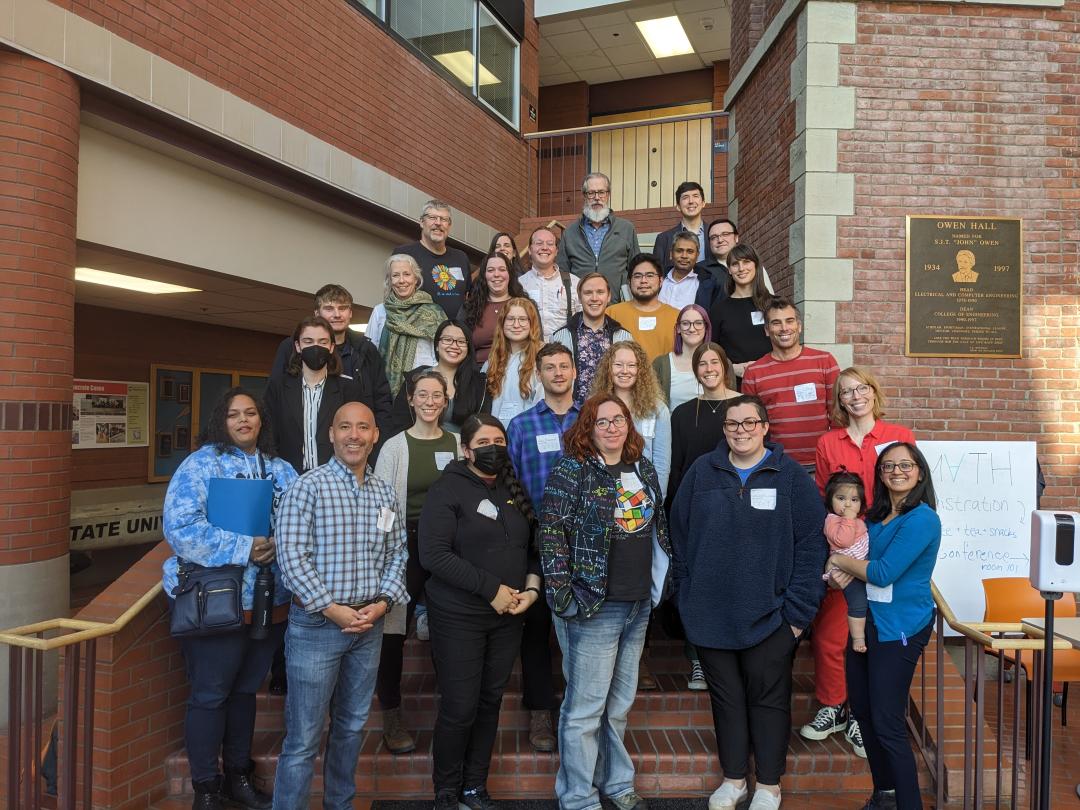
A group of individuals stand on a staircase for a photo during a mathematics conference.

Math for All participants pose for a group shot.

Integrative Biology shares research far and wide

The integrative biology department held its annual Doc Storm Lecture that drew more than 100 people to the LaSells Stewart Center. The Weis Lab participated in Meet a Scientist at the Oregon Museum of Science and Industry to educate visitors of all ages about the study of cnidarian-algal symbiosis and the threat of climate change on coral reefs. The lab also participated in OMSI After Dark. Students from the Cornelius Lab partnered with students from the College of Agricultural Sciences to plan Wild about Wildlife, a three-day summer camp for middle school students where they learned about biological science through experiences and field excursions to Hatfield Marine Science Center and the Chintimini Wildlife Center. In June, the department held its annual Robert M. Storm Distinguished Lecture. This year speaker George James Kenagy, Professor of Biology and Curator of Mammals, Emeritus with the University of Washington, spoke about "Survival in the Desert: Coping with Heat, Aridity, and Scarce Resources."

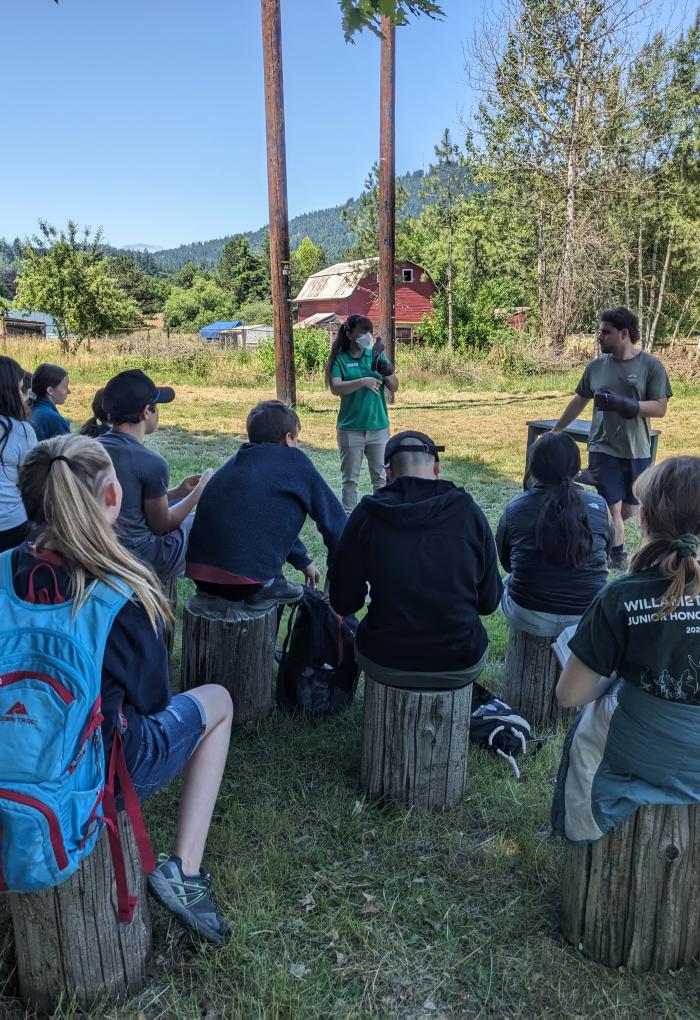
Students listen to a talk about birds.

Students in the Wild about Wildlife camp visit the Chintimini Wildlife Center.

Chemistry outreach helps high-school students find their passion

The chemistry department held the fifth annual Juntos Chemistry Overnight Camp in June. Twenty Latino high school students attended the camp from all over Oregon. The students participated in workshops and got an authentic taste of the OSU college experience. The department also held four lab tours for high school AP science students. Chemistry professor Marilyn Mackiewicz created a new week-long workshop called Ignite inSTEM designed to help students discover the wonders of designing nanomaterials.

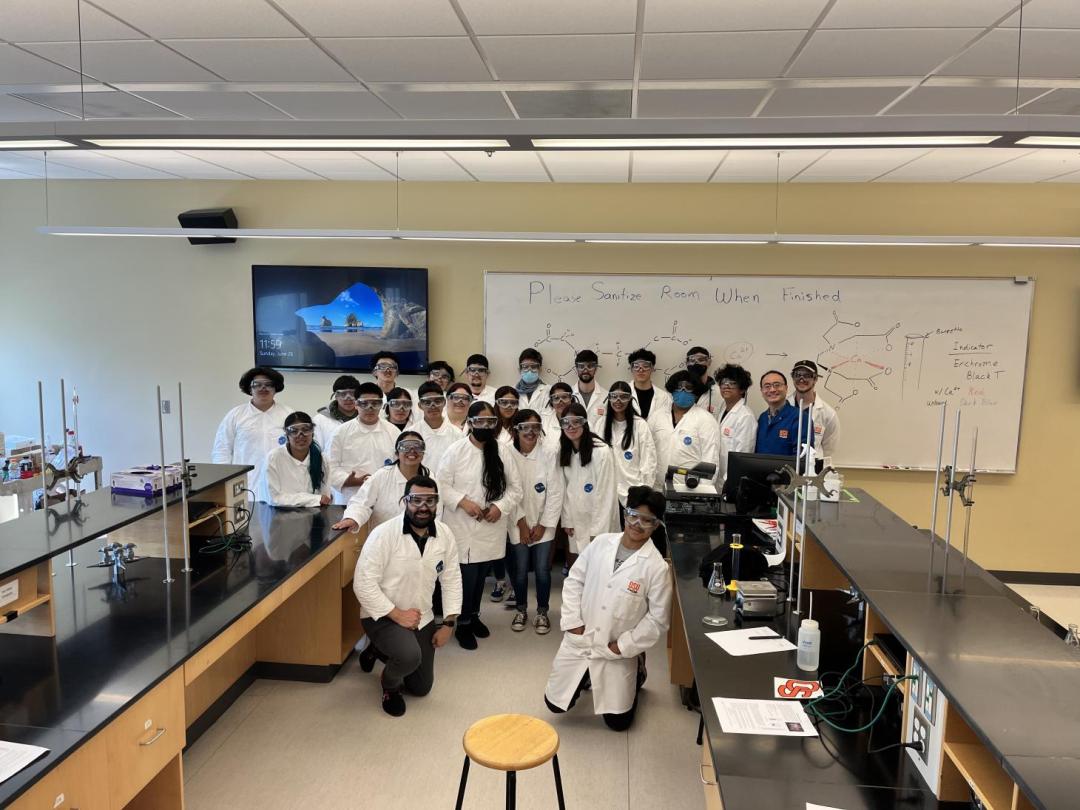
A group of students in white lab coats pose for a picture.

High-school students in the Juntos Chemistry Overnight Camp pose for a photo.

Biochemistry and Biophysics outreach has a national impact

The biochemistry and biophysics department was involved in middle school, high school and college outreach events. Faculty were involved in “How To Be A Scientist” and “Career Day'' at local middle schools. At the college level, faculty gave a science career talk at Idaho State University. Associate Professor Alysia Vrailas-Mortimer, just received funding to expand Fly-CURE RCN, a research coordination network that brings together faculty across the U.S. to create course-based undergraduate research experiences.

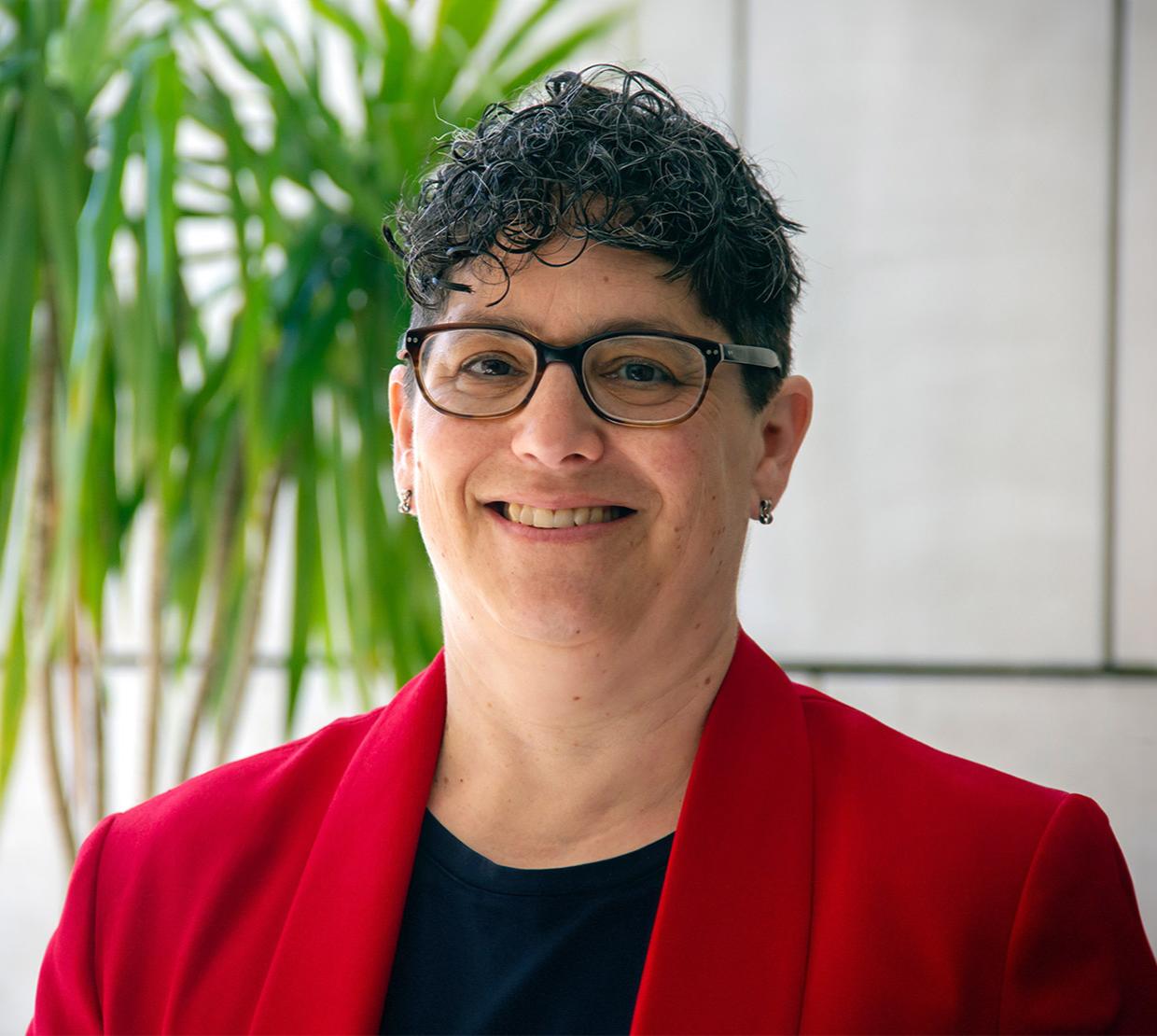
A woman with short dark hair poses for a headshot wearing a black shirt and red suit jacket.

Oregon State names new College of Science dean

By Sean Nealon

Eleanor Feingold, a statistical geneticist and associate dean with nearly 20 years of leadership experience at the University of Pittsburgh, has been named dean of Oregon State University’s College of Science. She will start Oct. 31.

“I am passionate about creative approaches to STEM education, diversity, equity and inclusion and research that has an impact on the state, nation and world,” Feingold said. “The College of Science and Oregon State University have tremendous strengths in these areas, and I am excited to further advance these endeavors.”

Oregon State’s College of Science is home to the life, statistical, physical and mathematical sciences. The college supports more than 4,000 students and brought in more than $18 million in research funding during the 2022 fiscal year.

“Dr. Feingold brings deep experience as a senior administrator in one of the nation’s leading research universities, and she has amassed an impressive portfolio of scholarship and teaching over the course of her career,” said Edward Feser, OSU provost and executive vice president. “As dean, she will be prioritizing further strengthening the College of Science’s research enterprise and advancing OSU’s goals in student success at both the undergraduate and graduate levels.”

Feingold has worked at the University of Pittsburgh since 1997. She has served at the university’s School of Public Health as associate dean for education, vice dean, chair of the Department of Human Genetics, and most recently associate dean for data analytics and special projects.

Read more here.

A physicist works to zoom in on a microscope

New grants to support breakthrough discoveries

By Hannah Ashton

Four-dimensional tissue self-assembly, integrated river health and ultra-tiny spectrometers: The 2022 College of Science Research and Innovation Seed (SciRIS) award recipients will use collaboration to fill critical knowledge gaps across numerous scientific disciplines to drive real-world impact.

The SciRIS program funds projects based on collaborative research within the College of Science community and beyond. There are two tracks through the program: SciRIS (Stages 1-3) and the SciRIS individual investigator award (SciRIS-ii).

SciRIS Stages 1-3 funds teams in three stages of increasing funding to support training, research and capacity-building, accelerating work toward external funding opportunities. SciRIS-ii funds individual faculty to establish research relationships with external partners, enabling them to demonstrate the feasibility of their ideas and quickening the pace of scientific discovery.

SciRIS-ii Awardees

The following three scientists received SciRIS-ii awards: Bo Sun, Clayton Petsche and Ethan Minot.

Associate Professor of Physics Bo Sun’s research aims to lay the foundation for programmable four-dimensional tissue self-assembly. Current technologies have been unable to harness these naturally occurring processes to assemble dynamic tissue structures for biomedical and therapeutic applications. Four-dimensional tissue self-assembly is critical for many physiological processes including acute wound healing and in lethal tumor metastasis.

Sun and his collaborator, Yang Jiao from Arizona State University, will be building on eight years of collaborative research in the field of cell mechanics and cell migration that has resulted in eight publications.

Associate Professor of Mathematics Clayton Petsche will use his SciRIS grant to help three graduate students complete sub projects within the realm of arithmetic dynamical systems. The research will be entirely student-focused and will help establish their research credentials before entering the postdoctoral job market.

Professor of Physics Ethan Minot will use his award to bring ultra-miniaturized spectrometer technology to Oregon State and pursue follow-up opportunities.

In 2022, with co-authors from Finland, Minot was part of a study published in Science that resulted in a powerful, ultra-tiny spectrometer. Contributing to a field known as optical spectrometry, their discovery could improve everything from smartphone cameras to environmental monitoring.

Minot plans to bring the technology to Oregon to grow the new field of research.

SciRIS Stage 1 Awardees

Four groups of scientists received SciRIS Stage 1 awards up to $10K.

Associate Professor of Statistics Yuan Jiang, along with Anna Jolles, professor in the Department of Integrative Biology, received a SciRIS Stage 1 grant for a project which will help fill a knowledge gap and provide crucial tools to understand microbial community dynamics.

The team will develop a novel analytical pipeline that harnesses longitudinal microbiome data to define the ecological roles of host-associate microbes. Although the accumulation of microbial communities is essential to animal health, there are few statistical routes adequate for characterizing microbial community dynamics through time.

Integrative Biology Professor Anna Jolles and Carson College of Veterinary Medicine Professor Claudia Häse will use their SciRIS Stage 1 award to study eco-evolutionary host-bacterial-phage dynamics. Collaborating with a researcher from the University of Louisiana, the group will be using the Pacific oyster and shellfish pathogen Vibrio coralliilyticus as a model system.

In a project entitled “Bioinformatics for integrated river health,” Integrative Biology Professors David Lytle and Anna Jolles, along with Justin Sanders from the Carson College of Veterinary Medicine, will bring together expertise across disciplines to provide an integrated approach to understanding river health. The group will combine expertise in bioinformatic and genetic methods for characterizing aquatic invertebrate communities, aquatic parasite and pathogen communities, and fish microbiomes. Samples will come from the lower Colorado River, an ecologically and culturally significant ecosystem.

Biochemistry and Biophysics Associate Professors David Hendrix and Colin Johnson, along with Professor of Chemistry Claudia Maier and Patrick Reardon, director of the Nuclear Magnetic Resonance Facility at Oregon State, received a SciRIS Stage 1 award to create a pipeline of computational and experimental methods for the prediction, identification and functional characterization of microproteins. Previously dismissed due to their small size, microproteins are now thought to play significant physiological roles including pathological roles in cancer progression.

Disease Mechanism and Prevention Fund

Researching Parkinson’s disease, Associate Professor of Biochemistry and Biophysics Alysia Vrailas-Mortimer received a grant from the College of Science Disease Mechanism and Prevention Fund for a project entitled “Why is a fly a good model to study my grandmother’s tremors?”

Similar to the SciRIS-ii, the fund is focused on assisting individual faculty efforts to establish research relationships with external partners for projects specifically related to health science.

Using fruit flies, Vrailas-Mortimer’s goal is to determine how a stress response protein protects against Parkinson’s-associated iron-induced oxidative damage. Parkinson’s affects over one million people in the U.S. and her research could provide the basis for future therapeutic strategies.

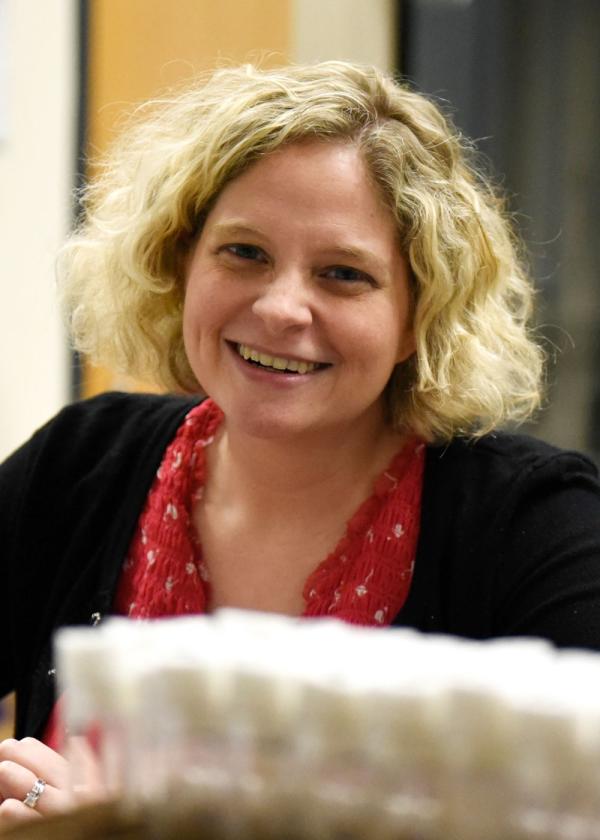
Alysia Vrailas-Mortimer

Alysia Vrailas-Mortimer

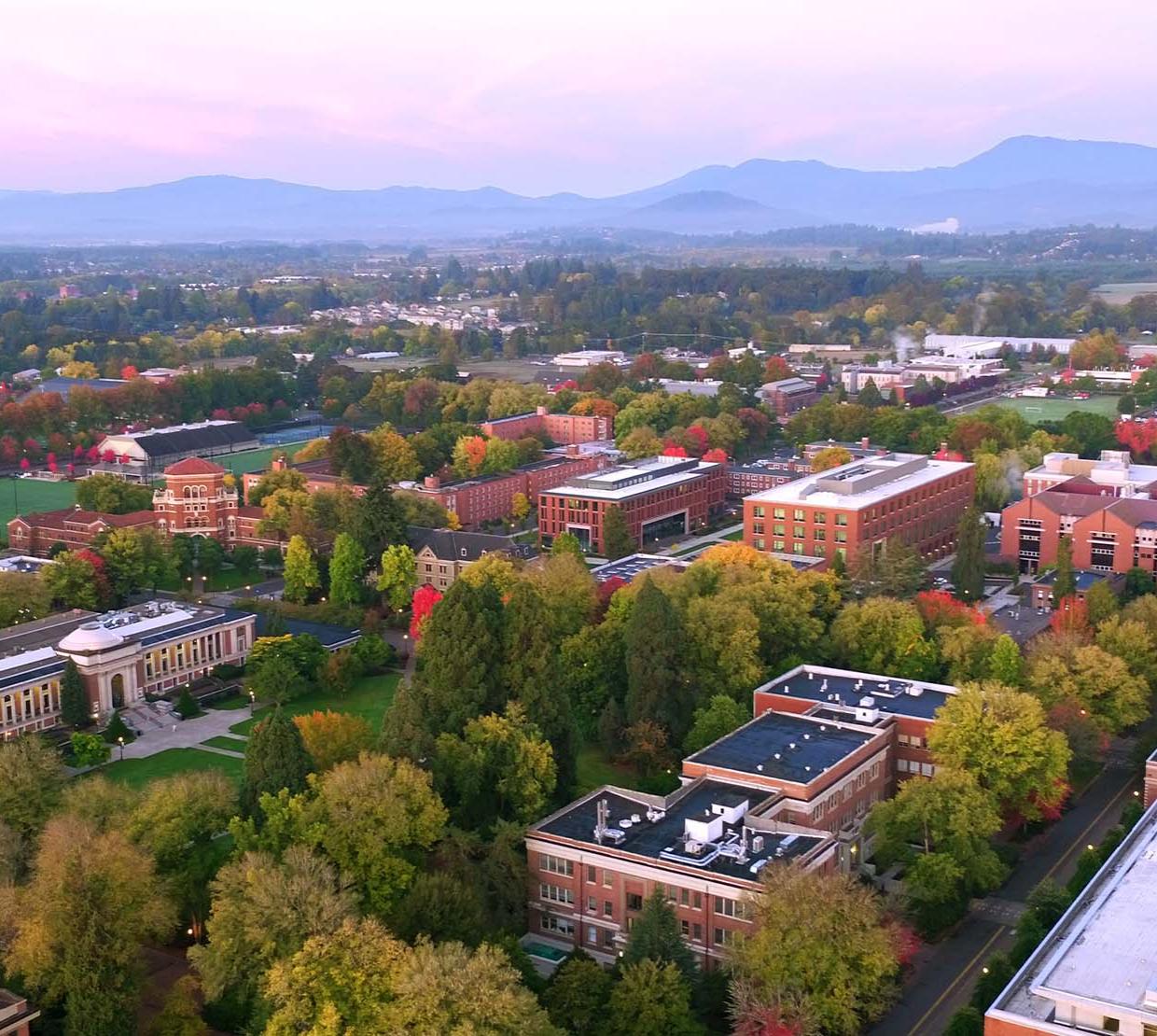
An aerial image of campus showing buildings and trees.

Meet the eight new faculty members bringing their expertise to OSU

By Hannah Ashton

The College of Science is excited to welcome eight new faculty members this fall. They bring diverse expertise in gravitational wave astronomy, applied topology, cancer treatment, age-dependent diseases and more. As researchers and teachers, they will help the College produce a high-quality science education that is equitable, accessible and inclusive of all learners while advancing scientific research and knowledge.

Biochemistry & Biophysics

Juan Vanegas

Juan Vanegas will be joining the College as an associate professor.

Originally from Colombia, Juan Vanegas received his bachelor’s and master’s degrees from Oregon State. After earning his Ph.D. in Biophysics from the University of California, Davis, Vanegas was a postdoctoral researcher at the Polytechnic University of Catalonia in Barcelona, Spain for two years before taking a second postdoctoral position at Sandia National Laboratories in Albuquerque, New Mexico. Since 2016, Vanegas has been at the University of Vermont as an assistant professor and then associate professor.

His research pivots around two fundamental questions at the interface between biology, physics, chemistry and engineering: What are the molecular mechanisms that transduce external forces during activation of mechanosensitive proteins, and what is the role of molecular structure in the elastic properties and mechanical response of cellular components such as lipid membranes.

Vanegas describes his teaching philosophy as somewhat non-traditional due to his experiences as a student and his highly interdisciplinary research interests. Some of his previous courses have included a “flipped classroom,” where after a mini-lecture students spent class time working on student led, hands-on computational exercises and programming tasks.

“This format allowed me to better understand common struggles that students encountered, and I was able to more readily help students when they needed guidance,” he said.

During his personal time, he enjoys being outside and woodworking. In fact, he built many of the pieces in his home.

Nathan Mortimer

Nathan Mortimer will be joining the College as an associate professor.

Nathan Mortimer received his Ph.D. in Genetics and Molecular Biology from Emory University and completed his postdoctoral fellowship there as well. He has been an assistant professor at the University of Warwick in the UK and Illinois State University.

Mortimer is generally interested in understanding how the activities of individual proteins can influence biology at the cellular and organismal scales. His research is primarily focused on understanding cell signaling mechanisms, particularly in the context of immunity and disease.

“I am very excited to be joining the Department of Biochemistry and Biophysics and the College of Science,” he said. “It provides an invigorating research environment with a broad range of expertise and top-notch facilities.”

In the classroom, Mortimer focuses on helping students integrate new facts into a broader contextual framework and apply their learning to further knowledge through scholarly research. He achieves these goals by relating new material to previous knowledge and encouraging research experiences.

Mortimer is a project leader for Genomics Education Partnership, a nationwide collaboration that develops curriculum and research questions to enable course-based undergraduate research experiences at a variety of institutions. The project he leads is based on research in his lab and has been implemented at more than 20 colleges and universities.

Outside of work he enjoys spending time outside and going for walks and hikes with his dog Rosie. He is looking forward to exploring the natural world around Corvallis, a very different landscape from central Illinois.

Alysia Mortimer headshot.

Alysia Mortimer will be joining the College as an associate professor.

Alysia Mortimer received her Ph.D. in Genetics and Molecular Biology from Emory University and completed her postdoctoral fellowship in aging and physiology there as well. She has been an assistant professor at the University of Denver and Illinois State University and an associate professor at Illinois State University.

Her research explores how and why humans age and the link between aging and age-dependent diseases such as Parkinson’s diseases, Charcot-Marie-Tooth Disease and muscular dystrophies.

In the classroom, she believes retention requires engagement. “I use an active learning approach in my classroom in which the students watch videos of the lectures at home and then in class we have discussions about the material and do a variety of hands-on activities to reinforce the concepts we discuss,” she said. “This approach also allows students to engage with the material in different formats that can accommodate a variety of preferred learning styles.”

In her free time, Mortimer is an artist, working with several different mediums such as acrylic painting, printmaking and textile arts such as knitting and crochet.

Chemistry

Addison Desnoyer headshot

Addison Desnoyer will be joining the College as an assistant professor.

Addison Desnoyer is originally from central British Columbia, Canada. He received his Ph.D. in Chemistry from the University of British Columbia. He then completed two postdoctoral research fellowships at the University of Minnesota and at the Natural Sciences and Engineering Research Council at the University of California, Berkeley.

“The resources and facilities that OSU offers for researchers are excellent. OSU is the kind of place that gives students all the tools they need in order to be really successful in their research endeavors."

The central theme of his research is to discover new ways to make interesting and useful molecules through the study of the fundamental reactivity of organometallic compounds. In particular, his goal is to use a combination of biorenewable starting materials and earth-abundant (and much less toxic) metal catalysts. The work will result in new methods to prepare novel organic molecules, which will be applied towards the preparation of pharmaceuticals, new monomers for the synthesis of novel materials as well as alternate fuels.

“The resources and facilities that OSU offers for researchers are excellent. OSU is the kind of place that gives students all the tools they need in order to be really successful in their research endeavors,” Desnoyer said. “Another important reason why I joined OSU is that the values of the Department of Chemistry align very well with my own. The department is authentically striving to improve in regard to equity, diversity and inclusion initiatives, as well as delivering an exceptional undergraduate program with significant research opportunities.”

When he is not teaching or in the laboratory, Desnoyer and his wife love to garden and make bread.

Integrative Biology

David Kikuchi headshot.

David Kikuchi will be joining the College as an assistant professor.

David Kikuchi is originally from Chicago and received his Ph.D. at the University of North Carolina at Chapel Hill. His thesis looked at the warning signals of coral snakes and their harmless mimics. Following graduation, he did postdoctoral research at Carleton University in Ottawa, Canada and the University of Arizona. Since 2019, Kikuchi has been a postdoctoral researcher in Berlin and Bielefeld, Germany, doing mostly theoretical work centered on the behaviors of predators and prey.

His research explores how animals make sense of the bewildering amount of information in their environments and the implications that their use of this information has for ecology and evolution. He also studies predator-prey systems and competition and cooperation between species.

“OSU has a world-class group of scientists in Integrative Biology and fantastic potential collaborations in other departments on campus,” he said. “I was furthermore impressed by the commitment that OSU has made to outstanding undergraduate education and redressing historical inequalities in academia, which are critical parts of my mission as a professor.”

In his free time, Kikuchi likes to cook and go mountain biking, rock climbing and running.

Mathematics

Nick Marshall headshot.

Nick Marshall will be joining the College as an assistant professor.

Nick Marshall completed his Ph.D. in Applied Mathematics at Yale in 2019 and received his undergraduate degree from Clarkson University. Before coming to Oregon State, Marshall was a National Science Foundation postdoctoral researcher at Princeton.

His research interests are focused on problems that involve interactions between analysis, geometry and probability, especially such problems motivated by applications to data science. Examples include problems involving spectral theory, group actions and invariance, data analysis and machine learning, and wavelet approximation theory.

“My teaching philosophy is based on inspiring students by sharing my excitement about the material,” Marshall said. “When teaching, my goal is to create an open environment where all students feel free to discuss ideas and voice questions.”

Aside from mathematics, Marshall enjoys a variety of outdoor activities including running, hiking, biking, skiing, rocking climbing and kayaking.

Chad Giusti headshot.

Chad Giusti will be joining the College as an assistant professor.

Chad Giusti earned his B.S. and Ph.D. in Mathematics from the University of Oregon, working in algebraic topology. In between his degrees, Giusti worked as a software engineer at Microsoft and Network Associates.

Afterward, he spent two years as a visiting assistant professor at Willamette University, during which time he was an MAA Project NeXT fellow. Giusti then moved to a postdoctoral researcher position at the University of Nebraska Lincoln. He then spent three years as a Warren Postdoctoral Fellow at the University of Pennsylvania, and subsequently took a faculty position at the University of Delaware, where he has been an assistant professor since fall of 2017.

His research focuses on applied topology, which utilizes recent ideas in geometry, topology and algebra to analyze nonlinear structure in high-dimensional data. From there, he develops mathematical and computational tools for the study of complex systems, which are primarily applied to neuroscience.

“There are a lot of great places to teach, to do research, or to do work that helps the community, but it's rare to find an environment that excels in and supports all of these endeavors,” Giusti said. “I have not spent a great deal of time on the OSU campus, but my interactions with the faculty and administration have uniformly shown me that our values are well-aligned across the breadth of our interests.”

Outside of the classroom he enjoys experimenting with new food and cuisines, playing board and video games with friends, listening to podcasts and spending time outdoors.

Physics

Jeffery Hazboun headshot.

Jeff Hazboun is joining the College as an assistant professor.

Jeff Hazboun is excited to return to Corvallis. He earned his master’s from Oregon State University and then his Ph.D. in Physics from Utah State University. Hazboun had two postdoctoral positions, one at the University of Texas and the other at University of Washington Bothell, both working with the North American Nanohertz Observatory for Gravitational Waves (NANOGrav) Physics Frontier Center.

Oregon State is the lead institution for the center, which received a $17 million award from the National Science Foundation. Under the direction of Professor Xavier Siemens, NANOGrav includes more than 250 students and scientists at approximately 18 universities.

Hazboun is primarily interested in gravity and searching for ways to understand it using astrophysics observations. This includes searching for gravitational wave astronomy with pulsar timing arrays.

“I decided to come to OSU because I like the faculty of the physics department and am excited about the growing astrophysics group,” Hazboun said. “The university seems like a very supportive place to mentor the next generation of scientists.”

Outside of the classroom, he enjoys white water kayaking, playing the banjo and spending time in the mountains with his wife and daughters.

DNA strands.

Research grants to seed the next great idea

By Grace Peterman

College seed funding supports diverse projects with the power to directly impact human quality of life.

Seed funding from the College of Science Research and Innovation Seed (SciRIS) program continues to bolster ambitious and expansive projects, empowering our scientists to delve into fundamental research discoveries and translate them into revolutionary applications. Founded in 2018, the SciRIS program provides funding for collaborative projects that pursue fundamental discoveries and create societal impact, accelerating the pace of research, discovery and innovation in the College of Science.

Between 2019 and 2021, the SciRIS program provided $763K in seed funding to scientists leading research projects in both basic and applied science and mathematics, with the potential to produce practical solutions for industry, people and the planet.

There are two pathways through this program, the SciRIS Stages 1-3 awards and the SciRIS individual investigator award (SciRIS-ii). The SciRIS Stages 1-3 program funds teams in three stages, ranging from $10K to $125K, to foster team development, build capacity and accelerate project development for procuring larger external grants, while the SciRIS-ii program provides funds ranging from $10K to $20K to individual investigators to establish partnerships, accelerate project development, generate data and manuscripts and foster proposal submissions.

The 2022 Science Research and Innovation Seed Individual Investigator awards (SciRIS-ii) are catalyzing initiatives that will open fresh pathways in science.

Supporting pure and applied mathematics, agriculture, gene therapy, molecular movie technology and quantum mechanics

Radu Dascaliuc, a man with glasses and a beard.

Radu Dascaliuc, associate professor of mathematics

Dascaliuc researches stochastic cascades and energy transfer in equations of fluid dynamics. The mathematics of fluid flows allow us to understand and predict the complexity of behaviors exhibited in fluids. Deeply rooted in questions of applied science and engineering, the proposed research is a part of a larger program aimed at exploring connections between the mathematics of equations of fluid motions and physics of fluids.

Part of the proposal is to organize a two-week summer collaborative research program for graduate and undergraduate students. This program will be devoted to attracting students from backgrounds traditionally underrepresented in STEM and especially in the field of fluid dynamics. The project will be structu­­red so that students without advanced knowledge in differential equations, mathematical analysis and probability can contribute and hopefully become interested and motivated to learn more about the mathematics involved. Funds for Dascaliuc’s SciRIS-ii project titled, “Stochastic Cascades and Energy Transfer in Equations of Fluid Dynamics” are provided by a generous gift made to the Robert W. Lundeen Science Faculty Development Award Fund.

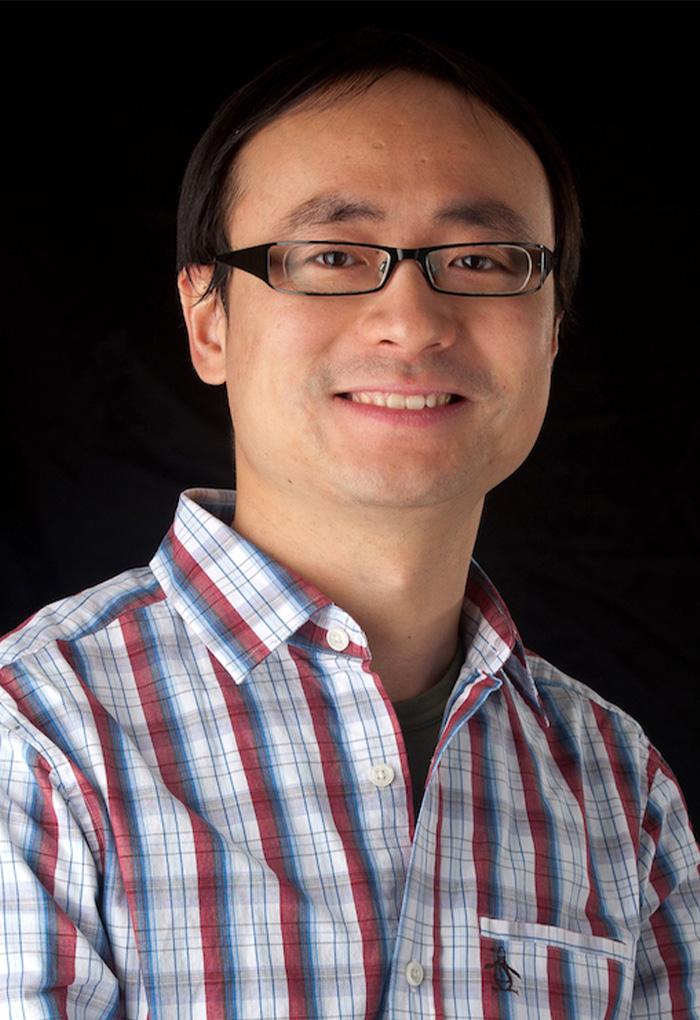
Yanming Di, a man with glasses standing outside.

Yanming Di, associate professor of statistics

In partnership with the Oregon State Seed Lab, Yanming Di innovates seed sampling devices and protocols. Seeding testing — used for determining seed lot quality and establishing seed value — is a fundamental phase of the agricultural marketing system. Getting an accurate subsample of seed depends on the accuracy and precision of the device used.

Devices and protocols developed by the OSU Seed Lab and the USDA in the 1970s are still considered state of art today, leaving ample room for further improvements. With SciRIS funding, Di and collaborators aim to start a new wave of groundbreaking innovations by incorporating recent advances in robotics, computer vision, machine learning and stochastic modeling into seed testing. Funds for Di’s SciRIS-ii project entitled “Innovating Seed Sampling Devices and Protocols” come from the College of Science’s Education & General Funds.

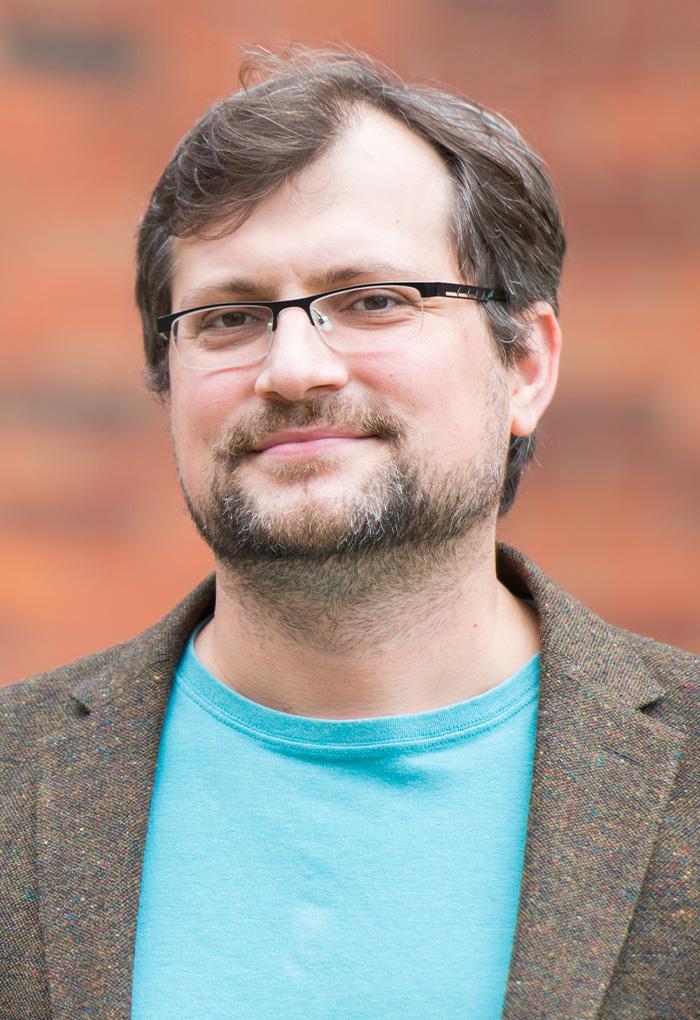
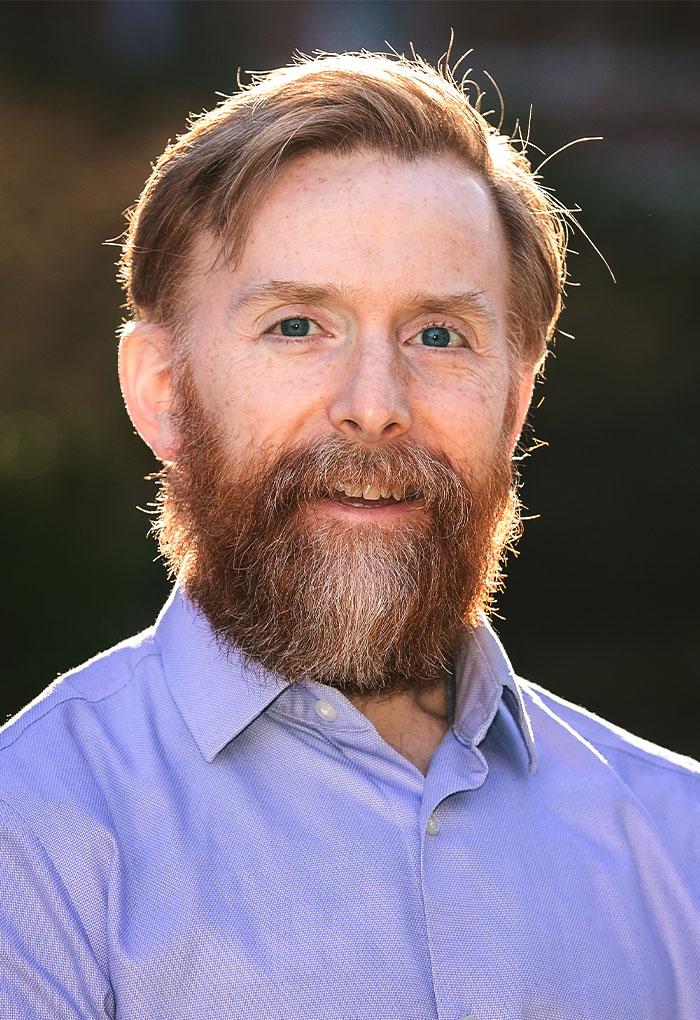
Colin Johnson, a man with a red beard.

Colin Johnson, associate professor of biochemistry and biophysics

Colin Johnson’s research uncovers new connections between the ferlin family of genes and disease. Mutations in dysferlin are linked to muscular dystrophy, while mutations in otoferlin and myoferlin have been linked to deafness and breast cancer, respectively. Previous research led by Johnson uncovered key components of otoferlin gene therapy, moving one step closer to restoring hearing for the congenitally deaf.

In partnership with collaborators from the College of Engineering and College of Agricultural Sciences, Johnson’s new project will focus on ferlin gene Fer1L6, which has been linked to ovarian failure and neural tube development deficiencies. It will be the first study to unpack the effects of Fer1L6 on organismal development and neural tube defects. Funds for Johnson’s SciRIS-ii project, entitled “Establishing a Zebrafish model for the study of the Ferlin gene Fer1L6,” come from the College’s Education & General Funds.

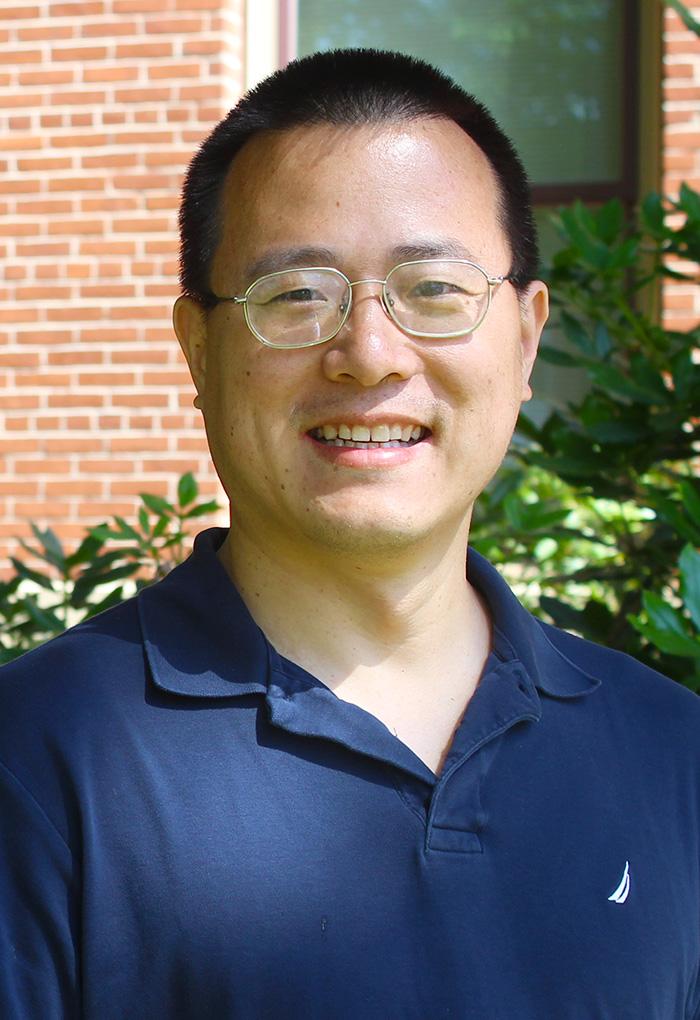
Chong Fang, a man in glasses.

Chong Fang, associate professor of chemistry

SciRIS-ii funding will support a research collaboration between OSU and Stanford University led by Chong Fang. The project will implement state-of-the-art femtosecond laser spectroscopy at the Linus Pauling Science Center. By advancing the mechanistic knowledge and rational design of reversibly photoswitchable fluorescent proteins, this emergent tool for super-resolution microscopy and bioimaging will elevate both labs’ research to new heights while further enhancing the visibility and impact of “molecular movie” technology at OSU.

Funds for Fang’s SciRIS-ii project, entitled “Elucidating primary events of engineered photoswitchable fluorescent proteins with a powerful ultrafast spectroscopy toolset,” are provided by a generous gift made to the Ben and Elaine Whiteley Materials Research Fund.

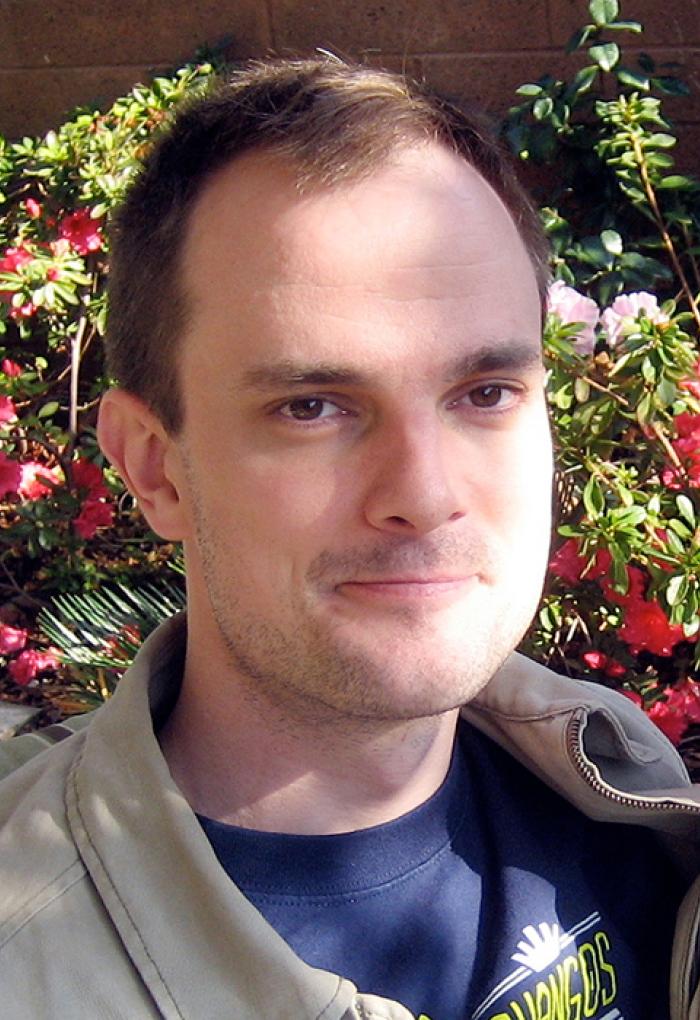
Man smiling in front of a bush of flowering azaleas

Clay Petsche, associate professor of mathematics

Petsche is working with graduate students Chifan Leung, Chatchai Noytaptim and Peter Oberly to develop new ways to measure the arithmetic complexity of dynamical systems – a mathematical construction which takes input data and feeds it through a repetitive process – and to show that certain families of arithmetic dynamical systems can be divided into the simple and the complex. Using mathematical techniques including Galois theory, which is the study of symmetry in the solutions to polynomial equations; potential theory; and the analytic theory of Berkovich spaces, a fully modern construction that has recently given mathematicians the ability to apply classical analytic techniques toward modern number theory applications.

Funds for Petsche’s SciRIS-ii project, entitled “Exceptional maps in arithmetic dynamical systems,” are provided by a generous gift made to the Robert W. Lundeen Science Faculty Development Award Fund.

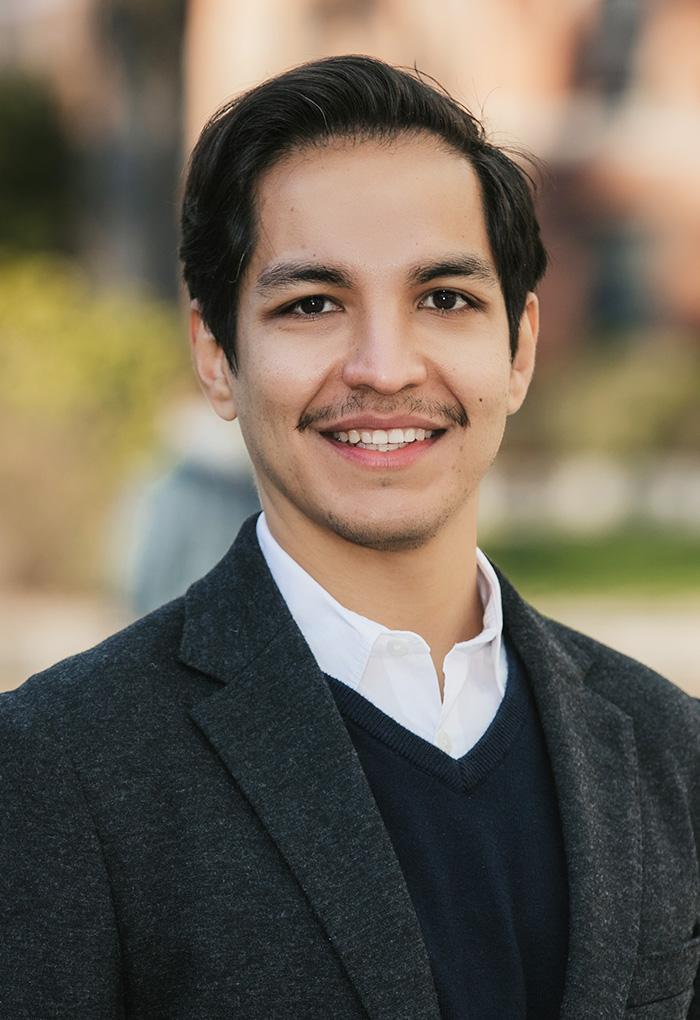
 Axel Saenz Rodriguez, a man with dark hair.

Axel Saenz Rodriguez, assistant professor of mathematics

According to quantum mechanics, we can only know the probability for the location of an electron at any given moment. Yet, if the electrons are confined to a one-dimensional space, the system exhibits certain symmetries that may allow one to obtain exact formulas for the statistics of the electrons. Axel Saenz Rodriguez aims to develop the mathematical theory to determine these statistics and to host a conference focused on this research topic. The two-day conference at OSU in Fall 2022 will build a regional network of collaborations; develop research projects suitable for grant proposals; and build research activity and a community on campus for graduate students and faculty. Funds for Saenz Rodriguez’s SciRIS-ii project, entitled “Probability law for 1D quantum electrons,” are provided by a generous gift made to the Robert W. Lundeen Science Faculty Development Award Fund.

Bolstering medicine through interdisciplinary research

As part of the SciRIS program, the College of Science offers other donor-funded awards to bolster research and innovation. The Disease Mechanism and Prevention Fund (DMPF) supports research into the mechanism, diagnosis, treatment and prevention of human disease by the College of Science faculty. These funds are provided by a generous gift from David and Donna Gould. The awardees are Swati Patel, assistant professor of mathematics and Adrian Gombart, professor of biochemistry and biophysics.

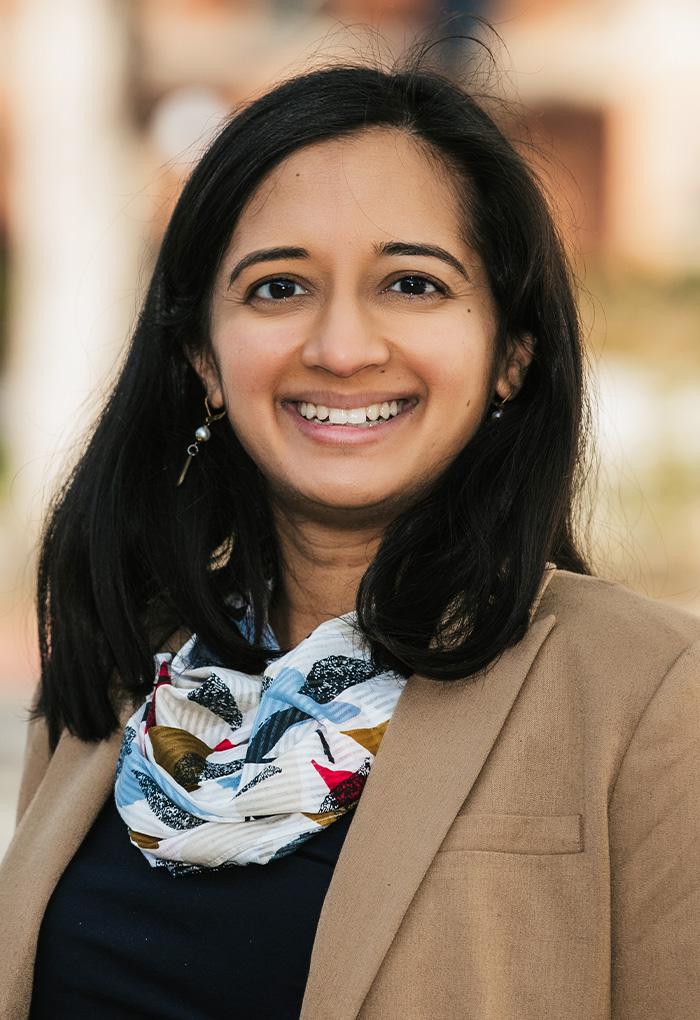
Swati Patel, a woman with dark hair.

Swati Patel, assistant professor of mathematics

Swati Patel’s DMPF proposal is titled “Mathematical modeling of Anthelmintic resistance in soil-transmitted Helminths.” Patel’s research addresses soil-transmitted helminths (STH), parasitic worms that infect an estimated 1.5 billion people worldwide, particularly in developing tropical countries that lack adequate sanitation systems. Periodic de-worming is necessary to treat and prevent infection, but STH are developing resistance against the drugs used. Patel develops projects to investigate the mechanisms that lead to resistance and strategies to prevent it through systematic mathematical modeling.

Adrian Gombart, professor of biochemistry and biophysics.

Adrian Gombart, professor of biochemistry and biophysics

Gombart’s DMPF project, “The role of the cathelicidin antimicrobial peptide in the development of Alzheimer’s disease,” continues work from a previous DMPF award, studying the potential use of an antimicrobial peptide called cathelicidin to curtail the development of Alzheimer’s. Vitamin D and other nutrients regulate expression of the peptide. Gombart’s project could lead to further development of effective preventative therapies or treatments of Alzheimer’s disease. Gombart is a principal investigator at the Linus Pauling Institute and is known for his extensive research on the uses and functions of vitamin D, including using it to combat infection via wound dressings and sutures.

black photo with white snowflakes and picture of a cell

2021-22 College of Science awards: Celebrating excellence in research and administration

By Mary Hare

The Faculty and Staff Awards honor outstanding scholarship and research across the fields of basic and applied science that have led to important breakthroughs and the creation of new knowledge.

The College of Science gathered yesterday on February 22 to recognize academic and teaching excellence of our esteemed faculty and staff at the College's 2021-22 Combined Awards Ceremony. The first half of the ceremony celebrated exceptional research and administration, while the latter half recognized stellar teaching, advising and mentoring.

"I am always inspired by this opportunity to honor our outstanding colleagues together and to celebrate the privilege of collaborating at a land grant university that prizes research, scholarship and learning," said Dean Roy Haggerty.

The Faculty and Staff Awards honor outstanding scholarship and research across the fields of basic and applied science that have led to important breakthroughs and the creation of new knowledge. The impact of their contributions has resonated far beyond Oregon State University, bringing honor to our College and global recognition from the broader scientific community.

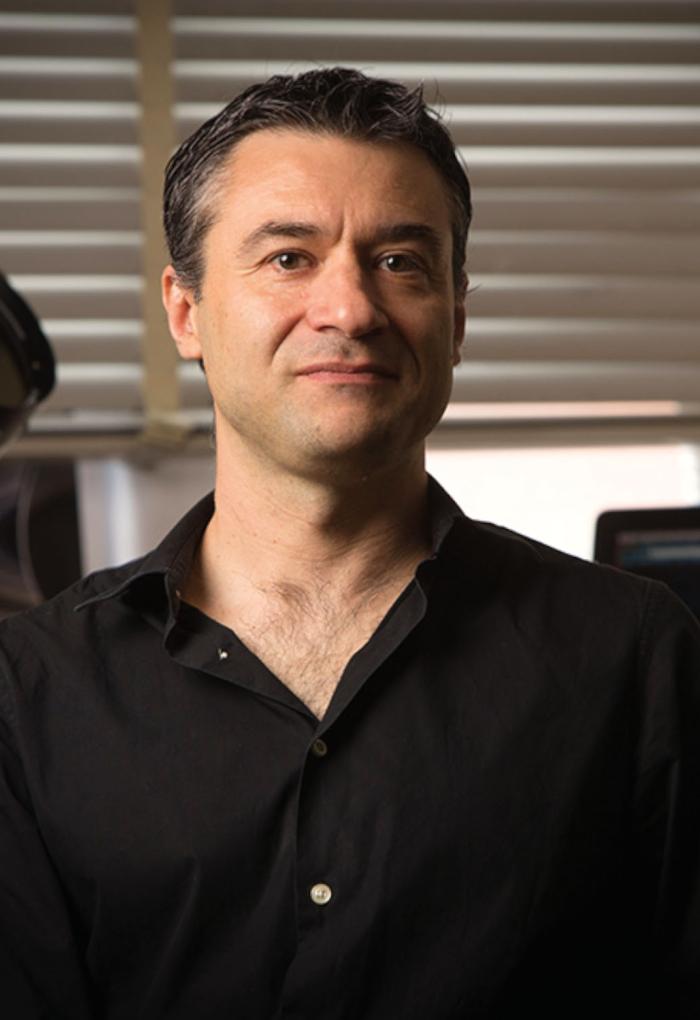
Man in black shirt standing in front of window

Physics Professor Davide Lazzati

Milton Harris Award for Basic Research in Science

Davide Lazzati, professor and department head of physics, received the Milton Harris Award for his outstanding work in the field of high-energy astrophysics. His well-funded and productive research endeavors have helped boost OSU's core astrophysics community to the top of its field.

This award was endowed by G. Milton Harris, a Portland native who received his bachelor’s degree in 1926 from OSU and his Ph.D. from Yale University. He was a pioneer in polymer, fiber and textile science and was the founder and for many years president of Harris Research Laboratories, which later became part of Gillette. The purpose of the Milton Harris award is to recognize exceptional achievement in basic research by honoring an outstanding faculty member in the College of Science.

"It was Dr. Lazzati's work that offered the correct interpretation of the signal and which has helped reshape our understanding of the most powerful events in the universe"

Lazzati's work drew considerable attention in 2017, when a historic merger of two massive neutron stars produced gravitational waves followed by a burst of gamma rays and, subsequently, other forms of light. It was an event that shocked the astrophysical community, but one that had been correctly predicted by Lazzati's computational astrophysics group several months before the merger occurred.

His team was the first to realize that a binary neutron star collision produces narrow beams of electromagnetic waves called Short Gamma-Ray Bursts that can be detected as brief bursts of luminosity in our own galaxy. This phenomenon, he argued, is repeated in all binary neutron mergers, even when their beam of radiation is off-axis and points away from earth.

"It was Dr. Lazzati's work that offered the correct interpretation of the signal and which has helped reshape our understanding of the most powerful events in the universe," said Distinguished Professor of Physics Janet Tate, who nominated him for the award.

Since 2010, Lazzati's work has been supported by more than 2.2M from NASA, the National Science Foundation and other agencies, as well as an NSF Early Career Development Award which he received in 2012 while at NC State University. In 2021, he received Oregon State University's Impact Award for Outstanding Scholarship.

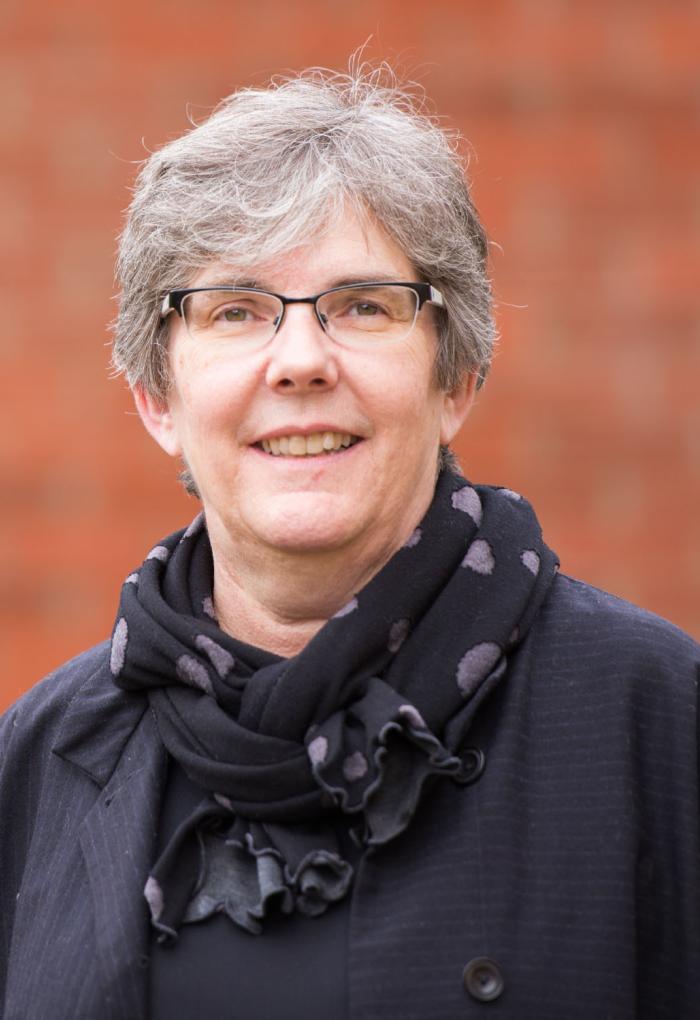
Woman in a black shirt in front of a red background

Physics Professor Heidi Schellman

F.A. Gilfillan Award for Distinguished Scholarship

Professor Heidi Schellman received the Gilfillan Award, which honors faculty members in the College of Science whose scholarship and scientific accomplishments have extended over a substantial period of time, especially faculty whose research careers have had a significant impact on his or her field.

Born in 1893, Gilfillan’s career at OSU spanned over 60 years as a student, professor of chemistry, acting president and Dean of the College from 1939 to 1962. The award was established by his family to honor his life, service and contributions to the College, university and the field of pharmaceutical chemistry.

Schellman’s distinct contributions to experimental particle physics date back to the 1980's. A highly respected leader in a subfield in which women have even lower representation than in physics generally, Schellman has been a cornerstone of the department; serving as chair for seven years, and amassing more than 4.4M in funding since 2015 alone. Per Tate, "as one colleague put it, 'her CV is simply exhausting!'"

Schellman's research focuses on the interactions of neutrinos - tiny particles that may be the reason that matter itself exists. Neutrinos are the most abundant particle in the universe, although few people know of their existence - let alone are able to study them.

Serving several leadership positions for the Deep Underground Neutrino Experiment (DUNE), an international collaboration of 1400 scientists, Schellman has helped several projects to launch a neutrino-scattering apparatus that they hope will help answer fundamental questions concerning the origin of matter and black hole formation.

Schellman has amassed nearly 700 peer-reviewed publications and an h-index of 113 from her contributions to several well-known scientific collaborations, risen to important leadership positions, and mentored many successful young scientists. She was recognized in 2015 by the American Physical Society’s Division of Particles and Fields with their Mentoring Award.

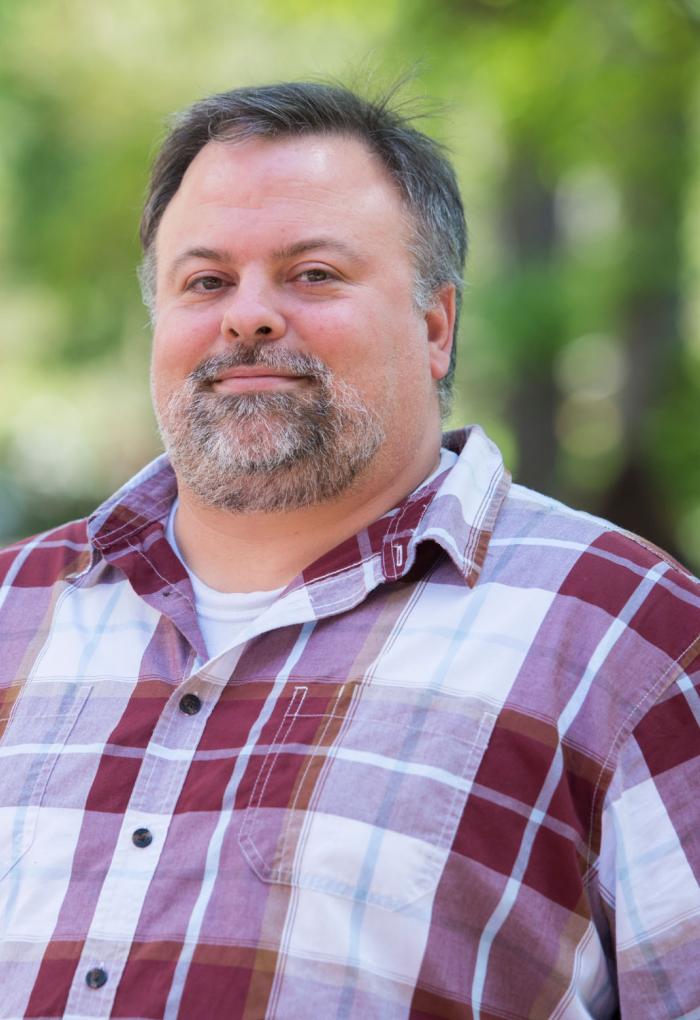
Photo of man in plaid shirt standing outside

David Hendrix, associate professor of biochemistry and biophysics

Dean's Early Career Achievement Award

Computational biochemist David Hendrix received the Dean's Early Career Award, which recognizes exceptional achievement in research and education of faculty no more than four years beyond the tenure date. With joint appointments in biochemistry and computer science, Hendrix' interdisciplinary skills have led to collaborations hat have enhanced research in the College and university.

His research at OSU has focused on applying deep learning approaches to RNA biology, working with collaborators to bring his computational expertise to address biological research questions. Among other innovations, Hendrix has pioneered the use of deep learning in cancer detection based on gene expression data, an approach now gaining in popularity.

"There is more to it than his excellent programming skills. In Dave's hands, the full complexity of biological information emerges"

"There is more to it than his excellent programing skills," said microbiology professor Steve Giovannoni. "In Dave's hands, the full complexity of biological information emerges. As evident from his success, he is solving fundamental problems that have practical real-world impacts on diverse issues."

Since arriving at OSU in 2013, Hendrix has published 24 papers and brought in over $5.9M in funding from the NSF, NIH and USDA. In 2019, he received OSU's University Mentoring and Professional Development Award. On the education side, Dave has created student-centered resources including an open-access bioinformatics textbook. He also helped develop the graduate biological data science minor.

women in glue shirt in front of a black background

Marilyn Mackiewicz, assistant professor of chemistry

Inclusive Excellence Award

Marilyn Mackiewicz, an assistant chemistry professor, received the Inclusive Excellence Award for her extensive commitment eliminating barriers to success in chemistry for students of all backgrounds. In the one year since she was hired at OSU, she has implemented creative tools to improve retention while meeting students at the level they're at.

A 2022 NSF CAREER awardee, Mackiewicz has found the time to develop a “Strategic Doing” process to identify impactful projects that can enhance Gilbert Hall and LPSC as welcoming and inclusive spaces, including a redesign of the Gilbert entryway and the LPSC corridor to showcase research, teaching faculty, emeritus faculty, and alumni.

Mackiewicz has also deeply embedded inclusive excellence in her research and teaching, developing novel courses for undergraduate chemistry majors that explore Careers in Chemistry and Transferable Skills for Chemists. These courses integrate transferable skills development in support of improving the diversity needed in our 21st-century workforce.

Marilyn's potential as a leader has been recognized beyond OSU. The American Chemical Society recognized her work in advancing diversity with the 2020 Northwest Regional Stanley Israel award. She has been invited to present on inclusive leadership practices at Queens University and the plenary at the Women’s luncheon of the 2021 Society of Environmental Toxicology Conference.

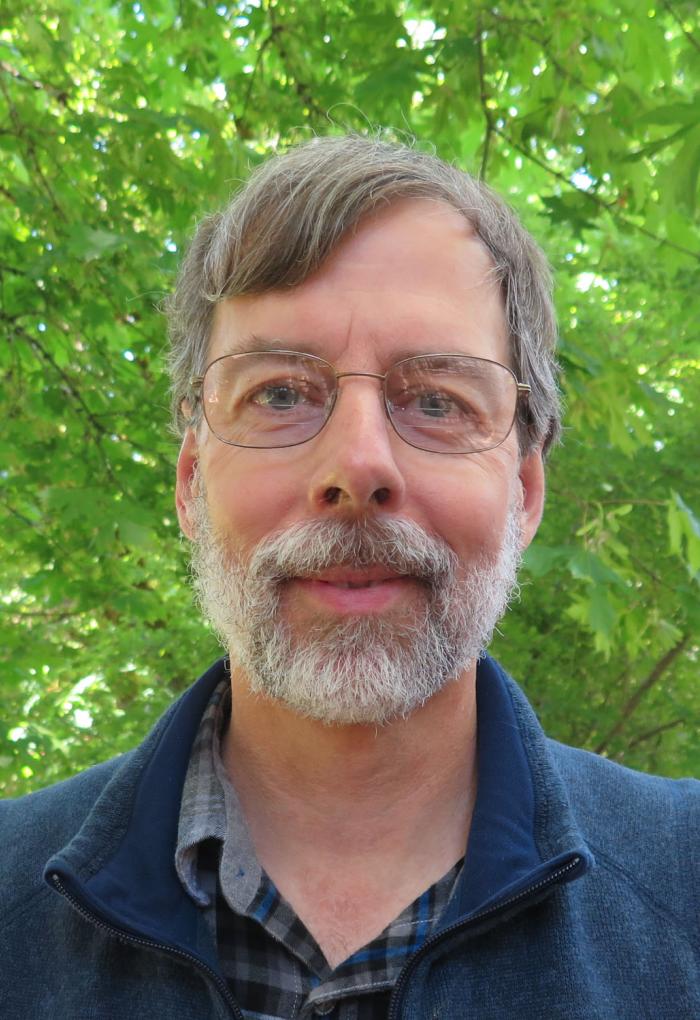
man wearing glasses standing in front of a tree

David Maddison, professor of integrative biology

Distinguished Service Award

Integrative biology professor David Maddison received the Distinguished Service Award, which recognizes a faculty, staff or student member whose outstanding contributions helped to support and sustain the quality and effectiveness of our College.

"There must be very few individuals with David's stature who bring the same prolific focus and creative problem solving to their service work."

"He is a true 'servant leader' and he is extremely effective, including at thankless tasks that take a lot of time and attention," wrote Professor Benjamin Dalziel in his nomination letter. "There must be very few individuals with David's stature who bring the same prolific focus and creative problem solving to their service work."

In addition to maintaining an internationally regarded evolutionary biology research program, Maddison also serves as chair of the IB 'space committee' where he coordinates office and research space for the entire department. As part of this duty, he took the initiative to build an interactive digital map to help facilitate fair and effective allocation of space for each faculty member.

He has also taken a lead role facilitating the Cordley Hall renovation, working with architects to communicate the department's needs and helping ensure that faculty's needs are met. "David is the hero of IB's journey with the remodel of Cordley Hall," said Dalziel.

"It is a bit disturbing to imagine where we would be without David's brilliant service work on IB's most strategically important challenges," he said.

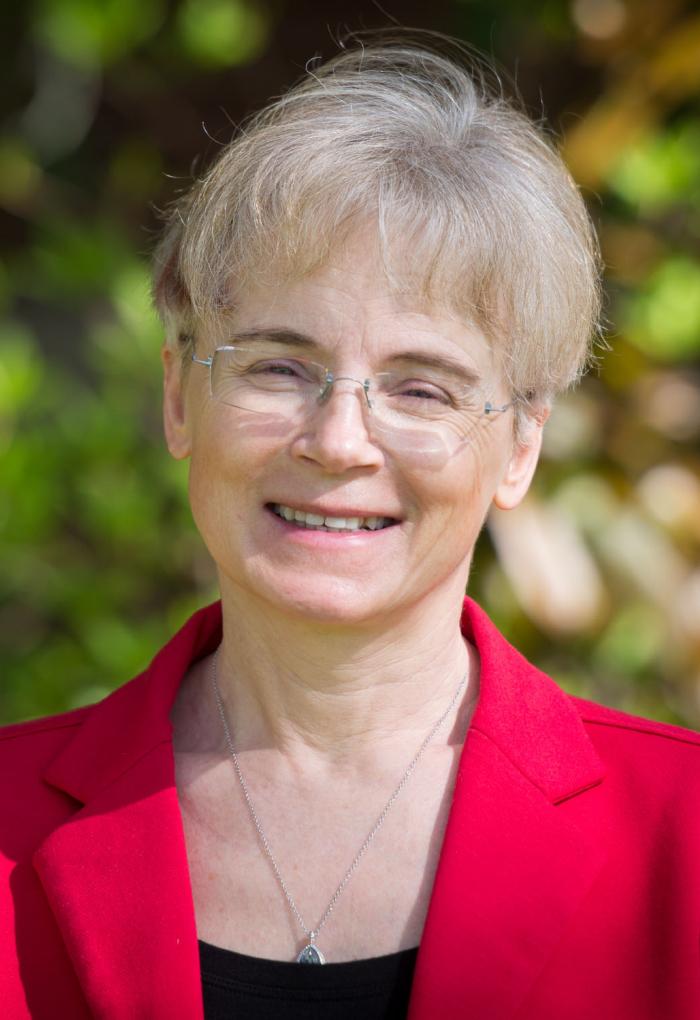
woman in red jacket standing outside

Malgo Peszynska, professor of mathematics

Champion of Science Dean's Award

The Champion of Science Dean's award recognizes individuals who have demonstrated excellence and extra effort that goes beyond what is requested, and the highest quality performance. The award is modeled, including its name, after the President’s Beaver Champion Award, and was presented by Dean Haggerty to applied mathematician Malgo Peszynska.

"Her record of engagement and leadership leaves no doubt that colleagues from Oregon State University, the nation and the world all recognize and seek to engage with her energy and expertise."

Supported by two National Science Foundation awards, Peszynska and her team have combined computational mathematics with geophysical mechanics of hydrate behavior, developing new mathematical models and results to study the transport and evolution of methane gas under the influence of changing sea temperatures, the warming of permafrost, and the huge range of length and time scales for key elements of the geophysical process.

"Her record of engagement and leadership leaves no doubt that colleagues from Oregon State University, the nation and the world all recognize and seek to engage with her energy and expertise," said Haggerty.

Her success has been recognized with numerous awards, including her selection as a 2020 fellow of the American Association for the Advancement of Science (AAAS) for “outstanding contributions to multidisciplinary mathematical and computational modeling of flow and transport in porous media.” In 2021, she received the Society for Industrial and Applied Mathematics (SIAM) Geosciences Career Prize, awarded every two years to outstanding senior researchers in the field.

Gladys Valley Award of Exemplary Administration Support

The Gladys Valley Award recognizes outstanding job performance and dedication by a College staff person to their department and to the College of Science. This year it awarded jointly to Tony Reyna, business manager for the biochemistry and biophysics department; and Cindy Kent, executive assistant to professors Bruce Menge and Jane Lubchenco.

Tony Reyna standing in gallery

Tony Reyna, business manager for the biochemistry and biophysics department

Joining the biochemistry department over five years ago, Reyna is particularly appreciated for his willingness to go above and beyond the scope of his job responsibilities to ensure the office ran smoothly despite numerous trying circumstances. Several nomination letters expressed appreciation for his 'can-do attitude' and ability to solve the most strenuous problems without complaint.

"I personally appreciate Tony's service not only for performing the jobs of two people without complaints, but mostly for his gentle, accepting and understanding attitude," wrote Elisar Barbar, head of the department. "I cannot think of anyone else who worked harder and delivered better than Tony did, and of no one else who is more deserving."

photo of Cindy Kent

Cindy Kent, executive assistant to professors Bruce Menge and Jane Lubchenco

For more than 21 years, Cindy Kent has worked with Wayne and Gladys Valley Chairs Jane Lubchenco and Bruce Menge to ensure that their joint lab and research powerhouse continues to run smoothly. She also acts as confidential assistant to Lubchenco, who is currently serving as Deputy Director for Climate and the Environment.

"She routinely interacts with everyone from an individual with ‘the’ answer to climate change or an oil spill to heads of state, executives in philanthropy or civil society, members of Congress, alumni, and prospective students," according to the nomination letter. "Cindy has been an invaluable member of the group, and serves as the glue that helps everyone function effectively and efficiently."

Stephanie Bollman stands outside in front of trees

Stephanie Bollmann, senior faculty research assistant

Outstanding Faculty Research Assistant Award

Stephanie Bollmann received the Outstanding Faculty Research Assistant Award for her outstanding job performance and contributions to the success of Michael Blouin's lab in the integrative biology department. This award is given to an individual each year who has chosen a career as a Faculty Research Assistant (FRA), Senior Faculty Assistant (SFRA) or Research Associate (RA) and has a record of outstanding job performance and contributions.

Bollmann has been working in the Blouin lab for seven years, with wide-ranging duties including project management, DNA/RNA and protein bench work, fish sampling and resource management. She has published regularly, single-handedly tackling large projects despite challenging circumstances.

"In particular, the work on the fitness of hatchery and wild salmon has had a big impact on hatchery management in Oregon and the Pacific Northwest," Blouin wrote. "Stephanie was an essential part of those publications. She has had a huge role in the success of my lab."

Known for her particular skill in bioinformatics, Bollmann's expertise is sought by other labs and collaborators. She also mentors high school students in the summers under the Saturday Academy program to help awaken their interest in science. "She is a relentlessly upbeat, positive, "can-do" person and the students respond to this," wrote Blouin. "I believe Stephanie's commitment to lifelong learning is partly what keeps her so enthusiastic about her work."

A star on a black background

Outstanding incoming graduate students received ARCS Oregon scholarships

By Cari Longman

The College of Science is pleased to announce that five incoming graduate students were awarded 2021-2022 ARCS (Achievement Rewards for College Scientists) Foundation, Oregon Chapter scholarships. ARCS Foundation Oregon seeks to advance science and technology in the United States by funding graduate students. The scholarship provides $18,000 in financial support, payable over three years, to academically outstanding students who are U.S. citizens studying to complete Ph.D. degrees in science, engineering, mathematics, technology and medical research at Oregon Health & Science University, Oregon State University and the University of Oregon.

Through its efforts, ARCS Oregon has supported 301 young scientists with over five million dollars in scholarship funding and encouraged them to follow their scientific passions, earn their doctorates and further scientific knowledge. Funding is made possible through endowed funds, donors and chapter fundraising.

This year, ARCS Oregon is supporting a record number of 79 scholars: 25 at OHSU, 44 at OSU and 10 at UO. The scholars are chosen from selection committees at each institution.

This year’s new Oregon State College of Science ARCS scholars include:

Rand Burnette, Physics

Rand Burnette graduated from Kenyon College in 2021 with a B.S. in physics. Burnette is studying large scale physics such as cosmology, dark matter, dark energy and general relativity.

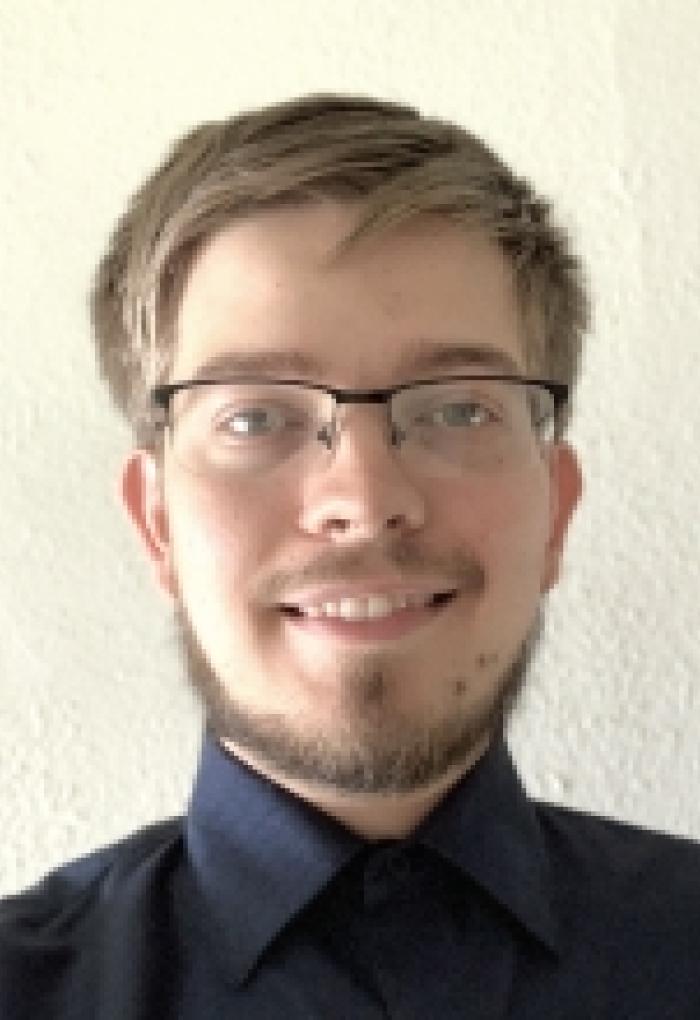
A man wearing a dark button-up shirt and glasses stands in front of a white wall

Rand Burnette

Erwin Cornelius, Mathematics

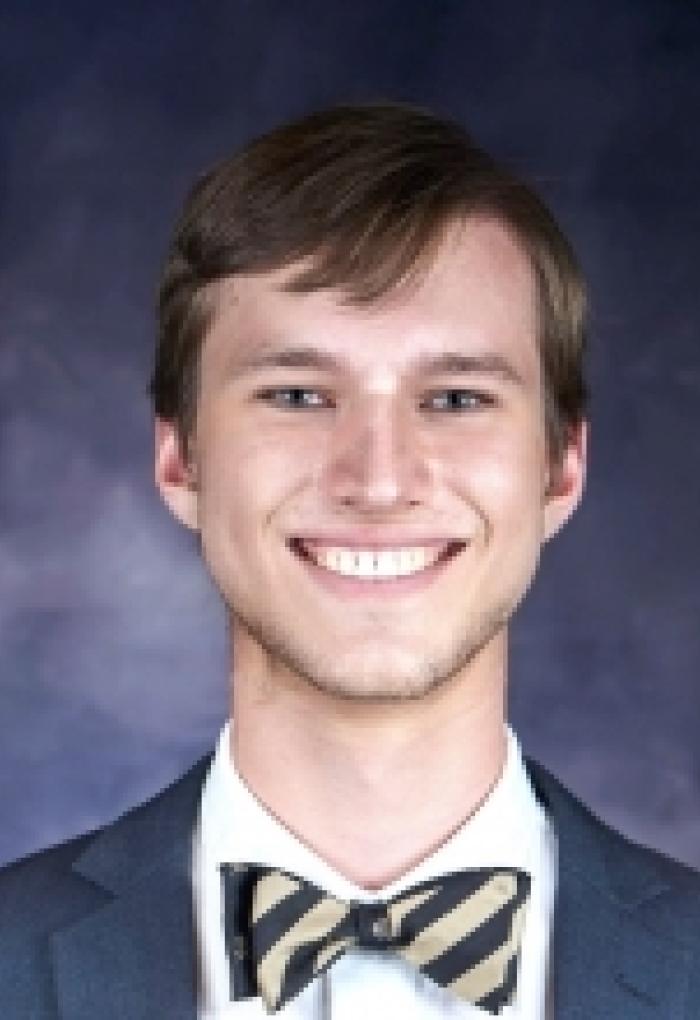
Cornelius received the Bergen/Kern Scholar Award from ARCS, given by Marilyn Bergen and Mary Kristen Tooze Kern. His research interests focus on machine learning methods, in particular random forests and neural networks and their applications to biological data.

A man wearing a suit and bowtie smiles in front of a dark background.

Erwin Cornelius

Lucas Kolanz, Physics

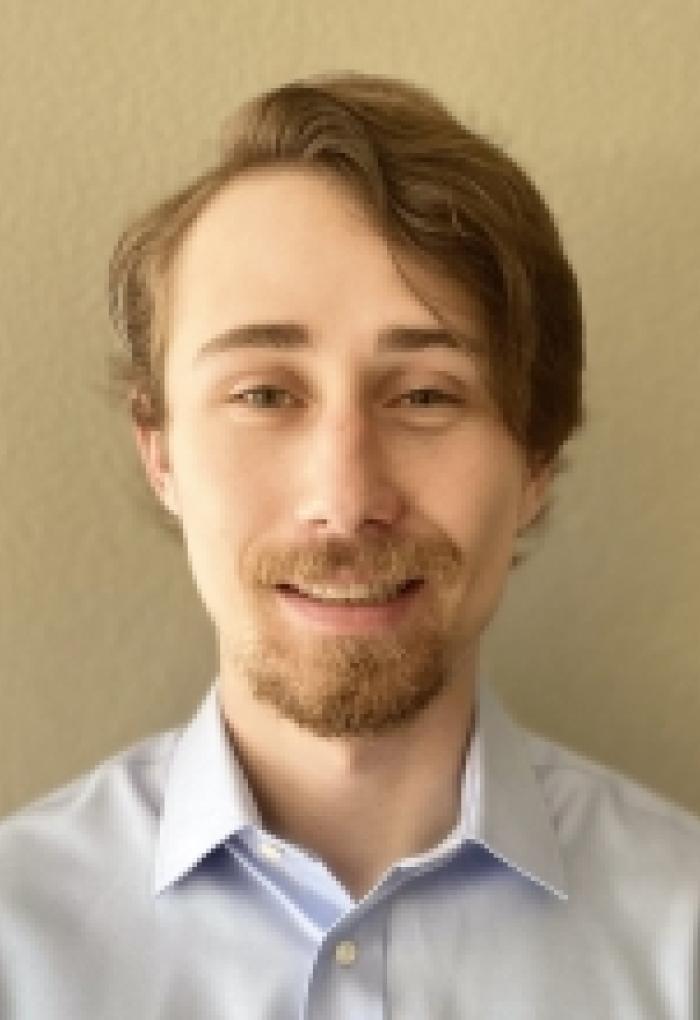
Kolanz received the Beth Ray ARCS Foundation Oregon Scholar award given by Edward J. Ray, former Oregon State University president, in memory of his wife Beth, a former ARCS member. Lucas’s research interests include computational physics, “atomic, molecular and optical” physics, biophysics, condensed matter theory and astrophysics.

A man with a mustache and small beard smiles in front of a white wall.

Lucas Kolanz

Sunni Patton, Microbiology

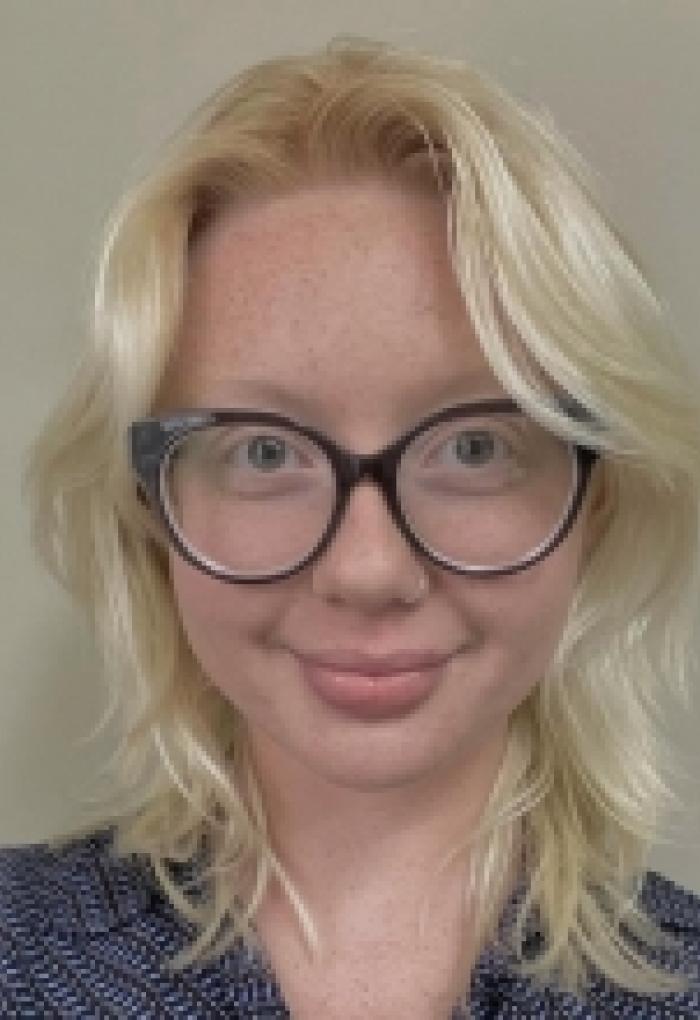
Sunni received the Jill V. Josselyn Endowed Scholar Award from ARCS Foundation Oregon. She received her B.S. in biology from Georgia State University in 2019. She will be working in the Vega Thurber Lab, pursuing research in coral microbiomes to better understand the effects of environmental and anthropogenic stressors.

A blonde woman wearing large black glasses smiles in front of a white wall

Sunni Patton

Hannah Stuwe, Biochemistry & Biophysics

Stuwe received the Bangsund Scholar Award. She obtained her undergraduate degree from Oregon State, graduating in 2019. Her research interests include biophysics, nuclear magnetic resonance, organic synthesis and natural product chemistry.

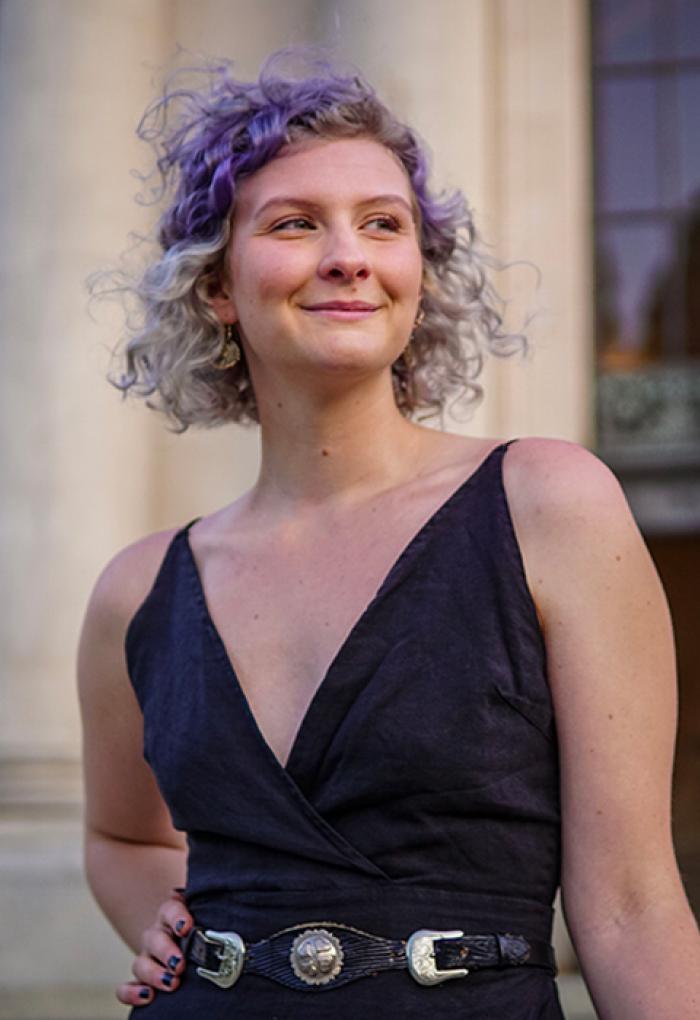
A woman with purple and blonde hair wears a black dress and poses in front of a marble column

Hannah Stuwe

Read more about the 2019, 2018 and 2017 scholars.

OSU funds the most high-impact undergraduate research experiences in the state.

How undergraduate research drives student success at OSU

By Srila Nayak, Emmet Pettit

Undergraduate research funded through OSU can lead to scholarships, fellowships and a dream job.

Biochemistry alumna Kendra Jackson participated in research experiences during her undergraduate studies at OSU.

In the College of Science, students have more opportunities to collaborate on undergraduate research that addresses real-world problems and prepares them for top graduate programs and training at internationally recognized institutions.

Half of undergraduate students in the College of Science not only work on research projects with faculty mentors across the campus, but also find a home at Oregon State University’s cutting-edge scientific centers and institutes.

Oregon State funds more high-impact undergraduate research experiences than any other university in the state. Undergraduate research programs give students hands-on learning experiences early in their undergraduate careers, opportunities to learn new things and develop new skill sets beyond the scope of the classroom.

Undergraduate research enhances employment opportunities

Undergraduate research opportunities also play a key role in developing student-faculty relationships. Associate Professor of Physics Matthew Graham mentors several undergraduate students supported by research fellowships in his lab and has found that the value of undergraduate research on student careers cannot be overestimated. “Research is an unspoken, firm prerequisite for graduate school, and it is one of the few ways industry-bound graduates can stand-out in getting their first job. I am surprised at how often potential employers contact me for references.”

Substantive undergraduate research experiences are the norm rather than the exception in the College of Science. A key trait that sets the College’s undergraduate research program apart is that students get the financial support they need to commit to a research program long enough to make effective contributions to scientific discovery and new foundational knowledge.

“The big reason that I came to OSU – and why I really love it – is because of the research opportunities."

“Science requires time, and while as mentors we strive to offer meaningful research opportunities to undergraduate students throughout the year, having the secured time-commitment to follow experimental designs from start to end and really own the research project they are developing is empowering for the students,” said Maria Franco, an associate professor of biochemistry who mentors undergraduate research scholars in her lab. “This is a very valuable opportunity that can impact their professional and personal goals in meaningful ways.”

Capping off more than three years of research in a disordered proteins lab, Seth Pinckney (Biochemistry & Biophysics '21) co-authored two manuscripts, one of which shares early results on the SARS-CoV-2 nucleocapsid protein.

Linus Unitan (Honors Chemistry '21) and his mentor Professor of Chemistry Vince Remcho were awarded a patent for devising a blood-plasma separator device for medical purposes in an analytical chemistry lab. Unitan also co-authored a paper on the subject in the journal Analytical and Bioanalytical Chemistry.

The high caliber of undergraduate research is verified by the success of OSU science majors who have won some of the most competitive national awards, including the Goldwater and Fulbright awards, as well as the National Science Foundation Graduate Research fellowship. Since 2017, all Goldwater scholars from the College, eight in total, were involved in extensive undergraduate research programs before winning the national prestigious award.

“The big reason that I came to OSU – and why I really love it – is because of the research opportunities,” said biochemistry alumna Kendra Jackson (Honors Biochemistry and Molecular Biology '20), who received both Ray and Frances Cripps Undergraduate Research Experience (CURE) and Summer Undergraduate Research Experience (SURE) fellowships to conduct research on fungal genetics and epigenetics. Jackson won the Goldwater scholarship in 2019 and is currently studying medicine at Stanford University.

SURE scholarships fuel student success

Students work independently to tackle aspects of research projects that are at the cutting-edge of scientific innovation, preparing them well for careers in science and industry. Chemistry student and SURE scholar Alice Lulich ('23) is doing research in a lab specializing in new inorganic materials. “The structures I make in the lab have never been made before,” Lulich said. “The SURE scholarship means that I will get to have as close to a grad school experience as possible in my undergraduate career.”

Undergraduate research programs also help students discover new interests and passions, enabling them to venture bravely outside their comfort zones. Zoology major Dustin Campbell ('20) won the SURE scholarship to conduct research in the area of reproductive behaviors in garter snakes.

Doing so helped Campbell discover a talent for both field and lab-based zoological research. “I thoroughly enjoy collecting animal specimens and field research. The SURE program showed me what the work looks like in the lab after you have collected the specimens. Being in the lab helped me realize that I do really like all aspects of animal research.”

Supported by donors, alumni and faculty, funded undergraduate research opportunities have had a positive and powerful effect on student learning and achievement. Since its inception in 2015, the Summer Undergraduate Research Experience (SURE) Program has helped science faculty engage undergraduates in their research. Supported by our extraordinary alumni and donors, in the last two years, SURE Science, among other student scholarship programs, provided $405K in scholarships to 80 students to participate in substantive lab and field-based research experiences.

“The structures I make in the lab have never been made before."

Our alumni are passionate about paving the way for students on their journeys to meaningful careers. Joel Peterson (Microbiology ’69) says he gives so that students can “get a better understanding early on of where research in their field is headed,” adding that students’ “enthusiasm and idealism” make him “feel like I’m doing something worthwhile.”

In addition to the SURE Science program, more than 10 different alumni-funded scholarships – both College-wide and department-specific support undergraduate research. These include the Student Research Experience Fund, the Ray and Frances Cripps Undergraduate Research Experience (CURE) fellowship in the Department of Biochemistry and Biophysics, the Sheila Van Zandt Student Research Experience Fund; the College of Science Experiential Learning Fund; and numerous other department-specific awards. Each year these fellowships support students as they engage in original research alongside faculty mentors working on projects that span countless areas of fundamental and applied sciences and mathematics.

The alumni behind these funds, grateful for their own formative years in the College, believe that passing the baton enhances graduate prospects and creates a more hopeful future. “These young people are going to change the world,” said alumna and scholarship donor Judy Faucett (Mathematics ’70). “They are doing incredibly important things.”

OSU research means enhanced access and equity

The SURE Science program and other scholarships have widened equity and access to careers in science, increasing opportunities for underrepresented minority students and first-generation and low-income students.

"I am finally able to start doing the kind of research I want to do for the rest of my life!"

Instead of worrying about finances, mathematics student Luis Garcia-Lamas ('22) spent last summer conducting full-time paid research on corn genetics, using statistical modeling and data analysis to predict phenotype outcomes. “I come from a low-income background, so scholarships mean a lot to me. This research is fundamental to my upcoming graduate school applications,” said Garcia-Lamas.

With the help of funding, science students overcome significant barriers to engage in valuable research opportunities. “This scholarship means the world to me,” said integrative biology major Samantha Gregory, who studies the impacts of a predatory snail on ecosystems in the intertidal zone at Patrick’s Point, California. “I have several chronic illnesses and accessing scholarship programs where I can control my physical activity has been a challenge. I am finally able to start doing the kind of research I want to do for the rest of my life!”

True to its mission as a land grant research university, the College research programs are helping build the next generation of scientists and leaders so that they can develop innovative solutions to the challenges facing our world.
Subscribe to Biochemistry & Biophysics