Biochemistry & Biophysics

Biochemistry & Biophysics

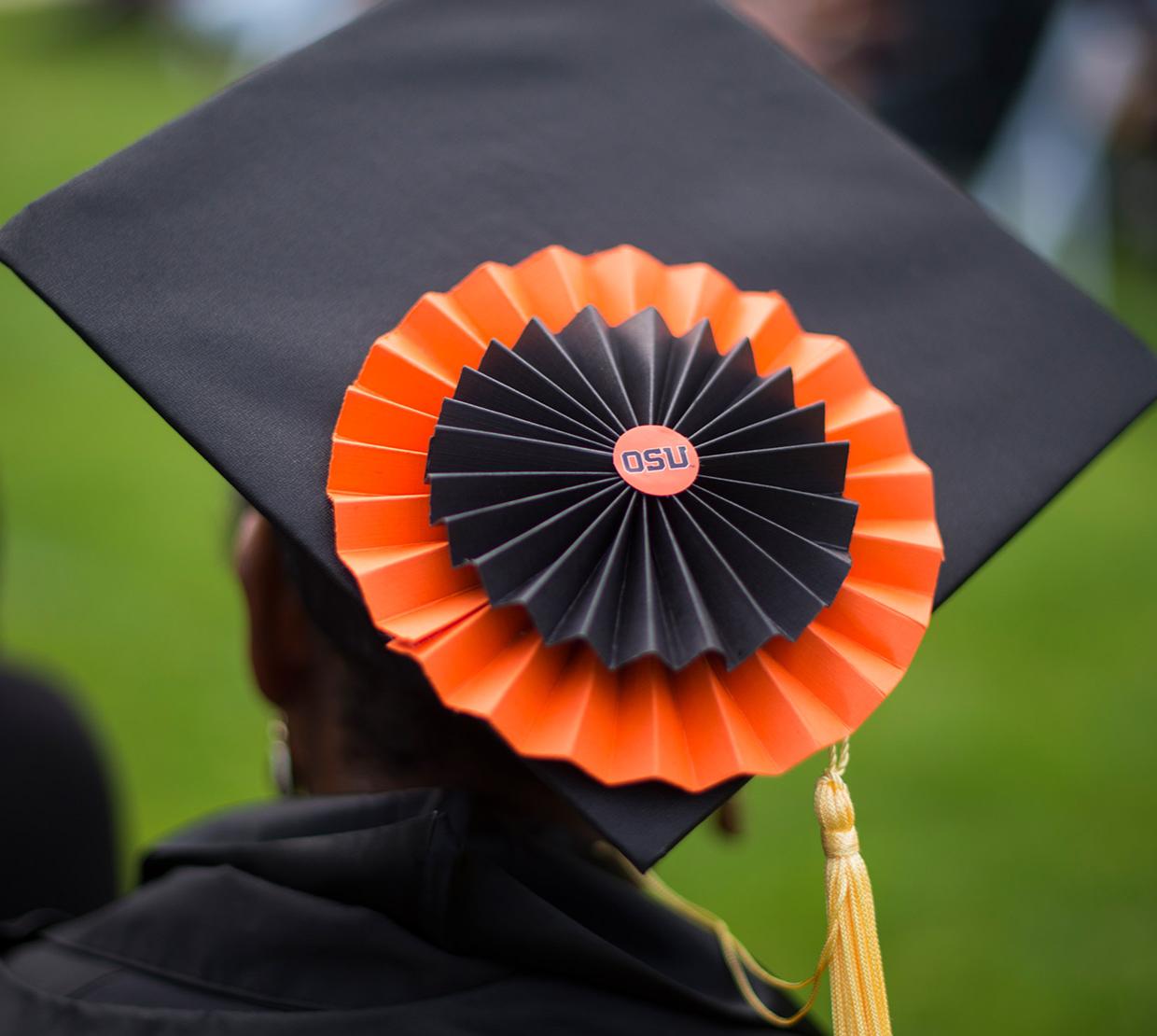
OSU Graduation cap

The Class of 2021 succeeds against all odds

By Srila Nayak

Congratulations to the Oregon State College of Science Class of 2021! This class faced enormous challenges due to the pandemic. On the spur of the moment, the class of 2021 transitioned to remote learning, virtual interaction with professors, mentors, peers, friends and experiential learning in online formats. They have also faced increased financial burdens and other stressors. Our students have persevered, showing admirable determination, resilience and fortitude that will serve them well in their lives and careers.

Succeeding against odds while making history, College of Science graduates have found ways during this pandemic to participate and make an impact on state-wide public health endeavors through the TRACE-CVOID-19 project. They have gained enduring skills and done outstanding work in adapted science labs and with science communication in the virtual domain. Our seniors have been instrumental in helping Oregon State succeed at remote teaching in their roles as peer learning assistants and tutors.

Science graduates have led the way by dint of their academic achievements, selfless service and committed leadership. Supported by awards, scholarships and dedicated advisors, our seniors have collaborated with faculty mentors to create new knowledge and achieve major scientific breakthroughs.

Check out our Commencement page to celebrate our graduates. Read their compelling stories below containing reflections on undergraduate experiences at Oregon State and their dreams for the future.

This year’s graduates include Fulbright and Ford Foundation Fellows, Gilman International Scholars, NOAA Scholars, published scientific authors, future doctors, scientists, entrepreneurs, community leaders, teachers and informed, engaged world citizens. We are exceptionally proud of our students and all they have achieved during their career as undergraduates in the College of Science at Oregon State.

By the numbers

The College graduated 670 undergraduate students with baccalaureate degrees in 2020-21, including 68 Honors graduates. More than 80% (538) of our graduates were in the life sciences, with Biology having the most graduates at 199. BioHealth Sciences came in second with 152 graduates; biochemistry and molecular biology had 71 graduates; Zoology 63; Mathematics 56; Microbiology 43; Chemistry 42; Physics 34, and; Biochemistry and Biophysics graduated 10 students.

Of the total baccalaureate graduates, 11% are underrepresented minorities and 26% are first-generation students. In addition, 10 of the 2021 baccalaureate graduates are military veterans.

The College will also award 52 doctoral degrees, 66 master’s degrees and seven certificates in online Data Analytics.

Of the 52 doctoral degrees, Chemistry had 16 Ph.D. students, followed by Integrative Biology at 11; Mathematics 9; Physics 6; Microbiology 5; Statistics 4, and; Biochemistry and Biophysics graduated one doctoral student.
The Department of Statistics awarded 15 master's degrees in statistics and 19 M.S. degrees in data analytics. Chemistry and Mathematics awarded 10 master's degrees each. Physics had 6 master's degree recipients; Microbiology three; Biochemistry and Biophysics two, and; Integrative Biology awarded one master's degree this year.
Celebrating the Class of 2021

We invite you to read the profiles of our seniors. These outstanding graduates represent an inclusive and diverse learning community in the College of Science. Here they share their inspiring and unique journeys as science majors.

Goldwater Scholarship

Biochemistry, mathematics and molecular biology students win 2021 Goldwater awards for research excellence

By Srila Nayak

Students in the College of Science have won the nation's most prestigious award for undergraduate research, the Barry Goldwater Scholarship, almost every year since 2017. Science majors have won a total of 25 Goldwater scholarships — the most at Oregon State University to date. This year, once again, science and mathematics majors at Oregon State University have netted the competitive award for their academic prowess and scientific achievements.

Two students from the College of Science have been awarded the 2021 Goldwater awards. A total of four Oregon State University students were selected for the Goldwater scholarships this year. Emily Gemmill, a junior, and sophomore Alyssa Pratt in the College received the prestigious scholarship, which is the top undergraduate award in the country for sophomores and juniors in the fields of science, technology, engineering and mathematics (STEM).

Tegan Thurston and Cindy Wong, students in the College of Engineering, were also named Goldwater scholars. The recipients are selected on the basis of outstanding academic achievement and for demonstrating the potential to pursue research careers.

Gemmill is pursuing a double major in biochemistry and biophysics and mathematics, with a minor in chemistry and options in advanced biophysics and mathematical biology. Pratt, a second-year Honors student, is double majoring in computer science and biochemistry and molecular biology with a concentration in computational molecular biology. Both Goldwater scholars demonstrate high potential for scientific research careers and have engaged in meaningful and ambitious undergraduate research experiences at Oregon State.

Across the United States, 410 college students were selected for the Goldwater scholarships in 2021-2022 from a pool of 1256 college sophomores and juniors in the fields of natural science, engineering and mathematics. Oregon State University has the greatest number of Goldwater scholars in the state of Oregon this year, thus consolidating its status as the premier campus for STEM-oriented students.

The preeminent undergraduate award in the sciences, the Goldwater Scholarship Program was established in 1986 to honor former Arizona Senator Barry M. Goldwater, and is sponsored by the Barry Goldwater Scholarship and Excellence in Education Foundation. The award provides up to $7,500 per year for a maximum of two years covering undergraduate tuition, fees, books, and housing expenses.

Taking part in high-impact undergraduate research

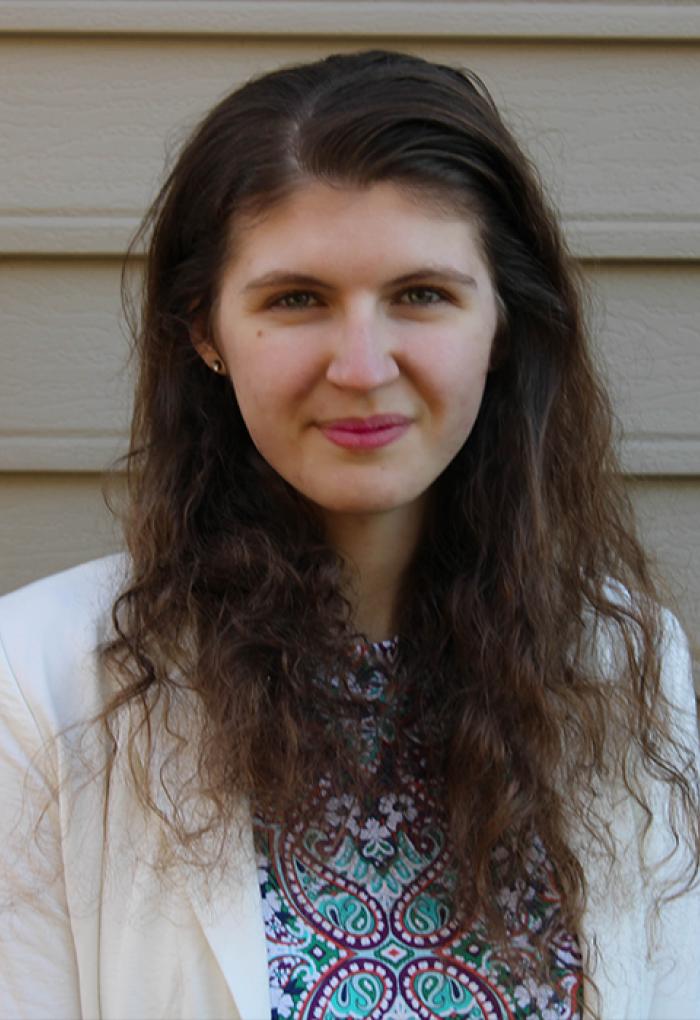
Emily Gemmill

Emily Gemmill

Employing interdisciplinary research methods, Gemmill probes the mysteries of protein-based molecular motors called kinesins in the lab of biophysics Associate Professor Weihong Qiu. Kinesins interact with microtubules (dynamic tubes that provide structure and shape to cells) within cells and play an indispensable role in facilitating transport and force to sustain human life by converting chemical energy into mechanical energy. Gemmill’s research builds on ongoing research in the Qiu Lab on the distinctive properties of kinesin-14s that move and bind differently to microtubules from other kinesins.

"I chose the advanced biophysics option for my biochemistry degree and the mathematical biology option for my mathematics degree, which complement each other well as they both apply rigorous analytical methods to biological systems.”— Emily Gemmill

Introduced to molecular motors in a high school biology class, Gemmill’s fascination with the subject deepened as she learned more about their significance and functions in the Qiu Lab. She is currently investigating the regulatory mechanism of a kinesin-14 motor to better understand the factors governing its motility and it’s interactions with other proteins that affect kinesin-14’s movement.

Gemmill transferred to OSU from Portland Community College where she was a student in the honors program. There she was awarded an Oregon Space Grant Consortium research fellowship to support her work on developing a mathematics fluid-based model on mitigating traffic flow in Portland. At OSU, Gemmill was able to pursue ambitious research goals with the help of a Summer Undergraduate Research Experience (SURE Science) scholarship and an Undergraduate Research in the Sciences and Arts (URSA) Engage grant.

After graduation, Gemmill plans to work toward a research career at the intersection of mathematics and biophysics. “I am earning degrees in both biochemistry & biophysics and mathematics, leading to a wide range of interdisciplinary knowledge,” said Gemmill. “Additionally, I chose the advanced biophysics option for my biochemistry degree and the mathematical biology option for my mathematics degree, which complement each other well as they both apply rigorous analytical methods to biological systems.”

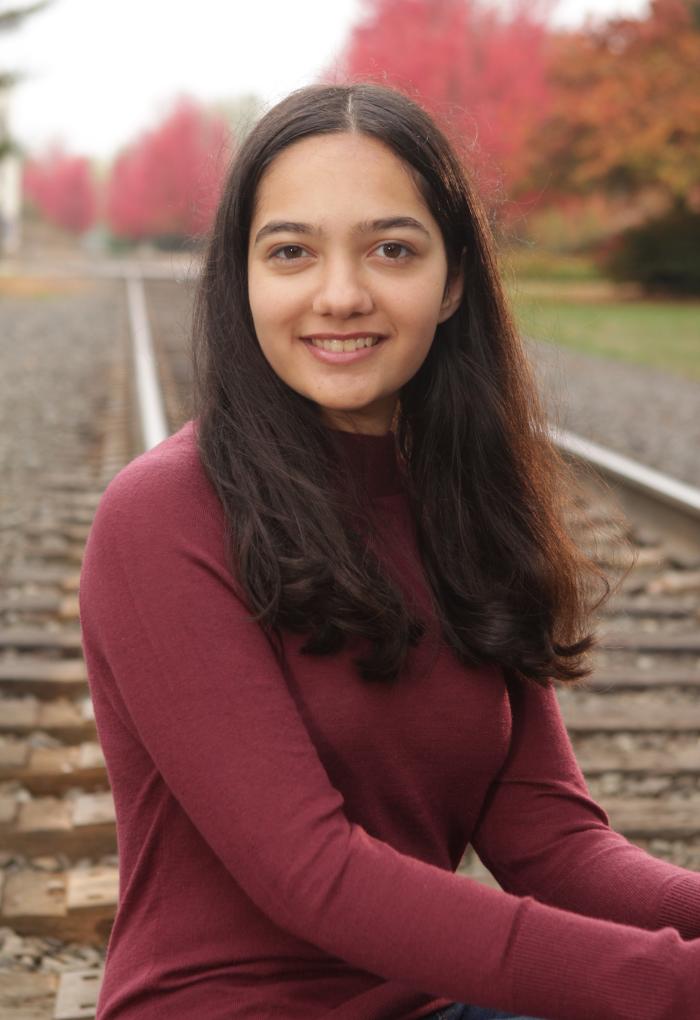
Alyssa Pratt

Alyssa Pratt

Pratt studies RNA secondary structural features called hairpin loops with a wide variety of functions, primary among them being the potential to arrest disease-associated genes, in the lab of David Hendrix, an associate professor of biochemistry and biophysics and computer science. Through bioinformatics experiments utilizing specific algorithms and data sequencing, Pratt investigates the properties and defining characteristics of a little-known subset of RNA hairpins called unbreakable hairpins for a better understanding of their potential and biological significance in the human body.

“Once I met supportive mentors, I realized that innate computer skills didn’t exist and that I could pursue my interests in computer science as well as molecular biology, which inspired me to focus on computational biology.” — Alyssa Pratt

Pratt has also undertaken summer research at Portland State University, where she used optimization methods and computational analysis to search for specific secondary DNA structures in the context of cruciviruses (viral family containing components from both RNA and DNA viruses).

An exceptional student, Pratt is a Presidential Scholar at OSU, and received a number of prestigious awards in high school including a National Merit Scholarship and a National AP Scholarship. She is also a recipient of Oregon State’s URSA Engage Award.

Pratt hopes to pursue a Ph.D. in computational biology after graduation, combining her interests in molecular biology and computer science. In her application, Pratt writes that throughout her school years she thought she “didn’t have the innate computer skills that it seemed my male peers possessed." With effective guidance and mentorship, Pratt began to pursue substantive computational research projects. “Once I met supportive mentors, I realized that innate computer skills didn’t exist and that I could pursue my interests in computer science as well as molecular biology, which inspired me to focus on computational biology.”

Inspired by her own experiences of overcoming bias in a STEM field, Pratt works for the Precollege Programs at OSU as a media assistant, and is involved in a wide range of youth outreach activities designed to increase college access and academic preparation for Oregon’s youth.

The Goldwater Scholarship is administered at Oregon State University through LeAnn Adam, OSU Advisor for the National and Global Scholarships Advising and the OSU campus representative for the Goldwater scholarship.

Elisar Barbar

Women scientists at the forefront of the fight against COVID-19

By Vrushali Bokil

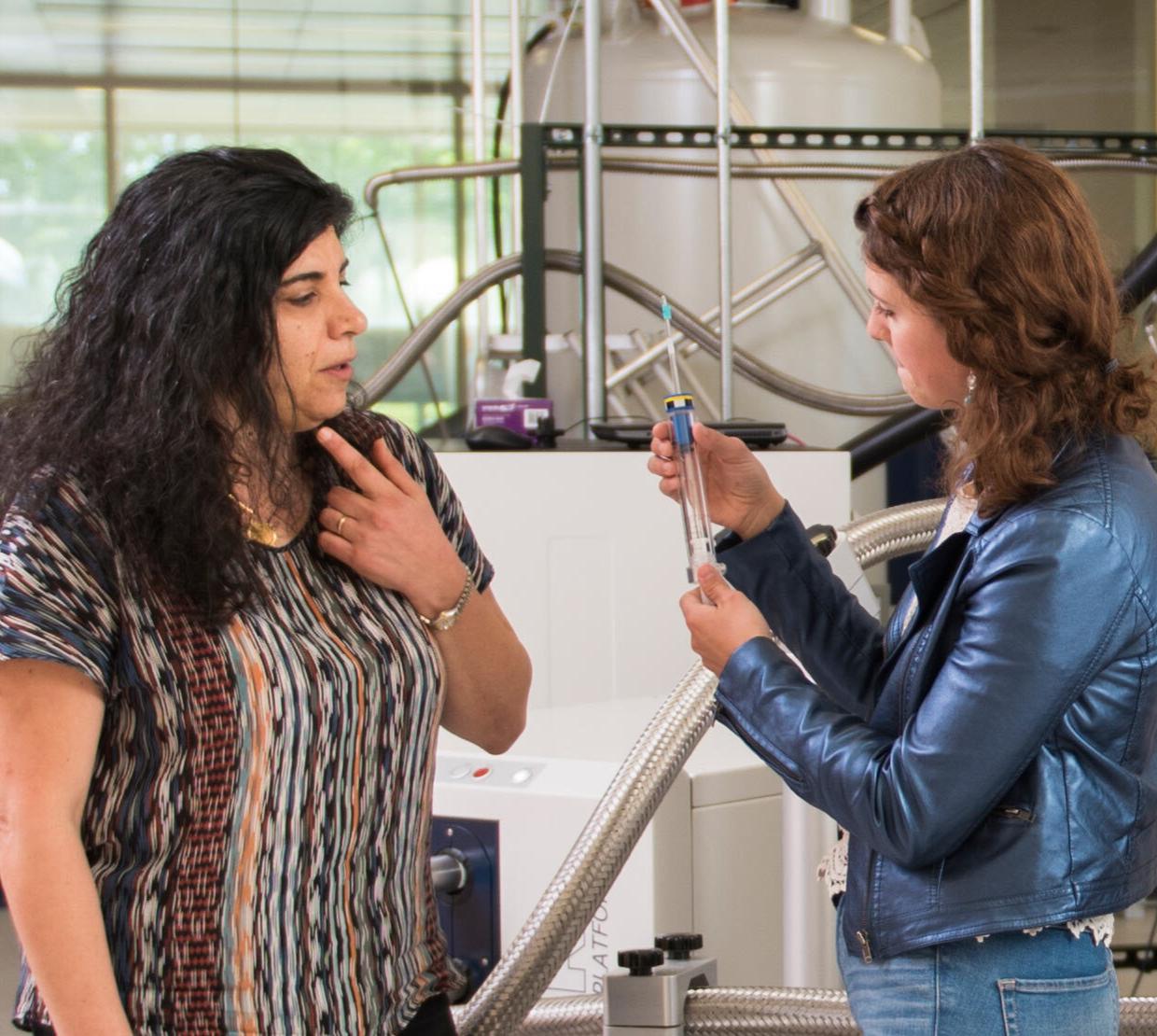
Biochemistry Professor Elisar Barbar in her lab.

In recognition of the International Day of Women and Girls in Science, held on February 11, we acknowledge the women faculty, students and alumnae of the OSU College of Science. The world’s population is 50% women, and yet only 30% of scientists identify as women.

“Women and girls represent half of the world’s population and, therefore, also half of its potential. Gender equality, besides being a fundamental human right, is essential to achieve peaceful societies, with full human potential and sustainable development.” (Source: https://www.un.org/en/observances/women-and-girls-in-science-day)

The UN main event will take place online. Additionally, the 6th International Day of Women and Girls in Science Assembly will be held at the United Nations Headquarters virtually.

The UN theme for 2021 is “Women Scientists at the forefront of the fight against COVID-19”. The COVID-19 pandemic has disproportionately affected women academics, including women scientists, who may face significant career damage, extending the gender gap in science and highlighting unequal effects and existing systemic inequities. In fact, if we are to learn from past pandemics, women are most affected by pandemics.

The Association for Women in Mathematics (AWM) endorsed an open letter, published by the European Women in Mathematics which emphasized the unequal effects of this pandemic on all women academics, especially untenured women and caregivers. They offered suggestions for universities, government and funding agencies to proactively support their most vulnerable populations.

"We did not experience the crisis equally. Untenured faculty lost more. Women lost more. Caregivers lost more. The more vulnerable the population, the greater the disadvantage. No one chooses a pandemic, but now we can choose how to respond." -- the EWM Standing Committee and the EWM Working Group on the Corona Crisis

It is also important to recognize that we cannot fold the experiences of all women into one. Covid-19 has its deadliest effects at crossroads of differing axes of oppression. To meaningfully address issues of equity and inclusion requires that we respond to the unequal effects at the intersections of race & ethnicity, gender, socioeconomic status, disability, sexual orientation, among other social axes of oppression.

And yet, women have made critical contributions to understanding and combating the virus and mitigating its effects on disadvantaged populations.

During this International day of Women and Girls in Science, we take the opportunity to highlight the contributions of OSU College of Science women, both alumnae and current faculty and students, to the fight against Covid-19.

Science faculty, students and alumnae making a difference

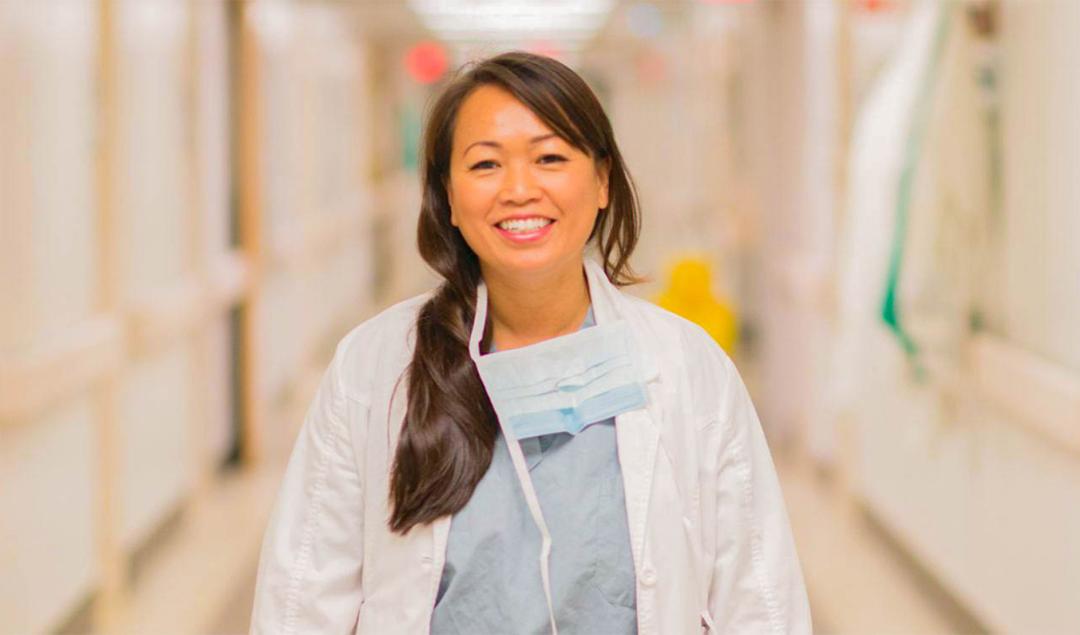
Dr. SreyRam Kuy

Dr. SreyRam Kuy

Dr. SreyRam Kuy (Microbiology '00) was honored with a 2020 Alumni Fellows Award (as an OSU Honors College nominee) at the OSU Alumni Association’s awards virtual ceremony on October 20, 2020. The award recognizes eminent alumni who have distinguished themselves in their professions and communities. Kuy is a practicing general surgeon, healthcare executive and quality improvement researcher. She currently serves as Deputy Chief Medical Officer for the Veterans Affairs Medical Center in Houston, Texas and is a professor at the Baylor College of Medicine.

As the Covid-19 pandemic emerged, Kuy developed a Covid-19 Preparation Tool to help healthcare facilities, businesses and communities rapidly gauge their preparedness for the outbreak, identify areas of weakness and strategically target resources for their greatest impact. She partnered with industry to deploy the free tool widely.

"I had such amazing support at OSU. My teachers and advisers took genuine interest in me and helped and encouraged me. It was a pivotal point in my life that helped me get into medical school and become a doctor,” — SreyRam Kuy

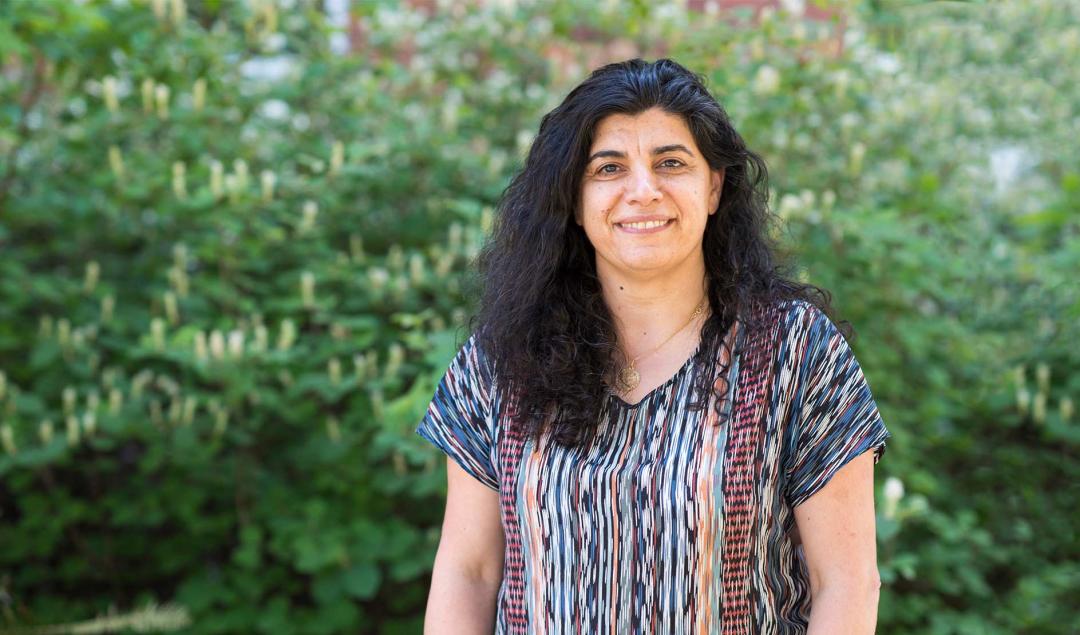
Elisar Barbar

Biochemistry Professor Elisar Barbar

Elisar Barbar, professor and head of the Department of Biophysics and Biochemistry, has received a two-year $300,000 grant from the National Science Foundation to pursue research on the SARS-CoV-2, the novel coronavirus that causes Covid-19. The research project is aimed at understanding how the N-protein of the SARS-CoV-2 performs its essential functions in viral infection and transmission.

The award was made by the NSF EAGER (Early-Concept Grants for Exploratory Research) program, which supports new, exploratory and potentially transformative research ideas or approaches that involve the application of new expertise and novel disciplinary or interdisciplinary perspectives.

“My lab is one of the few labs in the world that works on disordered proteins in viruses using NMR (Nuclear Magnetic Resonance Spectroscopy). This is an opportunity for us to lead and make an impact. We cannot afford to be spectators." — Elisar Barbar

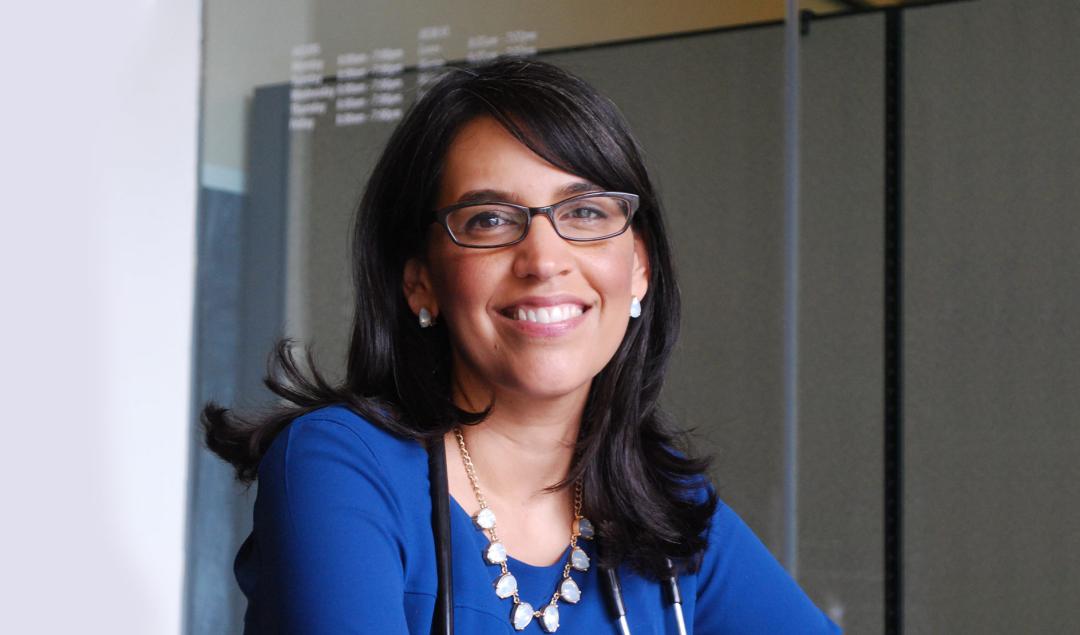
Dr. Eva Galvez

Dr. Eva Galvez

Dr. Eva Galvez (Biology ’99), a family physician at the Virginia Garcia Memorial Health Center, was honored with the 2020 Alumni Fellows Award

The daughter of immigrants, Galvez and her twin sister, Olivia, graduated from the College of Science’s biology program and went on to pursue careers in medicine. Galvez regularly speaks on panels to educate the public around health disparities. During the COVID-19 pandemic, Galvez has become a vocal advocate for mitigating health risks for Oregon’s seasonal farm workers and has addressed the Select Subcommittee on the Coronavirus Crisis in the House of Representatives.

"Much of our society has this belief that health is something that we have control over — that if we as individuals can just eat the right food and exercise the right amount and take the right medications you will be healthy. ... The reality is only about 20% of our health is determined by healthcare and our individual choice. And the rest is shaped by social factors, otherwise known as social determinants of health, and those include cultural beliefs and your values.” — Eva Galvez

Carrie Manore

Mathematics alumna Carrie Manore

Mathematics alumna Carrie Manore (Ph.D. ’11) is at Los Alamos National Laboratory working as part of the Covid-19 modeling team. Manore is a mathematical epidemiologist in the Information Systems and Modeling Group at LANL since 2013. Her work focuses on modeling mosquito-borne diseases such as Zika, chikungunya, dengue and West Nile virus. The LANL Covid-19 forecasts are part of the modeling New Mexico Department of Health officials have been using since April to prepare for and tackle the Covid-19 outbreak.

The ongoing Covid-19 pandemic has placed mathematical models in the spotlight as they have become central to public health interventions, planning, resource allocation and forecasts. OSU mathematics alumni have made important contributions to Covid-19 modeling and research at both national and regional levels.

"I got a really strong background in math at OSU, which not only helped me acquire mathematical skills, but also a way of thinking. It prepared me to work on real problems in the world like I am doing now.” — Carrie Manore

Rachael Aber

Integrative Biology graduate student Rachael Aber

Rachael Aber, Integrative Biology graduate student, has been involved in the TRACE-COVID project that involves door-to-door community surveillance to gather the information that is essential to slowing the spread and minimizing the impact of the disease. She recently spoke at the ARCS Foundation Virtual Event - Science is the Solution about her experiences. She talked about the importance of scientists interacting with the public. Aber received the ARCS Foundation Oregon Chapter Scholar Award.

She was drawn to the Department of Integrative Biology because of its strong tradition of support for interdisciplinary approaches to urgent research questions. She hopes to focus her doctoral research on investigating issues at the intersection of disease ecology and population biology in the lab of Benjamin Dalziel.

“Working in a lab that employs methods from various fields of study will be invaluable to my progress as a science professional.” — Rachael Aber

Elizanette Lopez

Microbiology graduate student Elizanette Lopez

Recent microbiology master’s program graduate Elizanette ‘Nette’ Lopez (Microbiology, M.S. '20) was selected to participate in the Oak Ridge Institute for Science and Education (ORISE) Fellowship program. Lopez was offered a position at the Center for Disease and Control (CDC) Biorepository in Lawrenceville, Georgia.

Her graduate studies were partly funded by a diversity grant from the NIH. During her time at OSU, Lopez advocated for underrepresented minorities and was an active member of the Microbiology Graduate Student Association, Ethnic Minorities United in STEM and a founding member of the Women of Color Caucus. Toward the end of her graduate studies, the COVID-19 pandemic caused widespread disruptions globally. However, the crisis also provided an opportunity for Lopez to gain experience in public health microbiology as a volunteer for the TRACE-COVID-19 project.

As a volunteer, Lopez helped process thousands of swab samples collected from participants in the field. As an ORISE Fellowship recipient, Lopez will soon process SARS-CoV-2 samples and help organize other collections in the biorepository in Atlanta, Georgia.

Katherine McLaughlin

OSU statistician Katherine McLaughlin

Katie McLaughlin is an assistant professor of statistics and co-Principal Investigator of the TRACE-COVID-19 project. McLaughlin is an applied statistician specializing in sampling methodology and social network analysis, particularly for hidden populations at high risk for infectious diseases. The pandemic has led to volumes of data which require statistical interpretation. The data gathered and analyzed by TRACE researchers provide important guidance for local and state officials deciding which public health actions make the most sense in protecting their communities.

“Thanks to all of the support we continue to receive, and thanks to Oregon State’s overarching spirit of collaboration and service, we’re able to play a key role in helping communities stay safe.” — Katie McLaughlin

In addition to the International Day of Women and Girls in Science this month, the International Women’s Day is on March 8, 2021. The UN announced the theme for 2021 is “Women in Leadership: Achieving an equal future in a COVID-19 world”, which is aligned with the priority theme of the 65th session of the Commission on the Status of Women, and calls for the full participation of women, gender equality, elimination of violence against and empowerment for all women and girls. Activities planned around this event will be announced.

Students use a variety of tools to conduct their summer research.

Summer fellowships awarded to exceptional science students

By Mary Hare

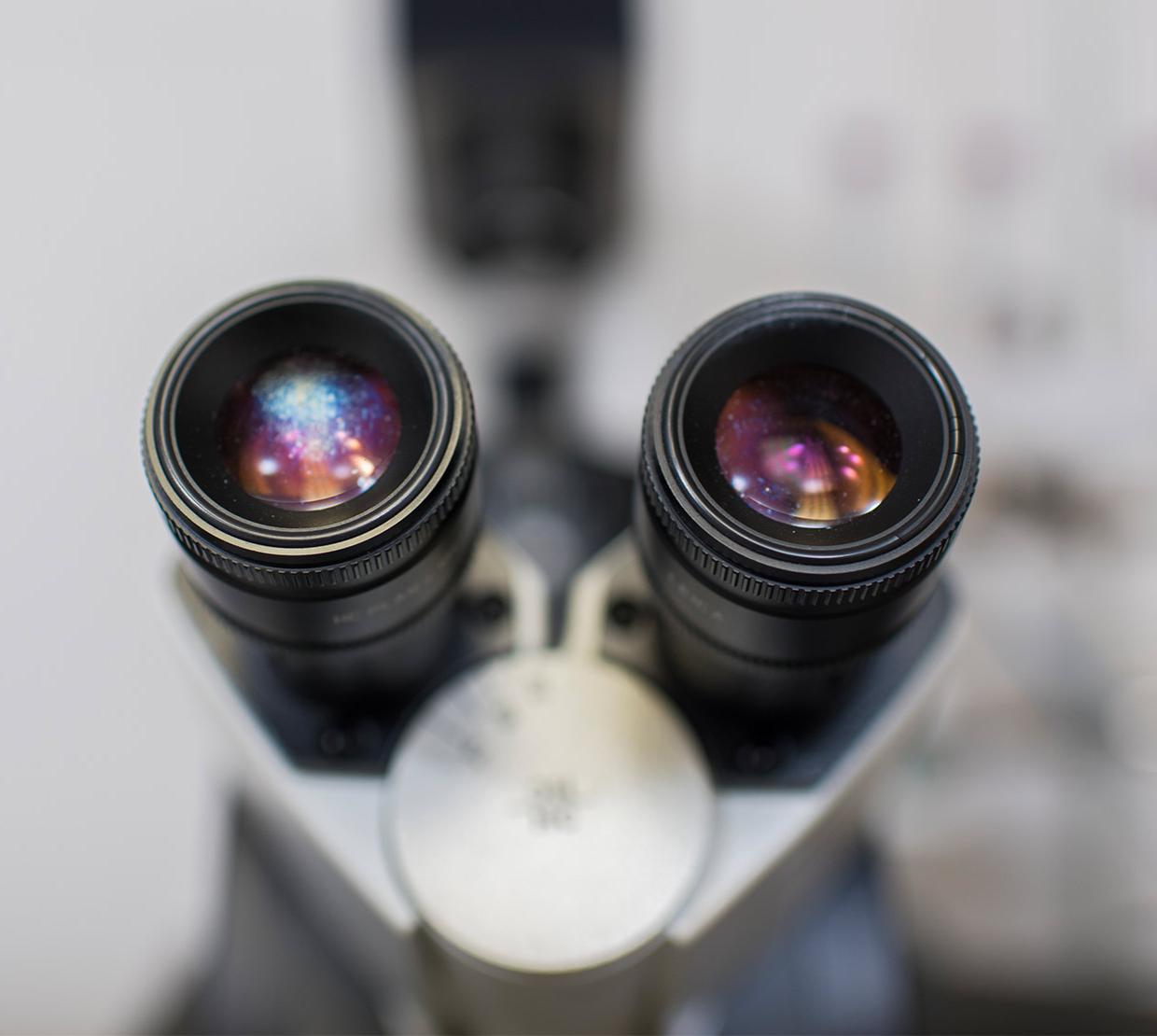
SURE Scholars use a variety of technology to fulfil their research goals, including light microscopes.

The College of Science is proud to announce that 41 science students – a record number – have received summer undergraduate research awards that will provide the opportunity and funding to pursue their research ambitions.

Undergraduate research often plays an instrumental role in developing student-faculty relationships that help students learn and grow beyond the scope of the classroom. For many OSU students, these awards provide the financial leverage to work in the field they are passionate about without being constrained to jobs that simply pay the bills.

The Summer Undergraduate Research Experience (SURE) award is available to all science students who meet the academic requirements. Participants are paid for 11 weeks of full-time research, or 440 hours, for a maximum of $5060. Awardees also receive an additional $500 for research expenses, including travel costs, materials or equipment rental.

This is also the second year that the Department of Integrative Biology offered the Alexei Lubchenco Menge Fellowship, which was awarded to Lily Miksell to support her research examining the interactions of dominant foundation species in Oregon rocky intertidal communities under the guidance of integrative biology professor Sally Hacker. The fellowship was established in memory of Alexei Lubchenco Menge, who died at age 27 in 2005. The award seeks to help one student each year within the department who exemplifies the deep love of the ocean that Lubchenco Menge personified.

SURE science awards are made possible by generous donations of College of Science alumni, faculty and supporters.

The COVID-19 pandemic has led to come changes in the SURE science program in 2020. Due to COVID-19 restrictions limiting access to laboratory space at Oregon State University, the deadline for completing SURE scholar research projects was extended to May 2021. Some students have projects that can be done entirely remotely and will complete and present their findings by the end of the summer. Some of the students below are able to work on their projects in OSU labs this summer, following OSU and Oregon Health Authority safety guidelines. For the majority of this year's awardees, the extended timeframe will allow them an opportunity to continue their research safely throughout the school year while gaining research experience.

SURE Science Scholars

Juan Altamira | Chemistry | Vince Remcho
Analysis of Explosive Compounds via Paper Microfluidic Device

Roy Anderson | Biology | Bruce Menge

Examining the Effects of Upwelling Intensity and Recruitment Limitation on Successional Trajectories in the California Current Large Marine Ecosystem

Thao Mi Anthony | BioHealth Sciences | Kyriakos Stylianou

Implication of Metal Organic Framework with Nanoparticle Composites to Deliver Medication

John Barnes | Biology | Felipe Barreto

Quantity and Quality of DNA extracted from dry vs. alcohol preserved samples of China rockfish

Elizaveta ‘Leeza’ Bliznyuk | BioHealth Sciences | Dylan Nelson

Targeting Mycobacterium abscessus pre-existing biofilms

Madeline Bloom | Chemistry | Claudia Maier
Microchip-MS Optimization of Oxylipins Analysis as a Biomarker for Cardiovascular Disease

Elizabeth Brennan | Microbiology | Stephen Giovannoni

Plankton Need Their Vitamins: Vitamin B1 Excretion by Marine Synechecoccus

Russell Campbell | Zoology | Robert Mason

Integrative Biology Collections Management

Dustin Campbell | Zoology | Robert Mason

Sexual Dimorphic growth of Harderian glands in Thamnophis sirtalis

Emily Gemmill | Biochemistry & Molecular Biology | Weihong Qiu
Keeping up with the kinesins: analyzing regulatory proteins and their effects on the motility of KlpA, a kinesin-14 motor protein

Jessica Giulietti | Biology | Patrick Chappell

Exploring regulation of osteosarcoma in vitro: Mechanisms of RANKL production by autocrine neuropeptides

Dylan Gregory | Biology | Virginia Weis

Using the Split Luciferase Complementation Assay to Identify Protein-Protein Interactions In Cnidarian-Algal Symbiosis

Joshua Griffis | Biochemistry & Molecular Biology | Richard Cooley
Optimized Phosphoserine tRNA Selection

Shelby Hansen | Biology | Brittany Poirson

How is a young mussel's life affected by coastal water conditions?

Joshua Havelind | Biology | Francis Chan

Effect of rising temperature in the ocean on Dungeness Crabs

Toren Ikea-Mario | Biochemistry & Molecular Biology | Tory Hagen

Glutathiones effect on Mitochondrial Decay

Rohal Kakepoto | Physics | Janet Tate

Hall Measurements of TiO2 Polymorphs

Rony Koluda | Chemistry | Claudia Maier
Low Dose Radiation Effect on Myelination -Associated Proteins in Mice

Chapman Kuykendall | Biochemistry & Molecular Biology | Colin Johnson
Characterizing the Biophysical Interactions between Dysferlin C2A and the H3 Helix of Syntaxin-4

Dustin Campbell | Biochemistry & Molecular Biology | Massimo Bionaz
In vivo-in vitro dose-effect response of bovine liver to rumen-protected fatty acids: implementation of a nutrigenomic approach in dairy cows

Jessica Li | Chemistry | Jan Stevens

The effects of xanthohumol on gut microbial metabolism

Maya Livni | Biochemistry & Molecular Biology | Maude David

Unraveling the impact of the gut microbiota metabolites on intestinal sensory neuronal cells and how EECs transduce signals to the brain by forming a synapse with the vagus nerve

Ruben Lopez | BioHealth Sciences | Bo Sun

Quantifying ECM Remodeling by Invasive Tumors

Christopher Markgraf | Biochemistry & Molecular Biology | Susanne Brander

Immortalization and Validation of Inland Silverside Cardiomyocytes, Hepatocytes, and Osteoblasts

Saki Nakai | Mathematics | Vrushali Bokil

Mathematical Modeling of Bipolar Disorder

Hunter Nelson | Physics | Tuan Pham

Blowup of Reaction Diffusion Equations

Jacob North | Biochemistry |Victor Hsu

Elucidating binding features of drug targets to Farnesoid X receptor by unsupervised machine learning of molecular dynamics trajectories

Sarah Olson | Microbiology | Frederick Colwell

Investigating Changes in the Microbiome of North Creek

Reina Paez | Biochemistry & Molecular Biology | Lia Danelishvili

Identifying and Purifying Non-Tuberculosis Mycobacterial Surface Antigens for the Purpose of Inducing Trained Immune Responses in Macrophages

Aneila Parra | Biology | Jiraporn Lueangsakulthai and David Dallas

Premature vs. Term Infant Milk Protein Digestome

Jacob Rauenhorst | Chemistry | Kathy Magnusson

Effects of ibuprofen on NMDA receptor expression and contribution

Alan Schultz | Physics |Hoewoon Kim

The Linearized Navier-Stokes Equations Solved on the Sphere by Fourier Transform Method

Rhea Sellitto | Biology | James Rivers

Evaluating the nutritional landscape for wild bees in managed conifer forests

Anna Sung |BioHealth Sciences| Maria Franco

Role of Redox Signaling in Development and Growth of Tumors of the Nervous System

Savannah Taggard | Biology | Molly Burke

The evolution of RoundUp resistance in the yeast Saccharomyces cerevisiae

Jessica Waymire | Physics | Matt Graham

Hyperspectral Fluorescence Imaging of Twisted Bilayer Graphene

Kaytlin Wearne | Biochemistry & Molecular Biology | Kenton Hokanson

The Effects of hsp90 on p2x7 on Human ALS Neurons

Devin Wright | Biochemistry & Molecular Biology | Michael Freitag

Zymoseptoria Tritici Mutation Accumulation Experiment

Elizaveta "Lisa" Zhivaya | Biochemistry & Biophysics | Maude David

Impact of the gut microbiota metabolites on the autism phenotype modulation

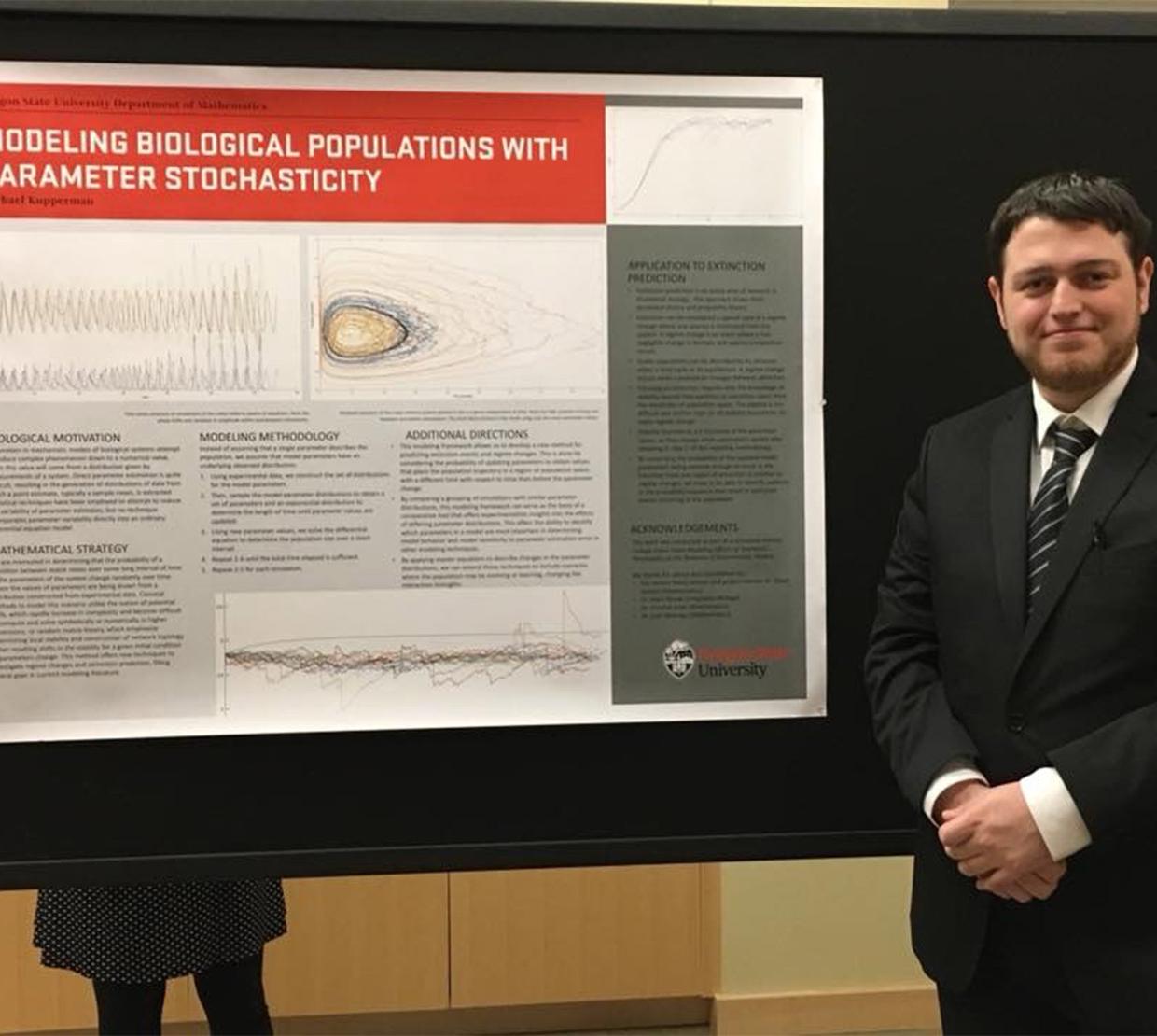
Michael Kupperman in front of his research poster

Prestigious research internship opens new possibilities for double-major science student

By Martha Wagner

Michael Kupperman, honors senior in mathematics and biology double-major

Senior Michael Kupperman loves to do research at the crossroads of mathematics and biology a deep interest the Honors student has explored as a double-major in the College of Science and in a prestigious summer internship.

Kupperman will graduate in June with honors degrees in mathematics and biochemistry and minors in chemistry and history. With his strong background in science, technology, engineering and mathematics (STEM) coursework beginning in his freshman year, it’s not too surprising that he was among the 20 percent of applicants accepted for a Science Undergraduate Laboratory Internship (SULI) at Los Alamos National Laboratory (LANL) in Los Alamos, New Mexico, last summer.

A mathematical biologist, Kupperman is also the only Accelerated Master’s Platform (AMP) student in mathematics this academic year. He’s a member of the University Honors College, an OSU presidential scholar, and he completed his honors thesis in mathematics in his third year. In February 2019, he teamed up with two other OSU undergrad math students to produce a solution to an optimization problem for the annual COMAP (Consortium for Mathematics and Its Applications) Mathematical Contest in Modeling, a solution that had to be completed within 97 hours and was awarded a meritorious distinction.

The paid 10-week internship program he experienced is designed to encourage undergraduates and recent graduates to pursue STEM careers through research experiences at one of the U.S. Department of Energy (DOE) national laboratories. Admittance to the program, says Kupperman, was based on statements he wrote about his research interests as well as his technical proficiencies, computer skills and letters of recommendation.

LANL is one of the largest science and technology institutions in the world, conducting multidisciplinary research in fields such as national security, space exploration, nuclear fusion, renewable energy, medicine, nanotechnology and supercomputing. Kupperman says that today LANL is arguably best known in scientific circles for its work on supercomputer mainframes and the Metropolis Hastings algorithm.

Kupperman explains his work at Los Alamos this way: “I’m a theorist largely— a majority of my work happens at a computer and a whiteboard rather than a laboratory bench— it’s a very collaborative environment. I had a research mentor, graduate students and post-docs who were also available to me.”

Kupperman took part in a different kind of collaborative effort on the OSU campus several months before his internship, when he and two other undergraduate math students entered an international competition to solve an optimization problem for the 2019 COMAP Mathematical Contest in Modeling. Their solution placed in the top 8 percent of more than 14,000 submissions worldwide, winning them a meritorious distinction. The problem tasked them with creating a detailed plan for packing disaster relief supplies in drones and calculating flight paths and schedules for delivery to an island after a theoretical hurricane based on the real hurricane that devastated Puerto Rico in 2017.

As a freshman from Hillsboro, Oregon, Kupperman started out as a biochemistry and biophysics major. “That lasted all of a week,” he says, “before I added a math major, which was by far the most rewarding decision I’ve made in college. I was interested in systems, be it the rules of evolution or the processes that govern cells. When OSU added the BMB (biochemistry and molecular biology) major, I switched from biochemistry and biophysics to BMB, which offered a computational option. With BMB, I could take the elective courses I wanted to take (computer science, genomics, etc.) within the major.”

Today Kupperman says that his research interests “lie at the interface of mathematics and biology, focusing on probability theory and dynamics.” The topic of his thesis was The Mathematics of Critical Shifts in Ecological Networks with Alternative Stable State Theory, a Potential Framework for Early Warning Indicators, available through the OSU Scholars Archive.

The SULI internship experience will likely benefit Kupperman’s graduate school and career plans. “My experience at Los Alamos shifted my focus from pure mathematics to applied mathematics. I continue to be interested in biological problems, but I’ve thought a lot more about the best path forward to that goal. Los Alamos opened my mind to considering national laboratory research and employment. It’s a unique type of place, somewhat removed from industry-specific pressures, but offering a bit more structure than a university research environment.”

Other thoughts about his Los Alamos internship? Kupperman enjoyed living in a town said to have the highest concentration of Ph.D.s per square mile in the world. “People like living and working there” he says. “For such a small town, Los Alamos also has great food,” he adds, not an insignificant detail for someone who considers himself a foodie and enjoys making gourmet ice cream, creating flavors ranging from bacon to figs and brandy.

Meanwhile, with graduation on the horizon, Kupperman is assessing graduate school programs and looking forward to that next chapter in his education.

Light bulb and laurel icon labeled "2019" above light texture

Fall awards: Celebrating excellence in research and administration

By Srila Nayak

2019 Fall Faculty and Staff Awards

The College of Science celebrated research and administrative excellence at its 2019 Fall Faculty and Staff Awards ceremony and reception on November 21.

Dean Roy Haggerty delivered welcome remarks. This year, the College recognized exceptional achievement in advancing inclusive excellence, distinguished service, as well as highest quality performance beyond the call of duty. As a result, there were three new award categories: Inclusive Excellence, Distinguished Service, and Champion of Science awards.

Hearty congratulations to these award-winning faculty and staff who were recognized for their outstanding achievements:

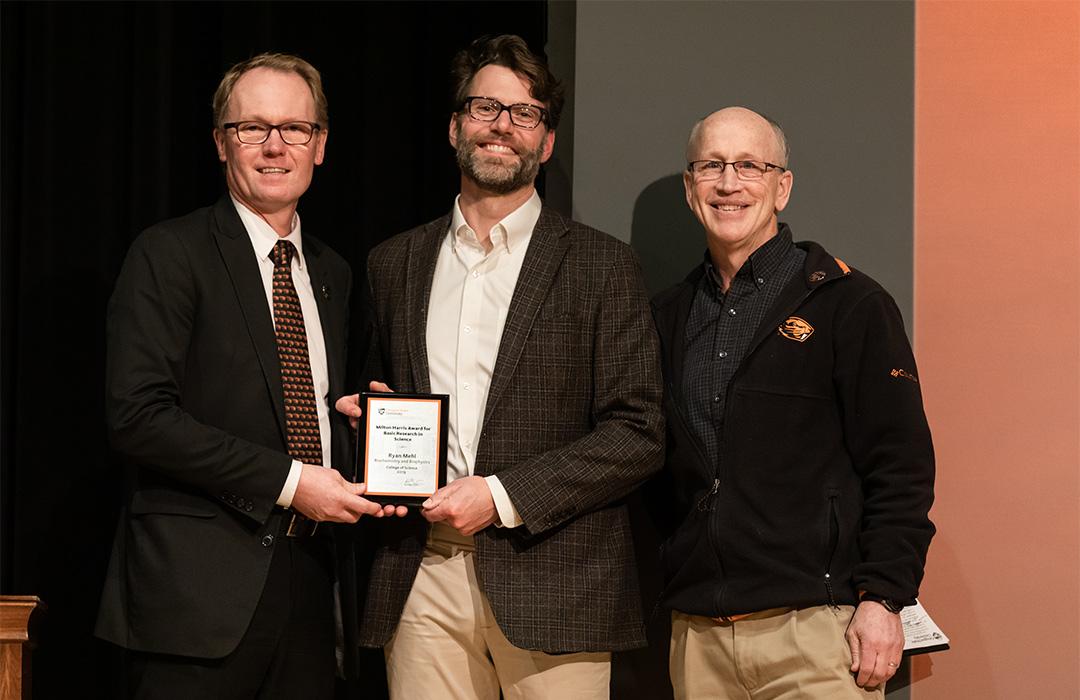
Milton Harris Award in Basic Research

Ryan Mehl receiving award on stage with colleagues

Ryan Mehl with Roy Haggerty (left) and Andrew Karplus

Ryan Mehl, professor of biochemistry and biophysics, received the Milton Harris Award in Basic Research for his impactful, internationally recognized basic research in the area of genetic code expansion (GCE). The latter involves engineered protein synthesis machinery to incorporate novel chemical groups at pre-specified places. Mehl has several patents and 66 research articles to his credit, quite a few of which have been cited more than 4000 times.

Among his many distinguished research discoveries are groundbreaking studies providing the first evidences how the protein nitro-tyrosine contributes to pathology in Lou Gehrig’s disease and in artherosclerosis. Mehl has been awarded several NIH and NSF grants to support his research. At OSU since 2011, Mehl has established and leads the Unnatural Protein Facility, a unique, first of its kind in the world facility that promotes the use of GCE by non-expert researchers.

“This work has also established OSU as an international leader in this arena, and NIH has invited us to submit a proposal to establish an NIH Center focused on GCE technology development,” said Andrew Karplus, head of the Department of Biochemistry and Biophysics.

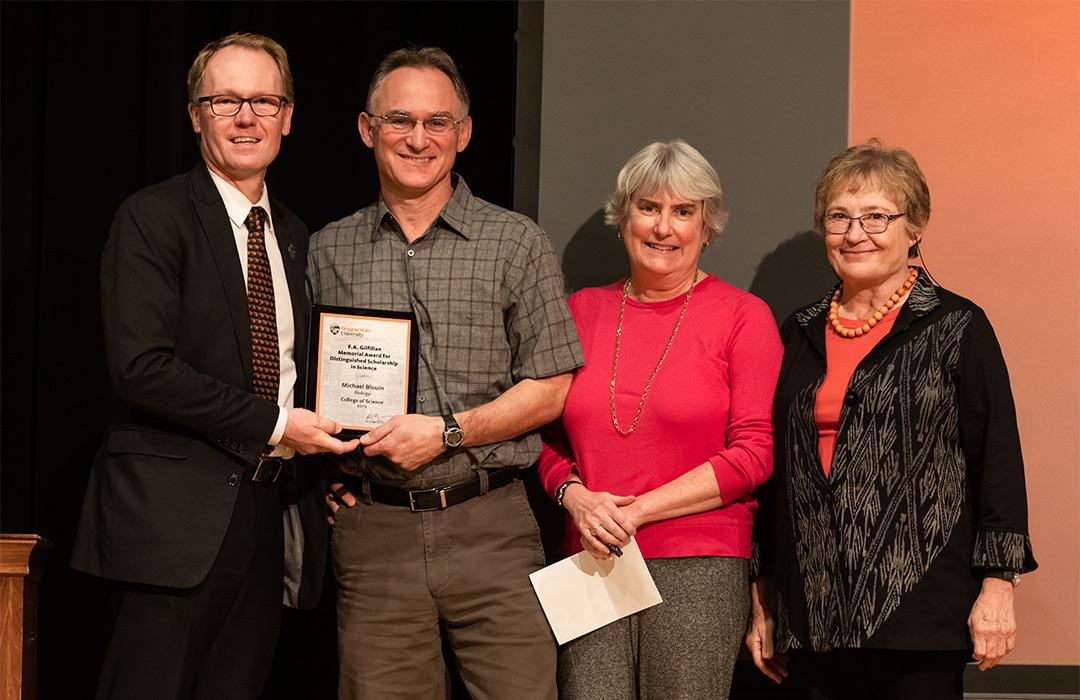
F.A. Gilfillan Award

Michael Blouin receiving award from colleagues on stage

Michael Blouin with Roy Haggerty and Virginia Weis

Professor of integrative Biology Michael Blouin was honored with the F.A. Gilfillan Award for Distinguished Scholarship in Science. The Gilfillan award honors a faculty member in the College whose scholarship and scientific accomplishments have extended over a substantial period of time.

Blouin’s contributions to the field of evolutionary and population genetics have been impressive. In his 24 years at OSU, Mike has developed a remarkably broad, distributed and well- funded research program that has spanned evolutionary genetics and parasite molecular ecology and evolution.

“We believe that Mike is performing transformational research in critical areas of biology. His scholarship has raised the profile of the College and the University,” said Virginia Weis, head of the Department of Integrative Biology.

In his early years at OSU, he essentially started the field of endo-parasite molecular ecology. Endoparasites are remarkably difficult to study given that they live within other organisms and are often microscopic in size. Blouin’s group used molecular markers to find these parasites in animal populations, opening up a whole new field of host-parasite populations.

In recent years, Blouin has made distinguished contributions in two new fields: salmonid conservation genetics and schistosome molecular biology. Schistosomiasis is a human infectious disease that is cause by a schistosome flatworm. It affects 200 million people worldwide and is under-studied, in large part because the affected populations live in developing nations that often lack clean water and resources to combat the disease.

In the case of salmonids, he has revealed the fundamental importance of life history traits in the success/limitations of hatchery fish in the Pacific Northwest.

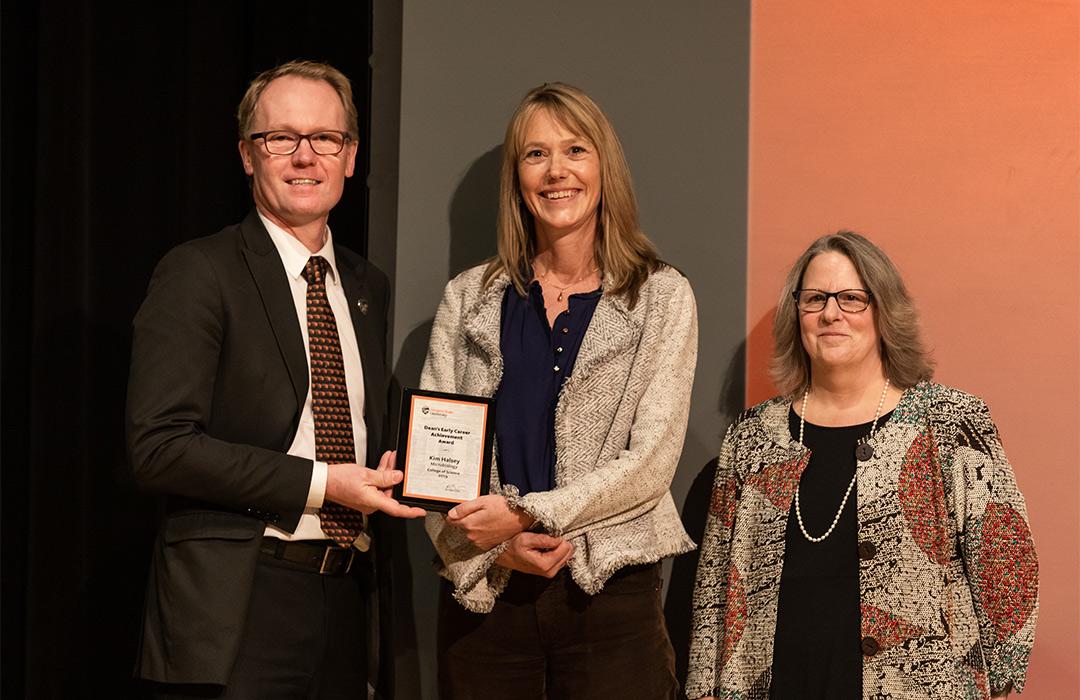
Dean’s Early Career Impact Award

Kim Halsey receiving award from college on stage

Kim Halsey with Roy Haggerty and Jerri Bartholomew

Kim Halsey, associate professor of microbiology, and Rebecca Terry, associate professor of integrative biology, received the Dean’s Early Career Impact Award. At OSU since 2011, Halsey began her career as a microbial physiologist and biochemist studying the enzyme butane monooxygenase, and its role in the bioremediation of the environmental pollutant trichloroethylene. Her precise research on this process, which explored the role of protein structure in determining the substrate range of the enzyme, has been cited over 100 times.

“Her groundbreaking research and scholarship is opening new areas of scientific enquiry and has earned her the respect of the international scientific community,” said Jerri Bartholomew, head of the Department of Microbiology.

In addition to other areas, Halsey also studies the ocean carbon cycle, with a focus on photosynthetic energy producing phytoplankton, particularly diatoms, which alone account for over 25% of global primary production, and are a key to forecasting climate change.

Halsey became internationally respected for defining the fates of photosynthetic energy with unprecedented precision, in multiple phytoplankton taxa, and fitting this data into a theory of cell strategies for distributing photosynthetic energy.

Rebecca Terry talking with students in lab

Rebecca Terry with students

Rebecca Terry’s interdisciplinary research involving paleontology, ecology, and geography significantly broadens the research landscape at the College. The discipline of paleoecology — the ecology of fossil animals and plants — is constantly gaining importance as it reveals important insights into the past that can inform the future of our planet during the Anthropocene.

“Dr. Terry is highly respected by her peers for pushing the boundaries of what information can be deduced from fossilized remains of mammals. Dr. Terry develops innovative approaches and uses them to reveal important insights into the past,” said Virginia Weis, head of the Department of Integrative Biology.

Many of her publications appear in high impact journals, such a Nature and PNAS. On top of that, Terry’s work has received broad media attention; For example, the 2016 Nature paper that she co-authored was highlighted in 16 news outlets including the Washington Post, Science Daily, and Nature News and Views. It also won a 2016 Science Achievement Award from the National Museum of Natural History.

Inclusive Excellence Award

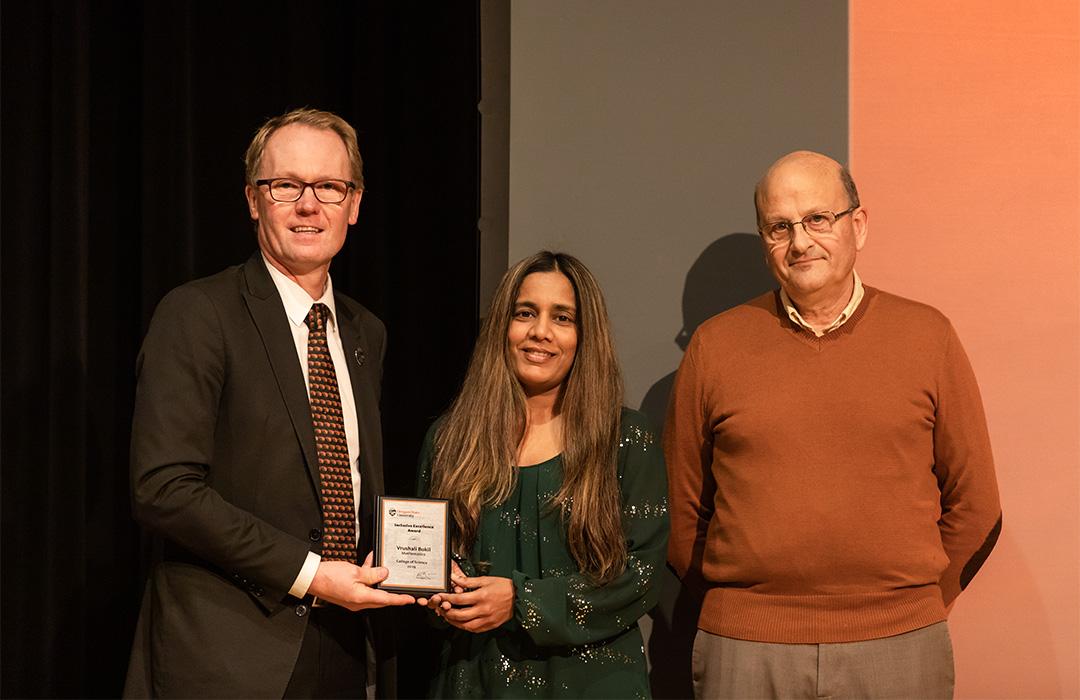
Vrushali Bokil receiving award from colleagues on stage

Vrushali Bokil with Roy Haggerty and Enrique Thomann

Professor of Mathematics Vrushali Bokil and the physics student club Physicists for Inclusion in Science (PhIS) received the College of Science Inclusive Excellence Award. Bokil’s leadership in advancing equity, justice and inclusion (EJI) at OSU has had a substantial impact on the Department of Mathematics and the College.

Bokil participated in the 60-hour immersive Oregon State Advance Seminar, which takes participants deep into the literature on difference, power and discrimination both theoretically and practically with STEM disciplines. She has developed and embedded ADVANCE materials into the professional development seminar for mathematics graduate students as well as for students across the College.

“Professor Bokil brings a deep understanding of the value of diversity for faculty and student success, and has put into play important structural changes that can ensure sustainable impact,” said her colleagues Edward Waymire, Enrique Thomann and Rebecca Warren.

Bokil has also supported a workshop on “Sexual Harassment in the Mathematical Sciences: Moving Towards Action” for the Association of Women in Mathematics and participated in recruiting/assisting students from underrepresented groups in pursuit of a Ph.D. in mathematics.

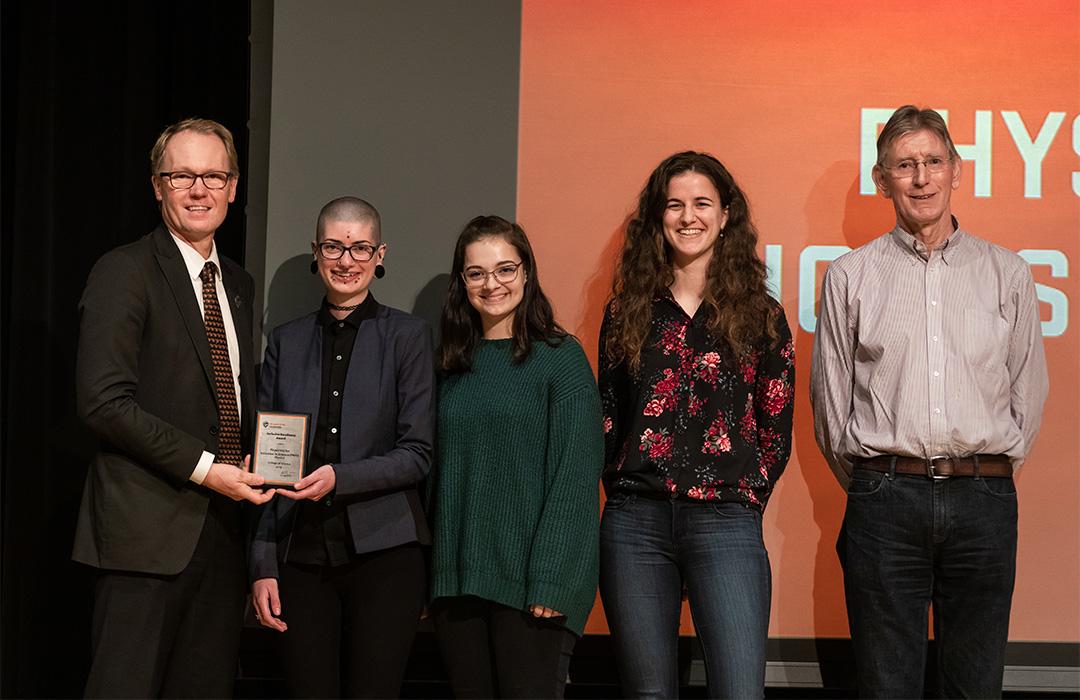
female students receiving award from science faculty on stage

PhIS members with Roy Haggerty and Henri Jansen

Physicists for Inclusion in Science (“PhIS”, pronounced “fizz”) grew out the Women in Physics group. The group supports members of underrepresented groups as they pursue their careers. The 2019/20 officers are Acacia Patterson (President), Gina Mayonado (Vice President), Abbie Glickman (Treasurer), Mattia Carbonaro (Secretary).

PhIS members walk the walk and have gone far beyond expectations of a standard student group. They have run several Diversity & Inclusion in Physics Instruction workshops for the first-year graduate students in physics, at the National Meeting of the AAPT, and at the annual meeting of the Pacific Northwest Association for College Physics. PhIS was an important co-organizer of the CUWiP conference in Winter 2016. This was a big national event with over 200 participants. The OSU Conference for Undergraduate Women in Physics (CUWiP) was one of nine conferences held across the U.S.

“I am sure that several students stayed and received a degree from OSU mainly because of the activities of this group.”

“PhIS gives the physics department a clearly visible face in the area of diversity, even though our diversity numbers are small,” said Henri Jansen, professor of physics and associate dean for academic and student affairs.

College of Science Distinguished Service Award

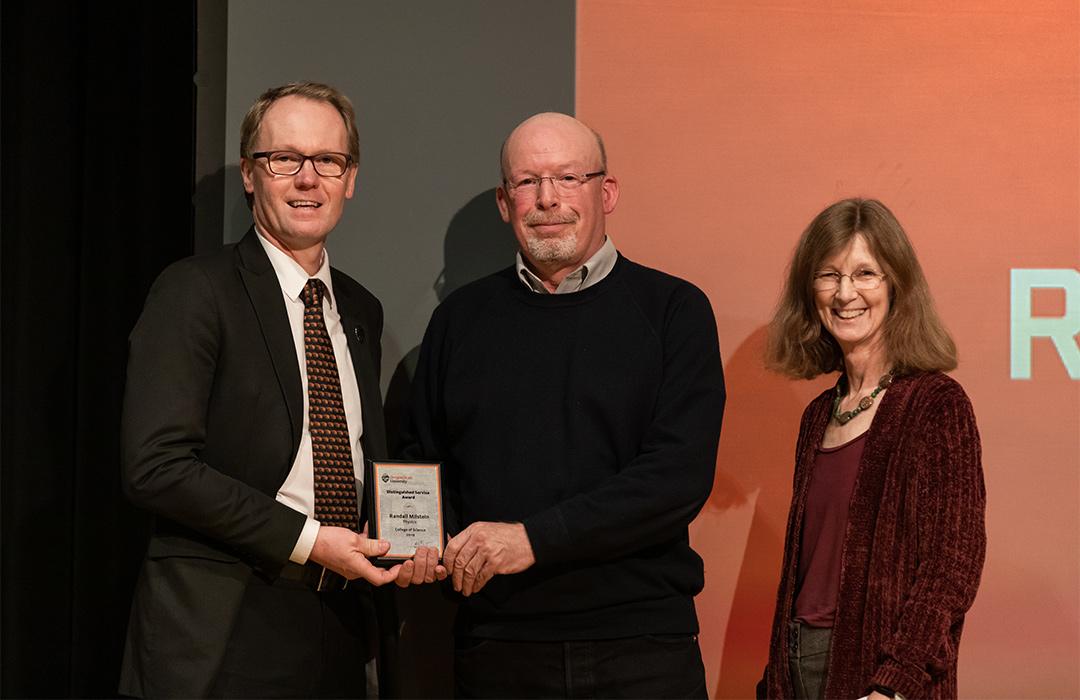
Randall Milstein receiving award from colleagues on stage

Randall Milstein with Roy Haggerty and Janet Tate

Randall Milstein, physics instructor, and Margie Haak, senior instructor of chemistry, received the College of Science Distinguished Service Award. Milstein, who is also the Astronomer-in-Residence for the Oregon NASA Space Grant Consortium, was recognized for his extraordinary efforts during the August 21, 2017 OSU’s total solar eclipse event which was witnessed by thousands of people in Corvallis.

“His effort represented hundreds and hundreds of hours of personally donated time to make this event as special as it was. It was truly above and beyond the call of duty,” said Janet Tate, professor of physics.

His activities ranged from high-level organization (OSU’s Total Solar Eclipse/OSU 150 Space Grant Celebration Planning Committee), to education (dozens of talks to help people understand, reaching nearly 4000 people), education workshops (solar filter parties to teach people to be safe), advertising (numerous radio and television interviews — Al Jazeera America, CBS News, Los Angeles CBS, etc.) and, of course, observation of stars and of the eclipse itself (telescopes, binoculars).

In the months ahead of the eclipse, he traveled the state tirelessly. His knowledge and enthusiasm reached thousands and OSU benefited beyond measure.

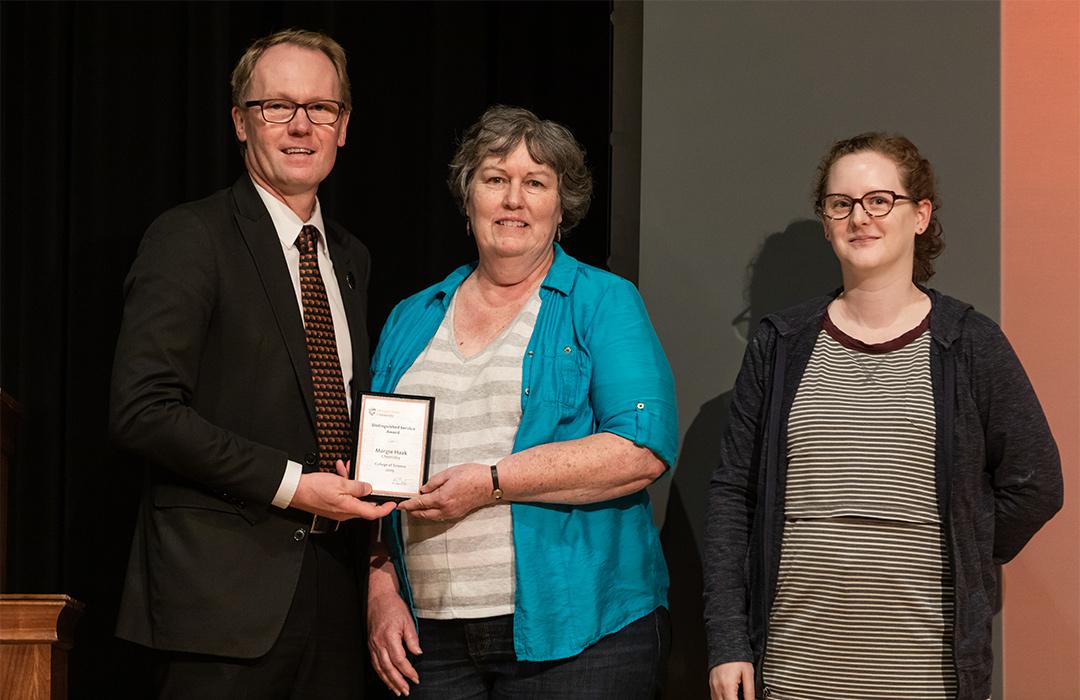
Margie Haak receiving award from faulty on stage

Margie Haak with Roy Haggerty and Paula Weiss

Haak has been a member of OSU Chemistry for 26 years. During this time, she has given countless hours in service to the chemistry department, the College of Science, Oregon State University, and surrounding communities.

Haak serves as the coordinator for the Mole Hole (Chemistry Help Center). She spearheaded the expansion of the Mole Hole from approximately 15 hours per week to over 60 hours per week. Because of her, the Mole Hole now has consistent hours that extend into the evening and weekends, which are prime study times for undergraduates. This space has had a large impact, serving several thousand undergraduate students each term.

“It’s an honor to work with Margie. She has helped thousands of students experience the beauty of science. Her impact has undoubtedly led many of them to go on to study science at OSU,” said Paula Weiss, senior instructor of chemistry.

Haak’s effort in science outreach are unparalleled in the chemistry department. For the last 17 years she has coordinated and presented Family Science & Engineering Nights and Family Math Nights at local elementary schools. She typically has 15 – 20 of these events each year. She has coordinated the Science Olympiad State Tournament at OSU. For 14 years she was the coordinator for Discovery Days, a two-day science outreach event attended by approximately 1800 K-9 students.

Champion of Science Award

Bettye Maddux receiving award from Roy Haggerty on stage

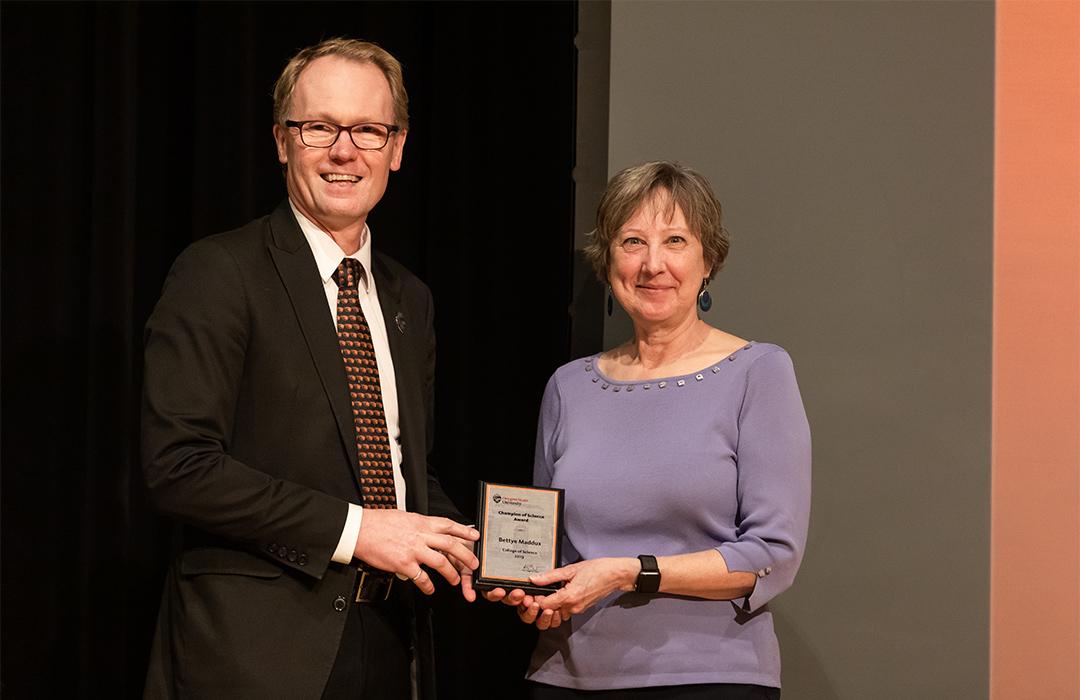
Bettye Maddux with Roy Haggerty

Bettye Maddux, Director of Research Development in the College of Science, received the Dean’s Champion of Science Award. This is the Dean’s award recognizing an individual or individuals who demonstrate excellence and extra effort that goes beyond what is requested, and the highest quality performance. The award is modeled, including its name, after the President’s Beaver Champion Award.

With more than 20 years of research experience in academic and industry, Bettye created the College’s Office of Research Development from scratch. In its first full year of operation, Bettye increased the value of science proposals submitted by 30% and increased the number of proposals submitted by 6%.

“In more than 25 years of funded research at several institutions, none of us have ever had as much help and expert advice as we have received from Dr. Maddux,” professors Juan Restrepo and Vince Remcho said in a statement.

“She is constantly seeking funding opportunities, she strategizes with us in the writing process, she helps us understand the requirements of every call for proposals, she oversees budget preparation, she interfaces with the Research Office on all matters concerning proposal requirements, and has led inter-institutional funding efforts with complex organizational requirements.”

Science Research and Innovation Seed Program Awards

award recipients holding up awards on stage with colleagues

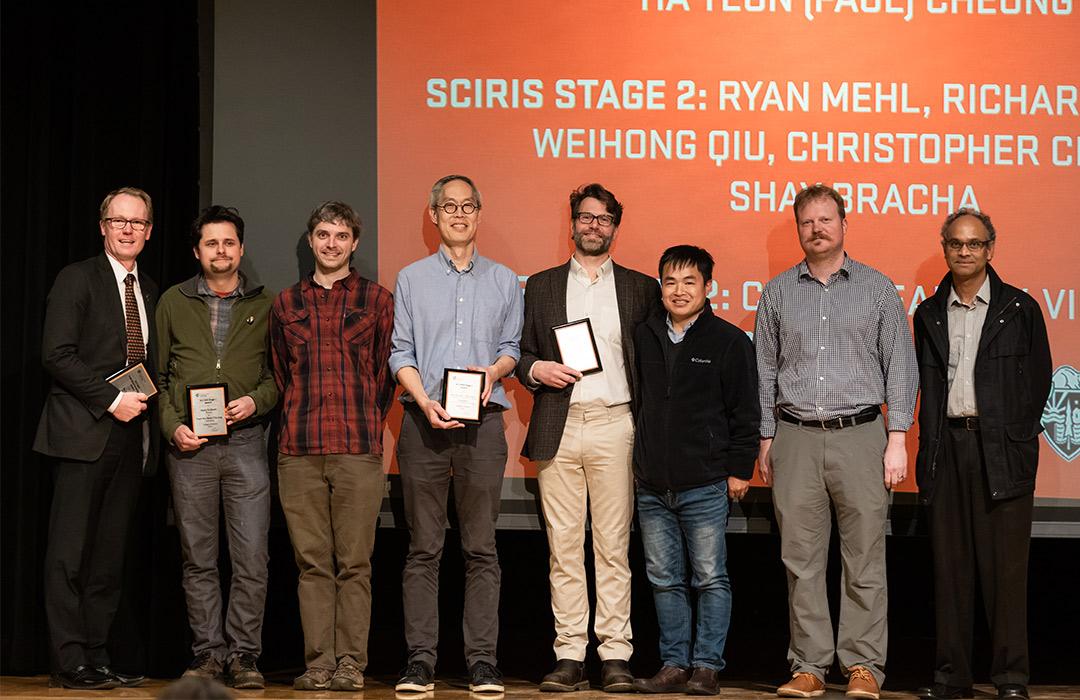
Roy Haggerty with SciRis awardees (left to right) Matthew Graham, Richard Cooley, Victor Hsu, Ryan Mehl, Weihong Qiu, Chris Cebra and Siva Kolluri.

Six research teams won the Science Research and Innovation Seed Program (SciRis) and the Betty Wang Discovery Fund Awards for projects that contribute to physical chemistry, organic chemistry, solar cells and thin film display transistors, human health and the development of diagnostic tools.

The SciRis awards went to the following teams:

Assistant Professor of physics Bo Sun, along with collaborators from the University of California, San Diego and Northeastern University, was awarded $10,000 to elucidate the causes and consequences of cancer cell migrational phenotype plasticity, which contributes critically to the process of cancer metastasis. The research will potentially lay the groundwork to develop new classes of cancer screening assays and metastasis-targeting treatments.

Biochemists Ryan Mehl, Rick Cooley, physicist Weihong Qiu, and Chris Cebra and Shay Brachafrom the Carlson College of Veterinary Medicine received the SciRis Stage 2 award for their project “Chemically Functionalized Nanobodies.” Nanobodies, a subclass of small antibody fragments, where discovered in 1989 and represent an exciting new technology for the development of therapeutic and diagnostic agents.

The $75,000 grant will help the researchers develop a unique technology platform that enables generation of chemically functionalized nanobodies which will function as new therapeutic and diagnostic tools opening up new avenues for medicine and basic research. The resulting chemically functionalized nanobodies will be engineered to bind a specific antigen/protein target and deliver a therapeutic antibody

Chris Beaudry, professor of chemistry, Victor Hsu, associate professor of biochemistry and Siva Kolluri in the College of Agricultural Sciences received the SciRis Stage II award for their project, “Homoharringtonine: Chemical Synthesis amd Evaluation of Designed Analogs.” The group will conduct research on analogs of Homoharringtonine (HHT) with improved pharmaceutical properties. HHT is a plant alkaloid isolated from the plum yew Cephalotaxus harringtonii.

HHT shows great promise as a starting point for the development of new medicines for multiple forms of cancer, however it is highly expensive and difficult to acquire both as a chemical and as a medicine. Among other objectives, the group will work on creating an efficient chemical synthesis of HHT which quadruples the chemical yield, and can be used for investigation in combination therapies and evaluation in modern drug delivery systems.

Physicist Matthew Graham and chemist Paul Cheong received a $10,000 SCiRIs Stage I award for their project “Performance Optimization of Transistors and Solar Photovoltaics by Ultrabroadband Photoconductance Microscopy of Trap-State Density and Lifetimes.” The team will further enhance and develop an ultrabroadband photoconductance microscope that was invented in the Graham lab in 2016. This novel microscope tackles fundamental grand challenges that inhibit the performance of photovoltaic and thin film display transistors.

The Betty Wang Discovery Fund made two awards to maintain state-of-the-art laboratories to advance fundamental discoveries in the basic sciences.

Associate professor of Chemistry Chong Fang was awarded funds for a new fluorometer in the ultrafast laser spectroscopy lab at Linus Pauling Science Center. Chemistry professors Chris Beaudry and Paul Blakemore received a grant to purchase an improved model of a microwave synthesis reactor, an essential technology for organic synthesis.

Awards for administrative excellence

Mary Fulton receiving award from Roy Haggerty on stage

Mary Fulton with Roy Haggerty

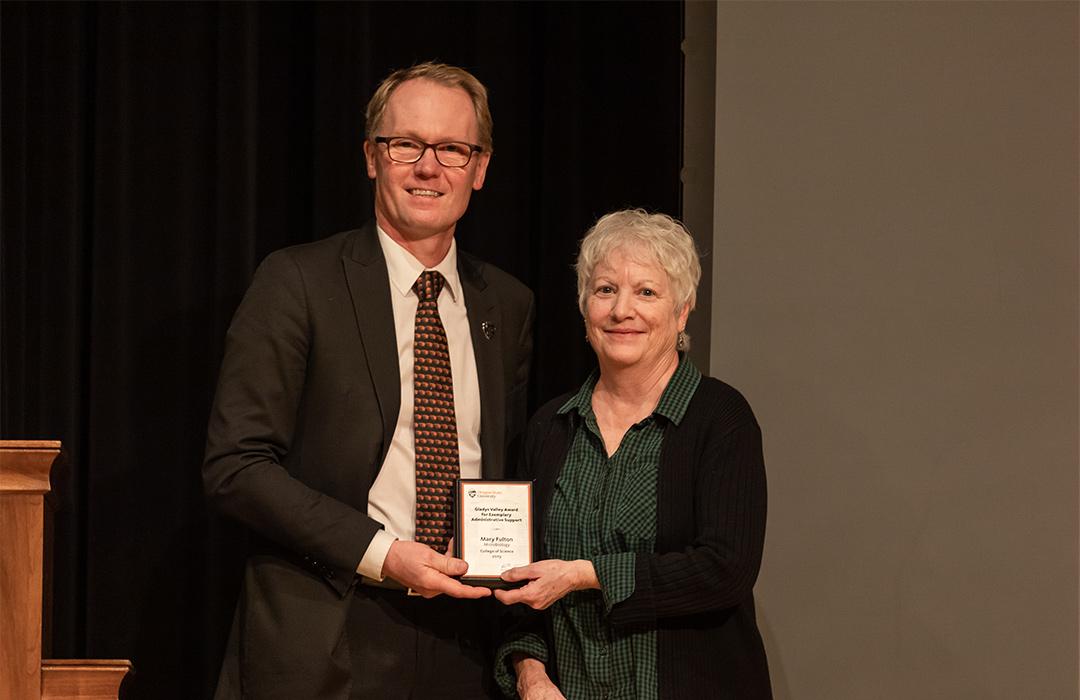
Mary Fulton, assistant to the head of the Department of Microbiology, received the Gladys Valley Award for Exemplary Administrative Support. Fulton was appreciated for her hard work, professionalism and exemplary administrative abilities.

“Working with Mary is truly a pleasure. She has the patience, intuition and persistence required to work with all kinds of people, traits that are valued by everyone in the department.”

I think the faculty perfectly captured that she is the soul of the department and highly deserving of this award,” said Jerri Bartholomew, head of the Department of Microbiology. Among other administrative accomplishments, Fulton’s successful event planning and coordination made microbiology one of the most successful departments in raising funds for the Annual Food Drive.

Bill Freund receiving award from colleagues on stage

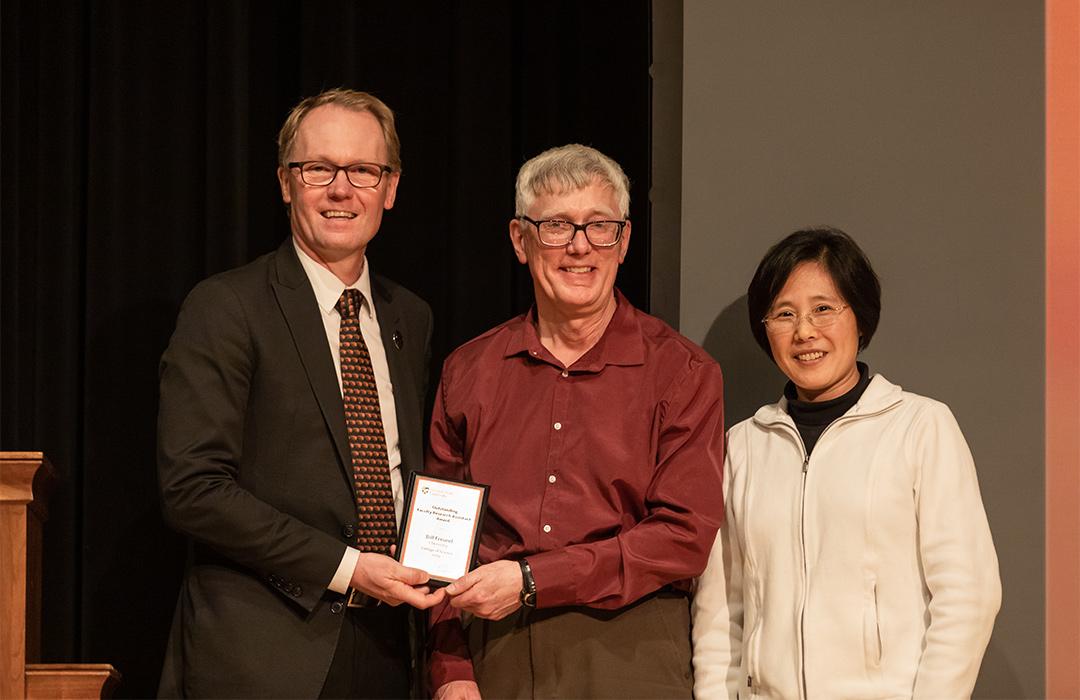
Roy Haggerty with Bill Freund and Wei Kong

Bill Freund of the Department of Chemistry won the Outstanding Faculty Research Assistant Award. Freund has served as a faculty research assistant in Professor Wei Kong’s group since 2009. This award recognizes a faculty research assistant who has a record of outstanding job performance and contributions.

“He has been instrumental in almost all aspects of my laboratory, from design of new experiments to troubleshooting of equipment, and ultimately to completion of any project, large and small,” said Kong.

“He has also been a great mentor to all of my students and postdoctoral fellows, showing them problem solving skills and transferring to them his life’s experience in being a responsible and wise citizen.”

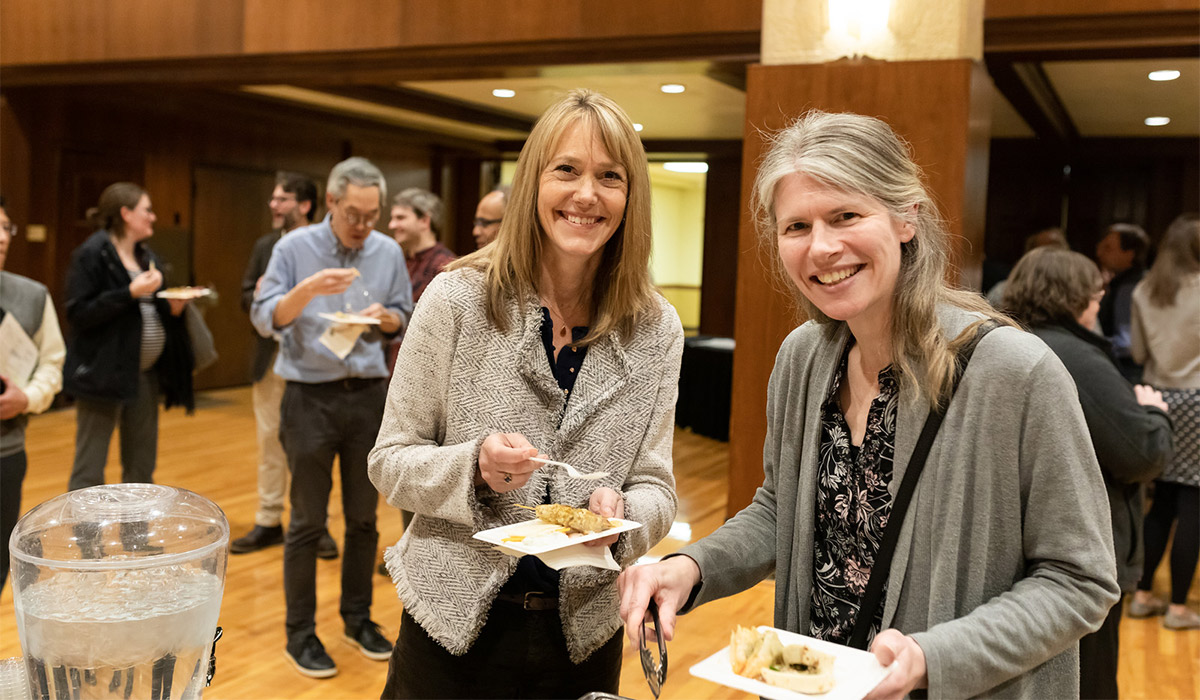
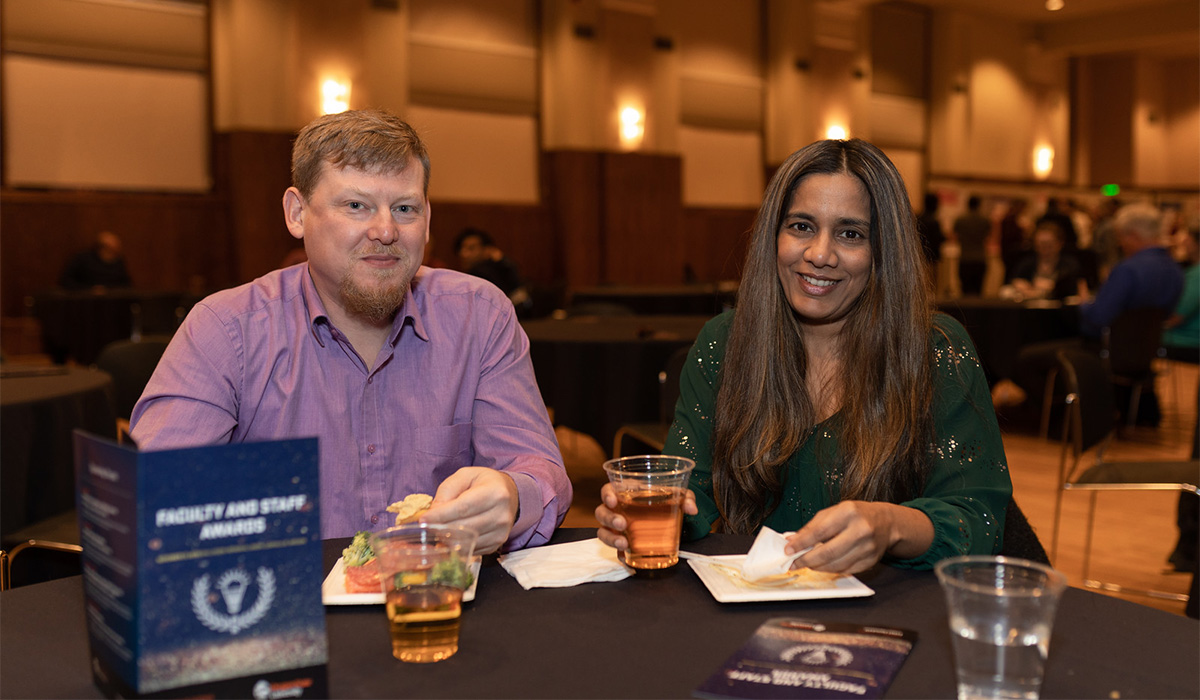
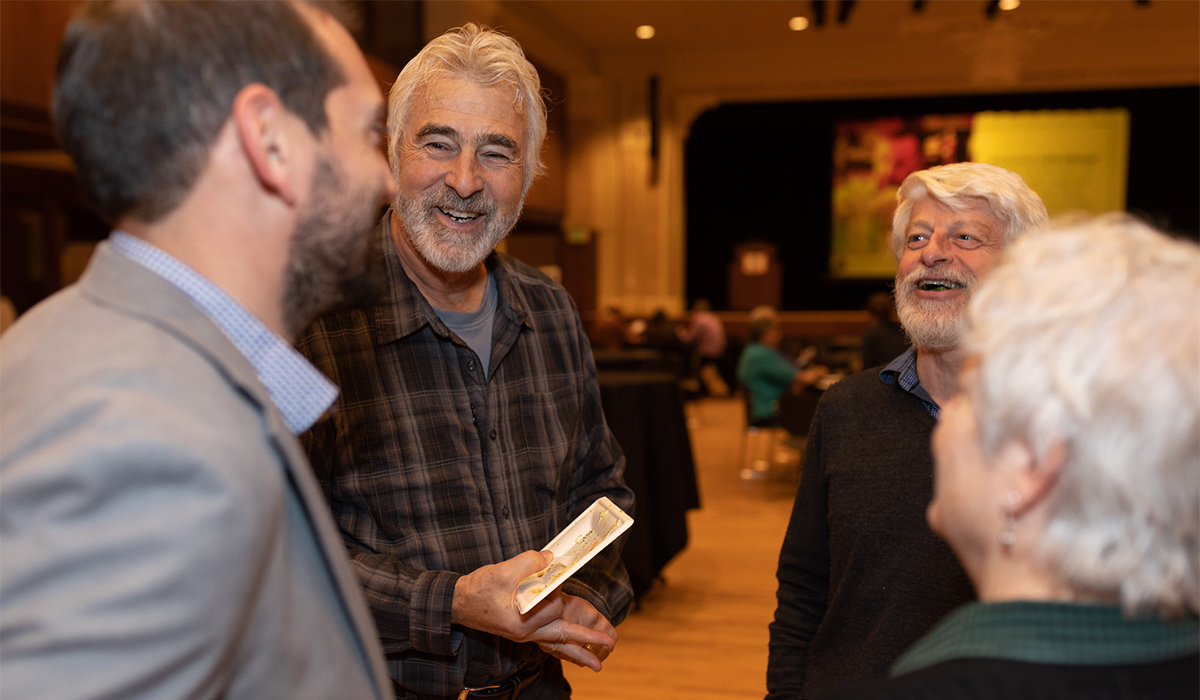
2019 Fall Faculty and Staff Awards Photos

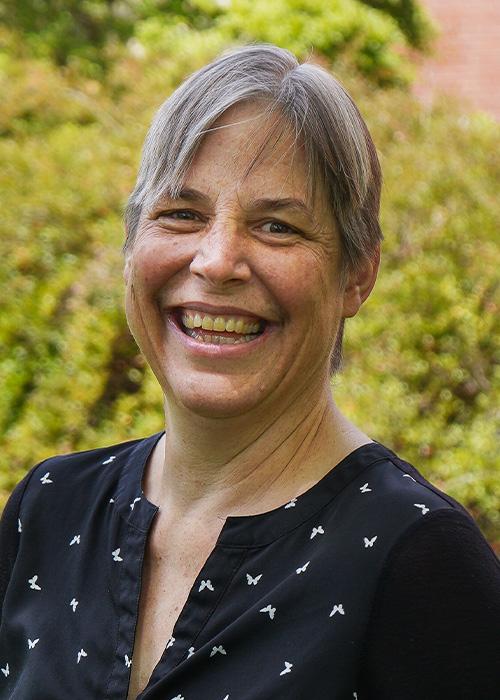
Kari L. Van Zee

Kari L. Van Zee

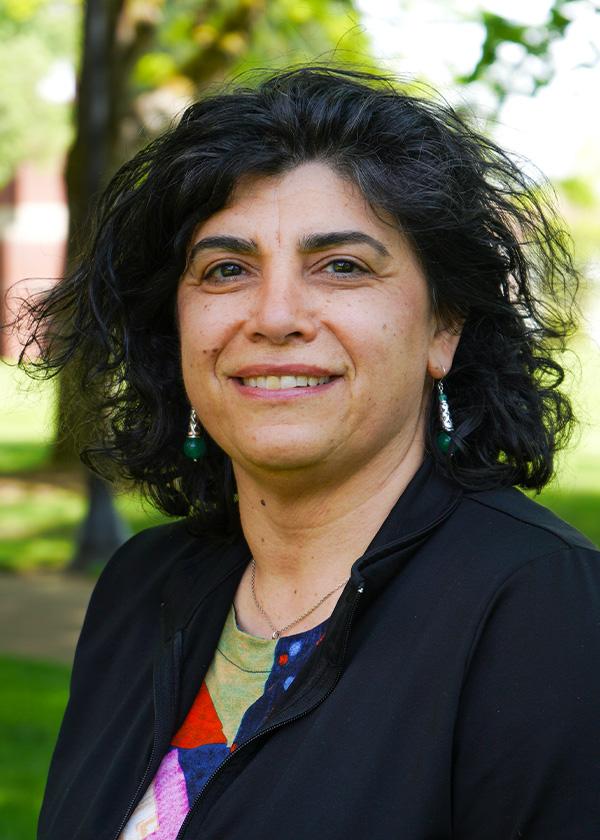
Elisar J. Barbar

Elisar J. Barbar

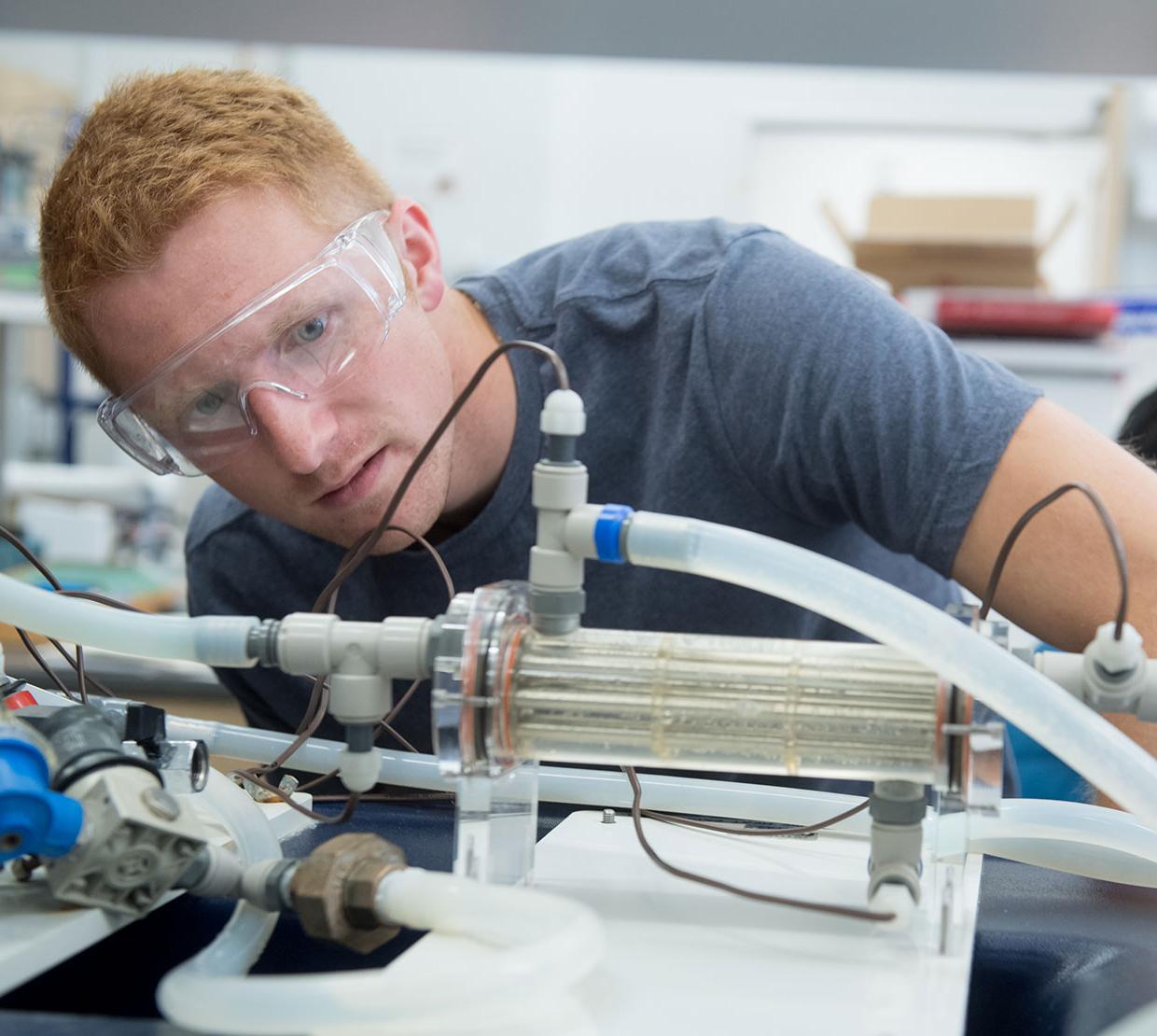
male student working with lab equipment

More than 50 students awarded scholarships for summer research

By Mary Hare

The College of Science warmly congratulates our 2019 SURE Science scholars!

Oregon State University and the College of Science have made it their mission to help students prepare for a bright future by providing potentially life-changing summer research opportunities.

This year, contributions from generous donors have helped more than 50 science students win competitive summer research awards, including the college-wide SURE Science Award (Summer Undergraduate Research Experience) as well as several department-specific awards.

Undergraduate research often plays a key role in developing student-faculty relationships, and gives students hands-on learning experiences that help them grasp the practical applications of science beyond the scope of the classroom.

“For me, a lot of it is about the students who wouldn’t be able to do research if they weren’t getting paid,” program coordinator Gabs James explains.

By providing fellowships to the greatest possible number of students, these awards give many undergraduate students the financial leverage to pursue career goals that would otherwise be unattainable.

The SURE Science Program is available to all full-time science students who meet the academic requirements. The scholarship provides the opportunity to conduct paid research for up to 440 hours over the summer. The scholarship includes a stipend of $5060 and an additional amount of $500 stipend that can be used as funding for activities that support their research. This year, greater donor support has made it possible for 40 students to receive the award — an unprecedented number with the award money totaling more than $220,000!

In addition to SURE Science, there are also several awards which may be received by high achieving students within a department.

New this year in Integrative Biology is the Alexei Lubchenco Menge Fellowship, which was awarded to Kris Bauer to support his research under the guidance of Postdoctoral Scholar Sarah Gravem and Professor Bruce Menge. The fellowship was established in memory of Alexei Lubchenco Menge, who died at age 27 in 2005. Like his biologist parents, Lubchenco Menge was deeply passionate about the ocean and the life it contains. The award seeks to help a student within the department who exemplifies these values.

Also receiving awards this summer are Ryley Tishendorf, who received a Special Integrative Biology Award, and Jiadi He, who received a Special Physics Award. Tishendorf will perform research in biologist Rebecca Terry’s lab, and He will be mentored by biophysicist Weihong Qiu.

In the biochemistry and biophysics department, students applying for the SURE Award are also eligible to apply for the CURE Fellowship. CURE is sponsored by the Ray and Frances Cripps Education Endowment, as well as by faculty mentors who match the awarded funds. This year, eleven biochemistry students received the award, in addition to eight other students from the department who received the SURE Award.

Congratulations to the inspiring next generation of scholars!

SURE Science awardees:

StudentMajorFaculty
1McKenzie BarkerBiologySally Hacker
2Kelley BastinMicrobiologySusan Tilton
3Dreagn BennettBiologySarah Gravem
4Nathanael BowlesMathematicsMalgorzata Peszynska
5Elizabeth CarrollBiologyClaudia Hase
6Cynthia CedenoChemistryPaul Blakemore
7Addison DeBoerBiochemistry & Molecular BiologyDaniel Rockey
8Luz Dimas-MunozBiochemistry & Molecular BiologyDaniel Rockey
9Haelyn EppBioHealth SciencesWeihong Qiu
10Rebecca FranceBiochemistry & Molecular BiologyColin Johnson
11Kailie FrancoBiochemistry and BiophysicsBo Sun
12Ilana Gottfried-LeeBiochemistry & Molecular BiologyRichard Cooley
13Cat HoangMicrobiologyElisar Barbar
14Kendra JacksonBiochemistry & Molecular BiologyMichael Freitag
15Jin KiatvongcharoenMathematicsDavid Roundy
16Taylor KuntzBiochemistry & Molecular BiologyMatt Andrews/Adam Higgins
17David LehrburgerBiologyStephen Atkinson
18Lauren LewisChemistryStaci Simonich
19Kitty LiuBiochemistry & Molecular BiologyAdrian Gombart
20Chantelle MacAdamsBiology & ZoologyBruce Menge/Sarah Gravem
21Anabel MendozaBioHealth SciencesCarla Schubiger
22Alanis MoralesBioHealth SciencesVirginia Weis
23Rina MullendoreBiochemistry & Molecular BiologyMaria Franco
24Duy NguyenPhysicsEthan Minot
25Makenzie NordChemistryJulie Pett-Ridge
26Acacia PattersonPhysicsJanet Tate
27Taylor PrichardBiologyKatja Duesterdieck-Zellmer
28Victor PuociBiochemistry & Molecular BiologyEhren Pflugfelder
29David RockowBiologyMark Novak
30Kelsey ShimodaBiochemistry & Molecular BiologyJaga Giebultowicz
31Leigh SkalaChemistryTaifo Mahmud
32Ulises Solis OcanaBioHealth SciencesDavid Dallas
33Jason SreyChemistrySandra Loesgen
34Yi Peng TeoPhysicsMatt W Graham
35Dustin TreecePhysicsElizabeth Gire
36Sophia VahsholtzBiologyDee Denver
37Andrew WilliamsBiologySusanne Brander
38Elizabeth WirschingBiologyVirginia Weis
39Tara WirschingBiologyDr. Felipe Barreto
40Wanling XieMathematicsYuan Jiang

CURE Foundation Awardees:

StudentFaculty
1Dorice Goune GoufackMaria Franco
2Mahir PalanMaria Franco
3Juno ValerioViviana Perez
4Brooke GalyonMichael Freitag
5Carolyn LazaroffMichael Freitag
6Maja EnglerMatt Andrews
7Audrey KorteWeihong Qiu
8Seth PinckneyElisar Barbar
9Jacob NorthRyan Mehl
10Isabella KarabinasAlvaro Estevez
11Asra NoorAlvaro Estevez

diploma icon above vibrant galaxy

Celebrating excellence: 2019 teaching and advising awards

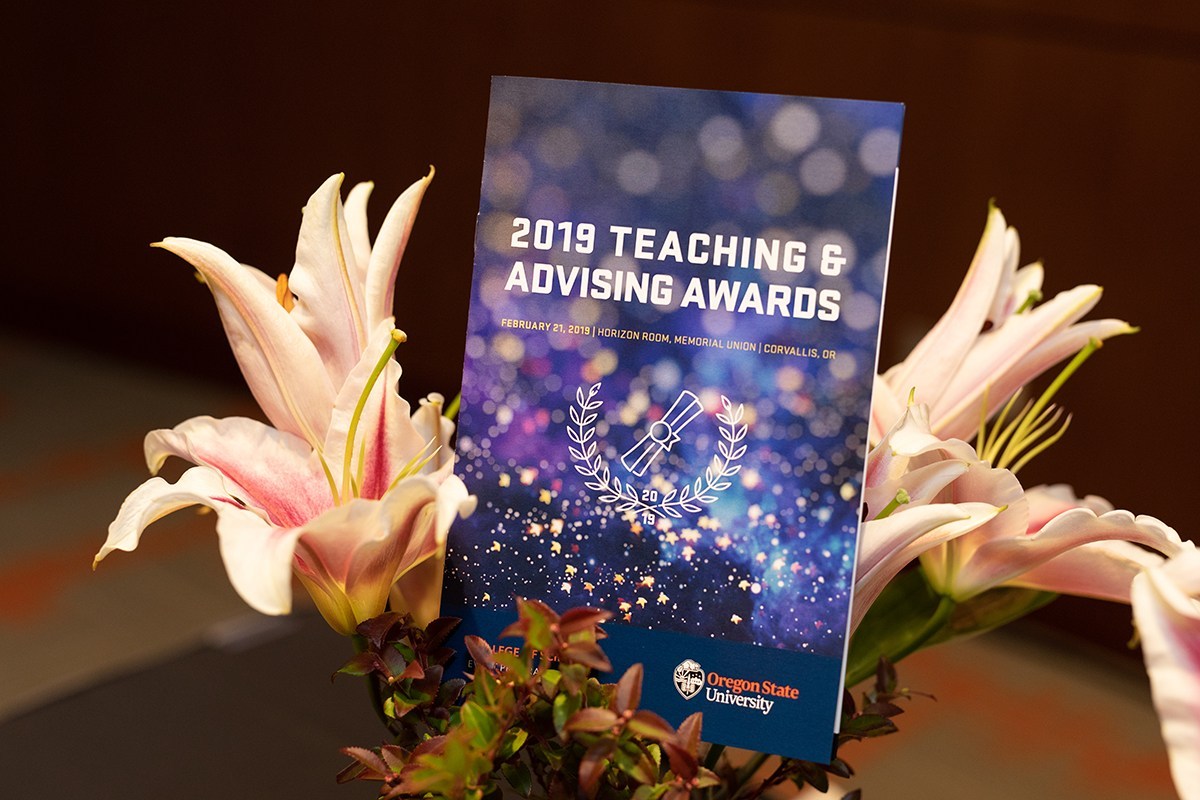
Winter 2019 Teaching and Advising Awards

The College of Science recently celebrated its 2019 Winter Teaching and Advising Awards with faculty, advisors and students to recognize exceptional teaching and advising – key areas of distinction in the College. Effective teaching, advising and mentorship are at the heart of the College of Science’s mission to build leaders in science.

Dean Roy Haggerty delivered opening welcome remarks, Associate Dean Matt Andrews served as the lively emcee, and several science students offered earnest tributes and presented the awards.

“This awards ceremony is our opportunity to recognize teaching and advising excellence and emphasize our College’s dedication to student success,” said Dean Roy Haggerty. “I am proud to celebrate this year’s recipients whose commitment to their students models the College of Science’s highest values.”

Congratulations to all of our award winners and nominees. Their hard work to make science education more meaningful, relevant and effective advances our mission and transforms lives.

2019 Award Winners

Olaf Boedtker Award for Excellence in Academic Advising

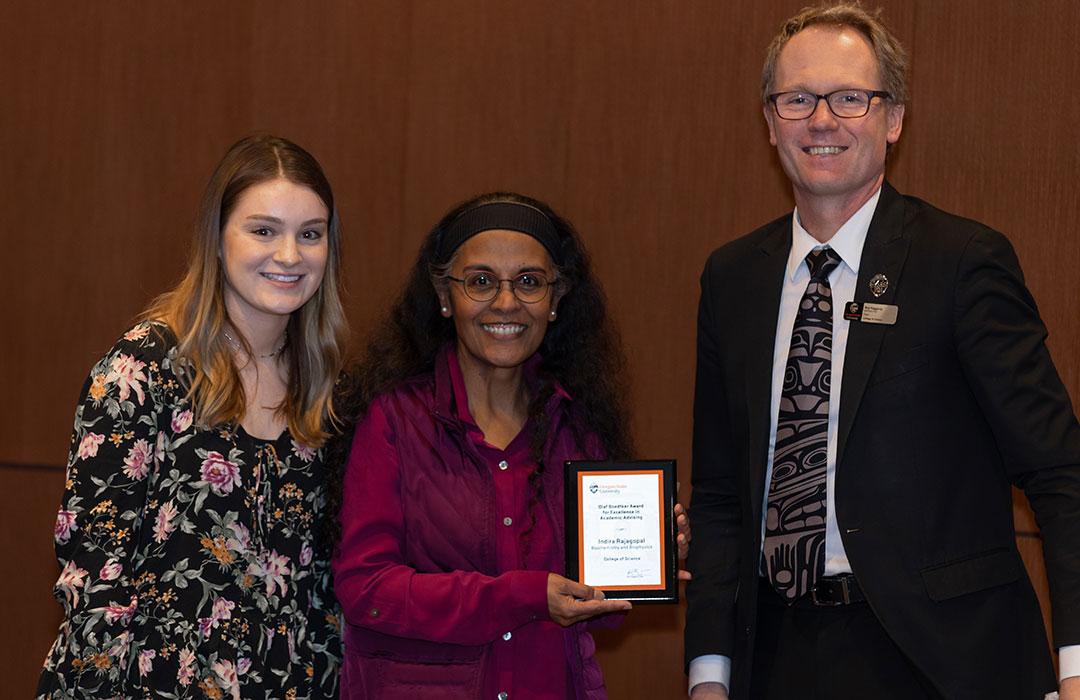
Indira Rajagopal receiving award from student and Roy Haggerty

Newly retired senior instructor Indira Rajagopal (center) ands biochemistry and molecular student Lily Sloan (left) with Dean Haggerty (right).

Indira Rajagopal, who retired as senior instructor in biology and biochemistry and biophysics in December, won the Olaf Boedtker Award for the second time in three years for her exceptional and inspirational advising of undergraduate students. The award was presented to Rajagopal by Lily Sloan, a biochemistry and molecular biology junior.

“Indira Rajagopal provided endless support and guidance to her students, and we were lucky to have such a dedicated advisor. My wonderful experience in the biochemistry and biophysics department was significantly impacted by Indira and the amount of effort she put in to help students. Indira brought so much positivity to the department, and I could not think of anyone more deserving of this advising award,” wrote one of her student nominators.

Rajagopal, newly retired as senior instructor in biology and biochemistry and biophysics, has consistently been credited throughout her 30-year tenure at Oregon State for the devotion she brings to her roles as an inspiring mentor, professor and advisor. Her work of encouraging students to pursue meaningful opportunities stems from her passion to help students reach their potential. That same dedication is exemplified by the work Rajagopal has done with her husband Kevin Ahern, recently retired biochemistry and biophysics professor, writing and publishing free electronic textbooks for online learners worldwide.

Nominees: Kevin Ahern, biochemistry and biophysics; Alex Beck, BioHealth sciences; Linda Bruslind, microbiology; Cody Duncan, integrative biology; Henri Jansen, physics; Barbara Kessel, microbiology; Shawn Massoni, BioHealth sciences; Brock McLeod, integrative biology; Jennifer Olarra, integrative biology; Kari Van Zee, biochemistry and biophysics.

Loyd F. Carter Award for Outstanding and Inspirational Teaching (Undergraduate)

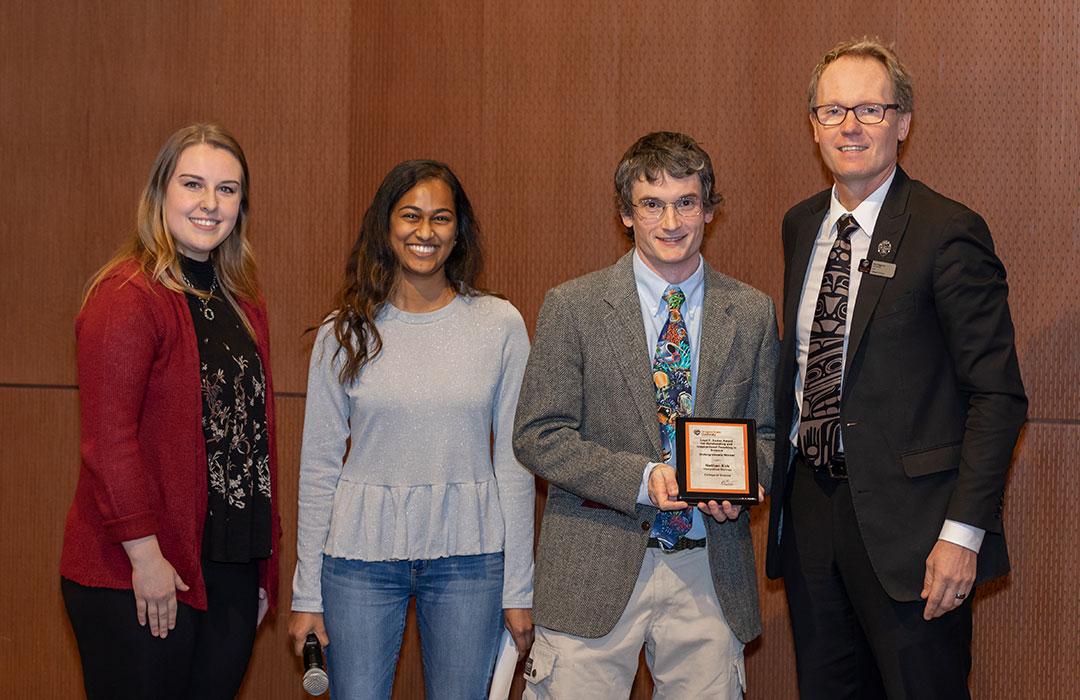
Nate Kirk receiving award from two female students and Roy Haggerty

Instructor of biology Nate Kirk (center right) with Dean Haggerty (right) and students Anastasiya Prymolenna (left) and Sonya Bedge (center left).

Instructor of biology Nate Kirk received the Loyd Carter Undergraduate Teaching Award for his effective and inspirational approach to teaching undergraduate biology students. Bioresource research student Sonya Bedge and chemistry student Anastasiya Prymolenna presented the award to Kirk.

“Nate is an incredibly thoughtful, understanding and kind professor, and I feel honored to have had him for the Principles of Biology series. His lectures were engaging, and he facilitated great discussions among peers about the course material. Nate clearly dedicated a lot of time to figuring out how to help his students learn best and gain a deeper understanding of the subject as a whole,” wrote one of his nominators.

Kirk, who teaches Honors and non-Honors Principles of Biology Series in the College, believes students learn best from each other and from practical experience, so he limits his direct lecture time in favor of directed learning. Combining lectures with hands-on experiences, he leads students to make their own discoveries and experience the thrill of science. Kirk was also honored as 2016 Honors College Professor of the Year.

Nominees: Nathan Kirk, integrative biology; Phillip McFadden, biochemistry and biophysics; Richard Nafshun, chemistry; Ryan Mehl, biochemistry and biophysics; Daniel Myles, chemistry; Chris Orum, mathematics; Devon Quick, integrative biology; Indira Rajagopal, biochemistry and biophysics; Lyn Riverstone, mathematics; Daniel Rockwell, mathematics; KC Walsh, physics; David Wing, mathematics.

Loyd F. Carter Award for Outstanding and Inspirational Teaching (Graduate)

Assistant professor of chemistry Sandra Loesgen received the Loyd Carter award for her outstanding and inspirational teaching of graduate students. She mentors and teaches graduate students to a variety of state-of-the-art techniques to identify and develop drug leads to cancer treatment.

“Dr. Loesgen’s enthusiasm for the topics she teaches are contagious. When you are in her classes, you are truly immersed in the subject. This means you are learning to become a true chemist in interpreting NMR spectra and understanding how organisms make their natural products. As she teaches these subjects, she wants you to understand rather than memorize,” wrote one of her students. “She is energetic, and her passion for the topics exudes as she delivers each lecture.”

Loesgen leads a highly motivated team of graduate students from diverse backgrounds, including pharmaceutical sciences, chemistry, biochemistry, molecular biology, and microbiology. In the Loesgen Lab, she guides student researchers as they explore target-based drug discovery with a focus on new anticancer, antimicrobial and antiviral compounds from microbial sources. She and her students discovered a soil-dwelling bacterium whose molecules destroy melanoma cells.

Nominees: Sally Hacker, integrative biology; David Hendrix, biochemistry and biophysics; Sandra Loesgen, chemistry; and Oksana Ostroverkhova, physics

Frederick H. Horne Award for Sustained Excellence in Teaching Science

Marita Barth, senior instructor of chemistry, won the Frederick H. Horne Award for her exceptional qualities as a teacher and a mentor. Barth, who focuses on distance chemistry education, has distinguished herself as an educator who bolsters the confidence and success of undergraduate students.

“Marita creates a really positive environment, and many students draw a contrast with their experiences at other institutions, telling us that they felt more comfortable, more supported and engaged with OSU Ecampus. Even at a distance, Marita has been able to convey an enthusiasm and passion for chemistry that sparks student interest – and remember that she is working with a student population that is more likely to come to us fearful of, or reluctant to, study this subject,” said Michael Lerner, chair of the Department of Chemistry.

“Marita has been able to convey an enthusiasm and passion for chemistry that sparks student interest.” – Michael Lerner

Barth leads her department’s general chemistry for non-majors courses at Ecampus, which are OSU’s largest online classes with ever-increasing enrollments – 430 students are currently enrolled in the sequence. She has continuously redeveloped and improved courses by producing videos and interactive materials that are now used by other faculty in the Department of Chemistry.

The awards ceremony also included a special presentation by participants of the Faculty-Student Mentor Program who shared their inspiring experiences. Led by Dean Haggerty, this new program aims to enhance student engagement in learning and improve retention and graduation rates. At its foundation are relationships built between faculty mentors and students. Mentors focus primarily on helping students – many of whom are first-generation college students – transition and adjust to college life. Based on the program’s success, OSU plans to expand the program across the entire university.

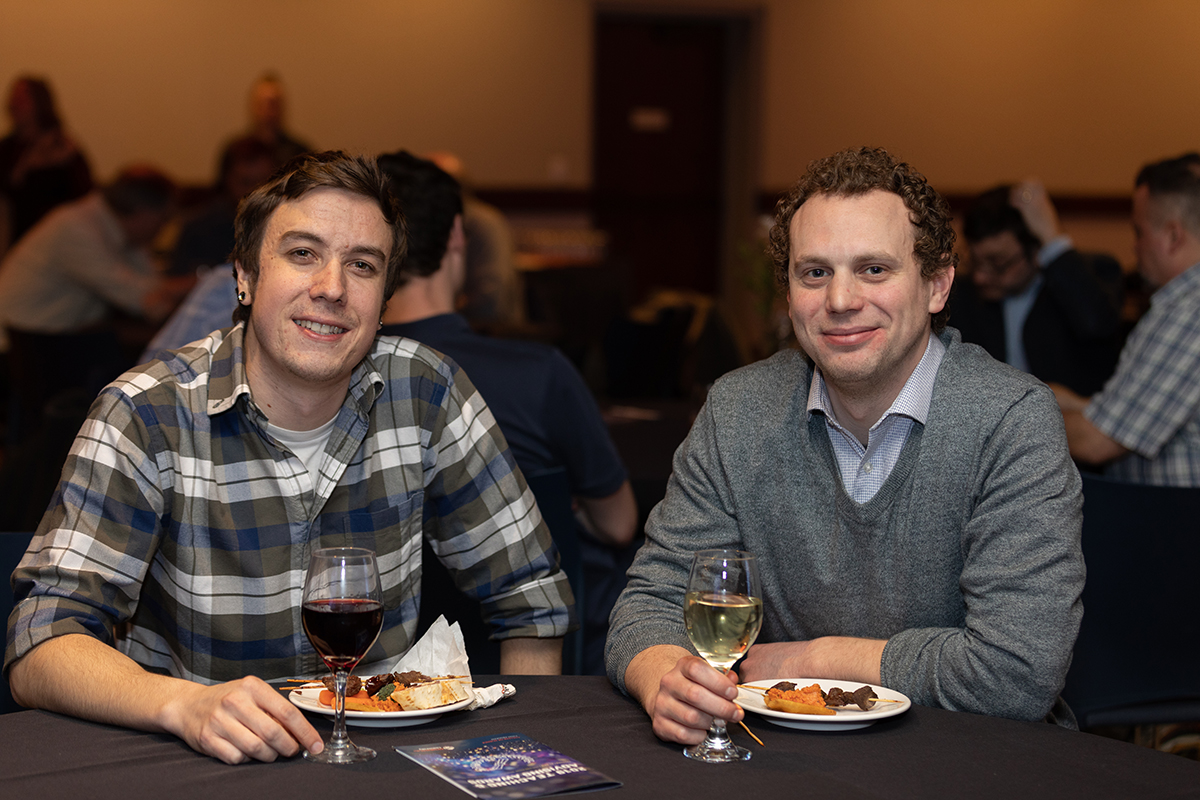
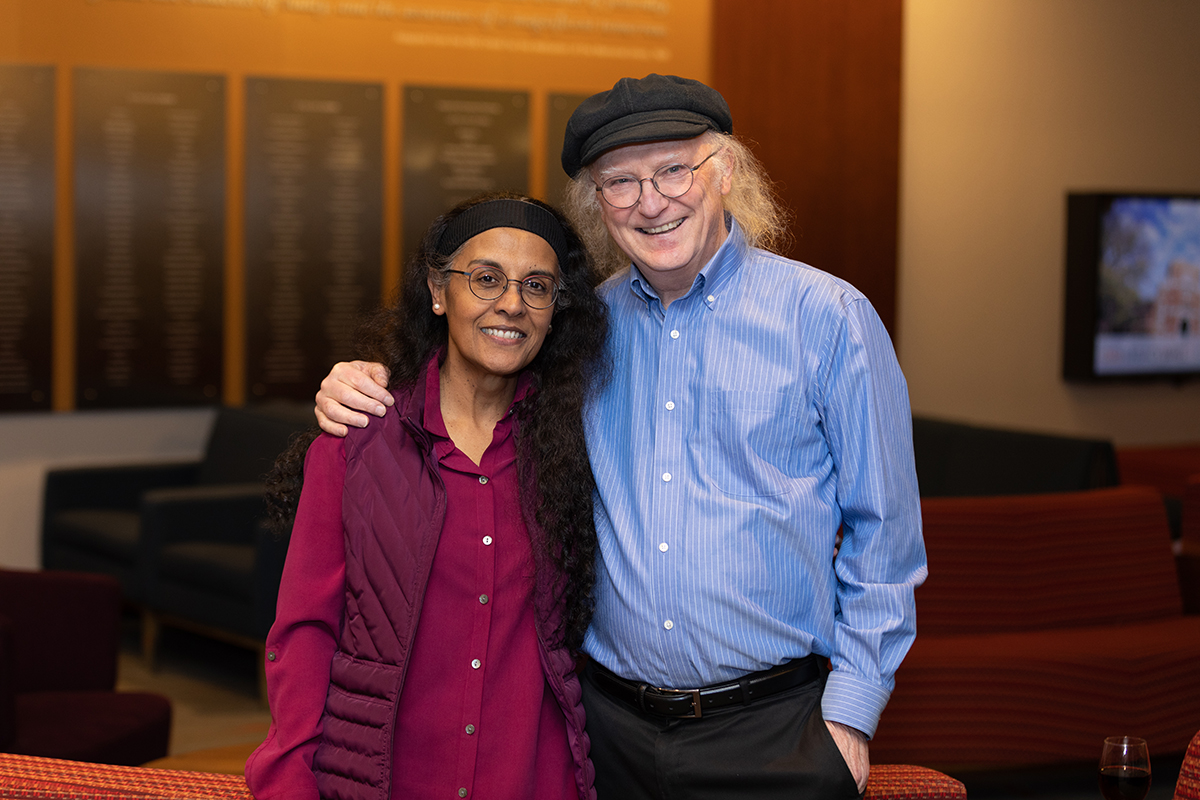
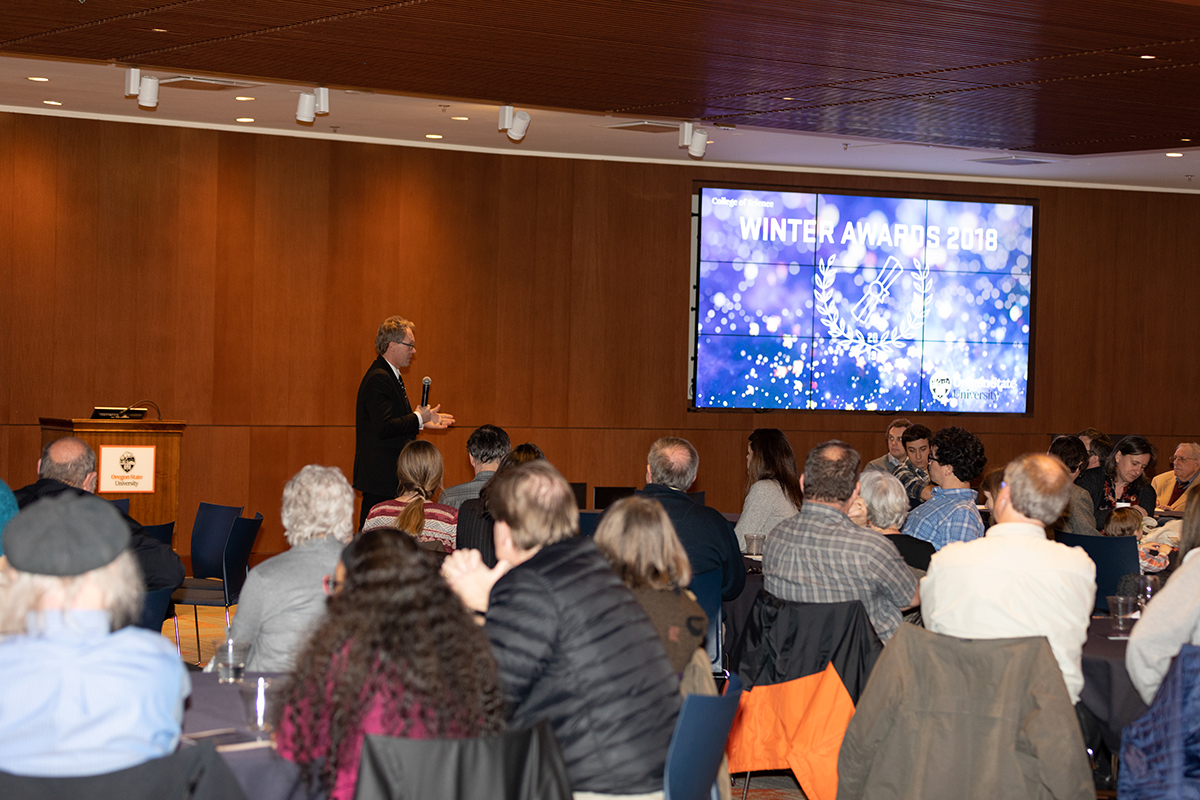
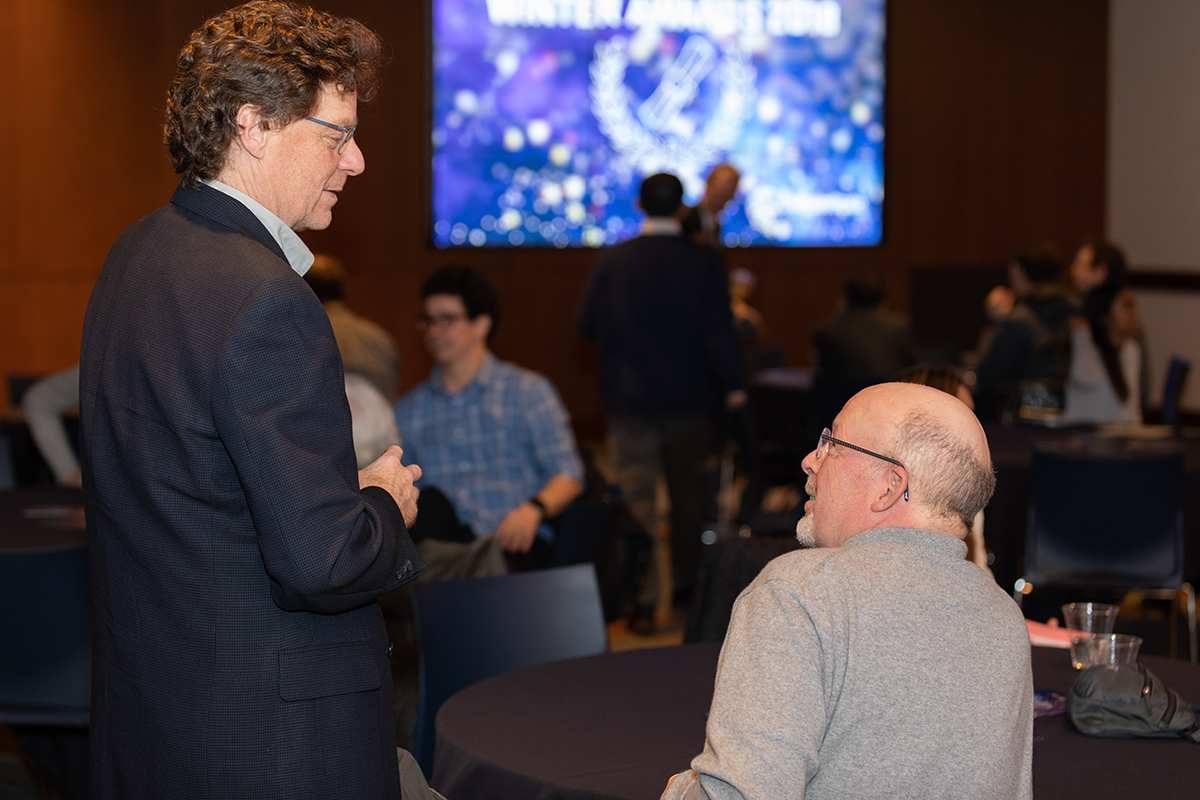
Photos from the College of Science Teaching and Advising Awards, February 21, 2019.

Subscribe to Biochemistry & Biophysics