Statistics

Statistics

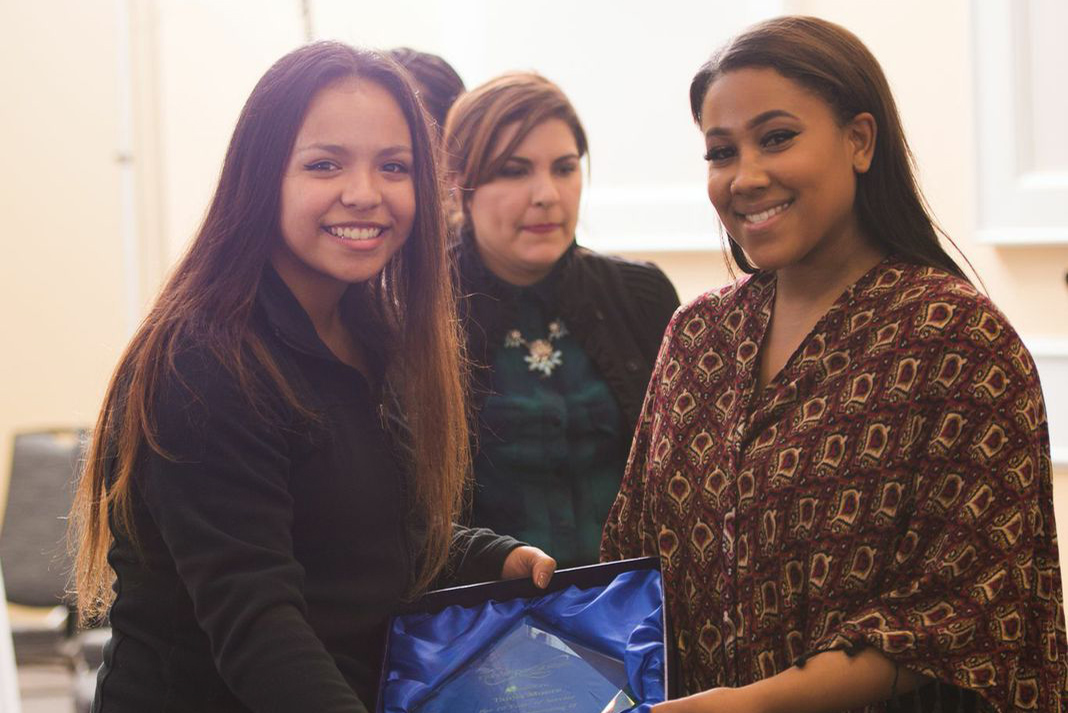
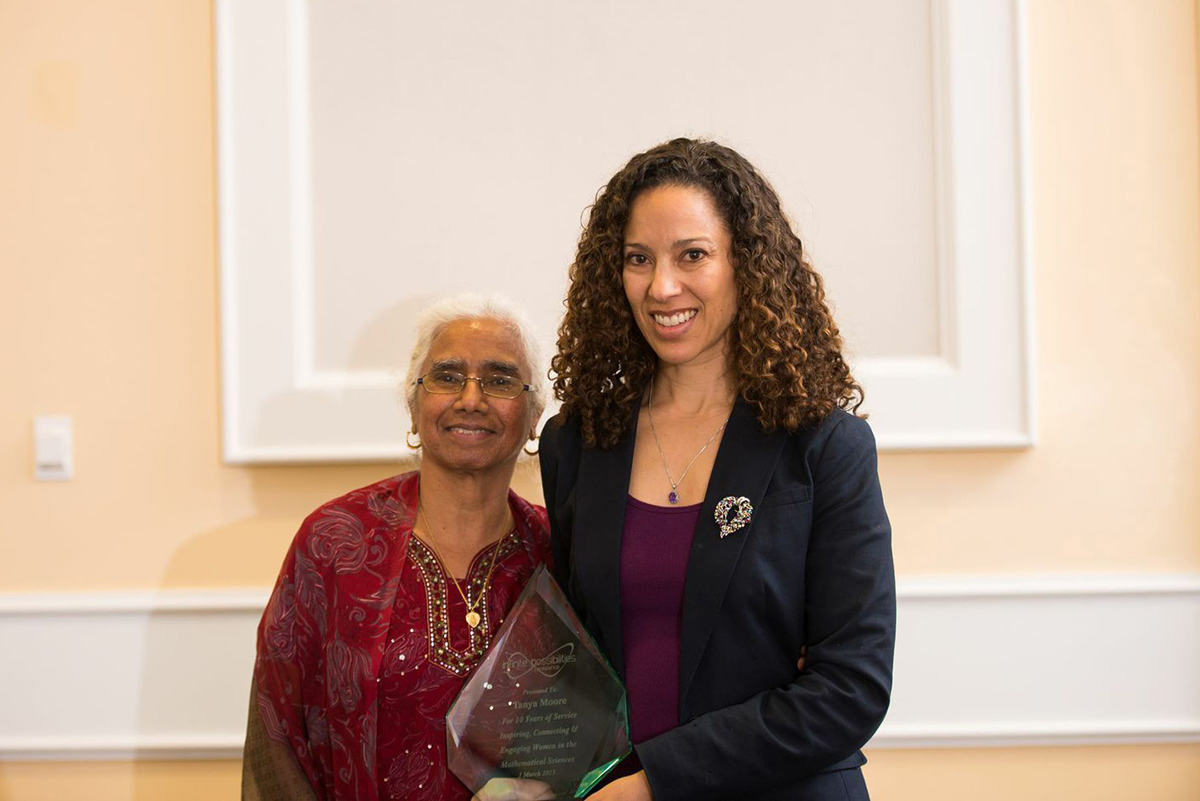
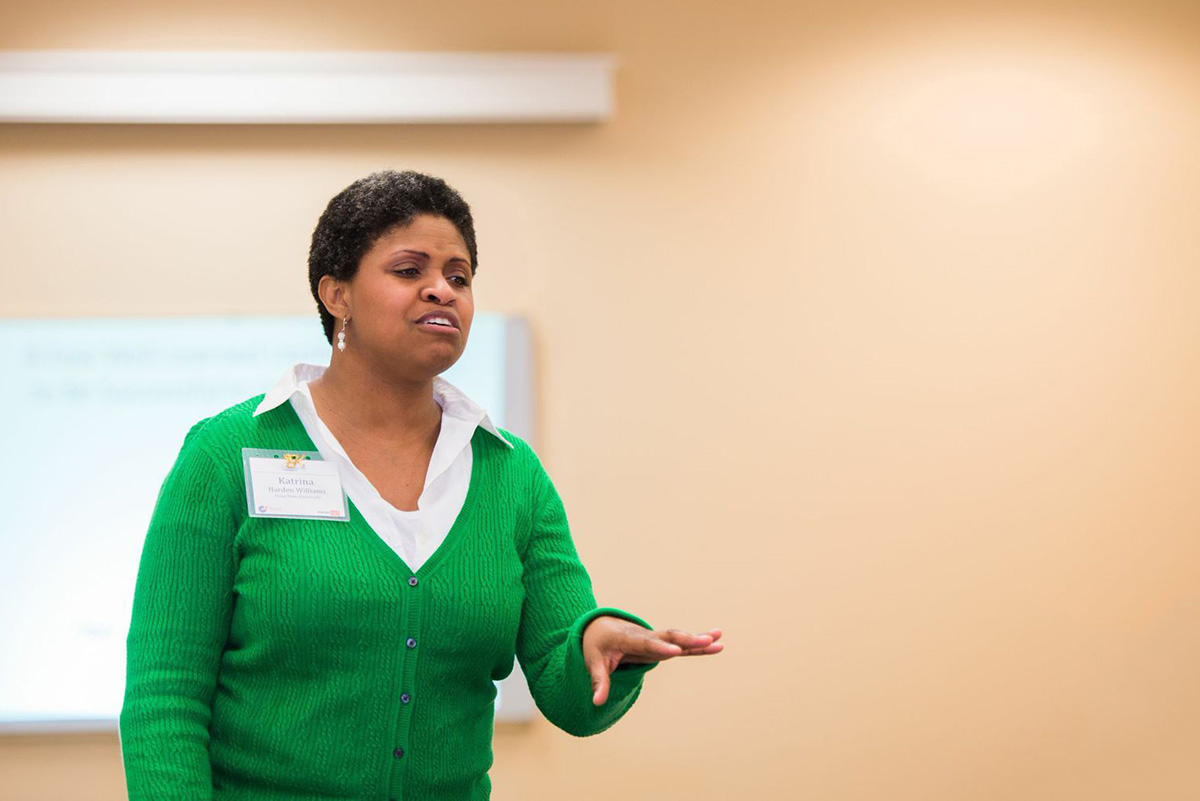
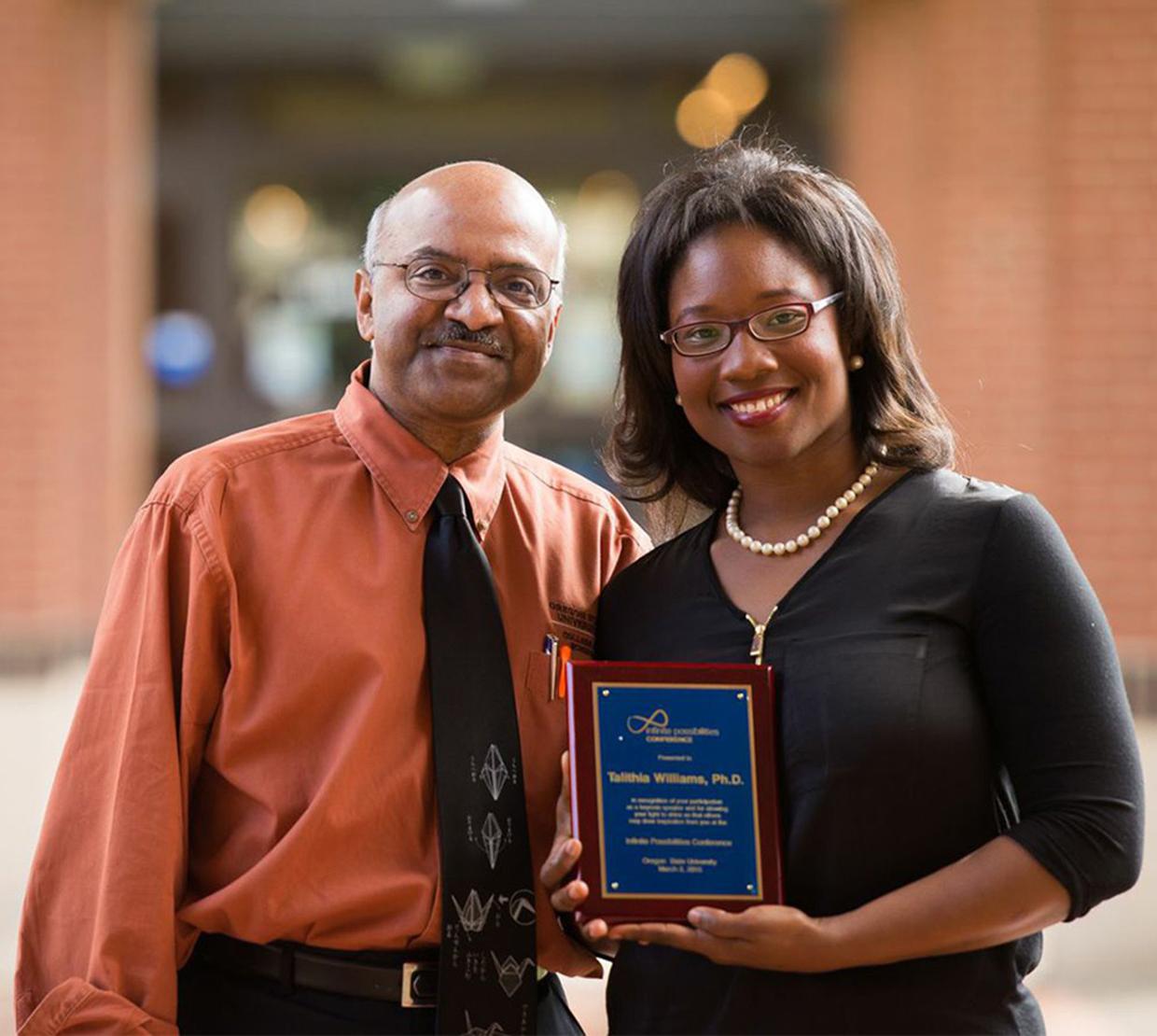
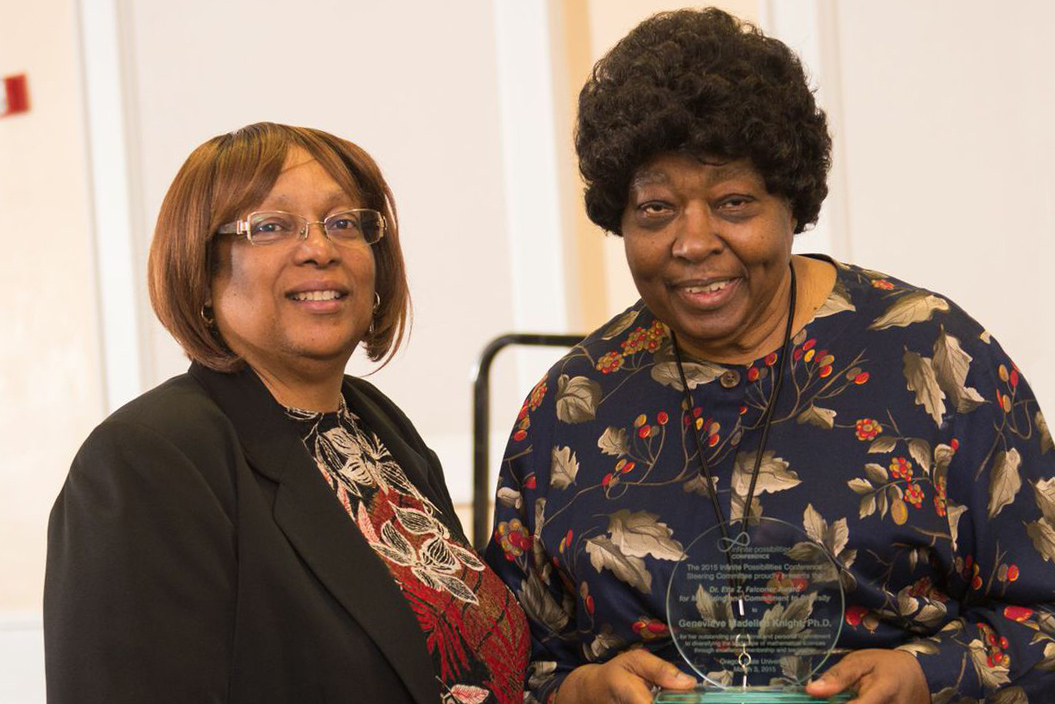
Talithia Williams receiving award from Sastry Pantula

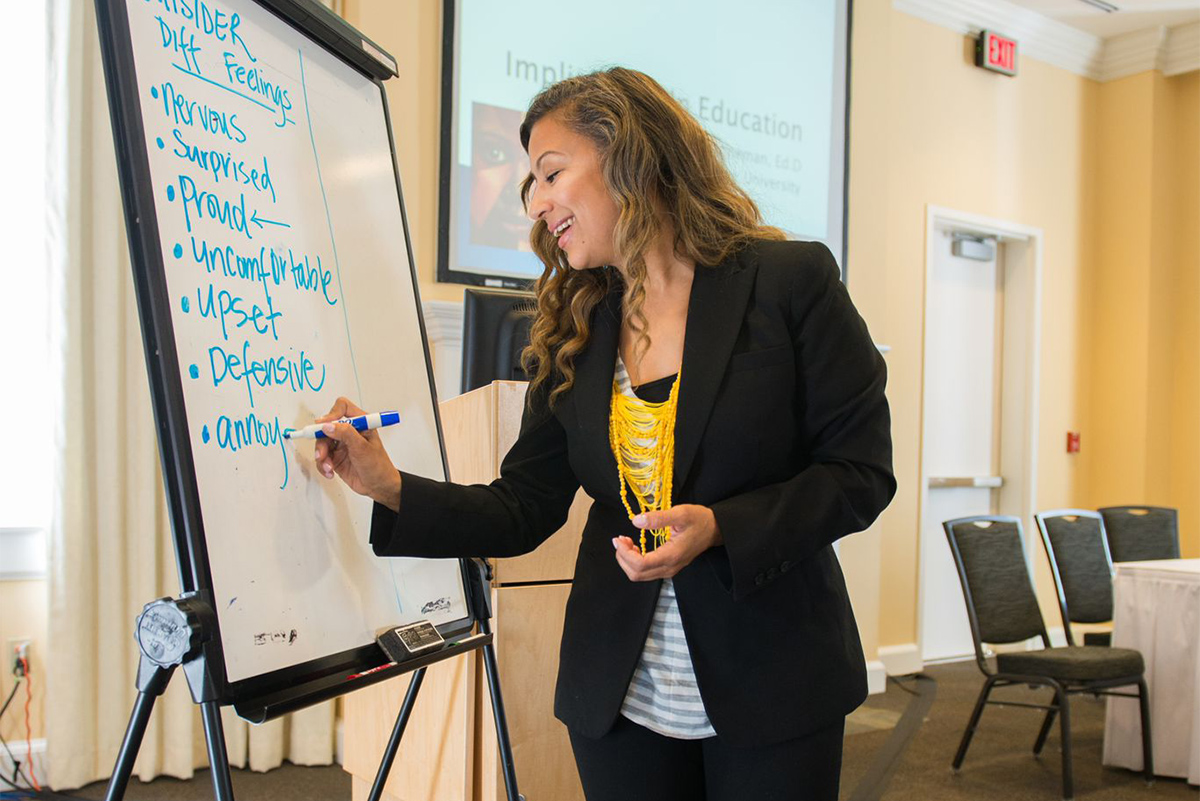
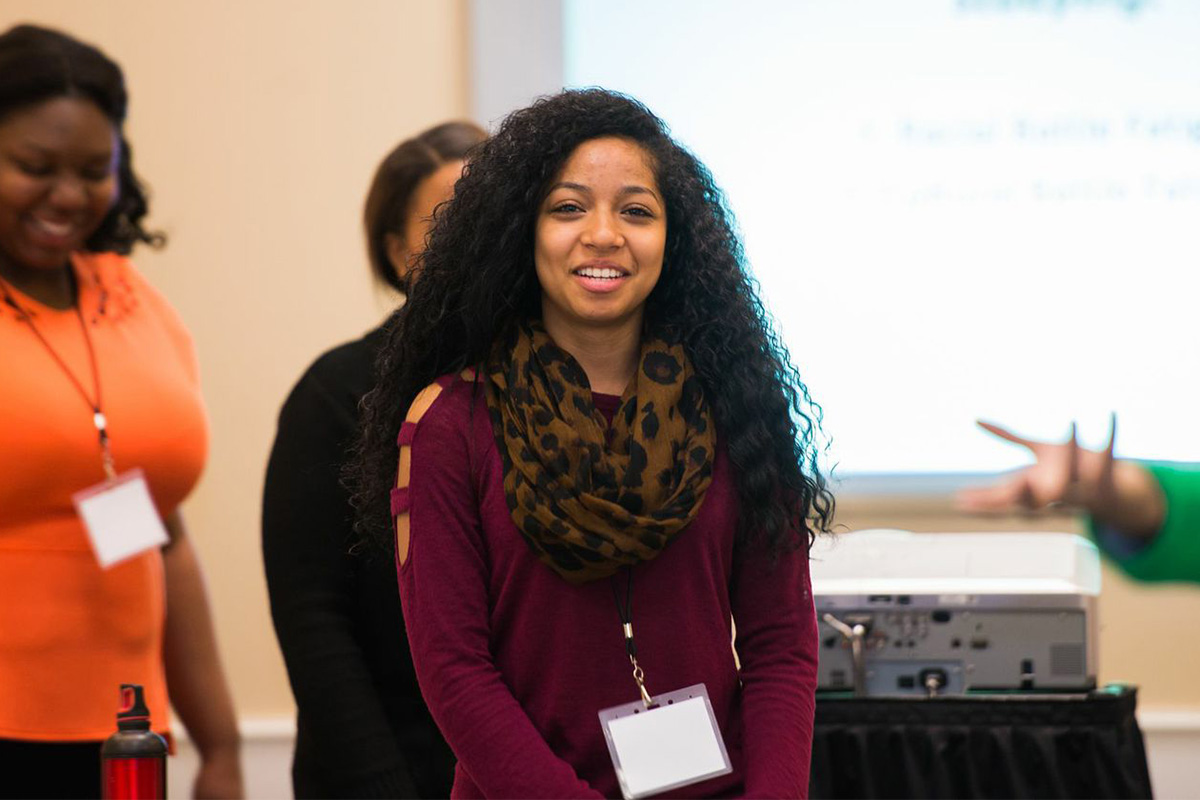
Infinite Possibilities Conference held at Oregon State University

By Srila Nayak

Photography by Hannah O'Leary

Dean Pantula and Talithia Williams

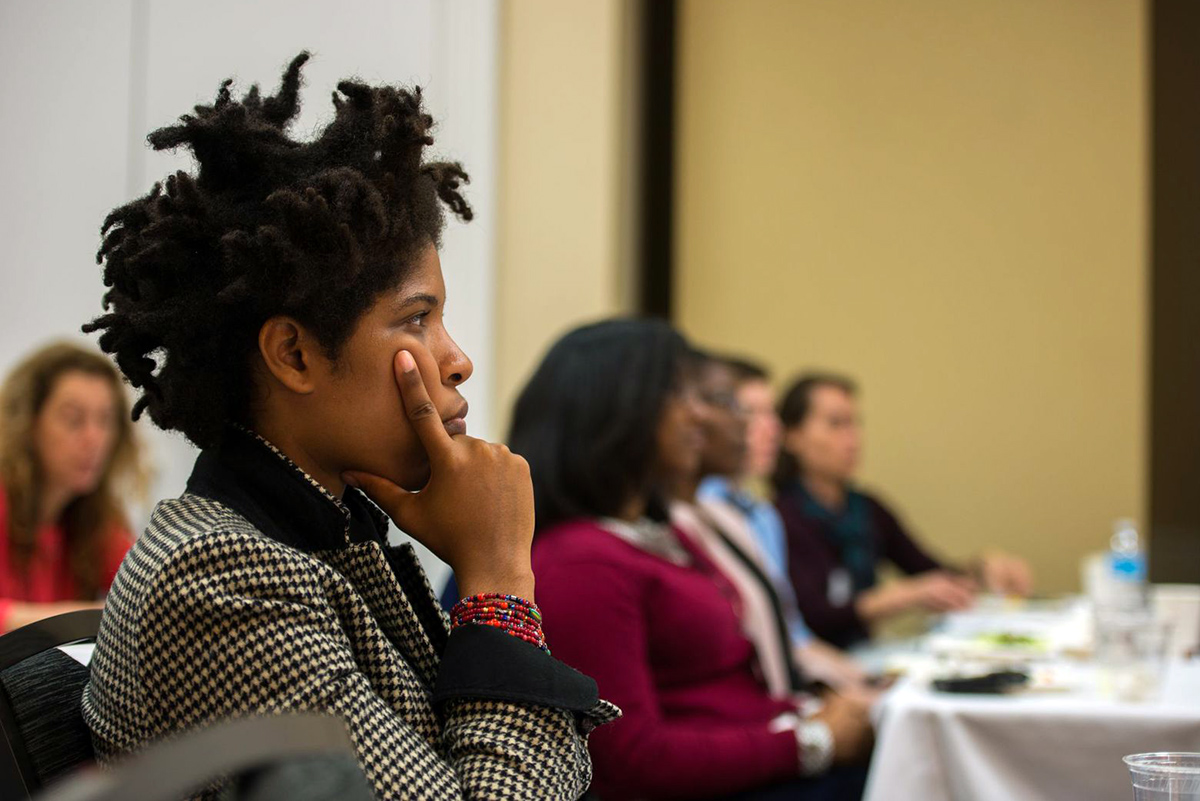
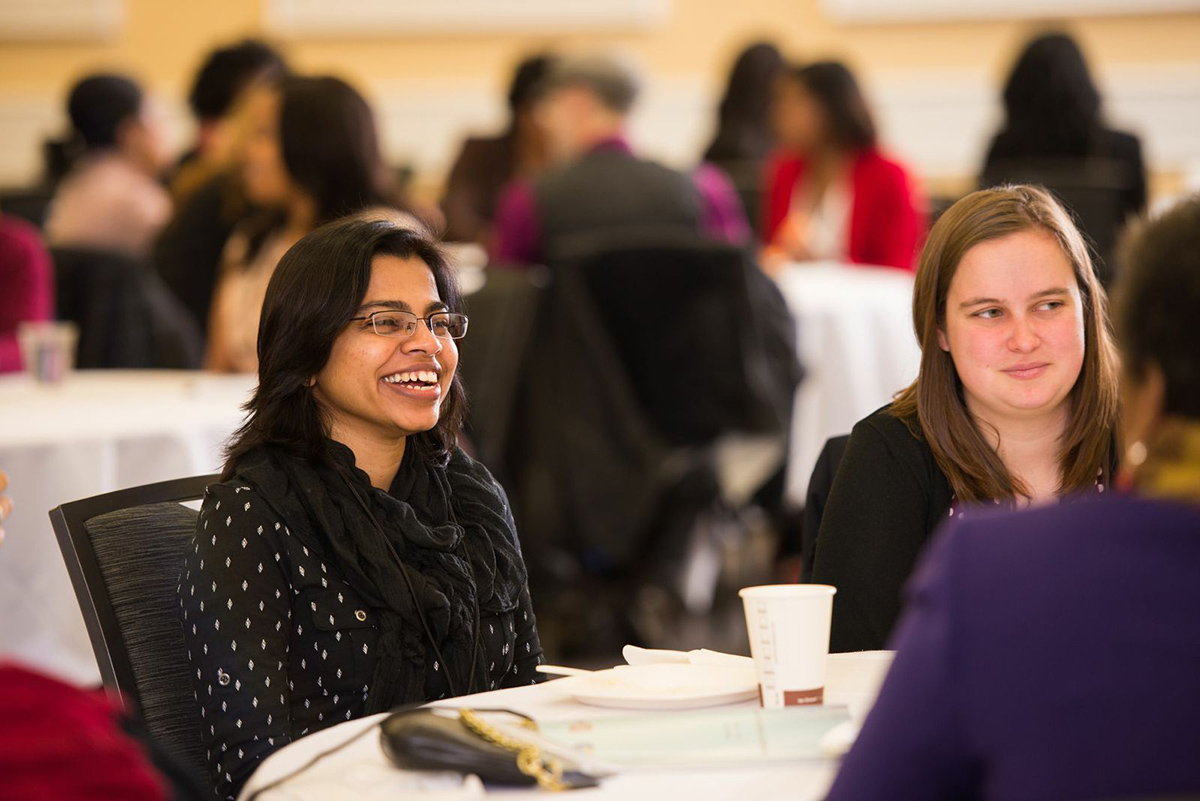
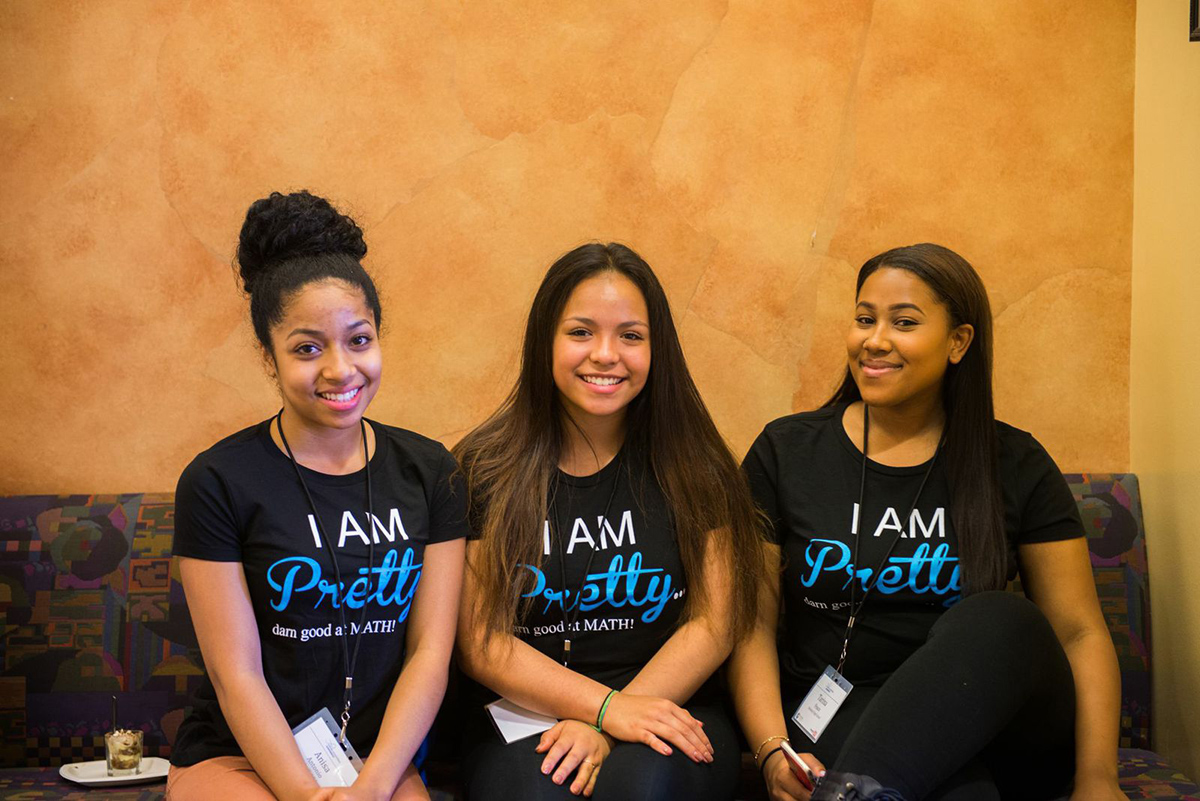
OSU Mathematics Ph.D student Kalei Titcomb, a first generation college graduate, says she rarely sees women like herself in mathematics. Titcomb was the only native Hawaiian in her mathematics classes at Pacific University where she received her undergraduate degree.

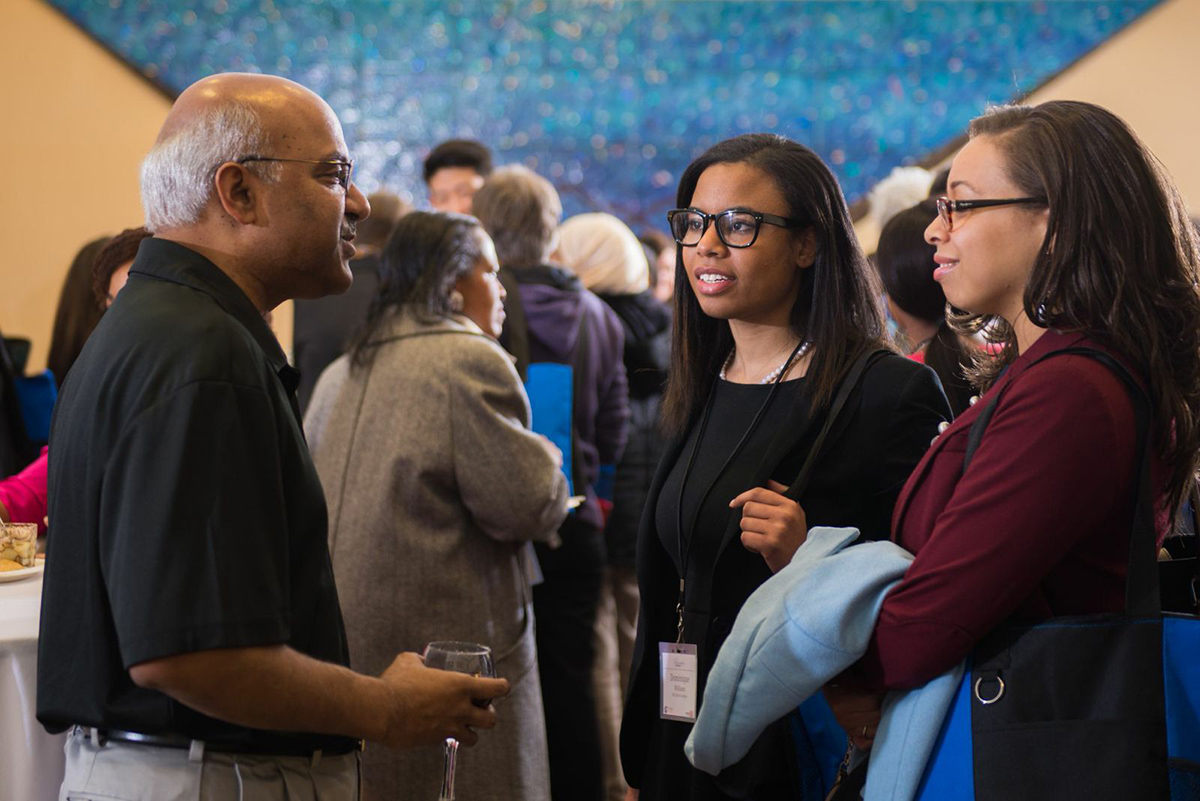
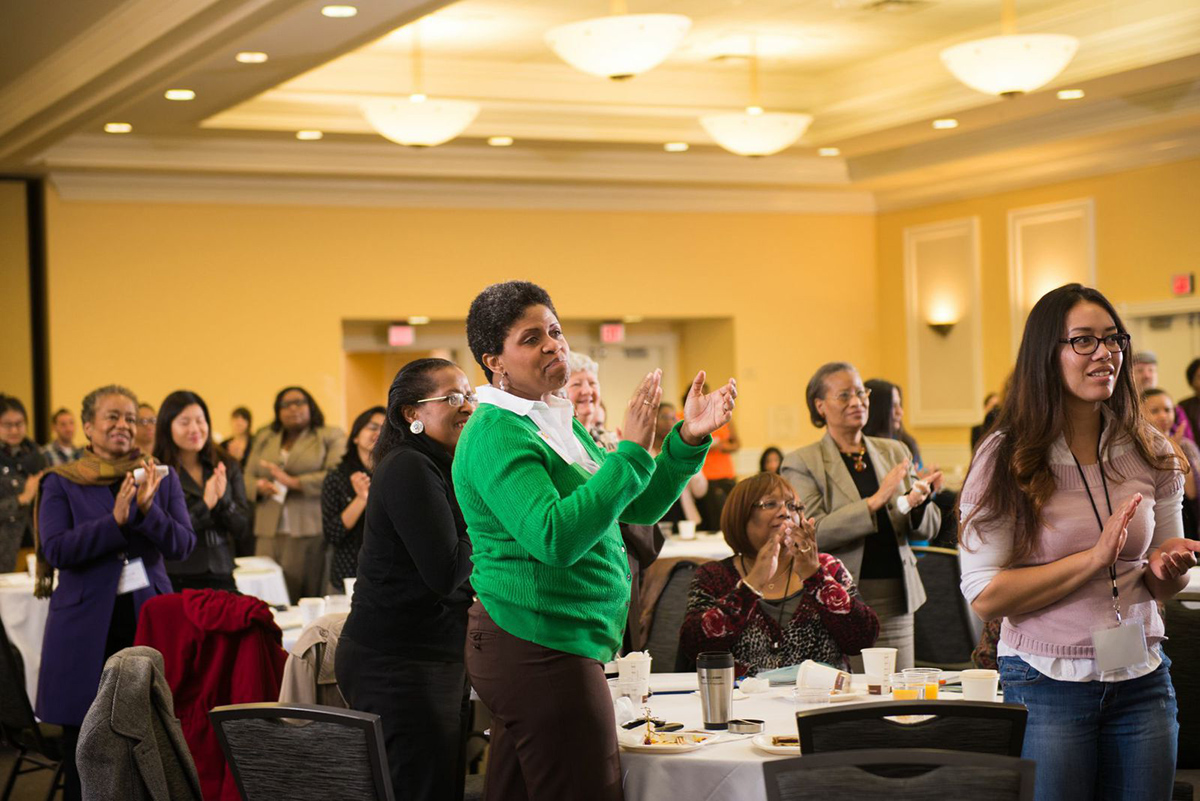
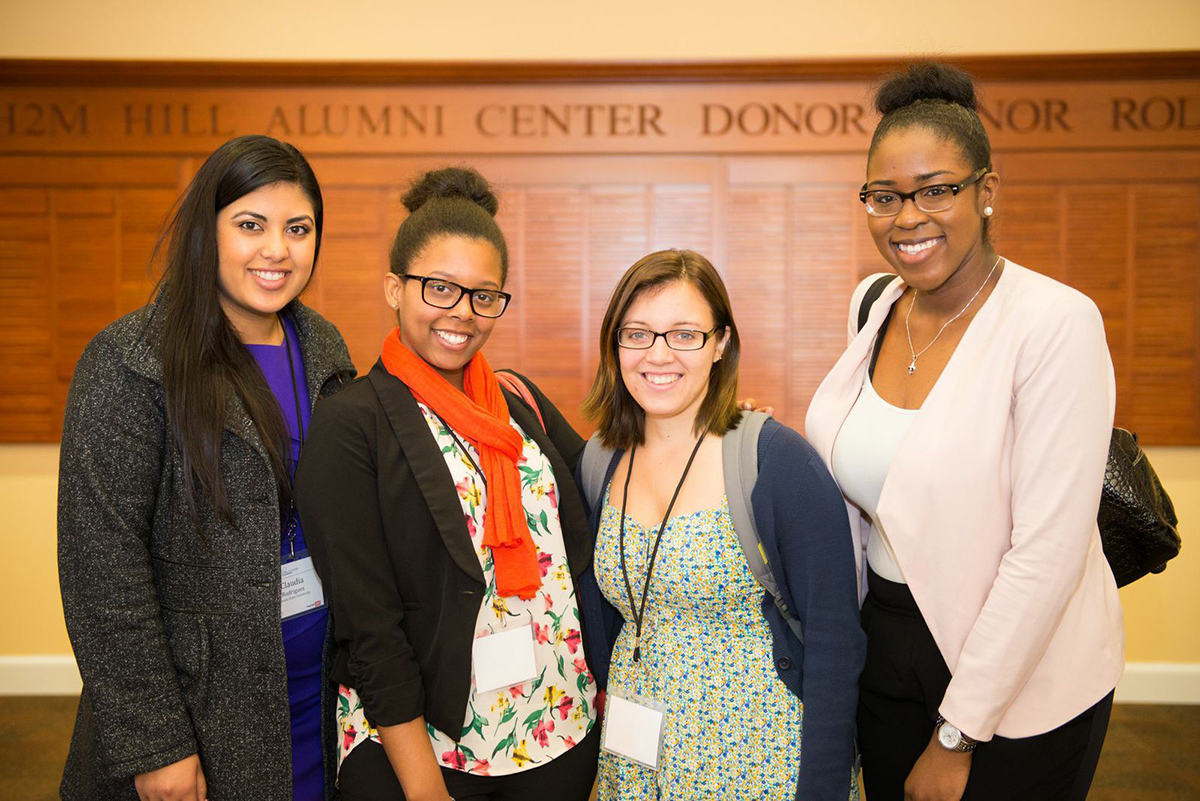
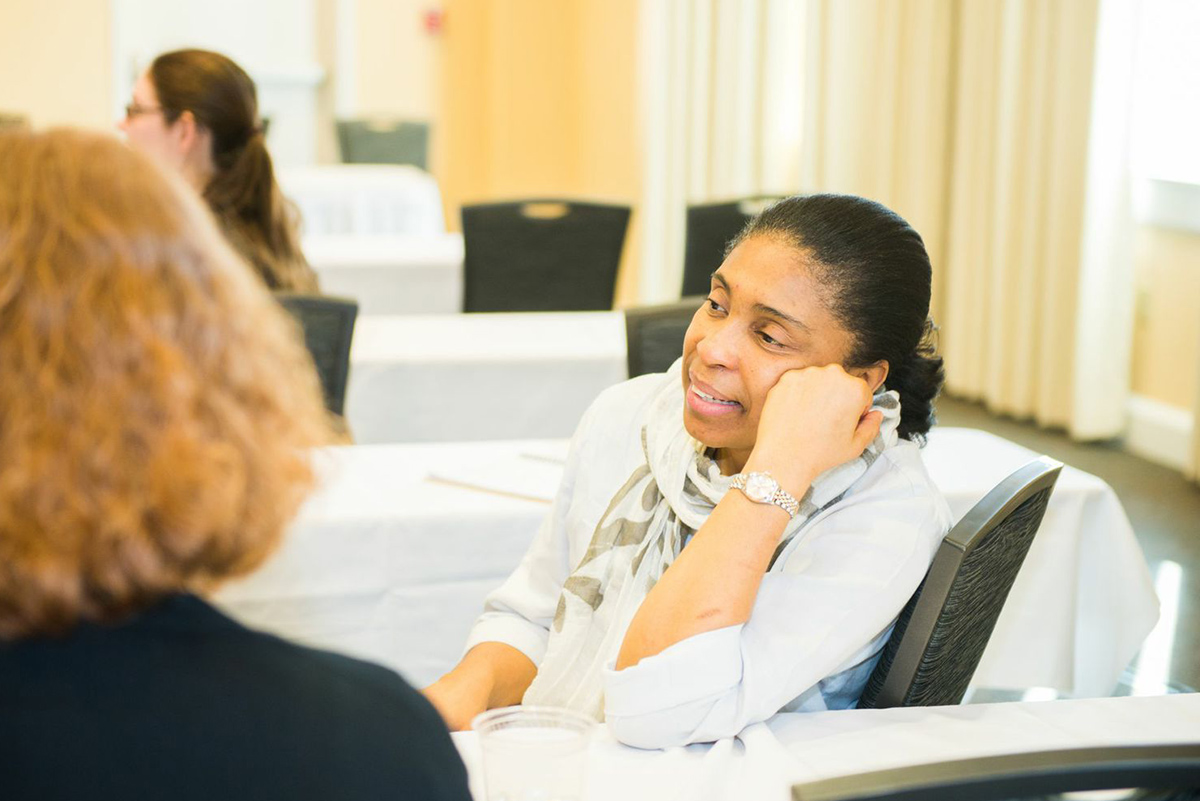
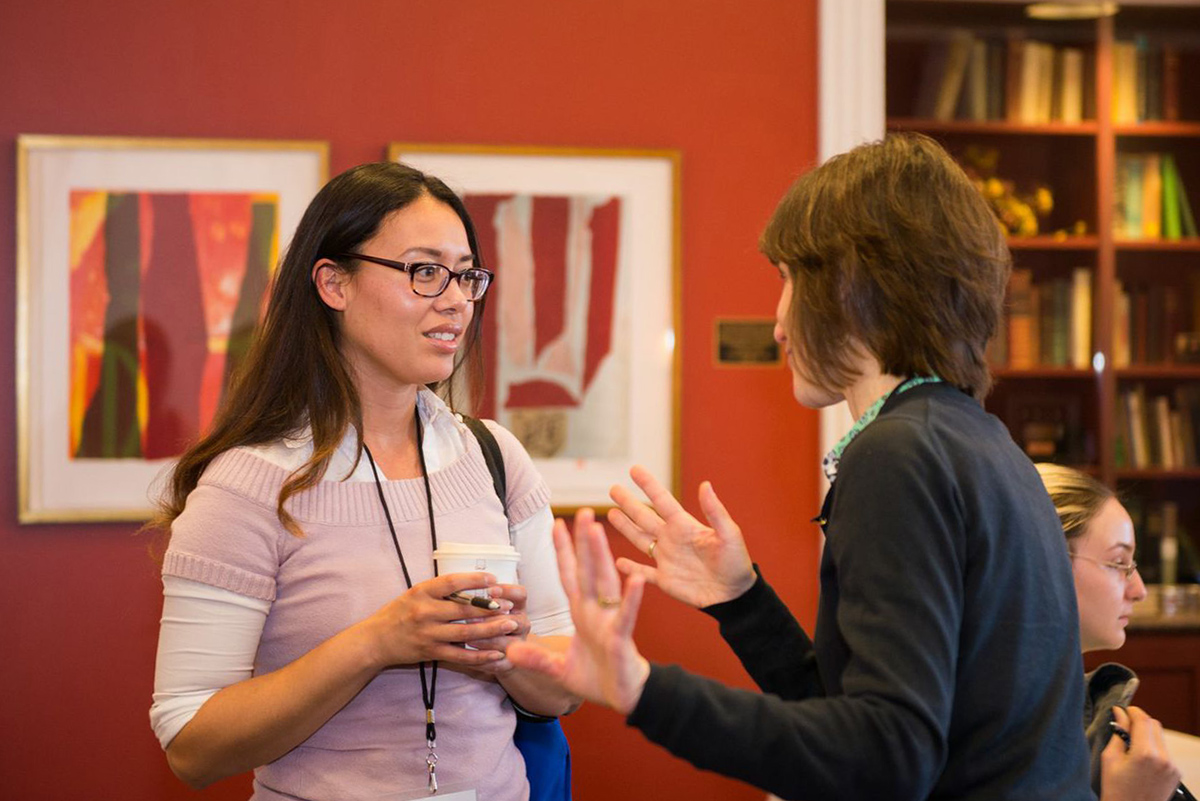
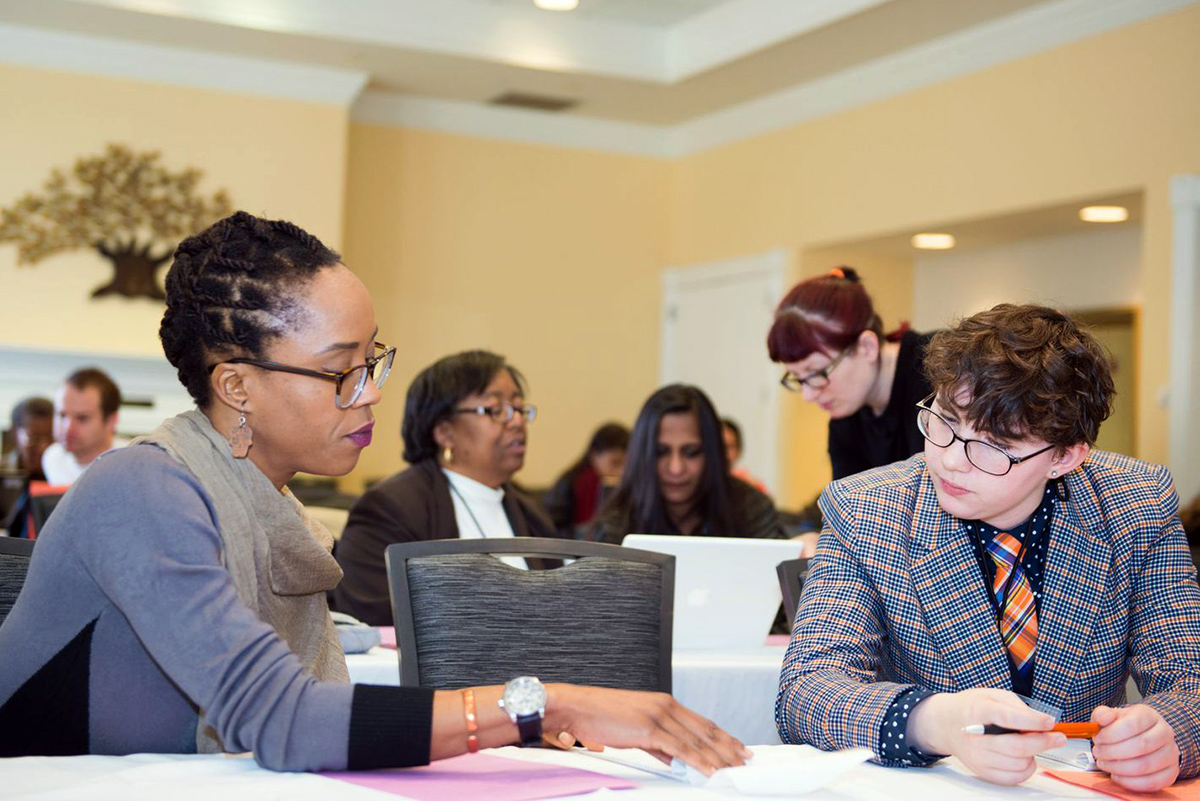
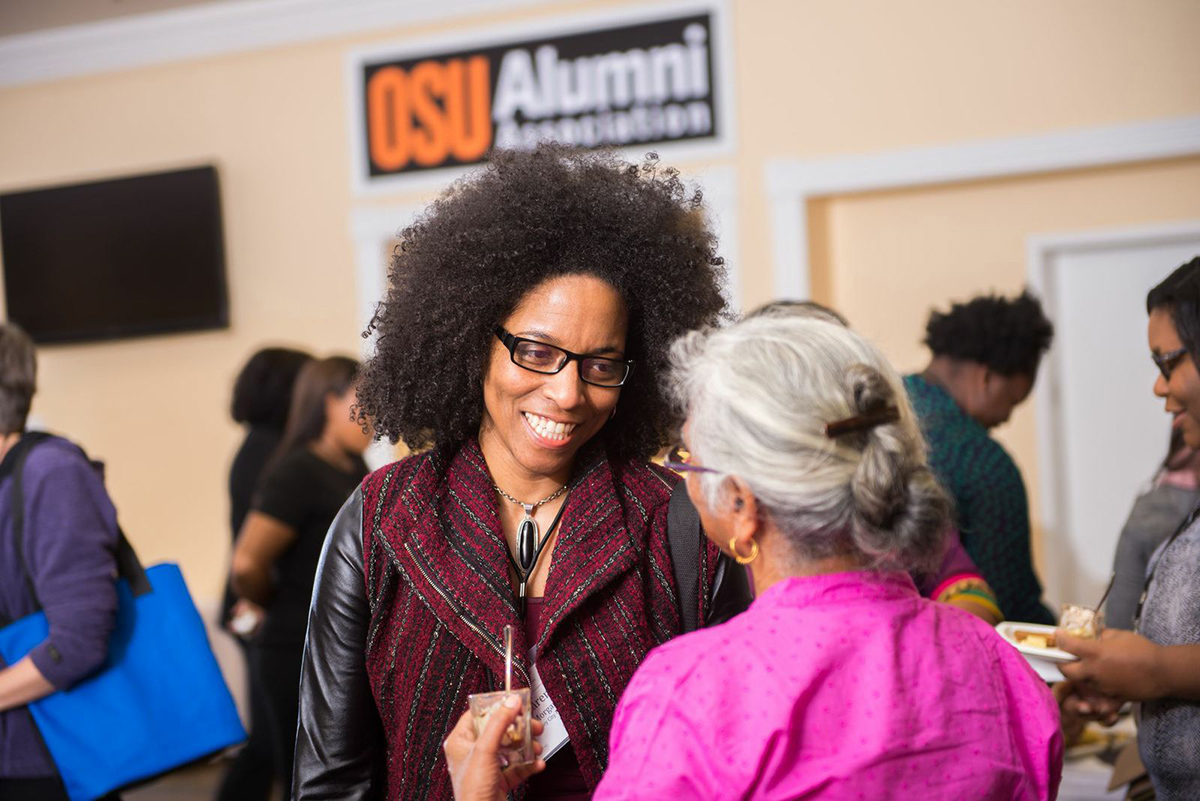
Recently, she participated in the biennial 10th Infinite Possibilities Conference (IPC) held at Oregon State University (OSU) on March 1-3. This one of a kind national academic event focused on empowering, educating, celebrating and promoting the careers of underrepresented minority women in mathematical and statistical sciences.

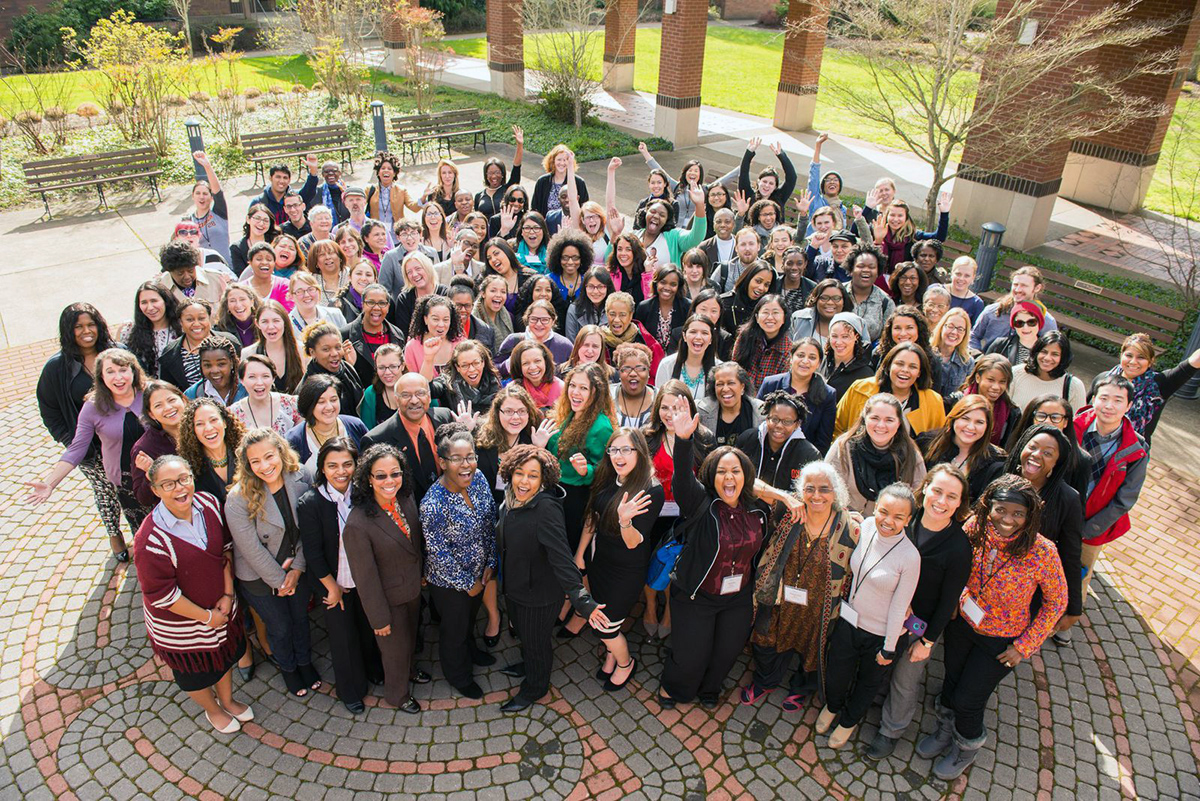
"It is nice, especially, to have a conference where we all come out in these numbers, so that other people in our position will see and think, wow, look at how many of us are there! We all can do this and take to heart the message that no particular discipline is reserved for any particular race or nationality," said Titcomb.

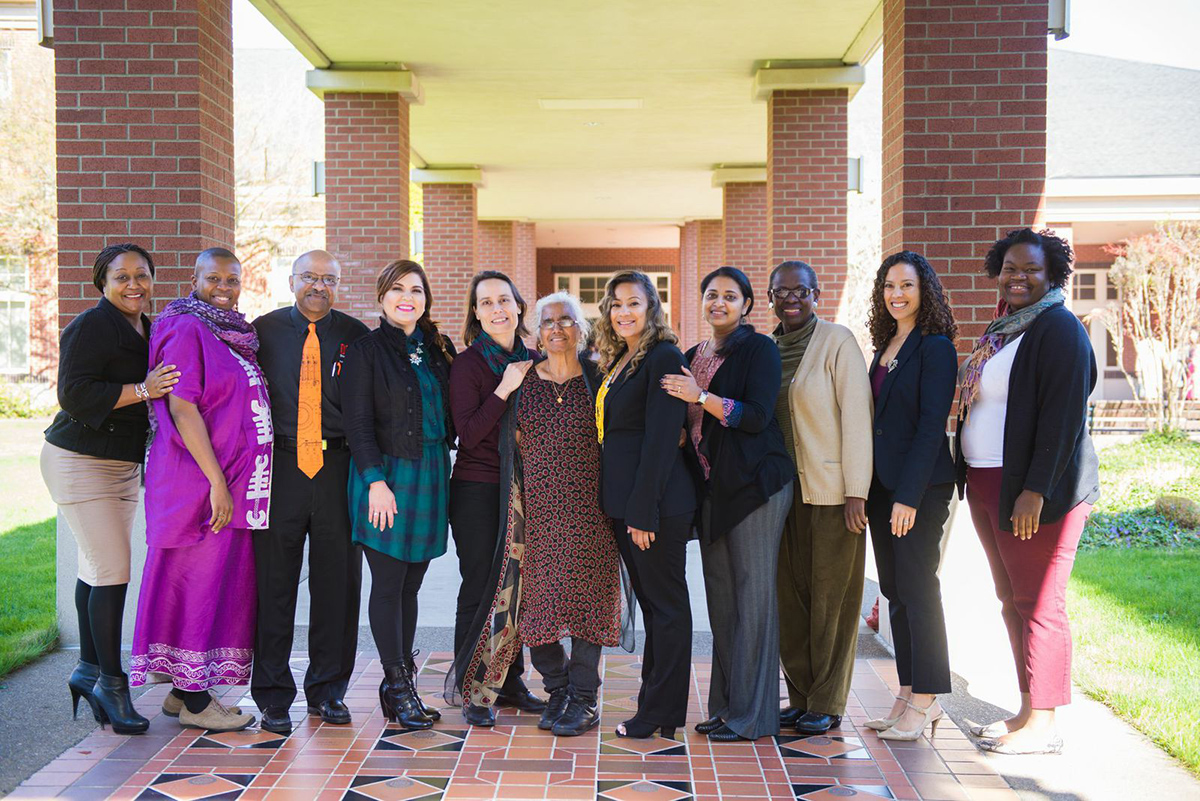
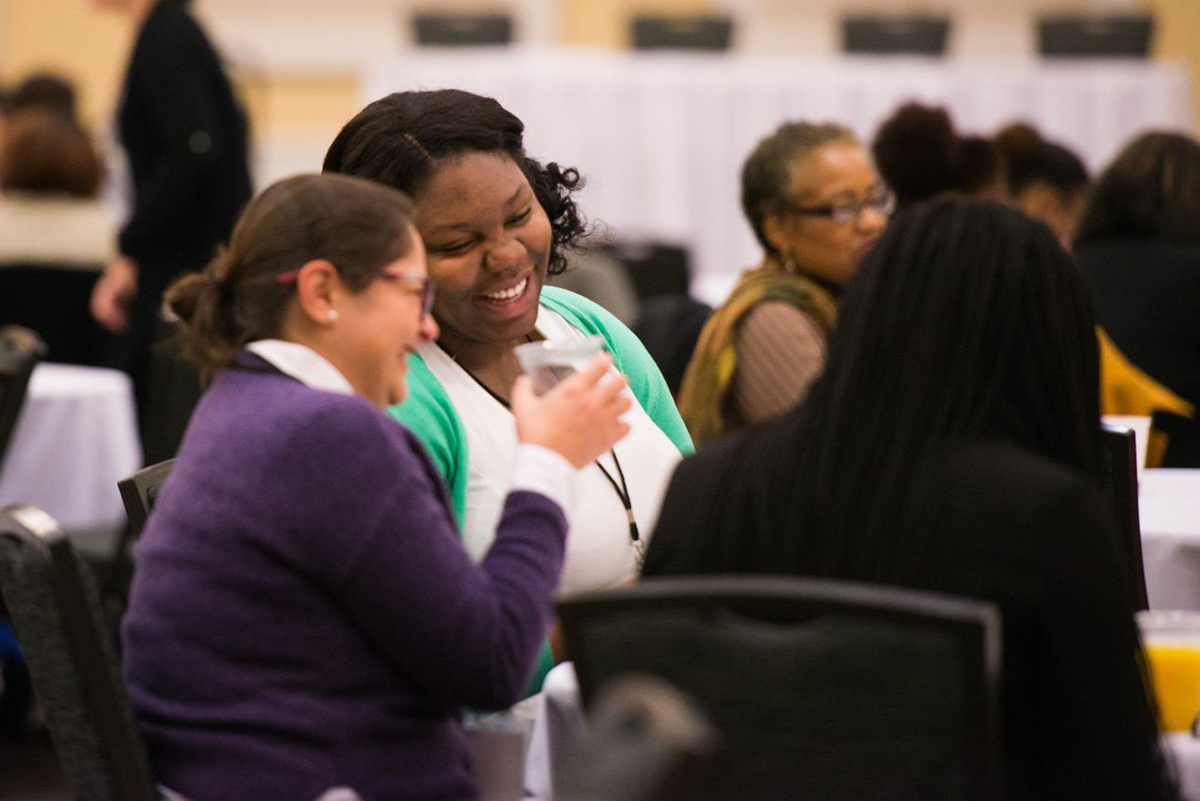
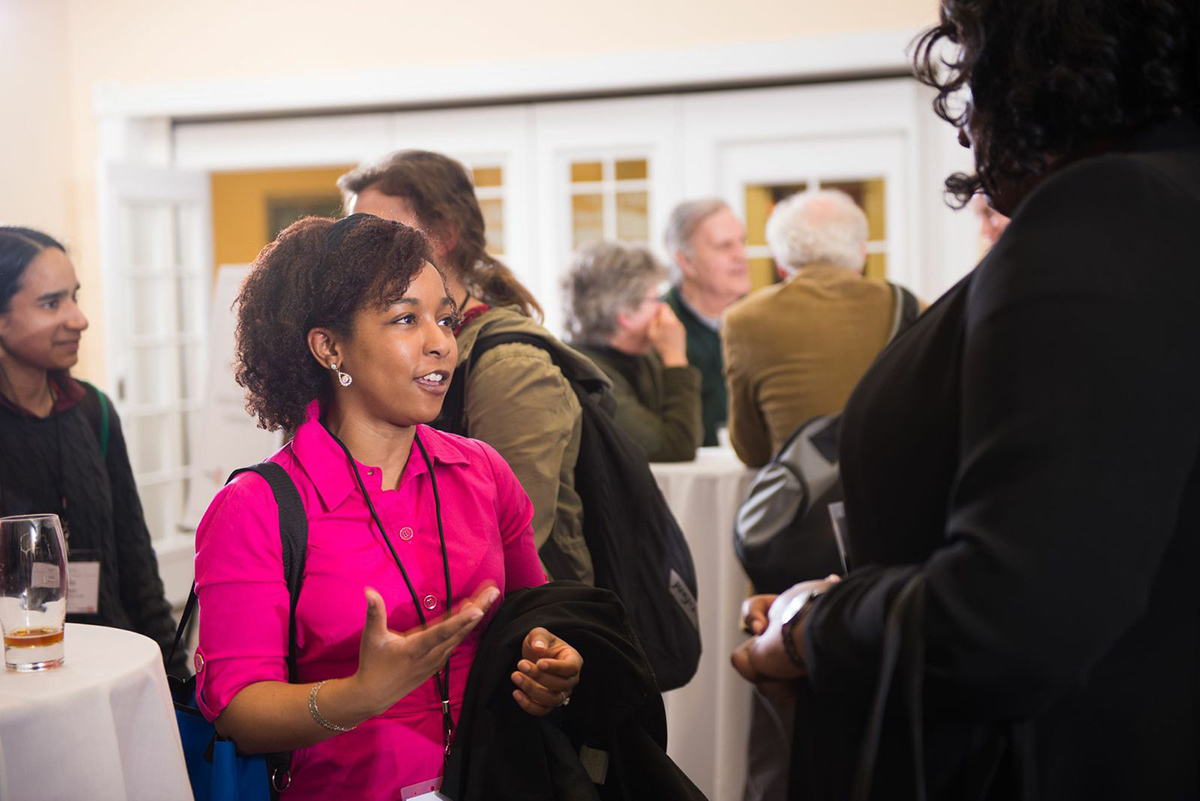
The conference attracted more than 230 diverse participants from 19 states, Mexico and Puerto Rico. The Departments of Statistics and Mathematics at OSU proudly co-hosted IPC 2015, which has received generous support from the National Science Foundation, the National Security Agency and Oregon State University. IPC is a program of Building Diversity in Science (BDIS), a nonprofit organization that encourages diverse students to enter STEM disciplines. The model for the annual conference is joint hosting between a University Partner and the nonprofit.

IPC was started in 2005 by Tanya Moore and a few of her former Spelman College mathematics professors and classmates. Moore, a biostatistician who works as education policy adviser in San Francisco, excelled as a mathematics major in Spelman—a historically black college for women—but struggled to connect with her peers and professors in her graduate program at Johns Hopkins University. She eventually transferred to the University of California at Berkeley.

Moore says that her "challenging and instructive experiences in graduate school, combined with the understanding that math provides a path to many careers" led her to form the IPC after completing a doctorate in biostatistics from UC-Berkeley.

It appears that initiatives such as the IPC are needed now more than ever. A 2015 statistical study by the National Science Foundation shows that representation of African-Americans, Hispanics and Native Americans in math-intensive fields is lower than in other STEM fields. In 2012, only 5.4% of bachelor’s degrees in mathematics and statistics were awarded to underrepresented minority women.

"We are committed to supporting and enhancing diversity in mathematics and science at OSU."

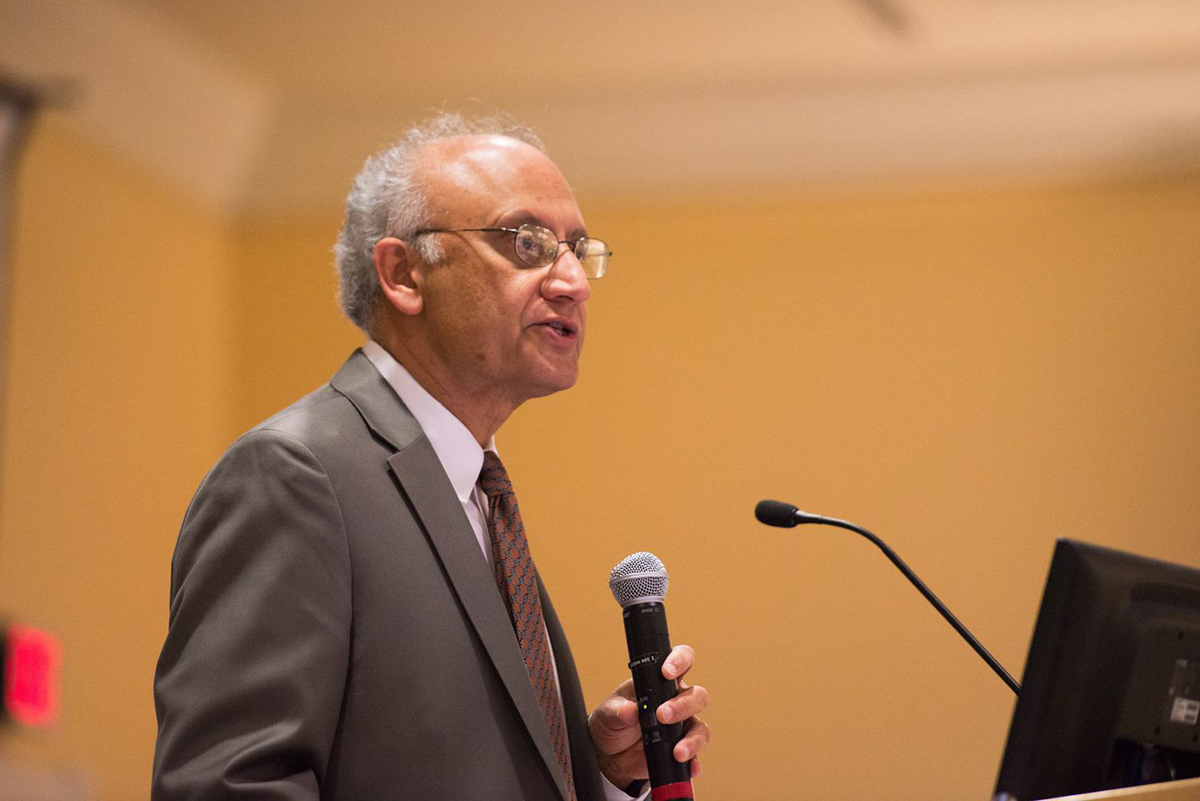
"I am thrilled to welcome the IPC to campus, which has done so much in the last decade to mentor, empower and increase participation of minority women in the mathematical and statistical sciences," said Sastry G. Pantula, dean of the College of Science. "It is truly a pleasure to celebrate the successes of women of color in mathematical and statistical sciences at OSU."

Pantula, who successfully lobbied to bring the IPC to Oregon State this year, also helped host the 2007 IPC at North Carolina State University when he was chair of its statistics department. IPC 2015 presents a unique opportunity to female students in mathematics and statistics at OSU.

“There is a remarkable enthusiasm about the Infinite Possibilities Conference among the OSU students I know who attended the conference. It is rewarding to contribute to the organization of a conference driven by such enthusiasm,” says Mina Ossiander, mathematics professor and co-chair of the local IPC organizing committee with Lan Xue, a statistics professor.

Numerous studies have shown that a lack of peers, professors and role models who look like them discourage minorities from enrolling in mathematics and science programs. In order to give opportunities to learn from role models and encourage networking, the IPC brought together undergraduates, graduates and high school students as well as an impressive cohort of high-achieving women of color statisticians and mathematicians working across the country in academia, industry and top-level scientific bodies.

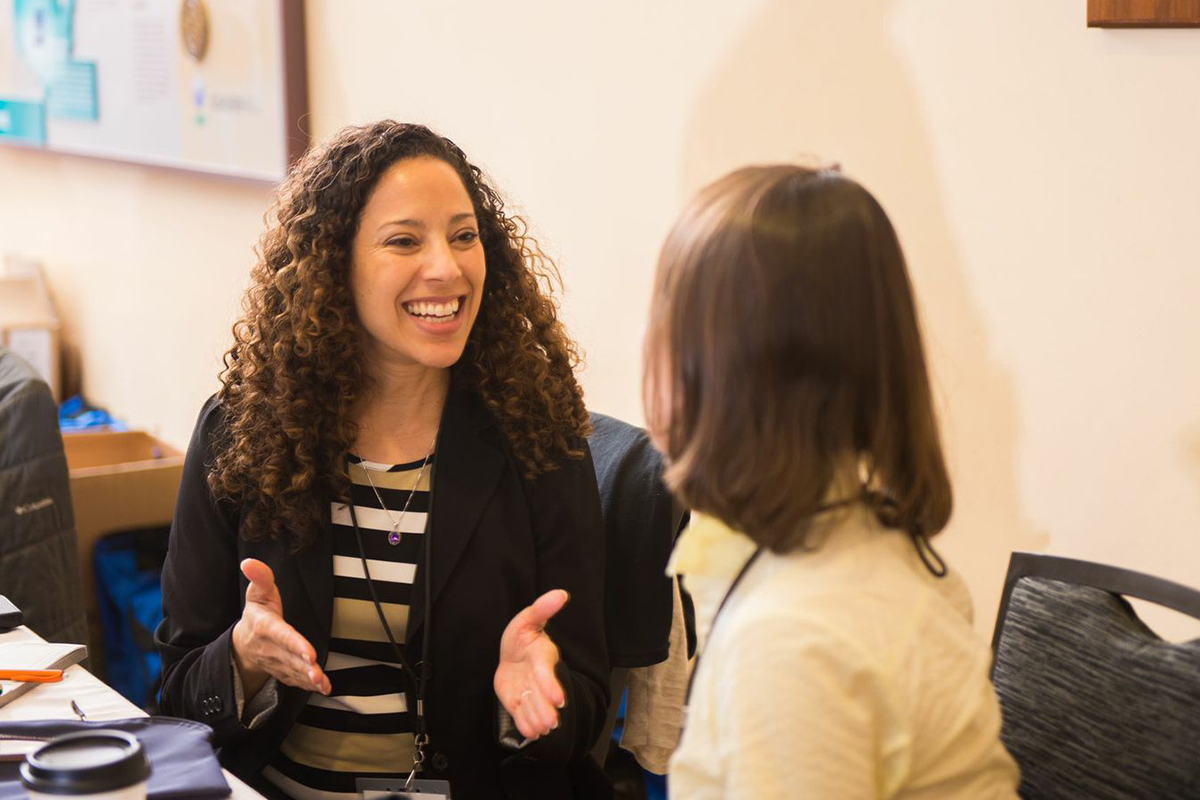
You never see anything quite like it. In general, because women of color are under-represented in mathematical fields, until everyone comes together, we may not even know we are there for each other,” says Lily Khadjavi, mathematics professor at Loyola Marymount University and a member of the IPC Advisory Board. “For students—frankly for everyone, at every stage of one’s career—a lack of mentors and role models can be a particular issue.”

IPC 2015 offered a short course on biostatistics for conference participants on March 1. The conference included a rich mix of research talks on mathematics, professional development workshops and panels on race/gender in the context of mathematics. IPC aims to spark interest among high school students in careers in the mathematical sciences as well as instill greater awareness in undergraduate and graduate students about issues uniquely faced by women of color in STEM disciplines.

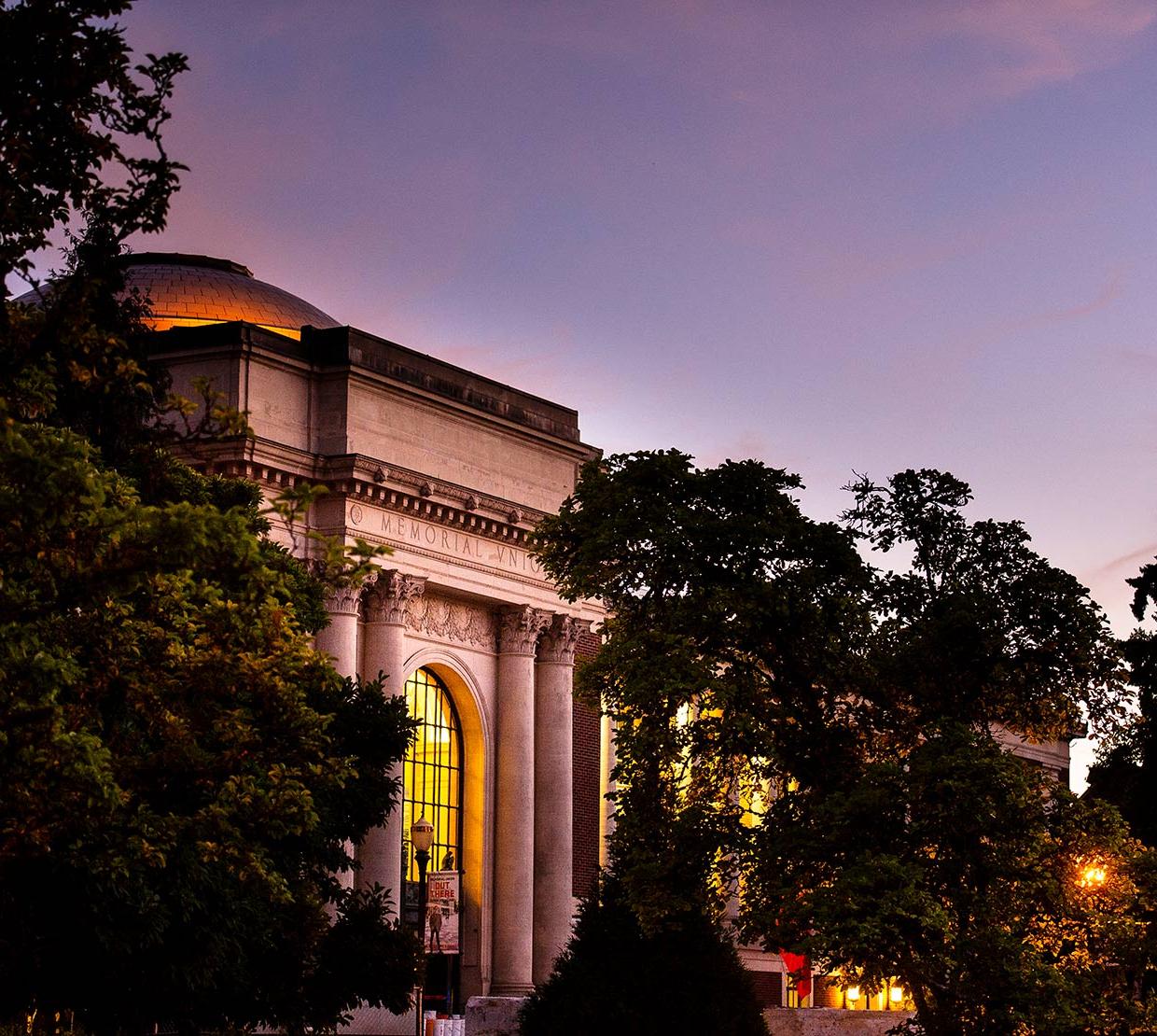
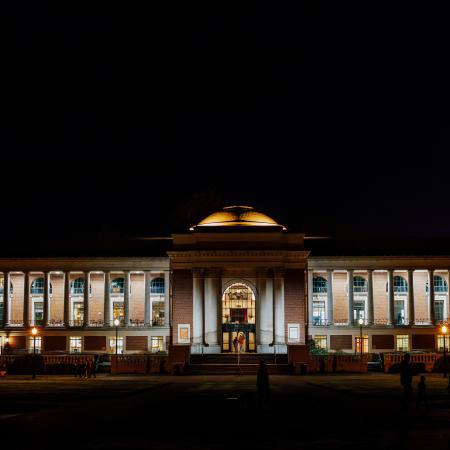
Memorial union at sunset

2015 Infinite Possibilities Conference comes to campus

2015 Infinite Possibilities Conference on campus

African-American, Hispanic/Latina, and Native American women have been historically underrepresented in the mathematical and statistical sciences. In 2012, less than 2% of the doctoral degrees in the field were awarded to American women from underrepresented minority groups. The Departments of Statistics and Mathematics are proud to co-host the 5th Infinite Possibilities Conference (IPC) March 1-3, 2015, together with OSU and with Building Diversity in Science—a nonprofit organization that encourages diverse students to enter STEM disciplines.

Registration is now open. Click here to register.

With a mission of educating and empowering women, IPC is a national conference that strives to create new frontiers by building on the undaunted spirit of women in the mathematical and statistical sciences. This conference is made possible in part by the generous support of the National Science Foundation, the National Security Agency and Oregon State University.

"IPC was a pivotal moment for my deciding to pursue a doctoral degree. It not only gave me experience in presenting my work, but it also inspired and motivated me to continue my research to complete my master's and discover my reasons for earning a PhD.” - Graduate student, IPC participant

IPC selected OSU to host its 2015 conference site because of the University and the College’s strong commitment to enhancing diversity and promoting excellence among women in mathematics and statistics. As OSU President Ed Ray puts it, “Excellence through unity in diversity.”

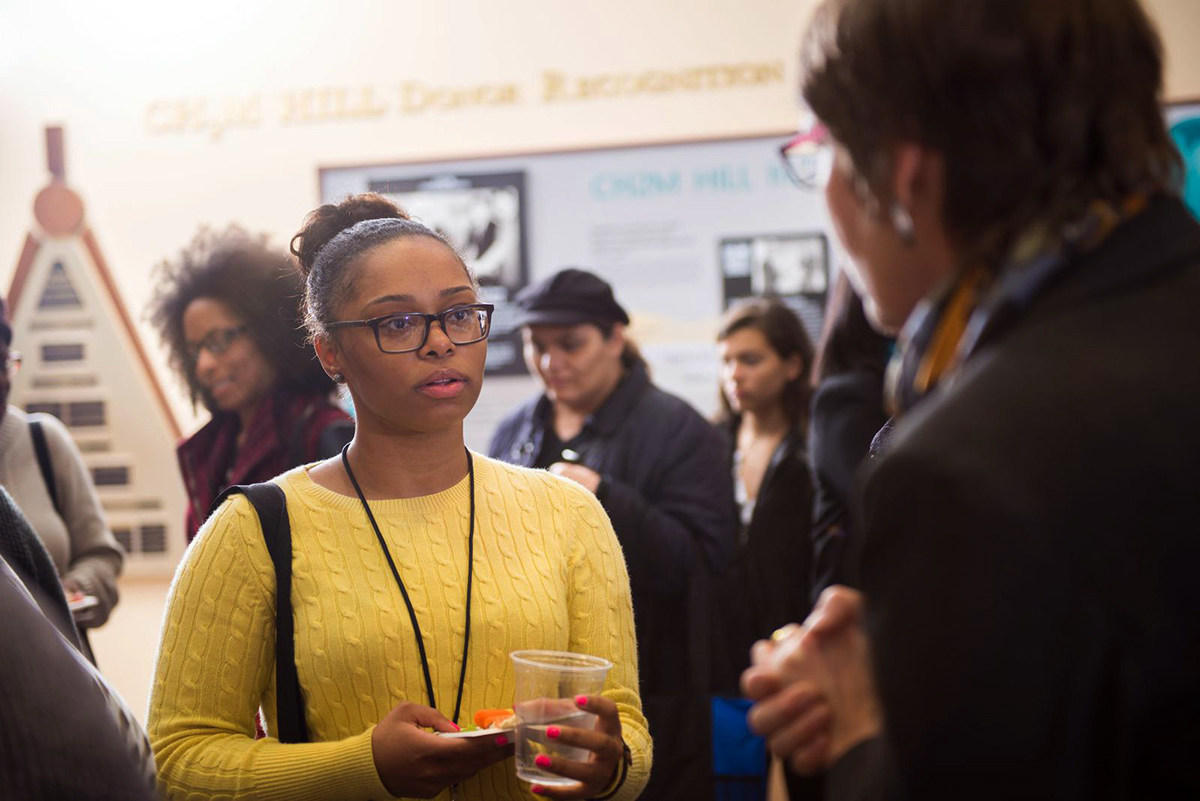
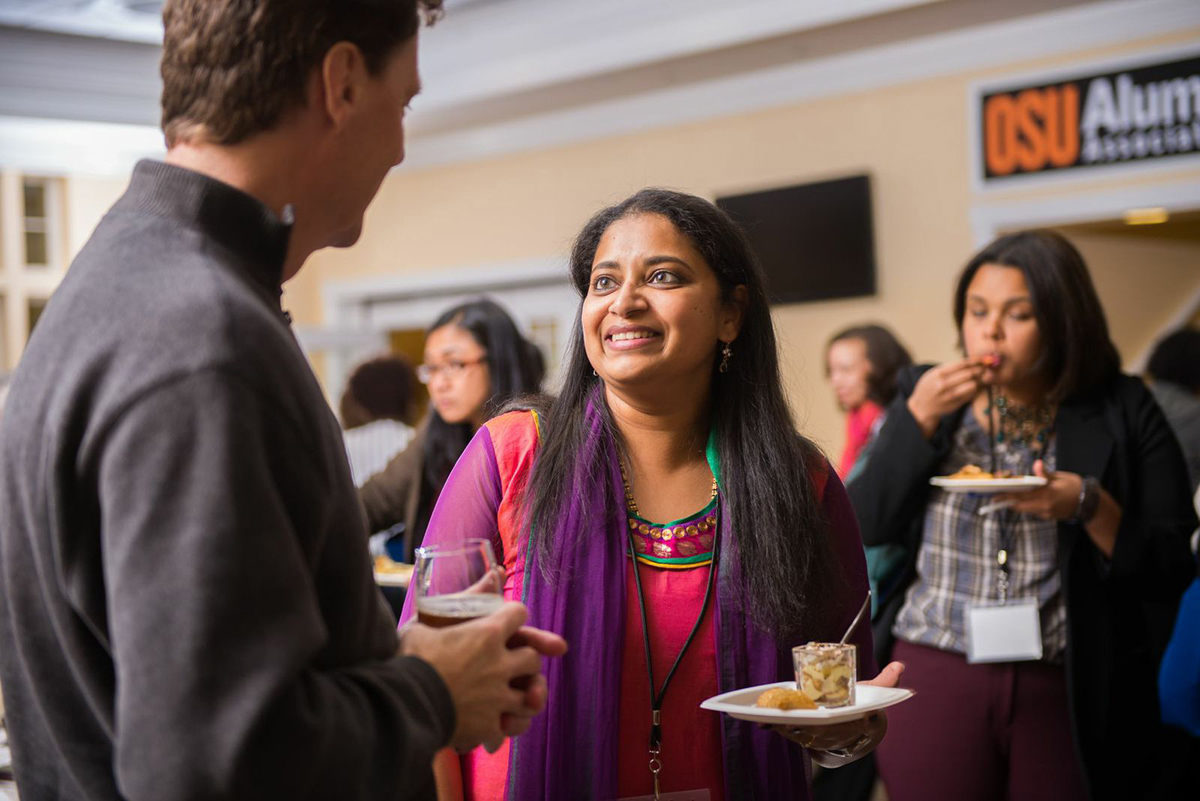
The conference attracts underrepresented minority women in these fields, including junior faculty as well as undergraduate and graduate students. Attendees have the unique opportunity to interact with established women mathematicians and statisticians within a professional conference environment.

An undergraduate majoring in mathematics with an emphasis in statistics who attended IPC has this to say about the innovative conference:

“While there a smattering of workshops and conferences created to address race/ethnicity or gender in the context of mathematics, IPC is the only program specially designed to address both.”

This year’s conference highlights include:

  • Professional development workshop series
  • Panel discussion on graduate studies in mathematics and statistics
  • Research talks given by professionals
  • Student poster sessions
  • Special activities for high school students
  • Roundtable discussions on experiences with mathematics and statistics
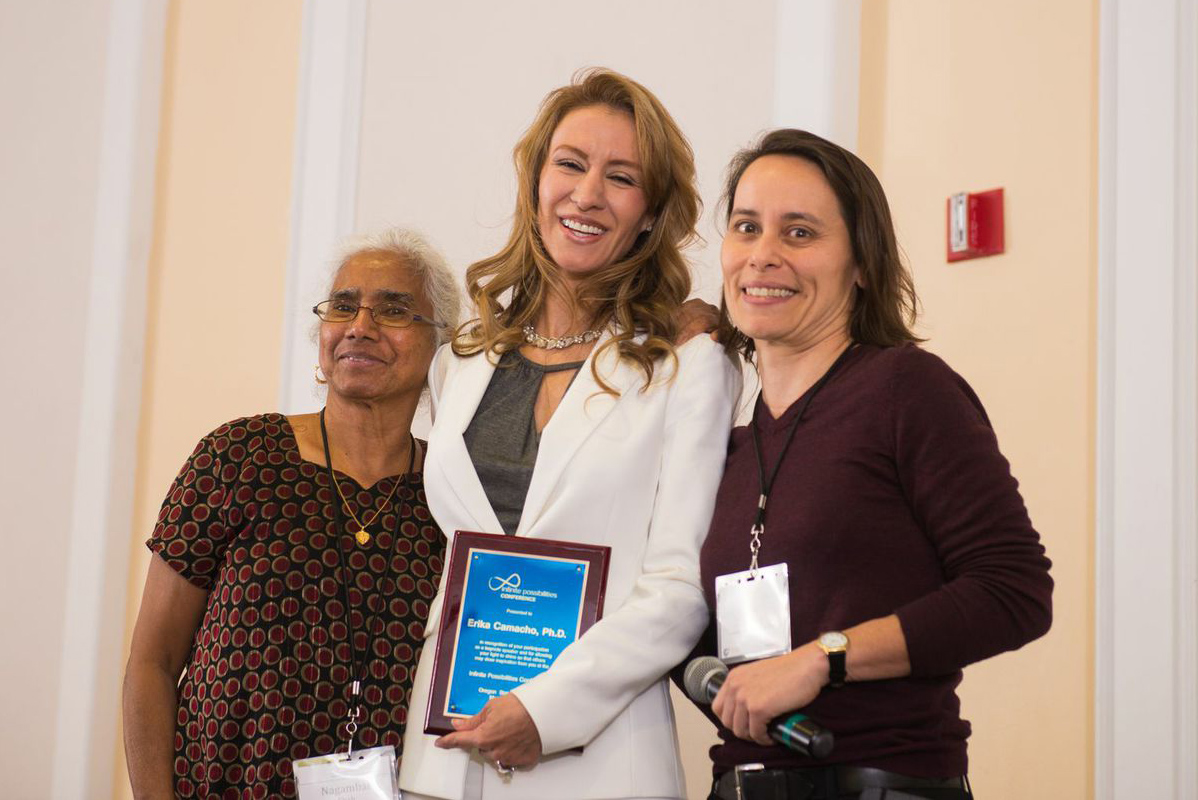
  • Dr. Etta Z. Falconer Award banquet highlighting individual recipient's achievements in mathematics and statistics

Conference speakers and agenda

All sessions will be held in the CH2M HILL Alumni Center at Oregon State University. Click here for the conference flyer.

Events

March 1

A special short course in biostatistics will be held March 1. This event is organized by the Mathematical Biosciences Institute.

March 3

The Dr. Etta Z. Falconer Award Banquet will be held on Tuesday evening, March 3.

Invited Banquet Speaker

Dr. Deborah Jackson, National Science Foundation

Keynote Speakers

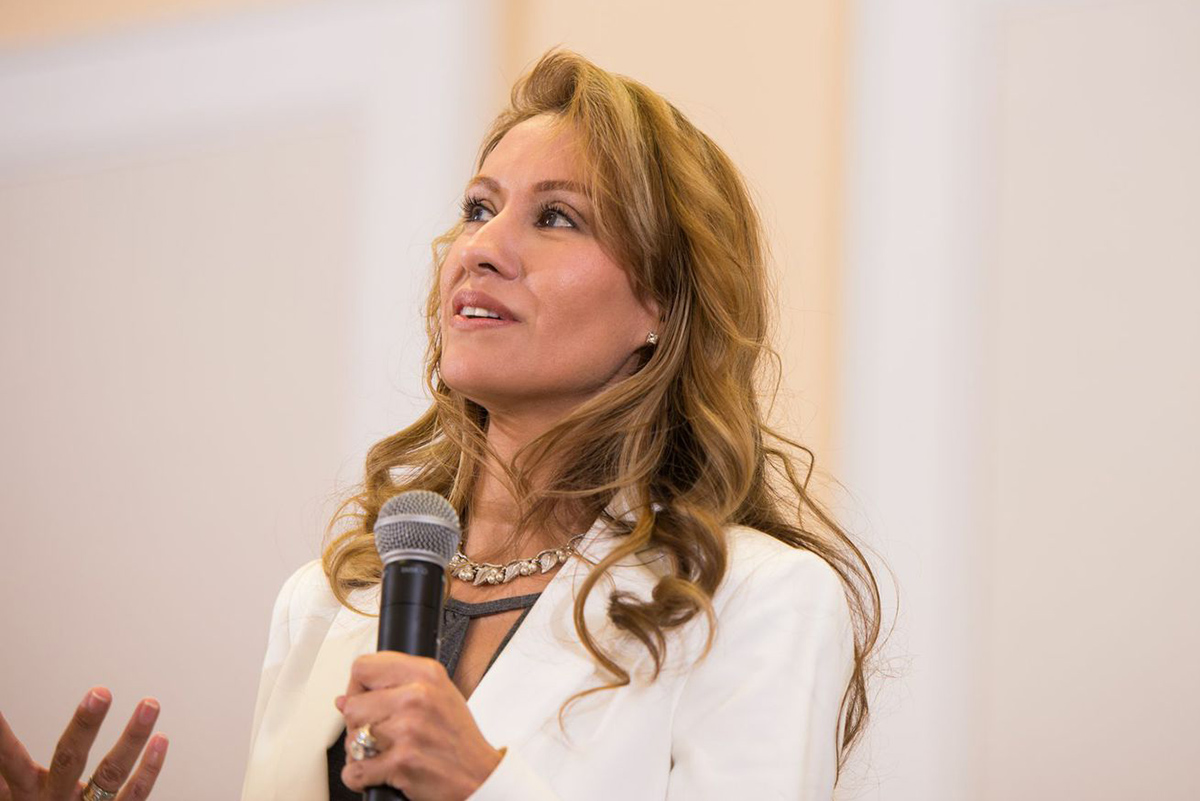
Dr. Erika Camacho, Arizona State University

Dr. Talithia Williams, Harvey Mudd College

Special Workshop

Dr. Kerry Ann Rockquemore, National Center for Faculty Diversity

A PhD candidate in biostatistics who attended a past conference remarked, “I came back from IPC rejuvenated, re-encouraged and with a renewed confidence in completing my dissertation.” A professor who attended the conference called the conference “an educational experience that helped me grow as a mentor.”

The College of Science’s new Vernier Program for Mentoring and Diversity in Science will lend support to the conference, augmenting dollars from federal agencies and industry. The program focuses on building leadership in science among women, underrepresented minorities, and first-generation college students with strong potential.

IPC strives to increase and support diversity in the mathematics and statistics communities by creating a paradigm shift in the way people think about a mathematician or statistician and the roles they play in society. The conference addresses a need among participants by offering workshops that specifically address race/ethnicity or gender within the context of mathematics and statistics.

In the book How College Works, authors Daniel Chambliss and Christopher Takacs, examine the importance of students’ social networks (who they know and how well), the campus community as a whole and what it means to “belong” to it as well as clusters of students or “micro-communities” that form around particular organizations, dorms, and sports. They found that students with a few close friends, a faculty mentor and a broader network of acquaintances were far more likely to have a rewarding college experience. Notably, these students also tended to be more academically engaged, especially when they developed a mentoring relationship with a professor.

In short, “We don’t earn a degree. We have experiences.”

Join us and experience Science@OSU and its commitment to advance harmony, excellence and diversity. Visit IPC online to learn more or get involved.
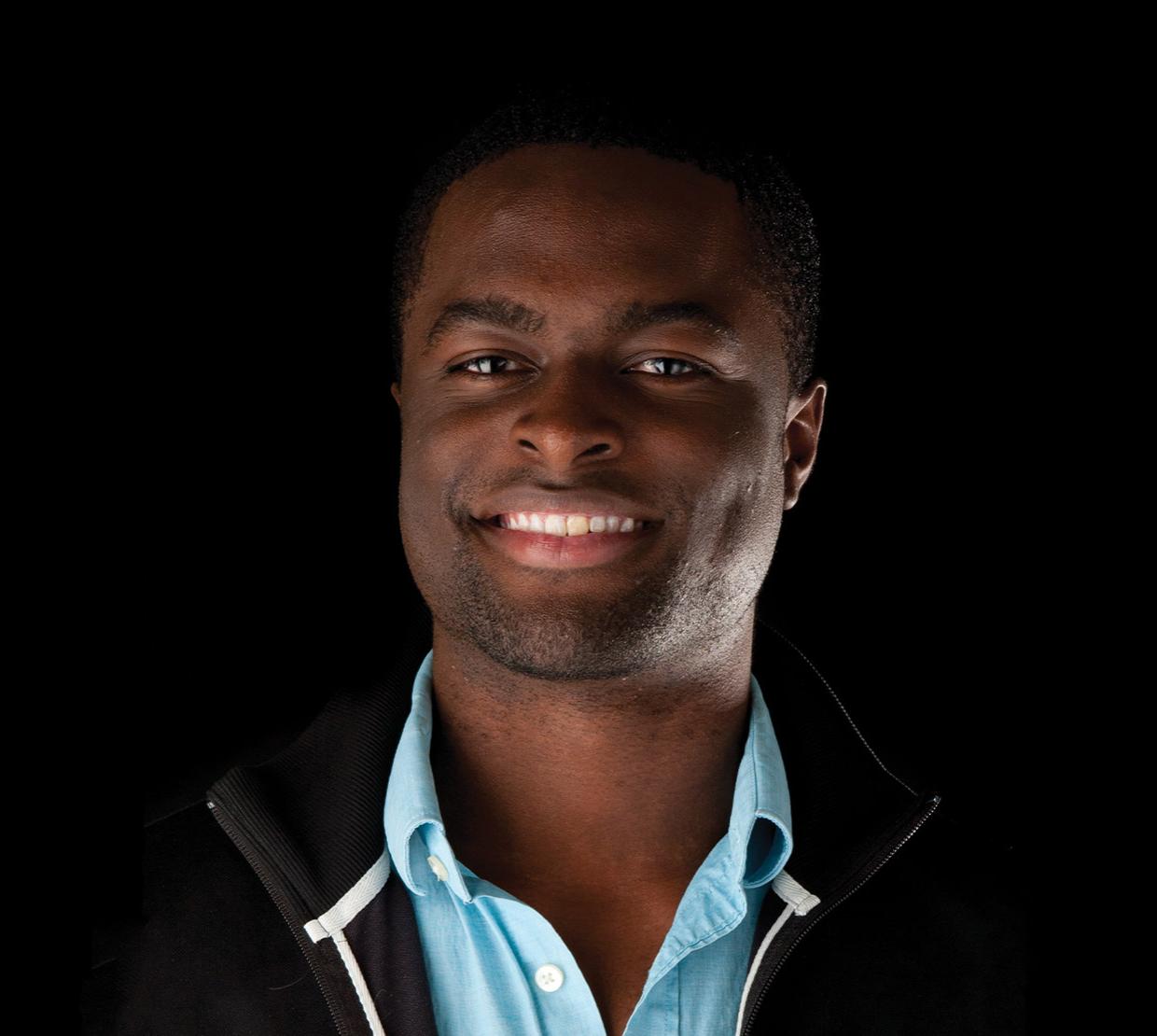
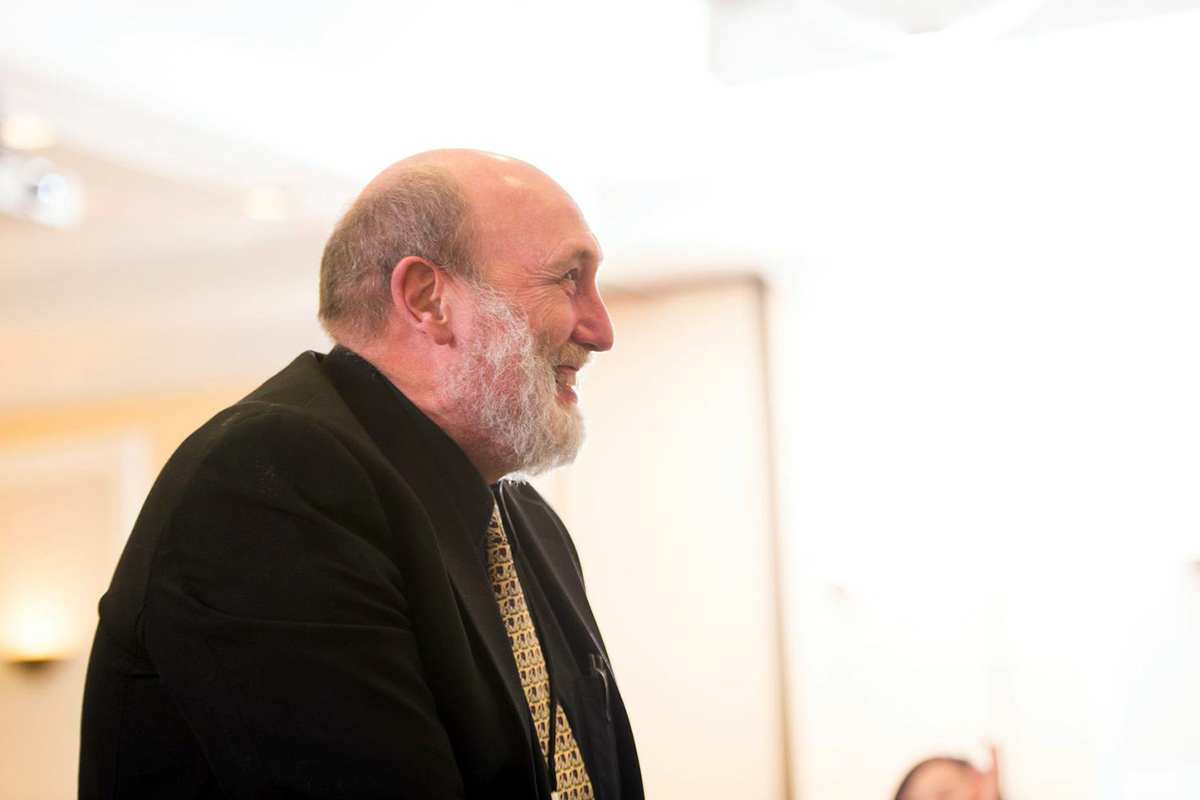
Maduka Ogba standing in front of black backdrop

Student research

Maduka Ogba, chemistry graduate student

Research highlights

The College of Science has an extensive and deep research portfolio that is globally recognized, providing our students enriching and life-changing experiences working alongside leading scientists and researchers in the College.

Our students

Our students are engaged in authentic inquiry, a hallmark of science education. They engage in collaborative research with our extraordinary faculty to make a difference in the world. This rigorous preparation helps them develop knowledge through hands-on learning in the lab and in the field. This not only helps our students become scientists, but it also teaches them how to think like scientists.
Condensing enzymes into short catalytic peptides, while preserving nature's efficiency and precision, is at the frontier of modern synthetic chemistry and biology. However, factors critical for imbuing reactivity and selectivity are poorly understood in these systems due to the structural flexibility and weakness of interactions controlling catalysis. Chemistry graduate student Maduka Ogba is developing cheminformatics protocols to provide a tool set for the rapid, systematic, and complete atomistic understanding of all catalytic peptides.

Microbiology graduate student Connor Driscoll is studying the ecological role of viruses in freshwater algal blooms, focusing on their roles in shaping population structure and driving bloom turnover over or decline. This research improves our understanding of how harmful algal blooms form and die, and may also provide a natural treatment for harmful blooms, helping to protect freshwater sources.

Michelle Tan, a Biochemistry/Biophysics undergraduate, investigates autophagy - a process in which cells digest components of themselves in order to recycle energy and nutrients - and its induction following exposure to coibamide A, a natural product produced by a Panamanian marine bacterium. The role of autophagy is currently unclear, and there is debate over whether the process acts as a survival mechanism or as a promoter of cell death in various cancers. Michelle's research will provide a more detailed understanding of how autophagy induction might be used in the future to prevent the progression of cancer using new pharmacological compounds.

Biology undergraduate Skylar Fuller is working with Rhodococcus fascians, a Gram-positive plant bacteria that causes disease by making plant hormones (and disrupting normal hormone levels). Because Gram-positive bacteria are understudied, every discovery she makes will contribute to new knowledge in understanding how this group of bacteria causes disease.

Biochemistry/Biophysics undergraduate student Aaron Sugiyama observes the effects of aging on mammalian liver cells, specifically the age-related increase of senescent liver cells. Senescence (which occurs when cells stop dividing) has several hallmarks, including, but not limited to, heightened inflammation, changing gene expression and increased resistance to apoptotic signals. All of these characteristics make senescent cells hazardous to mammalian health and the accumulation of these cells over time may contribute to the decline of overall health with age. Aaron is working to determine if there is a significant increase of senescent liver cells with age. After determining what relationship exists (if any) between senescent liver cells and age, the next step is to determine which liver cell types display senescent characteristics.

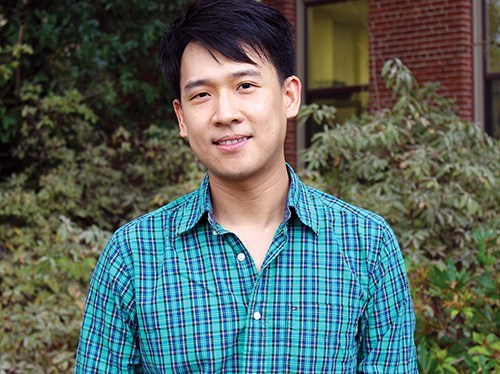
Chemistry graduate student Hanyang Zhang researches the synthesis, characterization and application of graphite intercalation compounds. By making the space between the graphite layers larger than pristine graphite, these layer-structured materials can serve as pillaring hosts for lithium ion insertion, making them future candidates for use in rechargeable batteries.

Chemistry graduate student Breland Oscar studies photochemical reactions in fluorescent proteins that occur before the chromophore emits light. Using ultrafast lasers makes it possible to view vibrational peaks of the light-sensitive chromophore within fractions of a second of illumination. This allows her to track chemical reactions as they occur. Since fluorescent protein biosensors are used extensively to image living systems, it is important to understand their fundamental chemistry in order to establish new and innovative design principles.

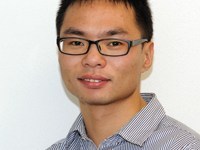
Statistics graduate student Bin Zhuo’s current research mainly focuses on applying a generalized, linear mixed model to RNA-Sequencing data and making inferences on differential expressions of genes. The linear mixed model is a state-of-the-art method used in genomic studies. He is also exploring models of dispersion parameters under Negative Binomial assumptions.

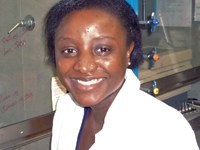
Chemistry graduate student Leah Chibwe researches the potential formation of toxic byproducts during the remediation of soils contaminated with polycyclic aromatic hydrocarbons (PAHs). PAHs are contaminants released into the environment through an incomplete combustion of organic matter. These sources, which can include forest fires, volcanic eruptions and cigarette smoke, are toxic, persistent compounds that tend to deposit into the soil. Remediation is used to treat soils and destroy these contaminants. However, the compounds might be transformed into even more toxic oxygen containing derivatives of these PAHs. Her research explores the toxicity of soil and understanding the fate of PAHs after remediation, as well as identifying the potential formation of toxic byproducts.

Ruin theory is a field in actuarial science using stochastic processes to model the wealth of a non-life insurance company. This theory relies on the probability of ruin, (the chance that a company goes bankrupt). Mathematics graduate student Sooie-Hoe Loke analyzes equations for ruin probability using the delayed claims and risky investment model and the dual risk model that evaluates cost and profit. Last year, he presented his research in Buenos Aires and Liverpool.

wooden cube on a table with math homework

Who wants to be a Mathematician

math activities on campus

This past weekend the Department of Mathematics hosted the 34th Annual Oregon Invitational Mathematics Tournament. Top high school math students from across the state arrived on campus at 7:45 a.m. on a Saturday morning to take exams and participate in math activities.

The love of math and the possibility of winning cash prizes were apparently compelling to draw them to Corvallis.

Students are invited to compete based on their performances at regional contests held across the state. Those with exceptional scores on the AMC-10 and AMC-12 exams may also be invited or simply register.

Students compete for cash and prizes by answering multiple choice mathematics questions. For example, assigned team events tackled both Precalculus/Calculus and Geometry/Algebra II. The day culminated in a final competition called “Who wants to be a Mathematician.”

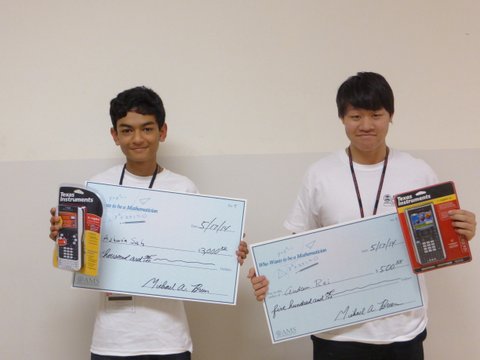
American Mathematical Society (AMS) representative Mike Breen and DePaul University Professor William Butterworth, who developed the national "Who Wants to be a Mathematician" competition, hosted the contest. AMS donates cash prizes for the annual statewide math contests.

The eight finalists were: Andrew Bai of Jesuit High School, Markab Han of Sunset Middle School, Andrew Yang of Westview High School, Ashwin Sah Jesuit High School, Tyler Snook and Yiting Zhou both of Valley Catholic High School, Justin Bao of Stoller Middle School and Swati Garg of Westview High School.

This year’s overall winner was Ashwin Sah of Jesuit High School in Portland who received $3,000. Hear Ashwin talk about his victory on YouTube. He has finished second in MathCounts the past two years. Andrew Yang was the runner up who received $2,000.

For a little math humor, the oversized representative checks pictured were numbered “pi” and “e.”

College of Science Dean Sastry Pantula offered remarks at the closing awards ceremony to the high school students, their parents and teachers. Mathematics Department chair Tom Dick worked with students and faculty all yearlong to plan, prepare for and organize the day’s festivities.

The Oregon Council of Teachers of Mathematics donated the award medal to the top 10 contestants in each exam category. The Mathematics Department of Linn-Benton Community College and Oregonians for Science Reason attended to offer their support and encouragement to the young mathematicians.

To see more photos from the day, click here.


Read more stories about: faculty and staff, mathematics, outreach


Tablet showing human anatomy research

Attracting top talent in science

Biomedical research

The College of Science has partnered with ARCS Foundation Portland Chapter to recruit top applicants to PhD programs in the departments of biochemistry and biophysics, chemistry, mathematics, microbiology, statistics and integrative biology.

ARCS® Foundation (Achievement Rewards for College Scientists) is a distinguished national non-profit volunteer women’s organization dedicated to advancing our nation’s competitiveness in scientific and technological innovation.

“These departments in the College of Science are recognized by ARCS Foundation as being among the top research programs in the country,” said Jean Josephson, president of the Portland Chapter of the ARCS Foundation.

The Portland Chapter will raise funds for ARCS Scholar Awards for the College of Science. This week two awards were earmarked for the College of Science to recruit top doctoral candidates entering one of the six programs in the 2014-2015 academic year. Each award is $18,000, payable over three years.

"I am thrilled for the College to partner with ARCS Foundation Portland Chapter,” said College of Science Dean Sastry G. Pantula.

“Their generous support for our departments will help us attract the best graduate students to OSU and help them realize their dreams. We will transform them into leaders in science to improve people’s lives in Oregon and around the world."

The College of Science joins the College of Engineering, College of Forestry and College of Earth, Ocean, and Atmospheric Sciences as partners of the ARCS Foundation Portland Chapter.

Through partnerships with 55 of America’s most highly ranked universities, ARCS Foundation provides significant financial awards to U.S. graduate students who are most capable of innovative pursuits in science, engineering and medical research. ARCS Foundation employs a scholar award model that provides flexible and unrestricted funding that can be a game changer for these fledgling researchers.

Subscribe to Statistics