Teaching Innovation

Teaching Innovation

A black background with orange glitter, an apple and the year 2026.

Celebrating excellence in teaching and advising: 2026 College of Science Awards

By Hannah Ashton

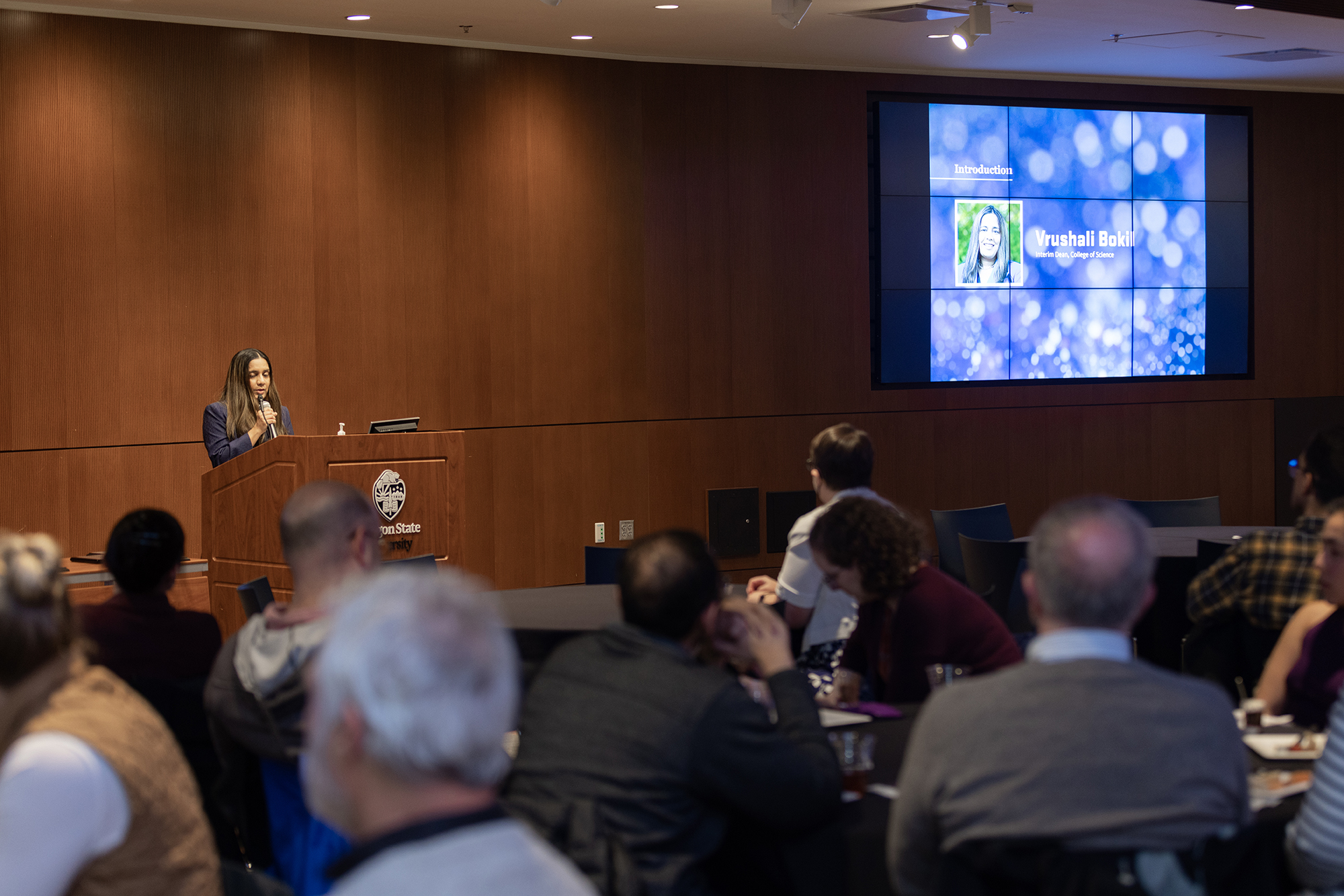
The College of Science gathered on Feb. 17 to recognize and celebrate our high-achieving faculty and staff at the 2026 Combined Awards Ceremony. The evening celebrated the very best in the College, from teaching, advising and research to inclusive excellence, administration and service.

The following faculty and staff received awards in teaching and advising.

Congratulations to all the awardees!

Loyd F. Carter Award for Outstanding and Inspirational Teaching in Science (Undergraduate)

head shot of Matt Waterhouse

Matt Waterhouse, from the Department of Integrative Biology, received the Loyd F. Carter Award for Outstanding and Inspirational Undergraduate Teaching in Science.

Matt Waterhouse, from the Department of Integrative Biology, received the Loyd F. Carter Award for Outstanding and Inspirational Undergraduate Teaching in Science.

Waterhouse is known for creating an engaging, supportive and inclusive learning environment where students feel both challenged and genuinely cared for. Students consistently describe his teaching as passionate, thoughtful and deeply invested in their success. His courses emphasize real-world applications of ecology, helping students move beyond memorization and toward long-term understanding, critical thinking and practical skills they can carry into their future careers.

Students also highlighted Waterhouse’s responsiveness to feedback and his commitment to continuously improving his courses. From revising course structure after exams to building assignments that scaffold skills over time, he makes learning feel achievable without lowering expectations. His lectures are carefully organized, visually engaging and often infused with humor, creating a classroom atmosphere that is both welcoming and motivating.

“No instructor has put effort in like Matt to make the course as approachable, flexible and achievable,” one student wrote. “His flexibility when I was sick for much of the term and his compassion for other students has been nothing short of saintly. He stands as a model for excellent teaching to human beings, not just the empty vessels older generations believed students to be. Not once did he fail what we expected of him.”

Loyd F. Carter Award for Outstanding and Inspirational Teaching in Science (Graduate)

A woman in a red shirt with dark hair stands in front of a green leafy background with white flowers.

Elaine Cozzi, from the Department of Mathematics, received the Loyd F. Carter Award for Outstanding and Inspirational Teaching in Science (Graduate).

Elaine Cozzi, from the Department of Mathematics, received the Loyd F. Carter Award for Outstanding and Inspirational Teaching in Science (Graduate).

Students describe Cozzi’s classroom as a place where open inquiry is not only welcomed but expected. She encourages students to seek their own understanding, collaborate thoughtfully and speak up to check their reasoning. Her passion for mathematics is evident in every lecture, and students note how she brings them into the process through questions, discussions and creating an environment where everyone feels included in the intellectual conversation.

Her teaching style is grounded in clarity and accessibility. Students appreciate her straightforward notes, her use of the whiteboard to build ideas step by step and her ability to make challenging material feel approachable without sacrificing rigor. Beyond the classroom, she is known for being warm, supportive and exceptionally approachable during office hours.

For some students, her influence extends even further. “As someone who aspires to be a math educator one day, I see a lot of teaching habits in Elaine that I want to emulate,” one student shared.

Olaf Boedtker Award for Excellence in Academic Advising

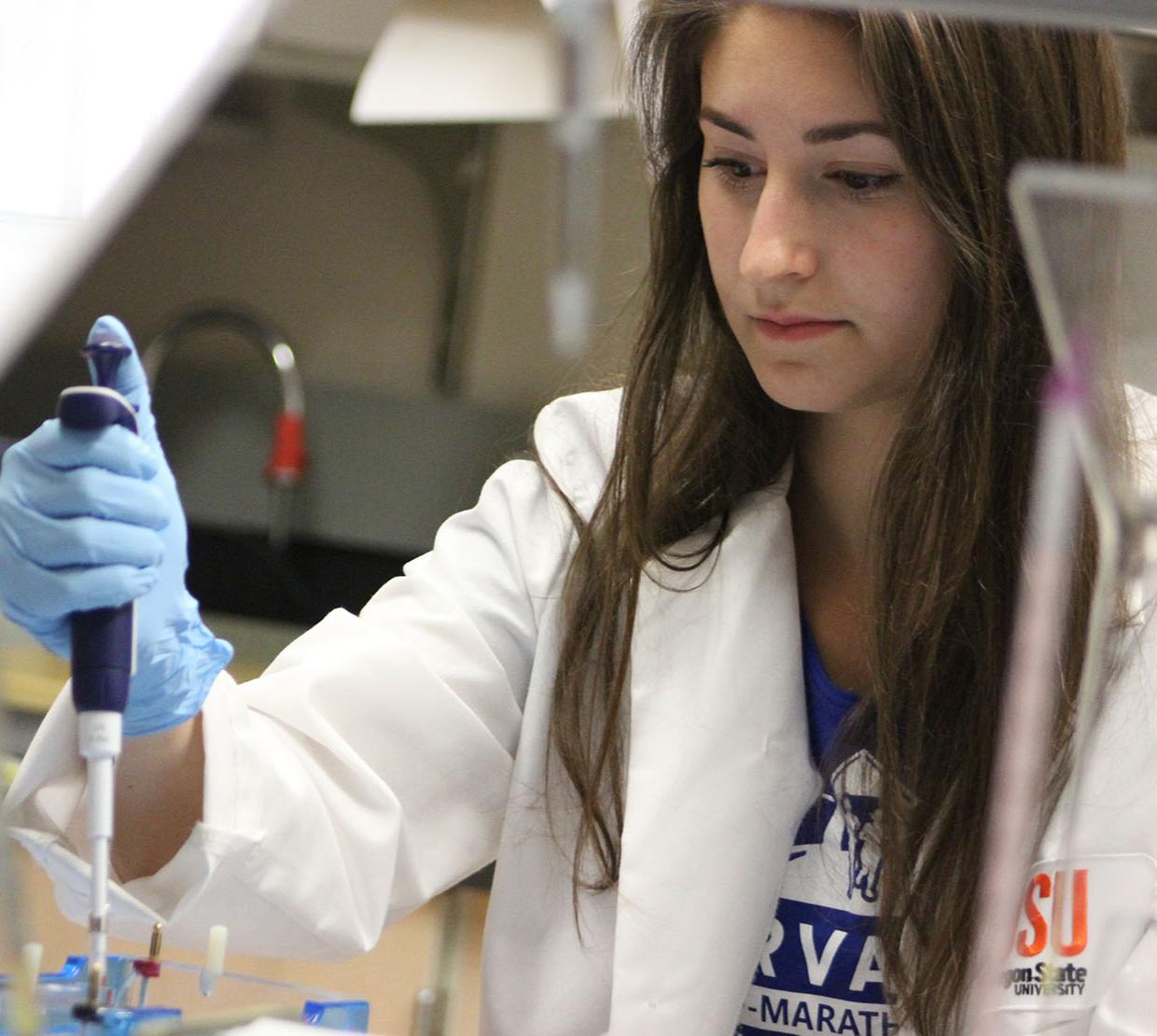
A woman in a white lab coat sits on a stool in a laboratory.

Kari Van Zee, from the Department of Biochemistry and Biophysics, received the Olaf Boedtker Award for Excellence in Academic Advising.

Kari Van Zee, from the Department of Biochemistry and Biophysics, received the Olaf Boedtker Award for Excellence in Academic Advising.

Students describe Van Zee as a compassionate, dedicated and deeply impactful presence in their academic journeys, often from the very beginning of their time at Oregon State. For many, she is the first person who helped them see what was possible for their future, and she continues to provide that same encouragement and guidance throughout their degrees. Known for her accessibility, organization and unwavering commitment to student success, Van Zee routinely goes above and beyond to support students, often working evening and weekend to ensure they have the tools and confidence they need to thrive.

“Kari has been my advisor since my first year at Oregon State; in fact, she was the first faculty member I spoke with when I reached out as a high school senior,” one student wrote. “Her intelligence, compassion and integrity stood out to me even in our initial conversations and she helped me realize that I could accomplish virtually anything I set my mind to at Oregon State.”

Students also credit Van Zee with fostering a culture of support and belonging within the biochemistry program. Whether helping students navigate degree planning, meeting important deadlines or simply feel seen and supported, her influence is felt across undergraduate, post baccalaureate and graduate communities.

Fred Horne Award for Excellence in Teaching Science

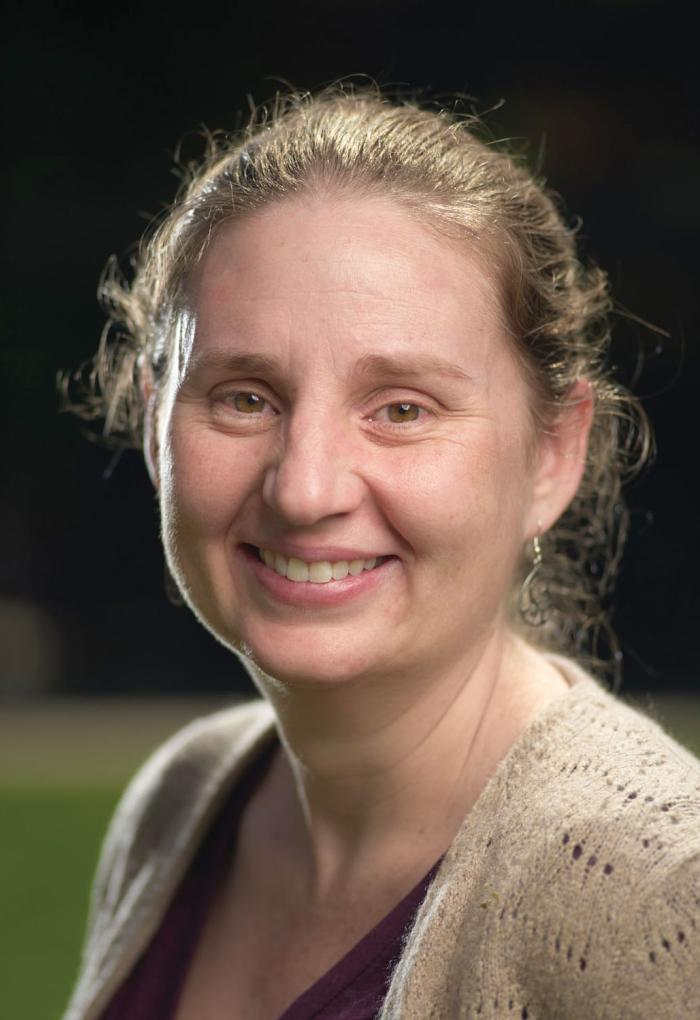
A woman in a grey shirt and blue pants and brown hair smiles.

Devon Quick, from the Department of Integrative Biology, received the Fred Horne Award for Excellence in Teaching Science.

Devon Quick, from the Department of Integrative Biology, received the Fred Horne Award for Excellence in Teaching Science.

For more than 15 years, Quick has demonstrated an extraordinary commitment to teaching excellence at Oregon State, with a lasting impact on both her students and the broader teaching community. Her courses in Human Anatomy and Physiology are known for their rigor, clarity and deep engagement, consistently earning outstanding student evaluations and maintaining remarkably low DFW rates.

Quick’s teaching is distinguished by her commitment to active learning, inclusive pedagogy and real-world application. She integrates case-based assessments, collaborative problem solving and diverse instructional media to support students in mastering complex material. Her thoughtful use of tools such as TopHat and CATME ensures that all students can participate meaningfully, while her extensive office hours, review sessions and open door policy create a welcoming environment where students feel supported both academically and professionally. Each year, she mentors 25-30 learning assistants and teaching interns, transforming students into partners in the teaching process.

Her impact extends far beyond her own classroom. Quick co‑founded the College of Science Learning Assistant Program in 2014, which now supports more than 25,000 student enrollments annually and has become a cornerstone of active learning across the college. She has played major leadership roles in InclusiveExcellence@OSU, ESTEEME, SUMMIT‑P, and other faculty development initiatives, championing evidence‑based and equity‑focused teaching practices that have influenced dozens of instructors and tens of thousands of students.

Students consistently describe her as an advocate, mentor and source of unwavering encouragement. As one student nominator wrote, “Her passion for teaching, her ability to foster deep connections, and her commitment to creating an open and inclusive learning environment have profoundly shaped my academic journey and personal growth in a way no other professor has.”

Photo of Memorial Union brick building on OSU campus.

Celebrating College of Science award winners at University Day 2025

By Hannah Ashton

Oregon State University’s annual University Day awards celebrate the faculty, staff and students whose leadership, teaching and research light the way for the university’s success. This year, the College of Science stood out across multiple categories, with honorees recognized for advancing student success, championing affordability, sparking innovation and driving world-class discovery.

Student Learning and Success Teamwork Award

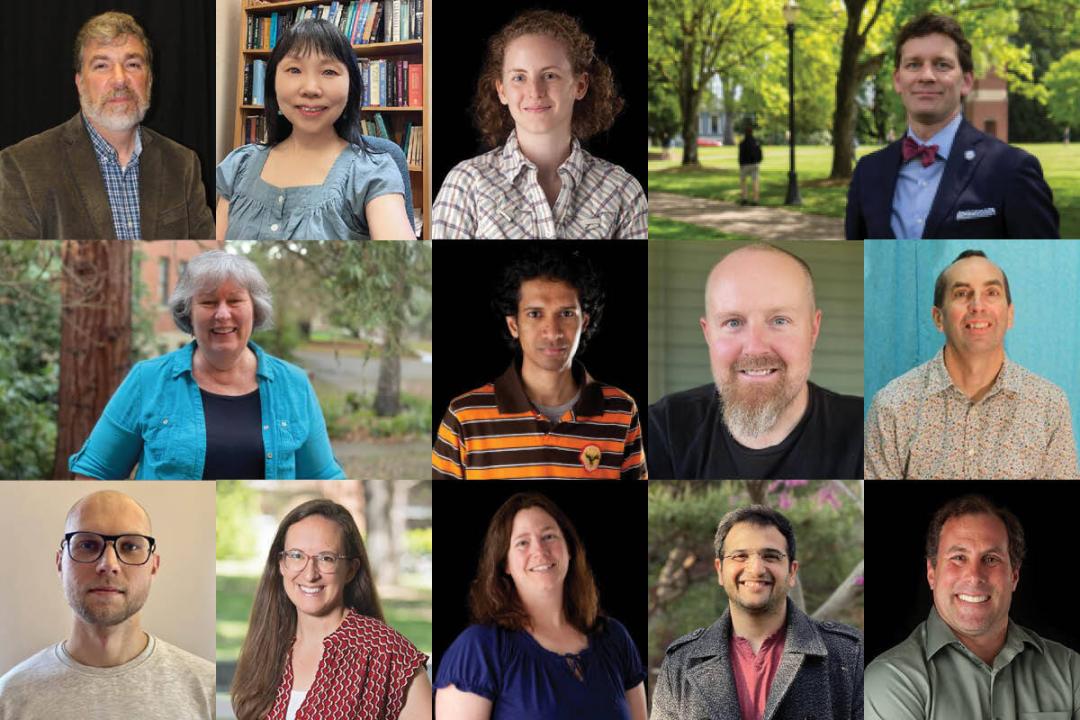
A group image of multiple headshots.

The General Chemistry Team received the Student Learning and Success Teamwork Award.

The General Chemistry Team received the Student Learning and Success Teamwork Award. This award recognizes departments or interdisciplinary groups that have demonstrated exceptional teamwork in creating and sustaining an exemplary teaching and learning environment that advances the university’s strategic goal of student success and excellence.

Oregon State’s general chemistry sequence is often a student’s first experience with college-level science. Thousands of students pursuing science degrees, as well as students from every college and Ecampus, complete the sequence.

The General Chemistry Teaching Team has collaborated extensively to improve instructional practices, revamping lectures, labs and exams. In-class peer learning assistants and teaching assistants help students feel like they belong. The team’s faculty nominator notes their efforts “not only help students succeed in these courses but also help students be successful in future science courses.” They have had “a strongly positive, measurable impact” on students, most of whom are in their first year at OSU.

A student nominator says, “Chemistry is a subject that students such as myself are often terrified of.” But she felt “a deep sense of relief” on the first day of class when her professor acknowledged that while chemistry could be challenging, she would always be available for questions and assistance. And she was.

The team consists of the following members: Marita Barth, Michael Burand, Denis Drolet, Margaret Haak, Jun Li, Amila Liyanage, Shrikant Londhe, Richard Nafshun, Cassie Siler, Artiom Skripka, John Terhorst, Paula Weiss, and Lou Wojcinski.

Impact Award for Outstanding Scholarship

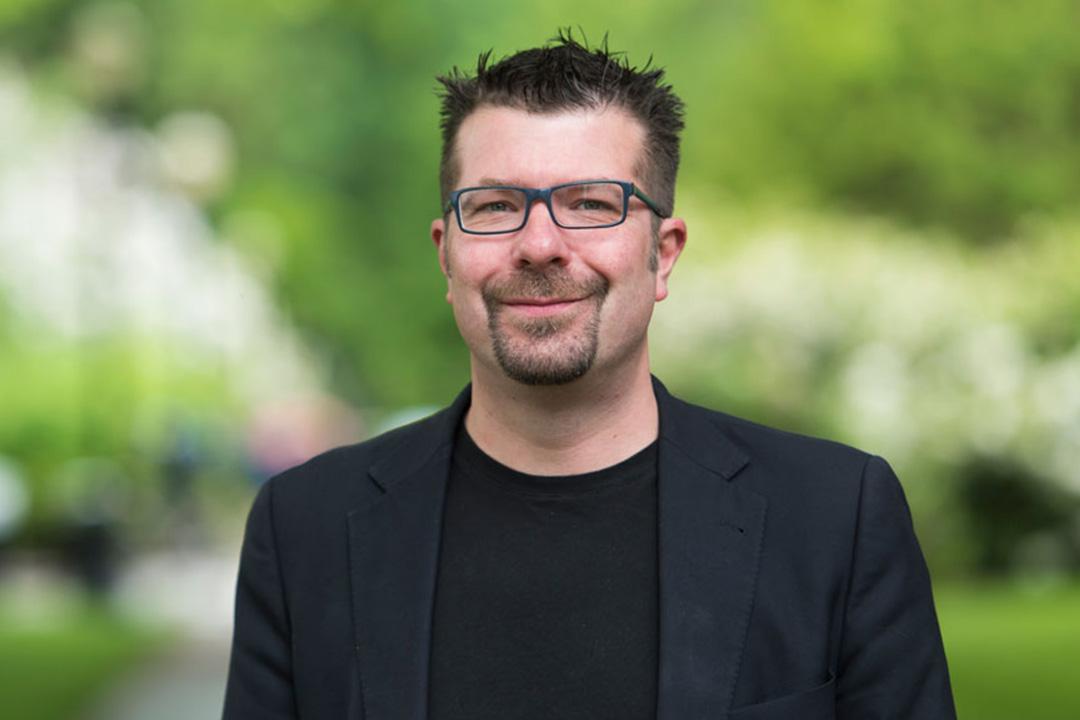
Headshot of a man wearing a black suit and glasses.

Physics Professor Xavier Siemens received the Impact Award for Outstanding Scholarship.

Physics Professor Xavier Siemens received the Impact Award for Outstanding Scholarship. This award recognizes faculty who have demonstrated outstanding scholarship in a specific project or activity resulting in substantial impact beyond the university setting.

Xavier Siemens is director of the NSF-funded North American Nanohertz Observatory for Gravitational Waves, an international collaboration of more than 200 astrophysicists at more than 90 institutions. In this 15-year study, the NANOGrav team presented evidence of a chorus of low-frequency gravitational waves, which is key to understanding how structures form in the universe.

The NANOGrav discovery was featured in media outlets worldwide, including the New York Times, Nature, Reuters, AP News, The Guardian, The Washington Post, BBC and NPR. It was also named among the top 11 most astonishing scientific discoveries of 2023 by National Geographic.

Siemens’ faculty nominators note he is the most cited faculty member at Oregon State with 110,563 citations. “His groundbreaking contributions have deepened our collective understanding of the universe, inspiring curiosity and wonder on a global scale.” Siemens also developed a popular Ecampus course introducing modern astronomy research, has taught upper-division and graduate courses and has mentored numerous students pursuing research in astrophysics.

Elizabeth P. Ritchie Distinguished Professor Award

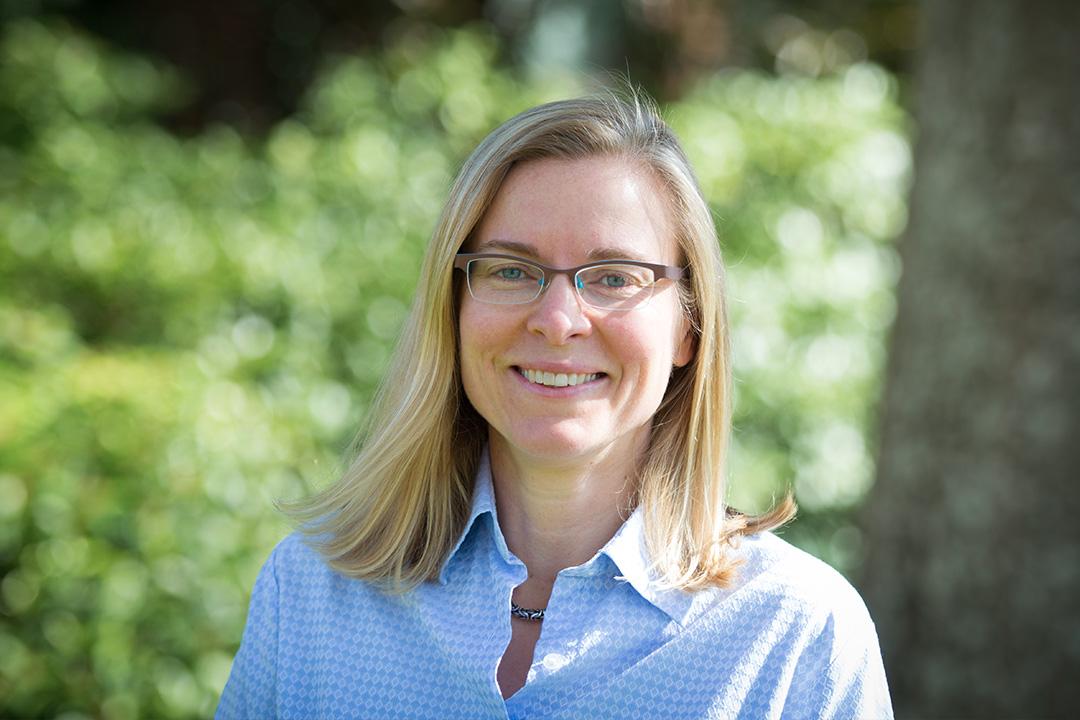
Headshot of a blonde woman in a blue blouse.

Mathematics Professor Mary Beisiegel received the Elizabeth P. Richie Distinguished Professor Award.

Mathematics Professor Mary Beisiegel received the Elizabeth P. Richie Distinguished Professor Award. This award recognizes an OSU faculty member for outstanding undergraduate teaching and research focused on the improvement of instruction and professional leadership.

Mary Beisiegel has consistently earned excellent teaching evaluations — especially for the instructor’s contribution — from students across a range of courses. A leader in mathematics education at Oregon State and nationally, Beisiegel has worked on collaborative projects to redesign undergraduate math courses and has published 40 refereed articles in journals and conference proceedings. In 2023, she was awarded the College of Science Fred Horne Award for her exceptional and sustained instructional achievements and high student praise.

One faculty nominator calls Beisiegel “a masterful, passionate teacher” who sets high expectations for her students while supporting and connecting with them on a human level. Another highlights her expertise in professional development, particularly in transforming the fall TA workshop into a practical, research-based introduction to teaching for new graduate teaching assistants.

An undergraduate who has taken four classes with Beisiegel notes how she helps students develop “an individualized, deep understanding” of course material and make connections to real-world applications. She creates “a brave and safe learning environment for all” and enables students to showcase their knowledge in ways other than written exams, in his case with an oral presentation.

Faculty Teaching Excellence Award

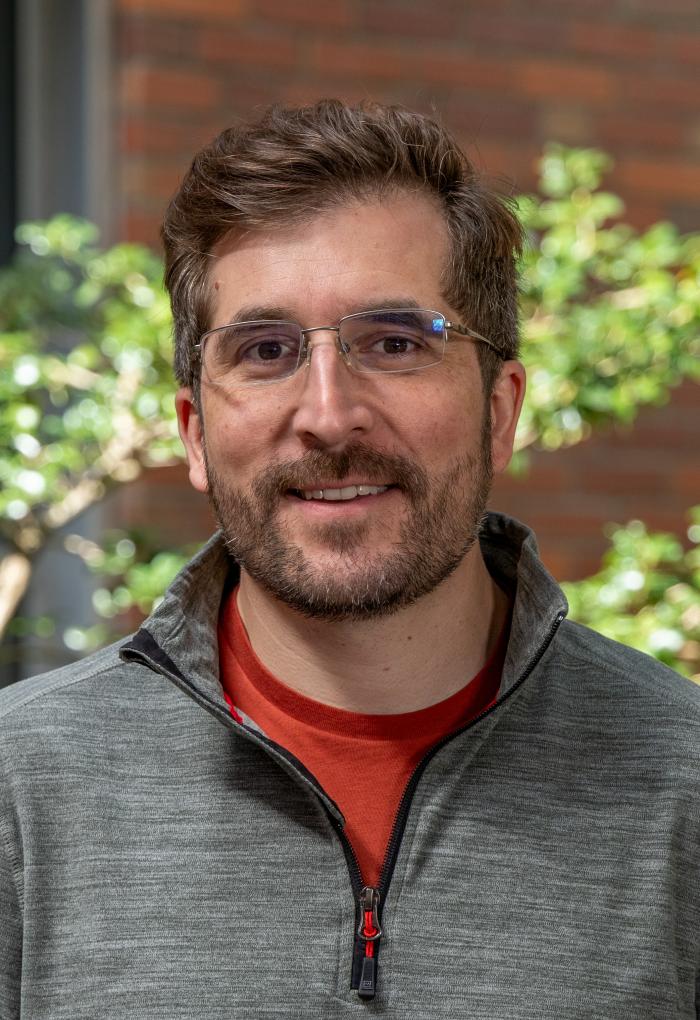
headshot of Adam Chouinard

Associate Professor Adam Chouinard, from the Department of Integrative Biology, received the Faculty Teaching Excellence Award.

Associate Professor Adam Chouinard, from the Department of Integrative Biology, received the Faculty Teaching Excellence Award. This award honors unusually significant and meritorious achievement in teaching and scholarship that enhances effective instruction.

Chouinard teaches several large-enrollment biology classes and central majors courses for the zoology degree. He also teaches a capstone seminar for the Graduate Certificate for College and University Teaching program and a professional development class for all graduate teaching assistants in integrative biology.

One faculty nominator describes Chouinard as “an engaging, enthusiastic and very knowledgeable instructor” who combines mini-lectures, group discussions and problem-solving to highlight the scientific process rather than direct right and wrong answers. Another notes that Chouinard continually improves his courses based on current research and literature, “showing students that our discipline is vibrant and ever advancing.” Chouinard’s student evaluation of teaching scores are consistently high.

A former student acknowledges that Chouinard’s class was not easy, “but the environment that Adam cultivated was welcoming and engaging, which made me excited to be there every day.” Chouinard’s lectures, a mix of storytelling, questions and discussion, and relevant examples, work together to help students make sense of complex processes and mechanisms.

Faculty Affordability Award

Lauren Dalton standing over city viewpoint.

Senior Instructor Lauren Dalton, from the Department of Biochemistry and Biophysics, received the Faculty Affordability Award.

Senior Instructor Lauren Dalton, from the Department of Biochemistry and Biophysics, received the Faculty Affordability Award. This award recognizes a demonstrated commitment to providing affordable course learning materials to students, using no-cost or low-cost course materials in their classes.

Lauren Dalton coauthored an open-access textbook, Fundamentals of Cell Biology, for a class required in many science majors that enrolls more than 900 students each year in Corvallis, OSU-Cascades and Ecampus. Replacing a commercial textbook costing around $75 per copy has saved OSU students more than $60,000 to date. Five other universities have adopted the textbook so far, with more under consideration.

Dalton’s faculty nominator says she has “demonstrated exceptional commitment to reducing the cost of course materials while maintaining high educational standards.” She also notes that Dalton’s involvement in fundraising campaigns, such as Dam Proud Day, has raised significant funds for scholarships, as well as for paid research and conference attendance.

Beyond the open-source textbook, two of Dalton’s students appreciate other free resources, including YouTube videos and other links that students can access outside class. This approach “enhances the visualization of complex processes, making abstract concepts more tangible.” Students can “explore topics in greater depth without the barrier of paywalls.”

Excellence in Postdoctoral Mentoring Award

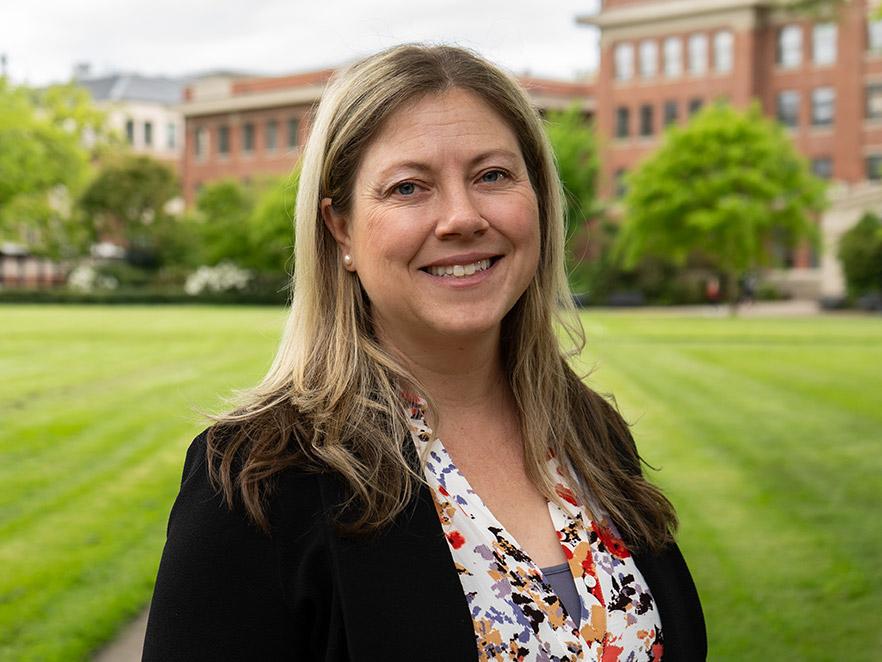
Molly Burke smiling in the OSU Library Quad

Associate Professor Molly Burke, from the Department of Integrative Biology, received the Excellence in Postdoctoral Mentoring Award.

Associate Professor Molly Burke, from the Department of Integrative Biology, received the Excellence in Postdoctoral Mentoring Award.

Over the last eight years, Molly Burke has successfully recruited and mentored three postdoctoral scholars, two of whom have earned fellowships from the National Science Foundation. Her postdocs have played critical roles in advancing the understanding of fundamental evolutionary processes with ties to human health.

One former postdoc, now a faculty colleague, describes her mentoring style as “based squarely on trust, open dialogue and mutual respect.” She always welcomed thoughtful discussion and when they disagreed on project design or data interpretation, “she listened carefully, challenged me when necessary and encouraged me to refine my thinking.”

A current postdoctoral fellow who wants to pursue a career in industry says Burke has helped her build skills that are valuable both within and outside academia. Burke’s approach to mentorship goes beyond the lab, showing “a genuine investment and a sincere commitment to the growth of those she mentors. I already feel more confident as a scientist thanks to the opportunities she has provided me.”

Postdoctoral Excellence Award

Megan Sandoval-Powers

Megan Sandoval-Powers, postdoctoral scholar in the Department of Integrative Biology, received the Postdoctoral Excellence Award.

Megan Sandoval-Powers, postdoctoral scholar in the Department of Integrative Biology, received the Postdoctoral Excellence Award. This award recognizes exceptional postdoctoral scholars, fellows or research associates for their exceptional contributions to their research field, OSU and the greater postdoctoral community.

Sandoval-Powers’ dissertation research focused on microbial ecology and natural product biosynthesis, but at Oregon State, she has pivoted to evolutionary genomics. Having earned an NSF Postdoctoral Research Fellowship, she is investigating the genetics and evolutionary dynamics of adaptation to complex environmental stressors, with a focus on antifungal drug resistance. She is also a science communication fellow for the Oregon Museum of Science and Industry.

Sandoval-Powers’ faculty nominators highlight her “talent, work ethic and willingness to contribute.” In taking on a new discipline, “what would be a steep learning curve for most was one she navigated with intellectual agility, curiosity and speed.” Within weeks of joining the project, she began making contributions to data collection, analysis and interpretation.

Sandoval-Powers is the backbone of the lab’s mentorship ecosystem, supporting nearly every aspect of lab operations and academic development for both undergraduates and graduate students. “She is generous with her time, very effective in her communication and deeply respected as a result.”

Excellence in Undergraduate Research Mentoring by a Faculty Member

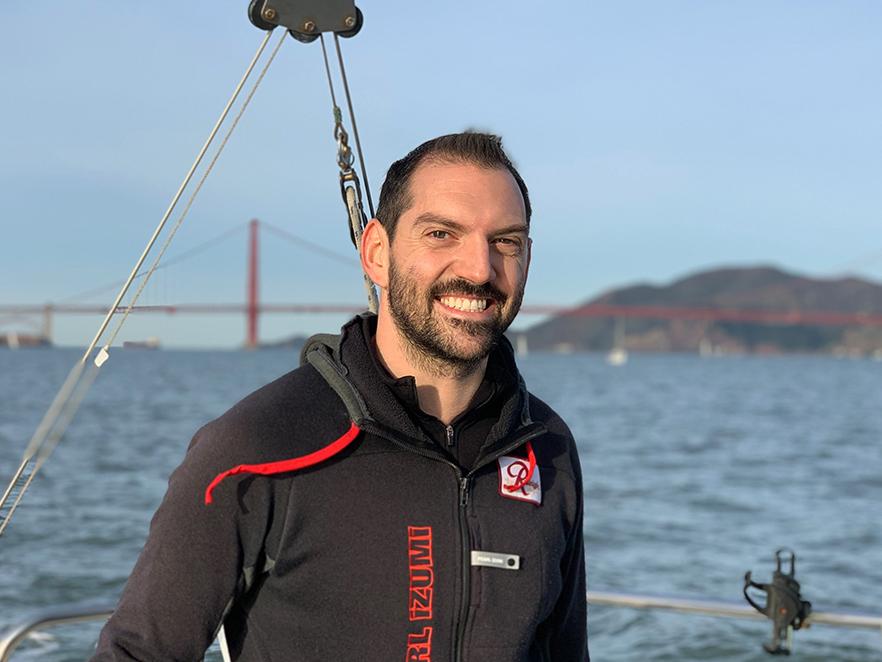
Kenton Hokanson standing on boat in front of the golden gate bridge.

Kenton Hokanson received the Excellence in Undergraduate Research Mentoring by a Faculty Member Award.

Kenton Hokanson received the Excellence in Undergraduate Research Mentoring by a Faculty Member Award. Hokanson is an assistant professor in the Department of Biochemistry and Biophysics. This award recognizes an OSU faculty member who has provided significant research-related mentoring to undergraduate students within the past three years.

Kenton Hokanson uses electrophysiology to investigate the creation and maintenance of functional neural circuits. Over the past seven years, he has mentored 18 undergraduates, including a current team of six.

A faculty nominator says Hokanson “is excited to take on first-year undergraduates with no formal experience in research. He then invests his all in guiding them to become independent, confident research scientists.” Hokanson builds a welcoming and respectful environment, encourages students to design and execute their own experiments and finds “genuine joy in the role of mentor.”

One former student says the Hokanson laboratory “was the first place where I truly felt my opinions were heard and valued, an experience that has had a remarkable influence on my confidence and identity as a scientist.” Another found a strong sense of community in the lab, which “became my anchor at OSU.” Hokanson’s patience, clarity and “understanding that failure is an unavoidable component of eventual success inspire perseverance.”

Excellence in Undergraduate Research Mentoring by a Graduate Student

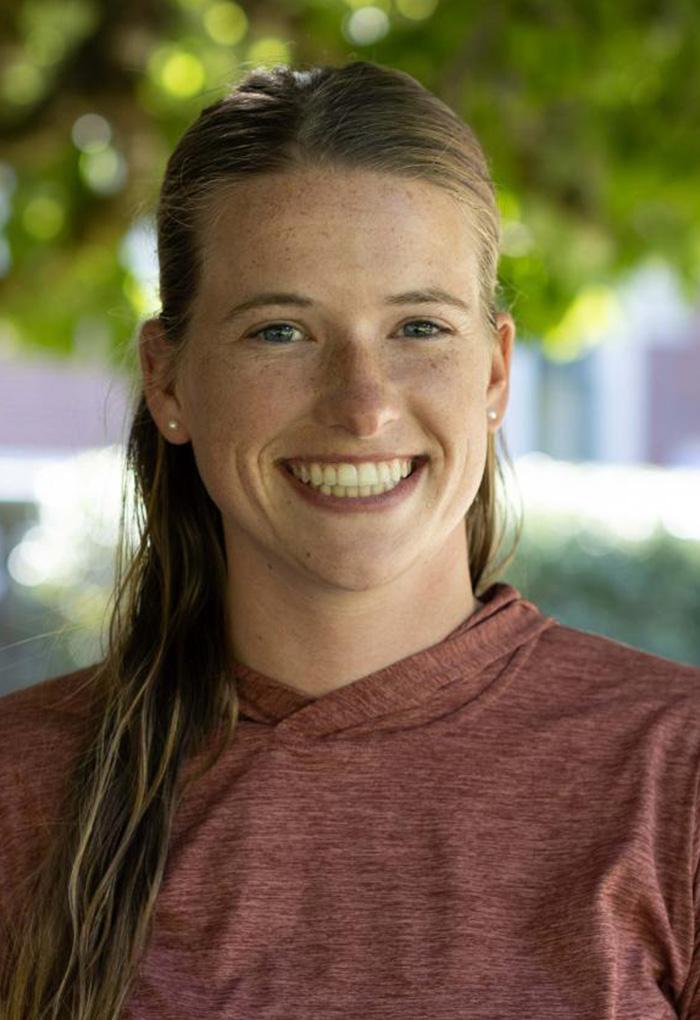
A woman in a brown shirt.

Jessica (Jessie) Karr, Ph.D. candidate in the Department of Integrative Biology, received the Excellence in Undergraduate Research Mentoring by a Graduate Student Award.

Jessica (Jessie) Karr, Ph.D. candidate in the Department of Integrative Biology, received the Excellence in Undergraduate Research Mentoring by a Graduate Student Award. This award celebrates an OSU graduate student who has provided significant research-related mentoring to undergraduate students within the past three years.

Jessie Karr is a fifth-year Ph.D. candidate studying the effects of unpredictable weather and climate change on the metabolic strategies of birds. She has mentored six undergraduate students, helping them develop their proposals, hypotheses, study designs, and statistical approaches, and then generate final reports, theses and posters.

Karr’s faculty mentors say she encourages students to do their own thinking and take ownership of their research projects. She challenges them and holds high expectations, but does so “with a positive, approachable and fun attitude. She makes science accessible and rewarding.”

One mentee says Karr is “incredibly kind and encouraging, but also makes sure she pushes me,” which has been imperative to her growth as a scientist. Karr has helped her develop several projects and grants, gather data and ensure questions and predictions are thoughtful and backed by research. Another mentee says Karr constantly looked for opportunities for her to be involved in research projects, experiences that will better prepare her for veterinary school.

A woman in a purple suit coat stands in front of a chalkboard for a headshot.

Advances in mathematics education net Elise Lockwood the presidential award

By Hannah Ashton

Photos by Karl Maasdam

Elise Lockwood, a professor in the Department of Mathematics in the College of Science, has been honored with the Presidential Early Career Award for Scientists and Engineers (PECASE), the highest honor bestowed by the U.S. government to outstanding early-career scientists and engineers.

Nearly 400 scientists and engineers received the PECASE from President Biden in January 2025. This award recognizes Lockwood’s innovative research in mathematics education and her potential to advance the field.

Lockwood’s research focuses on how college students learn mathematics, especially combinatorics, the branch of mathematics that focuses on counting objects and identifying patterns within defined parameters. Her work sheds light on how students approach and solve complex counting problems, offering insights that significantly enhance mathematics education.

“I’ve dedicated significant time and effort to carve out this space of trying to improve students’ combinatorial reasoning, and it means a lot that it’s being appreciated. I’m also very fortunate to have had wonderful colleagues and collaborators, as well as the support of the NSF, Oregon State and my students,” Lockwood said. “It’s an honor, and I feel very fortunate and blessed.”

She switched to a mathematics major late in her academic career, initially unaware that studying mathematics education was even an option. Her original plan was to attend graduate school and become a high school mathematics teacher. However, one class changed her trajectory.

“I took a combinatorics class and was fascinated by these problems that were easy to state but kind of difficult to solve. I had a bad experience with them as an undergrad, and I realized I could study ways to improve how these problems are taught and understood by students. That became my passion,” she said.

Unlike solving a calculus equation, which often seems like following a well-lit trail with a pre-existing path to reach an answer, combinatorics problems can feel like they are all unique. Lockwood has discovered that students want more structure, and she has accomplished this by helping them focus on the nature of what they are trying to count instead of focusing on applying a formula.

“Oregon State values STEM education and STEM education research.”

By focusing on how students conceptualize and reason through combinatorial problems, she has redefined traditional approaches to teaching this foundational area of mathematics. Her work integrates deep theoretical insights with practical applications, enabling educators to move beyond rote memorization and formulaic problem-solving to foster genuine mathematical understanding.

Her career path and numerous awards showcase her dedication to mathematics education. She joined Oregon State in 2013, partly because she was excited that “Oregon State values STEM education and STEM education research.”

Two women sit at a desk with a laptop.

Elise Lockwood (right) and Ph.D. student Rebeckah Kuss explore strategies for improving how students learn combinatorics in the Mathematics and Statistics Learning Center.

She is currently a co-editor in chief of the International Journal of Research in Undergraduate Mathematics Education. She is also an academic staff member of the Center for Computing in Science Education at the University of Oslo, Norway.

From 2021 to 2024, Lockwood served as a program officer at the National Science Foundation in the Division of Undergraduate Education, where she was involved in overseeing and managing NSF-funded projects aimed at improving undergraduate STEM education. This role further informed her research on effective teaching practices, and she influenced broader policies and practices in STEM education.

In 2019, she was part of a $141K, one-year grant from Google to enhance and increase integration between computer science education and mathematics teacher education curriculum. The project was aimed at better equipping teachers to teach computational concepts and practices in Oregon high schools.

In 2017, Lockwood received a $800K five-year NSF CAREER Award to study how computational tools and activities, specifically introductory Python programming, can aid students in solving complex combinatorial problems. Her published research on using basic Python programming for undergraduate combinatorics problem solving paves the way for novel and creative methods of using computing to support students’ mathematical reasoning.

In addition to her PECASE award, Lockwood has received the John and Annie Selden Prize for Research in Undergraduate Mathematics Education, the Promising Scholar Award from Oregon State and a Fulbright award. Her work has already influenced the field of mathematics teaching and curriculum development, enabling students to gain a deeper, more intuitive grasp of combinatorial concepts — skills that are critical for careers in science, technology, engineering and mathematics.

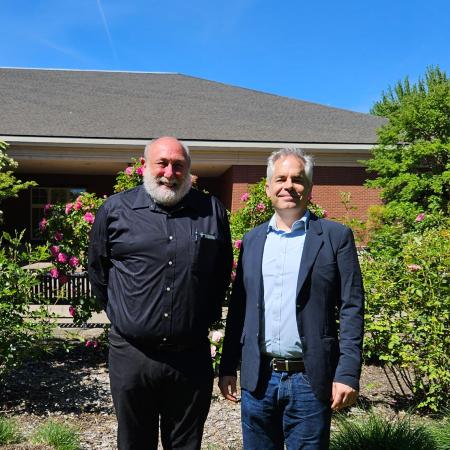
Tom and Jon stand outside a home with beautiful bushes and flowers

Celebrating a legacy of excellence: An endowed scholarship for future mathematicians

Professor Emeritus​ Thomas Dick (left) and Mathematics Department Head Jon Kujawa. A recent endowed scholarship has been created by an anonymous donor to honor Professor Dick's dedication to mathematics education and student success.

Professor Emeritus​ Thomas Dick's journey in academia has left a lasting impact on mathematics education. During his tenure as a professor and former chair (1992-97) in the Department of Mathematics at Oregon State University, he built an amazing legacy through his leadership, dedication to teaching and innovative programs.

“The mathematics department is extremely pleased to create an endowed scholarship in honor of his dedication to the field of mathematics education, both locally in Oregon and at Oregon State University, and broadly across the international mathematics education community,” said Jon Kujawa, mathematics department head and Hartmann Faculty Scholar.

“Given his legacy, we are thrilled that, through this scholarship, mathematics education graduate students at Oregon State University will have the good fortune to learn about Tom Dick and his contributions to the field – thanks to an anonymous donor, grateful for his mentoring.”

Professor Dick significantly enhanced mathematics education through transformative initiatives. As the faculty director of the OSU Math Learning Center, he initiated the innovative Math Excel (Treisman Emerging Scholars) program. This program supports students in introductory mathematics courses by offering supplemental instruction. These sessions, led by trained facilitators, focus on collaborative problem-solving and active learning, helping students deepen their understanding of mathematics concepts.

Throughout his career, he has been dedicated to teaching mathematics and preparing future teachers of mathematics at all levels, from kindergarten to graduate school. This commitment to excellence has been recognized through numerous accolades, including the Mathematical Association of America’s Award for Distinguished College or University Teaching of Mathematics for the Pacific Northwest region, and his induction into the Oregon Mathematics Education Hall of Fame.

“So many people in the field of mathematics education know and love Tom."

At Oregon State, he was further honored with the Olaf Boedtker Award for Excellence in Undergraduate Advising, the Loyd F. Carter Award for Outstanding and Inspirational Teaching in Science, the Fred Horne Award for Sustained Excellence in Teaching Science, and the Elizabeth P. Ritchie Distinguished Professor Award – the university's highest teaching award.

His main interest in mathematics education research has been in the use of technology to enhance the teaching and learning of mathematics. He co-edited a volume on using technology to support reasoning and sense-making for the National Council of Teachers of Mathematics and co-authored the technology chapter in the second edition of the Handbook of Research on Mathematics Teaching and Learning. He also served on the technology committee for the Association of Mathematics Teacher Educators. Additionally, he has served as chair of the editorial panel for the Journal for Research in Mathematics Education and as chair of the Advanced Placement Calculus Test Development Committee.

He remains active as an examination leader for the grading of AP Calculus and as a senior mathematics advisor to Texas Instruments Educational Technology Division.

“So many people in the field of mathematics education know and love Tom,” the donor shared.

“In all the mathematics education circles of which Tom is a part, every person who knows him remarks on his mathematical expertise and creativity, his fun and collegial spirit, and his warm and welcoming nature. He always offers insightful ideas and suggestions for mathematics education research and teaching. Throughout his formal career and beyond, he has been an exceptional friend, colleague, and mentor. We are profoundly grateful for his decades-long support of mathematics education faculty, students, and research at OSU.”

If you would like to contribute to the fund honoring Professor Tom Dick, please visit https://give.fororegonstate.org/ and type “Professor Emeritus Thomas P. Dick Endowed Scholarship” into the “I want to give to” box. Gifts may also be made to the fund by mail to the OSU Foundation.

Icon of scales

College of Science faculty break down barriers in STEM education through Inclusive Excellence grant

By Erica Martin

Teaching faculty in the College of Science working to increase access, equity and inclusion in science, technology, engineering and mathematics can create change by collaborating with a supportive community through Inclusive Excellence at Oregon State University.

IE@OSU was made possible by a grant from the Howard Hughes Medical Institute’s Inclusive Excellence Initiative. Since the program’s 2018 launch, 81 fellows from Oregon State and surrounding community colleges have participated in the HHMI initiative, which aims to change the way institutions have historically engaged students in science to be more inclusive of a diverse array of people. Recipients like OSU’s College of Science received $1 million in grant support over five years to explore how to make cultural changes in STEM education.

Faculty members from the College of Science, together with the STEM Research Center were awarded the grant — the only recipient in Oregon. Their goal was to provide learning opportunities to faculty and staff in STEM — at Oregon State, Linn Benton Community College and Lane Community College — to make inclusivity intrinsic to STEM pedagogies across the region. Facilitators from the College and principal investigators from the research center have worked together to create an impactful experience for participants.

The program offers fellows a year-long academy in which they evaluate their spheres of influence. The aim is to identify any potential barriers to student success and outline opportunities to remove them. Fellows are broken into cohorts of three to four to build action plans relevant to their engagement with students.

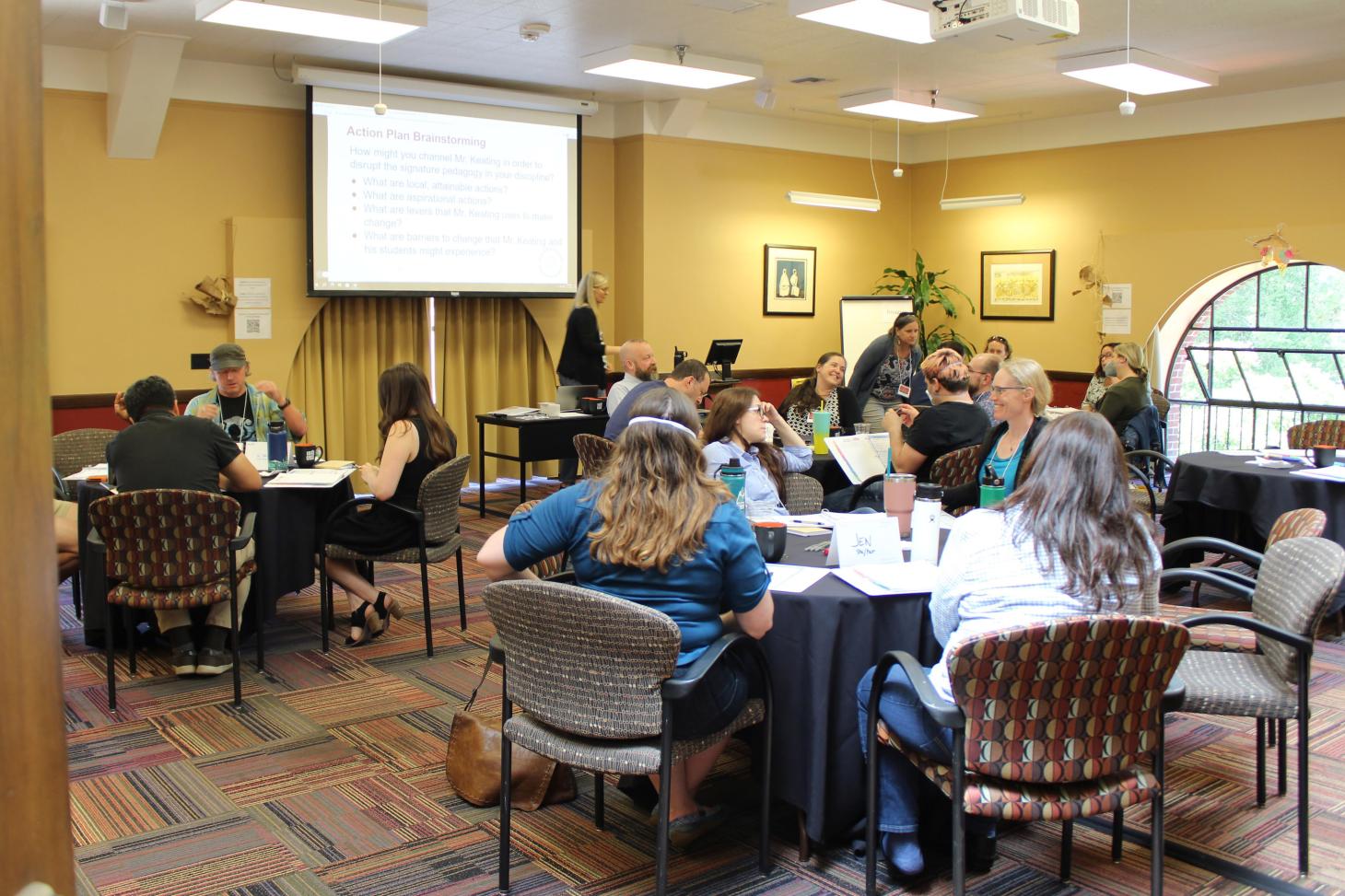
IE@OSU facilitators lead a conversation in front of several round tables full of fellows.

Mary Beisiegel, Devon Quick and Lori Kayes facilitate a discussion during an IE@OSU meeting in May, 2023.

“I think what IE has done is given a space for and a framework for faculty to really work through this process in a way that’s meaningful to them – through an approach that allows them to have a product at the end they can actually use,” said Kameron Kadooka, Director for Equity, Access and Inclusion at the College of Science.

The action plans generated by fellows vary across disciplines. Some instituted student surveys designed to create a more holistic understanding of their students; one facilitated transportation to a women-in-physics conference; some made changes to lecture content to increase gender-affirming language; and others made adjustments to include social impacts in biology curriculum in an effort to produce more well-rounded healthcare workers.

Summaries of faculty and staff action plans shared on the Inclusive Excellence website provide a deeper look at how course materials and student interactions were adapted to become more inclusive.

The need for the inclusive excellence initiative

Data from Oregon State shows the gap in graduation rate for underrepresented minorities and Pell-eligible students ranges from 6 to 18% across various science disciplines, indicating science is not yet retaining underrepresented minority students at the same rate they’re retaining students from majority groups.

That trend in STEM is not exclusive to Oregon State. According to a 2019 study from the National Science Foundation, Black or African American workers made up only 9% of STEM workers in the United States. Hispanic or Latinx workers made up 14%. Women still represented less than a quarter of the working population in physical science, engineering and computer science. Anyone with an intersectional identity had increasingly lower representation.

While there may be different barriers to access for members of marginalized groups on individual levels, one thing the IE@OSU program seeks to address is increasing a sense of belonging for all students – which IE@OSU leadership theorizes may be a key to students’ decisions to persist in their STEM education.

Between the time students enter and the time students graduate, they make one decision over and over: whether to persist or not.

“Between the time students enter and the time students graduate, they make one decision over and over: whether to persist or not,” shared Lou Wojcinski, instructor in the chemistry department and a fellow from the 2020-21 cohort. “And we have to be deliberate about building environments where students can say yes to persisting. It’s going to get difficult — things are going to go badly at some point—and you have to make the decision to continue or not. And we have to build these spaces where our students make the decision to persist.”

Changing the tides

“Our intentional goal at the beginning was to take what we know to be best practices in STEM education and to partner them with inclusive excellence,” said Lori Kayes, associate department head and senior instructor II in the Department of Integrative Biology and IE@OSU project leader.

Teaching faculty don’t have to figure that out in a vacuum, she said. With science educators guiding other educators in STEM, it creates attainable goals for integrating access and inclusivity into the intensive instructional objectives already in place.

Kadooka said IE@OSU has done a lot for “proof of concept” at Oregon State. Fellows who have successfully integrated changes to boost inclusivity and access in STEM have proven that while it takes time and effort to overhaul course materials and alter teaching mechanisms, it is possible, even along with regular research and teaching responsibilities.

Mary Beisiegel, professor in the department of mathematics and mathematics education researcher said this kind of development is what teachers need at any level — K-12 or post-secondary. “This is 50-60 hours in a year focusing on content, in community with people, while incorporating known best practices in teaching. I think that really makes IE@OSU stand out.”

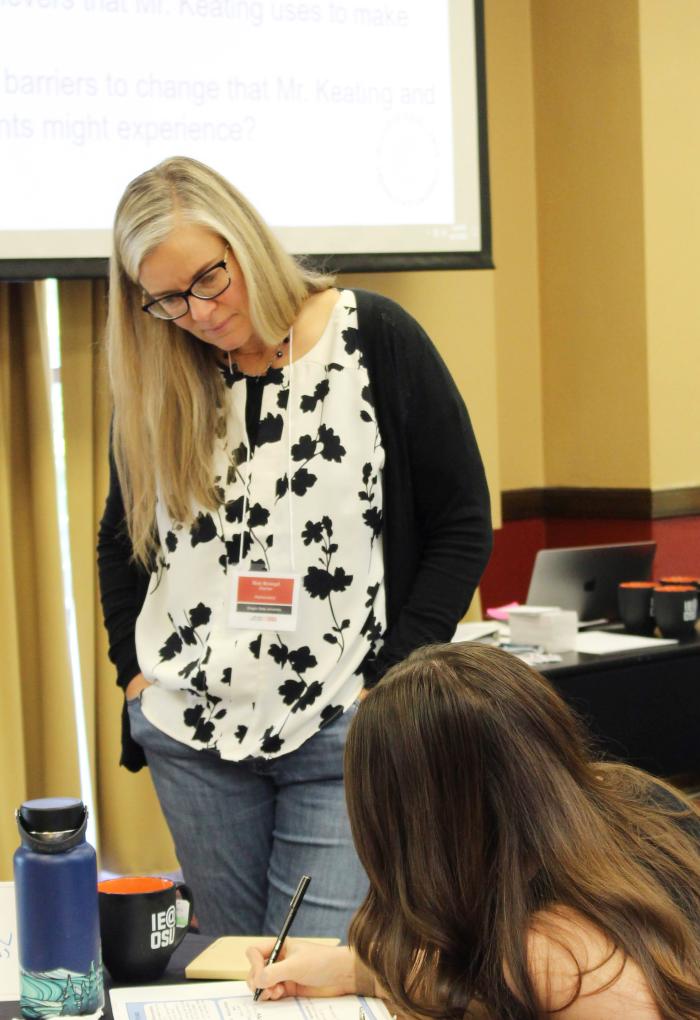
Mary Beisiegel looks over Rachel Palmer's notes during an IE@OSU meeting.

IE@OSU facilitator Mary Beisiegel looks over fellow, Rachel Palmer's notes during a meeting with the 2023 cohort.

To galvanize this community of STEM educators, active fellows are invited to a showcase called Faculty, Food and Fun every spring to share their action plans with campus colleagues and former fellows. Here, faculty and staff might find inspiration for inclusive action in their own spheres of influence. This is one of the ways inclusive excellence propagates out from the fellows in the academy to potentially impact thousands of students.

Propagating access to STEM

IE@OSU is an integral piece of the diversity, equity and access ecosystem at the College of Science and within the university. In 2021, The College of Science published its Diversity Action Plan, outlining the ways it will prioritize and advance inclusive excellence in its classrooms, labs, research and beyond.

“The Inclusive Excellence program at OSU has done fantastic work for the College and for the institution. Many College of Science folks have invested a lot of effort and heart into this — and it has impacted folks much beyond the College. At the institutional level and at the student level, it is pushing the needle forward in those spaces,” said Kadooka.

IE@OSU continues moving forward. The program has reached the end of the five-year grant and was recently granted a two-year extension.

Martin Storksdieck, director of the STEM Research Center and IE@OSU project director said researchers in the STEM Research Center intend to use the extension to take a more holistic view of all the fellows at the end of the project. They hope to evaluate the trajectory people are on in making change for themselves and within their spheres of practice after IE@OSU. In this way, researchers aim to measure the impact of the project on students and STEM pedagogy.

For other equity, access and inclusion education available to faculty and staff, see The Center for Teaching and Learning and The Office of Institutional Diversity.

A scroll sits above a wreath on a blue background with glitter.

Celebrating excellence in teaching and advising: 2023 College of Science Awards

By Hannah Ashton

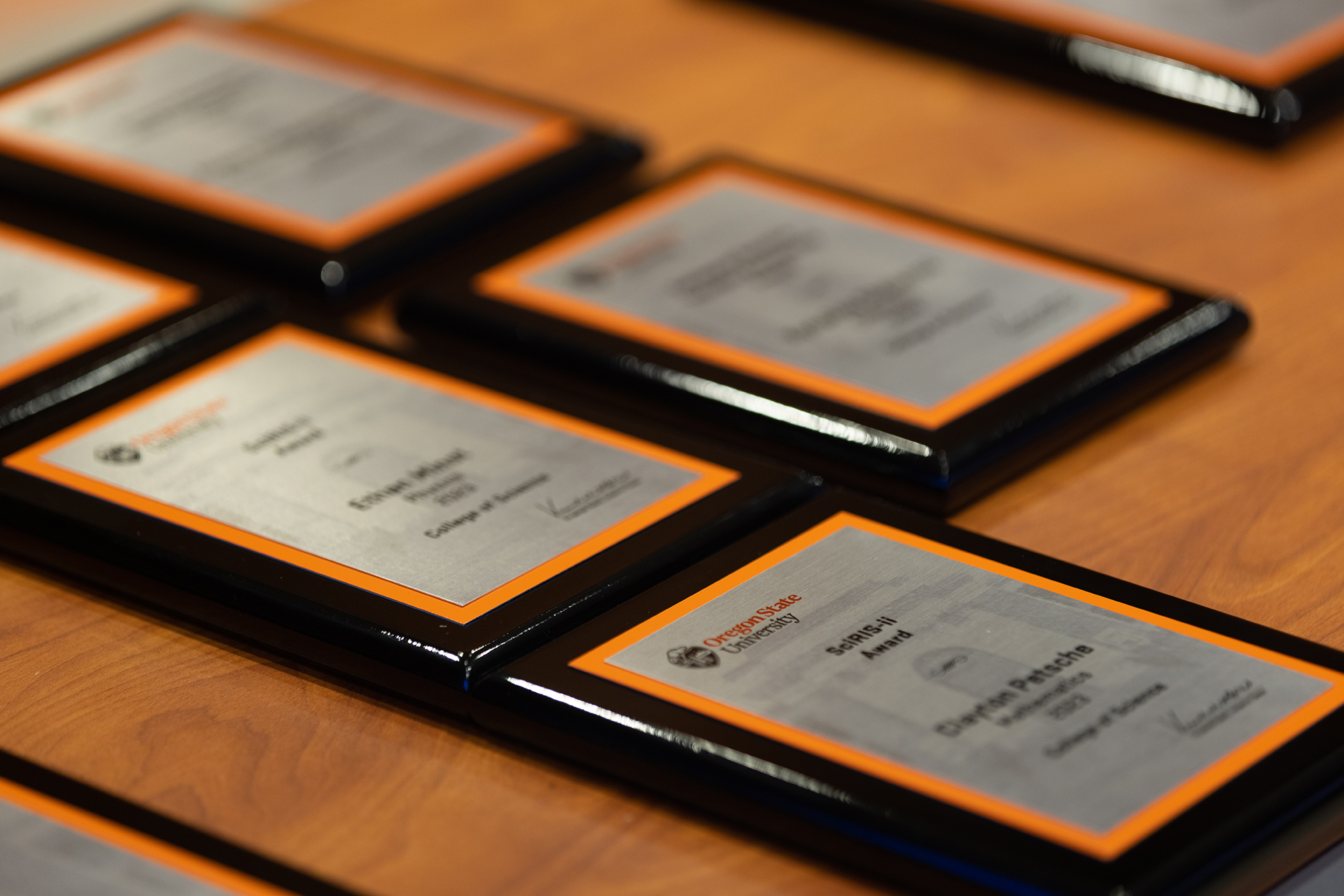
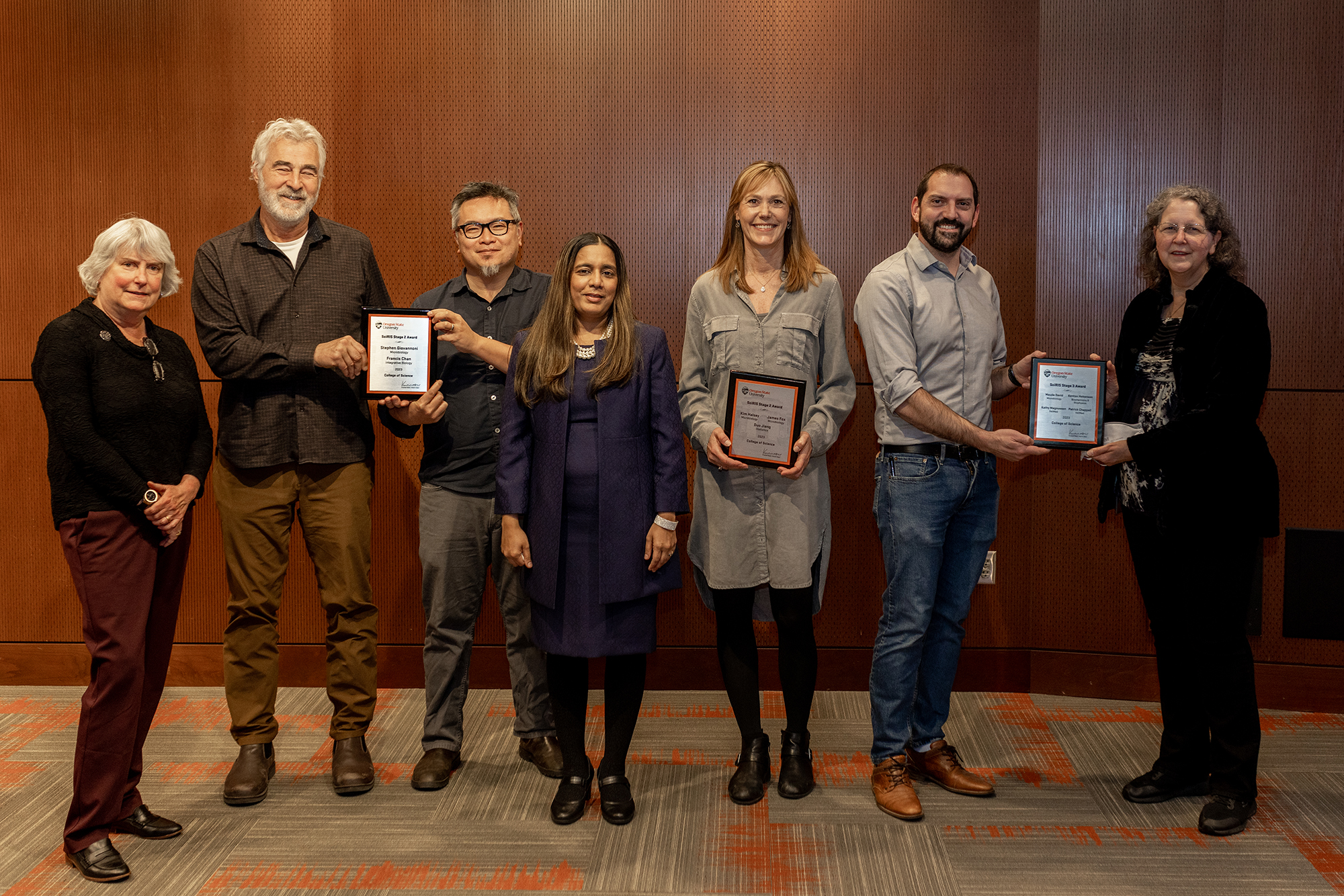
The College of Science gathered on Feb. 22 to recognize and celebrate our high-achieving faculty and staff at the 2023 Combined Awards Ceremony. The evening celebrates the best in the college, from excellence in teaching and advising, service and administration to inclusive excellence, to outstanding achievements in research.

During the teaching, advising and mentoring portion of the evening, many of the awards were determined based on student nominations. Mentors were praised for their creative teaching styles, engaging personalities and willingness to go above and beyond for students both inside and outside of the classroom.

Congratulations to all the award recipients!

Loyd F. Carter Award for Outstanding and Inspirational Teaching in Science (Undergraduate)

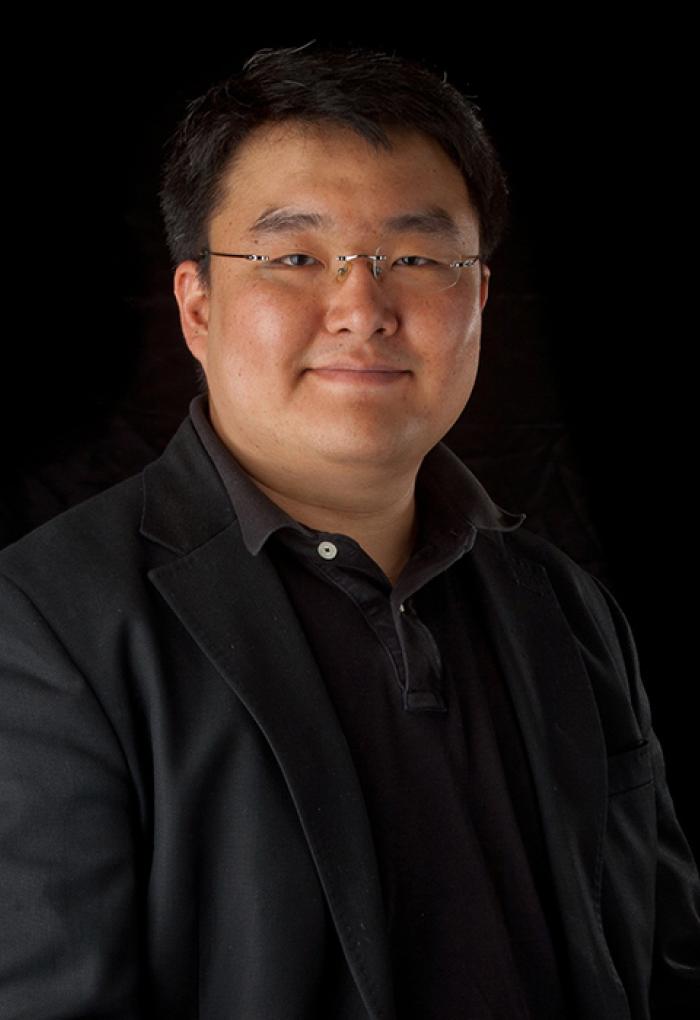
Paul Cheong in front of black backdrop

Bert & Emelyn Christensen Associate Professor Paul Ha-Yeon Cheong

Bert & Emelyn Christensen Associate Professor Paul Ha-Yeon Cheong won the Loyd F. Carter Award for Outstanding and Inspirational Teaching in Science. Cheong teaches General Chemistry and Organic Chemistry.

Nearly twenty students nominated Cheong for this award, commending his charismatic personality, ability to adjust his teaching style for each student and his focus on mental health. Multiple students called Cheong the best professor they have ever encountered and credited him with their academic success.

“He made the class itself easier when the material was complex,” wrote one student nominator. “When I struggled with mental illness and fell behind, he reached out, met outside of class and worked with my personal barriers to make sure I could succeed and move on in my studies.”

Other students acknowledge the challenging stereotypes associated with chemistry courses and Cheong’s ability to make the content digestible.

“There have been many times within the course that I thought that I didn’t belong in the classroom or failed as a student,” said one nominator. “He has restored my confidence and hasn’t given up on me so that I can pursue my goals within higher education.”

Loyd F. Carter Award for Outstanding and Inspirational Teaching in Science (Graduate)

Marilyn Mackiewicz accepting her award.

Marilyn Mackiewicz receiving her award with Interim Dean Vrushali Bokil and Associate Dean for Academic and Student Affairs Jessica Siegel.

Associate Professor of Chemistry Marilyn Mackiewicz received the Loyd F. Carter Award for her inspirational and caring mentorship and teaching of graduate students.

“I wish I could put in words how much of an inspiration she is to me. Her teaching has a very unique flipped classroom model which felt student-centric and very engaging for me,” wrote one nominator. “She had multiple ways that she helped us but not in a way that would damage our independent thought. I love the fact that the class had grant writing, research project work and presentations on chapters to cover for our course all given by the students.”

Last year Mackiewicz received the College of Science Inclusive Excellence Award, and in January 2023, she presented the inaugural lecture in combination with the award. Watch her lecture, “Empowering Culture of Belonging,” on YouTube.

For both undergraduate and graduate students, Mackiewicz is known for her mentorship, support and advocacy. Many of her courses include a focus on fostering a sense of belonging and inspiring leadership development.

Olaf Boedtker Award for Excellence in Academic Advising

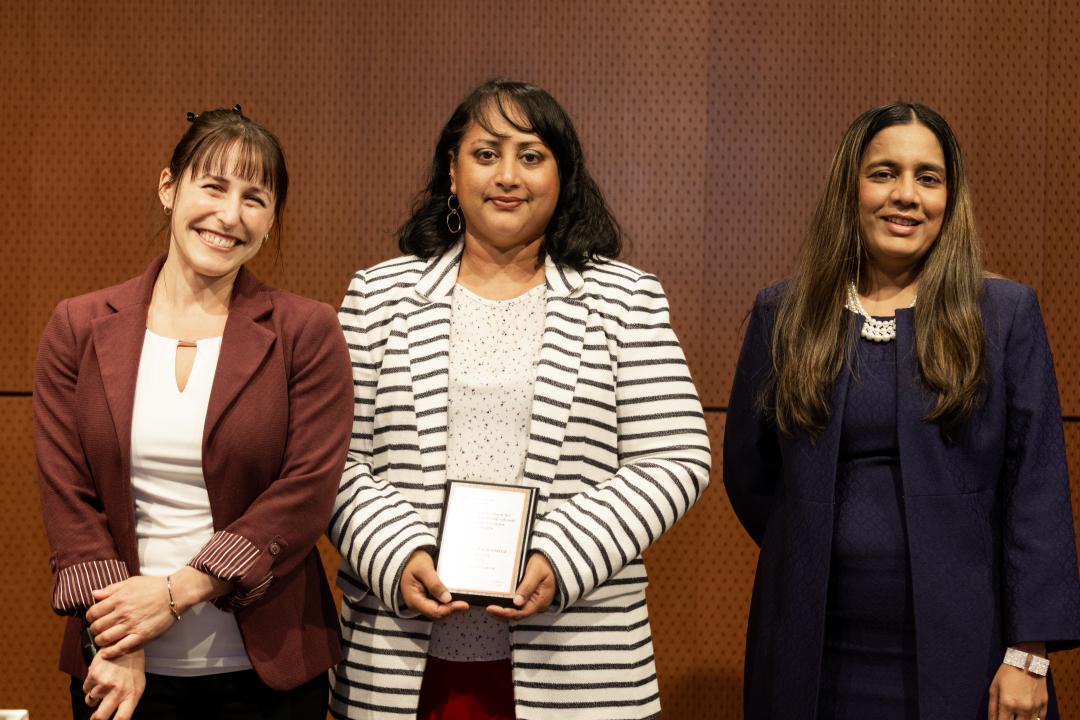
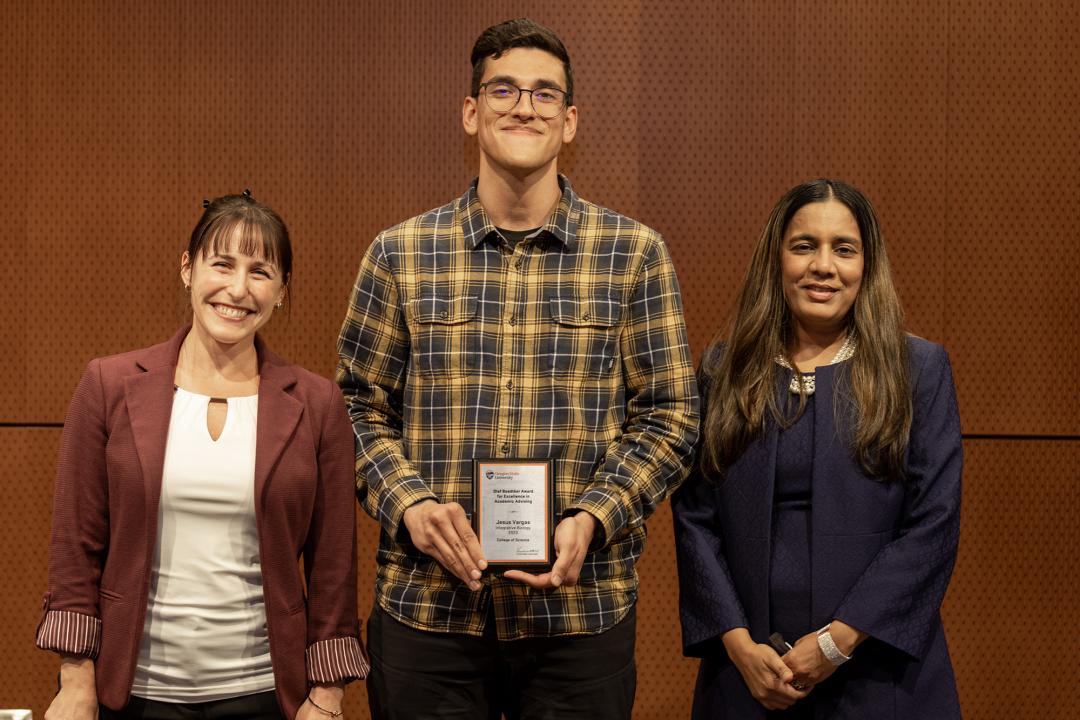
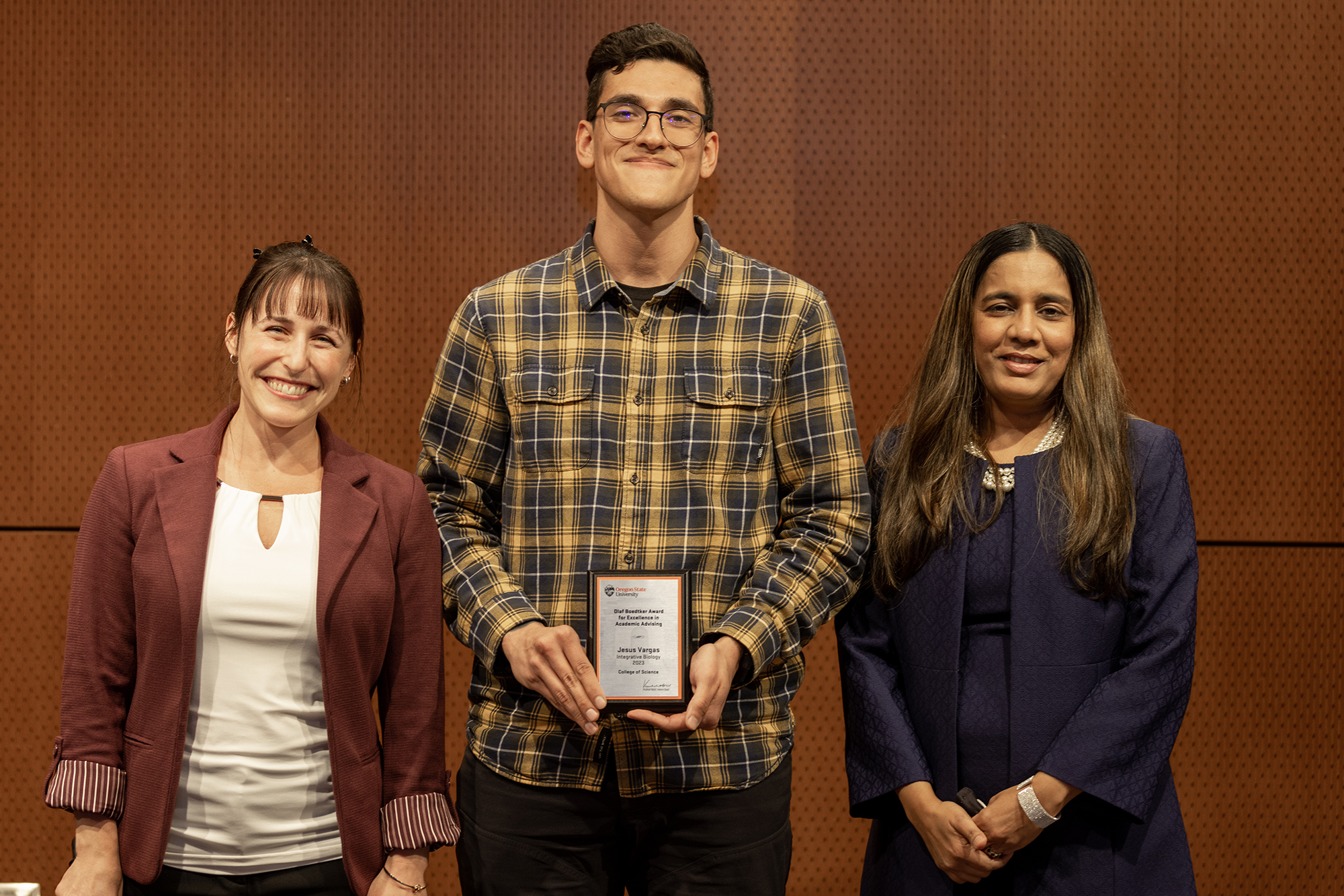
Jessica Seigel and Vrushali Bokil posing with Jesus Vargas holding his award.

Jesus Vargas receiving his award from Interim Dean Vrushali Bokil and Associate Dean for Academic and Student Affairs Jessica Siegel.

Jesus Vargas, academic advisor in the Department of Integrative Biology, received the Olaf Boedtker Award for his knowledgeable support and caring undergraduate advising. Olaf Boedtker was a former professor in the Department of Physics for 23 years and served as head advisor in the College for 14 years from 1973 to 1987.

“Jesus was patient with all of my questions and did a thorough job of preparing to advise me over the summer about my first steps with Oregon State. I was overwhelmed and unsure but his knowledge of the Zoology degree and ECampus platform made his guidance invaluable,” wrote one nominator. “I could tell he had prepared for our advising appointment and that made me feel like the time, money and energy I was putting into my education was respected.”

Another student had similar praises for Vargas. “He was incredibly helpful and knowledgeable, supportive, and helped me really think through the choices I was debating and pick the path that is the best for me. I’ve never felt like an advisor was invested in me personally and truly cared about my specific situation and took the time to look through my transcripts, listen to me and give tailored advice.”

Fred Horne Award for Sustained Excellence in Teaching Science

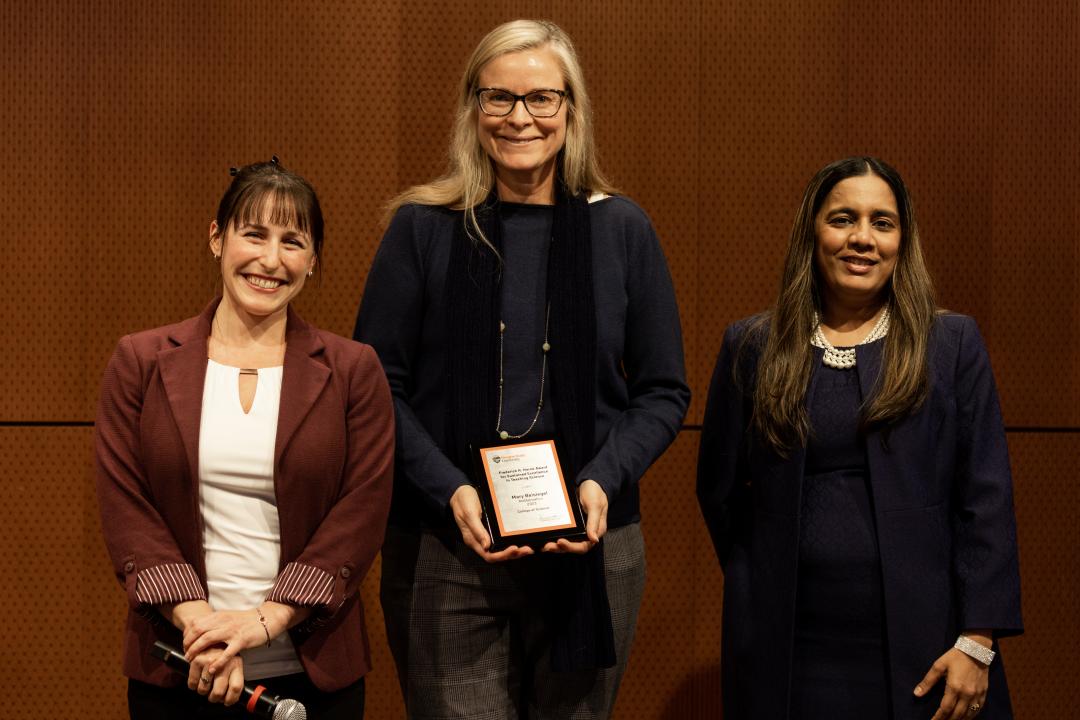
Mary Beisiegel standing in a black shirt and dark pants receiving a plaque.

Mary Beisiegel receiving her award from Interim Dean Vrushali Bokil and Associate Dean for Academic and Student Affairs Jessica Siegel.

Mary Beisiegel, associate professor in the Department of Mathematics, received the Fred Horne Award for her exceptional and sustained instructional achievements and high student praise. This award is named after Fred Horne, Oregon State professor emeritus of chemistry and the former College of Science dean for 13 years, from 1986 to 1999.

During Beisiegel’s ten years at Oregon State, student and peer evaluations of her teaching have been consistently positive.

“In addition to teaching content with an excellence and passion that is unmatched by most, Beisiegel also happens to be a personal role model and mentor of mine,” one student nominator wrote. “Being a woman in a STEM field, I have faced adversity and have often felt out of place among classmates. Beisiegel always made sure that each and every student in her class felt safe and welcome regardless of their math learning background or personal experiences.”

Colleagues mentioned her high-quality teaching that prioritizes student voices and use of evidence-based teaching practices. Extending outside of the classroom, Beisiegel runs the Graduate Teaching Assistant orientation for the department and takes an involved role with the Math Education Seminar.

“Her excitement about teaching has a positive impact on her students, certainly, but as her colleague I can also attest to the positive impact it has had on me,” wrote one nominator. “Being surrounded by a passionate educator like Mary, I am motivated to put the same kind of intentionality and energy into my own teaching, which ultimately serves to benefit the students at OSU.”

Beisiegel has a strong track record of Oregon State and national recognition for her teaching excellence. In 2017 she received the national Henry L. Alder Award for Distinguished Teaching by a Beginning College or University Mathematics Faculty Member. Each year at most three college or university teachers are honored with this award. From 2018 to 2021 she was an Oregon State Ben and Elaine Whitely Faculty Scholar of Teaching Excellence.

A laurel leaf icon with a scroll, surrounded by a border of snowflakes.

2021-22 College of Science awards: Celebrating excellence in teaching and advising

By Grace Peterman

On February 22, the College of Science gathered to recognize academic, administrative and teaching excellence at the 2021-22 Combined Awards Ceremony. The first portion of the ceremony celebrated research and administrative achievements, while the second highlighted outstanding teaching, advising and mentoring.

The College celebrates the Teaching and Advising Awards winners below for their deep commitment to engaging with the student experience and application of mentoring and advising expertise to ensure student learning and success within and beyond the classroom. Effective teaching, advising and mentorship are the very heart of the College of Science’s identity as a robust and thriving community of students and scholars. Driven almost exclusively by students’ nominations, these awards are an opportunity for our community to express gratitude and appreciation for each other.

2022 Teaching, Advising and Mentoring Award Winners

Olaf Boedtker Award for Excellence in Academic Advising

Rachel Palmer, a woman with long hair, smiling.

Integrative Biology Advisor Rachel Palmer

Rachel Palmer, integrative biology advisor, won the Olaf Boedtker Award for Excellence in Undergraduate Advising for her tireless support, efforts and advocacy on behalf of undergraduate students. This award was established in 1988 in honor of Olaf Boedtker, a professor in the Department of Physics who served as Head Advisor in the College from 1973 to 1987. While at Oregon State, he provided exceptional service to students and to the College.

Several students nominated Palmer for this award, praising her dedication and ability to connect and encourage students to achieve their goals.

One student nominator wrote of Palmer: “Right off the bat, Rachel came across as a very happy-go lucky person. She has always been extremely kind and caring at every meeting, treating me as an equal adult and even cracking some jokes that set me at ease. She has always been able to answer every question I had, no matter how specific or vague. I can absolutely tell she wants to help me and set me on the best path possible. Rachel pays mind to each and every student as an individual. She is passionate, inspirational, dedicated and she really knows her stuff!”

Another student had similar feedback for Palmer: “Rachel has made the beginning of my journey towards my Bachelors of Science in Zoology a wonderful experience even through uncertainty. She really goes above and beyond the call of duty, you would not think an advisor could be such a hero.”

“I admire how easily Rachel has helped me find a class schedule that works so well," wrote another student nominator. "She asks important questions, listens to your expectations and executes. One thing she does well is helps me find classes that work well together as far as content.”

Additional nominees for the Olaf Boedtker Award included:

  • Cody Duncan, advisor for integrative biology
  • Allison Evans, instructor of microbiology
  • Jen Olarra, advisor for biology
  • Kari Van Zee, senior instructor of biochemistry and biophysics

Loyd F. Carter Award for Outstanding and Inspirational Teaching (Undergraduate)

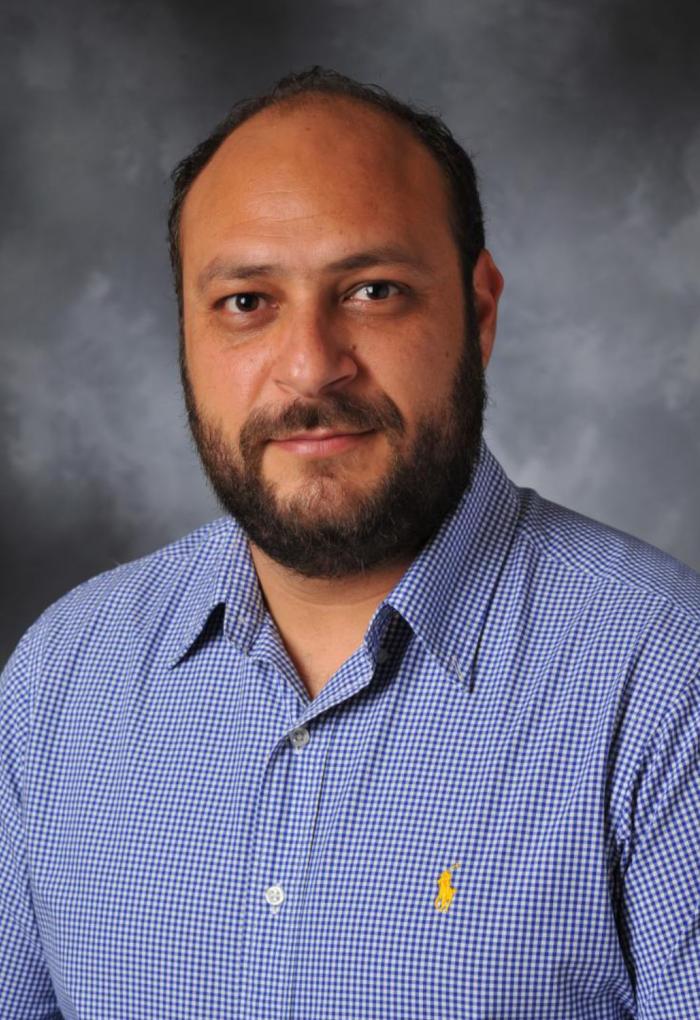
Kyriakos Stylianou, a man with a beard.

Assistant Professor of Chemistry Kyriakos Stylianou

This year’s Loyd Carter Award for Outstanding and Inspirational Undergraduate Teaching in Science goes to Kyriakos Stylianou, assistant professor of chemistry.

Every year since 1946, the Loyd F. Carter Award has been presented to two outstanding College of Science faculty members: one for undergraduate teaching and one for graduate teaching. The purpose of the award is to encourage and recognize effective and inspirational teaching. The final selection is based solely on student nominations and voting.

Stylianou’s students describe him as passionate, inspirational and dedicated. “This man is so incredibly intelligent but also one of the humblest people you will ever meet,” one student said.

“He has to be one of the best professors I have had here at OSU,” said another student nominator. “Walking into CH 233, I was super nervous. I heard it was the hardest of the chemistry series. With everyone feeling the burnout of virtual learning, he made sure to make his class engaging and put everything he had into every class.”

Many students praised the learning atmosphere Stylianou creates in his classes and his attentiveness to student needs. “He cares very much about his students and wants to see them succeed. He devotes a significant amount of time inside and outside of class to give them the opportunities and resources they need to be successful in his class, and beyond. He never tries to beat around the bush, always gives you an honest answer, and just wants to see the best in people. The jokes and wise-cracks in class always help to lighten the mood as well.”

Additional nominees for the Loyd F. Carter undergraduate award included:

  • Daniel Myles, senior instructor of chemistry
  • Devon Quick, senior instructor of integrative biology
  • Marita Barth, instructor of chemistry
  • Malcolm Lowry, assistant professor of microbiology
  • Nathan L. Kirk, senior instructor of integrative biology
  • Paul Cheong, associate professor of chemistry
  • Phil McFadden, associate professor of biochemistry and biophysics
  • Scott Geddes, instructor of chemistry
  • Stacey Vaughn, instructor of mathematics

Loyd F. Carter Award for Outstanding and Inspirational Teaching (Graduate)

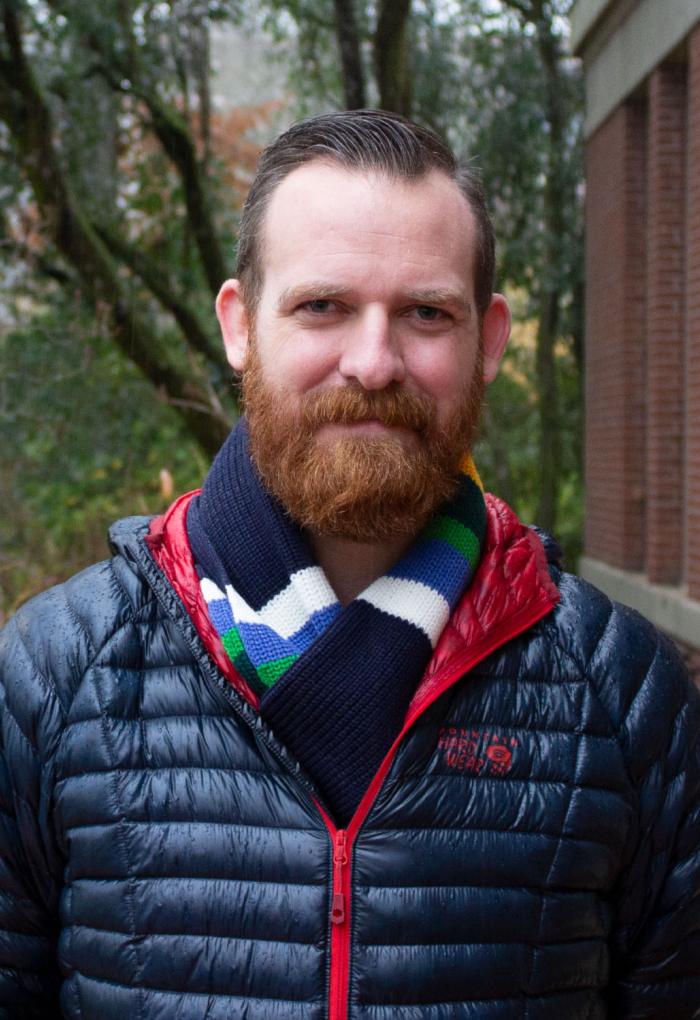
James Molyneux, a man with a beard.

Assistant Professor of Statistics James Molyneux

This year’s Loyd F. Carter Award for Outstanding and Inspirational Graduate Teaching in Science goes to James Molyneux, assistant professor of statistics.

Students nominating Molyneux described him as caring, uplifting and welcoming, and praised his ability to adapt during the pandemic. "He consistently encouraged me and my cohort during the transition from COVID to campus, to keep up our spirits in one of the most difficult academic years of our lives," said one student. "Without him, I would not have gathered the courage to continue moving forward. He is brilliant in the classroom as a professor and a loyal mentor and advocate for our success."

Another student said the following of Molyneux: "He excels at making statistics, a subject which is generally taught dryly and without much passion, relevant to grad students' research and our daily life. He uses timely examples and highlights the nuance of stats, in a way that makes it fascinating instead of frustrating. He was always available for extra help or assistance outside of class, and always seemed willing to discuss other topics than just the class material! He is supportive and compassionate with graduate students, and was the best stats teacher I've had so far at OSU! He also made sure the class content was accessible to students in multiple ways by recording both Zoom and in-person classes, and making the lecture notes easily available. His high-energy and engaging teaching style was apparent in both the in-person and online class I took with him, which I have found to be a rare occurrence in a remote setting!"

Thomas Sharpton, associate professor of microbiology, was also nominated for the Loyd F. Carter graduate award.

Frederick H. Horne Award for Sustained Excellence in Teaching Science

Liz Gire, a woman smiling.

Associate Professor of Physics Elizabeth Gire.

This year’s Frederick H. Horne Award for Sustained Excellence in Teaching Science goes to Liz Gire, associate professor of physics.

This award honors Fred Horne, who served as Dean of Science at Oregon State from from 1986 to 1999. Fred passed away in 2021, a renowned researcher, scholar, teacher and leader.

Fred exemplified the values of our college, embracing a deep commitment to diversity, equity and inclusion in science. He was instrumental in establishing two programs that encourage students of color to pursue and continue their education in science, math and engineering: Science and Math Investigative Learning Experience (SMILE) and the American Indian Science and Engineering Society (AISES).

The purpose of this award is to recognize sustained excellence in teaching science by honoring a faculty member in the College of Science who has repeatedly demonstrated exceptional instructional qualities and has had a significant impact on students over a period of not less than five years.

Liz Gire has earned this award through her tireless dedication to support the holistic student experience. A plethora of students and colleagues wrote at length in support of Gire's nomination. One student nominator said, "Her level of dedication to the genuine support and inclusion of the students in her courses is something I’ve never seen in an educator before. She backs that up with her skill and experience in education and communication that makes difficult content still accessible and enjoyable to learn. She takes every opportunity to build others up, whether that be her students, her teaching team, her research partners or the many people in our department who aren’t any of those things, but still know they can come to her because she is the type of person who will help however and whenever she can."

Another student nominator said, "Liz is a wonderful professor because she is a master at reading the atmosphere of a classroom. Sure, part of this is an intuition that comes from experience, but more importantly, she takes time to ask questions. Each student is expected to grab a small white board and marker at the beginning class. Later when Liz looks out and says, 'write down something that you know about angular momentum' she can measure students’ level of confusion and use student responses to guide the classroom discussion. This makes everyone much more willing to participate in class because they know that she honestly cares for their well-being and success."

Congratulations to all the winners and all the nominees!

OSU funds the most high-impact undergraduate research experiences in the state.

How undergraduate research drives student success at OSU

By Srila Nayak, Emmet Pettit

Undergraduate research funded through OSU can lead to scholarships, fellowships and a dream job.

Biochemistry alumna Kendra Jackson participated in research experiences during her undergraduate studies at OSU.

In the College of Science, students have more opportunities to collaborate on undergraduate research that addresses real-world problems and prepares them for top graduate programs and training at internationally recognized institutions.

Half of undergraduate students in the College of Science not only work on research projects with faculty mentors across the campus, but also find a home at Oregon State University’s cutting-edge scientific centers and institutes.

Oregon State funds more high-impact undergraduate research experiences than any other university in the state. Undergraduate research programs give students hands-on learning experiences early in their undergraduate careers, opportunities to learn new things and develop new skill sets beyond the scope of the classroom.

Undergraduate research enhances employment opportunities

Undergraduate research opportunities also play a key role in developing student-faculty relationships. Associate Professor of Physics Matthew Graham mentors several undergraduate students supported by research fellowships in his lab and has found that the value of undergraduate research on student careers cannot be overestimated. “Research is an unspoken, firm prerequisite for graduate school, and it is one of the few ways industry-bound graduates can stand-out in getting their first job. I am surprised at how often potential employers contact me for references.”

Substantive undergraduate research experiences are the norm rather than the exception in the College of Science. A key trait that sets the College’s undergraduate research program apart is that students get the financial support they need to commit to a research program long enough to make effective contributions to scientific discovery and new foundational knowledge.

“The big reason that I came to OSU – and why I really love it – is because of the research opportunities."

“Science requires time, and while as mentors we strive to offer meaningful research opportunities to undergraduate students throughout the year, having the secured time-commitment to follow experimental designs from start to end and really own the research project they are developing is empowering for the students,” said Maria Franco, an associate professor of biochemistry who mentors undergraduate research scholars in her lab. “This is a very valuable opportunity that can impact their professional and personal goals in meaningful ways.”

Capping off more than three years of research in a disordered proteins lab, Seth Pinckney (Biochemistry & Biophysics '21) co-authored two manuscripts, one of which shares early results on the SARS-CoV-2 nucleocapsid protein.

Linus Unitan (Honors Chemistry '21) and his mentor Professor of Chemistry Vince Remcho were awarded a patent for devising a blood-plasma separator device for medical purposes in an analytical chemistry lab. Unitan also co-authored a paper on the subject in the journal Analytical and Bioanalytical Chemistry.

The high caliber of undergraduate research is verified by the success of OSU science majors who have won some of the most competitive national awards, including the Goldwater and Fulbright awards, as well as the National Science Foundation Graduate Research fellowship. Since 2017, all Goldwater scholars from the College, eight in total, were involved in extensive undergraduate research programs before winning the national prestigious award.

“The big reason that I came to OSU – and why I really love it – is because of the research opportunities,” said biochemistry alumna Kendra Jackson (Honors Biochemistry and Molecular Biology '20), who received both Ray and Frances Cripps Undergraduate Research Experience (CURE) and Summer Undergraduate Research Experience (SURE) fellowships to conduct research on fungal genetics and epigenetics. Jackson won the Goldwater scholarship in 2019 and is currently studying medicine at Stanford University.

SURE scholarships fuel student success

Students work independently to tackle aspects of research projects that are at the cutting-edge of scientific innovation, preparing them well for careers in science and industry. Chemistry student and SURE scholar Alice Lulich ('23) is doing research in a lab specializing in new inorganic materials. “The structures I make in the lab have never been made before,” Lulich said. “The SURE scholarship means that I will get to have as close to a grad school experience as possible in my undergraduate career.”

Undergraduate research programs also help students discover new interests and passions, enabling them to venture bravely outside their comfort zones. Zoology major Dustin Campbell ('20) won the SURE scholarship to conduct research in the area of reproductive behaviors in garter snakes.

Doing so helped Campbell discover a talent for both field and lab-based zoological research. “I thoroughly enjoy collecting animal specimens and field research. The SURE program showed me what the work looks like in the lab after you have collected the specimens. Being in the lab helped me realize that I do really like all aspects of animal research.”

Supported by donors, alumni and faculty, funded undergraduate research opportunities have had a positive and powerful effect on student learning and achievement. Since its inception in 2015, the Summer Undergraduate Research Experience (SURE) Program has helped science faculty engage undergraduates in their research. Supported by our extraordinary alumni and donors, in the last two years, SURE Science, among other student scholarship programs, provided $405K in scholarships to 80 students to participate in substantive lab and field-based research experiences.

“The structures I make in the lab have never been made before."

Our alumni are passionate about paving the way for students on their journeys to meaningful careers. Joel Peterson (Microbiology ’69) says he gives so that students can “get a better understanding early on of where research in their field is headed,” adding that students’ “enthusiasm and idealism” make him “feel like I’m doing something worthwhile.”

In addition to the SURE Science program, more than 10 different alumni-funded scholarships – both College-wide and department-specific support undergraduate research. These include the Student Research Experience Fund, the Ray and Frances Cripps Undergraduate Research Experience (CURE) fellowship in the Department of Biochemistry and Biophysics, the Sheila Van Zandt Student Research Experience Fund; the College of Science Experiential Learning Fund; and numerous other department-specific awards. Each year these fellowships support students as they engage in original research alongside faculty mentors working on projects that span countless areas of fundamental and applied sciences and mathematics.

The alumni behind these funds, grateful for their own formative years in the College, believe that passing the baton enhances graduate prospects and creates a more hopeful future. “These young people are going to change the world,” said alumna and scholarship donor Judy Faucett (Mathematics ’70). “They are doing incredibly important things.”

OSU research means enhanced access and equity

The SURE Science program and other scholarships have widened equity and access to careers in science, increasing opportunities for underrepresented minority students and first-generation and low-income students.

"I am finally able to start doing the kind of research I want to do for the rest of my life!"

Instead of worrying about finances, mathematics student Luis Garcia-Lamas ('22) spent last summer conducting full-time paid research on corn genetics, using statistical modeling and data analysis to predict phenotype outcomes. “I come from a low-income background, so scholarships mean a lot to me. This research is fundamental to my upcoming graduate school applications,” said Garcia-Lamas.

With the help of funding, science students overcome significant barriers to engage in valuable research opportunities. “This scholarship means the world to me,” said integrative biology major Samantha Gregory, who studies the impacts of a predatory snail on ecosystems in the intertidal zone at Patrick’s Point, California. “I have several chronic illnesses and accessing scholarship programs where I can control my physical activity has been a challenge. I am finally able to start doing the kind of research I want to do for the rest of my life!”

True to its mission as a land grant research university, the College research programs are helping build the next generation of scientists and leaders so that they can develop innovative solutions to the challenges facing our world.

Subscribe to Teaching Innovation