Awards & Recognition

Awards & Recognition

Goldwater Scholarship

Biochemistry, mathematics and molecular biology students win 2021 Goldwater awards for research excellence

By Srila Nayak

Students in the College of Science have won the nation's most prestigious award for undergraduate research, the Barry Goldwater Scholarship, almost every year since 2017. Science majors have won a total of 25 Goldwater scholarships — the most at Oregon State University to date. This year, once again, science and mathematics majors at Oregon State University have netted the competitive award for their academic prowess and scientific achievements.

Two students from the College of Science have been awarded the 2021 Goldwater awards. A total of four Oregon State University students were selected for the Goldwater scholarships this year. Emily Gemmill, a junior, and sophomore Alyssa Pratt in the College received the prestigious scholarship, which is the top undergraduate award in the country for sophomores and juniors in the fields of science, technology, engineering and mathematics (STEM).

Tegan Thurston and Cindy Wong, students in the College of Engineering, were also named Goldwater scholars. The recipients are selected on the basis of outstanding academic achievement and for demonstrating the potential to pursue research careers.

Gemmill is pursuing a double major in biochemistry and biophysics and mathematics, with a minor in chemistry and options in advanced biophysics and mathematical biology. Pratt, a second-year Honors student, is double majoring in computer science and biochemistry and molecular biology with a concentration in computational molecular biology. Both Goldwater scholars demonstrate high potential for scientific research careers and have engaged in meaningful and ambitious undergraduate research experiences at Oregon State.

Across the United States, 410 college students were selected for the Goldwater scholarships in 2021-2022 from a pool of 1256 college sophomores and juniors in the fields of natural science, engineering and mathematics. Oregon State University has the greatest number of Goldwater scholars in the state of Oregon this year, thus consolidating its status as the premier campus for STEM-oriented students.

The preeminent undergraduate award in the sciences, the Goldwater Scholarship Program was established in 1986 to honor former Arizona Senator Barry M. Goldwater, and is sponsored by the Barry Goldwater Scholarship and Excellence in Education Foundation. The award provides up to $7,500 per year for a maximum of two years covering undergraduate tuition, fees, books, and housing expenses.

Taking part in high-impact undergraduate research

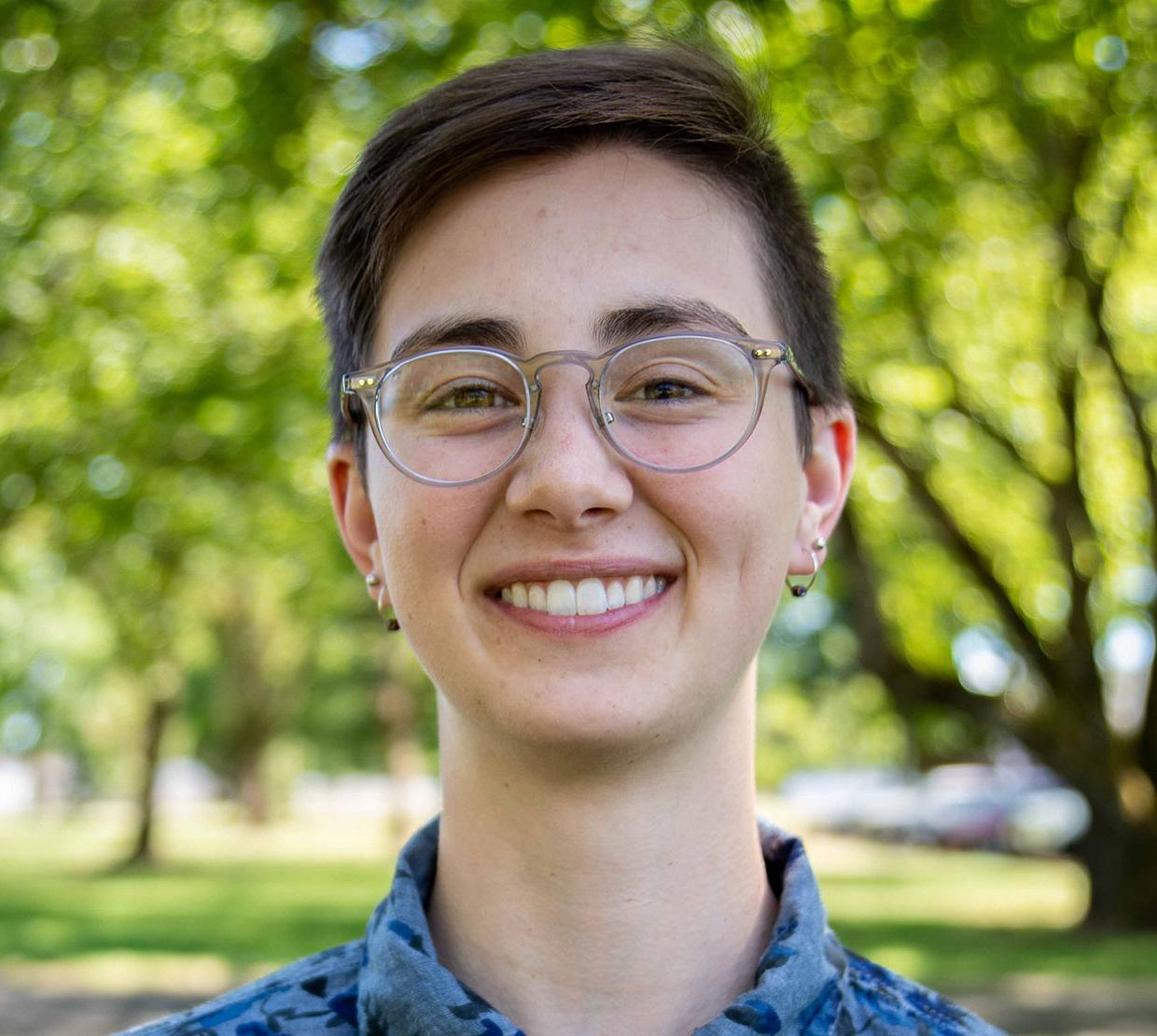
Emily Gemmill

Emily Gemmill

Employing interdisciplinary research methods, Gemmill probes the mysteries of protein-based molecular motors called kinesins in the lab of biophysics Associate Professor Weihong Qiu. Kinesins interact with microtubules (dynamic tubes that provide structure and shape to cells) within cells and play an indispensable role in facilitating transport and force to sustain human life by converting chemical energy into mechanical energy. Gemmill’s research builds on ongoing research in the Qiu Lab on the distinctive properties of kinesin-14s that move and bind differently to microtubules from other kinesins.

"I chose the advanced biophysics option for my biochemistry degree and the mathematical biology option for my mathematics degree, which complement each other well as they both apply rigorous analytical methods to biological systems.”— Emily Gemmill

Introduced to molecular motors in a high school biology class, Gemmill’s fascination with the subject deepened as she learned more about their significance and functions in the Qiu Lab. She is currently investigating the regulatory mechanism of a kinesin-14 motor to better understand the factors governing its motility and it’s interactions with other proteins that affect kinesin-14’s movement.

Gemmill transferred to OSU from Portland Community College where she was a student in the honors program. There she was awarded an Oregon Space Grant Consortium research fellowship to support her work on developing a mathematics fluid-based model on mitigating traffic flow in Portland. At OSU, Gemmill was able to pursue ambitious research goals with the help of a Summer Undergraduate Research Experience (SURE Science) scholarship and an Undergraduate Research in the Sciences and Arts (URSA) Engage grant.

After graduation, Gemmill plans to work toward a research career at the intersection of mathematics and biophysics. “I am earning degrees in both biochemistry & biophysics and mathematics, leading to a wide range of interdisciplinary knowledge,” said Gemmill. “Additionally, I chose the advanced biophysics option for my biochemistry degree and the mathematical biology option for my mathematics degree, which complement each other well as they both apply rigorous analytical methods to biological systems.”

Alyssa Pratt

Alyssa Pratt

Pratt studies RNA secondary structural features called hairpin loops with a wide variety of functions, primary among them being the potential to arrest disease-associated genes, in the lab of David Hendrix, an associate professor of biochemistry and biophysics and computer science. Through bioinformatics experiments utilizing specific algorithms and data sequencing, Pratt investigates the properties and defining characteristics of a little-known subset of RNA hairpins called unbreakable hairpins for a better understanding of their potential and biological significance in the human body.

“Once I met supportive mentors, I realized that innate computer skills didn’t exist and that I could pursue my interests in computer science as well as molecular biology, which inspired me to focus on computational biology.” — Alyssa Pratt

Pratt has also undertaken summer research at Portland State University, where she used optimization methods and computational analysis to search for specific secondary DNA structures in the context of cruciviruses (viral family containing components from both RNA and DNA viruses).

An exceptional student, Pratt is a Presidential Scholar at OSU, and received a number of prestigious awards in high school including a National Merit Scholarship and a National AP Scholarship. She is also a recipient of Oregon State’s URSA Engage Award.

Pratt hopes to pursue a Ph.D. in computational biology after graduation, combining her interests in molecular biology and computer science. In her application, Pratt writes that throughout her school years she thought she “didn’t have the innate computer skills that it seemed my male peers possessed." With effective guidance and mentorship, Pratt began to pursue substantive computational research projects. “Once I met supportive mentors, I realized that innate computer skills didn’t exist and that I could pursue my interests in computer science as well as molecular biology, which inspired me to focus on computational biology.”

Inspired by her own experiences of overcoming bias in a STEM field, Pratt works for the Precollege Programs at OSU as a media assistant, and is involved in a wide range of youth outreach activities designed to increase college access and academic preparation for Oregon’s youth.

The Goldwater Scholarship is administered at Oregon State University through LeAnn Adam, OSU Advisor for the National and Global Scholarships Advising and the OSU campus representative for the Goldwater scholarship.

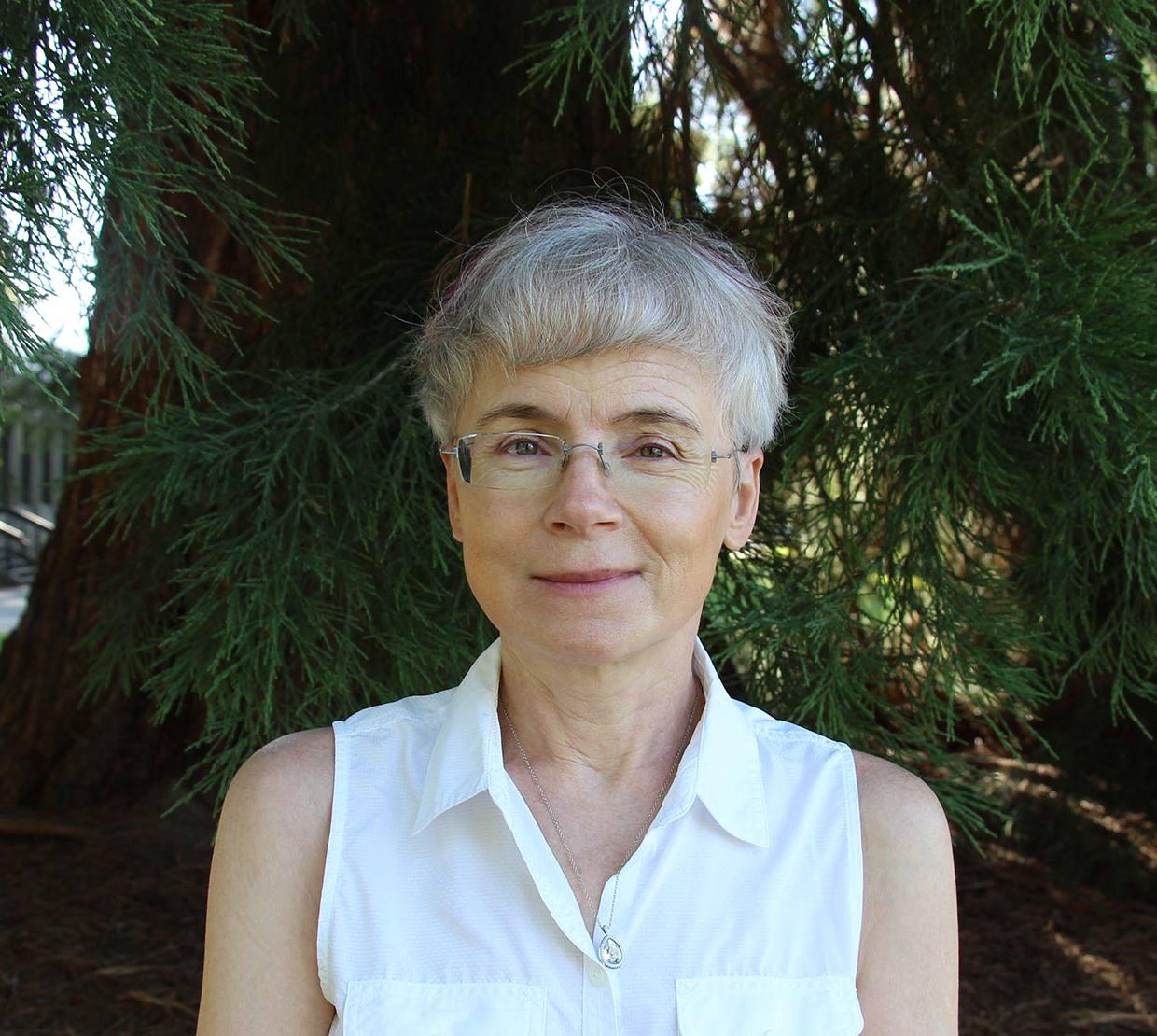
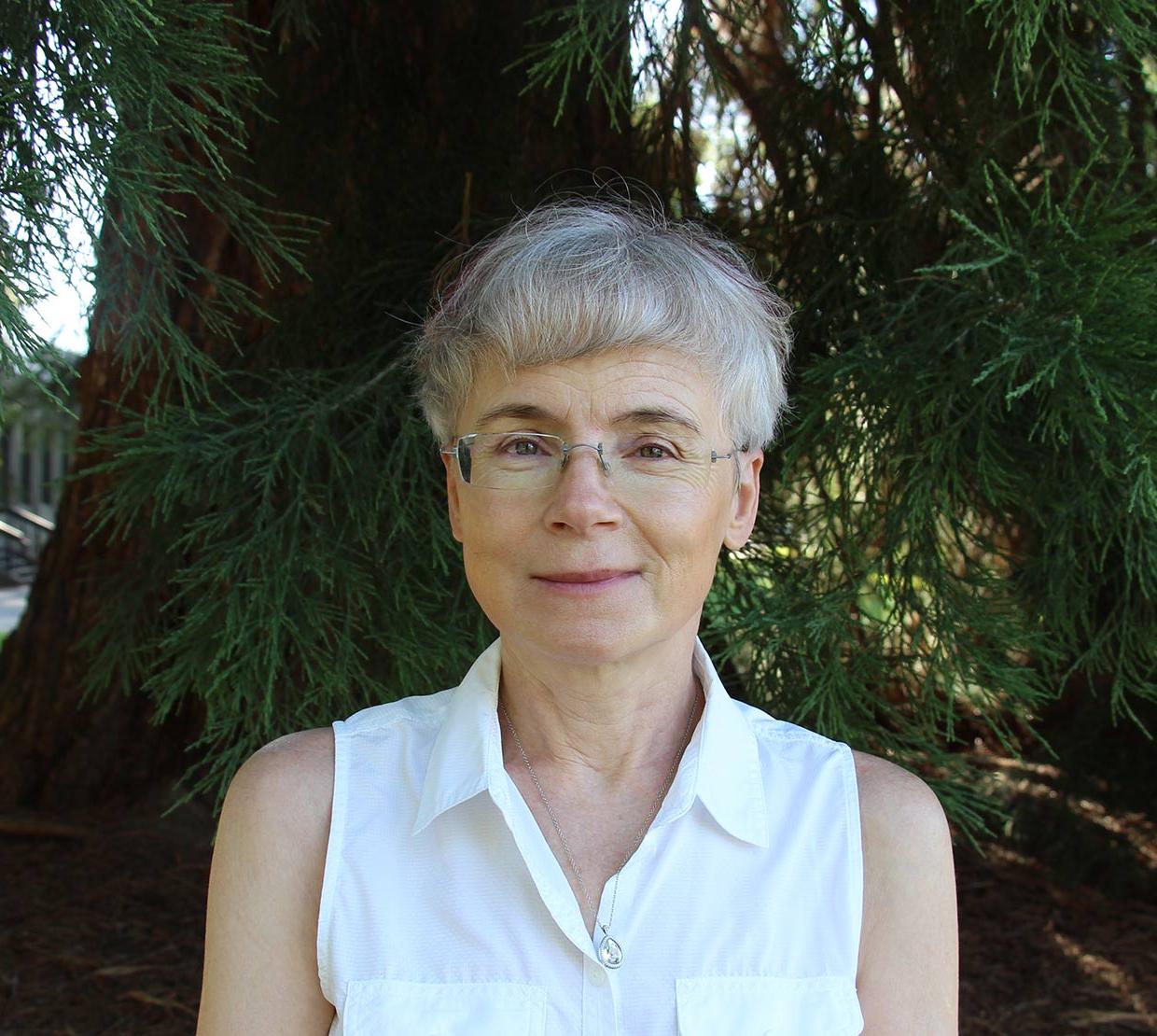
Malgo Peszynska standing in front of a tree outside of Kidder Hall.

Applied mathematician Malgorzata Peszynska receives prestigious Geosciences Career Prize

By Mary Hare

Malgorzata Pesynska uses applied mathematics to solve problems related to climate change and energy engineering.

The College of Science is proud to announce that Malgorzata Peszynska, professor of applied mathematics, has received the Society for Industrial and Applied Mathematics (SIAM) Geosciences Career Prize for “exceptional contributions to analysis of multiphysics processes in geosciences, consistently producing mathematical and computational results of the highest quality, while supporting the community through exemplary service.”

Established in 2008, the prize is awarded every two years to “an outstanding senior researcher for broad and distinguished contributions to the solution of mathematical and computational problems in the geosciences.” Scientists who have held a Ph.D. for 15 years or longer are eligible for the highly competitive award.

Peszynska will formally receive the award at the 2021 SIAM Conference on Mathematical and Computational Issues in the Geosciences, originally scheduled to take place in Milan. The conference will facilitate the exchange of ideas between internationally reputed scientists in interdisciplinary fields related to the geosciences.

“Peszynska is held in the very highest esteem for her record of excellence in all facets of productive academic activity,” said Bill Bogley, chair of the Department of Mathematics. “Her record of engagement and leadership leaves no doubt that colleagues from Oregon State University, the nation and the world all recognize and seek to engage with her energy and expertise.” He commended her notable history of mentorship and advocacy for her students, including a 2006 Mortar Board Top Professor award and 2016 Department of Mathematics Graduate Faculty award.

Peszynska is the second Oregon State applied mathematician to receive the award. In 2017, Juan Restrepo received the Career Prize for his work using mathematical models to study the ocean and the atmosphere. With only seven total winners since 2008, this is an admirable achievement for the university.

With expertise that spans disciplines, Peszynska primarily works to use mathematical tools to solve problems related to energy engineering and climate change. Her modeling of transport includes porous media phenomena in aquifers, oil and gas reserves, carbon sequestration, solar cells and the effect of permafrost warming. Perhaps most notable is her use of computational mathematics to model methane hydrate transfer and evolution.

"As an applied mathematician in this area, the objective is to provide reliable and accurate modeling tools for simulation of various scenarios to help mitigate and contain the possible disasters”

Methane hydrate is an “ice” found primarily in the Arctic permafrost as well as in sub-ocean sediments. Known as one of the largest potential sources of fossil fuel, it is also one of the most risky. Existing in a delicate pressure-temperature equilibrium, exposure to heat could lead to melting that could cause explosions, or huge quantities of methane gas escaped into the atmosphere.

The specific conditions at which it exists have also meant that it has been exceedingly difficult to study using traditional research tools. This is where using mathematics can be so useful. “As an applied mathematician in this area, the objective is to provide reliable and accurate modeling tools for simulation of various scenarios to help mitigate and contain the possible disasters,” Peszynska said.

Supported by two National Science Foundation awards --one for $384K for 2015-21 and another Division of Mathematical Sciences award for $224K for 2019-22 -- Peszynska and her team have combined computational mathematics with geophysical mechanics of hydrate behavior, developing new mathematical models and results to study the transport and evolution of methane gas under the influence of changing sea temperatures, the warming of permafrost, and the huge range of length and time scales for key elements of the geophysical process.

Her success has been recognized with numerous awards, including her selection as a 2020 fellow of the American Association for the Advancement of Science (AAAS) for “outstanding contributions to multidisciplinary mathematical and computational modeling of flow and transport in porous media.” Among the 489 selected Fellows this year, she is one of only eight mathematicians chosen nationwide, and the first member of the Oregon State Department of Mathematics to receive this honor.

In addition, she has received the mathematics department’s Joel Davis Faculty Excellence Award, the Graduate Faculty Award, and has been recognized by the Kosciuszko Foundation as a Distinguished Fellow of the Collegium of Eminent Scientists of Polish Origin and Ancestry. Peszynska was also a 2009-2010 Fulbright Research Scholar at the University of Warsaw.

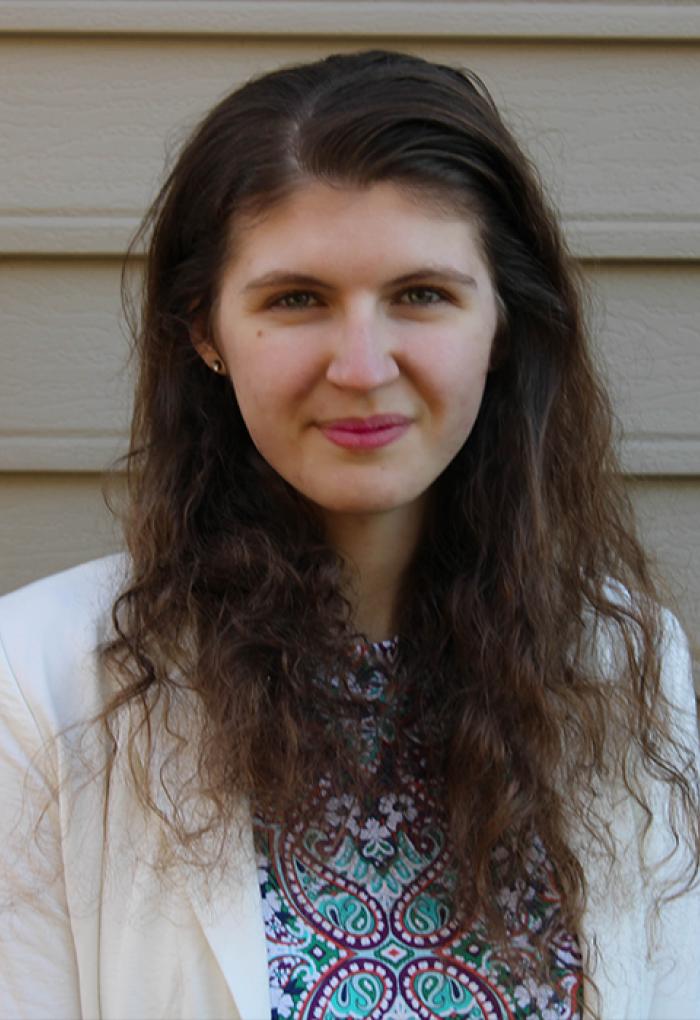
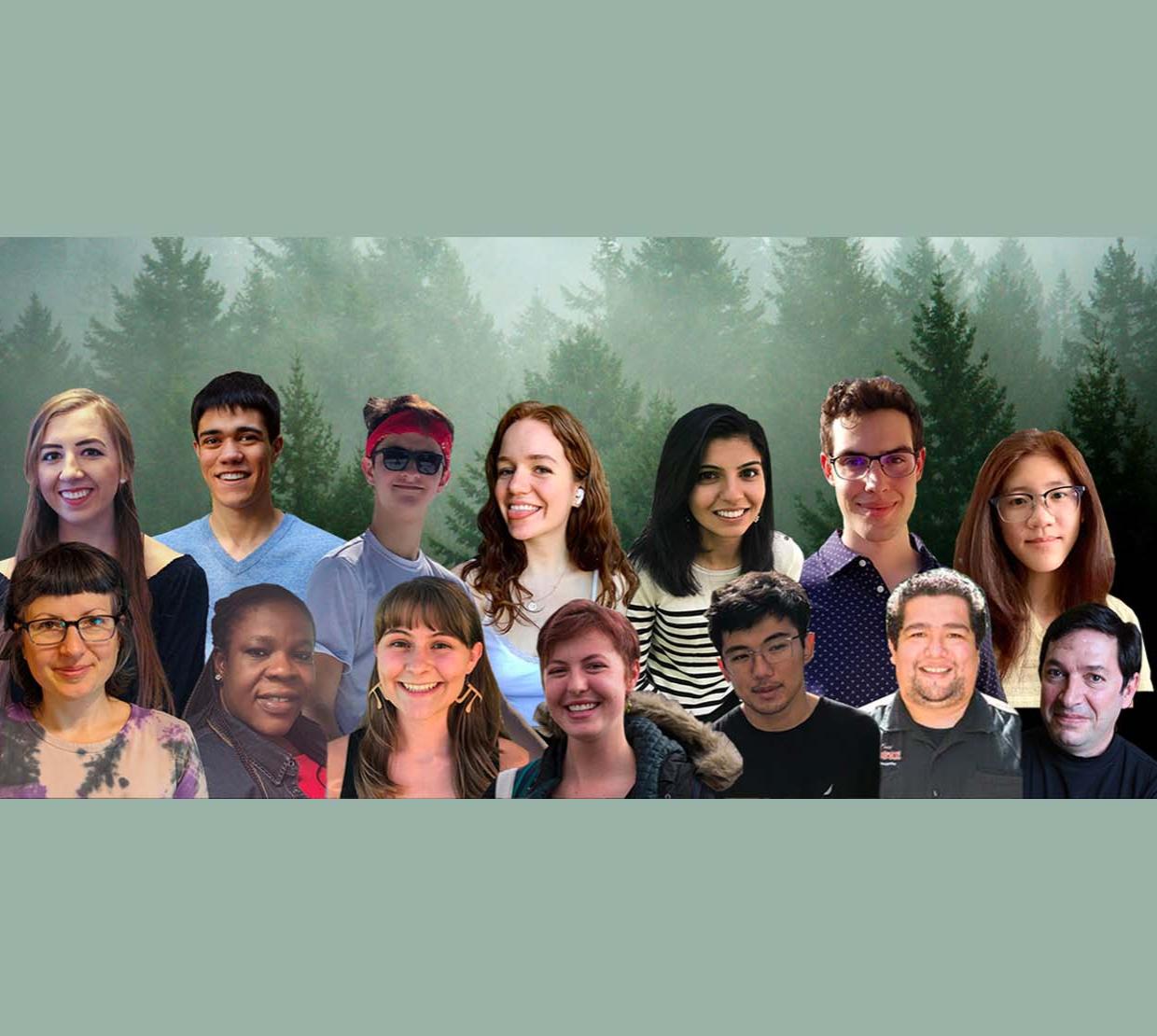
A collage of 14 undergraduate students that were apart of the 2020 OSU Research Experience for Undergraduates.

2020 Research Experience for Undergraduates

The 2020 OSU Research Experience for Undergraduates (REU) program in Mathematics and Theoretical Computer Science, directed by Prof. Holly Swisher, was a great success! Ten students participated, from a variety of institutions across the country, including OSU's own Devin Goodwin and Darwin Nesheim. There were three research groups, led by OSU faculty members Blessing Emerenini and Ricardo Reyes-Grimaldo (mathematical biology), Juan Restrepo (dynamics and machine learning), and Holly Swisher (partitions and modular forms). One group, including Adriana Duncan, Simran Khunger, and Ryan Tamura, under the advisement of Holly Swisher, recently had their poster recognized as an "outstanding poster" at the 2021 Joint Mathematics Meetings!

The OSU REU program in Mathematics and Theoretical Computer Science is one of the longest ever running REU programs, running nearly every summer since 1987! See https://sites.science.oregonstate.edu/~math_reu/ for more information.

In particular, the registration deadline for this coming summer is February 24. Proposed mentors and projects are: Hoewoon Kim "Navier-Stokes Equations and Stability Problems in PDEs", Yevgeniy Kovchegov "Probability and Stochastic Processes", Patrik Nabelek "Rational Functions in Mathematical Physics", and Mike Rosulek (EECS) "Secure Computation in Cryptography"


Read more stories about: students, mathematics, awards & recognition


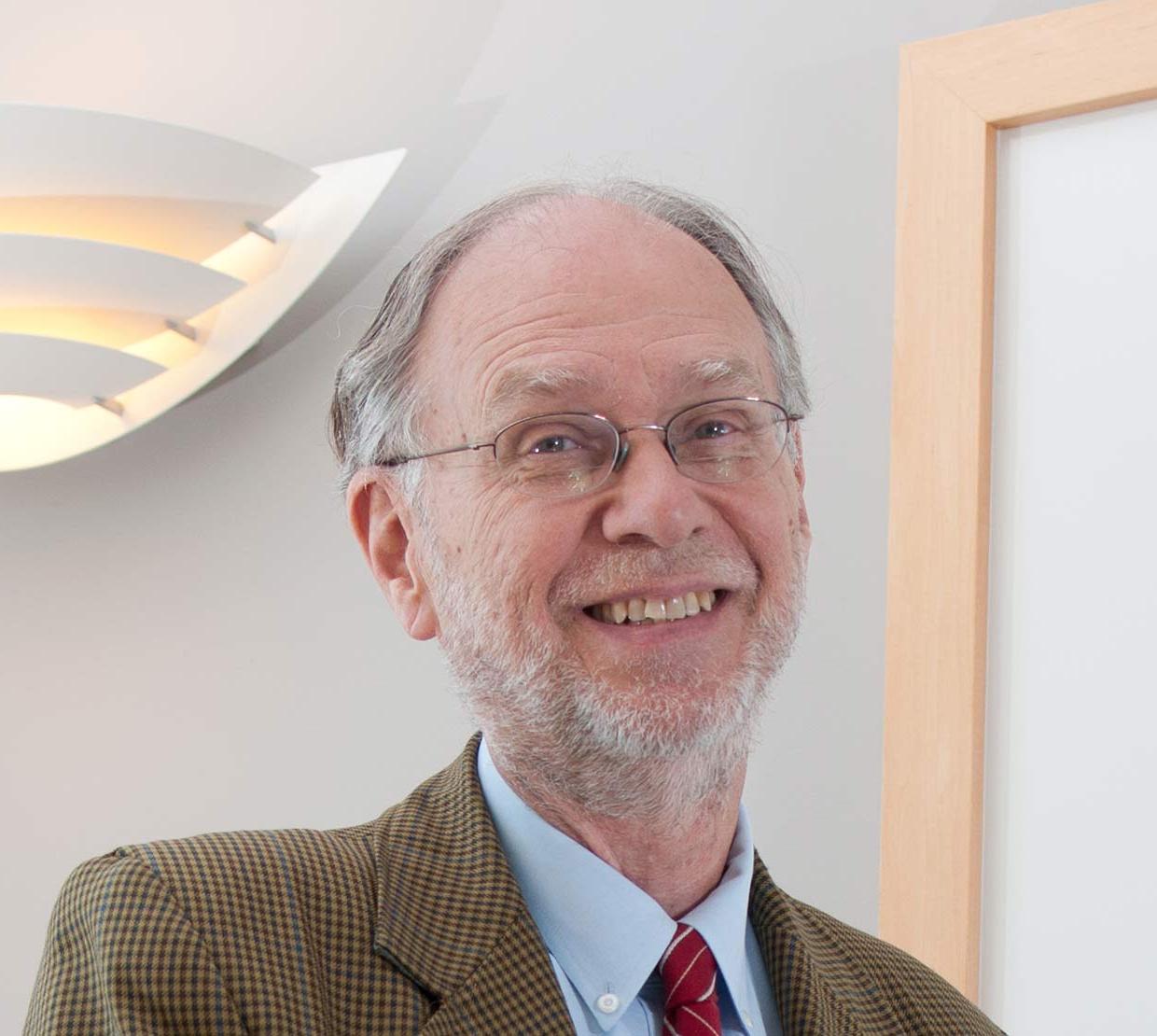
Dr. Michael Waterman

Michael Waterman, 'father of computational biology,' receives prestigious award

By Cari Longman

Genomics pioneer Dr. Michael Waterman (’64, ’66) has received the William Benter Prize in Applied Mathematics. Waterman, a distinguished College of Science alumnus, is widely regarded as a trailblazer in computational biology. The $100K biennial prize recognizes outstanding mathematical contributions that have had a direct and fundamental impact on scientific, business, finance and engineering applications.

Waterman is currently an emeritus university professor at the University of Southern California and distinguished research professor to the University of Virginia. He earned his bachelor’s and master’s degrees in mathematics at Oregon State and a Ph.D. in statistics and probability at Michigan State University, which propelled him to become a founder and leader of computational biology and a renowned human genome theorist.

Waterman’s work is focused on applying mathematics, statistics and computer science techniques to various problems in molecular biology. His work in the 1980s formed one of the theoretical cornerstones for many DNA mapping and sequencing projects, including the Human Genome Project. He also helped develop some of the most widely used tools in the field, including new technologies to solve basic problems. His work continues to play an important role in DNA sequencing.

Professor Michael Waterman's cutting-edge research on algorithms, probability, and combinatorics launched our epoch of deciphering genomes, sequencing technologies and integrating mathematics and life sciences.

“In 2001, the computational construction of the sequence of the Human Genome, where Professor Waterman’s algorithm played a pivotal role, marked the phase transition point when biology became a quantitative science,” said Sorin Istrail, professor of computational biology at Brown University and close collaborator with Waterman since 1992. “The scientific and strategic importance of genomics for life sciences, medicine, agriculture, and government agencies led to the establishment of bioinformatics centers and institutes for quantitative biology all over the world.”

“Professor Waterman’s pioneering advances in applied mathematics analysis of DNA, intertwining continuous and discrete mathematics, became quintessential for computational biology," said Istrail.

Waterman’s outstanding scientific achievements have earned him an extraordinary reputation internationally. He is member of the U.S. National Academy of Sciences, the U.S. National Academy of Engineering, the American Academy of Arts and Sciences, the French Academy of Sciences and the Chinese Academy of Sciences. He received a Gairdner Foundation International Award in Biomedical Sciences, the Dan David Future Prize in Bioinformatics, and a Guggenheim Fellowship. He is also founding editor of the Journal of Computational Biology.

I am deeply grateful to land grant universities, and Oregon State in particular, that allowed me and many others to receive an excellent education. It opened up the world for me.

Waterman previously held appointments in the Departments of Biological Sciences, Mathematics, and Computer Science at the University of Southern California, Fudan University in Shanghai, Los Alamos National Laboratory and Idaho State University, among others. He is a current member of the Oregon State College of Science Board of Advisors.

"Professor Michael Waterman's cutting-edge research on algorithms, probability, and combinatorics launched our epoch of deciphering genomes, sequencing technologies and integrating mathematics and life sciences,” said Remo Rohs, professor and chair of the new Department of Quantitative and Computational Biology at the University of Southern California. “He mentored many students, postdocs, and faculty, including myself, whose careers are unthinkable without Professor Waterman's impact. He co-founded the historically first Ph.D. Program in Computational Biology and Bioinformatics and one of the first undergraduate majors in Quantitative Biology in the country.”

A first-generation college student, Waterman grew up in rural Coos County, Oregon. He wrote a memoir, “Getting Outside: A Far-Western Childhood,” about his journey from a livestock ranch in western Oregon to Oregon State University.

"I am deeply grateful to land grant universities, and Oregon State in particular, that allowed me and many others to receive an excellent education. It opened up the world for me," said Waterman. To support other students with similar backgrounds, he established an endowed scholarship for OSU College of Science students – the second largest in the College’s history. The legacy gift, the Michael and Tracey Waterman Scholarship, supports students who are the first in their family to attend college and those from rural, less privileged backgrounds.

“I’m thankful for Dr. Waterman's commitment to supporting students in the College of Science,” said Dean Roy Haggerty. “He is helping to break down barriers for more talented first-generation Oregonians to pursue higher education and be future scientific game-changers.”

Due to travel and safety restrictions associated with the COVID-19 pandemic, Waterman will attend the award ceremony for the prize in May 2022 at the Liu Bie Ju Centre of Mathematical Sciences at the City University of Hong Kong.

Malgorzata Peszysnka standing in front of a tree.

Applied mathematician elected 2020 AAAS Fellow

By Srila Nayak

OSU mathematician Malgorzata Peszysnka is a Fellow of the American Association for the Advancement of Science.

Mathematics Professor Malgorzata Peszynska is one of 489 scientists and engineers from around the world to be elected as 2020 fellows of the American Association for the Advancement of Science (AAAS).

Founded in 1848, the AAAS is the world’s largest multidisciplinary scientific society. It publishes the leading journal Science and other cutting-edge research journals. AAAS fellows comprise an illustrious group of scientists such as inventor Thomas Edison, anthropologist Margaret Mead and biologist James Watson.

Peszynska, elected in the section on Mathematics, is the 18th faculty member in the College of Science to be elected as an AAAS Fellow. In addition to Peszynska, Patrick Hayes and David Myrold, professors in the College of Agricultural Sciences, were also honored as 2020 AAAS Fellows. This brings the number of professors at Oregon State University elected AAAS Fellows since 1965 to 42.

Peszynska was honored as an AAAS Fellow “for outstanding contributions to multidisciplinary mathematical and computational modeling of flow and transport in porous media.” The new Fellows will be recognized at the online AAAS 2021 annual meeting in February. The names of the newly elected Fellows also appeared in the November 27 issue of Science.

“It is extremely rewarding for my work to be recognized. I stand on the shoulders of the giants in the field and I am grateful for their passion which inspired mine,” said Peszynska. “I share this award with my family and the extended family of students and collaborators, whose support has been unwavering. My goal is to continue paying it forward.”

In 2019, the National Science Foundation (NSF) chose Peszynska as the rotating Program Director within its Division of Mathematical Sciences in Washington, D.C., a position that she continues to hold.

She held research and teaching positions at the Polish Academy of Sciences, the Warsaw University of Technology, Purdue University and the University of Texas, Austin, before joining OSU as an assistant professor in 2003.

“It is extremely rewarding for my work to be recognized. I stand on the shoulders of the giants in the field and I am grateful for their passion which inspired mine,” said Peszynska.

Discovering the world of applied mathematics

Born and raised in Warsaw, Poland, Peszynska received a master’s degree in applied mathematics from the Warsaw University of Technology and a Ph.D. in mathematics from the University of Augsburg in Germany. She also holds a habilitation degree from the Warsaw University of Technology.

Having discovered her love and aptitude for mathematics at a very young age, Peszynska received whole-hearted support and encouragement from her mother, who was a physician, to pursue her academic passion. Trained in pure mathematics at first, Peszynska found her true calling: studying physical phenomena through the lens of mathematics.

“I had substantial training in pure math. My master’s degree was studying very pure mathematical concepts applied to computer science,” Peszynska said. As a Ph.D. student in Germany, she turned to applied mathematics, discovering the bridge between parallel computing and models and simulations of large-scale flow problems.

“My advisor gave me an applied project where I could benefit from my knowledge of parallel computing,” Peszynska said. “I had to learn a lot in a hurry about the applied setting. But it was cool because I could finally use the theoretical underpinnings and methods of analysis that I learned.”

In the last two decades, Peszynska has built up an impressive research program in applied mathematics at OSU. This has attracted several grants from the National Science Foundation, the Department of Energy and other federal agencies to enable the investigation of the challenges of modelling and simulation of complex natural processes. Her work has ranged from multiscale modeling of flow and transport, including at the pore-scale, adsorption and modeling of coupled non-linear phenomena incorporating knowledge of geomechanics, geophysics and geochemistry.

Peszynska’s interdisciplinary projects encompass the fields of hydrology, oceanography, statistics, environmental, petroleum, civil and coastal engineering, physics, and materials science. She has also trained numerous students in her field and has published more than 70 articles, many co-authored with her students.

Peszynska is equally well recognized for her excellent mentoring and dedication to student learning. She has been an advisor to postdocs, master’s, doctoral and undergraduate students. To date, seven Ph.D. students have completed their dissertation under her guidance and she is currently an advisor to four more doctoral students. She also mentored over 10 undergraduate and master’s students. Peszynska’s students, who have pursued research with her across multiple academic levels, are enjoying fruitful careers in industry, academia and national labs.

Peszynska notes that of all her professional accomplishments, she is most proud of her work with students.

“It has been a joy to see my students grow into independent researchers and successful professionals. I recently submitted a paper with four of my students, and it was exciting to see them work together on a joint project where each of them does their part as a researcher.”

Applying mathematical analysis to climate uncertainties

Peszynska’s research intersects with important problems related to energy engineering and climate change. Her modeling of transport includes porous media phenomena in aquifers, oil and gas reservoirs, the growth of biofilms, carbon sequestration, solar cells and the effects of permafrost warming. She is particularly proud of her work on modeling methane hydrate transfer and evolution, and has pioneered the use of computational mathematics to study upscaling in complex pore-scale environments (such as the subsurface of the earth).

Methane hydrate — frozen deposits of natural gas in the sea’s subsurface sediment — found primarily in the Arctic and sub-ocean sediments is a double-edged fuel source. When the ice-like methane hydrate deposits melt due to high temperatures or drilling, large volumes of methane gas may lead to explosions or may escape into the atmosphere. While methane hydrate deposits are viewed as one of the largest sources of natural gas and a viable fossil fuel, methane emissions might also contribute to global warming and climate change. Moreover, converting hydrate compounds into gas can be risky or unstable, making large-scale extraction or production of this powerful greenhouse gas difficult.

Many applied mathematicians simulate things because there is an underlying important problem,” observed Peszynska. “As an applied mathematician in this area, the objective is to provide reliable and accurate modeling tools for simulation of various scenarios to help mitigate and contain the possible disasters.”

"What’s happening with permafrost is absolutely incredible. Right now changes to the permafrost is a problem ripe for more and more modeling."

Peszynska and her research team are combining computational mathematics with the geophysical mechanics of hydrate behavior to address the challenges with respect to methane gas transport and flow through different layers in sub-ocean sediments. Her work on developing and analyzing computational models describing the evolution of methane hydrate is supported by a $384K NSF award for 2015-21.

“These issues were well-known by the geoscientists, but relatively unknown in the mathematics and computations community when I started studying it 15 years ago prompted by OSU colleagues from the College of Earth, Ocean, and Atmospheric Sciences,” said Peszynska.

Peszynska’s current research addresses some pressing challenges that arise in climate science and geophysics. She is developing new mathematical models and results to study the transport and evolution of methane gas under the influence of changing sea temperatures, the warming of permafrost, and the huge range of length and time scales for key elements of the geophysical process. She was awarded a $225K NSF grant to support her research on this project in 2019-21.

“What’s happening with permafrost is absolutely incredible. Right now changes to the permafrost is a problem ripe for more and more modeling,” said Peszynska. “One can study the processes and attempt to predict what’s going to happen in the Arctic. There are several interlinked scales from modeling microscopic changes to predicting large-scale events due to permafrost melting such as the collapse of buildings and disappearance of coastline.”

Peszynska’s research and teaching accomplishments have garnered her a number of awards at OSU and beyond. She has received the mathematics department’s Joel Davis Faculty Excellence Award, the Graduate Faculty Award and has been recognized by the Kosciuszko Foundation as a Distinguished Fellow of the Collegium of Eminent Scientists of Polish Origin and Ancestry. Peszynska was also a 2009-2010 Fulbright Research Scholar at the University of Warsaw.
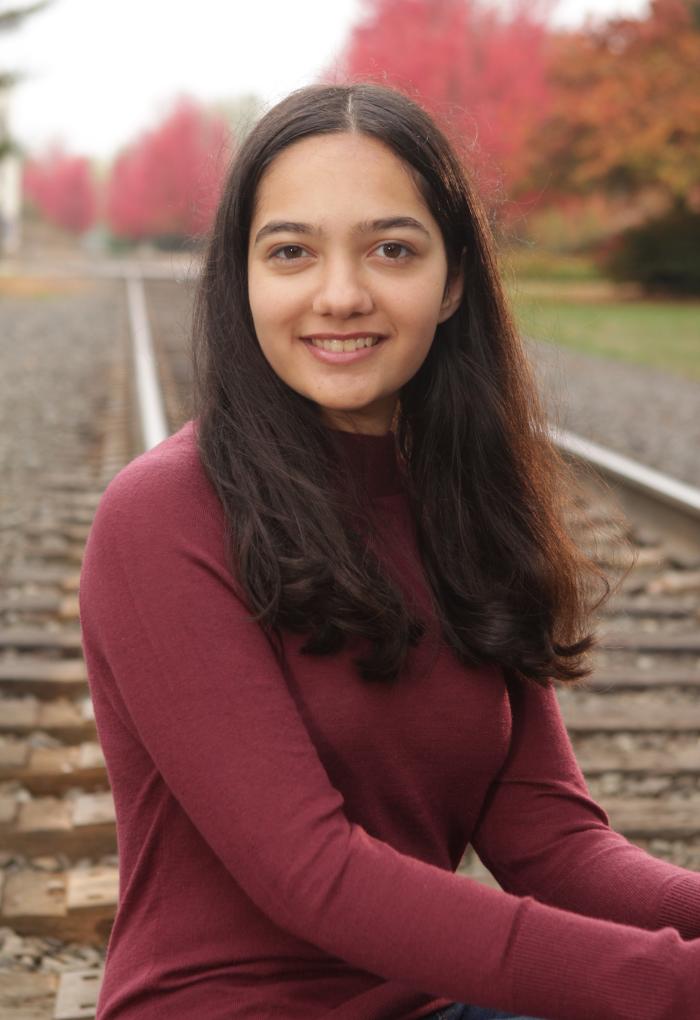
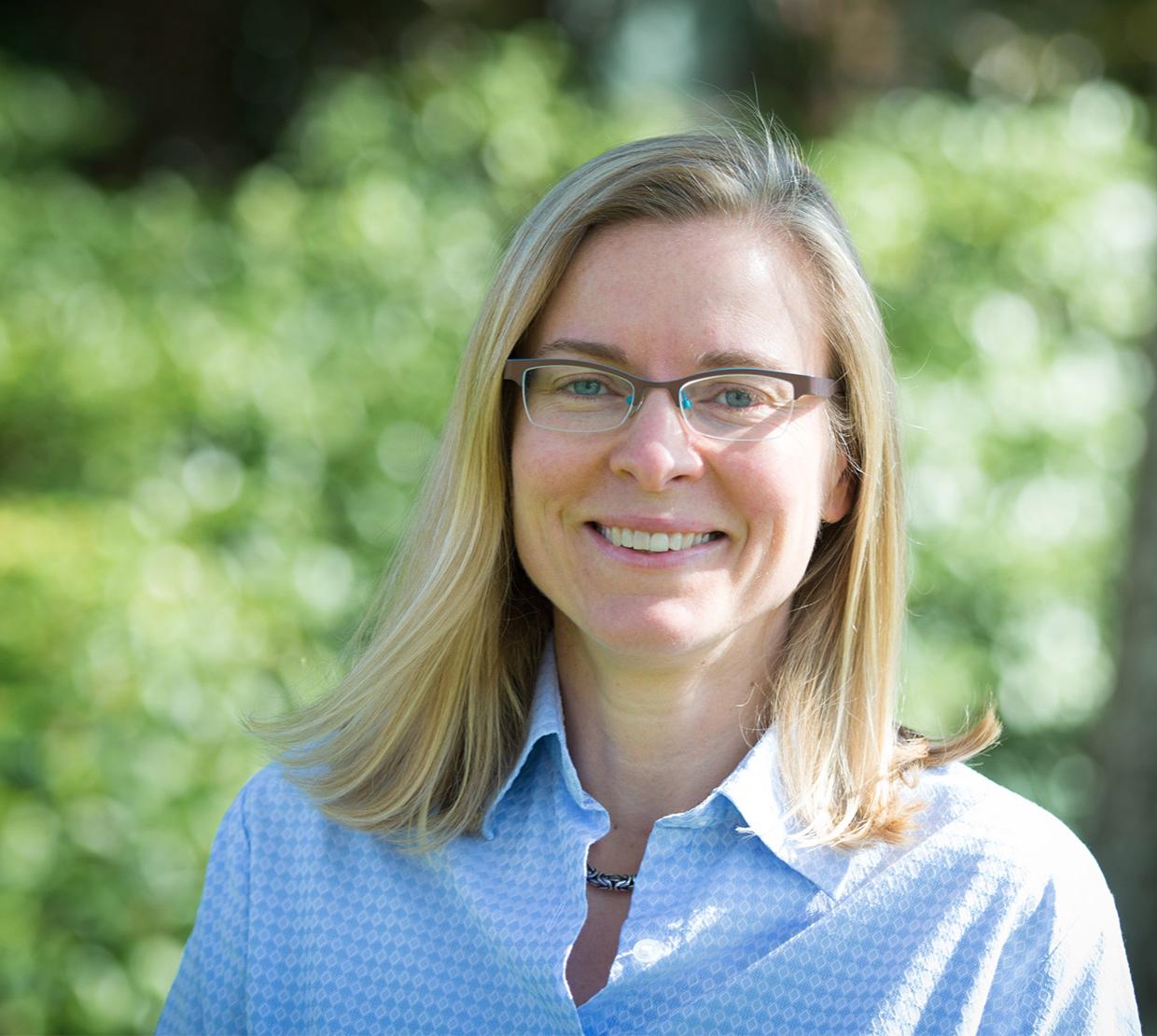
Portrait photo of Mary Beisiegel.

Mary Beisiegel awarded new NSF grants

Congratulations to Mary Beisiegel who has been awarded two new National Science Foundation grants!

A first project entitled "Collaborative Research: Mathematics Graduate Teaching Assistant Professional Development Focused on Implementation of Evidence-based Teaching Practices”, was awarded $2.1 million, with OSU's portion $855K over five years. In collaboration with Mary Pilgrim at San Diego State University and Erica Miller at Virginia Commonwealth University, this project aims to serve the national interest by preparing mathematics graduate teaching assistants (MGTAs) to implement teaching practices designed to improve the success of students in undergraduate mathematics courses. To this end, the project will provide MGTAs with a multi-year professional development program to help them implement evidence based teaching practices, including active learning. The professional development program will include an intensive teaching seminar and two courses focused on active learning and inclusive teaching. This approach, which provides MGTAs with extended professional development over multiple years, contrasts with the conventional practice of providing MGTA training only in their first year of graduate school. To help develop their leadership skills, experienced MGTAs will have the opportunity to serve as teaching mentors for newer peers. Over the five-year span of the project, more than 35,000 undergraduates will be taught by MGTAs who have received this multi-year professional development. It is expected that thousands more students will be served in the years that follow, as many of the MGTAs move into academic careers. The project will be implemented at Oregon State University, Virginia Commonwealth University, and San Diego State University. As a result, the project will have multiple contexts for examining the impact of the professional development on MGTA teaching attitudes and practices, as well as on the success of the undergraduates in the MGTAs classes. The project will compare outcomes at the three institutions to generate new knowledge about MGTA professional development, to explore what works in which contexts, and to develop an explicit theory of change related to MGTAs teaching practices

A second three year project for $124K (OSU portion) was awarded for "Collaborative Research: Algebra Instruction at Community Colleges: Validating Measures of Quality Instruction”. This STEM Learning and Learning Environments project seeks to advance understanding of algebra education at community colleges. It will build on prior work to explore further the relationship between the quality of instruction in college algebra classes and teachers' mathematical knowledge for teaching. This "knowledge for teaching" is the mathematical understanding that teachers need in order to be effective teachers of mathematics. For example, this knowledge enables teachers to explore and diagnose why students are struggling with a mathematical concept and provide targeted help. Despite its critical role in US higher education, instruction at community colleges is a neglected sector of instructional capacity in the United States. To advance mathematics education research related to the first two years of college, this project will develop the Mathematical Knowledge for Teaching Community College Algebra assessment. This assessment will identify the specialized knowledge that teachers need for teaching community college algebra in a way that supports student growth in thinking about fundamental mathematical concepts. The project will also advance previous work by refining the Evaluating the Quality of Instruction of Post-secondary Mathematics instrument, which assesses characteristics of high-quality instruction in community college algebra courses. These efforts will enhance the research tools available for studying post-secondary teaching at community colleges, specifically in college algebra. Since college algebra is often a gateway course to STEM degrees, this project has the potential to improve the recruitment into and success of students in STEM fields and, thus, support STEM workforce development.

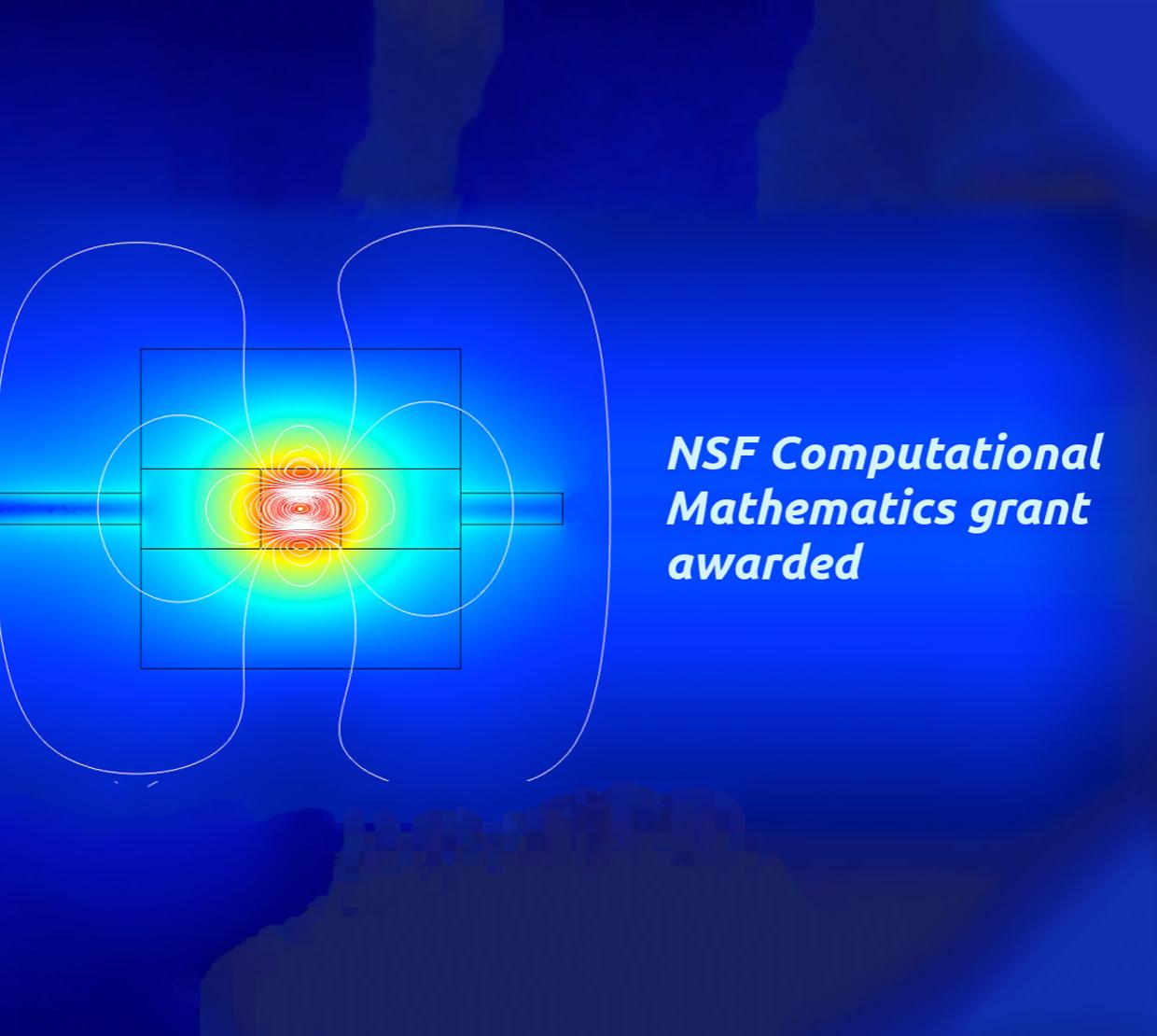
Depiction of a magnetic field with text that reads "NSF Computational Mathematics grant award."

Computational Mathematics grant awarded to Bokil and Gibson

Image produced by former PhD student Duncan McGregor (PhD 2016, Advisors: Bokil and Gibson). The image depicts induced magnetic field lines within a segment of a segmented Faraday type magnetohydrodynamic power generator.

Congratulations to Vrushali Bokil (principal investigator) and Nathan Gibson (co-principal investigator), who were awarded $225K funding from NSF’s Computational Mathematics program for their project "Computational and Multi-Scale Methods for Nonlinear Electromagnetic Models in Plasmas and Nanocomposites". The project is funded for the period August 1, 2020 - July 31, 2023 and includes co-principal investigator Pallavi Dhagat, Professor of Electrical & Computer Engineering at Oregon State University.

This project is an interdisciplinary collaboration involving mathematical modeling, computational simulation and experimental data for accelerating the design of advanced electromagnetic nanocomposite materials as well as alternative power generators. Nanocomposites, made of ferromagnetic nanoparticles in a dielectric, non-magnetic matrix, offer unparalleled opportunities for innovation in electromagnetic materials. The ability to predict electromagnetic material properties as a function of size, shape and concentration of inclusions in the host matrix, from computational simulations of physics-based models, will crucially aid in the digital fabrication of nanocomposites. These advances in design will enable applications including microwave frequency antennas and gradient refractive index lenses, printed electronic circuits and systems, to name a few. This objective is related to the Materials Genome Initiative's mission to accelerate materials innovation via computation. Professor Dhagat has been collaborating with HP Labs in Corvallis, on the application of multi-jet fusion technology for digital fabrication of magnetic composites.

A second objective involves Magnetohydrodynamic (MHD) power generation, which is potentially a significant component of a secure U.S. energy portfolio. The lack of moving parts in an MHD power generator increases the overall efficiency of the power plant and potentially decreases carbon emissions significantly. Computational simulations of physics-based models will aid in the optimal design of these thermally efficient energy systems. The models we consider are also essential to correctly modeling solar flares which can trigger geomagnetic storms disrupting power and communications costing millions of dollars in losses. Thus our techniques will advance applications in astrophysics, space weather prediction and clean energy systems, among others. PhD student Sebastian Naranjo Alvarez (Advisor: Bokil) will be funded by this project to work on Mimetic Finite Difference (MFD) methods and Virtual Element Methods (VEM) for MHD models in collaboration with Vitaliy Gyrya and Gianmarco Manzini of the Applied Mathematics and Plasma Physics group in the Theoretical Division at Los Alamos National Laboratory. PhD student Evan Rajbhandari (Advisor: Gibson) is working on a closely related project involving MHD modeling and simulation, including inverse problems and uncertainty quantification. He is being funded directly by Bokil and Gibson's collaborator Rigel Woodside from the National Energy Technology Laboratory in Albany, OR.

Megan Tucker standing in park

Mathematics and writing senior awarded Department of Energy fellowship

By Srila Nayak

Megan Tucker, a mathematics senior, was awarded the Mickey Leland Energy Fellowship by the U.S. Department of Energy.

As a high school student in Santa Cruz, California, Megan Tucker picked Oregon State University as one of her top two choices for a major in nuclear engineering. Although she opted for a physics major with an emphasis on physical chemistry in her freshman year, before switching to mathematics, the nuclear reactors on campus were what lured her to OSU in the first place. On her first visit, Megan also fell in love with the beautiful campus.

“I really liked the curriculum. I liked the faculty and students I met during my visit. I learned I could do a minor in writing which was very uncommon.” She had found the perfect combination of elements for her undergraduate experience and decided to look no further. And although her priorities would shift and change as she discovered more about herself and her interests, Megan has managed to find the right academic niche at OSU.

“Regardless of what job it is, technical or creative, to be able to show that one can write and communicate is very important.”

Now a double major in mathematics and writing, Megan Lynn Tucker has excelled at and enjoyed the wide gamut of courses at Oregon State University, from Metric Spaces and Topology to Environmental Writing. She will graduate next month with a substantial amount of research experience under her belt: Megan was awarded the Mickey Leland Energy Fellowship, which gave her the opportunity to work on an interdisciplinary team at the National Energy Technology Laboratory (NETL) in Albany, Oregon, during the summer of 2019.

The Mickey Leland Fellowship Program provides students across America with educational opportunities to gain real-world, hands-on research experience with the Department of Energy’s Office of Fossil Energy. Megan’s 10-week internship took her to NETL’s Geospatial Analysis, Interpretation and Assessment (GAIA) Computational Facility where she performed geospatial data analysis and statistics related to carbon storage modeling. The GAIA computational lab works on creating models for oil, gas, and rare earth elements. Megan gathered and analyzed wellbore data on a state level to assess availability, consistency, and usability.

“Most of my summer was spent learning about the topic as I have little to no geology background. As the lab was multidisciplinary, I had meetings and conversations with colleagues whose areas of expertise overlapped with this project,” said Megan. “I learned about a variety of topics in geochemistry, petroleum engineering, and geography.”

While focusing on statistical and data errors and trying to account for those inconsistencies to make reliable inferences, Megan discovered how mathematics could be applied to real world problems. She presented her research on wellbore data and carbon sequestration at a Department of Energy conference in Pittsburgh in August 2019.

“The mathematics major taught me to think logically and intuitively, and that has been helpful with pretty much all my STEM classes.”

Megan says the most important skills and values she learned at OSU have to do with lifelong learning and mastering the knack of teaching oneself. “The best thing I learned in college is how to read a textbook, how to do actual scientific research and obtain information that is good, viable and trustworthy.” She was able to transfer her self-reliance to her NETL internship where she quickly learned software applications to perform data analysis. With no prior knowledge, Megan taught herself and became proficient in programming languages such as ArcPro and R.

The new knowledge gained from her internship has been an asset at job interviews. After graduation, Megan will move to Seattle to work as a technical writer with Amazon Web Services — a subsidiary of Amazon that provides on-demand cloud computing platforms to individuals, companies and governments.

“I talked about my software skills a lot during my interviews. Also, the fact that I had written a formal paper, done a presentation and engaged in research as a mathematician,” Megan said. “Regardless of what job it is, technical or creative, to be able to show that one can write and communicate is very important.”

With painstaking determination, Megan applied to nearly 50 jobs before getting the offer from Amazon. Initially interested in data science jobs, she came to realize through the job search process that she really didn’t want to do data science. “Instead, I wanted to write about data science and technical documentation. Getting to know exactly what kind of position I was looking for was very helpful,” Megan observed.

Megan found the knowledge she gained from her technical writing and computer science classes to be particularly useful in her job interviews. She is graduating with an impressive variety of coursework that includes computer science and chemistry in addition to mathematics and writing, a testament to the unique breadth and flexibility of undergraduate studies at OSU.

“I had taken so many mathematics courses that computer science classes became a lot easier for me,” Megan said. “The mathematics major taught me to think logically and intuitively, and that has been helpful with pretty much all my STEM classes.”

Megan switched to mathematics from physics when she found herself enjoying her math classes and realizing that she needed to further explore and understand the fundamentals of the subject beyond what she was getting as a physics major. Her favorite mathematics classes have included Complex Analysis and Linear Algebra. To her pleasant surprise, she has seen the latter pop up everywhere from her courses in quantum mechanics to chemistry and computer science.

A valedictorian, Megan has maintained a very impressive GPA and was elected to the Phi Beta Kappa Honor Society. Beyond all her positive academic experiences, Megan says the most enjoyable part of her undergraduate years has been her discovery of dancing. Introduced to dance at OSU, Megan has mastered ballroom and swing dancing and calls her involvement with the OSU ballroom dance club one of the best things in her life.

“I have had a great academic experience. But being connected to your cohort and not staying isolated is also very important,” said Megan. “Finding your community and making friends helps you not only learn and do well in classes, but also helps you gain social skills and grow as a person.”

Choah Shin

Graduate science fellowship supports interdisciplinary mathematics and energy research

By Srila Nayak

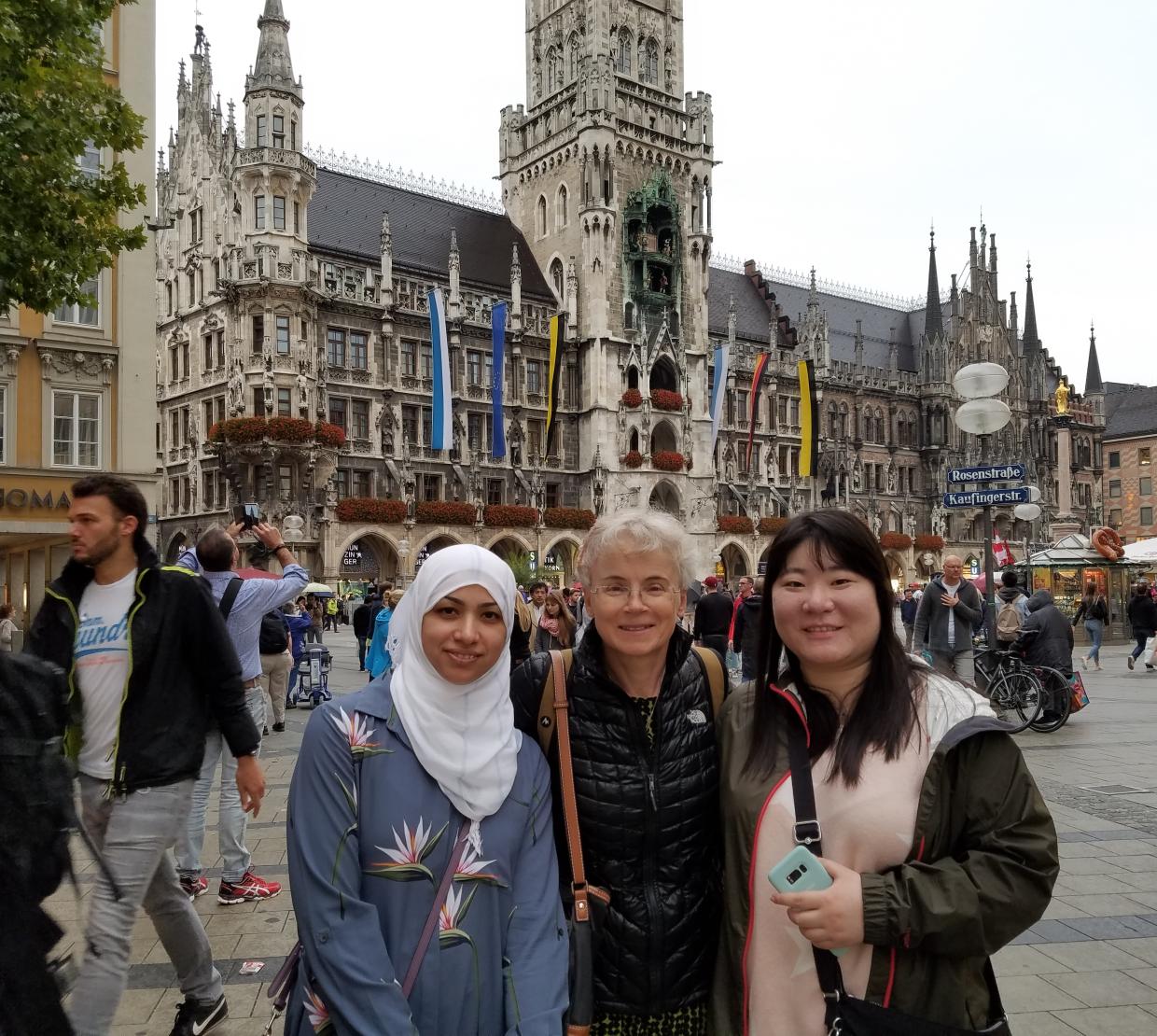
OSU mathematics Ph.D. student Choah Shin (right) with mathematicians Malgorzata Peszynska and Azhar Alhammali (left)

The 2019-2020 Larry Martin and Joyce B. O’Neill Fellowship was awarded to fifth-year mathematics Ph.D. student Choah Shin. The award supports her research on the theoretical and applied aspects of modeling processes associated with the sub-sea sediments of methane hydrate, an energy resource with documented impact on the climate. The fellowship, endowed by Larry Martin and his wife Joyce O’Neill, recognizes students who demonstrate high achievement and whose research involves computational modeling.

The competitive award, designated for graduate students in the College of Science, provides full tuition with an annual stipend of $25,000. Larry Martin (B.S., ’59) is a mathematics and engineering alumnus who had a successful career as a mathematician focusing on modeling for companies such as Lockheed Martin and IBM. After a successful career at IBM, he created, bought and invested in companies, sometimes running them but most often focusing on software and consulting. Martin was the owner of Troon Vineyard in southern Oregon's Applegate Valley which he sold in 2017.

The O’Neill Fellowship acknowledges Shin’s numerous research accomplishments. Her advisor, mathematics professor Malgorzata Peszynska, praises Shin for making “incredible progress on her path towards becoming a computational scientist” and developing “an independent critical viewpoint of computational science” that is responsive to mathematical analysis and the relations between mathematics and “important real-world applications.”

Shin’s broad research experiences span several sub-projects involving simulations for environmental and energy applications. These projects have landed her two prestigious internships in national labs and resulted in more than 20 research presentations comprising posters, invited talks and seminar presentations regionally and internationally. Always passionate about mathematics, Shin is steadily building a career in the field.

Her family moved to Chicago from Daejeon in South Korea just before Shin entered ninth grade. Thanks to her advanced mathematical skills honed by the Korean education system, Shin was placed in upper-level mathematics classes with juniors and seniors in her high school. “That math class was also easy for me. Although I had difficulties with the English language for the first few years,” remarked Shin.

After completing high school, she enrolled at the University of Illinois at Chicago to study mathematics. There she received a B.S. in mathematics (Honors with Distinction) and a M.S. in energy engineering. Shin applied to the Ph.D. program in mathematics at Oregon State University after discovering Peszynska’s research, which, to her delight, lined up perfectly with her own interests in mathematics and energy.

New frontiers in energy research

Methane hydrate — frozen deposits of natural gas in the sea’s subsurface sediment — found primarily in the Arctic and Antarctica is a double-edged fuel source. When the ice-like methane hydrate deposits melt due to high temperatures or drilling, large volumes of methane gas are produced that escape into the atmosphere. While methane hydrate deposits are viewed as one of the largest sources of natural gas and a viable fossil fuel, methane emissions contribute to global warming and climate change. Moreover, converting hydrate compounds into gas can be risky or unstable, making large-scale extraction or production of this powerful greenhouse gas difficult.

Shin’s mathematical models and theoretical approaches tackle various challenges with respect to methane gas transport and flow through different layers in sub-ocean sediments. Various mechanisms of methane transport depend on how hydrate crystals are deposited between the grains of porous medium; to this aim, Shin implemented a Stokes flow model that works at the micro-scale or pore-level events of gas displacement and movement. Overall, theoretical and practical aspects of Shin’s work contribute to a deeper understanding of the impact of hydrate on the environment.

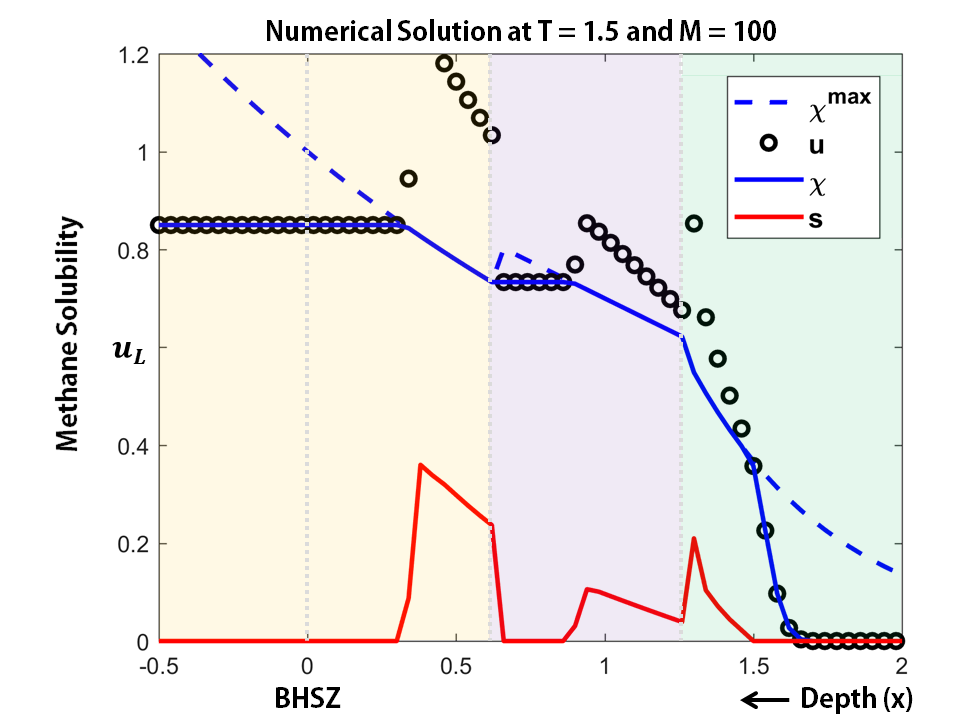
Methane gas transport model

Simulation of methane gas transport in a heterogeneous domain above BHSZ (bottom of hydrate stability zone) with the formation of methane hydrate depicted by spikes of the red curve. The data for this problem is synthetic but resembles typical layers found in subocean sediments; the background color corresponds to the different types of sediment, and the dotted blue curve shows the maximum solubility which depends on the (hypothetical) type of sediment. The solid blue curve shows the amount of methane dissolved in the liquid phase, which must not exceed the dotted curve. When hydrate forms (and red spikes form), the solubility must equal the maximum solubility. The challenges in the simulation are to account for this constraint as well as to represent the spikes accurately (Illustration by Choah Shin).

“Methane is going to be the next energy source for our planet. I am hoping my research will help prevent some environmental issues with methane when it is exposed to air,” said Shin. “I enjoy my research because it is interdisciplinary in nature and combines my interests in mathematics and energy engineering.”

Shin’s growing expertise with varied modeling concepts landed her an internship in summer 2018 with the Pacific Northwest National Laboratory (PNNL) in Richland, Washington. There she worked on developing mathematical models for phase equilibria for a mixture of methane, nitrogen and oxygen in the PNNL lab of Mark White, the lead researcher on an international comparison study of different hydrate models.

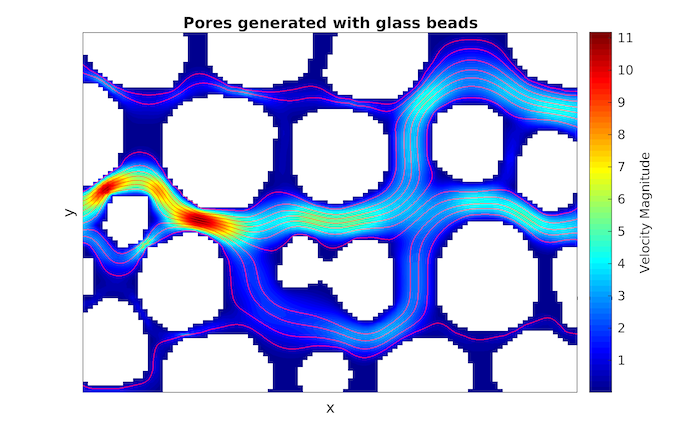
Pores generated with glass beads

Stokes flow in 2D porescale geometry simulated with Choah’s code. Shown are porous grains (white) and the flow velocity magnitude (in color). This simulation can be coupled to methane transport or to biofilm growth which change the flow paths when new semi-permeable solids form in the originally void space available to the flow. (Figure supplied by Choah Shin).

The following year, she was selected as one of the recipients of an NSF Mathematical Sciences Graduate Internship that took her to the National Renewal Energy Laboratory (NREL) at Golden, Colorado. According to Peszynska, Shin’s lab mentor at the NREL designed a project to specifically take advantage of her unique capabilities mixing computational mathematics with her passion for renewable energy resources plus experience with fluids modeling.

Choah’s summer project involved setting up computational solvers (a piece of mathematical software that solves a problem) for simulations of cryogenic helium in the supercritical phase for cooling mechanisms in a range of applications, including quantum computers, superconducting magnets and infrared sensors used in astronomical measurements. Since completing her project, Shin has presented her work at research conferences and is at work on a publication.

“The NREL internship was very helpful for enhancing my programming skills. Although I have done a lot of computational mathematics, the internship gave me the chance to work on supercomputers and with several different languages such as Python, Fortran and C++. I loved it!” Shin said.

Having enjoyed research in national labs immensely, Shin would like to take up a postdoctoral position at a national lab after completing her Ph.D. this year.

“I love doing research, and at the labs I was able to 100 percent focus on my research. I love the possibilities of what I can do in a lab,” mentioned Shin.

In addition to programming experiences, Shin’s internships also broadened her networking and science communications skills and introduced her to influential communities of scientists and collaborators.

Kim Halsey with graduate student taking samples from a river

New grants to advance science that benefits humankind

By Cari Longman

Photo by Hannah O'Leary

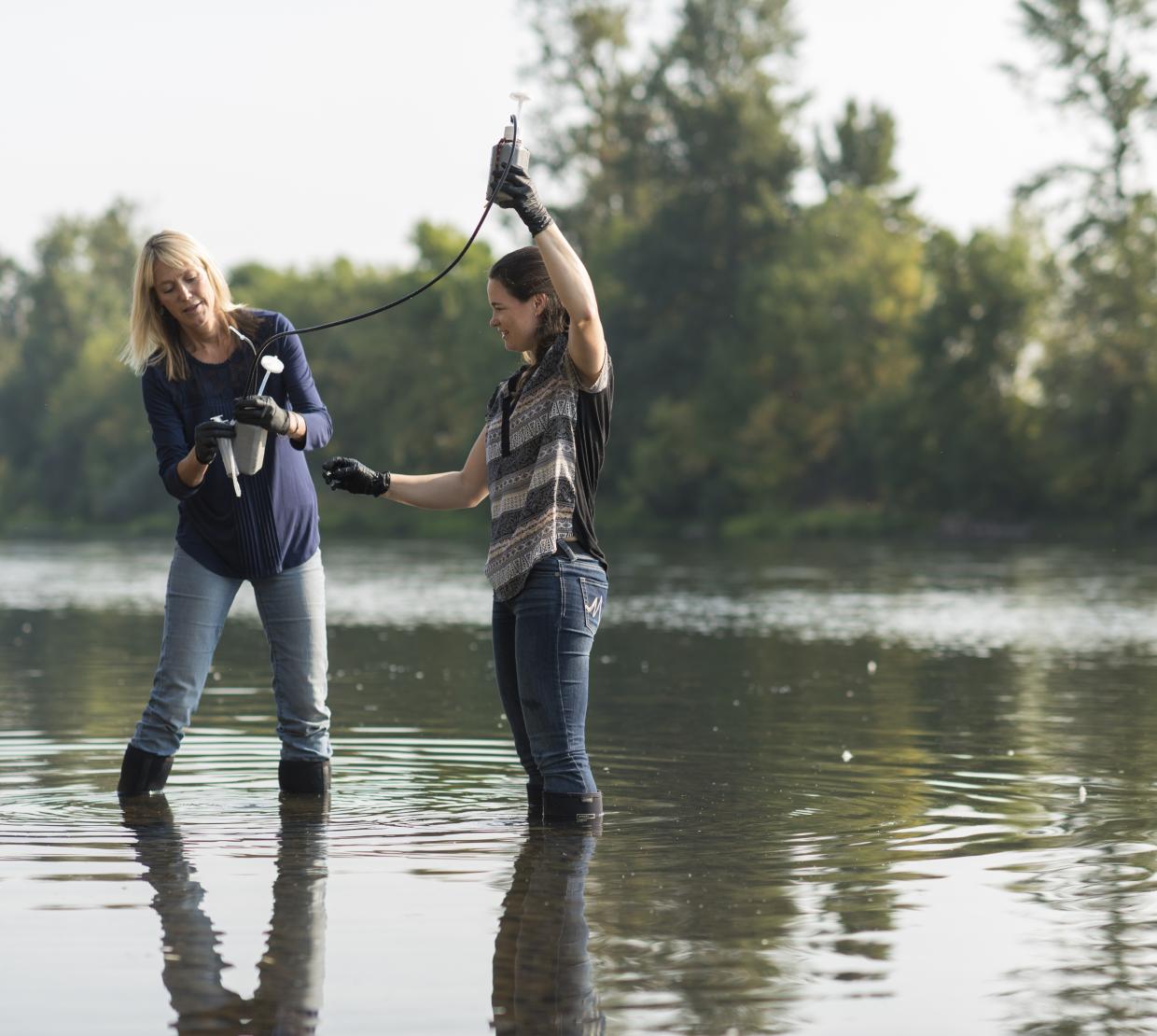
Microbiologist Kim Halsey (left) and postdoc Cleo Davie-Martin collect samples from a river. Halsey is one of four faculty members who received College of Science Research and Innovation Seed (SciRIS-ii) awards. She will study the potential to detect toxic algae blooms in freshwater and marine ecosystems.

How can we better understand how devastating plant diseases are spread? Is there a better statistical model to predict HIV prevalence in a city? Is there a way we can detect toxic algae blooms in freshwater and marine ecosystems before they occur? And of the hundreds of thousands of different metal-organic frameworks (MOFs) in the world, how can we can better find the ones that are most useful for storing and separating gases, like CO2 from industrial plants?

Curiosity is critical for discovery. Asking the questions above led five faculty members to receive College of Science Research and Innovation Seed (SciRIS-ii) and Betty Wang Discovery Fund awards this February to pursue answers over the course of the next year. Their proposals all showed transformative potential and progress toward new frontiers of science and aimed to strengthen collaboration with external research partners. Below is more detail about each of their proposals.

Mathematics Professor Vrushali Bokil was awarded $8,000 to use modeling techniques to understand the spread and control of plant diseases caused by coinfecting viruses. She will focus on Maize Lethal Necrosis (MLN), an emerging disease in Kenya and other parts of Africa that is caused by coinfecting viruses and spread by insects called Thrips, as a test case. Her team’s goals are to use stochastic models and optimal control theory to understand the mechanisms that drive patterns of coinfection in plant populations and effective techniques for controlling the spread of disease in crops and natural grasslands.

In collaboration with the Centers for Disease Control and Prevention (CDC), Statistics Assistant Professor Katherine McLaughlin received $10,000 to explore the use of new statistical methodologies to estimate the number of people who inject drugs in metropolitan areas. The research project, supported by the privately-funded Disease Mechanism & Prevention Fund at the OSU Foundation, has a goal of refining current methods to produce improved population-level demographic, behavioral, disease prevalence and population size estimations. This will aid the CDC in their efforts to contain or slow the rate of HIV in metropolitan areas across the U.S.

Microbiologist Kimberly Halsey was awarded $10,000 to examine the potential for real-time, automated volatile organic compound (VOC) detection as early-warning signals of toxic harmful algal blooms (HABs) in freshwater and marine ecosystems. HABs are increasing in intensity and severity due to climate change and nutrient loading from agriculture and other human-related activities. Some HABs can become toxic to humans and animals. Halsey will use data integration to merge aquatic microbiome data with environmental properties and VOC signatures to identify determinants and trajectory of the annual toxic HAB at Upper Klamath Lake, Oregon.

Physicist David Roundy was also awarded $10,000 to develop new flat histogram Monte Carlo molecular simulation methods to accelerate the discovery of metal-organic frameworks (MOFs) for applications in storing and separating gases. MOFs are crystalline materials that harbor nano-sized pores that have the potential to be used in a variety of clean energy applications, from hydrogen and natural gas storage to capturing carbon dioxide from coal-fired power plant flues. His study aims to enable scientists to accurately predict the absorption properties of hundreds of thousands of MOFs and accelerate the rate of MOF discovery for clean energy applications.

In addition, chemistry professors Kyriakos Stylianou and May Nyman, along with Todd Miller from the Advanced Technology and Manufacturing Institute (ATAMI), received $30,000 from the Betty Wang Discovery Fund to purchase a microwave reactor to integrate on the continuous flow reactor to accelerate the discovery and production of inorganic materials like MOFs. The Betty Wang Discovery Fund supports equipment acquisitions and laboratory infrastructure improvements to advance fundamental discoveries in science. Microwave heating has recently emerged as a powerful method for the preparation of inorganic materials at the laboratory scale, reducing synthesis time down to a few minutes without affecting the product quality or reaction yield. The new machinery will allow the team to investigate the potential of new MOFs to capture carbon in laboratory and industrial applications.

The projects will run for one year, ending next February 2021.The SciRIS program provides funding in three stages for high impact collaborative proposals that build teams, pursue fundamental discoveries and create societal impact. The awards range from $10,000 to $125,000 for various stages of the program and are supported in part by generous alumni and friends, and grants from the U.S. Department of Defense and National Institutes of Health.

Subscribe to Awards & Recognition