Awards & Recognition

Awards & Recognition

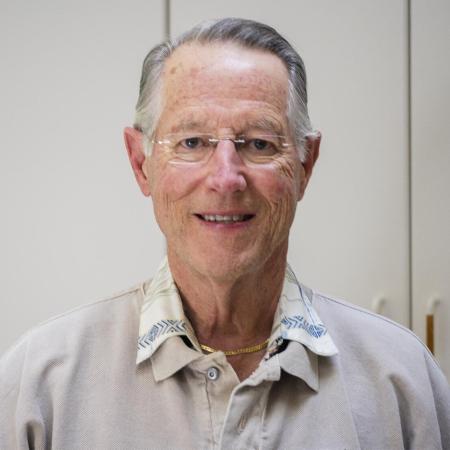
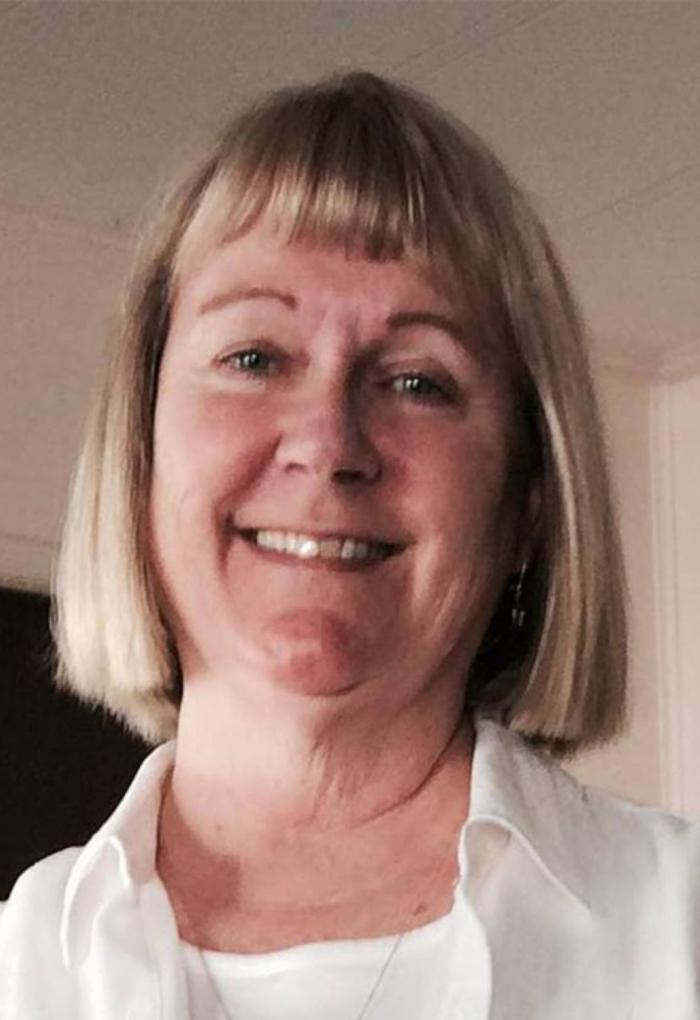
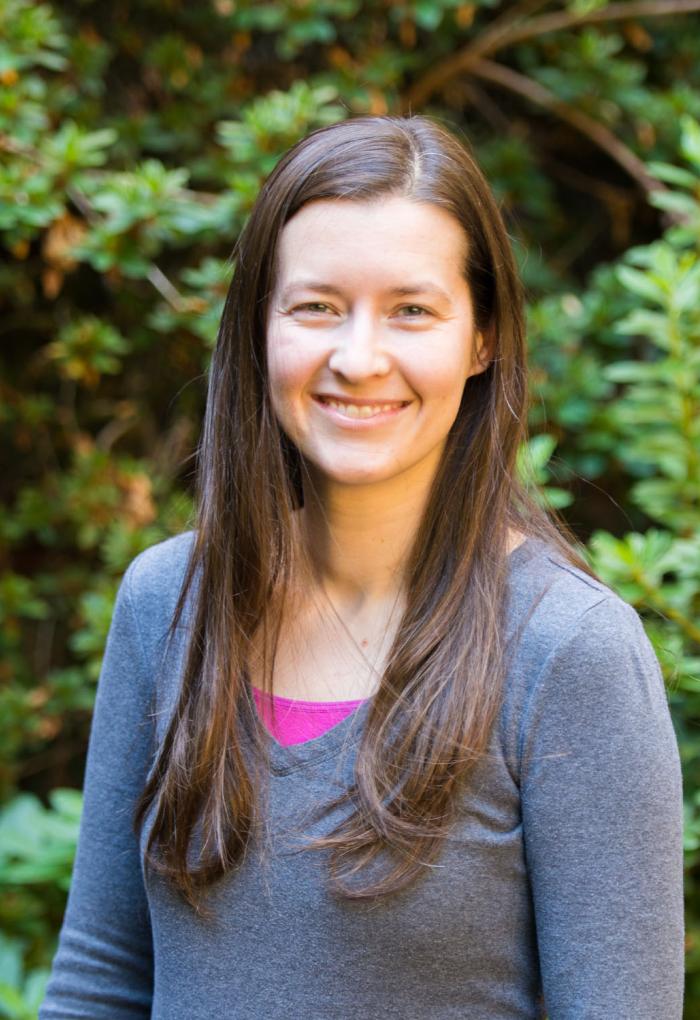
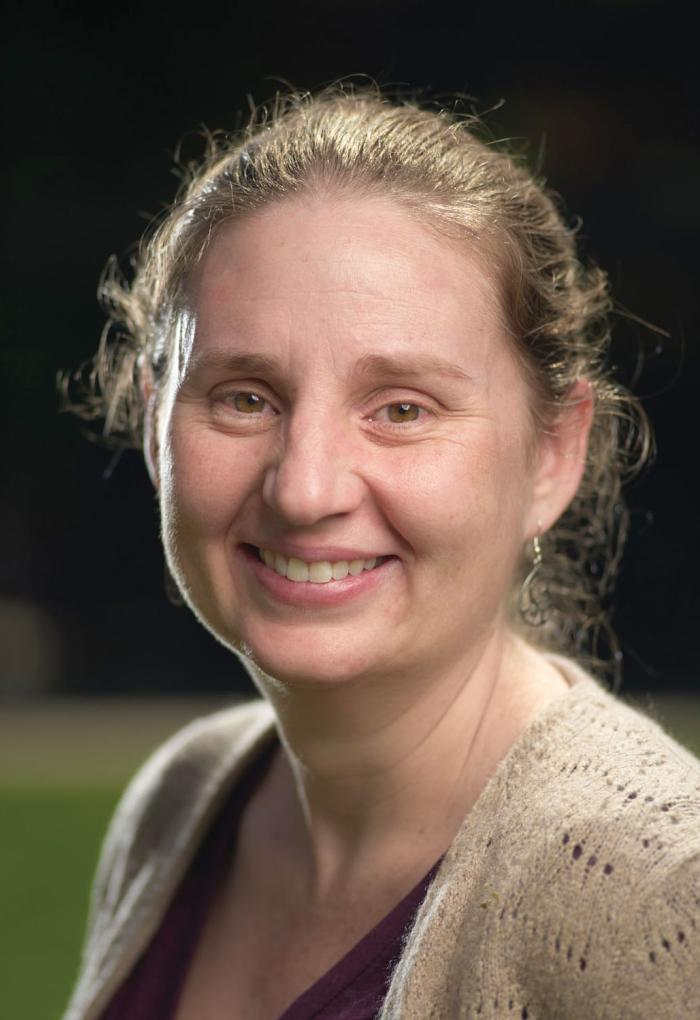
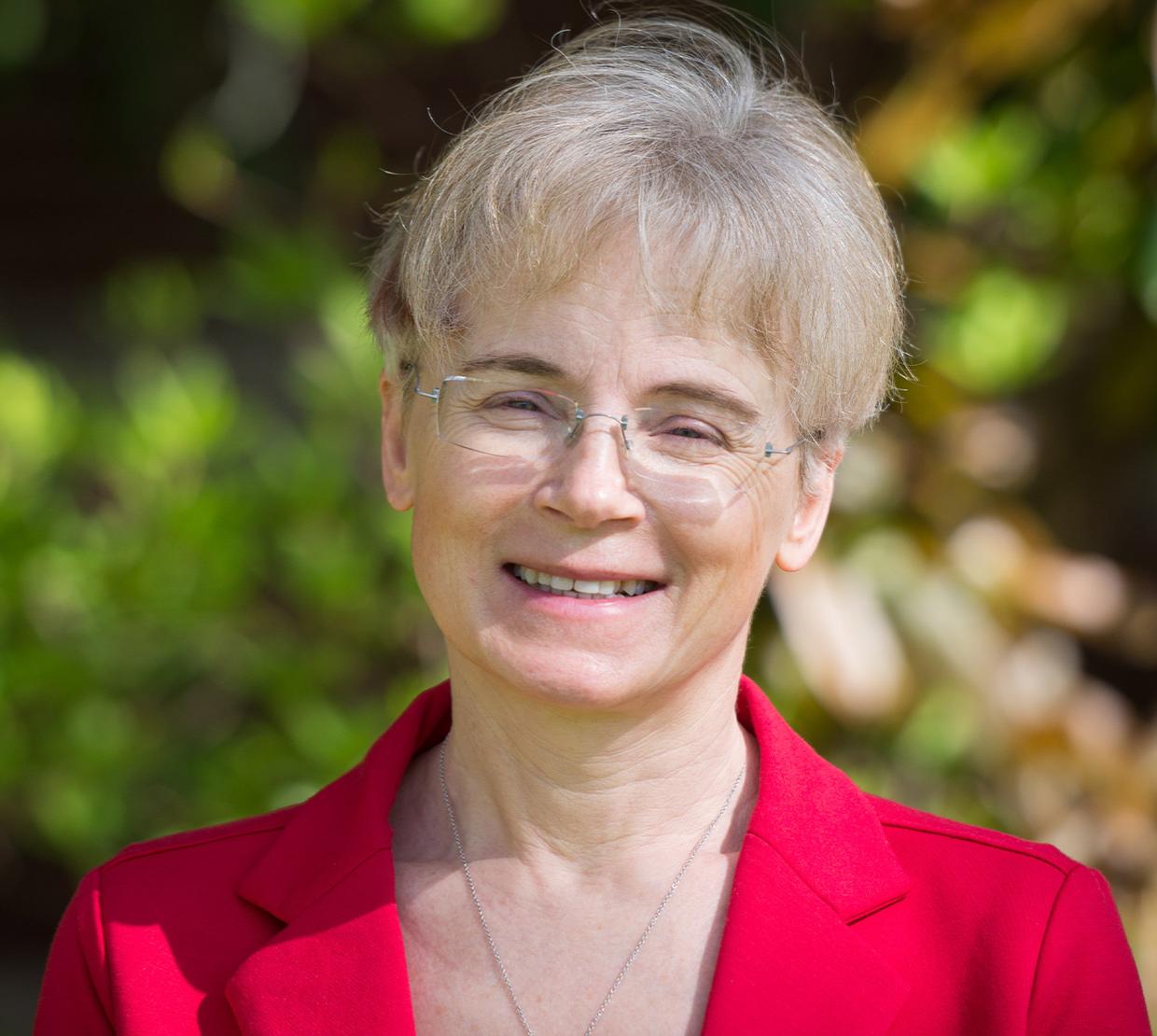
Headshot of Malgo Peszynska smiling with bushes behind her

New endowed faculty scholar position honors late professor

By Hannah Ashton

Joel Davis Endowed Faculty Scholar Malgorzata Peszynska

Mathematics Professor Malgorzata Peszynska has been named the inaugural Joel Davis Endowed Faculty Scholar.

Honoring late College of Science Professor Joel Davis, the award supports a faculty member in the Department of Mathematics who focuses on numerical analysis research.

Davis worked at Oregon State University for 31 years, serving on the Faculty Senate and the Mathematics Department Advisory Committee. Tragically, two weeks after retiring, Davis died in a bike accident in Corvallis in 1995.

Jerry Jacoby, one of Davis’s former students, wanted to honor his mentor by creating the award. He earned three OSU degrees, including a bachelor’s and master’s degree in mathematics.

“Although I never met him, Joel Davis must have been an incredible professor who affected many students. I feel humbled to receive this award,” Peszynska said. “It will be wonderful to explore the opportunities this award creates.”

Peszynska has been at Oregon State for 19 years. During that time she has received numerous awards including the College of Science Champion Award, the Joel Davis Faculty Excellence Award and the Graduate Faculty Award.

Her research includes applied and computational mathematics modeling of real-life phenomena, such as flow, transport and other coupled processes. Her interdisciplinary projects have included the fields of hydrology, oceanography, statistics, environmental, petroleum, civil and coastal engineering, physics and material science.

From 2019 to 2021, she served as a program director at the National Science Foundation in the Computational Mathematics program.

Internationally, Peszynska was elected a 2020 fellow of the American Association for the Advancement of Science. She was honored for her “outstanding contributions to multidisciplinary mathematical and computational modeling of flow and transport in porous media.” She was also awarded the Society for Industrial and Applied Mathematics Career Prize in Geosciences in 2021.

The faculty scholar award committee noted Peszynska’s extraordinary record of accomplishments in research and success educating and mentoring students at Oregon State and beyond.

“My motto is ‘Pay it forward,’” Peszynska said. “I am sure I’ve had supporters, many of whom I didn’t know who they were. I can’t pay them back directly, but I can pay it forward to the students and other junior computational scientists and to the computational mathematics community.”

The committee also pointed out Peszynska’s numerous leadership roles in national and international arenas. She has served leadership roles within the Society for Industrial and Applied Mathematics, the Association of Women in Mathematics, Mathematics Department Graduate Committee, Oregon State President's Commission on the Status of Women and Oregon State Faculty Senate Committee.

Peszynska will hold the faculty scholar position for three years.

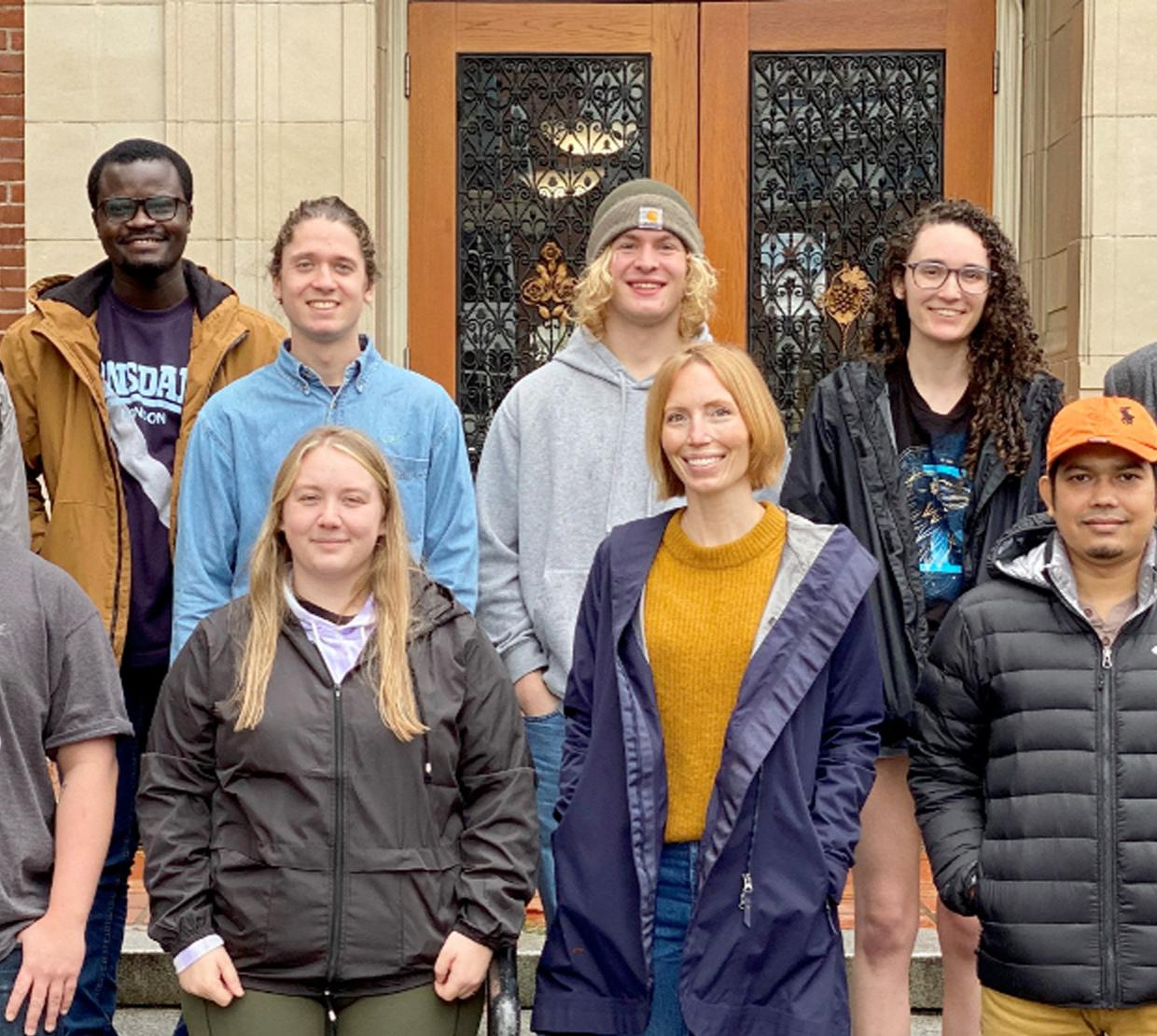
Graduate students standing on the steps in front of Kidder Hall.

New Graduate Students 2021-2022

Front Row: Ranoa, Posch, Jones, Chowdury; Back Row: Holm, Tuffour, Harrison, Radke, Pfeiffer, McCollum; Not Pictured: Abeysekara, Valloud, Angulo Barba, Cornelius

The Mathematics department welcomed 14 new graduate students this fall, five enter with a Masters, nine with a Bachelors; four were awarded scholarships!

  • Sachini Abeysekara – International student from Sri Lanka – Bachelors from University of Peradeniya
  • Fernando Angulo Barba – Masters from University of Michigan-Ann Arbor
  • Kamrul Chowdury – International student from Bangladesh – Masters from Chittagong University of Engineering and Technology
  • Erwin Cornelius – Masters from Illinois State University
  • Nicholas Harrison – Masters from Western Washington University
  • Jackson Holm – Bachelors from Montana State University-Bozeman
  • Sarah Jones – Bachelors from Southern Oregon University
  • Jon McCollum – Masters from California State University-East Bay
  • Peyton Pfeiffer – Bachelors from University of Redlands
  • Lily Posch – Bachelors from Western Oregon University
  • Zach Radke – Bachelors from Portland State University
  • Jason Ranoa – Bachelors from University of Wisconsin-Parkside
  • Prince Tuffour – International Student from Ghana - Bachelors from Kwame Nkrumah University of Science and Technology
  • Andres Valloud – Bachelors from Western Oregon University

The Math department is pleased to announce graduate students who received awards for the 21/22 academic year.

The Math department had 3 students who had their Wei Scholarships renewed for the 21/22 year. These scholarships are from the Wei Family Private Foundation. This foundation is a non-profit organization, established to honor the memory of Dr. (Mrs.) Chung Kwai Lui Wei and Mr. Hsin Hsu Wei. The purpose of this foundation is to award scholarship grants to students of Chinese heritage with high academic credentials. Fourth year students Chifan Leung and Nachuan Zhang, along with second year student Peter Cowal received their renewals of this award.

“It is my honor to renew the Wei scholarship, which reduces my living expenses and enables me to focus on learning. I would like to express my sincere thanks to the Wei Family Private Foundation.” -- Nachuan Zhang

First year graduate student Erwin Cornelius was awarded a scholarship from the ARCS (Achievement Rewards for College Scientists) Foundation, Oregon Chapter. The ARCS foundation seeks to advance science and technology in the United States by providing financial awards to academically outstanding students.

“The ARCS program award made my decision to attend Oregon State an easy one. Through the generous contribution of the ARCS program, I will be better supported as I work toward my academic goals.” -- Erwin Cornelius

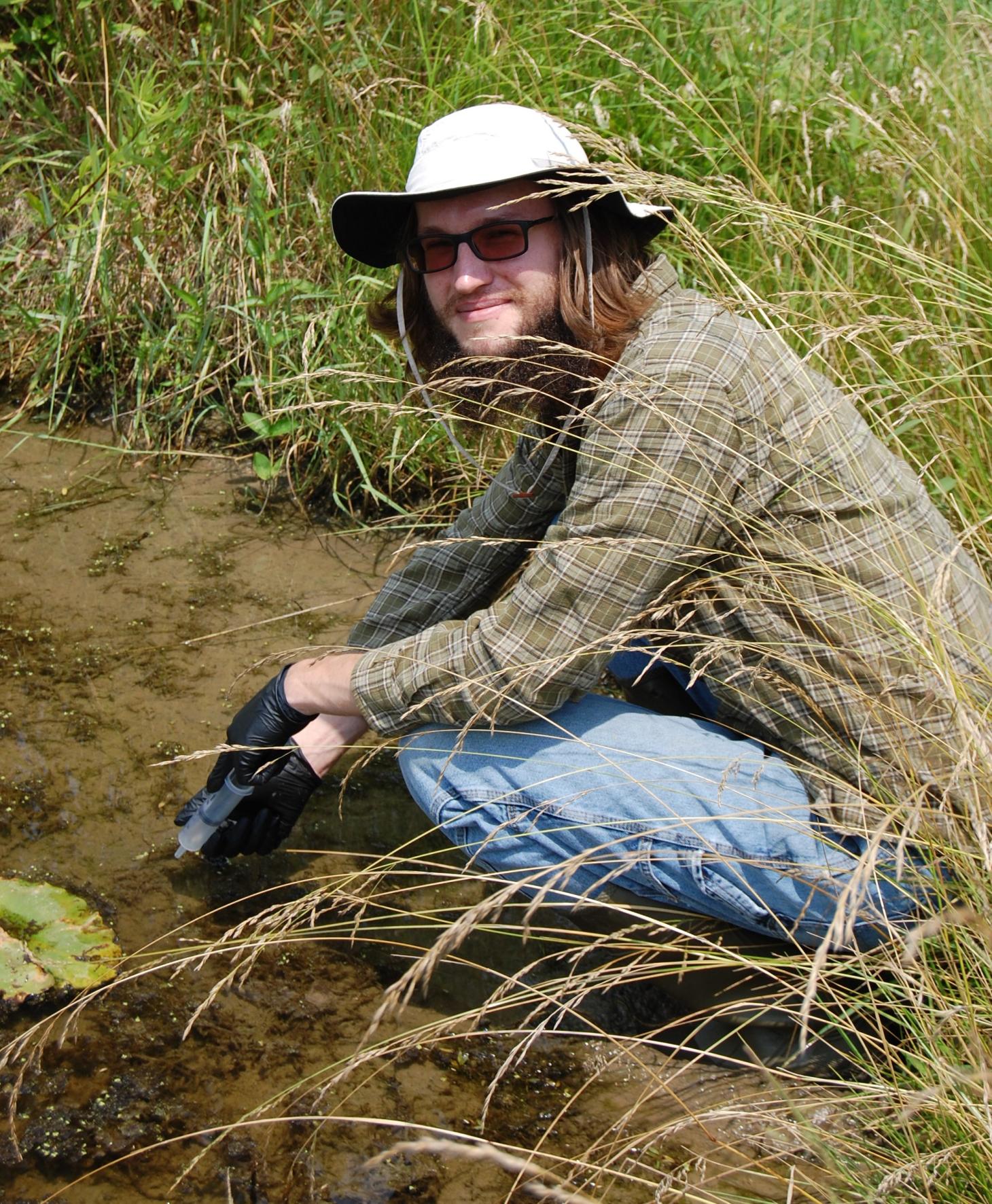
Erwin Cornelius kneeling in grass

Erwin Cornelius

Provost Scholarships were awarded to first year students Jackson Holm and Prince Tuffour. The purpose of the Provost’s Distinguished Fellowship and Scholarship program is to support programs in the recruitment of Oregon State’s most meritorious graduate students. Sachini Abeysekara was also awarded a Provost’s Scholarship and will be joining us in winter term.

“Being a recipient of the Graduate Provost Scholarship has truly been one of the life changing opportunities for me and I am extremely grateful to OSU for giving me this opportunity.” -- Prince Tuffour

Prince Tuffour

Prince Tuffour

“I’m incredibly grateful to have received the Provost Scholarship and to be able to study mathematics at Oregon State. My time here, so far, has been a really positive experience for me and I feel incredibly fortunate to be here and to have received such an honor.” -- Jackson Holm

Jackson Holm

Jackson Holm

Congratulations to these graduate students!


This article was created by the Newsletter/Media Committee. Please email [email protected] with any comments.

black photo with white snowflakes and picture of a cell

2021-22 College of Science awards: Celebrating excellence in research and administration

By Mary Hare

The Faculty and Staff Awards honor outstanding scholarship and research across the fields of basic and applied science that have led to important breakthroughs and the creation of new knowledge.

The College of Science gathered yesterday on February 22 to recognize academic and teaching excellence of our esteemed faculty and staff at the College's 2021-22 Combined Awards Ceremony. The first half of the ceremony celebrated exceptional research and administration, while the latter half recognized stellar teaching, advising and mentoring.

"I am always inspired by this opportunity to honor our outstanding colleagues together and to celebrate the privilege of collaborating at a land grant university that prizes research, scholarship and learning," said Dean Roy Haggerty.

The Faculty and Staff Awards honor outstanding scholarship and research across the fields of basic and applied science that have led to important breakthroughs and the creation of new knowledge. The impact of their contributions has resonated far beyond Oregon State University, bringing honor to our College and global recognition from the broader scientific community.

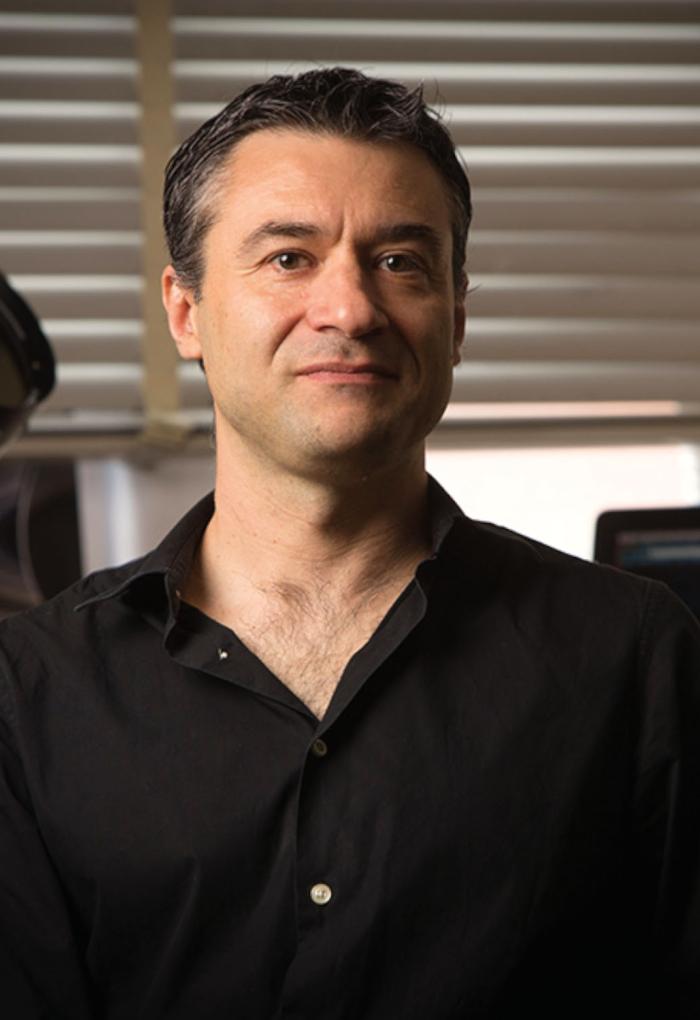
Man in black shirt standing in front of window

Physics Professor Davide Lazzati

Milton Harris Award for Basic Research in Science

Davide Lazzati, professor and department head of physics, received the Milton Harris Award for his outstanding work in the field of high-energy astrophysics. His well-funded and productive research endeavors have helped boost OSU's core astrophysics community to the top of its field.

This award was endowed by G. Milton Harris, a Portland native who received his bachelor’s degree in 1926 from OSU and his Ph.D. from Yale University. He was a pioneer in polymer, fiber and textile science and was the founder and for many years president of Harris Research Laboratories, which later became part of Gillette. The purpose of the Milton Harris award is to recognize exceptional achievement in basic research by honoring an outstanding faculty member in the College of Science.

"It was Dr. Lazzati's work that offered the correct interpretation of the signal and which has helped reshape our understanding of the most powerful events in the universe"

Lazzati's work drew considerable attention in 2017, when a historic merger of two massive neutron stars produced gravitational waves followed by a burst of gamma rays and, subsequently, other forms of light. It was an event that shocked the astrophysical community, but one that had been correctly predicted by Lazzati's computational astrophysics group several months before the merger occurred.

His team was the first to realize that a binary neutron star collision produces narrow beams of electromagnetic waves called Short Gamma-Ray Bursts that can be detected as brief bursts of luminosity in our own galaxy. This phenomenon, he argued, is repeated in all binary neutron mergers, even when their beam of radiation is off-axis and points away from earth.

"It was Dr. Lazzati's work that offered the correct interpretation of the signal and which has helped reshape our understanding of the most powerful events in the universe," said Distinguished Professor of Physics Janet Tate, who nominated him for the award.

Since 2010, Lazzati's work has been supported by more than 2.2M from NASA, the National Science Foundation and other agencies, as well as an NSF Early Career Development Award which he received in 2012 while at NC State University. In 2021, he received Oregon State University's Impact Award for Outstanding Scholarship.

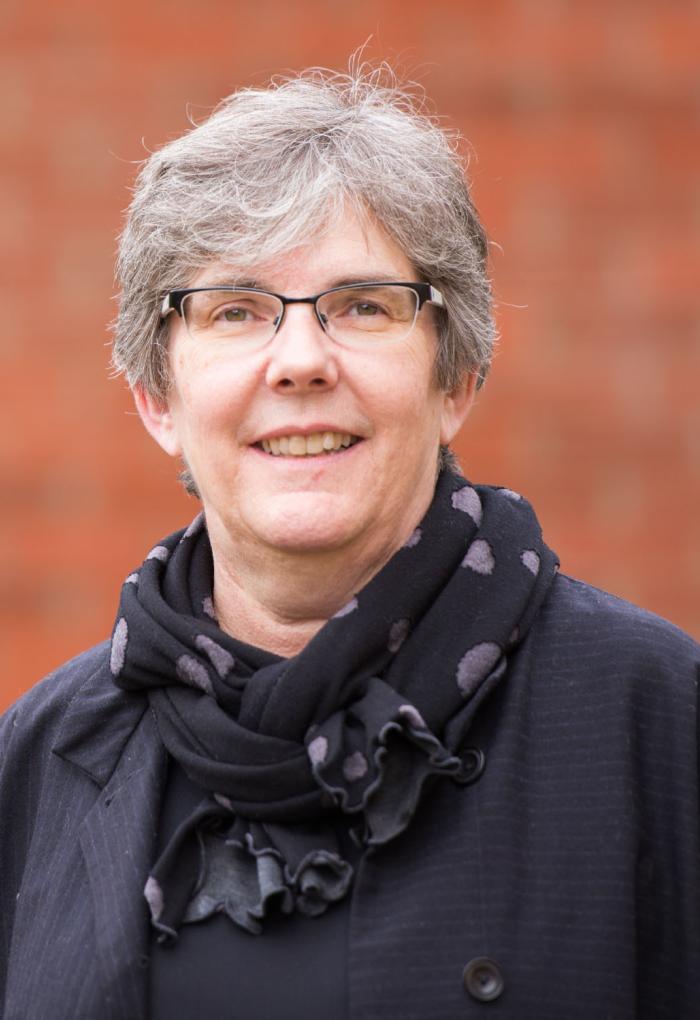
Woman in a black shirt in front of a red background

Physics Professor Heidi Schellman

F.A. Gilfillan Award for Distinguished Scholarship

Professor Heidi Schellman received the Gilfillan Award, which honors faculty members in the College of Science whose scholarship and scientific accomplishments have extended over a substantial period of time, especially faculty whose research careers have had a significant impact on his or her field.

Born in 1893, Gilfillan’s career at OSU spanned over 60 years as a student, professor of chemistry, acting president and Dean of the College from 1939 to 1962. The award was established by his family to honor his life, service and contributions to the College, university and the field of pharmaceutical chemistry.

Schellman’s distinct contributions to experimental particle physics date back to the 1980's. A highly respected leader in a subfield in which women have even lower representation than in physics generally, Schellman has been a cornerstone of the department; serving as chair for seven years, and amassing more than 4.4M in funding since 2015 alone. Per Tate, "as one colleague put it, 'her CV is simply exhausting!'"

Schellman's research focuses on the interactions of neutrinos - tiny particles that may be the reason that matter itself exists. Neutrinos are the most abundant particle in the universe, although few people know of their existence - let alone are able to study them.

Serving several leadership positions for the Deep Underground Neutrino Experiment (DUNE), an international collaboration of 1400 scientists, Schellman has helped several projects to launch a neutrino-scattering apparatus that they hope will help answer fundamental questions concerning the origin of matter and black hole formation.

Schellman has amassed nearly 700 peer-reviewed publications and an h-index of 113 from her contributions to several well-known scientific collaborations, risen to important leadership positions, and mentored many successful young scientists. She was recognized in 2015 by the American Physical Society’s Division of Particles and Fields with their Mentoring Award.

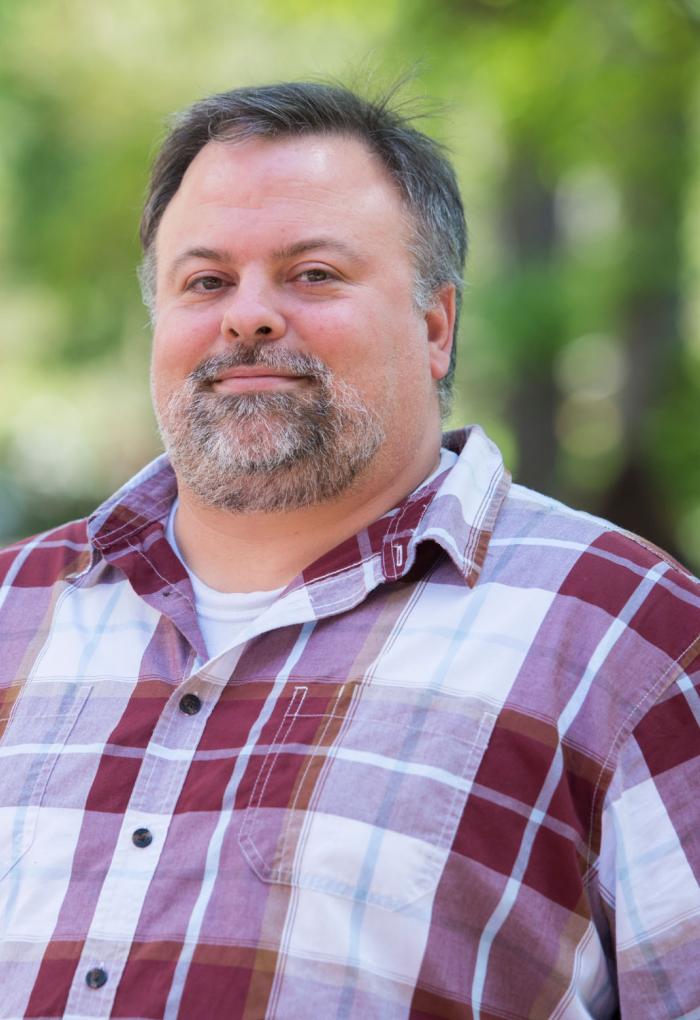
Photo of man in plaid shirt standing outside

David Hendrix, associate professor of biochemistry and biophysics

Dean's Early Career Achievement Award

Computational biochemist David Hendrix received the Dean's Early Career Award, which recognizes exceptional achievement in research and education of faculty no more than four years beyond the tenure date. With joint appointments in biochemistry and computer science, Hendrix' interdisciplinary skills have led to collaborations hat have enhanced research in the College and university.

His research at OSU has focused on applying deep learning approaches to RNA biology, working with collaborators to bring his computational expertise to address biological research questions. Among other innovations, Hendrix has pioneered the use of deep learning in cancer detection based on gene expression data, an approach now gaining in popularity.

"There is more to it than his excellent programming skills. In Dave's hands, the full complexity of biological information emerges"

"There is more to it than his excellent programing skills," said microbiology professor Steve Giovannoni. "In Dave's hands, the full complexity of biological information emerges. As evident from his success, he is solving fundamental problems that have practical real-world impacts on diverse issues."

Since arriving at OSU in 2013, Hendrix has published 24 papers and brought in over $5.9M in funding from the NSF, NIH and USDA. In 2019, he received OSU's University Mentoring and Professional Development Award. On the education side, Dave has created student-centered resources including an open-access bioinformatics textbook. He also helped develop the graduate biological data science minor.

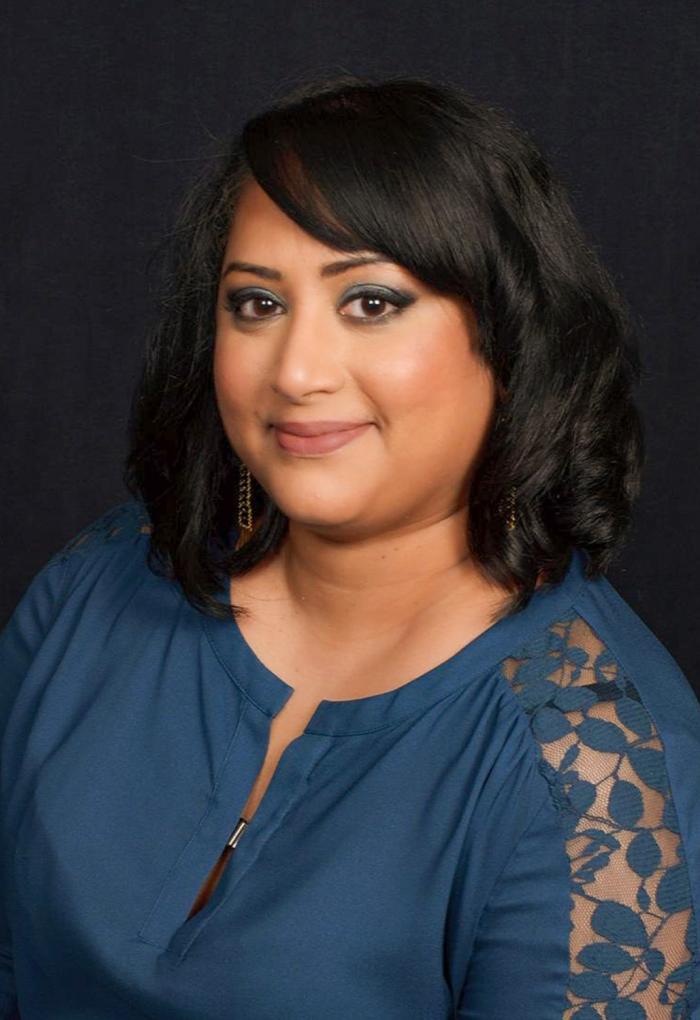
women in glue shirt in front of a black background

Marilyn Mackiewicz, assistant professor of chemistry

Inclusive Excellence Award

Marilyn Mackiewicz, an assistant chemistry professor, received the Inclusive Excellence Award for her extensive commitment eliminating barriers to success in chemistry for students of all backgrounds. In the one year since she was hired at OSU, she has implemented creative tools to improve retention while meeting students at the level they're at.

A 2022 NSF CAREER awardee, Mackiewicz has found the time to develop a “Strategic Doing” process to identify impactful projects that can enhance Gilbert Hall and LPSC as welcoming and inclusive spaces, including a redesign of the Gilbert entryway and the LPSC corridor to showcase research, teaching faculty, emeritus faculty, and alumni.

Mackiewicz has also deeply embedded inclusive excellence in her research and teaching, developing novel courses for undergraduate chemistry majors that explore Careers in Chemistry and Transferable Skills for Chemists. These courses integrate transferable skills development in support of improving the diversity needed in our 21st-century workforce.

Marilyn's potential as a leader has been recognized beyond OSU. The American Chemical Society recognized her work in advancing diversity with the 2020 Northwest Regional Stanley Israel award. She has been invited to present on inclusive leadership practices at Queens University and the plenary at the Women’s luncheon of the 2021 Society of Environmental Toxicology Conference.

man wearing glasses standing in front of a tree

David Maddison, professor of integrative biology

Distinguished Service Award

Integrative biology professor David Maddison received the Distinguished Service Award, which recognizes a faculty, staff or student member whose outstanding contributions helped to support and sustain the quality and effectiveness of our College.

"There must be very few individuals with David's stature who bring the same prolific focus and creative problem solving to their service work."

"He is a true 'servant leader' and he is extremely effective, including at thankless tasks that take a lot of time and attention," wrote Professor Benjamin Dalziel in his nomination letter. "There must be very few individuals with David's stature who bring the same prolific focus and creative problem solving to their service work."

In addition to maintaining an internationally regarded evolutionary biology research program, Maddison also serves as chair of the IB 'space committee' where he coordinates office and research space for the entire department. As part of this duty, he took the initiative to build an interactive digital map to help facilitate fair and effective allocation of space for each faculty member.

He has also taken a lead role facilitating the Cordley Hall renovation, working with architects to communicate the department's needs and helping ensure that faculty's needs are met. "David is the hero of IB's journey with the remodel of Cordley Hall," said Dalziel.

"It is a bit disturbing to imagine where we would be without David's brilliant service work on IB's most strategically important challenges," he said.

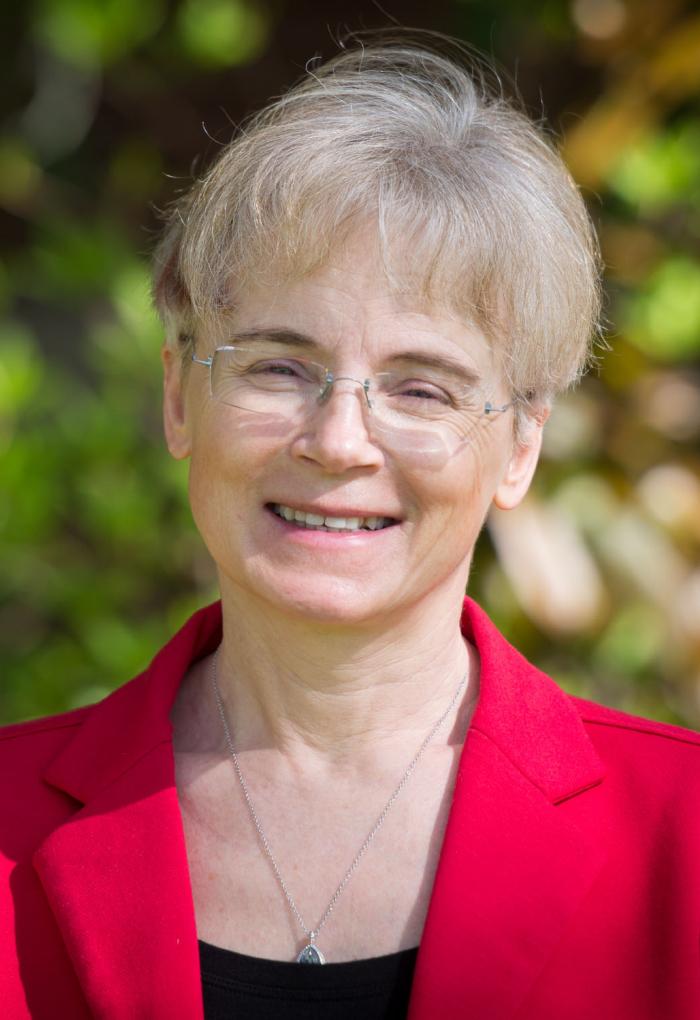
woman in red jacket standing outside

Malgo Peszynska, professor of mathematics

Champion of Science Dean's Award

The Champion of Science Dean's award recognizes individuals who have demonstrated excellence and extra effort that goes beyond what is requested, and the highest quality performance. The award is modeled, including its name, after the President’s Beaver Champion Award, and was presented by Dean Haggerty to applied mathematician Malgo Peszynska.

"Her record of engagement and leadership leaves no doubt that colleagues from Oregon State University, the nation and the world all recognize and seek to engage with her energy and expertise."

Supported by two National Science Foundation awards, Peszynska and her team have combined computational mathematics with geophysical mechanics of hydrate behavior, developing new mathematical models and results to study the transport and evolution of methane gas under the influence of changing sea temperatures, the warming of permafrost, and the huge range of length and time scales for key elements of the geophysical process.

"Her record of engagement and leadership leaves no doubt that colleagues from Oregon State University, the nation and the world all recognize and seek to engage with her energy and expertise," said Haggerty.

Her success has been recognized with numerous awards, including her selection as a 2020 fellow of the American Association for the Advancement of Science (AAAS) for “outstanding contributions to multidisciplinary mathematical and computational modeling of flow and transport in porous media.” In 2021, she received the Society for Industrial and Applied Mathematics (SIAM) Geosciences Career Prize, awarded every two years to outstanding senior researchers in the field.

Gladys Valley Award of Exemplary Administration Support

The Gladys Valley Award recognizes outstanding job performance and dedication by a College staff person to their department and to the College of Science. This year it awarded jointly to Tony Reyna, business manager for the biochemistry and biophysics department; and Cindy Kent, executive assistant to professors Bruce Menge and Jane Lubchenco.

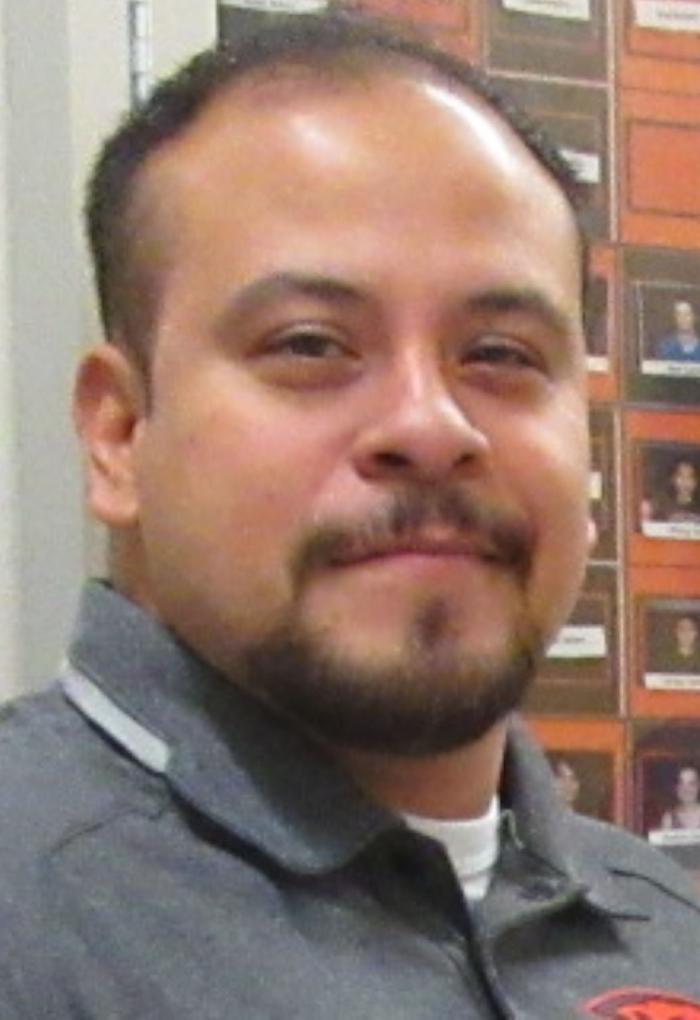
Tony Reyna standing in gallery

Tony Reyna, business manager for the biochemistry and biophysics department

Joining the biochemistry department over five years ago, Reyna is particularly appreciated for his willingness to go above and beyond the scope of his job responsibilities to ensure the office ran smoothly despite numerous trying circumstances. Several nomination letters expressed appreciation for his 'can-do attitude' and ability to solve the most strenuous problems without complaint.

"I personally appreciate Tony's service not only for performing the jobs of two people without complaints, but mostly for his gentle, accepting and understanding attitude," wrote Elisar Barbar, head of the department. "I cannot think of anyone else who worked harder and delivered better than Tony did, and of no one else who is more deserving."

photo of Cindy Kent

Cindy Kent, executive assistant to professors Bruce Menge and Jane Lubchenco

For more than 21 years, Cindy Kent has worked with Wayne and Gladys Valley Chairs Jane Lubchenco and Bruce Menge to ensure that their joint lab and research powerhouse continues to run smoothly. She also acts as confidential assistant to Lubchenco, who is currently serving as Deputy Director for Climate and the Environment.

"She routinely interacts with everyone from an individual with ‘the’ answer to climate change or an oil spill to heads of state, executives in philanthropy or civil society, members of Congress, alumni, and prospective students," according to the nomination letter. "Cindy has been an invaluable member of the group, and serves as the glue that helps everyone function effectively and efficiently."

Stephanie Bollman stands outside in front of trees

Stephanie Bollmann, senior faculty research assistant

Outstanding Faculty Research Assistant Award

Stephanie Bollmann received the Outstanding Faculty Research Assistant Award for her outstanding job performance and contributions to the success of Michael Blouin's lab in the integrative biology department. This award is given to an individual each year who has chosen a career as a Faculty Research Assistant (FRA), Senior Faculty Assistant (SFRA) or Research Associate (RA) and has a record of outstanding job performance and contributions.

Bollmann has been working in the Blouin lab for seven years, with wide-ranging duties including project management, DNA/RNA and protein bench work, fish sampling and resource management. She has published regularly, single-handedly tackling large projects despite challenging circumstances.

"In particular, the work on the fitness of hatchery and wild salmon has had a big impact on hatchery management in Oregon and the Pacific Northwest," Blouin wrote. "Stephanie was an essential part of those publications. She has had a huge role in the success of my lab."

Known for her particular skill in bioinformatics, Bollmann's expertise is sought by other labs and collaborators. She also mentors high school students in the summers under the Saturday Academy program to help awaken their interest in science. "She is a relentlessly upbeat, positive, "can-do" person and the students respond to this," wrote Blouin. "I believe Stephanie's commitment to lifelong learning is partly what keeps her so enthusiastic about her work."

A laurel leaf icon with a scroll, surrounded by a border of snowflakes.

2021-22 College of Science awards: Celebrating excellence in teaching and advising

By Grace Peterman

On February 22, the College of Science gathered to recognize academic, administrative and teaching excellence at the 2021-22 Combined Awards Ceremony. The first portion of the ceremony celebrated research and administrative achievements, while the second highlighted outstanding teaching, advising and mentoring.

The College celebrates the Teaching and Advising Awards winners below for their deep commitment to engaging with the student experience and application of mentoring and advising expertise to ensure student learning and success within and beyond the classroom. Effective teaching, advising and mentorship are the very heart of the College of Science’s identity as a robust and thriving community of students and scholars. Driven almost exclusively by students’ nominations, these awards are an opportunity for our community to express gratitude and appreciation for each other.

2022 Teaching, Advising and Mentoring Award Winners

Olaf Boedtker Award for Excellence in Academic Advising

Rachel Palmer, a woman with long hair, smiling.

Integrative Biology Advisor Rachel Palmer

Rachel Palmer, integrative biology advisor, won the Olaf Boedtker Award for Excellence in Undergraduate Advising for her tireless support, efforts and advocacy on behalf of undergraduate students. This award was established in 1988 in honor of Olaf Boedtker, a professor in the Department of Physics who served as Head Advisor in the College from 1973 to 1987. While at Oregon State, he provided exceptional service to students and to the College.

Several students nominated Palmer for this award, praising her dedication and ability to connect and encourage students to achieve their goals.

One student nominator wrote of Palmer: “Right off the bat, Rachel came across as a very happy-go lucky person. She has always been extremely kind and caring at every meeting, treating me as an equal adult and even cracking some jokes that set me at ease. She has always been able to answer every question I had, no matter how specific or vague. I can absolutely tell she wants to help me and set me on the best path possible. Rachel pays mind to each and every student as an individual. She is passionate, inspirational, dedicated and she really knows her stuff!”

Another student had similar feedback for Palmer: “Rachel has made the beginning of my journey towards my Bachelors of Science in Zoology a wonderful experience even through uncertainty. She really goes above and beyond the call of duty, you would not think an advisor could be such a hero.”

“I admire how easily Rachel has helped me find a class schedule that works so well," wrote another student nominator. "She asks important questions, listens to your expectations and executes. One thing she does well is helps me find classes that work well together as far as content.”

Additional nominees for the Olaf Boedtker Award included:

  • Cody Duncan, advisor for integrative biology
  • Allison Evans, instructor of microbiology
  • Jen Olarra, advisor for biology
  • Kari Van Zee, senior instructor of biochemistry and biophysics

Loyd F. Carter Award for Outstanding and Inspirational Teaching (Undergraduate)

Kyriakos Stylianou, a man with a beard.

Assistant Professor of Chemistry Kyriakos Stylianou

This year’s Loyd Carter Award for Outstanding and Inspirational Undergraduate Teaching in Science goes to Kyriakos Stylianou, assistant professor of chemistry.

Every year since 1946, the Loyd F. Carter Award has been presented to two outstanding College of Science faculty members: one for undergraduate teaching and one for graduate teaching. The purpose of the award is to encourage and recognize effective and inspirational teaching. The final selection is based solely on student nominations and voting.

Stylianou’s students describe him as passionate, inspirational and dedicated. “This man is so incredibly intelligent but also one of the humblest people you will ever meet,” one student said.

“He has to be one of the best professors I have had here at OSU,” said another student nominator. “Walking into CH 233, I was super nervous. I heard it was the hardest of the chemistry series. With everyone feeling the burnout of virtual learning, he made sure to make his class engaging and put everything he had into every class.”

Many students praised the learning atmosphere Stylianou creates in his classes and his attentiveness to student needs. “He cares very much about his students and wants to see them succeed. He devotes a significant amount of time inside and outside of class to give them the opportunities and resources they need to be successful in his class, and beyond. He never tries to beat around the bush, always gives you an honest answer, and just wants to see the best in people. The jokes and wise-cracks in class always help to lighten the mood as well.”

Additional nominees for the Loyd F. Carter undergraduate award included:

  • Daniel Myles, senior instructor of chemistry
  • Devon Quick, senior instructor of integrative biology
  • Marita Barth, instructor of chemistry
  • Malcolm Lowry, assistant professor of microbiology
  • Nathan L. Kirk, senior instructor of integrative biology
  • Paul Cheong, associate professor of chemistry
  • Phil McFadden, associate professor of biochemistry and biophysics
  • Scott Geddes, instructor of chemistry
  • Stacey Vaughn, instructor of mathematics

Loyd F. Carter Award for Outstanding and Inspirational Teaching (Graduate)

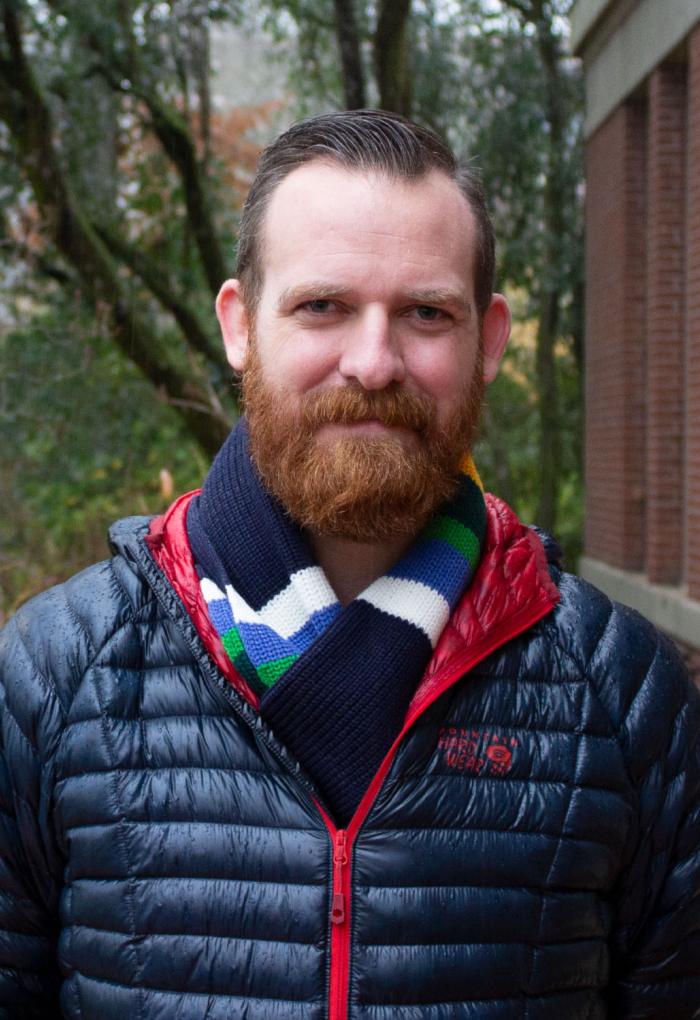
James Molyneux, a man with a beard.

Assistant Professor of Statistics James Molyneux

This year’s Loyd F. Carter Award for Outstanding and Inspirational Graduate Teaching in Science goes to James Molyneux, assistant professor of statistics.

Students nominating Molyneux described him as caring, uplifting and welcoming, and praised his ability to adapt during the pandemic. "He consistently encouraged me and my cohort during the transition from COVID to campus, to keep up our spirits in one of the most difficult academic years of our lives," said one student. "Without him, I would not have gathered the courage to continue moving forward. He is brilliant in the classroom as a professor and a loyal mentor and advocate for our success."

Another student said the following of Molyneux: "He excels at making statistics, a subject which is generally taught dryly and without much passion, relevant to grad students' research and our daily life. He uses timely examples and highlights the nuance of stats, in a way that makes it fascinating instead of frustrating. He was always available for extra help or assistance outside of class, and always seemed willing to discuss other topics than just the class material! He is supportive and compassionate with graduate students, and was the best stats teacher I've had so far at OSU! He also made sure the class content was accessible to students in multiple ways by recording both Zoom and in-person classes, and making the lecture notes easily available. His high-energy and engaging teaching style was apparent in both the in-person and online class I took with him, which I have found to be a rare occurrence in a remote setting!"

Thomas Sharpton, associate professor of microbiology, was also nominated for the Loyd F. Carter graduate award.

Frederick H. Horne Award for Sustained Excellence in Teaching Science

Liz Gire, a woman smiling.

Associate Professor of Physics Elizabeth Gire.

This year’s Frederick H. Horne Award for Sustained Excellence in Teaching Science goes to Liz Gire, associate professor of physics.

This award honors Fred Horne, who served as Dean of Science at Oregon State from from 1986 to 1999. Fred passed away in 2021, a renowned researcher, scholar, teacher and leader.

Fred exemplified the values of our college, embracing a deep commitment to diversity, equity and inclusion in science. He was instrumental in establishing two programs that encourage students of color to pursue and continue their education in science, math and engineering: Science and Math Investigative Learning Experience (SMILE) and the American Indian Science and Engineering Society (AISES).

The purpose of this award is to recognize sustained excellence in teaching science by honoring a faculty member in the College of Science who has repeatedly demonstrated exceptional instructional qualities and has had a significant impact on students over a period of not less than five years.

Liz Gire has earned this award through her tireless dedication to support the holistic student experience. A plethora of students and colleagues wrote at length in support of Gire's nomination. One student nominator said, "Her level of dedication to the genuine support and inclusion of the students in her courses is something I’ve never seen in an educator before. She backs that up with her skill and experience in education and communication that makes difficult content still accessible and enjoyable to learn. She takes every opportunity to build others up, whether that be her students, her teaching team, her research partners or the many people in our department who aren’t any of those things, but still know they can come to her because she is the type of person who will help however and whenever she can."

Another student nominator said, "Liz is a wonderful professor because she is a master at reading the atmosphere of a classroom. Sure, part of this is an intuition that comes from experience, but more importantly, she takes time to ask questions. Each student is expected to grab a small white board and marker at the beginning class. Later when Liz looks out and says, 'write down something that you know about angular momentum' she can measure students’ level of confusion and use student responses to guide the classroom discussion. This makes everyone much more willing to participate in class because they know that she honestly cares for their well-being and success."

Congratulations to all the winners and all the nominees!

A star on a black background

Outstanding incoming graduate students received ARCS Oregon scholarships

By Cari Longman

The College of Science is pleased to announce that five incoming graduate students were awarded 2021-2022 ARCS (Achievement Rewards for College Scientists) Foundation, Oregon Chapter scholarships. ARCS Foundation Oregon seeks to advance science and technology in the United States by funding graduate students. The scholarship provides $18,000 in financial support, payable over three years, to academically outstanding students who are U.S. citizens studying to complete Ph.D. degrees in science, engineering, mathematics, technology and medical research at Oregon Health & Science University, Oregon State University and the University of Oregon.

Through its efforts, ARCS Oregon has supported 301 young scientists with over five million dollars in scholarship funding and encouraged them to follow their scientific passions, earn their doctorates and further scientific knowledge. Funding is made possible through endowed funds, donors and chapter fundraising.

This year, ARCS Oregon is supporting a record number of 79 scholars: 25 at OHSU, 44 at OSU and 10 at UO. The scholars are chosen from selection committees at each institution.

This year’s new Oregon State College of Science ARCS scholars include:

Rand Burnette, Physics

Rand Burnette graduated from Kenyon College in 2021 with a B.S. in physics. Burnette is studying large scale physics such as cosmology, dark matter, dark energy and general relativity.

A man wearing a dark button-up shirt and glasses stands in front of a white wall

Rand Burnette

Erwin Cornelius, Mathematics

Cornelius received the Bergen/Kern Scholar Award from ARCS, given by Marilyn Bergen and Mary Kristen Tooze Kern. His research interests focus on machine learning methods, in particular random forests and neural networks and their applications to biological data.

A man wearing a suit and bowtie smiles in front of a dark background.

Erwin Cornelius

Lucas Kolanz, Physics

Kolanz received the Beth Ray ARCS Foundation Oregon Scholar award given by Edward J. Ray, former Oregon State University president, in memory of his wife Beth, a former ARCS member. Lucas’s research interests include computational physics, “atomic, molecular and optical” physics, biophysics, condensed matter theory and astrophysics.

A man with a mustache and small beard smiles in front of a white wall.

Lucas Kolanz

Sunni Patton, Microbiology

Sunni received the Jill V. Josselyn Endowed Scholar Award from ARCS Foundation Oregon. She received her B.S. in biology from Georgia State University in 2019. She will be working in the Vega Thurber Lab, pursuing research in coral microbiomes to better understand the effects of environmental and anthropogenic stressors.

A blonde woman wearing large black glasses smiles in front of a white wall

Sunni Patton

Hannah Stuwe, Biochemistry & Biophysics

Stuwe received the Bangsund Scholar Award. She obtained her undergraduate degree from Oregon State, graduating in 2019. Her research interests include biophysics, nuclear magnetic resonance, organic synthesis and natural product chemistry.

A woman with purple and blonde hair wears a black dress and poses in front of a marble column

Hannah Stuwe

Read more about the 2019, 2018 and 2017 scholars.

A graphic of a star within a circle, on a background of points of light similar to stars or falling rain.

Alumni Awards highlight impact at home and abroad

By College of Science

These prestigious awards honor alumni and friends for their distinguished professional and personal accomplishments.

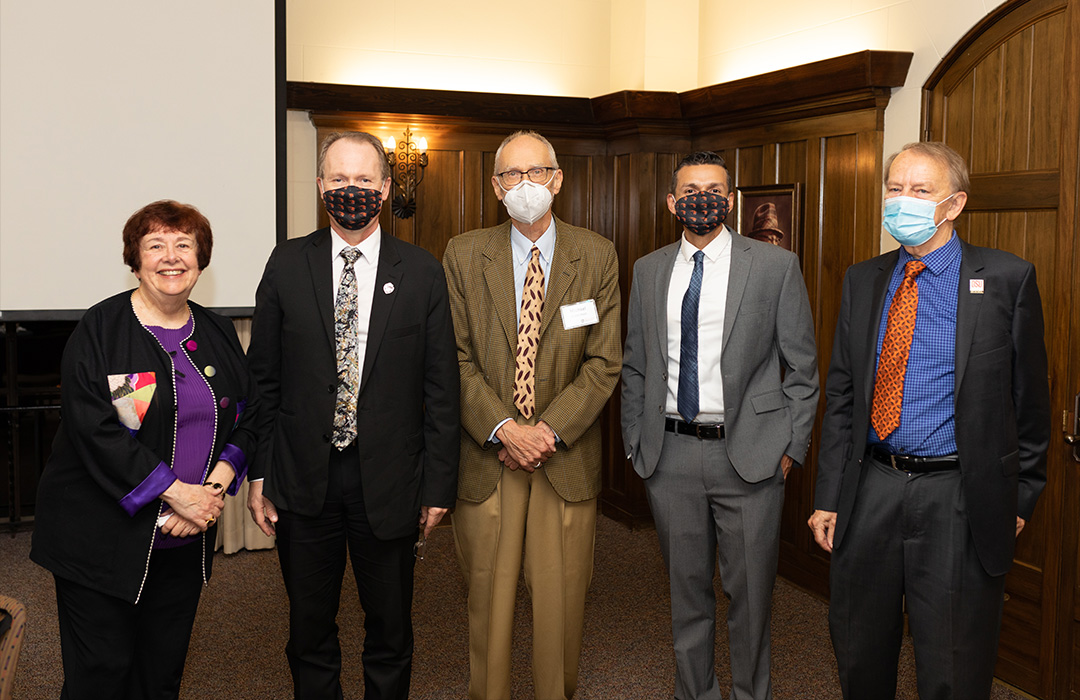
The College of Science community gathered on Friday, November 12, 2021, for the 2021 Alumni Awards, recognizing alumni who stand out in their accomplishments across industry, philanthropy and research.

These four prestigious awards honor alumni and friends for their distinguished professional and personal accomplishments. Their exemplary contributions to science and society bring credit to the College and to Oregon State.

The work of these alumni resonates well beyond Oregon State and has earned global acclaim and the recognition of peers in the wider scientific community. We acknowledge these awardees both for their achievements and their generosity in supporting scholarships and programs that pave the way for the success of future students.

The College recognizes these distinguished alumni with our 2020 and 2021 Alumni Awards:

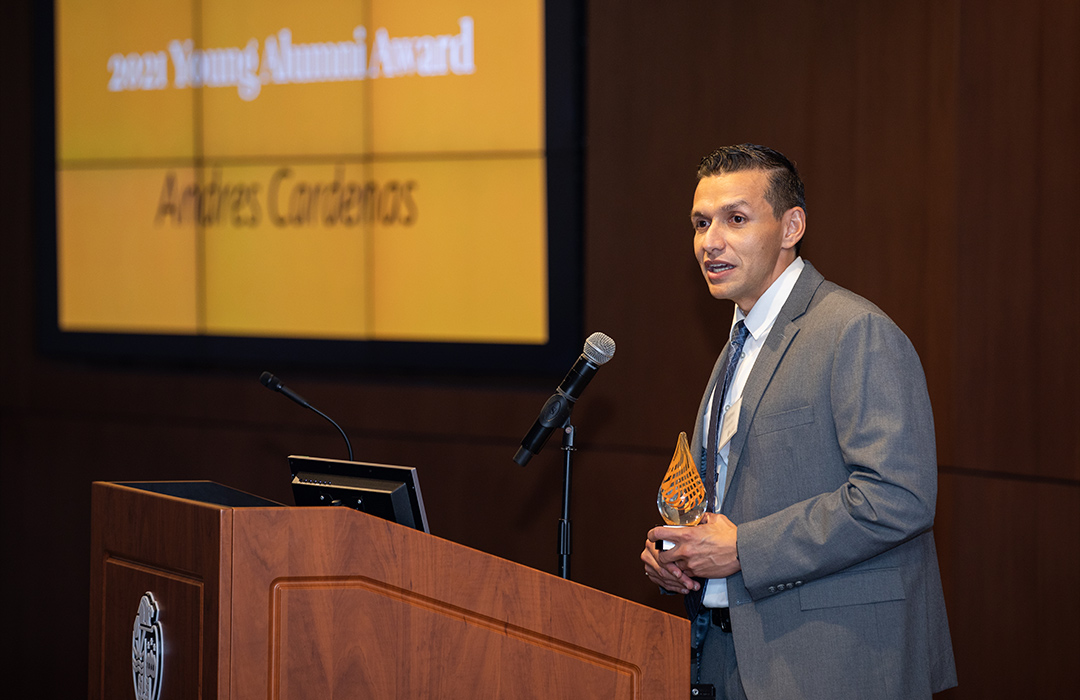
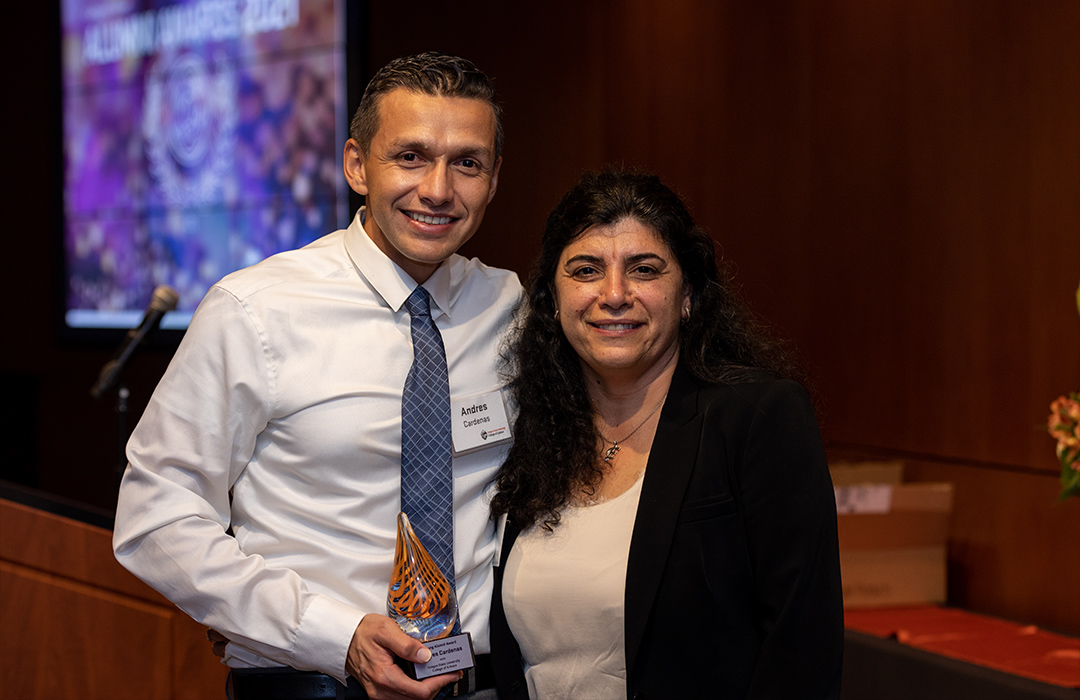
Andres Cardenas (’10) 2021 Young Alumni Award

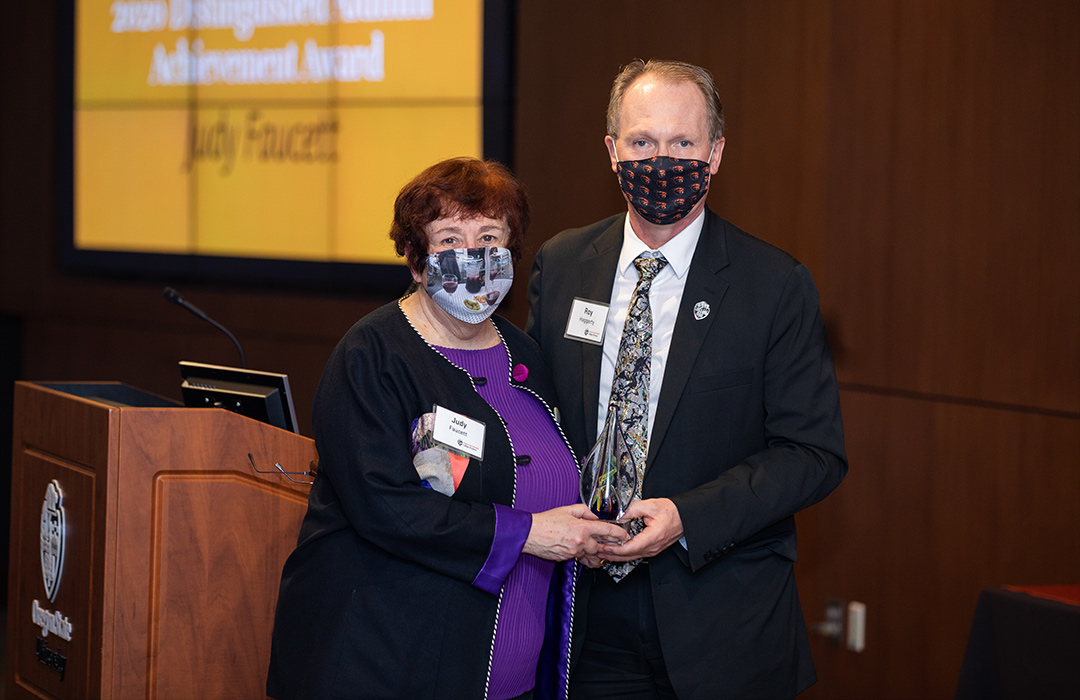
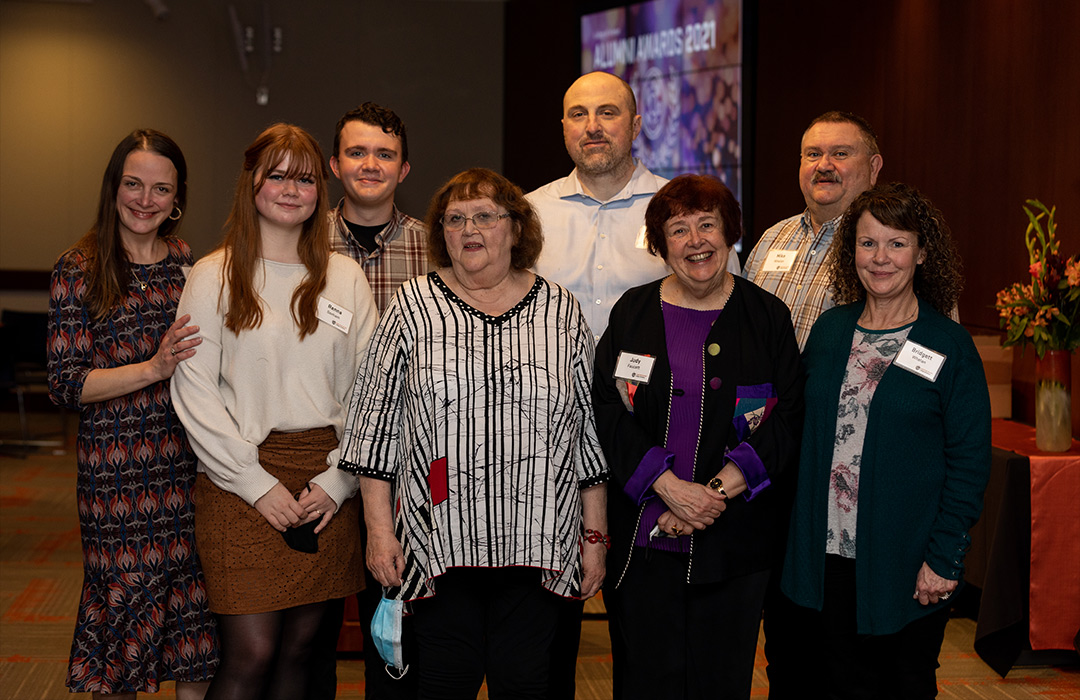
Judy Faucett (’70) 2020 Distinguished Alumni Achievement Award

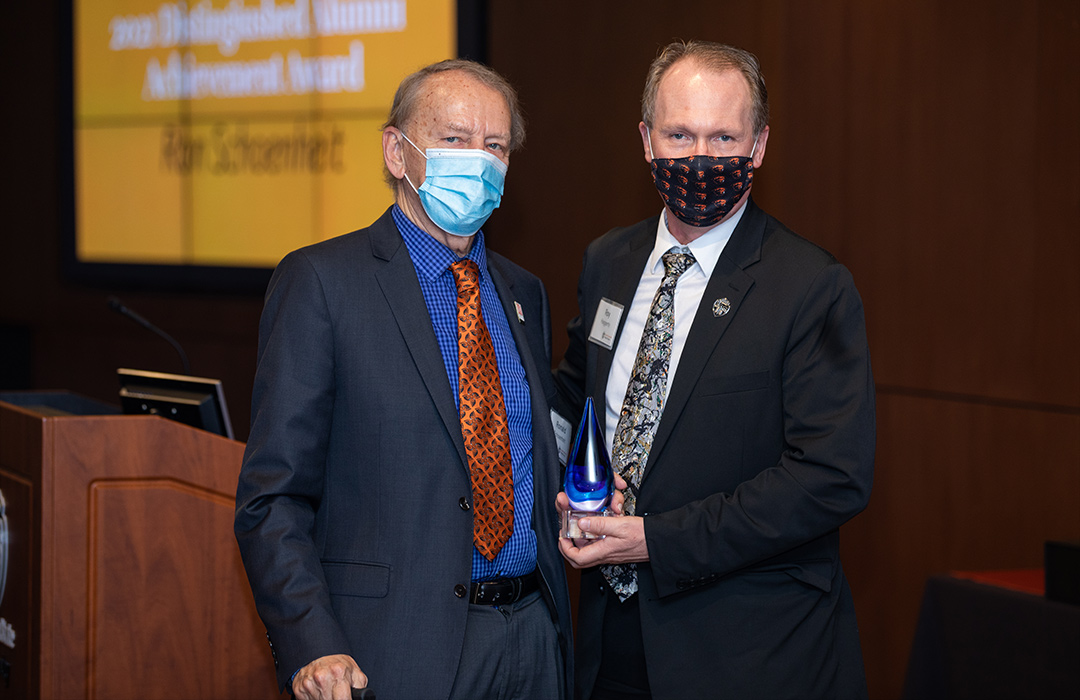
Ron Schoenheit (’65) 2021 Distinguished Alumni Achievement Award

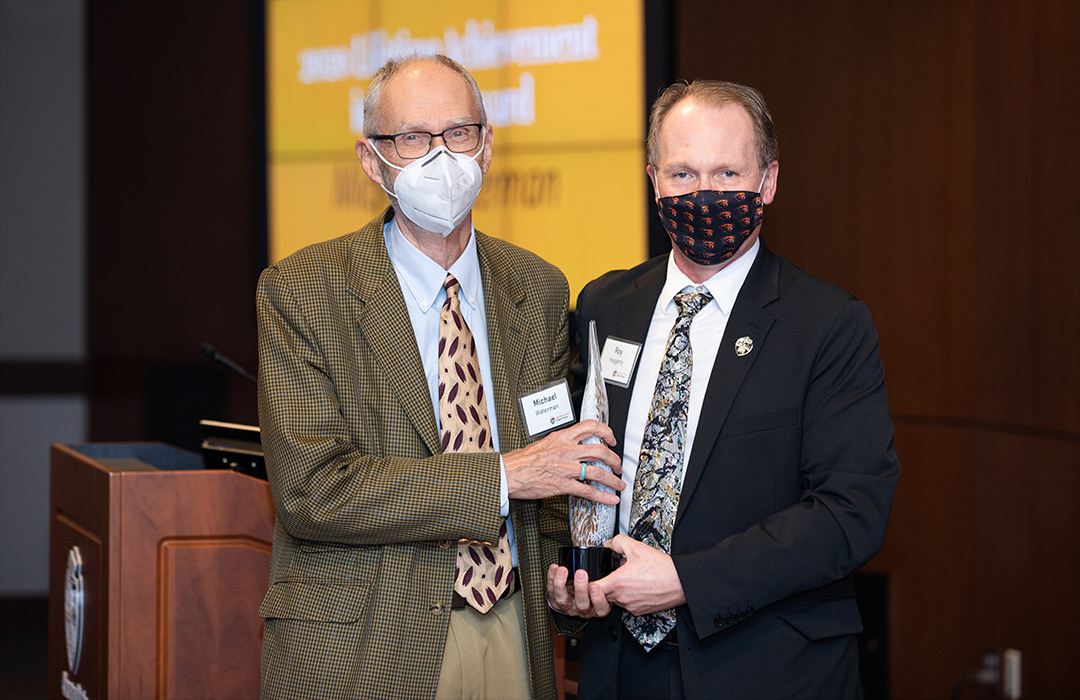
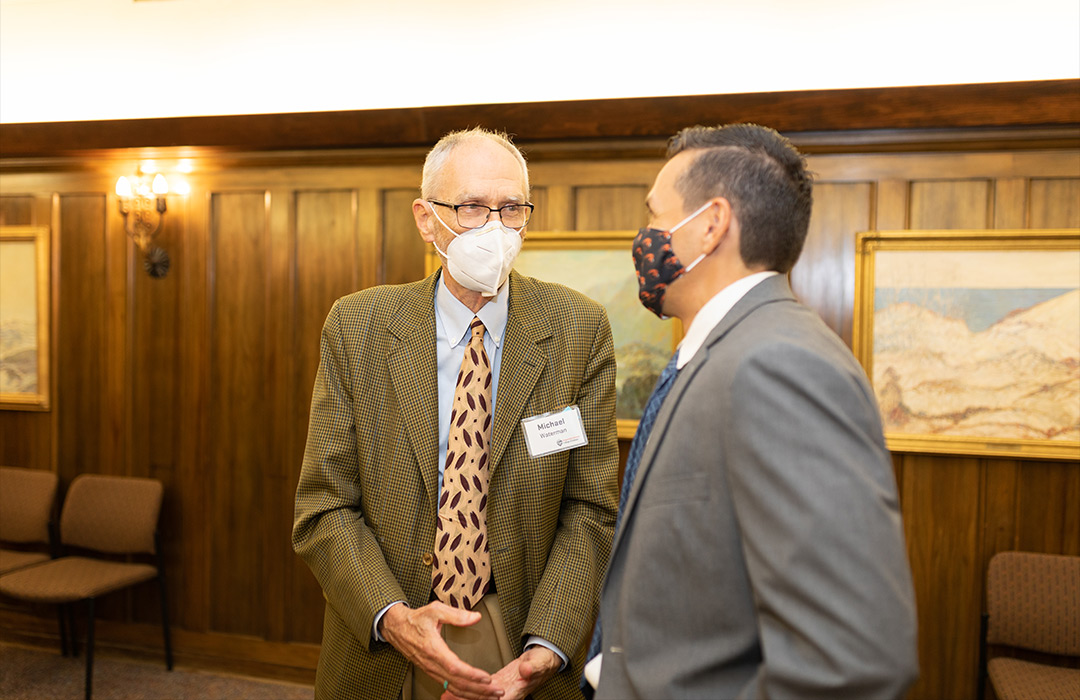
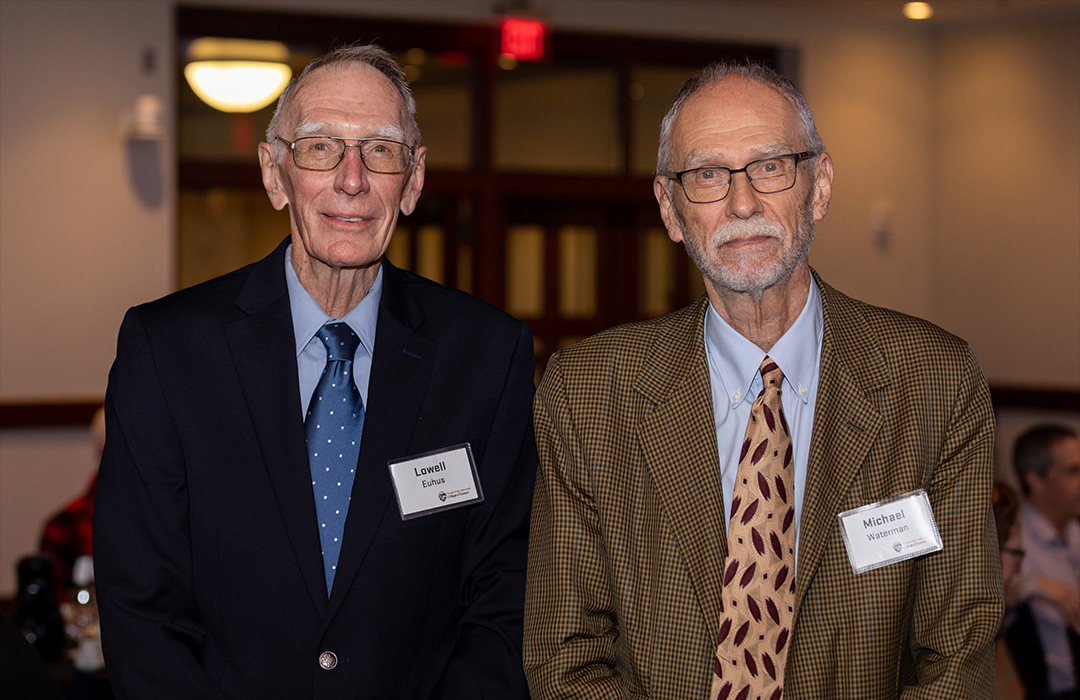
Michael Waterman (’64, ’66) 2020 Lifetime Achievement in Science Award

Congratulations to these outstanding individuals.

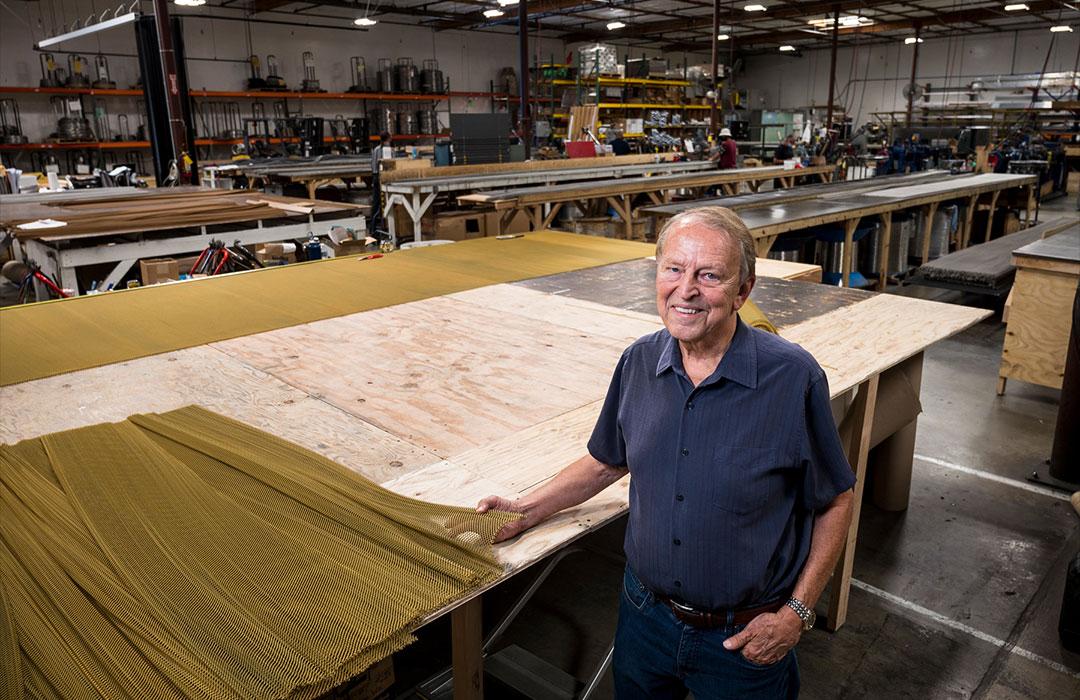
Ron Schoenheit standing in front of his innovative curtains

Wire-working pioneer receives Distinguished Alumni Achievement Award

By Mary Hare

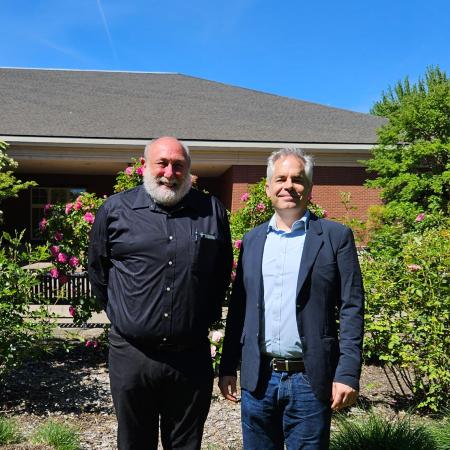
Ron Schoenheit ('65) has a lifelong fascination with science and learning that continues to inspire his innovative business practice.

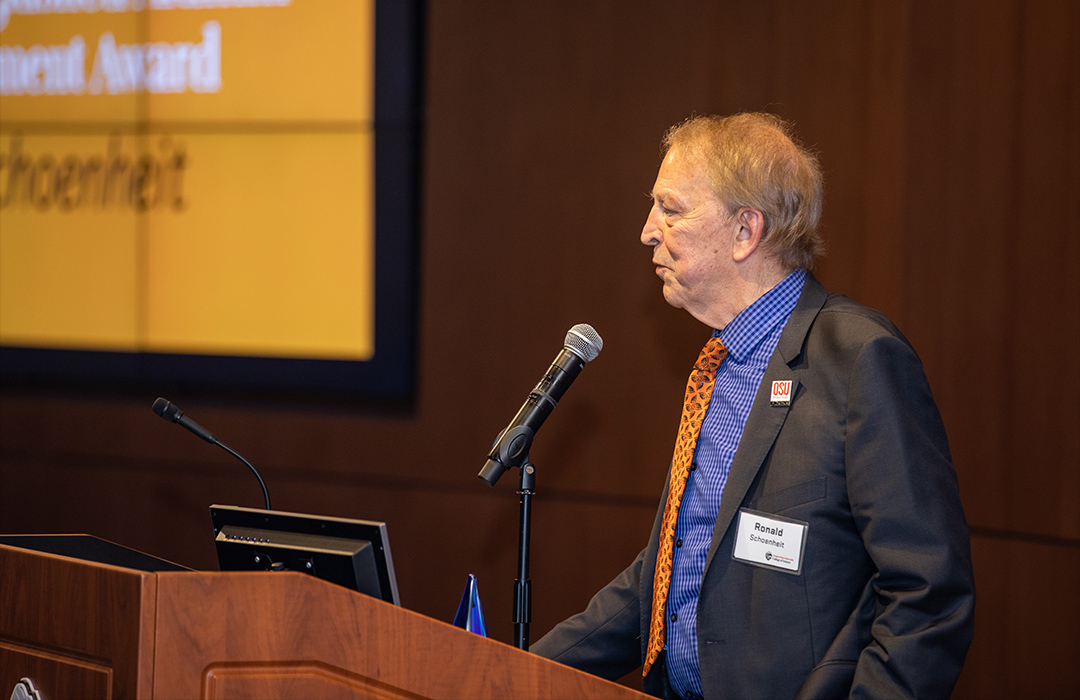
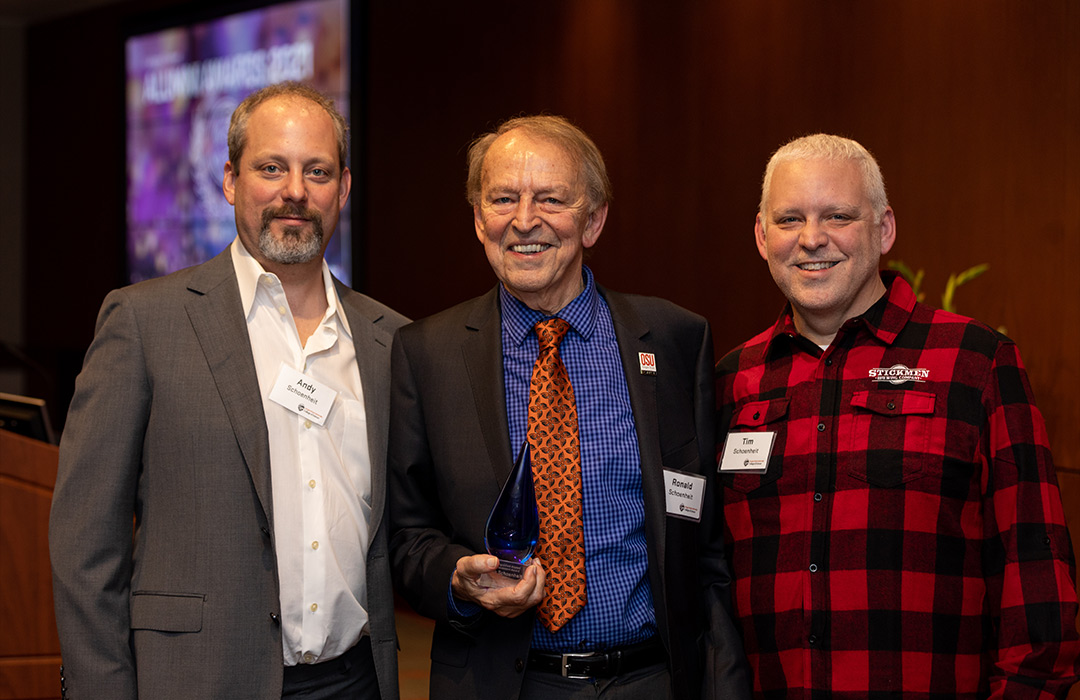
Ron Schoenheit (B.S. Mathematics ’65) is the recipient of the 2021 Distinguished Alumni Achievement Award for his accomplishments that have brought honor, distinction and visibility to the College of Science.

As founder and president of Cascade Coil Drapery, Schoenheit brings more than 55 years of experience to his role as a member of the College’s Board of Advisors and is an active supporter of initiatives to enhance student learning. “I’m glad my interest in science has been recognized. It makes me feel that I’ve achieved something during my life,” he said.

Schoenheit started his career early, sweeping sidewalks at five years old and delivering newspapers. “I had four routes at one point. I learned spelling by going around taking orders for subscriptions,” he said. At 15 years old, he began working for the family company, Pacific Fence and Wire.

He credits his experiences working at every level of the company for his current success.“I think that one of the advantages I had in communicating with people was that I used to work in a blue-collar job so I had respect for the people in all the companies I worked for,” he said. “A lot of the best ideas would come from people down in the ranks – not my engineering boss.”

“You use math in everything, whether you call it engineering or you call it science.”

Schoenheit founded Cascade Coil Drapery in 1987, building on what his grandfather established in 1921. With endless creativity and a passion for learning, he broadened the company lineup from primarily fireplace curtains to the innovation powerhouse it is today. Today, Cascade Coil Drapery makes metal curtains that serve a variety of purposes throughout the world. From the backdrop for a Rolling Stones concert tour, to providing window coverings for embassies overseas, Schoenheit’s wire drapery provides beauty as well as blast protection.

Staying up to date on all the latest innovations, Shoenheit often finds ways to incorporate them into his own work. At the request of an interior designer, he even began making high-end wire mesh shower curtains.

The innovation and flexibility of the company model has consistently adapted to diverse uses for its environmentally friendly, sustainably designed metalworks. A timely new collaboration with Oregon State microbiologist Maude David works to design copper screens that they hope can be used in public areas to reduce virus and bacteria transmission.

Man standing in front of a table in a factory with metal coil wire screening laying on it.

Ron Schoenheit in the Cascade Coil Drapery factory, which makes metal curtains that serve a variety of purposes, from the backdrop for a Rolling Stones concert tour, to providing blast-protecting window coverings for embassies overseas.

A lover of math and science from an early age, Schoenheit became the first in his family to attend college in 1960. “The strength in engineering and science at Oregon State has always been really attractive to me, as well as being a fan of the sports teams,” he said.

Remaining an active member of the Oregon State community, Schoenheit is on the College of Science Board of Advisors and has held season tickets to OSU football games for the past 15 years. “I’d like to see OSU become even more famous for what it produces in jobs and for society,” he said. “That has to make a person proud, that they’re associated with the university doing that.”
“The education I got at Oregon State was a major part of my success,” he said. “You use math in everything, whether you call it engineering or you call it science.”

Schoenheit is also a strong supporter and benefactor of the Learning Assistant Program (LA Program) in the College, which puts high-achieving undergraduate assistants in large enrollment, often first- and second-year STEM classrooms, to facilitate and strengthen undergraduate learning. Over the past five years, the LA Program has reduced the drop-fail-withdrawal rate in several key courses by half.

"I think the dedication, especially in the science department, is really paying off. They’ve helped the lives of thousands of students over the course of the years."

In 2020, Schoenheit and alumni partners pledged $200K to sustain the LA Program and to ensure that its transformative impact on student learning in STEM courses and professional development continues. “I made a donation to the program because I really believe in it,” he said. “I felt lost in large lecture classes when I was in college – I think it would have helped me.”

“I think the dedication, especially in the science department, is really paying off,” he said, reflecting on the College’s increased focus on student success initiatives in recent years. “They’ve helped the lives of thousands of students over the course of the years.”

He has served as Vice President of Pacific Fence & Wire Co., a major Pacific Northwest chain link fence manufacturer, and cofounder and President of Pacific Fireplace Furnishings, Inc. In addition, he has held facilities engineering positions with FMC (Gunderson) in Portland and with LTV in Dallas. He also is a co-owner of Stickman Brewery with his oldest son, headquartered in Tualatin, OR.
With a lifelong drive to continue learning, Schoenheit received his MBA from Marylhurst University more than forty years after leaving OSU. “I’m still learning, even at my age,” he said. “In fact, if I wasn’t working, I’d be taking classes yet.”

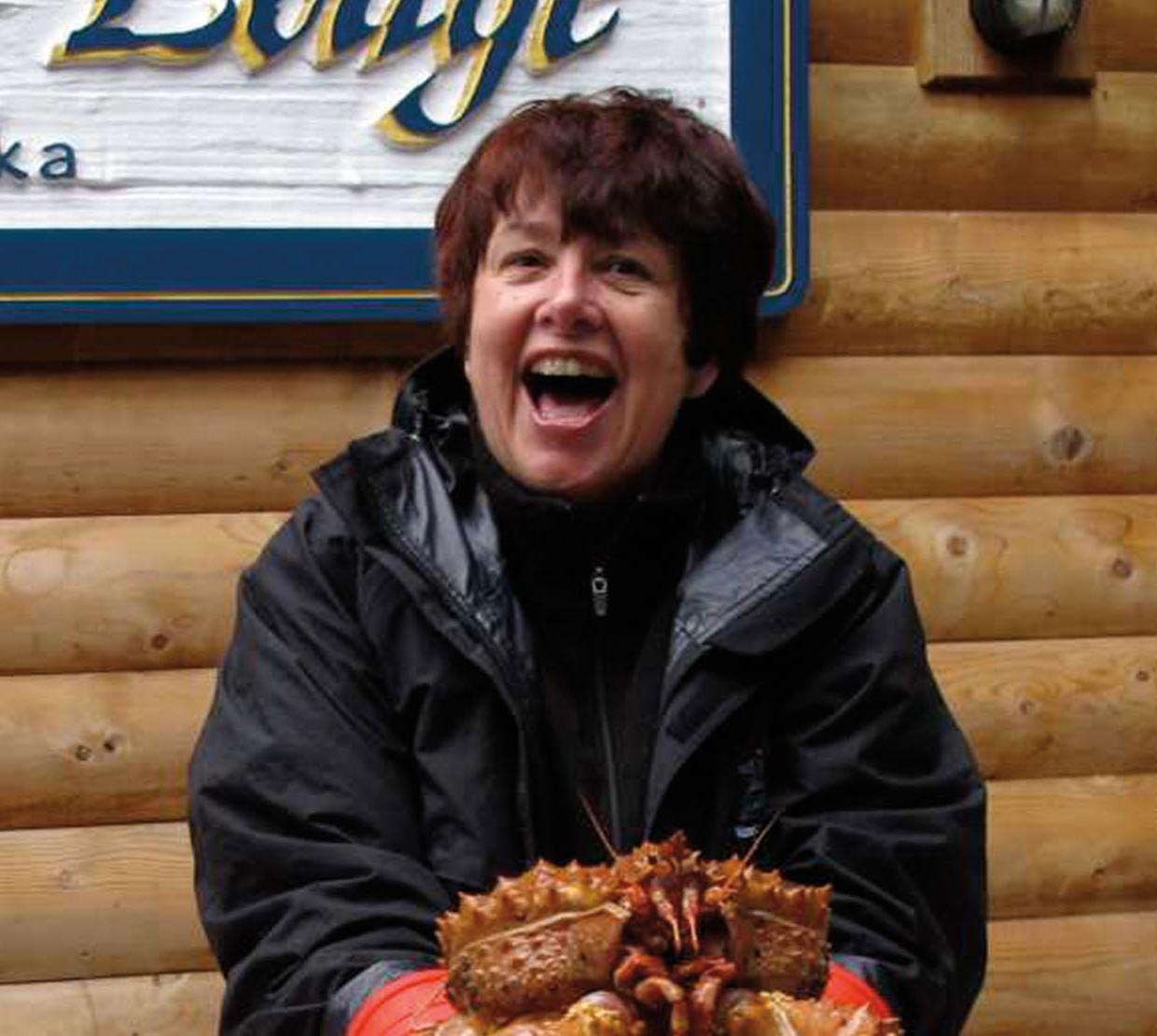
Judy Faucett holding a crab.

Students with disabilities accomplish their dreams with Distinguished Alumna-founded scholarship

By Grace Peterman

Judy Faucett (Mathematics ’70), former senior vice president of Equitable Life Assurance, clearly remembers the hiring climate when she entered the actuarial work force in the wake of the Civil Rights Act. Some companies seemed more interested in demonstrating compliance over truly reforming their hiring practices, and one incident stood out. “A decision was made to 'hire one more woman,' and if it didn’t work out, then they could document that women just weren’t smart enough to be actuaries,” she said. “At that point, I was extremely motivated to prove that women could succeed as actuaries.”

Her tenacity, determination and success helped pave the way for more women to join the profession after her. Faucett is the recipient of the 2021 Distinguished Alumni Achievement Award for her service to the actuarial profession that has brought honor, distinction and visibility to the College of Science.

"I wanted to do something for a group that didn’t have all the advantages that all the other groups have."

Having experienced challenges as part of an underrepresented group in her field, Faucett is passionate about empowering current students to achieve their dreams against the odds. She has founded the College of Science Rise Scholarship, the first scholarship at Oregon State University exclusively serving students with disabilities, and she finds joy and inspiration in hearing their stories.

“I wanted to do something for a group that didn’t have all the advantages that all the other groups have,” she said. “The folks in the College have done a wonderful job of administering the program and finding great students with needs. I couldn’t be happier with how it all turned out.”

Breaking barriers towards success in science

The Rise Scholarship serves students with all kinds of disabilities, including physical, mental and learning disabilities. With eleven percent of College of Science students self-identifying as having a disability, the group is substantial and diverse.

One of the 2021 Rise Scholarship recipients is fully blind and facing challenges like finding accessible lab space and legible supplementary materials. “One of the requests we got was for a copy of the Periodic Table in Braille,” she said. “I do think that there are special [accessibility] issues in science.”

Being given a chance to succeed can be life-changing for students with disabilities. Faucett enjoys meeting with Rise Scholarship winners and hearing first-hand about their plans and ambitions. “I have such admiration for them,” she said. “Each one of these students has an incredible story to tell.”

A brighter future together

The Rise Scholarship is an important resource for students who may not qualify for most merit-based scholarships. Especially for students with learning disabilities, “getting a B or even a C is a significant effort for them,” said Faucett. “And so they may not think ‘oh, there's a scholarship for me.’”

“It seems so wonderful to see what these students are capable of achieving"

Reflecting back on her time at Oregon State, Faucett said that awareness and accessibility for students with disabilities has come a long way. In the past, “a lot of the learning disabilities hadn’t been diagnosed yet. There really wasn’t a lot of help for these people,” she said. Students with disabilities may have been labelled or labelled themselves as not smart enough for science. The Rise Scholarship is helping to re-write that story.

Students who identify as having a neurological disability have also benefitted from the scholarship. One recent recipient was brilliant at her lab job but struggled with time management. In decades past, getting to class on time or taking a timed test might have eliminated students who would be high-performing scientists with the right accommodations. The Rise Scholarship is creating a stronger science community through making a way for students with diverse abilities and perspectives.

“It seems so wonderful to see what these students are capable of achieving,” said Faucett.

“I read through some of their bios, and I'm just grinning from ear to ear. That’s what it's done for me.”

Read more about Judy Faucett's pathbreaking career.

Michael Waterman

Genomics pioneer paves the way for first-generation students

By Grace Peterman

Photo by Leah Lee

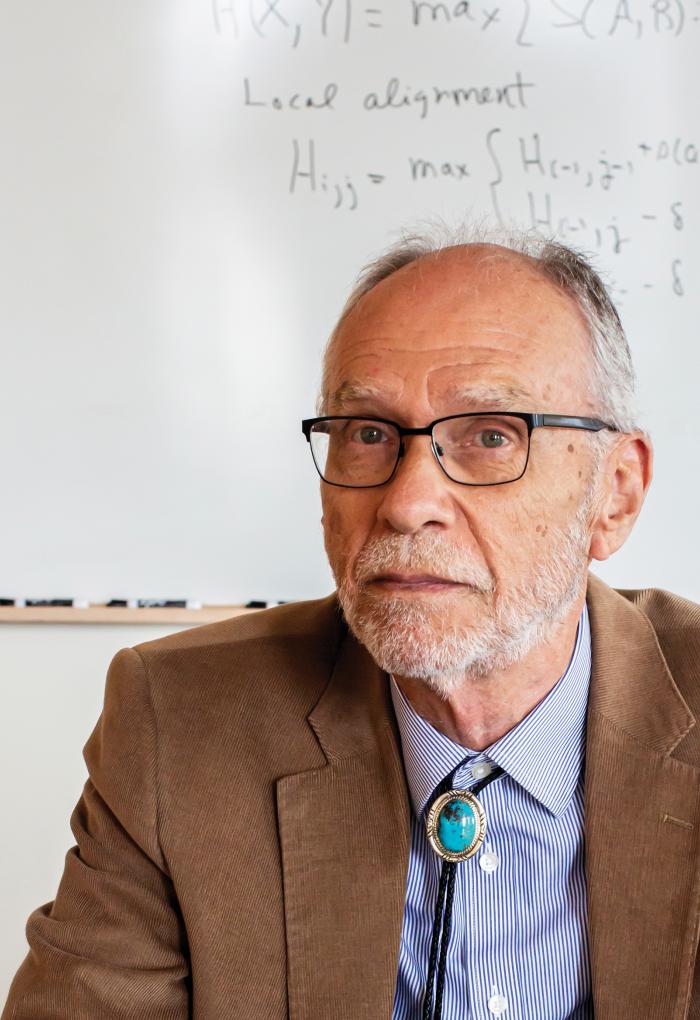
Michael Waterman (Mathematics ’64, ’66) grew up on a ranch in rural Southwestern Oregon. A first-generation college student, Waterman said entering Oregon State as a freshman “was the doorway to the rest of the world” for him.

After College, Waterman went on to make an international impact, transforming the field of computational biology. This year, he receives the College of Science's 2021 Lifetime Achievement in Science Award for his remarkable accomplishments that have brought honor, distinction and visibility to the University. Waterman’s extensive career includes research that has been foundational to many DNA mapping and sequencing projects, including the Human Genome Project.

"I am deeply grateful to land grant universities, and Oregon State in particular, that allowed me and many others to receive an excellent education,” he said.

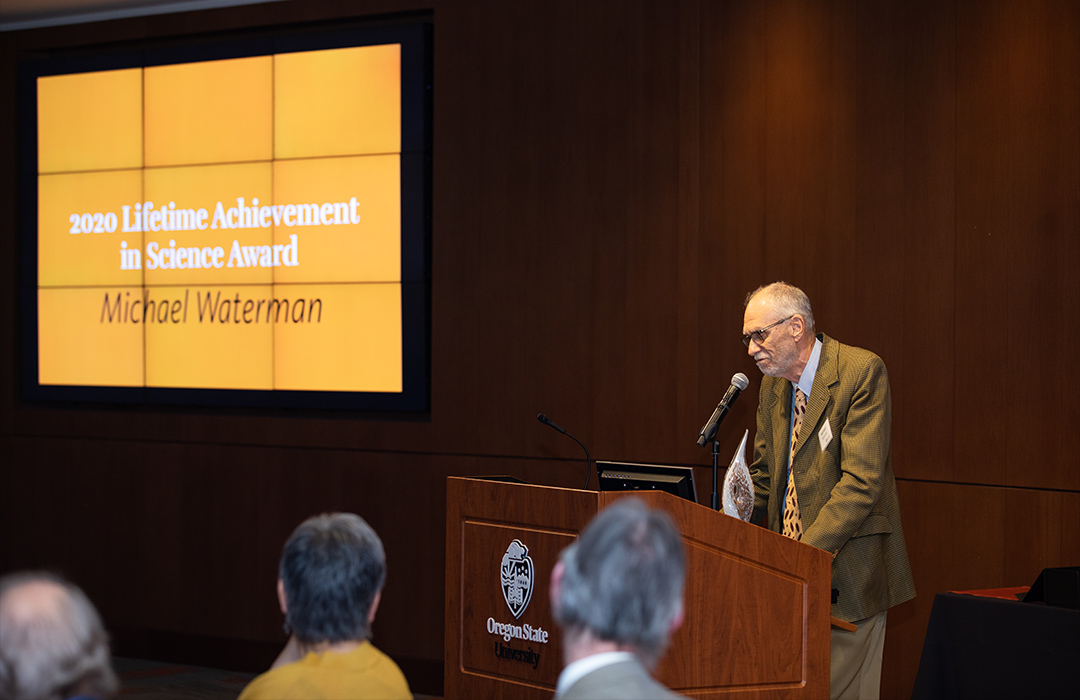
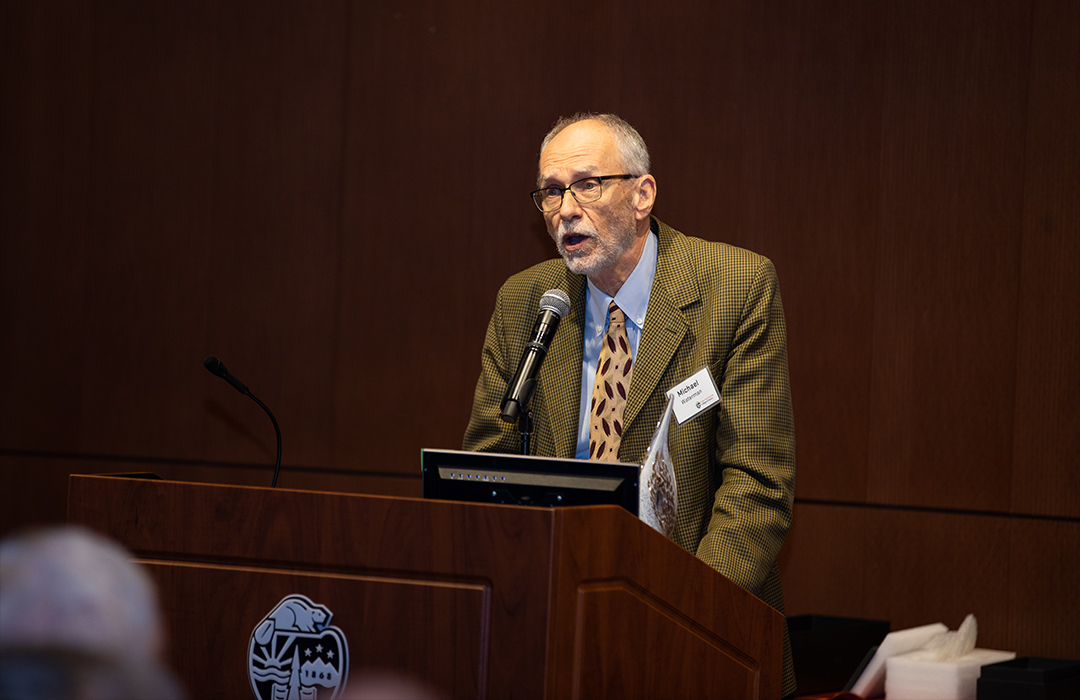
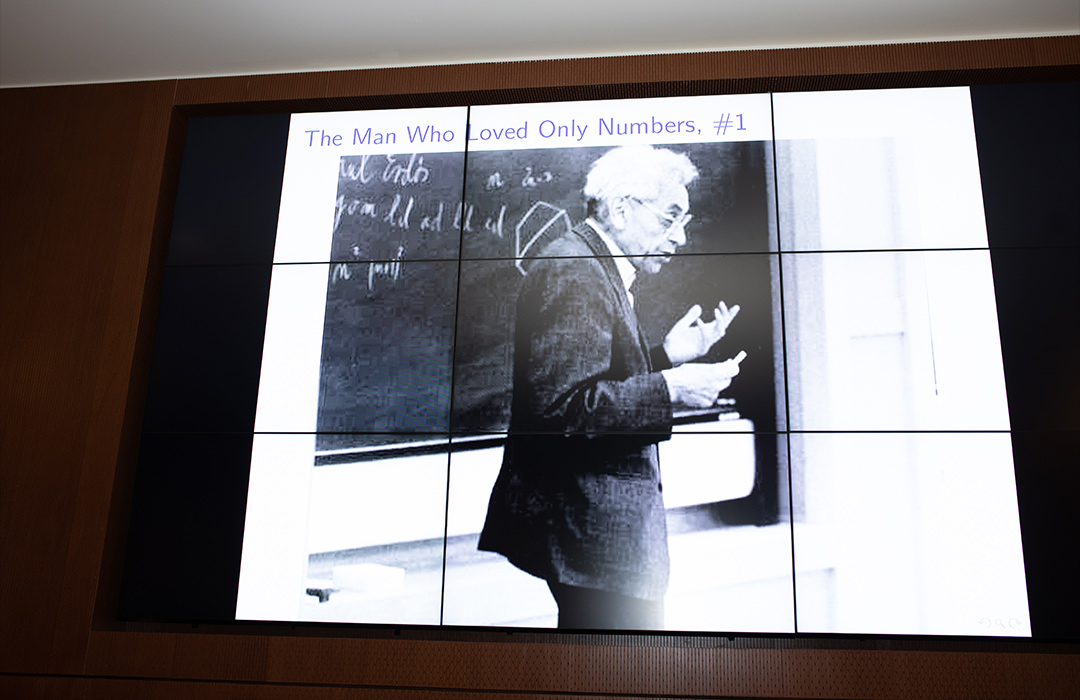
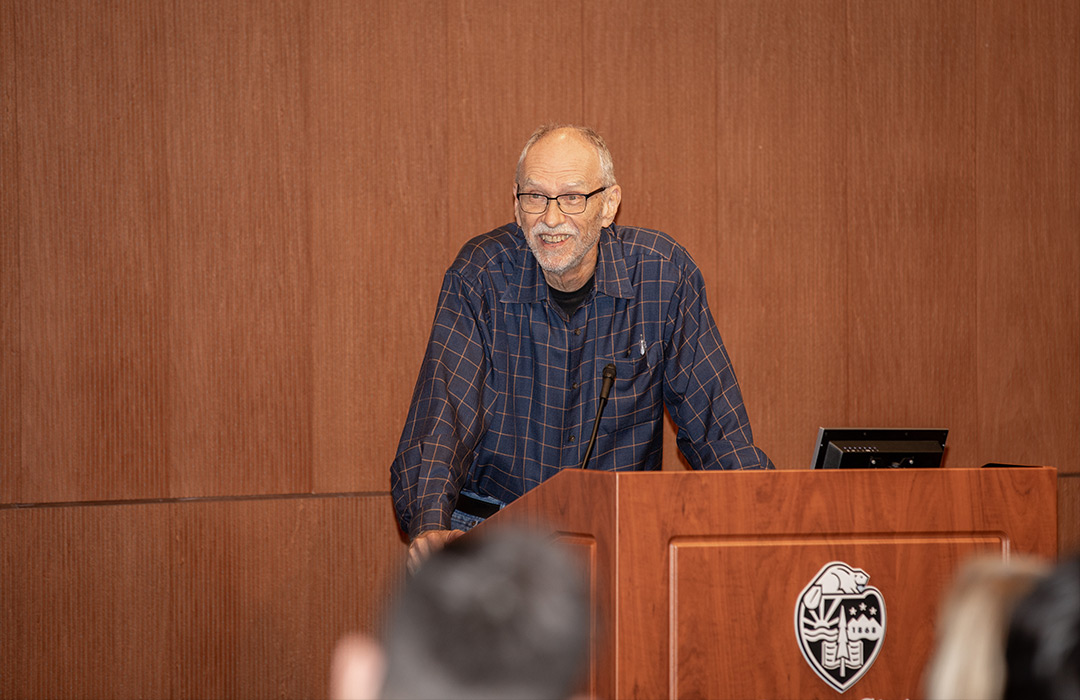
Waterman presented the College of Science 2021 Distinguished Lecture on November 10, 2021, in the Memorial Union, Horizon Room, at Oregon State University. The lecture discussed Waterman’s deep ties to Oregon and Oregon State and explored the connections between mathematics and the biological sciences.

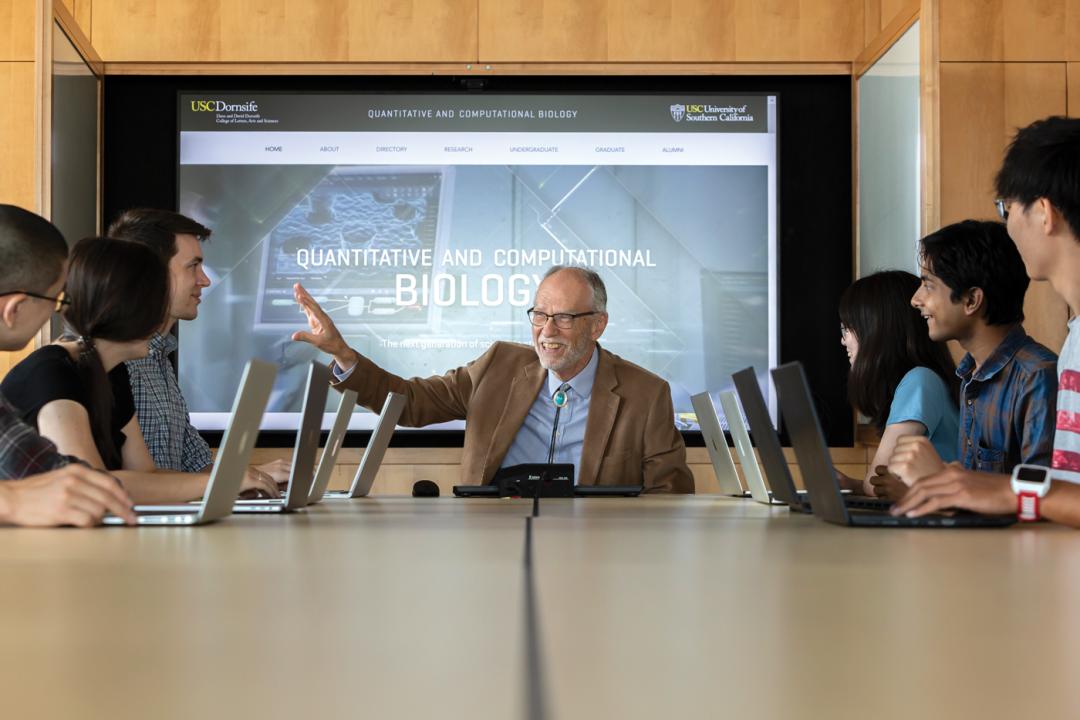
Michael Waterman teaching

Michael Waterman is an Emeritus University Professor at the University of Southern California. Photo by Leah Lee.

A global reputation in genomic sequence analysis

After earning his bachelor’s and master’s degrees in mathematics at Oregon State, Waterman went on to complete a Ph.D. in statistics and probability at Michigan State University. His work, focused on applying mathematics, statistics and computer science techniques to various problems in molecular biology, continues to play an important role in DNA sequencing today.

Waterman is an Emeritus University Professor at the University of Southern California, with joint academic appointments in the Departments of Biological Sciences, Mathematics, and Computer Science, and a Distinguished Research Professor at the University of Virginia.

He is also an elected member of both the U.S. National Academy of Sciences and of Engineering, the American Academy of Arts and Sciences and both the French and Chinese Academies of Sciences. He has received the William Benter Prize in Applied Mathematics, the Gairdner Foundation International Award in Biomedical Sciences, the Dan David Future Prize in Bioinformatics and a Guggenheim Fellowship.

Reflecting on his work upon receiving the Dan David Prize, Waterman said curiosity and a love for the process motivate him and his team more than anything. “Our research was not initially in any hot-topics category. We simply found fascinating problems that were irresistible, and we were determined to pursue them.”

That’s how the first serious meeting to discuss sequencing the human genome began as well. “We thought, ‘We’re mathematicians, we should be able to say something about this!’” said Waterman. Among the team of scientists assembled at University of California Santa Cruz in 1985, no one was even sure if such a huge undertaking was feasible. Yet, the idea was too good to pass up: “I remained steady in my belief that this was barely possible and truly important,” he said. “Just deciphering the code that our ancestors passed down to us as our genetic heritage was priceless.”

Michael Waterman

Waterman's early work on algorithms was the breakthrough needed to decode the human genome. Photo by Leah Lee.

Pathways to success for underrepresented students

Strong science thrives on this type of bold questioning of what’s possible. How did Waterman go from a rural ranch in Oregon to debating a landmark scientific project at UC Santa Cruz? Growing up, “it’s very hard to imagine beyond what you see,” said Waterman.

As a first-generation college student starting at Oregon State, Waterman experienced a world of possibility opening up for him. That’s why he established an endowed scholarship to open doors for other first-generation college students on their own paths to success. The Michael and Tracey Waterman Scholarship — the second largest in the College’s history — ensures future students are empowered with a sense of possibility and perspective.

“I believe that those who didn’t grow up with privilege should have a chance too,” he said. “I am pleased to see Oregon State is still accepting kids from a variety of backgrounds.”

The text "Pi Mu Epsilon" and an insignia over a purple background.

Pi Mu Epsilon Induction Ceremony

On Monday, May 17th, 2021 the OSU Pi Mu Epsilon chapter honored and inducted 33 undergraduates, who have shown exceptional scholarly activity in mathematics, into the national mathematics honor society.

Pi Mu Epsilon (PME) is dedicated to the promotion of mathematics and recognition of students who successfully pursue mathematical understanding. To promote mathematics, the National Pi Mu Epsilon Council sponsors an annual conference in conjunction with the Mathematics Association of America’s (MAA) annual MathFest. Pi Mu Epsilon also sponsors a journal devoted to topics in mathematics accessible to undergraduate students. Papers from OSU students and faculty have appeared in this refereed forum. OSU's chapter, Oregon Beta, was installed in 1938 and has been active since its re-installation in 2008.

The ceremony featured a colloquium lecture, "Mathematics and the Future of Biomedical Imaging" by guest speaker Prof. Melody Alsaker of Gonzaga University.

Congratulations to the following students inducted to PME this year

  • Anneli N. Brackbill
  • Yu Chen
  • Dominic W. Daprano
  • William R. Dettmer
  • Jack H. Dickinson
  • Michael P. Dugan
  • Jingjin Fan
  • Matthew R. Gradwohl
  • Nolan D. Gunter
  • Seth W. Johnson
  • Ryan J. Little
  • Yinjie Liu
  • Erik M. Lo
  • Evelyn McCue
  • Tyler Midcalf
  • Carson J. Mowrer
  • Saki C. Nakai
  • Eli J. Nicholas
  • Josie E. O'Harrow
  • Richard L. Puro
  • Trevor S. Reid
  • Kyra A. Rodak
  • Henry W. Sprueill
  • Mingming Su
  • Elaine Swanson
  • Ya-Heng Tai
  • Felix H. Tyson
  • Ryan M. Unitan
  • Philip G. Warton
  • Wyatt D. Whiting
  • Kayla-Rose Witzke
  • Youli Zhao
  • Qianzhu Zhou

Read more stories about: students, mathematics, awards & recognition


Subscribe to Awards & Recognition