Awards & Recognition

Awards & Recognition

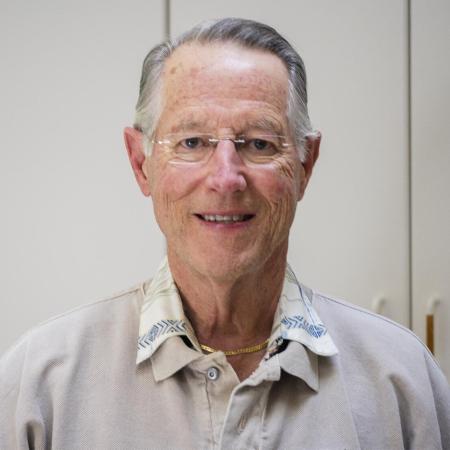
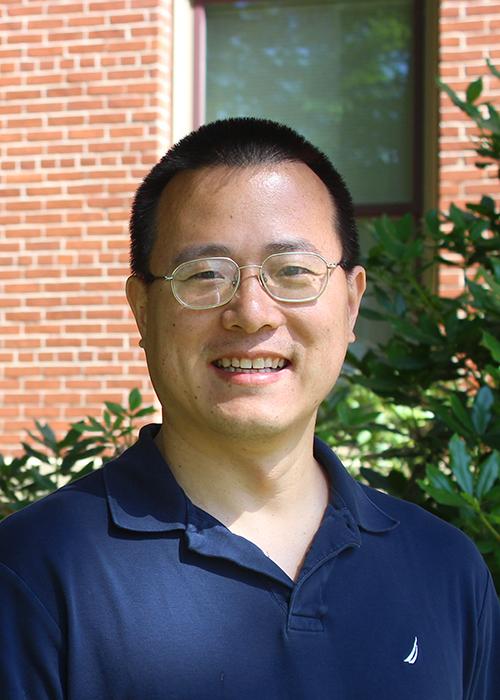
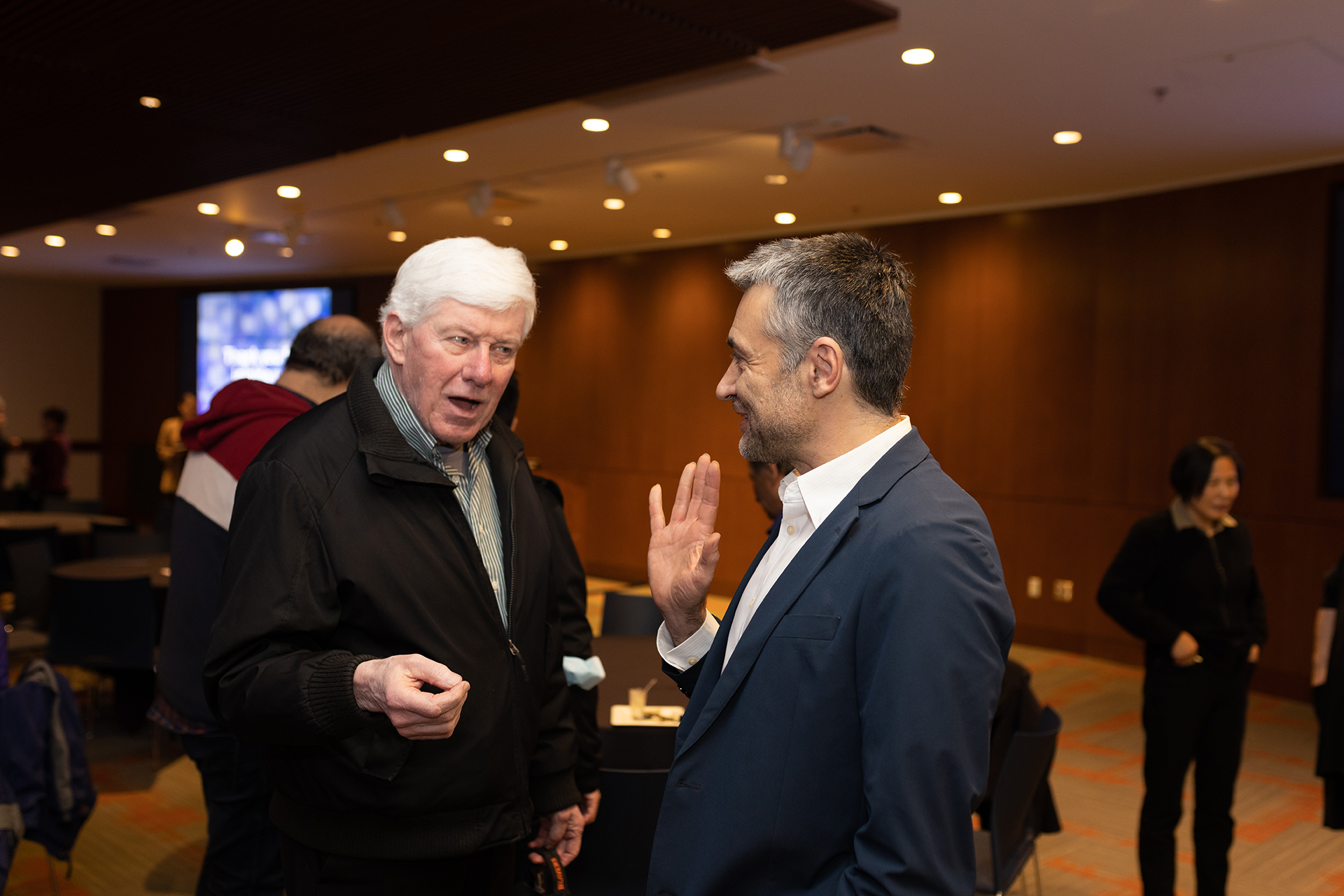
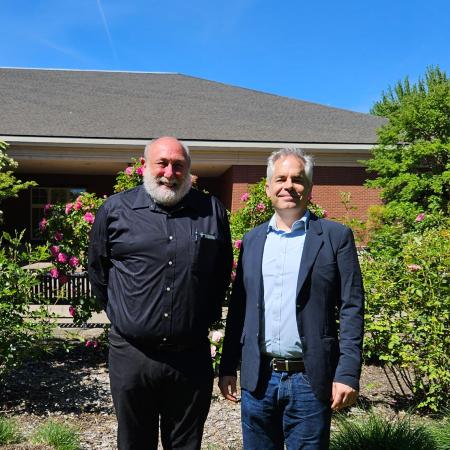
Tom and Jon stand outside a home with beautiful bushes and flowers

Celebrating a legacy of excellence: An endowed scholarship for future mathematicians

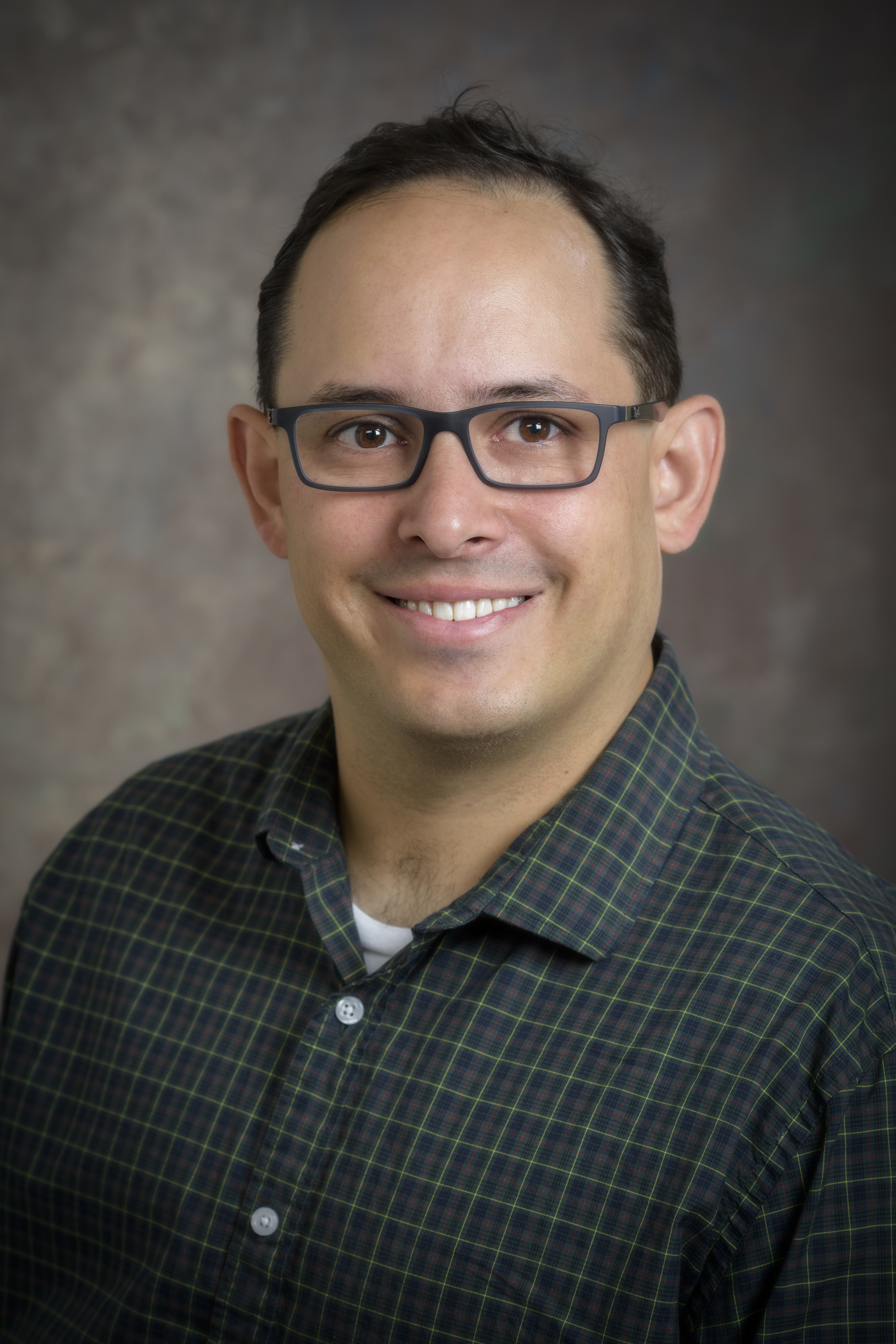
Professor Emeritus​ Thomas Dick (left) and Mathematics Department Head Jon Kujawa. A recent endowed scholarship has been created by an anonymous donor to honor Professor Dick's dedication to mathematics education and student success.

Professor Emeritus​ Thomas Dick's journey in academia has left a lasting impact on mathematics education. During his tenure as a professor and former chair (1992-97) in the Department of Mathematics at Oregon State University, he built an amazing legacy through his leadership, dedication to teaching and innovative programs.

“The mathematics department is extremely pleased to create an endowed scholarship in honor of his dedication to the field of mathematics education, both locally in Oregon and at Oregon State University, and broadly across the international mathematics education community,” said Jon Kujawa, mathematics department head and Hartmann Faculty Scholar.

“Given his legacy, we are thrilled that, through this scholarship, mathematics education graduate students at Oregon State University will have the good fortune to learn about Tom Dick and his contributions to the field – thanks to an anonymous donor, grateful for his mentoring.”

Professor Dick significantly enhanced mathematics education through transformative initiatives. As the faculty director of the OSU Math Learning Center, he initiated the innovative Math Excel (Treisman Emerging Scholars) program. This program supports students in introductory mathematics courses by offering supplemental instruction. These sessions, led by trained facilitators, focus on collaborative problem-solving and active learning, helping students deepen their understanding of mathematics concepts.

Throughout his career, he has been dedicated to teaching mathematics and preparing future teachers of mathematics at all levels, from kindergarten to graduate school. This commitment to excellence has been recognized through numerous accolades, including the Mathematical Association of America’s Award for Distinguished College or University Teaching of Mathematics for the Pacific Northwest region, and his induction into the Oregon Mathematics Education Hall of Fame.

“So many people in the field of mathematics education know and love Tom."

At Oregon State, he was further honored with the Olaf Boedtker Award for Excellence in Undergraduate Advising, the Loyd F. Carter Award for Outstanding and Inspirational Teaching in Science, the Fred Horne Award for Sustained Excellence in Teaching Science, and the Elizabeth P. Ritchie Distinguished Professor Award – the university's highest teaching award.

His main interest in mathematics education research has been in the use of technology to enhance the teaching and learning of mathematics. He co-edited a volume on using technology to support reasoning and sense-making for the National Council of Teachers of Mathematics and co-authored the technology chapter in the second edition of the Handbook of Research on Mathematics Teaching and Learning. He also served on the technology committee for the Association of Mathematics Teacher Educators. Additionally, he has served as chair of the editorial panel for the Journal for Research in Mathematics Education and as chair of the Advanced Placement Calculus Test Development Committee.

He remains active as an examination leader for the grading of AP Calculus and as a senior mathematics advisor to Texas Instruments Educational Technology Division.

“So many people in the field of mathematics education know and love Tom,” the donor shared.

“In all the mathematics education circles of which Tom is a part, every person who knows him remarks on his mathematical expertise and creativity, his fun and collegial spirit, and his warm and welcoming nature. He always offers insightful ideas and suggestions for mathematics education research and teaching. Throughout his formal career and beyond, he has been an exceptional friend, colleague, and mentor. We are profoundly grateful for his decades-long support of mathematics education faculty, students, and research at OSU.”

If you would like to contribute to the fund honoring Professor Tom Dick, please visit https://give.fororegonstate.org/ and type “Professor Emeritus Thomas P. Dick Endowed Scholarship” into the “I want to give to” box. Gifts may also be made to the fund by mail to the OSU Foundation.

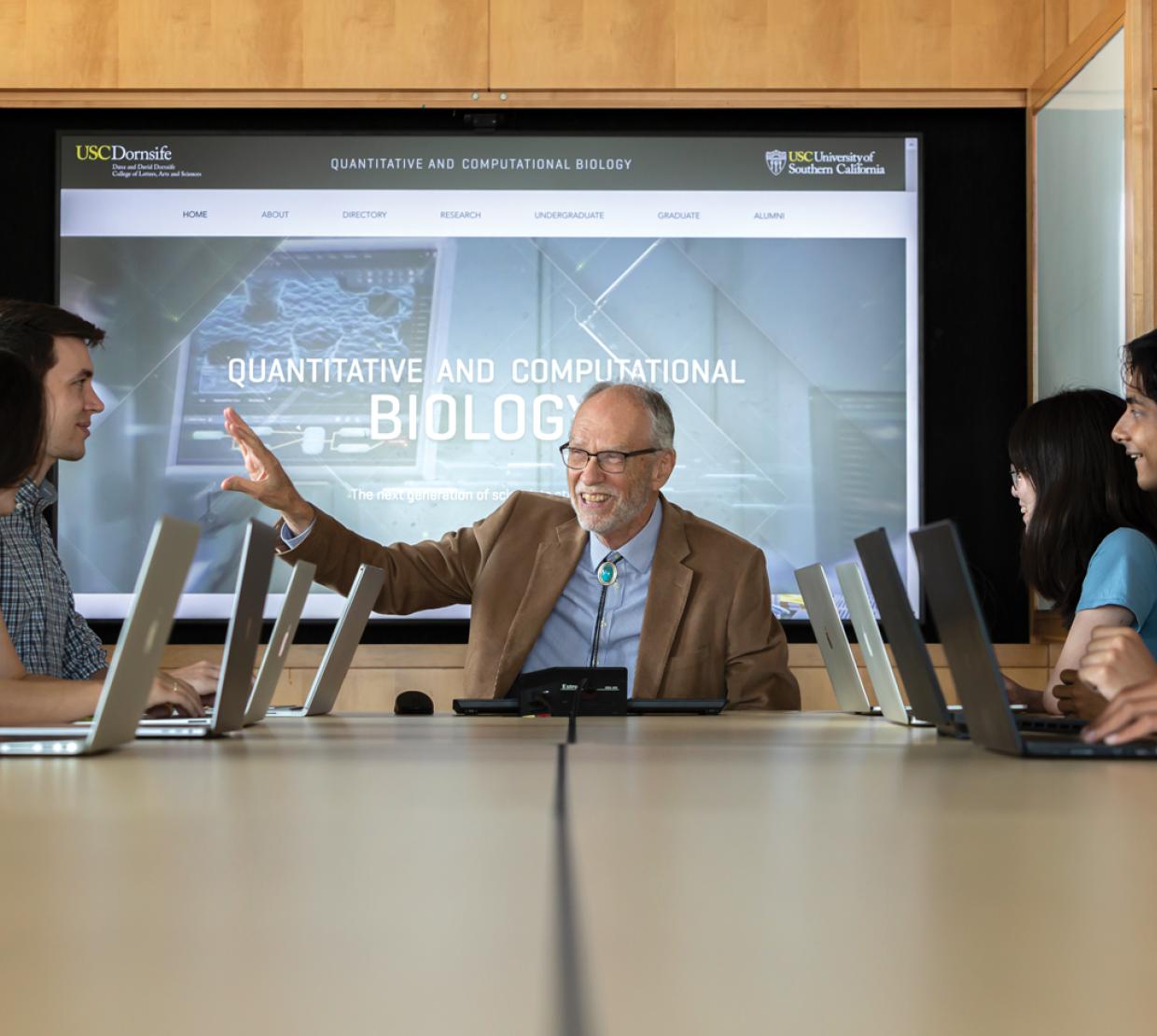
Michael Waterman teaching

College of Science alumnus to be presented with honorary doctorate

By Hannah Ashton

Courtesy of USC, by Leah Lee

College of Science alumnus Michael S. Waterman (Mathematics '64, '66) will be presented with an honorary doctorate at this year's university-wide commencement ceremony in Corvallis.

Waterman is an internationally celebrated mathematician and biologist known for his extraordinary contributions to science, dedication to education and impact on multiple disciplines. He is an eminent figure in bioinformatics and globally recognized as a trailblazer in computational biology.

He is considered the architect of the groundbreaking Human Genome Project which advanced genomics and deepened the world's understanding of life's genetic foundations. He is also known for his collaborative innovation in developing the Smith-Waterman algorithm, a monumental breakthrough. This algorithm revolutionized sequence alignment and is described as the "gold standard for gene and protein sequence analysis." It has become an indispensable tool in bioinformatics, molecular biology, and genetics, and has profoundly impacted molecular biology, medicine, cancer treatment and biofuel development.

"Dr. Waterman's dedication to pushing the frontier of knowledge and his commitment to education are extraordinary," wrote Oregon State University President Jayathi Murthy and Provost and Executive Vice President Edward Feser.

Waterman received the college's Lifetime Achievement in Science Award in 2021. Serving on the College of Science Board of Advisors, he also created a scholarship that supports College of Science students who are historically underserved, Oregon residents.

His list of awards and honors includes the Guggenheim Fellowship and professorships at the University of Southern California and the University of Virginia. He is an elected member of the American Academy of Arts and Sciences, the National Academy of Sciences, and the National Academy of Engineering, and a fellow of several scientific organizations including the American Association for the Advancement of Science and the Institute of Mathematical Statistics.

He has received the Gairdner Foundation International Award, the Dan David Prize, the Walter Benter Prize in Applied Mathematics, and the Friendship Award from the Chinese government. Additionally, he is a founding editor of the Journal of Computational Biology and serves on the editorial boards of various journals.

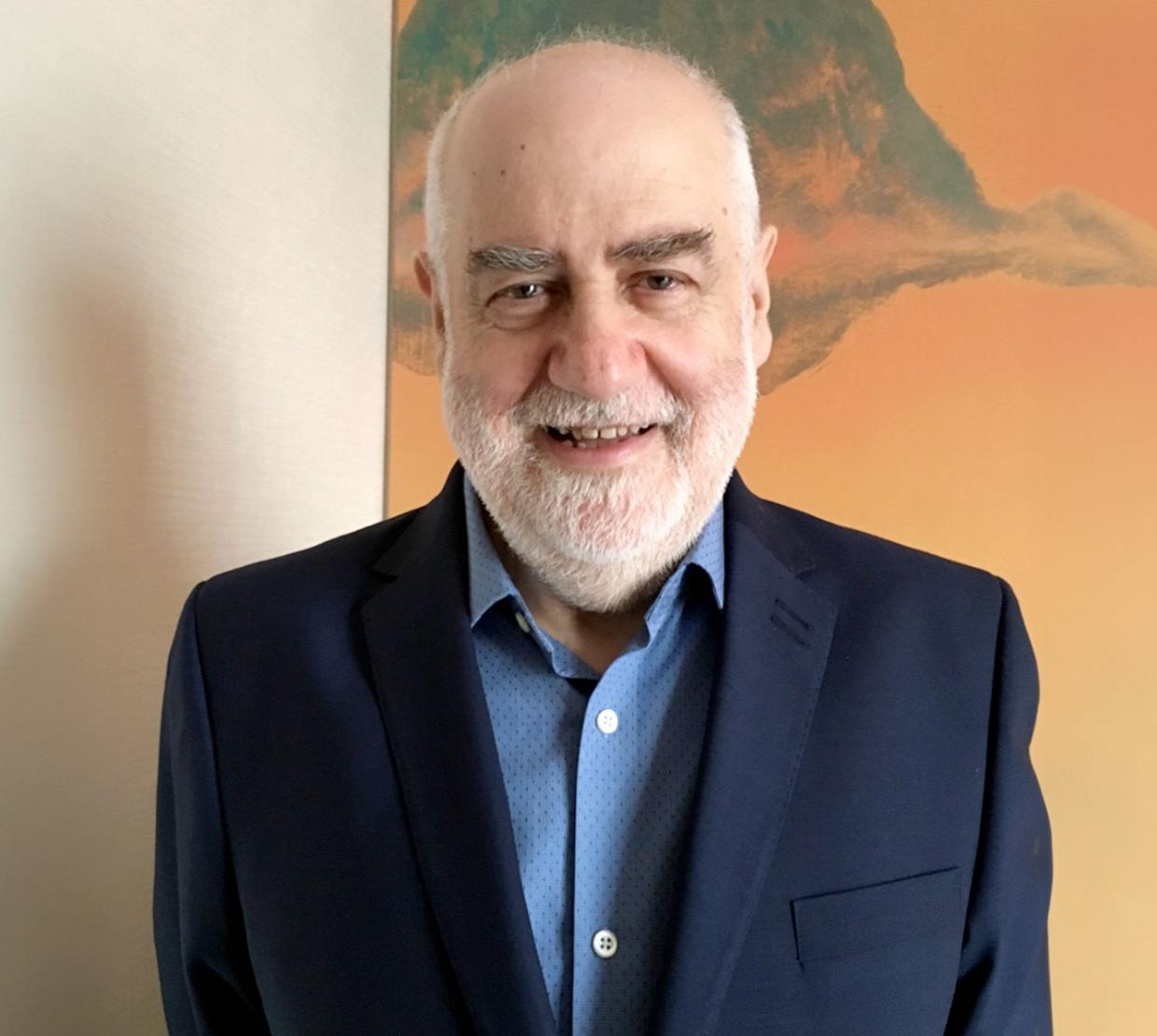
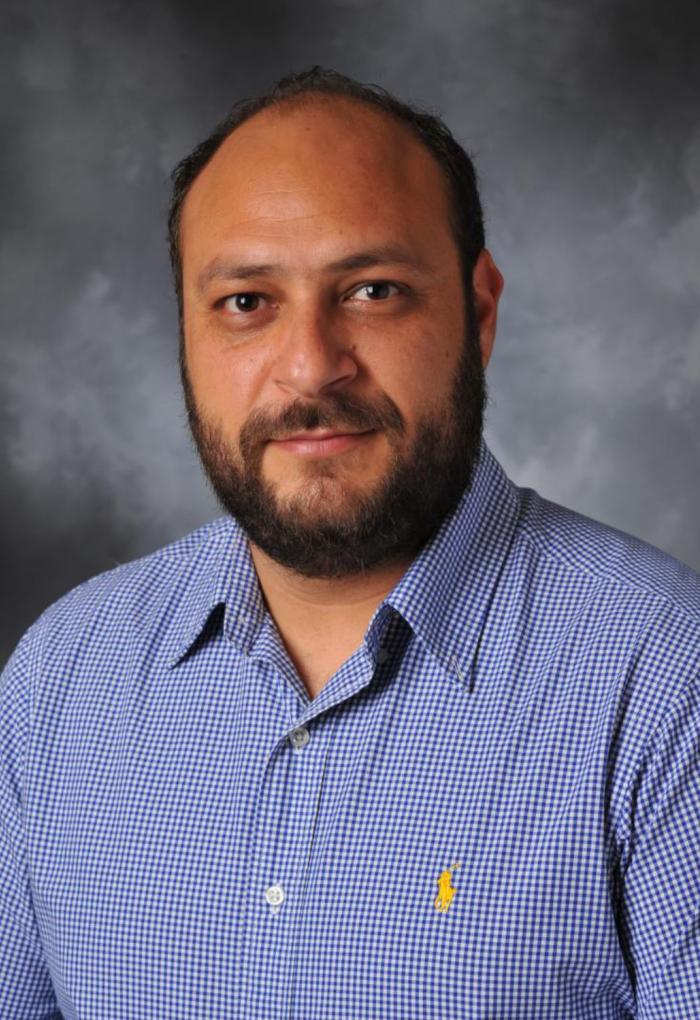
A man in a blue suit jacket poses for a headshot.

'Inverse problems and Harry Potter's Cloak': Lonseth Lecture 2024

By Hannah Ashton

Esteemed mathematician Gunther Uhlmann will present the 39th Lonseth Lecture on Tuesday, May 14.

The event will begin by honoring student and faculty achievements at the Department of Mathematics annual awards ceremony from 3:30 to 4 p.m. Then, Uhlmann will speak from 4 to 5 p.m., followed by a public reception. The event takes place at the LaSells Stewart Center.

In his talk, "Inverse Problems and Harry Potter's Cloak," Uhlmann will explore various inverse problems encountered across scientific disciplines. Inverse problems involve deducing causes from observed effects, common in science and engineering, solving backward from outcomes to parameters.

Gunther Uhlmann is the Robert R. and Elaine F. Phelps Endowed Professor at the University of Washington. He has received Sloan and Guggenheim fellowships, and he is a Fellow of the American Academy of Arts and Sciences. His research focuses on inverse problems, and his work spans fields like medical imaging, geophysics and material science. He has received prestigious awards such as the Bôcher Memorial Prize and the Kleinman Prize.

Established in 1985, the Lonseth Lecture series pays tribute to the legacy of Arvid T. Lonseth, a respected figure in the Mathematics Department at Oregon State University. Explore more about Arvid Lonseth and the lecture series to appreciate its significance within academia.


Read more stories about: events, mathematics, awards & recognition


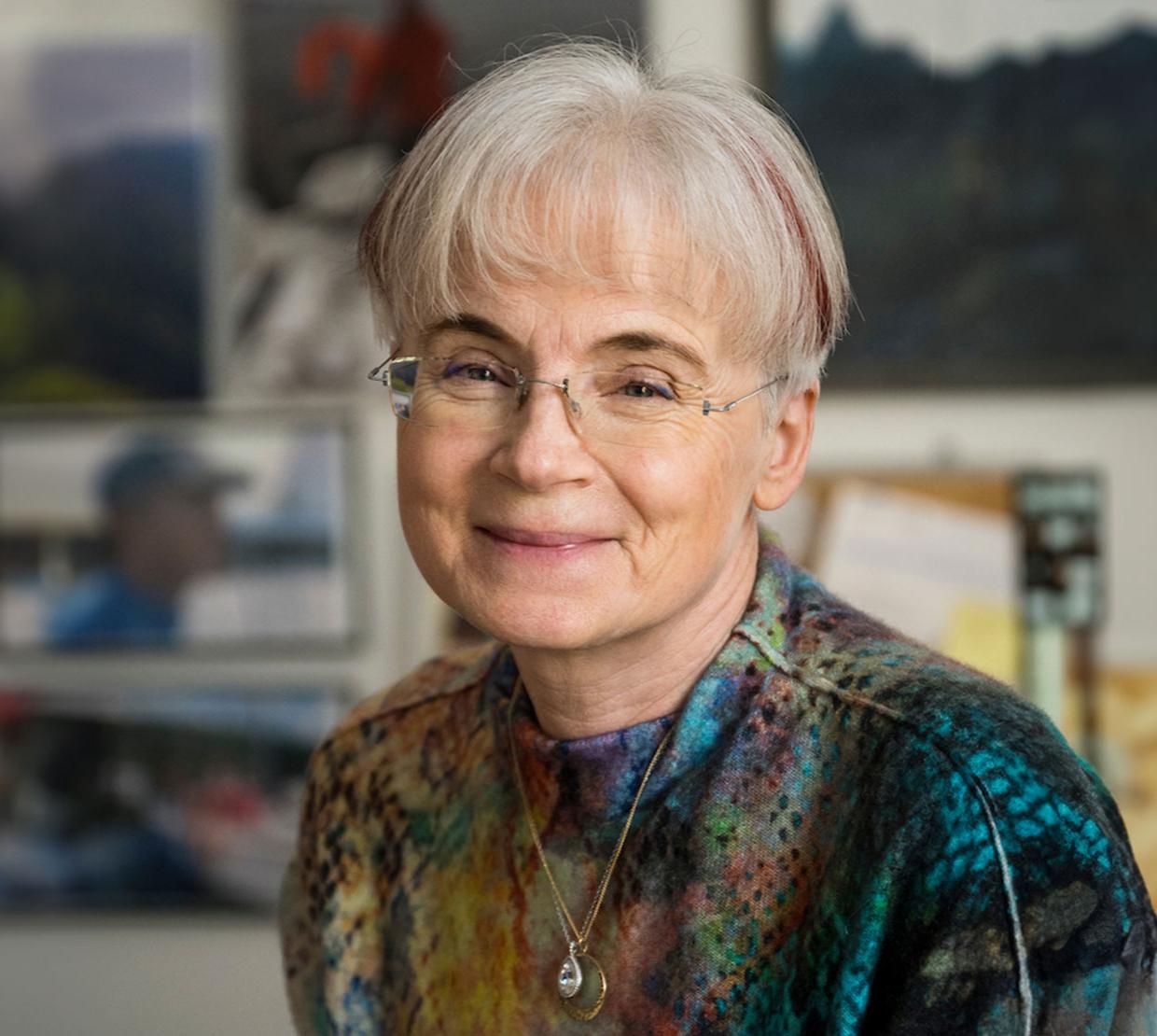
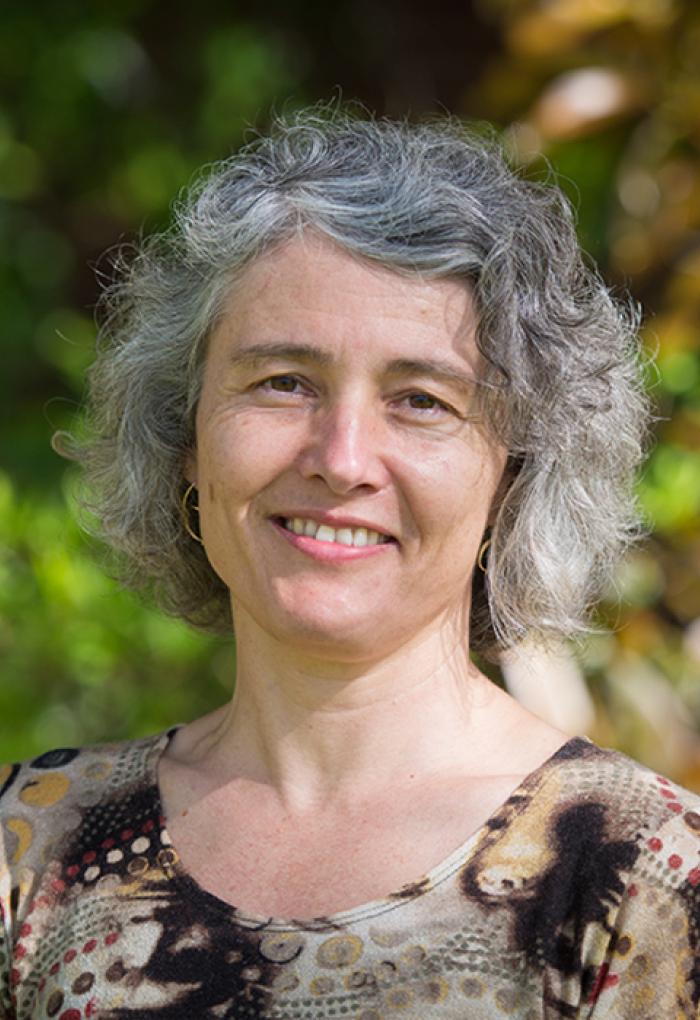
A woman in a multi-colored blouse poses for a headshot to celebrate being announced as a Distinguished Professor.

Malgorzata Peszynska named a University Distinguished Professor

By Tamara Cissna

Malgorzata Peszyńska, newly honored as a University Distinguished Professor at Oregon State University, has charted a remarkable path — shaped by uncommon talent, grit and a spirit of joyful independence.

Renowned for her exploration of the physical world through the prism of mathematics and computation, Peszyńska's work has yielded fascinating insights over her distinguished career. Her research has fostered innovation and enabled applications with global impact on pressing environmental concerns and natural resource management.

In recognition of her achievements, she has earned Oregon State's highest academic honor. The university awards this distinction to a select few faculty nominated by their peers, with the College of Science having the highest number at 19.

"Dr. Malgorzata Peszyńska is nationally and internationally recognized as a leader in mathematical and computational modeling of complex processes, and her work has been particularly significant in building bridges across disciplinary boundaries," Provost Ed Feser wrote in the university’s announcement of this honor.

Peszyńska will present a university distinguished lecture, along with one other 2024 distinguished professor: Todd S. Palmer in the College of Engineering. She will present her lecture on Wednesday, May 8, at 1:30 – 3 p.m. in the Memorial Union Horizon Room. Her lecture is titled, “Math Matters: Multi-* Modeling, Analysis and Simulation.”

“This is an honor and accomplishment, and evidence of appreciation coming from the many colleagues, students and collaborators,” Peszyńska said. “It is also a responsibility, and I am not the only one deserving, but now I can stand on the shoulders of giants and pay it forward.”

As the Joel Davis Faculty Scholar in Mathematics, Peszyńska is acclaimed for her pioneering work in numerical analysis and modeling. Her recognition as an AAAS Fellow in 2020 highlights her “exceptional contributions to multidisciplinary mathematical and computational modeling of flow and transport in porous media."

Peszyńska's work has been supported by more than $3M from the National Science Foundation (NSF) and other agencies and industries. She has authored more than 119 research publications in high impact computational mathematics journals including SIAM journals and in the interdisciplinary venues such as the Journal of Petroleum Science and Engineering, Advances in Water Resources, Geophysics, and other high-Impact journals, and her publications have received more than 2,000 citations.

Over the years, her achievements have garnered numerous awards: She received the Geosciences Career Prize from the Society for Industrial and Applied Mathematics (SIAM), and she's also been recognized as a Distinguished Fellow by the Kosciuszko Foundation and served as a 2009-2010 Fulbright Research Scholar at the University of Warsaw, 2006 Mortar Board Top Professor award, 2016 Graduate faculty award and more.

A mathematical odyssey in energy and climate

Peszyńska specializes in modeling, analysis, and numerical analysis of models, a discipline that seeks to describe real-world systems mathematically, so they can be simulated, analyzed predicted and — when there are problems — solved.

With expertise that spans disciplines, Peszynska primarily works to mathematically solve problems related to environment and, recently, climate change. Her modeling of mass and energy flow and transport includes porous media phenomena in aquifers, oil and gas reserves, carbon sequestration, solar cells and the effect of permafrost warming. Perhaps most notable is her work on phase transitions in methane hydrate transfer and evolution, as well as in using computational mathematics to study complex pore-scale environments. This work aims to understand and predict the presence and behavior of fluids in nature to mitigate potential disasters, like hazardous explosions or methane emissions contributing to global warming and addressing challenges in climate science and geophysics.

In her recent NSF-supported work on studying permafrost changes, Peszyńska seeks to predict and mitigate potential large-scale events such as building collapses and coastal erosion, highlighting the urgency for more modeling in this area.

Her research team employs computers to approximate solutions, striving for accuracy even when the true solution is unknown, she explained. Ultimately, they contemplate how computational algorithms can approximate truth without certainty, exploring the mysteries of mathematics.

"There's so much about the methods themselves that intrigue us in this mystery," she said. "How do you achieve that? How can you anticipate whether your computational algorithm will yield a prediction close enough to the true solution, regardless of what that true solution might be, without actually having knowledge of it?"

Peszyńska will explore this and other questions in her public lecture. She will also “delve into how her research team explores multi-scale multi-physics systems using complex computational mathematics, inspired by real-life applications. She will discuss their investigation of porous media at nano-, pore-, lab-, and field scales, predicting their responses to environmental changes. She will also emphasize the importance of fostering interdisciplinary collaborations within Oregon State University and with external partners to encourage students to embrace complexity over simplicity.”

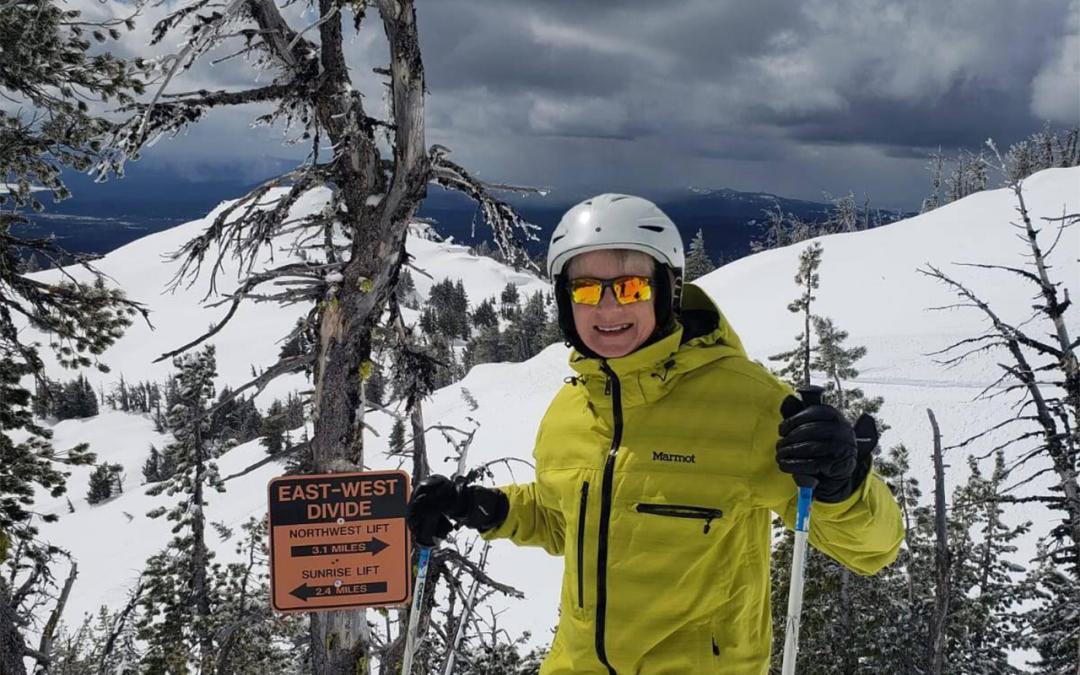
A woman in a skiing outfit stands next to a sign read "East, West."

Malgorzata Peszynska on the southeast side of Mt. Bachelor, Oregon, where two trails meet at the East West Divide. Peszynska's journey has also taken her on trails from East to West, over 5,000 miles from Poland to Oregon.

From Warsaw to worldwide impact: A wholehearted journey

Born and raised in Warsaw, Poland, Peszynska discovered her passion for mathematics at a young age. Encouraged by her family, she cultivated that passion alongside her love for the natural world, leading her to study mathematics in the context of physical phenomena and ultimately specialize in mathematical modeling and computational solution of flows through porous media and their geological applications.

She earned a master’s degree in applied mathematics from the Warsaw University of Technology and a Ph.D. in mathematics from the University of Augsburg in Germany. She also holds a habilitation degree from the Warsaw University of Technology.

Her interest in real-life applications is driven, in part, by a personal passion for the natural environment and outdoor activities. And she commits fully to her pursuits, whether tackling complex equations, building interdisciplinary teams, or enjoying leisure activities like skiing and sailing. Embracing her mantra to "Make your own kind of music," she consistently tries to choose the complex and challenging path over the simple and easy.

Reflecting on the most meaningful milestones and accomplishments that led to this recognition, Peszynska shared that it's not about one single thing but rather a tapestry of efforts woven from countless interesting problems and diverse potential directions.

“At every fork in the road, we are choosing a path and sometimes we succeed in making progress,” she said. “At times, the most cited papers are the easiest for us, and sometimes those least noticed are the hardest but might make an impact much later. This may be scary when looking ahead, but it gets easier over time.”

She likens her role as a mathematician to that of a translator, bridging gaps between disciplines and applying mathematical rigor. Collaborating with colleagues from within mathematics and across other fields has empowered her to tackle real-world modeling projects with significant practical implications, even in the absence of a clear existing mathematical framework for analysis. From exploring multi-scale modeling techniques to navigating complex algorithms, these partnerships have broadened her perspective and fueled innovation.

As a mentor, she encourages students to discover their passions and gently nudges them to work diligently towards their goals, knowing they might change their minds along the way. But, she said, “There's no substitute for hard work. Sometimes, it's not just about assignments or tasks; it's about doing repetitive steps and finding the discipline to keep going. One of my past mentors said, ‘All you can do is work.’ And that's true. It means showing up every day, putting in your hours, and eventually, things will click. In turn, mentoring isn't easy. You offer advice, but ultimately, it's up to them to decide what works best for them. It's not unique—I don't have all the answers. Live and let live, I suppose—that's another principle I try to uphold.”

One of her former students, Scott Clark ('08), listed in Forbes Magazine’s 30 under 30, shared, “Dr. Peszyńska’s guidance led me down the interdisciplinary path that would become the foundation of my later graduate and professional work. ... She had a direct, positive impact on my career trajectory, and I would not be where I am today without her.”

At that, she humbly replied, “We have a lot of brilliant undergraduate students, and they just need an opportunity to fly. And so we should be accommodating them, I think. Yeah, let them fly."

She has also found leading the community in various professional circumstances gratifying—“building one connection at a time and not letting go.” Peszyńska has served as a program director for computational mathematics for the NSF and in multiple roles for the Society for Industrial and Applied Mathematics. Additionally, she organizes conferences, serves on editorial boards, and participates in review panels for prestigious institutions.

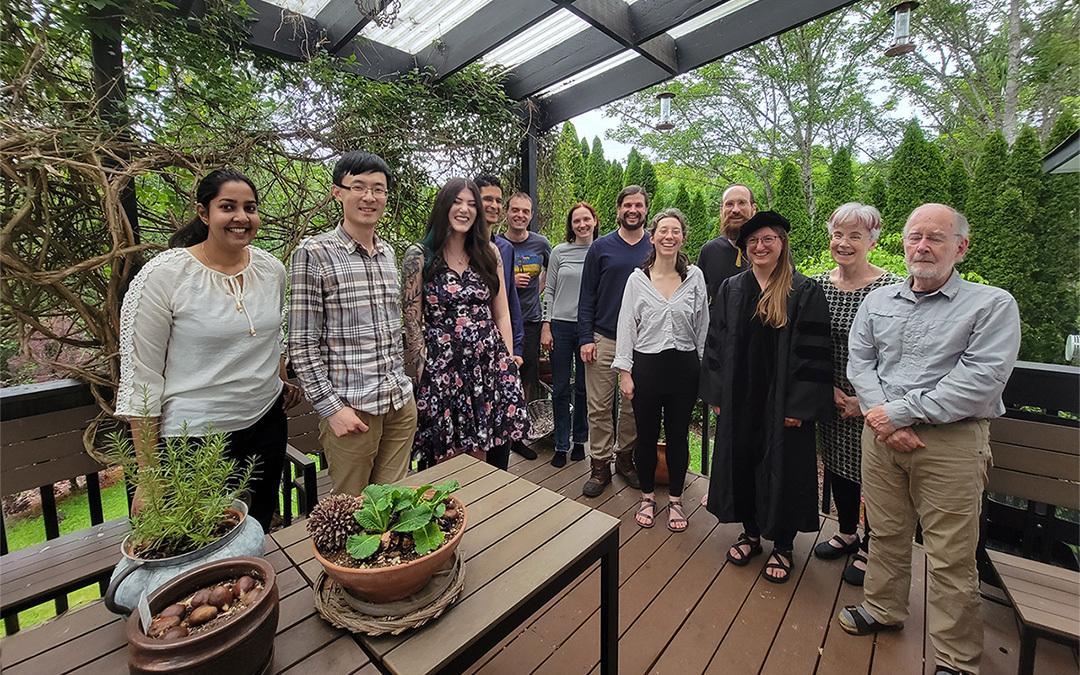
A group of people stand on a deck celebrating the graduation of a postdoc.

Malgorzata Peszyńska and her students and postdocs celebrating the graduation of Lisa Bigler (Ph.D. 2022).

Challenges and rewards: Bridging disciplinary divides

Peszynska’s success in bridging complex mathematics and diverse real world disciplines has much to do with her independent and joyful spirit.

She describes her atypical view of computational and applied math as an "attitude," rather than a discipline. “My work leans closer to art in its abstract form, or closer to science and engineering in its useful side. This dichotomy is not always understood or appreciated, and it feels funny and sometimes tedious that we may have to prove ourselves over and over. Doesn't everyone want to have clean air, enough food, exciting and intellectually stimulating complex work and stability of life? Live and let live!

“But my strategy is to not try to win anyone over to interdisciplinary work but rather to enjoy the intellectual and emotional joy of learning the new language while appreciating the cultural differences. The reward is that you build the bridges rather than straddle the fence.”

To apply her discipline and contribute wholly to critical concerns is very hard work, and she competes mostly with herself, harnessing discipline if ever enthusiasm wanes. Just as she advises her students: Do the work.

“On the lighter side, most days I wake up happy in the morning to continue doing this work,” she said. “It's fun, more fun than video games because I can make my own with the simulations. So that's exactly what I hope for others, especially students, that they will find fun in it—potentially even more, making a difference, one step closer to a better world.”

Curious minds may explore Peszyńska’s website for its challenges and interactive learning. Exploring innovative solutions can feel akin to solving puzzles, but even more rewarding.

The lasting impact of her work that she will hold most dear is the enduring value of lifelong learning and the significance of interdisciplinary collaboration—with its potential to shape the future. And she truly hopes that students will experience and appreciate the intrinsic joy and real-world impact that computational and applied mathematics have to offer.

“I am thrilled to see Malgo Peszyńska get this well-deserved recognition,” said Eleanor Feingold, dean of the College of Science. “Her world-class work in mathematical and computational modeling, coupled with her dedication to interdisciplinary collaboration, are instrumental in shaping the future of environmental science.”

Along her journey, Peszyńska has had to choose between many forks in the road. With too many options to follow in one lifetime, she acknowledges the opportunities left behind for future lives.

What might she pursue in her next life? Well, she might need two (or more). “Right now, my count goes into the upper teens.”

Cancer cells

Innovation in cancer treatment and mathematics: SciRIS awardees lead the way

By Hannah Ashton

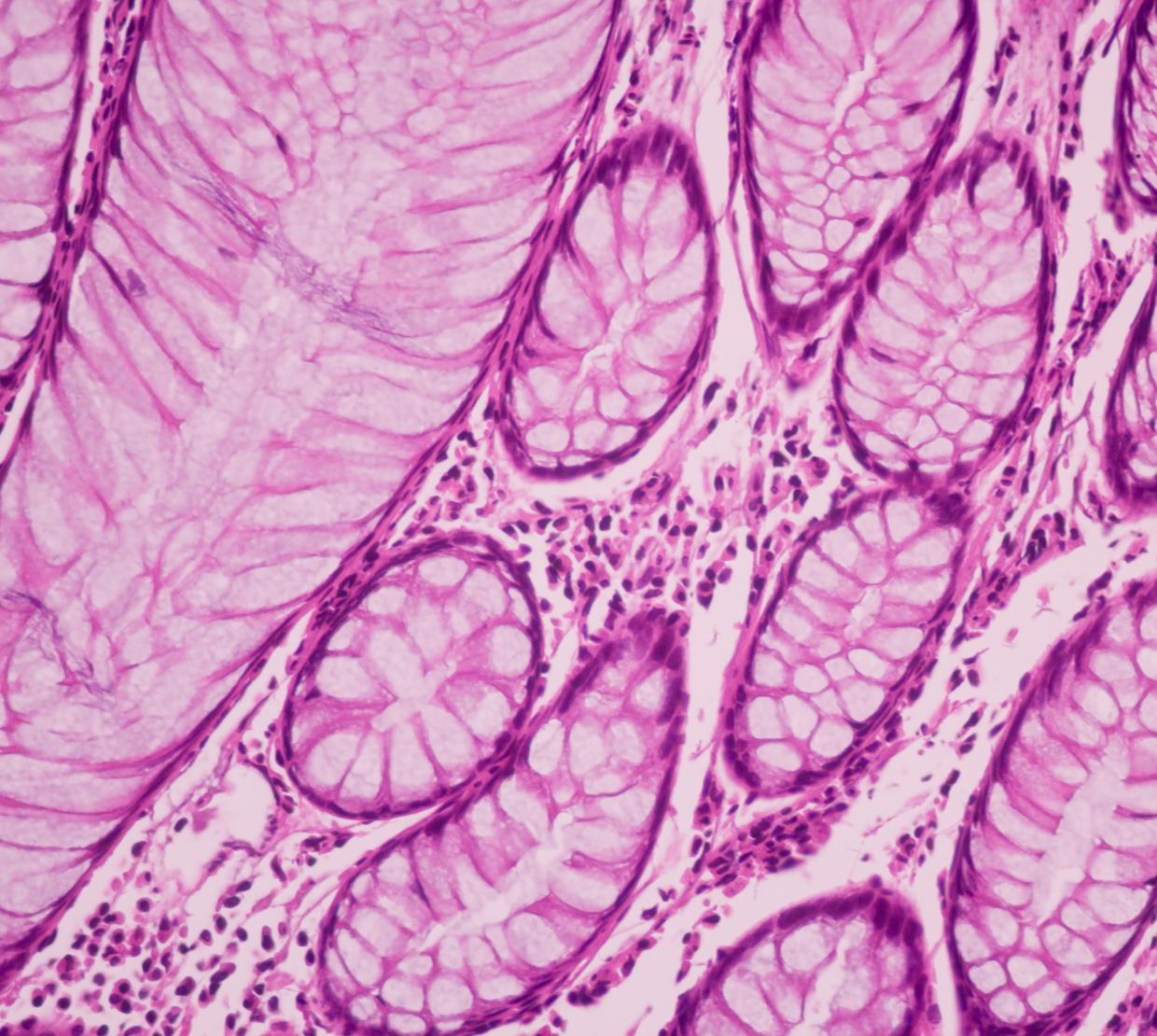
SciRIS awards bolster essential research endeavors, such as the investigation of human cancer cells (pictured above).

Collaborative science has the power to change the world. The 2024 College of Science Research and Innovation Seed (SciRIS) award recipients aim to use that power to develop better treatments for cancer and unlock the mysteries of complex mathematical equations.

The SciRIS program funds projects based on collaborative research within the College of Science community and beyond. There are two tracks through the program: SciRIS (Stages 1-3) and the SciRIS individual investigator award (SciRIS-ii).

SciRIS Stages 1-3 funds teams in three stages of increasing funding to support training, research and capacity-building, accelerating work toward external funding opportunities. SciRIS-ii funds individual faculty to establish research relationships with external partners, enabling them to demonstrate the feasibility of their ideas and quickening the pace of scientific discovery.

SciRIS Stage 1

Professor Claudia Maier, alongside a multidisciplinary team including researchers from the Colleges of Engineering and Agricultural Science, received a SciRIS Stage 1 award to study on triple-negative breast cancer.

Maier’s team includes two other College of Science researchers, Yanming Di from the Department of Statistics and Chad Giusti from the Department of Mathematics.

In biology, cells exhibit a range of diverse characteristics known as cellular heterogeneity, regardless if the overall biology appears uniform. This diversity influences disease progression, treatment outcomes and the likelihood of disease recurrence. Single-cell proteomics is an emerging technique that allows researchers to study these differences at the individual cell level.

Collaborating with faculty from the College of Engineering and the College of Agricultural Science, the team aims to refine a single-cell mass spectrometry workflow focusing on triple-negative breast cancer and specifically targeting therapy-induced senescent cells. Senescent cells eventually stop multiplying but don’t die off, leading to the continued release of chemicals that can trigger inflammation and damage healthy cells. This research builds upon previous work and collaboration, moving from technology development to practical application in biomedicine.

By understanding the heterogeneity within breast cancer and the role of senescent cells in treatment resistance, the researchers aim to develop methods for detecting and characterizing TIS cells from tissue samples. This information will be crucial for developing treatments that target these cells, potentially improving outcomes for TNBC patients.

Kyriakos Stylianou smiles for a photo.

Kyriakos Stylianou

SciRIS-ii (Individual Investigator)

The following three scientists received SciRIS-ii awards: Kyriakos Stylianou, Christine Escher and Xueying Yu.

Materials scientist Kyriakos Stylianou will use his SciRISii award to study a new, more efficient way to diagnose and treat cancer using advanced technology that combines imaging and therapy in one tiny package.

Theranostics is a novel cancer approach that uses radiotracers, compounds made of radiation and chemicals that selectively bind to a specific target in the body. The tracers identify and then deliver radioactive drug therapy to the tumor, resulting in better outcomes and personalized treatments.

Stylianou will explore using metal-organic frameworks to build the nanoparticles. His research will also look at utilizing boron neutron capture therapy, a promising approach to cancer treatment that results in minimal consequences to normal cells.

By combining gadolinium for imagining and carborane-based ligands—which include boron—for therapy, the MOF would be able to diagnose and treat cancer after being activated specifically in tumor microenvironments.

The successful demonstration of the theranostic capabilities of the MOFs in lab settings will mark the initial phase towards more complex studies conducted in living organisms.

Christine Escher in front of shrubbery

Christine Escher

Mathematics Professor Christine Escher will use her SciRISii award to delve into Global Riemannian geometry, a field studying the relationship between local and global geometric properties of space. Specifically, the focus is on understanding manifolds with lower curvature bounds by exploring symmetries.

Escher will be continuing to collaborate with Catherine Searle from Wichita State University, to achieve a comprehensive classification of such manifolds, contributing to a deeper understanding of Riemannian geometry.

Escher will be attending a semester-long program at the Mathematical Sciences Research Institute in Berkeley entitled, “New Frontiers in Curvature: Flows, General Relativity, Minimal Submanifolds and Symmetry.” This opportunity facilitates collaboration and provides access to specialized resources. One of Escher’s Ph.D. students, Augustin Bosgraaf, will also participate in the program, further enhancing the mentorship and educational aspects of this research endeavor.

Xueying Yu

Xueying Yu

Assistant Professor of Mathematics Xueying Yu received a SciRISii grant to understand the behavior of dispersive equations, which are fundamental in describing various natural phenomena such as light transmission, charge transport in DNA and particle interaction in atoms. While these equations are widely used across physics and biology, their long-term behavior remains largely unexplored.

Collaborating with researchers at the University of Bologna in Italy, the University of New York at Binghamton and Massachusetts Institute of Technology, Yu will focus on equations with variable coefficients which are more complex to analyze. The project aims to develop theories and tools to understand the long-term behavior of these variable coefficient dispersive equations, focusing on aspects like global well-posedness, scattering effects and unique continuation of solutions.

This project will not only contribute to advancing mathematical understanding but also have practical implications in various fields such as numerical simulations, optics, condensed matter, fluid mechanics and biology.

Memorial Union

New Graduate Students 2022-2023

The Mathematics department welcomed 13 new graduate students this fall, two enter with a Masters, eleven with a Bachelors; four were awarded scholarships; one was awarded a fellowship!

  • Camden Collins – Bachelors from Humboldt State University
  • Addison Day – Masters from University of of California-Santa Cruz
  • Nikolaus Elsaesser – Bachelors from Santa Clara University
  • Cameron Fish – Masters from Portland State University
  • Rebekah Kuss – Bachelors from Saint Martin
  • Raven McCoy – Bachelors from Oklahoma State University
  • Victory Obieke – International Student from Nigeria - Bachelors from Nnamdi Azikiwe University
  • Connor Progin – Bachelors from University of Portland
  • Kaitlynn Spiker – Bachelors from West Virginia University
  • Hsiang Thum – Bachelors from University of Oregon
  • Wyatt Whiting – Bachelors from Oregon State University
  • Calvin Woods – Bachelors from Amherst College
  • Jacob Yadush – Bachelors from Penn State University

The Math department is pleased to announce graduate students who received awards for the 22/23 academic year.

The Math department had 3 students who had their Wei Scholarships renewed for the 22/23 year. These scholarships are from the Wei Family Private Foundation. This foundation is a non-profit organization, established to honor the memory of Dr. (Mrs.) Chung Kwai Lui Wei and Mr. Hsin Hsu Wei. The purpose of this foundation is to award scholarship grants to students of Chinese heritage with high academic credentials. Fifth year students Chifan Leung and Nachuan Zhang, along with third year student Peter Cowal received their renewals of this award.
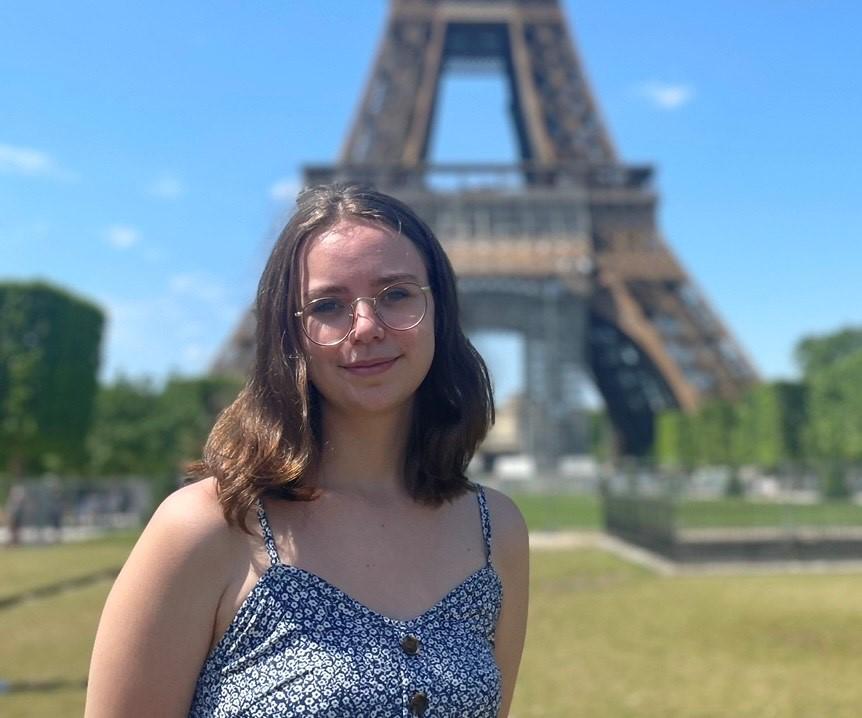
First year graduate student Hsiang Thum was also awarded the Wei Scholarship.

Hsiang_profile

Hsiang Thum

Provost Scholarships were awarded to first year students Cameron Fish, Rebekah Kuss, and Kaitlynn Spiker. The purpose of the Provost’s Distinguished Fellowship and Scholarship program is to support programs in the recruitment of Oregon State’s most meritorious graduate students.

Rebekah Kuss

Rebekah Kuss

Kaitlynn Spiker

Kaitlynn Spiker

First year graduate student Victory Obieke was awarded the Ramanujan-Hardy Fellowship. This fellowship was established to help recruit and retain post-baccalaureate and graduate students from communities that are historically underrepresented in higher education.

Victory Obieke

Valley Library and OSU clock tower in the background with sunshine.

Faculty excellence: Promotions and tenure 2023

By Vrushali Bokil

The College of Science congratulates 17 faculty on receiving promotions and/or tenure this year.

Countless hours of consideration and analysis goes into every promotion decision. The College relies heavily on the expertise and perspectives of departmental staff, department heads, department committees, peer teaching committees, College of Science Promotion and Tenure Committee, external reviewers and students to get our deserving faculty through this process.

Thank you to everyone that helped to make this possible for our well-deserving faculty.

Congratulations to the science faculty in the college who have just completed this process with success!

Chemistry Department

Marilyn Mackiewicz will be promoted to Associate Professor of Chemistry and granted indefinite tenure, effective September 16, 2023.

Integrative Biology Department

Carmen Harjoe will be promoted to Senior Instructor I of Integrative Biology, effective July 1, 2023.

Lindsay Biga will be promoted to Senior Instructor II of Integrative Biology, effective July 1, 2023.

Mathematics Department

Amanda Blaisdell will be promoted to Senior Instructor I of Mathematics, effective September 16, 2023.

Clayton Petsche will be promoted to Professor of Mathematics, effective September 16, 2023.

Chris Orum will be promoted to Senior Instructor I of Mathematics, effective September 16, 2023.

David Wing will be promoted to Senior Instructor II of Mathematics, effective September 16, 2023.

Elise Lockwood will be promoted to Professor of Mathematics, effective September 16, 2023.

Johnner Barrett will be promoted to Senior Instructor I of Mathematics, effective September 16, 2023.

Liz Jones will be promoted to Senior Instructor II of Educational Opportunities Program and Mathematics, effective September 16, 2023.

Mary Beisiegel will be promoted to Professor of Mathematics, effective September 16, 2023.

Michael Gilliam will be promoted to Senior Instructor I of Mathematics, effective September 16, 2023.

Sara Clark will be promoted to Senior Instructor II of Mathematics, effective September 16, 2023.

Microbiology Department

Shawn Massoni will be promoted to Senior Instructor I of Microbiology, effective July 1, 2023.

Physics Department

Evan Thatcher will be promoted to Senior Instructor I of Physics, effective September 16, 2023.

Paul Emigh will be promoted to Senior Instructor I of Physics, effective September 16, 2023.

Statistics Department

Katherine McLaughlin will be promoted to Associate Professor of Statistics and granted indefinite tenure, effective September 16, 2023.

Thank you!

Thanks to all of the committee members who served on the College of Science Promotions and Tenure Committee this year.

  • Andy Karplus, Chair and Professor of Biochemistry & Biophysics
  • Chong Fang, Professor of Chemistry
  • Ethan Minot, Professor of Physics
  • Holly Swisher, Professor of Mathematics
  • Kate Field, Professor of Microbiology
  • KC Walsh, Senior Instructor II, Physics
  • Lesley Blair, Senior Instructor II, Integrative Biology
  • Lisa Madsen, Professor of Statistics
  • Michael Freitag, Professor of Biochemistry & Biophysics
  • Oksana Ostroverkhova, Professor of Physics
  • Sally Hacker, Professor of Integrative Biology
Kimberly Truong

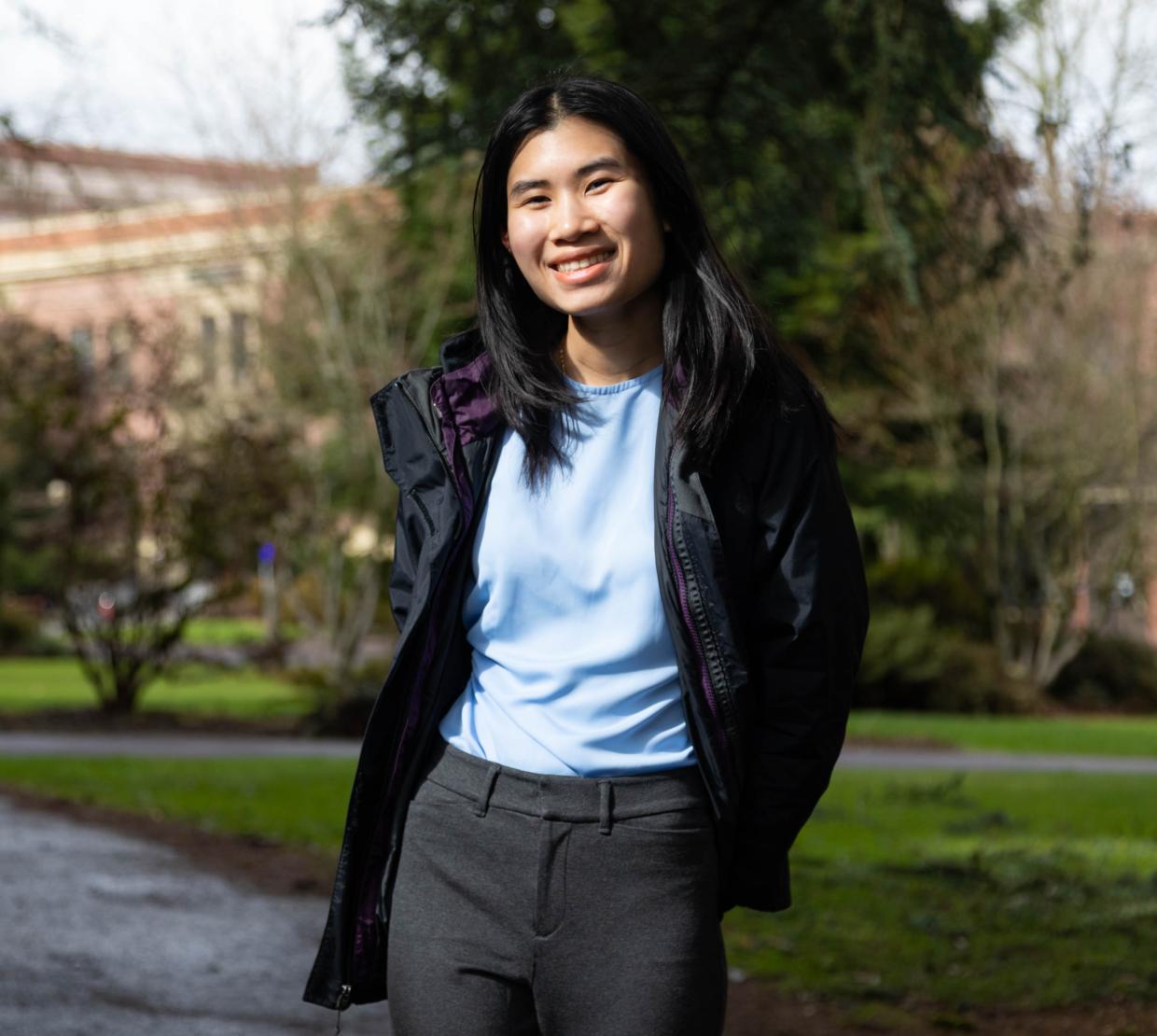
College of Science student selected as Goldwater Scholar

By Steve Lundeberg

A third-year mathematics student has been named a 2023 Goldwater Scholar by the Barry Goldwater Scholarship and Excellence in Education Foundation.
Kimberly Truong of Portland, who attended Reynolds High School in Troutdale and is a student in OSU’s colleges of Engineering and Science, is OSU’s 18th Goldwater Scholar in the past decade, 13 of whom have come in the last five years. She is Oregon State’s 45th honoree overall since the program’s 1986 inception.

Truong is part of the Oregon State University Honors College and is double majoring in computer science and mathematics. She is one of 413 Goldwater Scholars selected from more than 1,200 students nominated by 427 academic institutions in the United States.

Sophomores and juniors studying natural science, engineering or mathematics are eligible for the scholarship. The Goldwater Scholarship is the top undergraduate award in the majors it covers, said LeAnn Adam, OSU’s Goldwater campus representative, and applicants must be planning a career in research.

Each recipient receives a maximum of $7,500 to use for any part of tuition, fees, books, and room and board for the 2023-24 school year not covered through support from other sources.

Truong intends to obtain a Ph.D. in machine learning and pursue a university faculty position that will allow her to conduct research at the intersection of machine learning and software engineering.

Read more here.

A scroll sits above a wreath on a blue background with glitter.

Celebrating excellence in teaching and advising: 2023 College of Science Awards

By Hannah Ashton

The College of Science gathered on Feb. 22 to recognize and celebrate our high-achieving faculty and staff at the 2023 Combined Awards Ceremony. The evening celebrates the best in the college, from excellence in teaching and advising, service and administration to inclusive excellence, to outstanding achievements in research.

During the teaching, advising and mentoring portion of the evening, many of the awards were determined based on student nominations. Mentors were praised for their creative teaching styles, engaging personalities and willingness to go above and beyond for students both inside and outside of the classroom.

Congratulations to all the award recipients!

Loyd F. Carter Award for Outstanding and Inspirational Teaching in Science (Undergraduate)

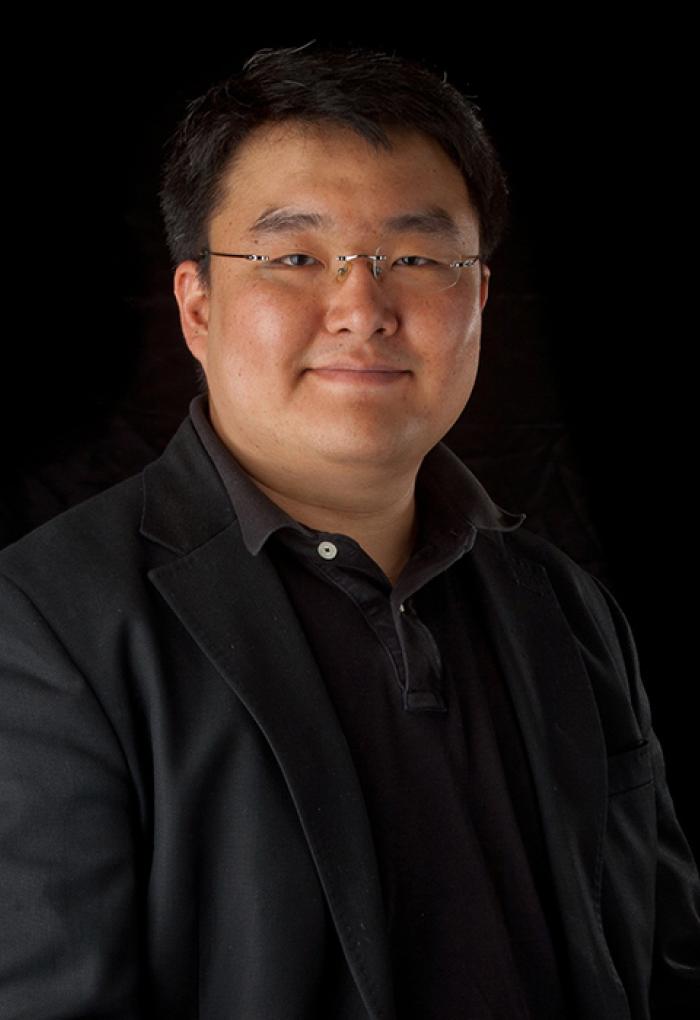
Paul Cheong in front of black backdrop

Bert & Emelyn Christensen Associate Professor Paul Ha-Yeon Cheong

Bert & Emelyn Christensen Associate Professor Paul Ha-Yeon Cheong won the Loyd F. Carter Award for Outstanding and Inspirational Teaching in Science. Cheong teaches General Chemistry and Organic Chemistry.

Nearly twenty students nominated Cheong for this award, commending his charismatic personality, ability to adjust his teaching style for each student and his focus on mental health. Multiple students called Cheong the best professor they have ever encountered and credited him with their academic success.

“He made the class itself easier when the material was complex,” wrote one student nominator. “When I struggled with mental illness and fell behind, he reached out, met outside of class and worked with my personal barriers to make sure I could succeed and move on in my studies.”

Other students acknowledge the challenging stereotypes associated with chemistry courses and Cheong’s ability to make the content digestible.

“There have been many times within the course that I thought that I didn’t belong in the classroom or failed as a student,” said one nominator. “He has restored my confidence and hasn’t given up on me so that I can pursue my goals within higher education.”

Loyd F. Carter Award for Outstanding and Inspirational Teaching in Science (Graduate)

Marilyn Mackiewicz accepting her award.

Marilyn Mackiewicz receiving her award with Interim Dean Vrushali Bokil and Associate Dean for Academic and Student Affairs Jessica Siegel.

Associate Professor of Chemistry Marilyn Mackiewicz received the Loyd F. Carter Award for her inspirational and caring mentorship and teaching of graduate students.

“I wish I could put in words how much of an inspiration she is to me. Her teaching has a very unique flipped classroom model which felt student-centric and very engaging for me,” wrote one nominator. “She had multiple ways that she helped us but not in a way that would damage our independent thought. I love the fact that the class had grant writing, research project work and presentations on chapters to cover for our course all given by the students.”

Last year Mackiewicz received the College of Science Inclusive Excellence Award, and in January 2023, she presented the inaugural lecture in combination with the award. Watch her lecture, “Empowering Culture of Belonging,” on YouTube.

For both undergraduate and graduate students, Mackiewicz is known for her mentorship, support and advocacy. Many of her courses include a focus on fostering a sense of belonging and inspiring leadership development.

Olaf Boedtker Award for Excellence in Academic Advising

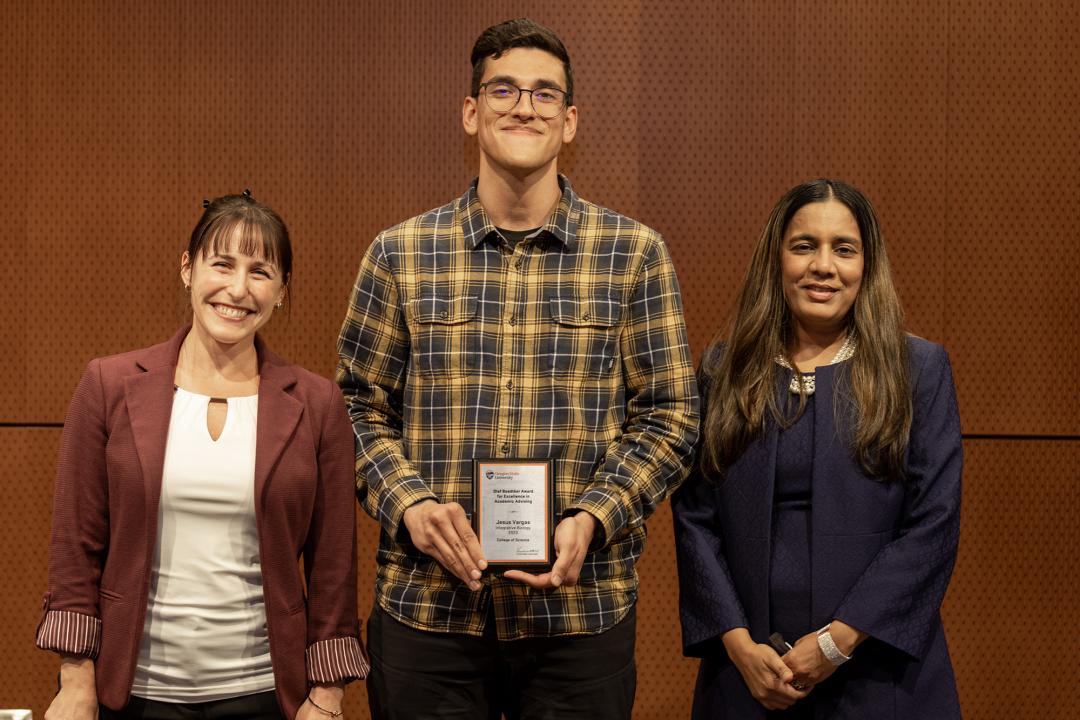
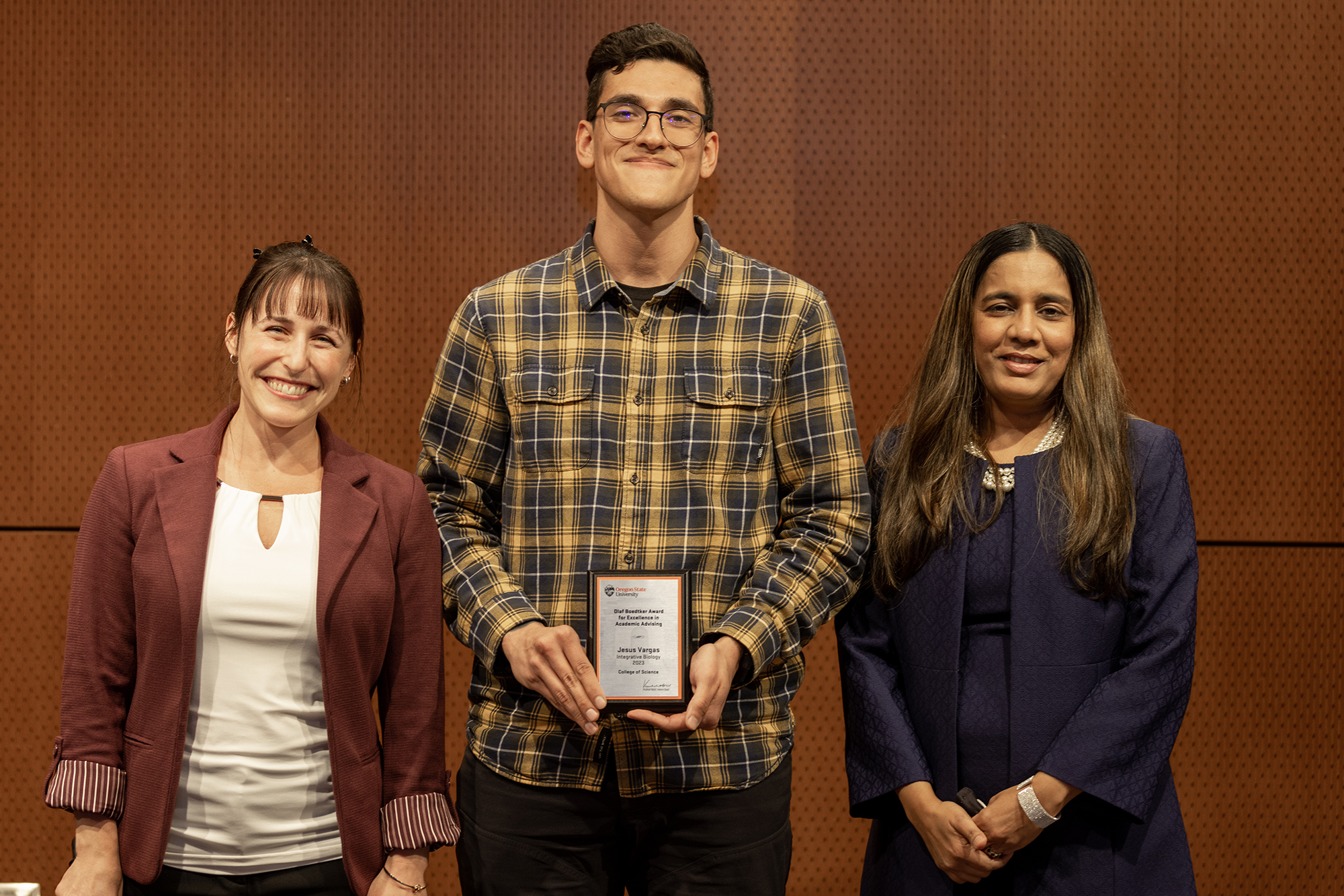
Jessica Seigel and Vrushali Bokil posing with Jesus Vargas holding his award.

Jesus Vargas receiving his award from Interim Dean Vrushali Bokil and Associate Dean for Academic and Student Affairs Jessica Siegel.

Jesus Vargas, academic advisor in the Department of Integrative Biology, received the Olaf Boedtker Award for his knowledgeable support and caring undergraduate advising. Olaf Boedtker was a former professor in the Department of Physics for 23 years and served as head advisor in the College for 14 years from 1973 to 1987.

“Jesus was patient with all of my questions and did a thorough job of preparing to advise me over the summer about my first steps with Oregon State. I was overwhelmed and unsure but his knowledge of the Zoology degree and ECampus platform made his guidance invaluable,” wrote one nominator. “I could tell he had prepared for our advising appointment and that made me feel like the time, money and energy I was putting into my education was respected.”

Another student had similar praises for Vargas. “He was incredibly helpful and knowledgeable, supportive, and helped me really think through the choices I was debating and pick the path that is the best for me. I’ve never felt like an advisor was invested in me personally and truly cared about my specific situation and took the time to look through my transcripts, listen to me and give tailored advice.”

Fred Horne Award for Sustained Excellence in Teaching Science

Mary Beisiegel standing in a black shirt and dark pants receiving a plaque.

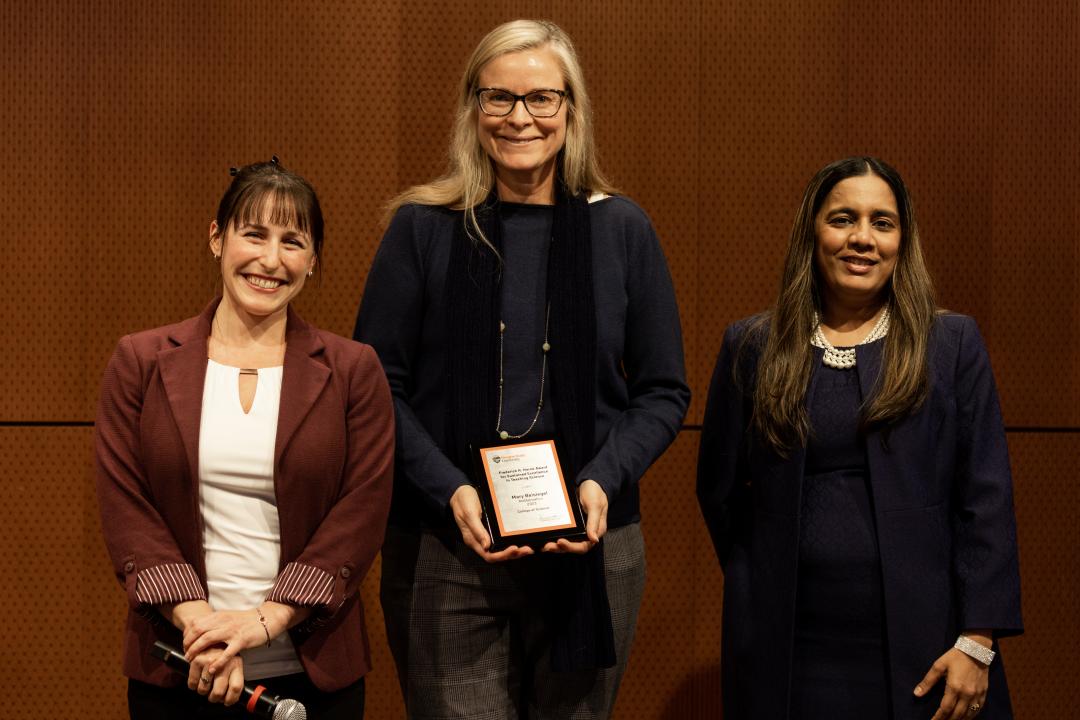
Mary Beisiegel receiving her award from Interim Dean Vrushali Bokil and Associate Dean for Academic and Student Affairs Jessica Siegel.

Mary Beisiegel, associate professor in the Department of Mathematics, received the Fred Horne Award for her exceptional and sustained instructional achievements and high student praise. This award is named after Fred Horne, Oregon State professor emeritus of chemistry and the former College of Science dean for 13 years, from 1986 to 1999.

During Beisiegel’s ten years at Oregon State, student and peer evaluations of her teaching have been consistently positive.

“In addition to teaching content with an excellence and passion that is unmatched by most, Beisiegel also happens to be a personal role model and mentor of mine,” one student nominator wrote. “Being a woman in a STEM field, I have faced adversity and have often felt out of place among classmates. Beisiegel always made sure that each and every student in her class felt safe and welcome regardless of their math learning background or personal experiences.”

Colleagues mentioned her high-quality teaching that prioritizes student voices and use of evidence-based teaching practices. Extending outside of the classroom, Beisiegel runs the Graduate Teaching Assistant orientation for the department and takes an involved role with the Math Education Seminar.

“Her excitement about teaching has a positive impact on her students, certainly, but as her colleague I can also attest to the positive impact it has had on me,” wrote one nominator. “Being surrounded by a passionate educator like Mary, I am motivated to put the same kind of intentionality and energy into my own teaching, which ultimately serves to benefit the students at OSU.”

Beisiegel has a strong track record of Oregon State and national recognition for her teaching excellence. In 2017 she received the national Henry L. Alder Award for Distinguished Teaching by a Beginning College or University Mathematics Faculty Member. Each year at most three college or university teachers are honored with this award. From 2018 to 2021 she was an Oregon State Ben and Elaine Whitely Faculty Scholar of Teaching Excellence.

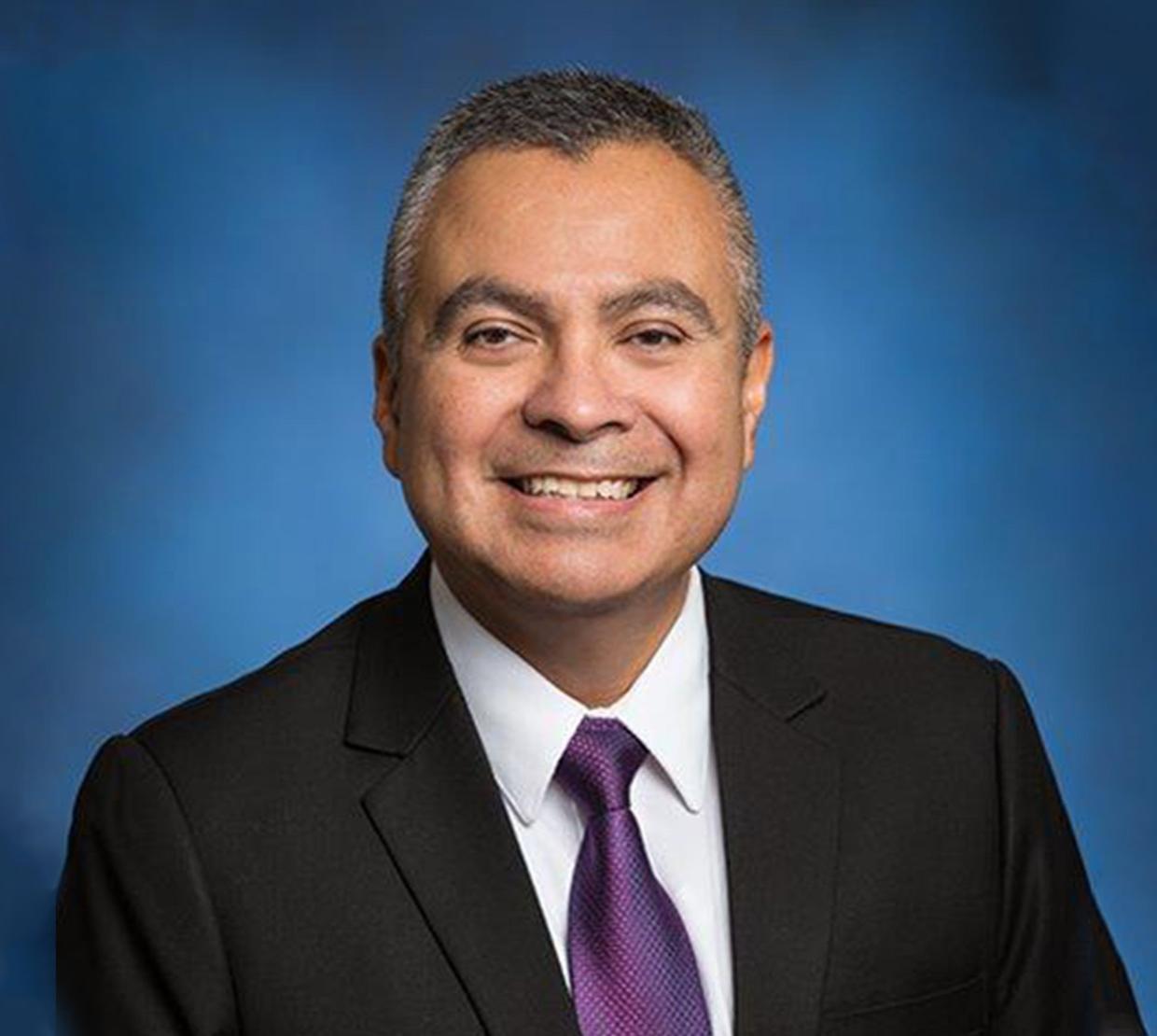
A professional photo for Roman Hernandez wearing a suit with a blue background

Alumni Awards: Raising the bar for diversity in the legal profession

By Hannah Ashton

Only 1.7% of attorneys in Oregon identified as Hispanic or Latino/a in 2020.

College of Science alumni Román Hernández (‘92) is not only part of that 1.7%, but he has dedicated his time to making sure that number grows.

“When I joined a large corporate law firm right out of law school, I found the experience very isolating. There were few racial or ethnic minorities at that firm,” Hernández said. “In fact, when I joined the firm, I was only the second Hispanic attorney at the firm. The first was my law school classmate and friend who graduated one year ahead of me.”

As a second-year lawyer Hernández created the Oregon Hispanic Bar Association with two friends, an organization dedicated to advancing the interests and rights of Hispanic legal professionals. With more than 200 members and growing, the association celebrated its 20th anniversary this year.

Hernández is now a nationally recognized attorney specializing in employment law and commercial litigation. He works as the office managing partner for Troutman Pepper’s Portland office, a national firm ranked among the 50 largest law firms in the United States.
“I fall back on that methodical way of thinking and critical reasoning skills. Those are applicable in what I do day-to-day."

On Oct. 21, Hernández will receive the College of Science’s 2022 Distinguished Alumni Award for his exceptional achievements that have brought honor, distinction and visibility to the College and Oregon State University. “I was very surprised because I don’t practice science. I’m not in the field anymore. But I am deeply honored,” he said.

Although at first glance the law and science are quite different, Hernández said they require many of the same skills. “I fall back on that methodical way of thinking and critical reasoning skills. Those are applicable in what I do day-to-day,” he said. “I think it prepared me well.”

The son of migrant farm workers from Mexico, Hernández was the youngest of eight children. Raised in rural eastern Oregon, coming to Oregon State was a culture shock — the university was four times the size of his hometown. He relished the opportunity to meet other students from different cultural backgrounds and attend events on campus.
Hernández started his academic career at Treasure Valley Community College through the support of financial aid. An Air Force ROTC scholarship allowed him to transfer to Oregon State and major in general science, emphasizing biological sciences, and aerospace studies.

After graduation, he served for nearly five years in the Air Force, where he met a Hispanic judge advocate lawyer who encouraged him to attend law school. Hernández graduated from Lewis and Clark Law School (Portland) in 2000.

His record of service has grown exponentially since then. Hernández served as the National President of the Hispanic National Bar Association and co-founded the association's Legal Education Fund. He also served on the Board of Directors of the Hispanic Metropolitan Chamber, The Oregon Community Foundation and on the Federal Reserve Bank of San Francisco’s Portland Branch Board. In 2021, Governor Kate Brown appointed Hernández to serve for four years on the Board of Trustees of Oregon State University.

In honor of his commitment to diversity and inclusion, Hernández has received many awards and accolades from governments, institutions and organizations. He was awarded the Distinguished Graduate Award and Distinguished Business Law Graduate Award from Lewis & Clark Law School; the Ohtli Award from the Government of Mexico (the highest award presented to a non-Mexican citizen); the Diversity, Equity and Inclusion Alumni Legacy Award from Oregon State University; the President’s Diversity and Inclusion Award from the Oregon State Bar; and numerous other honors.

Read more about Hernández and his inspiring efforts to help the next generation of Hispanic and Latinx legal professionals.

Subscribe to Awards & Recognition