Statistics

Statistics

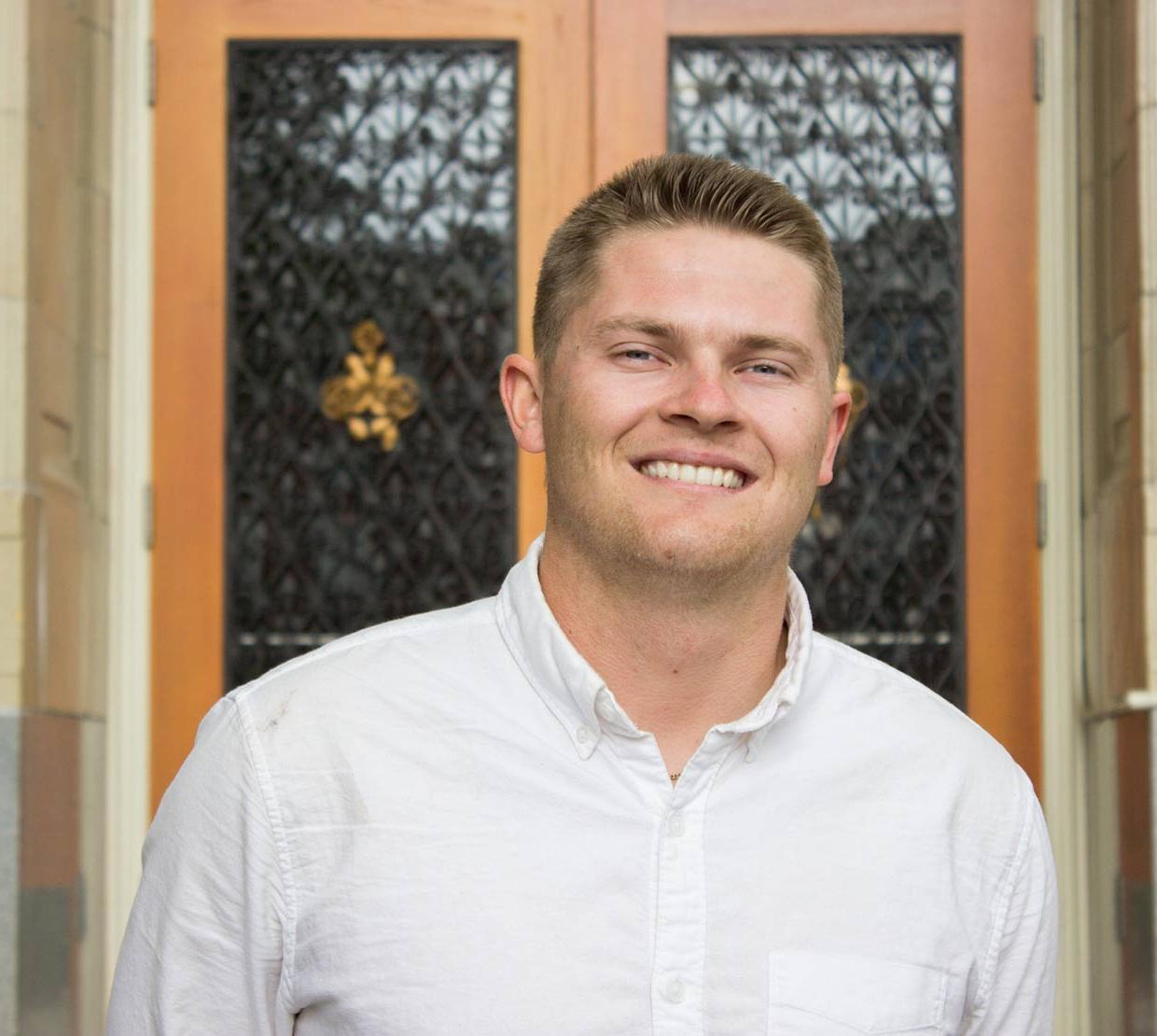
Morgan Pearson in front of Kidder Hall

Winning at baseball with math and statistics

By Srila Nayak

Morgan Pearson, mathematics senior and baseball analytics expert

Baseball is full of catch phrases and obscure acronyms: trade value, ceiling, on-base percentage, slugging percentage, RBI, OPS+, wOBA and so on. They all have to do with statistics and probability at least partly or entirely, and mathematics senior Morgan Pearson is completely at home with the industry jargon.

Oregon State University’s baseball team is in the middle of a fantastic season winning all regional playoff games during the first week of June against Northwestern State and Louisiana State University (LSU) to advance to the NCAA Super Regionals and make its second consecutive appearance in the College World Series June 16 -27 in Omaha, Nebraska this year.

To prepare the team for victory, it may be all about the math. Pearson, who is an assistant to the legendary OSU baseball head coach Pat Casey, studied more than a dozen films of games played by Northwestern State and LSU. He shared data about their tendencies and statistics with Casey to make game-time decisions about who to play and how to play certain games against particular opponents.

Pearson, who has played baseball since he was five years old, has spent the last four years at Oregon State moving seamlessly between the worlds of mathematics, statistics and baseball.

He has successfully combined his passion for baseball and numbers to excel in his role as assistant to Casey, where among other weighty responsibilities he has been charged with tracking and compiling all baseball analytics including advanced scouting reports, player development and recruiting assistance. Pearson supervises and leads a group of 12 student managers who assist him on administrative tasks.

Despite all his hard work to graduate on time, Pearson won’t be joining the throngs of other graduates for commencement on June 16. That is the day he will travel with the OSU baseball team for the College World Series in Omaha to compete for the 2018 national baseball championship.

“We are the number three team in the country taking part in a national championship. Any advantage we can get is really important, said Pearson. “I need to do my best job in analyzing our opponents and inform Pat what we need to be careful about as we go into a game, what the players in the rival team like to do and how they might try to beat us. That is my role. It is a lot of fun.”

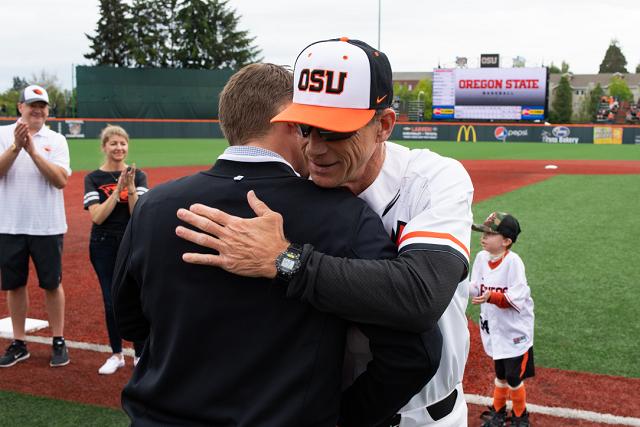
Morgan Pearson hugging baseball coach Pat Casey on Goss Stadium field.
Morgan Pearson with OSU baseball coach Pat Casey

Pearson’s statistical insights and diligent work have proven invaluable. His statistical data and analysis led to game-time decisions that contributed to an NCAA record for the highest winning percentage in a season and a record two 23-game winning streak for the team. Responsible for preparing OSU’s team with analytics, scouting reports and game videos, Pearson’s labor paid off handsomely. Last season, he watched the team chalk up triple victories as Pac-12, Regional and Super Regional champions and come in third place in the nation at the College World Series.

It is all about the numbers—a journey from academics to internships

Ever since he arrived at Oregon State in 2014, Pearson has been laser focused on a single objective: Getting the best possible academic preparation to secure a foothold in the profession of baseball analytics. He has done whatever it takes to reach his goal—working 40-60 hours every week with the OSU baseball program, managing all the baseball analytics and administrative details, travelling to dozens of games throughout the spring season, and at the same time staying on top of his mathematics coursework, even getting involved in mathematical and biostatistics research. Not to mention the fact that Pearson is graduating on time. His accomplishments are nothing short of awe-inspiring.

“It has been very challenging, especially with a demanding and rigorous major like mathematics, but I have stayed dedicated and determined, taking three to four math classes a term to graduate on time. I have had to sacrifice a lot of my social life just to get everything done,” said Pearson, who enjoys a 53 percent tuition scholarship at OSU.

Pearson was a junior catcher in Central Catholic and Lake Oswego High School’s baseball teams in the Portland area and nearly made it as a walk-on for the OSU baseball team but the spot closed up. Coach Casey gave him a position in baseball operations and Pearson stayed on. Initially enrolled as a business major, Pearson quickly realized he would require a more systematic and thorough training in mathematics and statistics to reach his career goals. He switched to mathematics with a minor and option in statistics, which is only offered to math majors.

“When my playing career ended I wanted to stay in the game as long as I could. I knew for me to stay in baseball the best way would be the front office route—the analytics, the numbers, the roster decisions. So, I knew I had to have a really strong degree in math and statistics to stand out because the baseball industry is very competitive.”

Pearson has spent a vast amount of time studying the careers of professional baseball managers to decide which major would suit him best. He noted that the majority of them had degrees in statistics, mathematics and economics. His ultimate goal is to run a professional Major League Baseball team and become the youngest general manager in baseball history. Currently only 22, Pearson certainly has a head start in major league baseball.

“I wanted to take my degree very seriously and get as much mathematics and statistics as possible. While the baseball industry is based on statistics, the coursework in mathematics has taught me meticulous attention to detail that is very valuable. Advanced classes in discrete mathematics and advanced calculus pushed my intellectual ability to a higher level,” said Pearson.

This summer Pearson will start his career as an International Assistant for the Texas Rangers in Arlington where his primary responsibilities will be international scouting and assisting upper management with projects related to statistics and baseball analytics. While hundreds of amateur baseball analysts might harbor dreams of working at major baseball leagues, Pearson has actually managed to accomplish just that with careful planning, determination and hard work.

Pearson was offered the job after an interview process that lasted four months. He notched up other impressive job offers. The legendary New York Yankees too offered a job. But Pearson, who loves interacting with people, found the latter position to be too heavily focused on analytics. He opted for the Texas Rangers because it combined player development with analytics, giving him opportunities to travel, interact with and scout players. As part of his job, he will travel to Puerto Rico, Japan and the Dominican Republic to identify the best talent to bring to Texas.

The Texas Rangers have a multi hundred-million dollar income, and heavy responsibility rests on the team of analysts who utilize statistics to tell the difference between players in order to recruit the best. “We are going to use statistics to find value. You could look at a player and not see his hidden value without the use of statistics,” said Pearson.

Pearson amassed plenty of on-the-job training in the statistical science of baseball as an undergraduate. At the age of 21, he became the youngest intern to be hired by a major baseball team when he he spent the summer of 2017 working with the Texas Rangers as an analytics assistant with their analytics team.

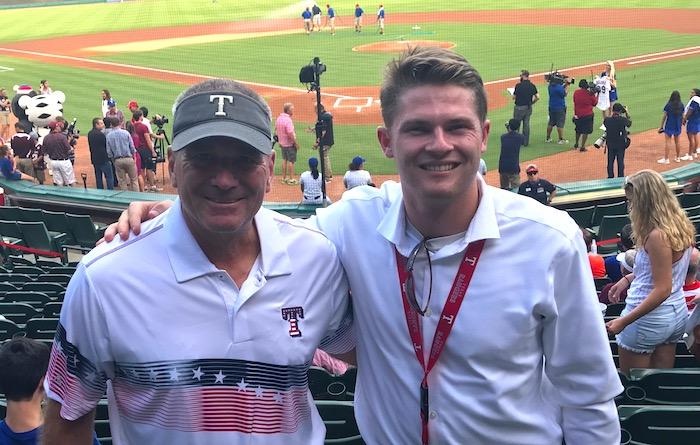
Morgan Pearson at Texas Rangers game
Pearson at home with the Texas Rangers.

He joined the team mid-season after classes ended to work on special assignments and projects that ranged from optimizing the team’s injury prevention and recovery program to building algorithms for players at the trade deadline and statistical analysis using R and Matlab software.

His biggest project was a Trackman—a 3D Doppler radar system that has applications in player evaluation and development—data manipulation of unseen traits in MLB bullpens. Pearson also assisted on a project that helped the team decide which players would be traded in exchange for all-star pitcher Yu Darvish.

“My statistics classes on methods of data analysis really prepared me for my job. If I didn’t have the experience with statistics, I would not have been able to do the projects the Rangers assigned to me. My classes in statistics and mathematics taught me to deliver what the Rangers needed,” said Pearson, who used his knowledge of single, multiple and logistic regression to evaluate and spot the differences among the players.

In the summer of 2016, Pearson worked as a coordinator with the Minor League Spokane Indians, an affiliate of the Texas Rangers in Washington state, where his hard work and abilities were noticed and earned him the internship with the Texas Rangers. Pearson has acquired broad experience and exposure to the professional and statistical side of baseball analytics in some of the nation’s top-ranking teams.

In Spokane, Pearson was responsible for all video and statistical operations for the team, employing statistical software to chart games, generate spreadsheets and reports on players and assist the coaching staff with strategy/gameplay decisions using analytics.

In summer 2015, Pearson worked for the Minor League Salem-Keizer Volcanoes, an affiliate of the San Francisco Giants. He was in charge of operating their Pitch F/x software (Pitch tracking recognition) for their games.

In addition, Pearson volunteered as an associate scout for the Boston Red Sox travelling all over the Pacific Northwest, including Oregon, Washington, Idaho, Alaska and Montana, to write reports on the statistical and physical abilities of high school and college players and “project future value in professional baseball.”

As a Texas Rangers intern, Pearson did plenty of roster and player combinations to derive the value of a player’s worth in offensive positions. His favorite player statistics is wRC+, the latest buzzword in baseball statistics. It stands for weighted runs created plus, an esoteric but practical formula that dissects a player’s overall offense, while adjusting for the effects of the parks and league he plays in.

Pearson traces his strength with baseball analytics to his classes on data analysis, mathematical statistics, stochastic modeling and probability. Some of his favorite statistics and math classes at OSU have been with mathematics professors Mina Ossiander and Robert Burton and associate professor of statistics Sarah Emerson.

Working with Burton, an emeritus professor of mathematics, Pearson conducted research on applications of Pascal’s Triangle, game theory and Markov Process Chain. He has also worked on a research project with Emerson that explored new approaches to modeling multivariate and bivariate responses in specific applications of biostatistics.

“It has been truly a joy to apply my education in mathematics and statistics to my passion of baseball.”

Pearson’s homerun success in charting a career path in his beloved sport may inspire other students of math and statistics. It certainly reinforces the vast opportunities and potential in those fields.

“What students often miss is with mathematics you can do a lot of different things. They need to see that with math you can go to almost any field. That is what’s exciting about mathematics,” said Pearson.

Star icon above vibrant galaxy

Faculty excellence: Promotions and tenure 2018

Promotions and tenure 2018

The College of Science congratulates these 20 faculty on receiving promotions and/or tenure for the 2017-18 academic year.

“The success of our faculty is essential to the success of our students,” said Roy Haggerty, dean of the College of Science. “I am proud of our faculty who are outstanding researchers, scholars, teachers and mentors to our students.”

'I want to also thank our Promotion and Tenure Committee for devoting a significant amount of time engaged in the intense review process to award the best candidates for promotion and/or tenure,” added Haggerty.

Tremendous consideration goes into each promotion and tenure decision. The Provost’s Office, the College of Science Dean’s office, department heads, Promotion and Tenure Committee members, faculty, external reviewers, student evaluation committees, and individual faculty members all spend many hours preparing, processing and reviewing the documentation.

Congratulations to the following science faculty!

Biochemistry and Biophysics Department

(Photos in order)
Dr. Adrian “Fritz” Gombart will be promoted to Professor of Biochemistry and Biophysics, effective September 16, 2018.

Dr. Ryan Mehl will be promoted to Professor of Biochemistry and Biophysics, effective September 16, 2018.

Integrative Biology Department

(Photos in order)
Dr. Andrew Bouwma will be promoted to Senior Instructor I of Integrative Biology, effective July 1, 2018.

Dr. Sarah Henkel will be promoted to Associate Professor, Senior Research of Integrative Biology, effective July 1, 2018.

Dr. Mark Novak will be promoted to Associate Professor of Integrative Biology and granted indefinite tenure, effective September 16, 2018.

Dr. Rebecca Terry will be promoted to Associate Professor of Integrative Biology and granted indefinite tenure, effective September 16, 2018.

Mathematics Department

(Photos in order)
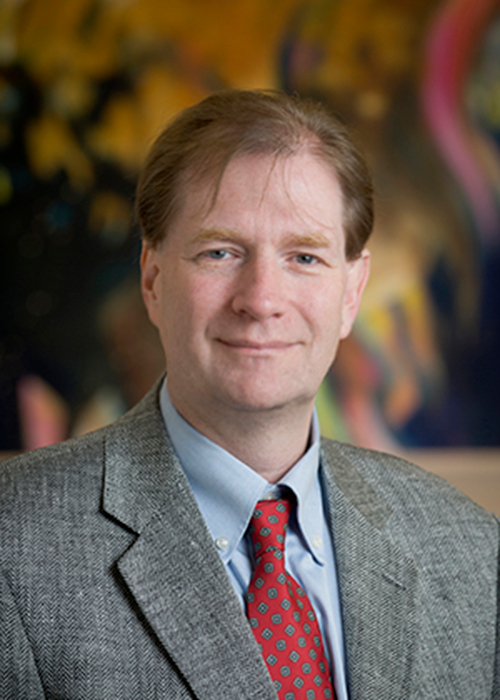
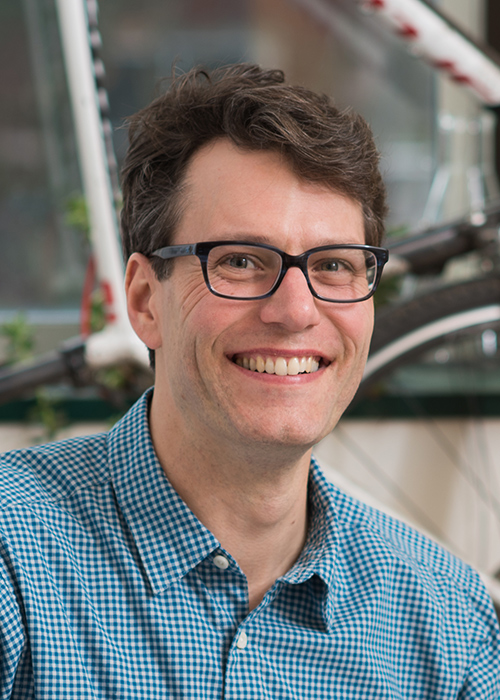
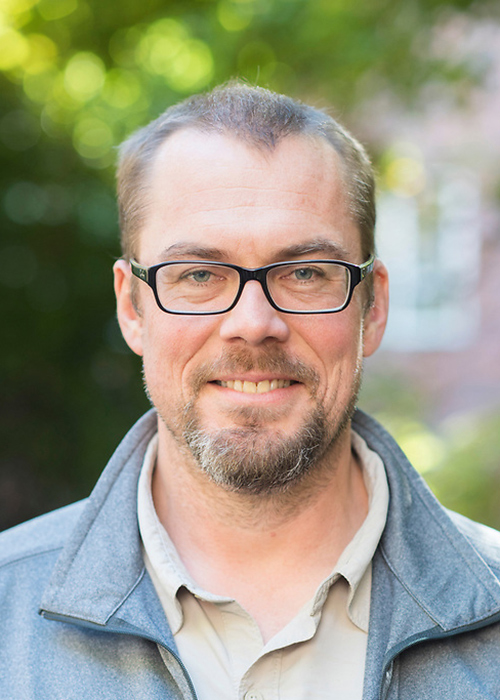
Dr. Mary Beisiegel will be promoted to Associate Professor of Mathematics and granted indefinite tenure, effective September 16, 2018.

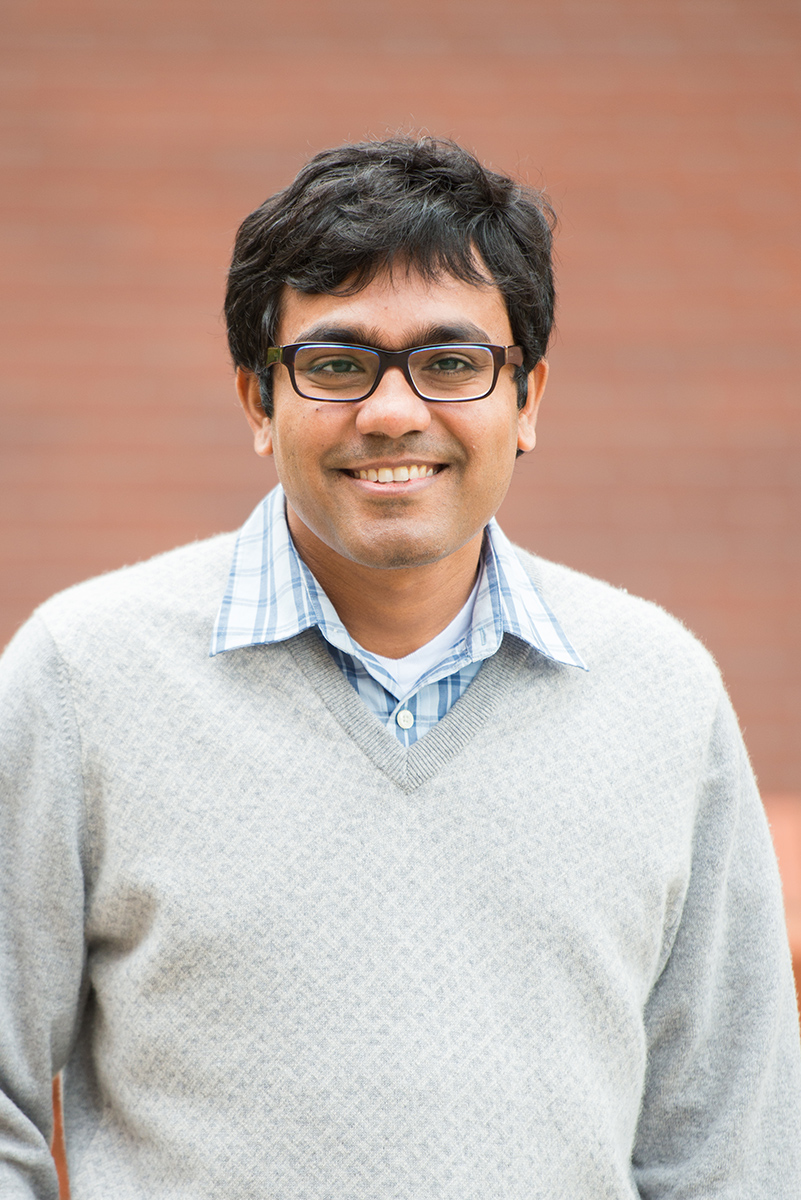
Dr. Vrushali Bokil will be promoted to Professor of Mathematics, effective September 16, 2018.

Dr. Elaine Cozzi will be promoted to Associate Professor of Mathematics and granted indefinite tenure, effective September 16, 2018.

Dr. Torrey Johnson will be promoted to Senior Instructor I of Mathematics, effective September 16, 2018.

Dr. Elise Lockwood will be promoted to Associate Professor of Mathematics and granted indefinite tenure, effective September 16, 2018.

Dr. Holly Swisher will be promoted to Professor of Mathematics, effective September 16, 2018.

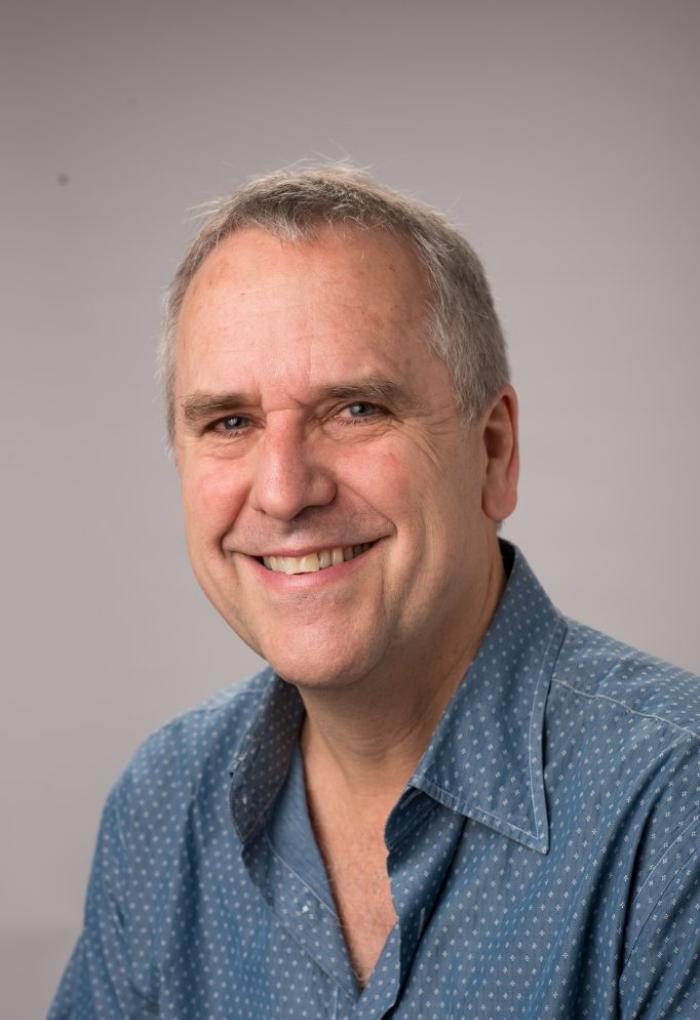
Dr. David Wing will be promoted to Senior Instructor I of Mathematics, effective September 16, 2018.

Microbiology Department

(Photos in order)
Dr. Kimberly Halsey will be promoted to Associate Professor of Microbiology and granted indefinite tenure, effective September 16, 2018.

Dr. Ryan Mueller will be promoted to Associate Professor of Microbiology and granted indefinite tenure, effective September 16, 2018.

Dr. Martin Schuster will be promoted to Professor of Microbiology, effective September 16, 2018.

Physics Department

Oksana Ostroverkhova in front of shrubbery

Dr. Oksana Ostroverkhova will be promoted to Professor of Physics, effective September 16, 2018.

Statistics Department

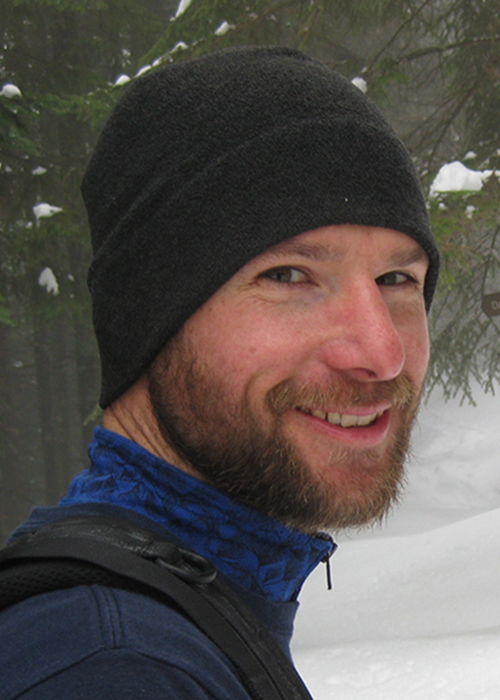
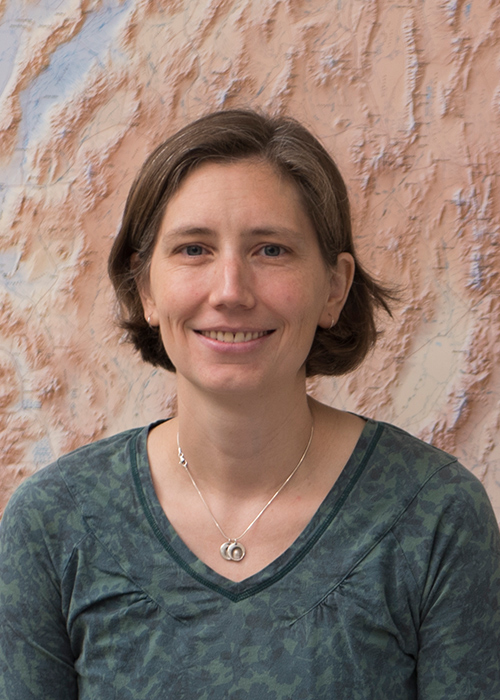
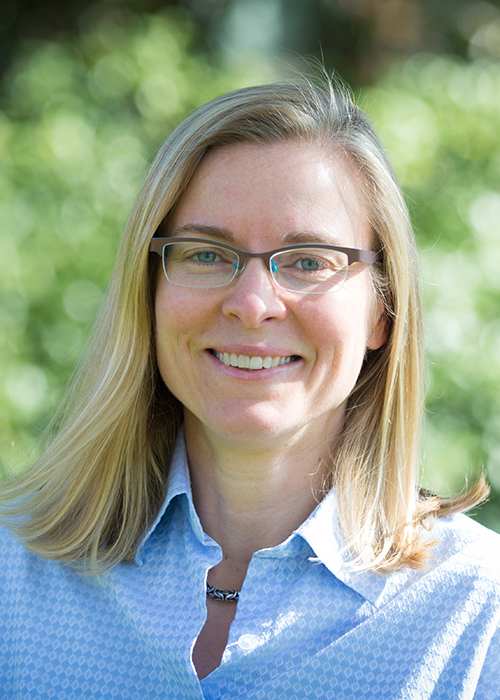
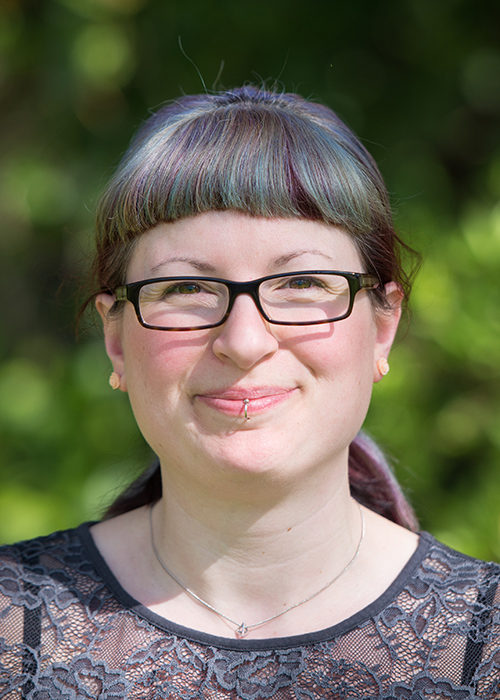
(Photos in order)
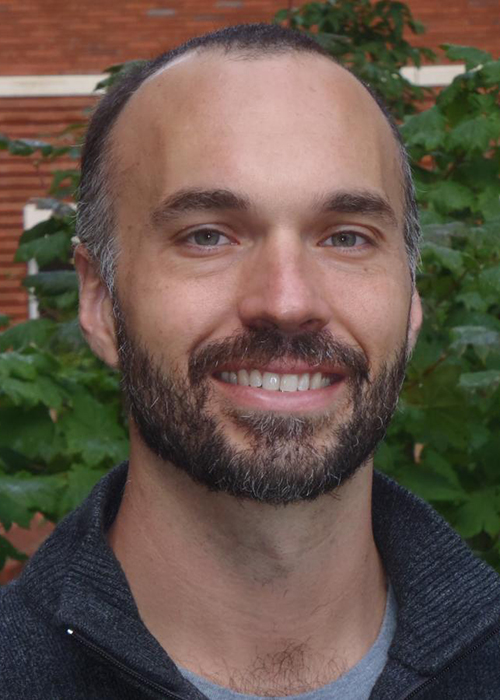
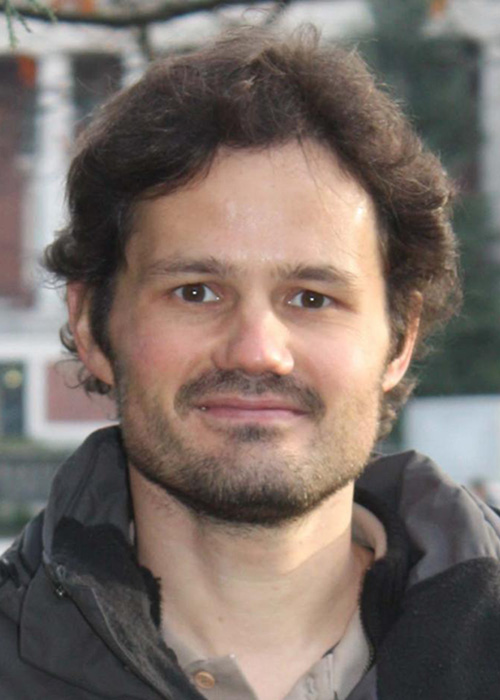
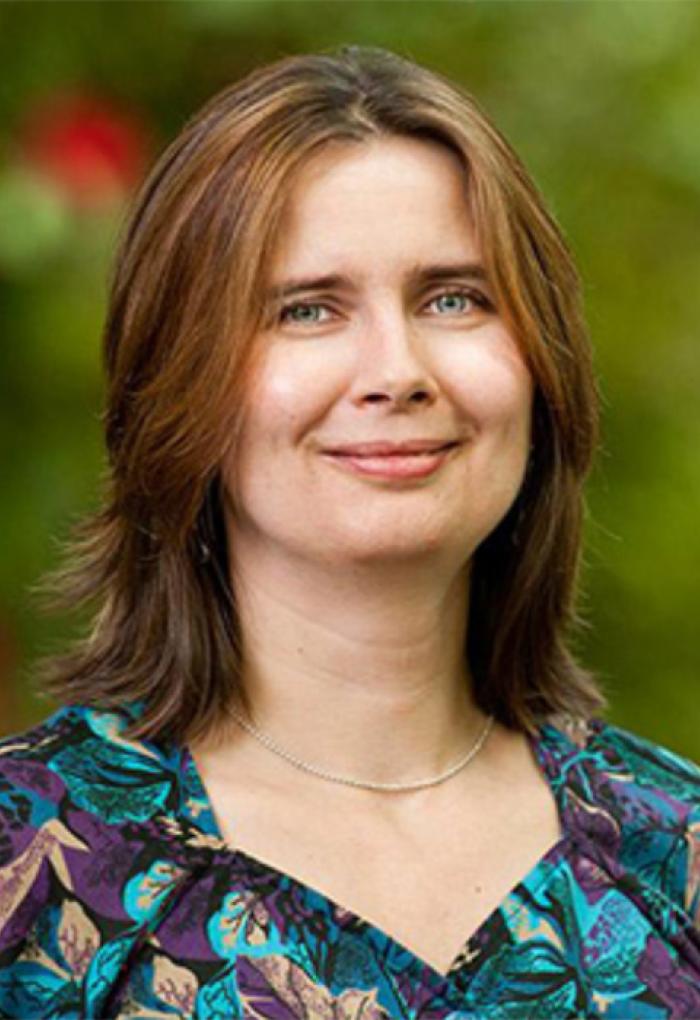
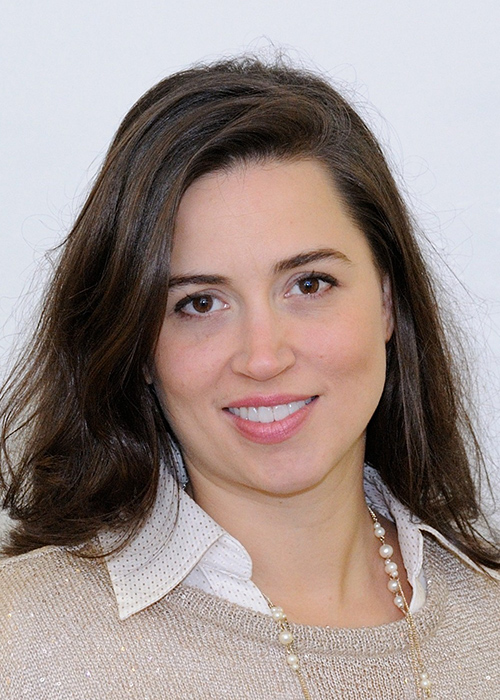
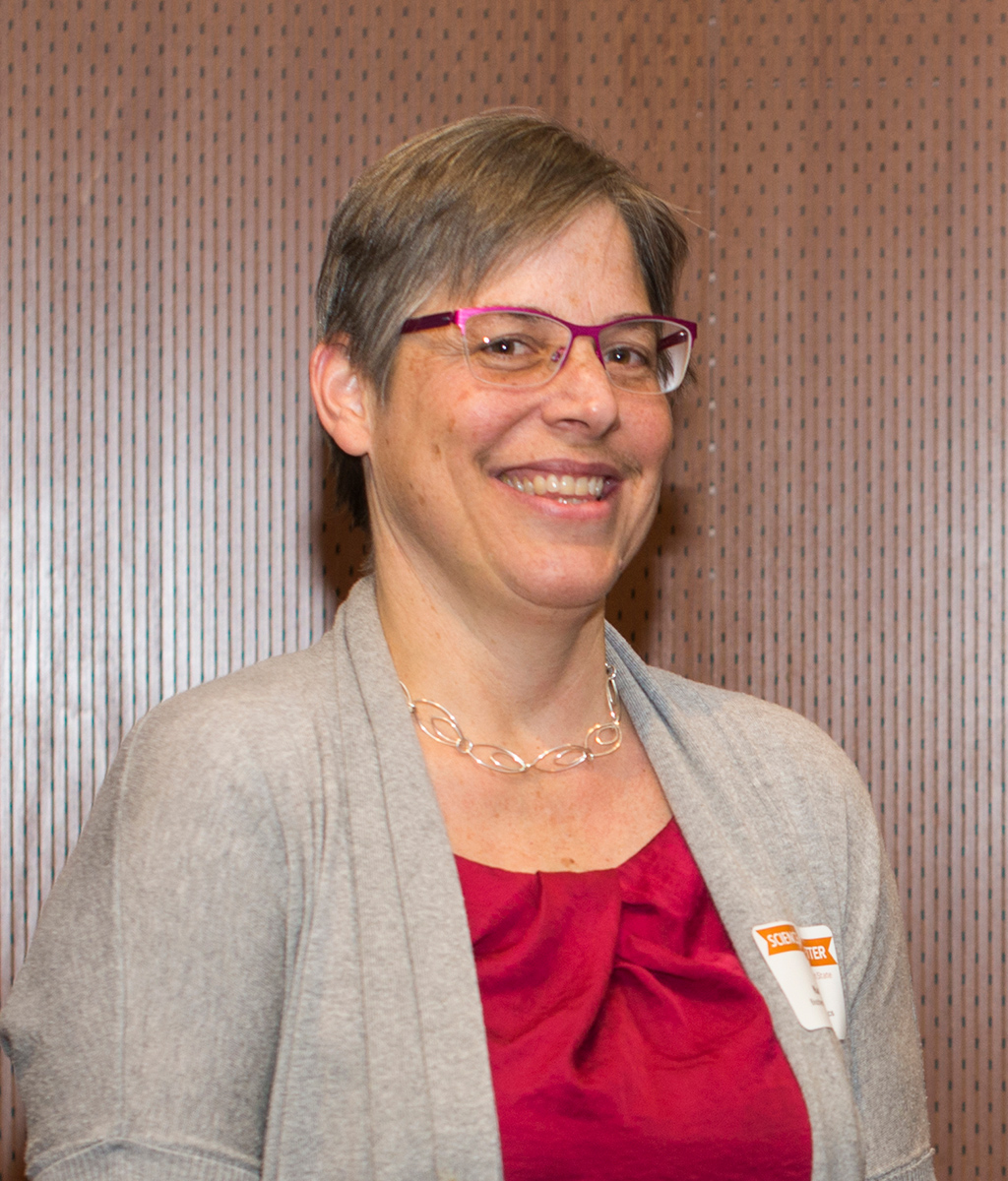
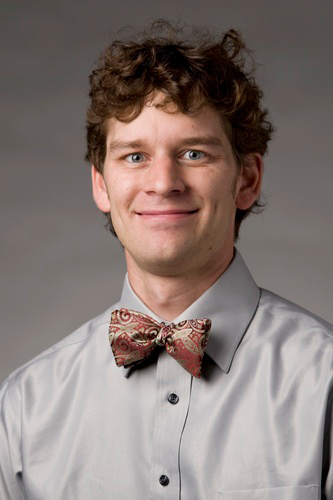
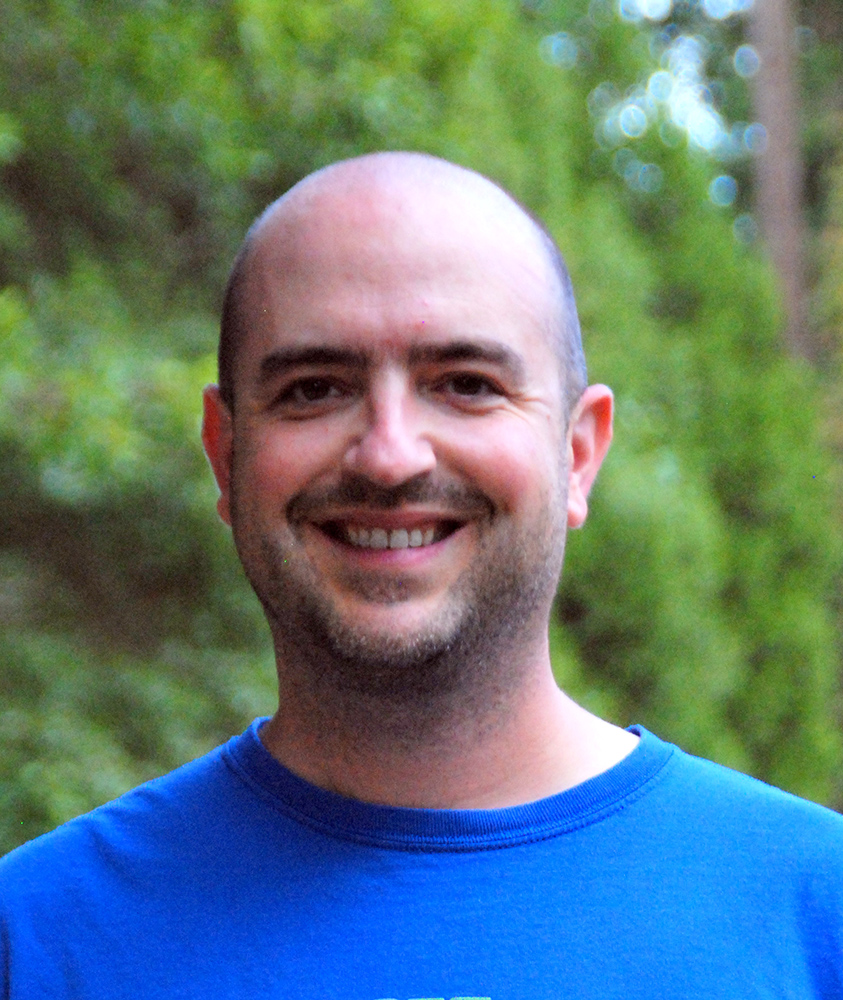
Katie Jager will be promoted to Senior Instructor I of Statistics, effective July 1, 2018.

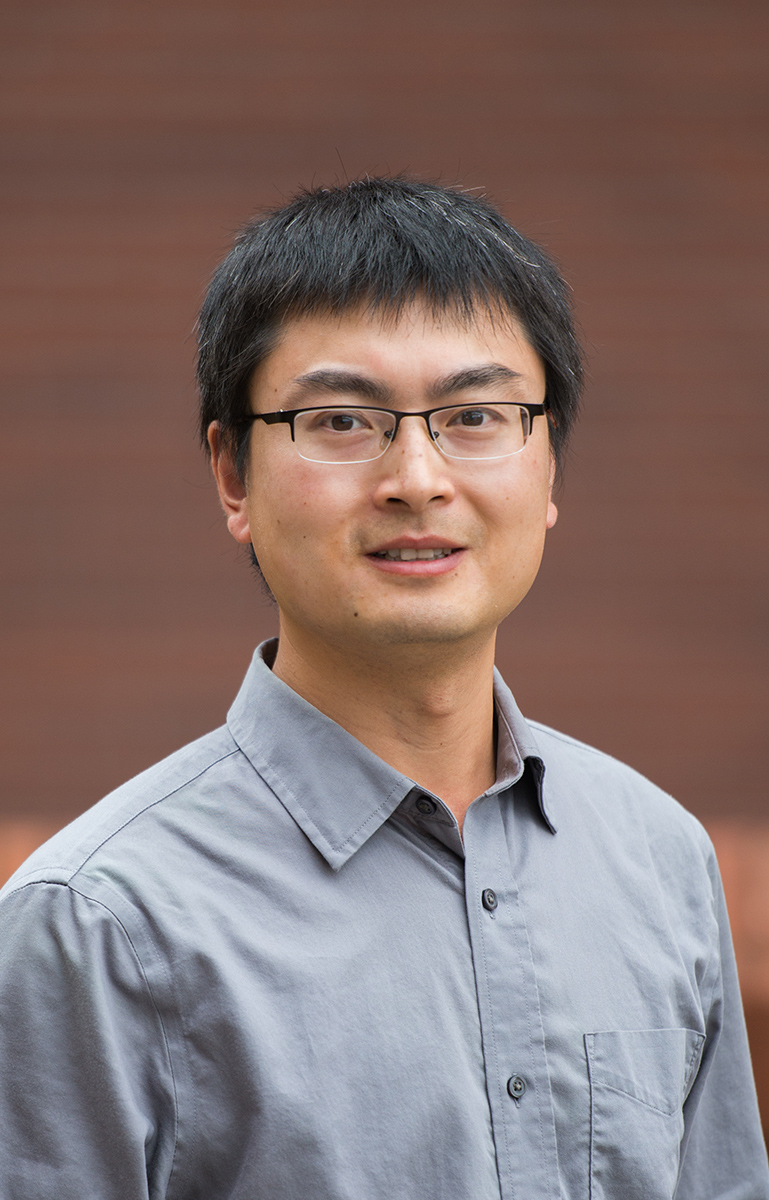
Juliann Moore will be promoted to Senior Instructor I of Statistics, effective September 16, 2018.

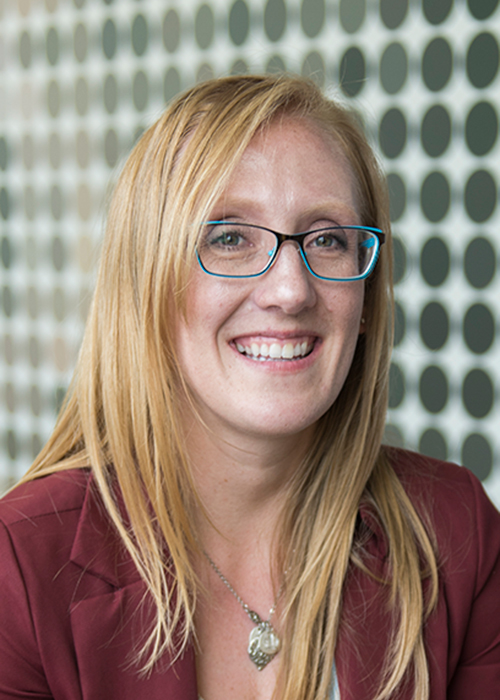
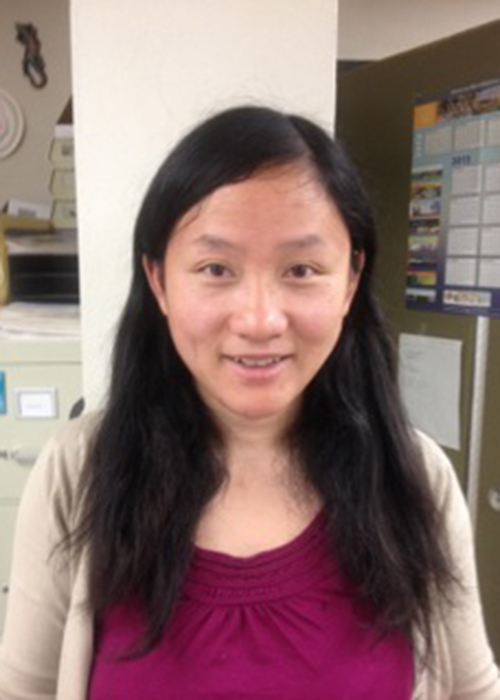
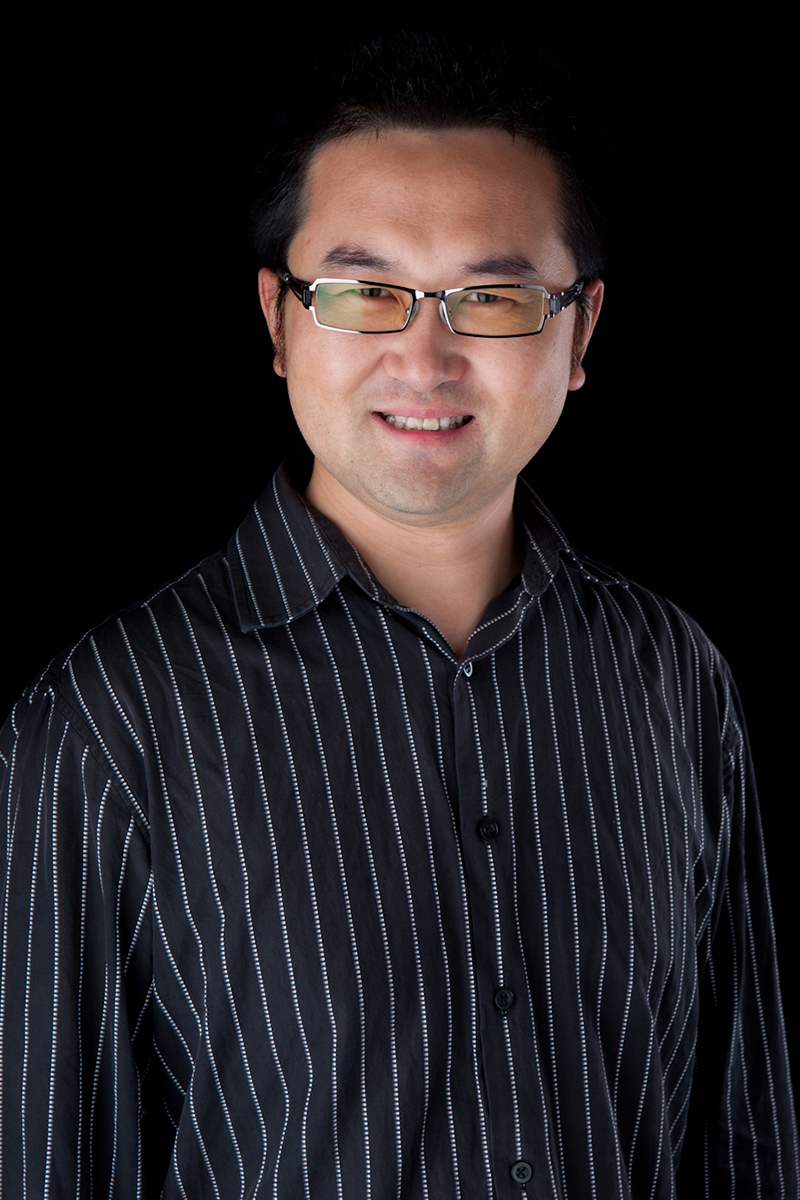
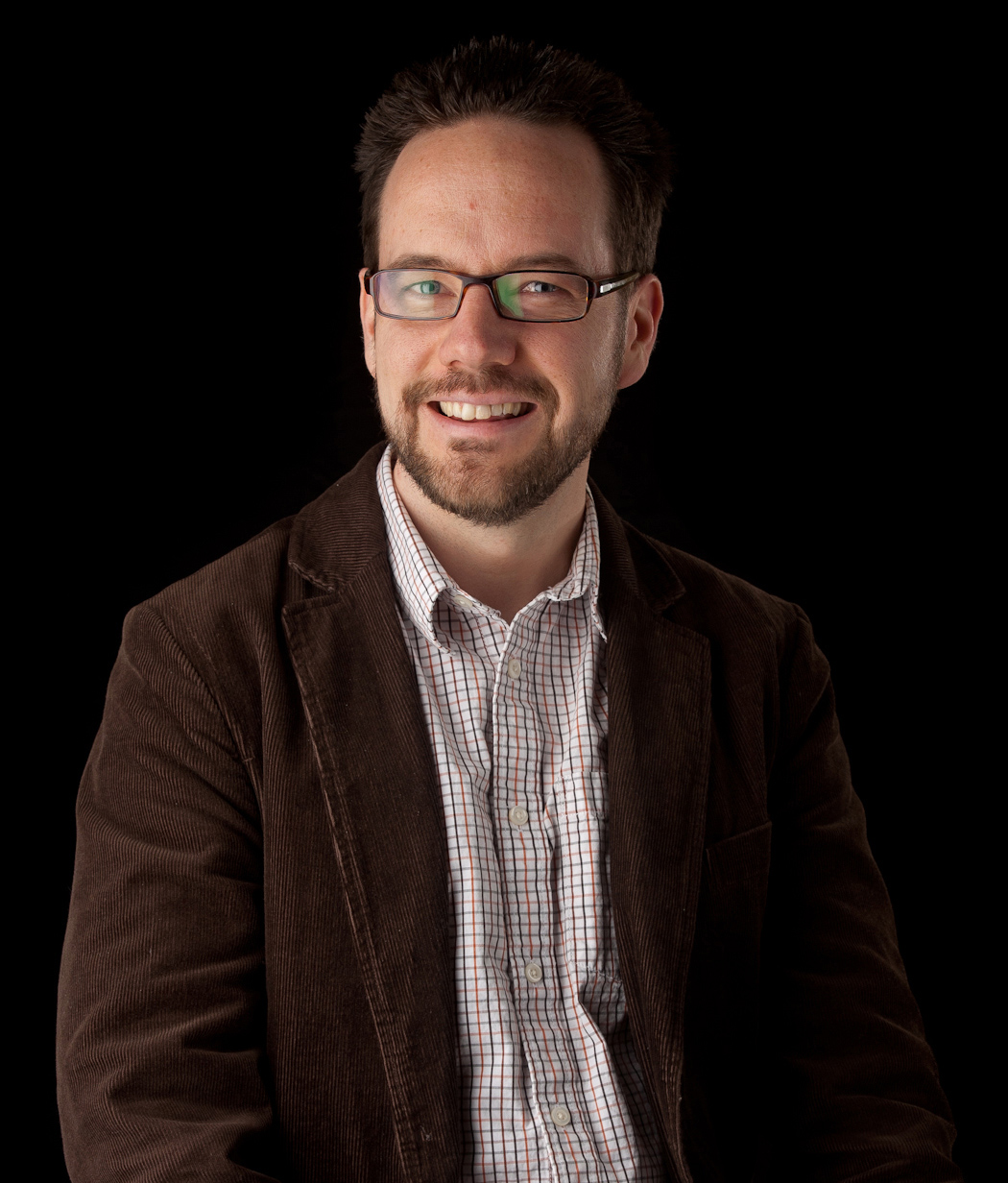
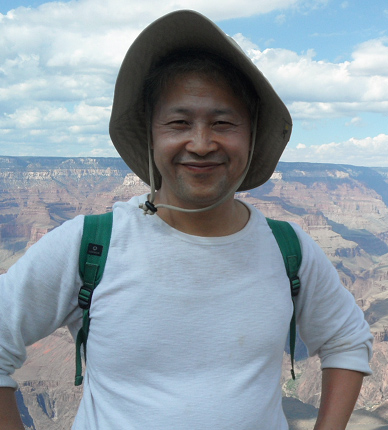
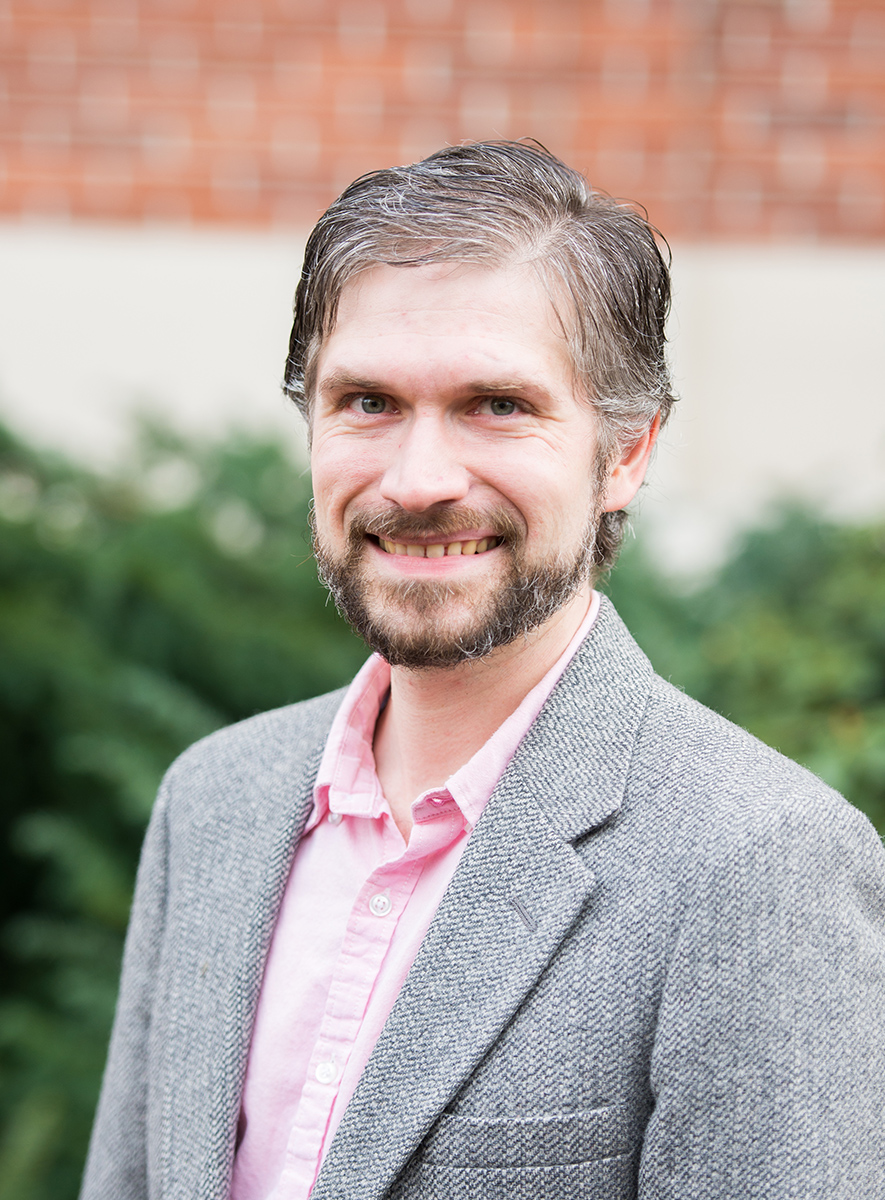
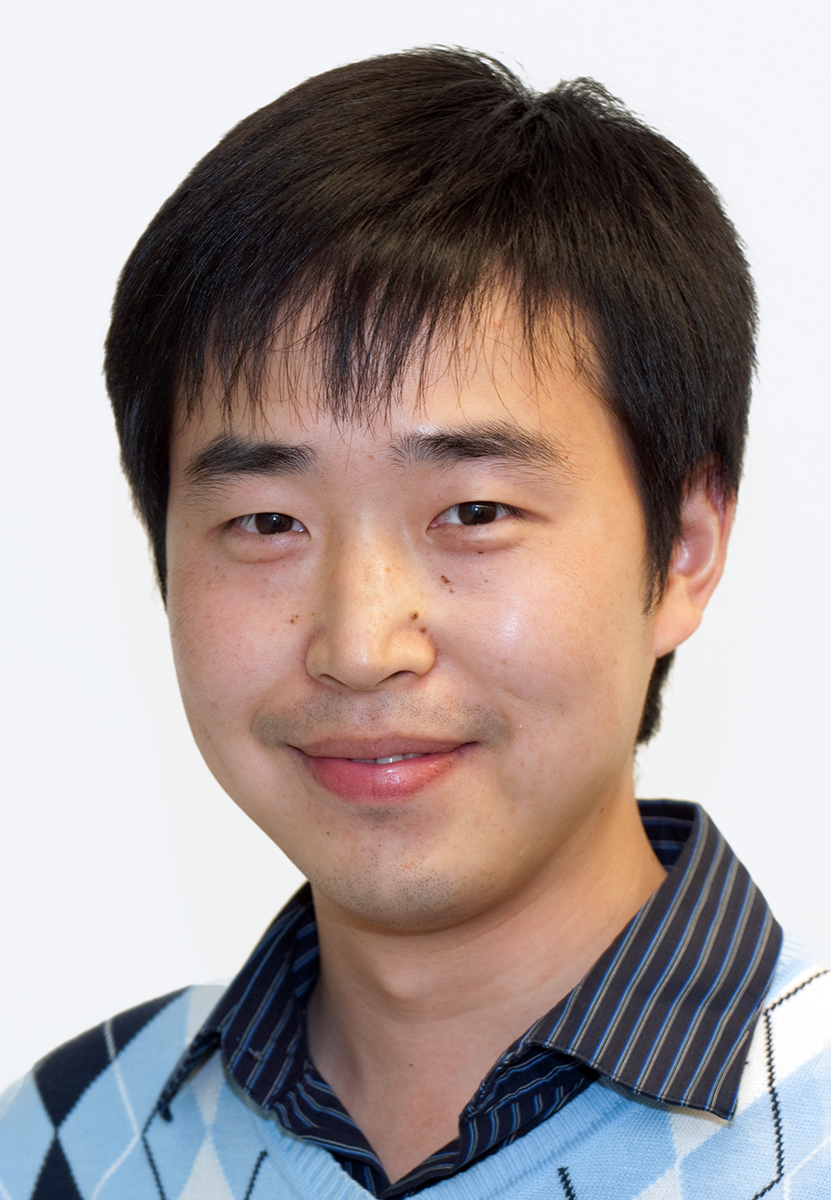
Dr. Lan Xue will be promoted to Professor of Statistics, effective September 16, 2018.

Thanks to all of the committee members who served on the College of Science Promotions and Tenure Committee this year.

Elisar Barbar (rotating off)
Kate Field (rotating off)
Alix Gitelman (rotating off)
Margie Haak
Henri Jansen (chair, rotating off)
Patrick De Leeneer (rotating off)
Sastry Pantula
Indira Rajagopal (rotating off)
Vince Remcho
Janet Tate (rotating off)
Barb Taylor (rotating off)

The following faculty have been elected to serve on the College’s Promotion and Tenure Committee for 2018-19. These faculty were elected to serve by a vote, according to the College’s P&T rules.

Vince Remcho, 2016-19, committee chair in 2018-19
Rich Carter, 1 remaining term, 2018-19
Dee Denver, 1 remaining term, 2018-19
Tom Dick, 2 remaining terms, 2018-20
Michael Freitag, 3 remaining terms, 2018-21
Steve Giovannoni, 2 remaining terms, 2018-20
Margie Haak, 1 remaining term, 2017-19
Sally Hacker, 3 remaining terms, 2018-21
David McIntyre, 3 remaining terms, 2018-21
Sastry Pantula, 2 remaining terms, 2017-20
Scott Peterson, 2 remaining terms, 2018-20

desert hill with clear sky

150 years of science for land and sun

By Katharine de Baun, Srila Nayak

Painted Hills, Oregon

Note: this article is part of a yearlong series on the distinguished tradition of scientific research pertaining to Oregon State’s 150th anniversary and its four land-grant designations. From our fall 2017 issue: 150 years of science for sea and space(Introduction), On the shoulders of giants, Oregon State Science: The many "firsts" in 150 years. From our spring 2018 issue: The significance of OSU's sea-, space-, sun- and land-grant designations, "Milestones: Oregon State Science at the helm for 150 years."

While the College of Science at Oregon State University was formally established in 1932, science programs and departments have been instrumental in shaping the evolution of research and education at the university since its 1868 land grant designation.

In fact, long before OSU’s College of Agricultural Sciences came into existence, the new agricultural curriculum was first taught in the Department of Chemistry in 1870 paving the way for the scientific study of agriculture for the first time in the Pacific Northwest. Such pioneering science programs since the earliest days of the institution were responsible for OSU’s land grant designation making it one of three land-grant colleges in the country at that time (The other two were the University of Illinois at Urbana-Champaign and the University of California at Berkeley).

The first professors of engineering at OSU in the 1890s were also professors of mathematics. Some of the university’s earliest engineering disciplines would not have flourished if it were not for the fundamental sciences. A four-year mining engineering curriculum was established in the Department of Chemistry in 1900 that led to the consolidation of early engineering programs in metallurgy.

The chemistry department was also the home of the first geology courses. It would not be an exaggeration to say that the natural and physical sciences at OSU have shaped and guided the growth of the world-class research and education that takes place across all STEM (science, technology, engineering and mathematics) fields in the university today.

OSU land grant: From plows to touch screens

Science has played a founding role in carrying out Oregon State’s Land Grant mission from its origins in the Morrill Act of 1862, whose focus was to teach agriculture, military tactics and “mechanical arts” or engineering. Chemistry was hailed, for example, as “the cornerstone of Scientific Agriculture” in the 1869-70 course catalog. And in 1899, today’s microbiology department arguably began with a single course in bacteriology, to help understand and eliminate bacterial diseases of crops. Mathematics and physics courses were a core part of the mechanical arts curriculum and the fledgling department of mechanical engineering, formed in 1889.

In the 20th century, the University’s land-grant mission expanded to adapt to the changing social and economic needs, including a new forestry program in response to Oregon’s growing timber industry and a growing emphasis on engineering after World War II. As the scope of the land-grant mission widened, science continued to be front and center. The chemistry department was home to new four-year programs in pharmacy (1898), mining (1900) and forestry (1906). By 1912, bacteriology was driving innovation across various industries and considered essential training for “any student properly equipped in Dairying, Agriculture, Agronomy, Pharmacy, Domestic Science, etc.”

In the 21st century, Oregon State under President Ray’s leadership aims to be among the top 10 land grant institutions in America, with a focus on three signature areas: the Science of Sustainable Earth Ecosystems, Human Health and Wellness, and Economic Growth and Social Progress. The College of Science is a key contributor with pioneering programs and research in biohealth, the life sciences, marine and environmental sciences and, increasingly, statistics, as students and researchers across a wide variety of fields learn to interpret and gain often revolutionary insights from big data.

An integral part of OSU’s land-grant mission is also to foster public outreach and engagement, and science has long been at the heart of its various agricultural experiment stations and Cooperative Extension Service. Through evidence-based programs designed to make Oregon farms more sustainable, to teach gardeners how to raise bees, reduce pesticides or compost; or encourage children to pursue STEM careers through its engaging, hands-on 4-H programs — science provides both a body of evidence and a mode of inquiry that supports both backyard sleuths and future astrophysicists.

Science also contributes to economic growth with a constant stream of research-inspired innovation, producing 48 new inventions and securing 18 U.S. patents since 2011 alone. Local, state and global industries have profited from sustainable materials that began as lab experiments in Gilbert Hall, from more efficient batteries and greener touch screens, to a new heat-resistant paint using YImMn blue, the new pigment discovered by chemist Mas Subramanian.

Lastly, the College’s current investment in student diversity and success continues a long and proud tradition of opening STEM fields to all, science being a necessary part of the “liberal and practical education” for the “industrial classes” since the passage of the 1862 Morrill Act. As the University’s land-grant mission continues to evolve, science will remain at the heart – and the edge – of discovery and innovation.

Sun: Harnessing natural resources for a healthy planet

For nearly 150 years, the natural sciences at OSU have been at the forefront of research and innovation bridging the biological sciences and the physical sciences (physics and chemistry) for environmental sustainability, renewable energy and a healthy planet.

Chemist David Ji has pioneered the invention of new long-lasting and high-performance energy materials in the form of batteries for the purposes of sustainable energy storage. By employing carbon-based materials and hydrocarbon solids, Ji has designed new battery devices such as the world’s first hydronium-ion battery, potassium-ion battery, dual-ion battery and sodium-ion battery which can easily and cheaply store energy from the wind and sun. Ji’s innovations in the area of energy storage have ushered in a new era of renewable and sustainable batteries.

Materials physicist Janet Tate is a key player in the field of renewable energy technologies that includes development of transparent conductors and photovoltaic materials. Tate is a principal investigator at the prestigious Center for Next Generation of Materials Design—an Energy Frontier Research Center (EFRC) funded by the U.S. Department of Energy.

By integrating the talent and expertise of leading scientists such as Tate, the EFRC aims to “accelerate transformative discovery” and innovate new materials on the atomic and molecular scale to enhance energy security and protect the global environment. At the Center for Next Generation of Materials Design, Tate studies metastable alloys to design inorganic semiconductors for optoelectronic applications (electronic devices that source, detect and control light).

The OSU Sun Grant program is supported by funds from the U.S. Department of Agriculture and the Department of Energy aimed at the creation of biofuels and other environmentally sustainable green technologies to meet growing energy demands and promote opportunities for bio-based economic growth in rural communities.

One of the key sun grant projects on genetic modification of poplar trees to produce plant-based plastics will be extended in new, innovative directions with the added expertise of statistical methods. In collaboration with College of Forestry Professor Steven Strauss, statistician Yuan Jiang is investigating better methods of mapping the genes that control the process of regeneration and transformation needed for genetic engineering by using DNA sequence databases, imaging and computations.

This five-year, $4 million project is funded by the National Science Foundation and is an important advance in developing genetically engineered crop species in ways that help meet our present challenges without unintended environmental effects.

Sunset peering through trees

Milestones: Oregon State Science at the helm for 150 years

By Srila Nayak

While the College of Science at Oregon State was formally established in 1932, science programs and departments have shaped the evolution of research and education at OSU since its 1868 land grant designation.

In fact, long before OSU’s College of Agricultural Sciences came into existence, the new agricultural curriculum was first taught in the Department of Chemistry in 1870 paving the way for the scientific study of agriculture for the first time in the Pacific Northwest. Such pioneering science programs since the earliest days of the institution were responsible for OSU’s land grant designation making it one of three land-grant colleges in the country at that time (The other two were the University of Illinois at Urbana-Champaign and the University of California at Berkeley).

The first professors of engineering at OSU in the 1890s were also professors of mathematics. Some of the university’s earliest engineering disciplines would not have flourished if it were not for the fundamental sciences. A four-year mining engineering curriculum was established in the Department of Chemistry in 1900 that led to the consolidation of early engineering programs in metallurgy.

The chemistry department was also the home of the first geology courses. It would not be an exaggeration to say that the natural and physical sciences at OSU have shaped and guided the growth of the world-class research and education that takes place across all STEM (science, technology, engineering and mathematics) fields in the university today.

The College is proud to have played a significant role in the establishment of several distinguished academic fields of study and pioneering research centers.

1870

Agricultural sciences at OSU gets its start when a new agricultural curriculum is taught in the Department of Chemistry to an inaugural batch of 25 students.

First class—one woman and two men—graduates with Bachelor of Science (B.S.) degrees.

1899

Microbiology, one of the oldest departments at Oregon State, originated as a single course in bacteriology in 1899. Today the department is at the helm of pioneering research on microbial communities in agriculture and aquatic environments.

1900

One of the earliest engineering disciplines, mining, begins in the Department of Chemistry.

1932

The School of Science (converted to College of Science in 1973) established under the leadership of E.L. Packard, Dean, 1932-1938.

1935

First Ph.D. degrees conferred (three in science and one in agriculture) during the 65th Commencement.

1941

Francois Archibald Gilfillan, Dean of the School of Science, appointed acting president of Oregon State College (presently known as OSU).

1952

The pioneering Science Research Institute, 1952-1974, promoted significant and path-breaking collaborative research between OSU scientists and leading U.S. scientific agencies.

1959

The era of scientific ocean research at OSU begins with studies in coastal oceanography in the School of Science with the active support of Dean Francois Gilfillan.

1969

Currently led by biochemist Joseph Beckman, the multi-disciplinary Environmental Health Sciences Center is established to promote research on environmental effects on humans.

1973

The Survey Research Center opens under the aegis of the Department of Statistics, bringing state-of-the-art survey methodology to state, federal and local clients.

1984

With an endowed chair in polymer chemistry, alumnus Milton Harris (1926) establishes the first endowed position in OSU.

1993

The Department of Atmospheric Sciences transfers to oceanography (now the College of Earth, Ocean and Atmospheric Sciences) from the College of Science

2011

Science at OSU receives a tremendous boost when The Linus Pauling Science Center opens its doors to students and researchers studying chemistry, biochemistry and the life sciences.

The Department of Geosciences transfers from the College of Science to create the College of Earth, Ocean and Atmospheric Sciences.

student and mentor studying section of soil

Online Environmental Sciences program ranked No.2 in country

By Srila Nayak

On campus environmental science bachelor program

“The History of Life on earth has been a history of interaction between living things and their surroundings,” writes Rachel Carson in her environmental classic Silent Spring (1962). An education in Earth’s natural and physical environments and their interrelationships is at the foundation of the top-ranked interdisciplinary Environmental Sciences undergraduate program at Oregon State.

Global warming, species extinction, air and water pollution, natural resource depletion, and renewable energy demands are rapidly changing the world we live in. These developments require the expertise and knowledge of environmental scientists who can assess, tackle and mitigate environmental challenges as well as help preserve a healthy natural environment. According to the Bureau of Labor Statistics, employment of environmental scientists is projected to increase 11 percent from 2016 to 2026.

Housed in the College of Earth, Ocean and Atmospheric Sciences, Oregon State’s online and on campus environmental sciences bachelor program is setting high standards for excellence. U.S. News & World Report features OSU in its top 40 programs for Best Global Universities for Environment/Ecology, awarding it a rank of 36 amongst similar programs worldwide.

The online program in environmental sciences was ranked No. 2 in the nation by Online Colleges in its ranking for Best Online Colleges for Environmental Science in 2018. For its rankings, Online Colleges “collected data from the National Center for Education Statistics’ Integrated Postsecondary Education Data System (IPEDS) and utilized a custom methodology to ascertain the ten best schools for environmental science in the United States.”

Students can earn an environmental sciences degree both on campus and through online courses, which are taught by Oregon State faculty, many of whom are in the College of Science. The online bachelor of science degree in environmental sciences is offered by OSU’s award-winning Ecampus. With a focus on eco-oriented programs as well as a broad swath of fields from anthropology to computer science, OSU Ecampus has racked up top place rankings in almost every prestigious survey of online degree programs. Since 2014, U.S. News & World Report has ranked OSU Ecampus in its top 10 online bachelor’s programs.

Breaking down boundaries: An interdisciplinary approach

One of the great strengths of environmental sciences at OSU is undoubtedly its interdisciplinary character. The program emphasizes the biological, physical, earth and natural sciences as well as the integration of social sciences that cover a wide range of subject areas from ethics to environmental law, policy and management.

Director of the Environmental Sciences Program Laurence Becker explains that the program offers a broad base in the sciences with a great deal of academic flexibility for students who love the environment and desire a broad exposure to both science and environmental law and policy.

An attractive feature of the program is that students can choose from one of nine options that range from studies in alternative energy and environmental science education to earth systems and environmental water resources. The most popular options are applied ecology and conservation, resources and sustainability.

In addition, the major offers two certificates: one in the popular field of geographic information science (GIS) and the other in scientific, technical and professional communication. All of the specializations are available online through Ecampus except alternative energy and environmental science education.

More often than not students discover their vocation as they experience different facets of environmental science training in this nontraditional program.

“This program allows them to remain open to different job opportunities and different areas of environmental science they are exposed to in their undergraduate career. The broad degree allows students to shift along the way if needed and many discover interests they wouldn’t have dreamed of in the beginning,” said Becker.

The science in environmental sciences

Science is a foundation for the degree because environmental studies majors need the scientific aptitude to apply complex concepts in biology, chemistry, mathematics and physics in order to understand challenging environmental issues and seek solutions. Quantitative coursework in differential, integral calculus and statistical methods prepare students to design research models and employ analytical tools to study and assess the environmental impact of development projects and businesses.

The bachelor of science degree in Environmental Sciences requires all students to complete a full year of basic science courses in biology and chemistry, as well as courses in calculus, statistics and physics.

The environmental sciences curriculum comprises many core courses that are taught in the College of Science. It offers students different specializations in the program as well as a rigorous foundation in theoretical and experimental upper-level science courses, including:

  • Ecology (BI 370), which is central to the degree program
  • Marine ecology
  • Ecological methods
  • Animal behavior
  • Human ecology
  • Conservation of marine mammals
  • Modern chemical analysis, among others.

For example, a specialization in aquatic biology comprises coursework in a diverse and exciting mix of courses in marine and invertebrate biology offered by the College of Science, oceanography in the College of Earth, Ocean and Environmental Sciences and courses in biological resources at the College of Forestry.

The strong presence of science in the basic, core and specialized components of the Environmental Sciences program enhances both its rigor and cross-disciplinary power.

Develop expertise that makes a difference to all

An experiential learning requirement offers students the opportunity to complete an environmental science related internship, research project, field course or a study abroad experience.

Becker points out that online students are encouraged to pursue internships; on-campus students often undertake research projects or internships.

The experiences often turn out to have a lasting impact on student careers, explains Becker. Students discover opportunities to pursue significant internships in the areas of hydrology, wildlife management, conservation science, biochemistry and geoscience across local and federal government agencies, research centers, environmental consulting firms and not-for-profit organizations. It is not unusual for quite a few of them to translate into longer-term opportunities and job offers.

The broad versus the narrow

Becker often meets parents of prospective students who are nervous about job prospects within a broad field of study.

“The program’s training in science and social science cultivates a broad knowledge of natural sciences with ethics and policy. We often attract students from more specialized majors such as engineering who don’t feel comfortable in a narrower choice of subjects and are motivated by a deep love for the environment.”

The most attractive feature of the degree is the wide variety of careers it throws open for graduates. Environmental scientists can work in local government, private companies, law firms, not-for-profit groups or government agencies such as the Environmental Protection Agency, the National Park Service, or the United States Geological Survey. Students also get into competitive law school programs and other graduate programs in the sciences and policy.

Due to the unique constellations of quantitative, analytical and research skills in addition to writing and communication abilities that they acquire from the interdisciplinary curriculum, environmental science students find themselves well suited to a diverse range of jobs across environmental science, policy, education and consulting firms.

“It is incumbent on us as advisors and teachers to help students find something that they are passionate about,” said Becker.

Each year Becker invites seniors and recent alumni to speak to first-year students in his Environmental Sciences Orientation class. During a recent visit, a talented environmental sciences alumnus who was also a ROTC (Reserve Officers Trainings Corps) graduate at OSU, shared insights gleaned from his professional journey.

He had easily found employment, working at positions related to the field of environmental sciences that were nonetheless very different from one another. A fourth job change landed him an enviable position in the Oregon National Guard where he leads the environmental management of their facilities.

The alumnus had a message about the enduring advantages of an environmental sciences degree: “The degree because of its breadth allowed me to apply for jobs that I hadn’t worked in.”

“Having this broad background allowed for a possibility of change when the opportunity arose,” added Becker.

Given the rising demand for experts in the field, OSU environmental scientists will be having an impact on the world around us for many decades to come.
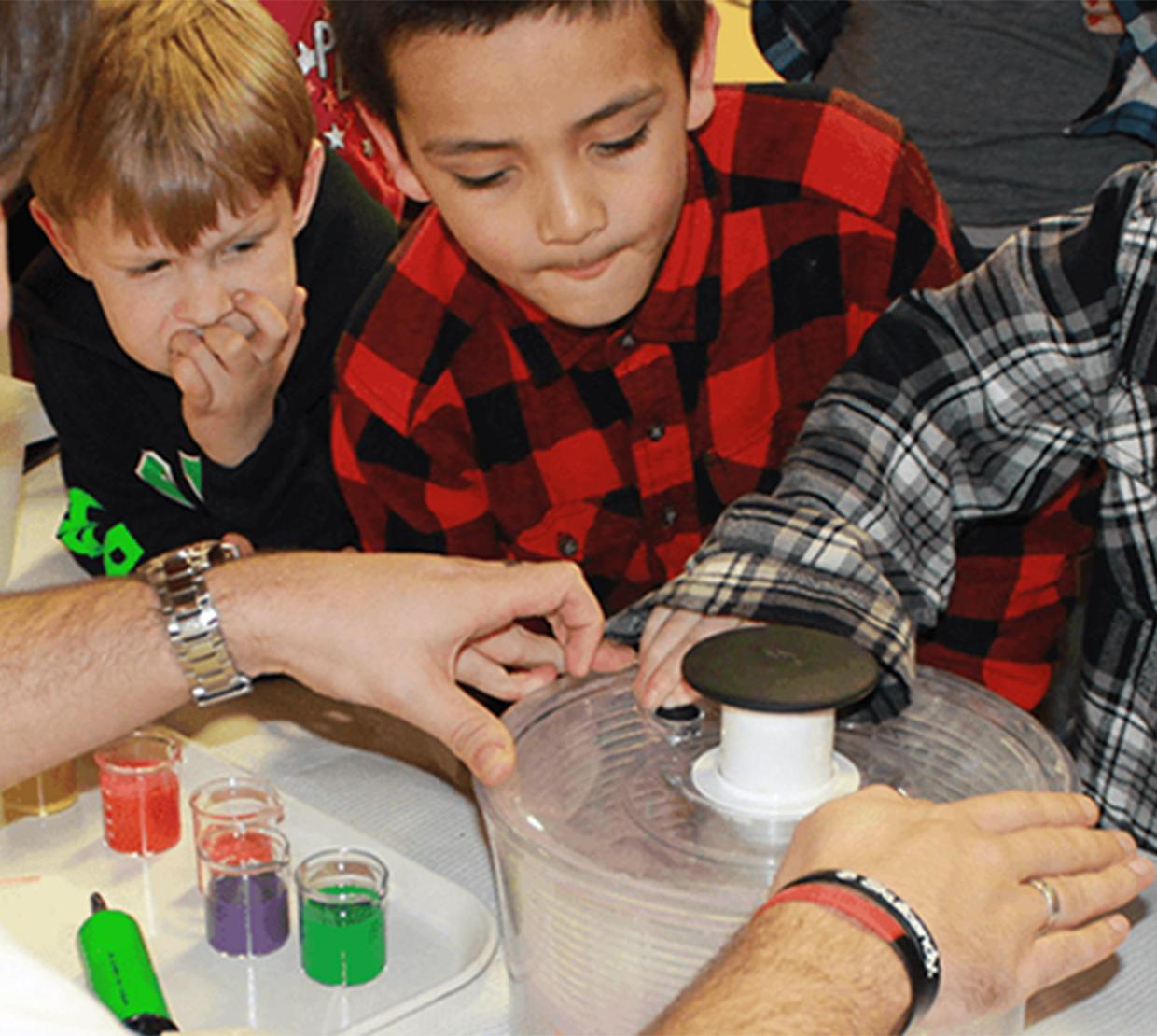
children looking at science themed booth

From the lab to the world: OMSI Science Communication Fellowships

The OMSI Science Communication Fellowship Program

Applications are open for Oregon's top academic and professional fellowship program: The Oregon Museum of Science and Industry's OMSI Science Communication Fellowship. For spring 2018, the fellowship is open to researchers or science professionals including faculty, graduate students, technicians, or other individuals in STEM and health related professions.

The deadline for applications is Wednesday, November 1.

Held primarily in Corvallis, OR on the OSU campus, OMSI Fellows participate in a series of professional development workshops that cover science communication best practices and provide opportunities for participants to practice new skills and techniques. In collaboration with OMSI, each Fellow will develop a unique hands-on educational activity designed to communicate their research to public audiences and will join OMSI in engaging museum visitors with these activities at Meet a Scientist events.

A series of four professional development workshops will focus on building skills to effectively communicate scientific research with broader audiences. Workshops are 3-4 hours each, spaced over the course of three to four months.

Tuition for the program is $1850 per participant. The Science Dean's Office will cover half the tuition for all accepted College of Science applicants.

The OMSI Science Communication Fellowship Program is an excellent way to fulfill broader impact and outreach goals for grant-funded research at OSU. Many of the participants in the Fellowship program secure their tuition through broader impacts or education and outreach components of current research grants.

An online application and further information about the Fellowship program can be found on OMSI's website.
Science students with professor looking at experiment in lab

Science students awarded second highest number of scholarships at OSU

By Steve Lundeberg

Science students in the field

The university has awarded more than $39.5 million in scholarships to students for the 2017-18 academic year, a key component of OSU President Ed Ray’s Student Success Initiative.
Roughly $24.5 million of the total is spread among 7,271 scholarships to returning students. The rest is for awards to 2,532 new/incoming students, including 34 who received a $10,000-per-year Presidential Scholarship, OSU’s most prestigious undergraduate scholarship.

Approximately 35 percent of this year’s first-year students are receiving scholarship support.

Scholarships for science students at an all-time high

College of Science students received the second highest amount of scholarship funds in the university.

More than $7.5 million in scholarship money is going to College of Science students, the college’s highest total ever, said Roy Haggerty, dean of the college. That is triple the amount awarded two years ago. Reasons for the jump include increases in university scholarships and in the number of high-achieving students enrolling in the College.

Nearly $5 million is allocated to 1,344 scholarships for returning students. The rest is for awards to 570 incoming/new students, including nine who received a Presidential Scholarship.

This year more than half of the college’s first-year students received scholarship support.

“Scholarships enable the college to attract, retain and inspire top science students, most of whom go on to high-achieving careers in industry, graduate school, medical school and other professional programs after graduation,” Haggerty said.

“Oregon State’s financial-need-based scholarships also help academically talented low-income and first-generation students from Oregon and elsewhere stay and excel in college.”

First-generation students typically have a greater financial need so scholarships are a crucial part of their educational equation, said Haggerty, who was first in his family to attend college.

“In our College, the number of first-generation students has risen from 20 percent to 29 percent in the last five years,” he said. “Many scholarship students in the College of Science attest to the value of scholarships in easing the financial burden on their families and enabling them to focus on academics, research, volunteer activities and post-college career goals.”

College of Engineering netted the highest amount in scholarship support. Thirty-five percent of engineering students are receiving scholarship support. They are receiving $12.7 million, with $7.9 million divided among 1,948 scholarships to returning students. Nineteen of the 804 their incoming scholarship students are Presidential Scholars.

In third place is the College of Business. It was awarded more than $3.7 million in scholarships, including roughly $2.3 million spread among 761 scholarships to returning students. The remainder is awarded to 276 incoming students, including one Presidential Scholar. About 29 percent of this year’s first-year business students are receiving scholarship support.

Two professors walking in doctoral gowns on campus

The Class of 2017

By Srila Nayak

2017 graduation

This year’s graduation numbers show that the College of Science has performed exceedingly well on all fronts. The College is graduating a record 629 students with baccalaureate degrees in 2016-17, including 55 honors baccalaureates. This represents a five percent increase from last year.

Biology majors lead the way with 159 graduates, followed by BioHealth Sciences majors with 119. Next are Microbiology majors with 79 graduates, Zoology has 59, Chemistry 51, Mathematics 49, Physics 24, Biochemistry and Biophysics 17 and General Science 17.

In addition, we are graduating 64 master’s and 66 doctoral students. The latter figure constitutes the highest number of Ph.Ds in recent years. In fact, the College is graduating 65% more doctoral students and 33% more masters students than last year.

Overall, Oregon State University graduated 6,807 students in 2017 and 5,590 baccalaureate degrees were awarded to students. The class of 2017 in the College represents 10 majors in the life sciences, physical, mathematical and statistical sciences.

Our graduates accomplish more than they thought imaginable with the help of outstanding professors, who are also scientists at the top of their fields, and a team of dedicated advisors. Supported by awards and scholarships, science students collaborate with faculty to create new knowledge and achieve major scientific breakthroughs.

Many of our graduates have had the opportunity to deepen their scientific knowledge by participating in research in labs across and beyond OSU, ranging from sciences to pharmacy, public health, agricultural sciences, forestry, engineering, robotics and veterinary medicine. For many, research has meant embracing and plumbing the mysteries of the outdoors from diving into marine habitats to field work in diverse terrains and in several parts of the world.

They are leaving OSU as accomplished young scientists in their own right, having begun research in their freshman year; they have presented their work at scientific conferences, co-authored papers in scientific publications with faculty mentors and even won top national awards for their research accomplishments. In fact, OSU ranks among the top 45 research universities in the nation for the number of opportunities it provides undergraduates to participate in research.

Our graduates have also expanded their professional and intellectual horizons by taking part in other transformative experiences such as internships, study abroad programs, leadership experiences and experiential learning in and out of classrooms. These experiences can transform great students into extraordinary leaders in science.

Our 2017 graduates are Fulbright scholars, Thurgood Marshall Scholars, Goldwater nominees, Ford Fellows, future doctors, scientists, entrepreneurs, veterinarians, community leaders, teachers and informed, engaged world citizens. Together they exemplify the College’s commitment to excellence in science education and an inclusive and diverse learning community. We couldn’t be prouder of them!

Each OSU graduate has a compelling story. Here are the stories of a few of our exceptional graduates, in which they reflect on their time at OSU and share their dreams for the future.

Shan Lansing, Chemistry, M.S. 2017

Four years and two degrees later

Swechya Banskota, Biology, 2017

Leadership, healthcare research, artistic diversity: the story of a biology major

Karianna Crowder, Zoology, 2017

From cuddling gibbons to grinding horse teeth

Jason Sandwisch, Chemistry, 2017

A journey to master physical chemistry

Michael Lopez, Mathematics, 2017

Not your typical mathematician: Marine, cop, dad, first generation college graduate

Faculty chatting with one another

Faculty excellence: Promotions and Tenure, 2017

Faculty who received promotions and/or tenure for the 2016-17 academic year

The College of Science congratulates these 18 faculty for receiving promotions and/or tenure for the 2016-17 academic year.

“P&T decisions are one of the most important things I do. I am happy to recognize our outstanding faculty,” said Sastry G. Pantula, dean of the College of Science. “The success of our faculty is essential to the success of our students. Our faculty are not only scholars and teachers, but also are mentors to our students, the next generation of leaders in science.”

Tremendous consideration goes into each promotion and tenure decision. The Provost’s office, the College of Science dean’s office, department heads, promotion and tenure committee members, faculty, external reviewers, student evaluation committees, and of course the individual faculty members all spend many hours preparing, processing and reviewing the documentation. The process is extremely rigorous in order to award the best candidates for promotion and/or tenure.

Special thanks to our College of Science Promotion and Tenure Committee for devoting a significant time engaged in the intense review process.

Congratulations to the following science faculty! We are proud of you.

Biochemistry & Biophysics Department

Dr. Michael Freitag will be promoted to Professor of Biochemistry & Biophysics, effective, September 16, 2017.

Dr. Colin Johnson will be promoted to Associate Professor of Biochemistry & Biophysics and granted indefinite tenure, effective, September 16, 2017.

Dr. Viviana Perez will be promoted to Associate Professor of Biochemistry & Biophysics and granted indefinite tenure, effective, September 16, 2017.

Dr. Kari van Zee will be promoted to Senior Instructor I of Biochemistry & Biophysics, effective, September 16, 2017.

Chemistry Department

Dr. Michael Burand will be promoted to Senior Instructor I of Chemistry, effective, July 1, 2017.

Dr. Xiulei (David) Ji will be promoted to Associate Professor of Chemistry and granted indefinite tenure, effective, September 16, 2017.

Dr. Daniel Myles will be promoted to Senior Instructor II of Chemistry, September 16, 2017.

Dr. Kristin Ziebart will be promoted to Senior Instructor I of Chemistry, effective, July 1, 2017.

Integrative Biology Department

Dr. Dee Denver will be promoted to Professor of Integrative Biology, effective, September 16, 2017.

Dr. Doug Warrick will be promoted to Professor of Integrative Biology, effective, September 16, 2017.

Mathematics Department

Dr. Ren Guo will be promoted to Associate Professor of Mathematics and granted indefinite tenure, effective, September 16, 2017.

Dr. Hoe Woon Kim will be promoted to Senior Instructor I of Mathematics, effective, September 16, 2017.

Dr. Yevgeniy Kovchegov will be promoted to Professor of Mathematics, effective September 16, 2017.

Dr. Clayton Petsche will be promoted to Associate Professor of Mathematics and granted indefinite tenure, effective, September 16, 2017.

Dr. Daniel Rockwell will be promoted to Senior Instructor I of Mathematics, September 16, 2017.

Statistics Department

Dr. Claudio Fuentes will be promoted to Associate Professor of Statistics and granted indefinite tenure, effective, September 16, 2017.

Dr. Yuan Jiang will be promoted to Associate Professor of Statistics and granted indefinite tenure, effective, September 16, 2017.

Dr. Debashis Mondal will be promoted to Associate Professor of Statistics and granted indefinite tenure, effective, September 16, 2017.

earth from space

Bridging computer science and statistics to optimize results from "Big Data"

The Spring 2017 Milne Lecture on big data

The spring 2017 Milne Lecture features Michael I. Jordan, the Pehong Chen Distinguished Professor in the Department of Electrical Engineering and Computer Science and the Department of Statistics at the University of California, Berkeley. He will discuss “On Computational Thinking, Inferential Thinking and Data Science."

Professor Michael I. Jordan in front of grey backdrop

Professor Michael I. Jordan

Hosted by the Department of Statistics, the spring Milne Lecture will be held on Tuesday, May 16 at 4 pm in the Learning and Innovation Center, Room 128. The Milne Lecture in Mathematics, Statistics and Computer Science is a collaborative series of distinguished lectures launched in 1981 to honor founding Mathematics Department Chair and William Edmond Milne, a pioneer in numerical analysis.

In his lecture, Jordan will discuss how the rapid growth in the size and scope of datasets in science and technology has created a need for novel foundational perspectives on data analysis that blend the inferential and computational sciences. That classical perspectives from these fields are not adequate to address emerging problems in "Big Data" is apparent from their sharply divergent nature at an elementary level. In computer science, for example, the growth of the number of data points is a source of "complexity" that must be tamed via algorithms or hardware, whereas in statistics the growth of the number of data points is a source of "simplicity" in that inferences are generally stronger and asymptotic results can be invoked.

On a formal level, the gap is made evident by the lack of a role for computational concepts such as "runtime" in core statistical theory and the lack of a role for statistical concepts such as "risk" in core computational theory. Jordan will present several research vignettes aimed at bridging computation and statistics, including the problem of inference under privacy and communication constraints, and methods for trading off the speed and accuracy of inference.

Michael I. Jordan is the Pehong Chen Distinguished Professor in the Department of Electrical Engineering and Computer Science and the Department of Statistics at the University of California, Berkeley. He received his Masters in Mathematics from Arizona State University, and earned his Ph.D. in Cognitive Science in 1985 from the University of California, San Diego. He was a professor at Massachusetts Institute of Technology from 1988 to 1998. His research interests bridge the computational, statistical, cognitive and biological sciences, and have focused in recent years on Bayesian nonparametric analysis, probabilistic graphical models, spectral methods, kernel machines and applications to problems in distributed computing systems, natural language processing, signal processing and statistical genetics.

Professor Jordan is a member of the National Academy of Sciences, a member of the National Academy of Engineering and a member of the American Academy of Arts and Sciences. He is a Fellow of the American Association for the Advancement of Science. He has been named a Neyman Lecturer and a Medallion Lecturer by the Institute of Mathematical Statistics. He received the International Joint Conference on Artificial Intelligence Research Excellence Award in 2016, the David E. Rumelhart Prize in 2015 and the Association for Computer Machinery (ACM)/Association for the Advancement of Artificial Intelligence (AAAI) Allen Newell Award in 2009. He is a Fellow of the AAAI, ACM, American Statistical Association, Cognitive Science Society, Institute for Electrical and Electronics Engineers, Institute of Mathematics and Statistics, International Society for Bayesian Analysis and Society for Industrial and Applied Mathematics.

Support for the Milne Lectures comes from a generous gift from the Milne family as well as support from the College of Science’s Departments of Mathematics and Statistics, the College of Engineering‘s School of Electrical Engineering and Computer Science and from the Center for Genome Research and Biocomputing at OSU.

Subscribe to Statistics